Hydroponics
General Hydroponics Flora Trio: A Practical Feeding Guide for Soil Growers
How the three-part Flora Micro, Flora Grow, and Flora Bloom system works, how to sequence each bottle, and how to run a simple feed-and-flush cycle.
Introduction
The General Hydroponics Flora Trio has a reputation for being a “basic” nutrient system, and that reputation is exactly what makes it worth a closer look. It is relatively inexpensive, widely available, and with the right feed chart it can produce results that hold up against far more expensive nutrient lines. This guide breaks down how the three bottles work together, the correct mixing order, and a simple on/off feeding cycle that keeps nutrient concentrations from building up in your soil.
The Three Bottles and What Each One Does
The Trio is split into three bottles: Flora Micro, Flora Grow, and Flora Bloom. Each plays a distinct role, and the order in which you add them matters.
Flora Micro
Flora Micro is the clear standout in the Trio. It carries all the trace nutrients you need for a full grow, and it already contains calcium, which reduces the need for a separate calmag supplement. If one bottle deserves the label of most valuable player in this lineup, it is this one.
Flora Grow
Flora Grow is the weakest link of the three. Realistically, you could probably grow a full cycle without it, but it is still useful for hitting target NPK values more precisely, which is why it stays in the schedule.
How the Feeding Cycle Works
The feed chart is expressed in milliliters per gallon and is calculated for Happy Frog as the base soil. If you run a different soil, expect those numbers to shift and adjust accordingly. Nutrients are always added left to right, meaning Micro first, then Grow, then Bloom.
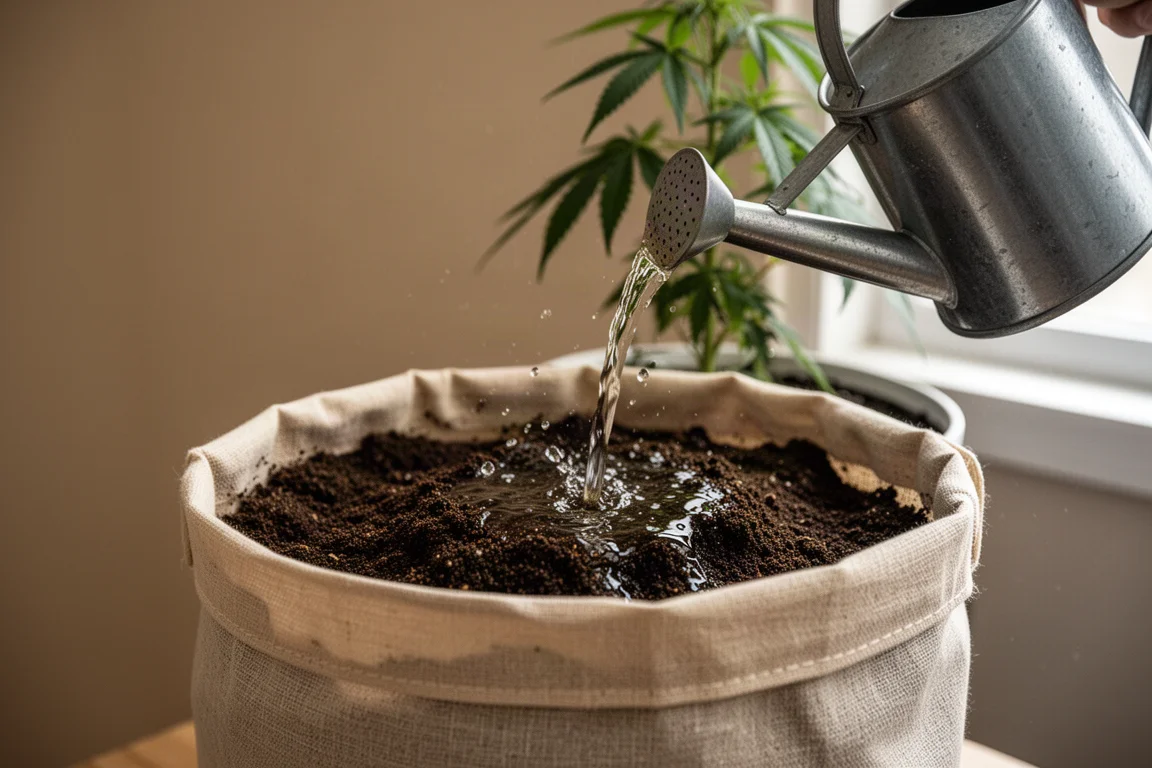
The schedule runs on a two-on, one-off cycle. Here is how it plays out in practice: if your first feeding lands on day nine, that counts as week two, and since week two gets no nutrients, you add nothing. The next feeding on day fifteen gets nutrients because it falls in week three. The third feeding on day twenty-one is plain water, acting as a flush that lets the plant absorb what nutrients remain in the soil so concentrations do not build up again. From there it repeats: feed, feed, flush, all the way through.
How Much to Feed and When to Water Again
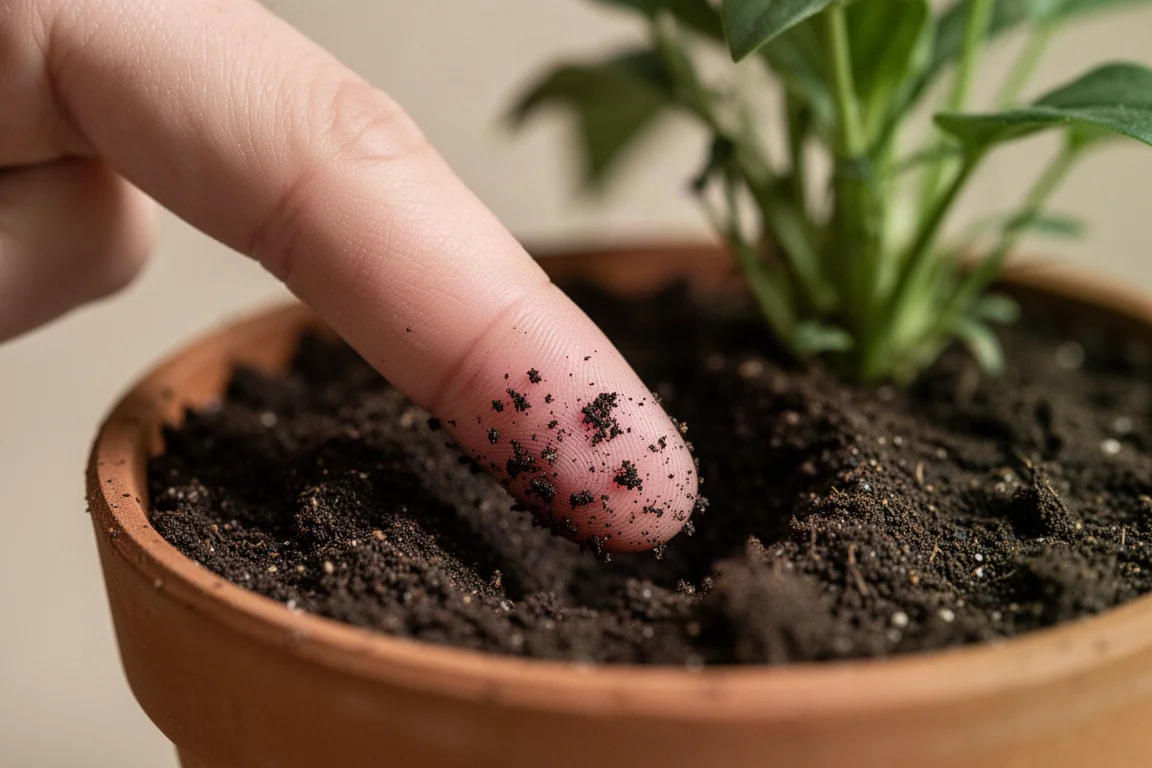
If you are unsure about volume, take the volume of soil in your pot and multiply it by 0.08. That ratio is a comfortable starting point. Then, do not feed again until the soil is dry. Check by pressing a finger about an inch deep into the soil: if soil sticks to your fingertip, it is still too wet, so wait another day and test again.
Flora Bloom
Flora Bloom earns its place during flowering. It contains sulfur, something many nutrient lines skip entirely, and sulfur is considered genuinely important for building dense, heavy buds. Combined with Micro and the feeding cycle above, it rounds out a system that is simple to run and easy to repeat.
Buying Advice
If you want a single complete nutrient system without overpaying, buy the full Trio and run it as a set. Micro does the heavy lifting, Bloom adds the flowering support many lines leave out, and Grow simply helps you fine-tune NPK targets. Match the feed chart to your soil, keep the mixing order consistent, and stick to the two-on, one-off rhythm.
Conclusion
The General Hydroponics Flora Trio proves that a basic, affordable nutrient line can deliver strong results when it is used with a clear schedule. Get the dosing right, respect the flush feeds, and check soil moisture before every watering. Do that, and this trio is all most growers actually need.
Further reading
Related Reviews
Hydroponics
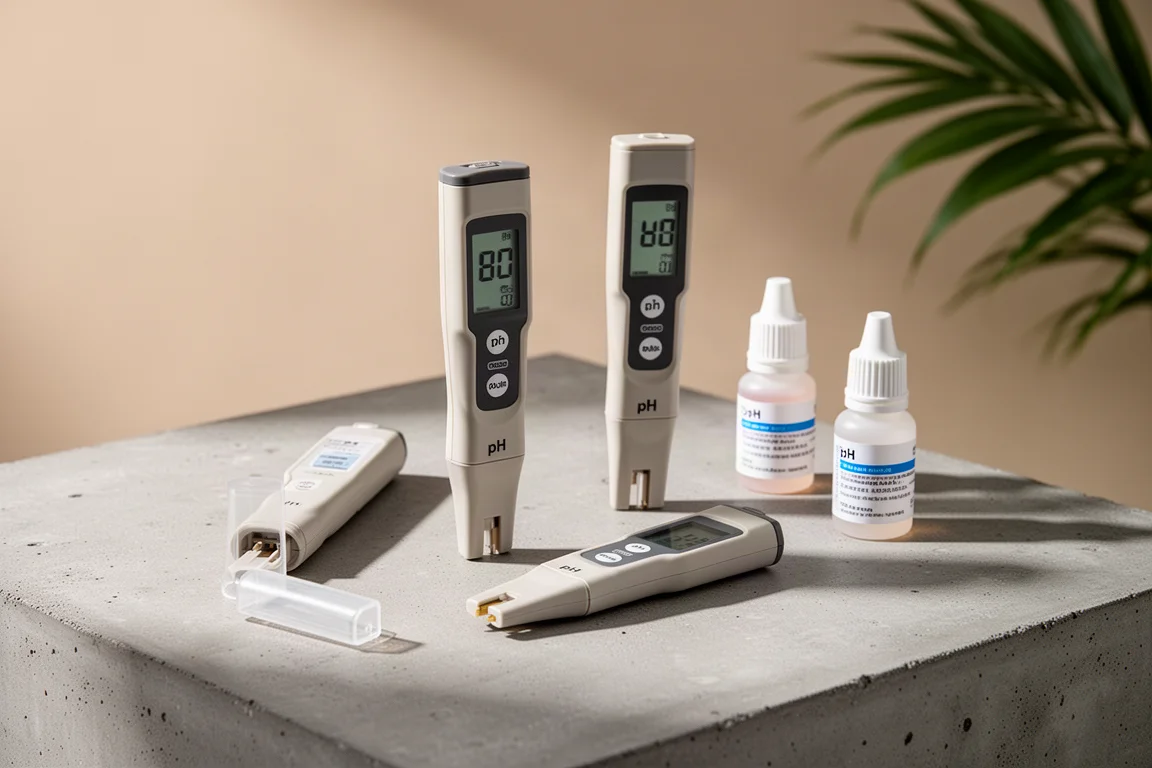
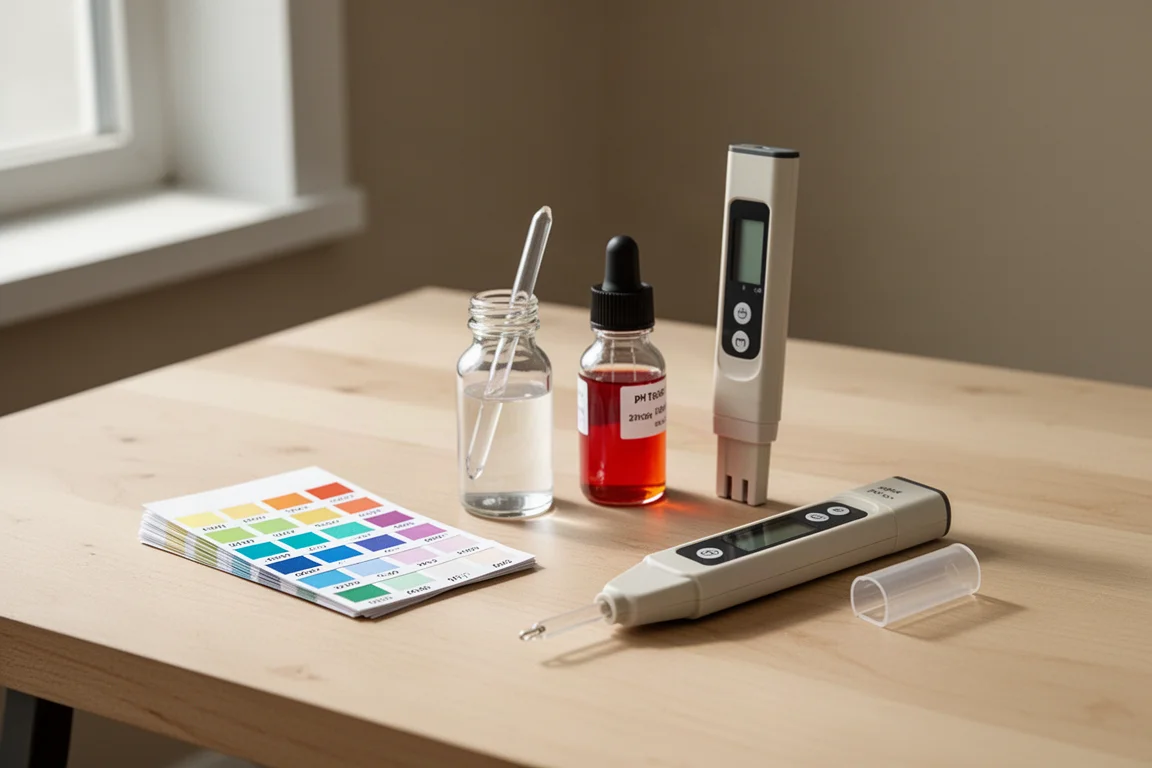
Best pH Testing Options for Hydroponics: From Premium Pens to Budget Strips
Four ways to test pH in your hydroponic setup, from the premium Bluelab pH Pen to affordable liquid kits, with the trade-offs of each approach.
Hydroponics
Testing Hydroponic pH: Three Easy Ways to Check Your Nutrient Solution
pH strips, a liquid test kit, and a digital pen compared side by side on a real hydroponic sprout, with a simple target range to aim for.
Hydroponics
LetPot Max Review: Unboxing and First Impressions of a Feature-Packed Hydroponic System
A hands-on first look at the LetPot Max hydroponic garden: what's in the box, how setup works, and early impressions of its big reservoir, bright grow light, and app control.