Hydroponics
Best pH Testing Options for Hydroponics: From Premium Pens to Budget Strips
Four ways to test pH in your hydroponic setup, from the premium Bluelab pH Pen to affordable liquid kits, with the trade-offs of each approach.
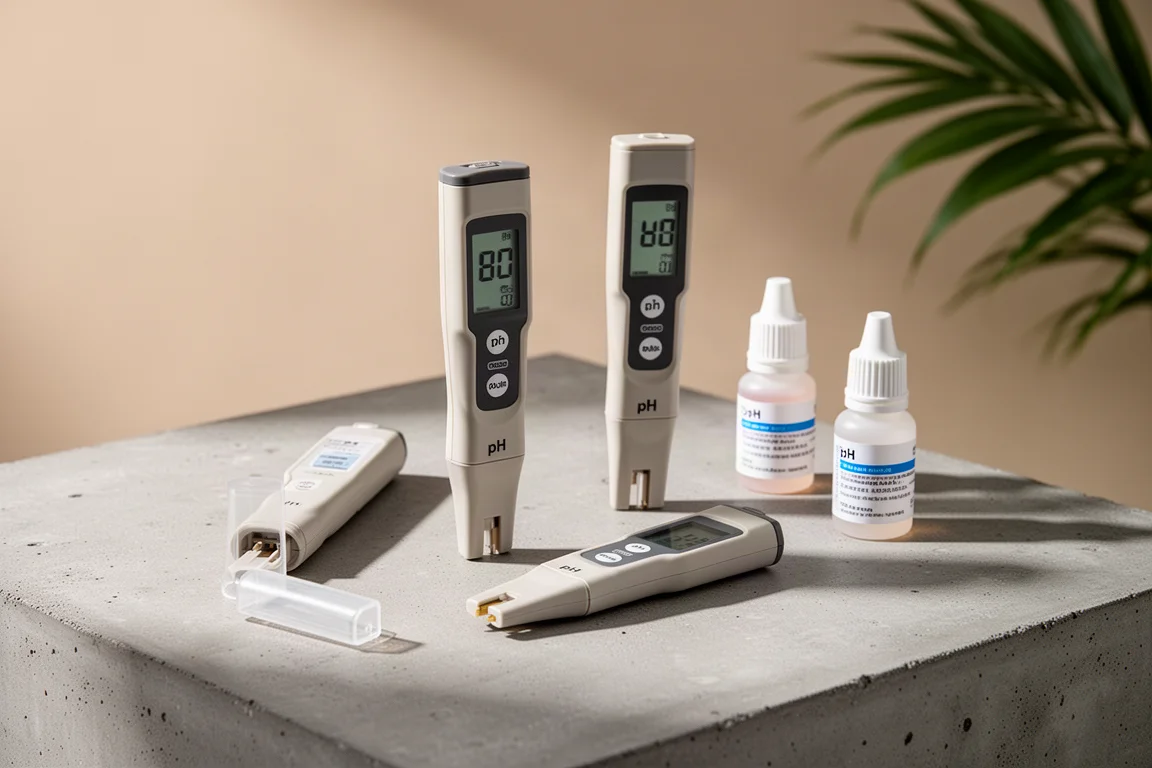
Introduction
Testing pH is one of those hydroponic habits that quietly separates thriving plants from struggling ones. The good news: you do not need an expensive meter to do it. The bad news: skipping it entirely is the fastest way to wonder why nothing is growing well.
In this guide we compare four ways to test pH, from a premium handheld pen to the cheapest strips on the shelf, so you can pick the option that fits your setup and your budget.
Why pH Testing Matters More Than the Tool You Use
Here is the honest disclaimer up front: you do not need a premium pH pen to test your pH. You do need to test your pH, but you can do it in a much cheaper manner. What matters is that the number you see reflects reality, because even a slightly wrong reading can send your nutrients off balance.
The premium option exists because some testers are simply regarded as among the best in the hobby, and because frequent growers appreciate the convenience. If you are only going to do one thing for your plants, though, do it with whatever tool fits your wallet: just test your pH. It will help you grow better.
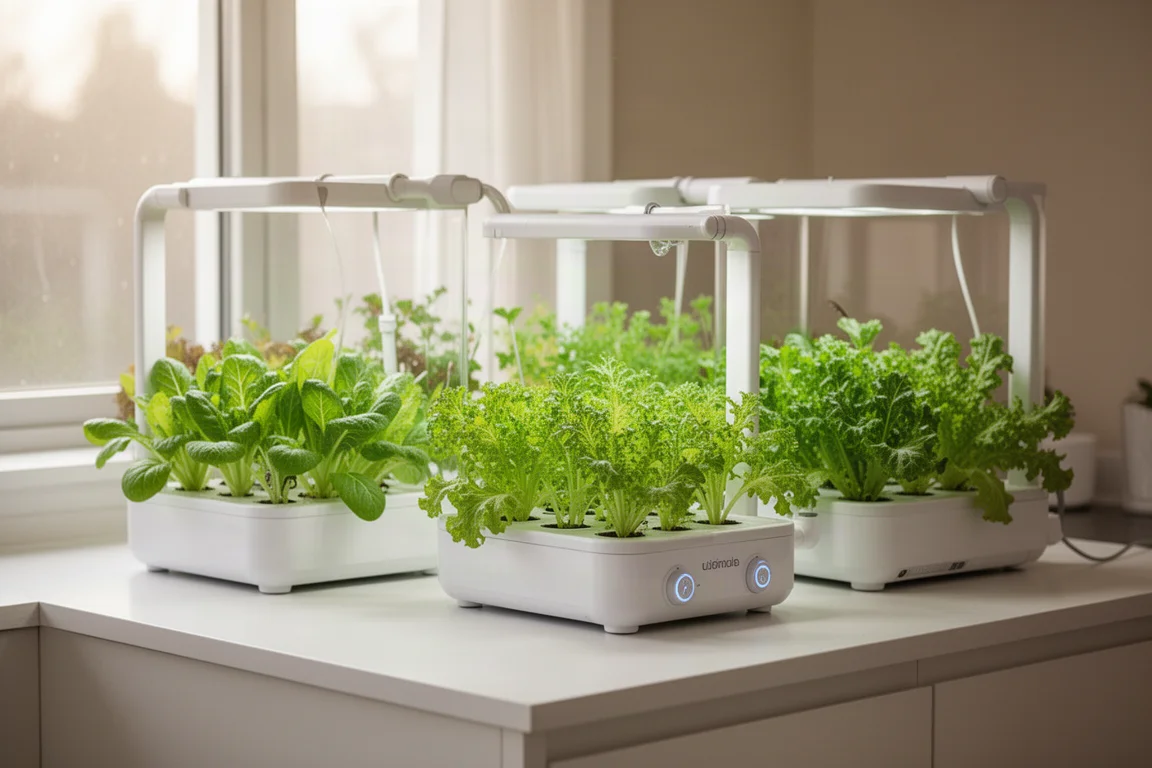
Bluelab pH Pen: The Premium Option
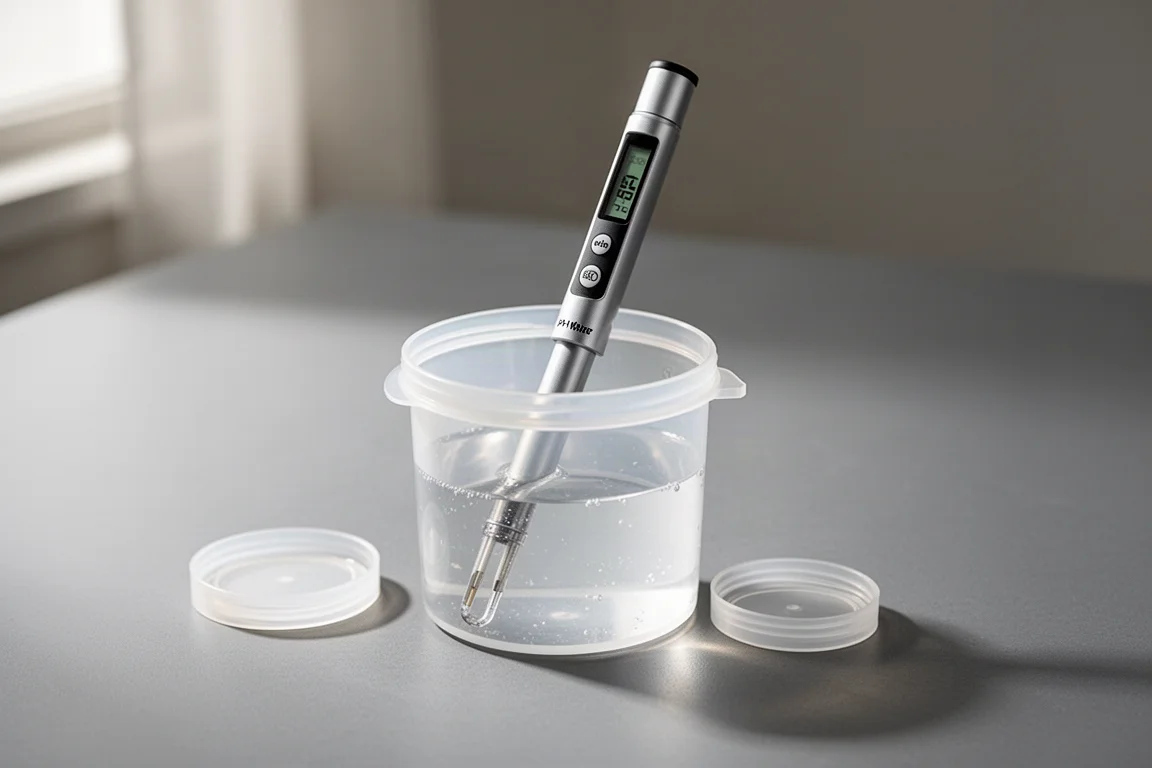
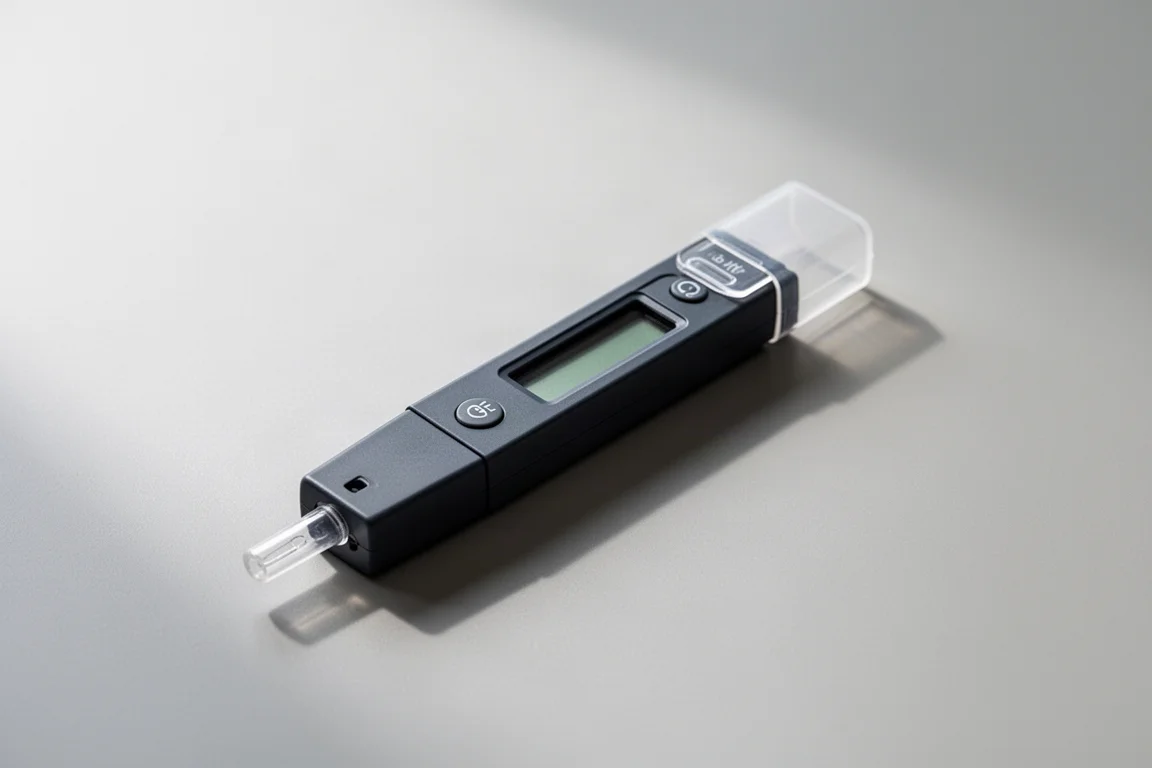
The Bluelab pH Pen is not cheap, and it is not ready to use straight out of the box. Before first use, the probe needs to soak for a full 24 hours to hydrate the glass sensing orb, and calibration with 7.0 and 4.0 solutions follows after that.
A few care rules make or break this tool. The probe contains a delicate blown glass orb, so glass containers of any kind should stay far away from it; a broken orb means the pen is finished. Soaking and storage work best in plastic containers, and rinsing should only ever be done with tap water, never reverse osmosis, distilled, or deionized water. The lanyard between the pen and its cap is not a cosmetic detail either: it keeps the cap attached and helps you confirm the cap is seated correctly without crushing the orb.
Inside the kit you get the pen, KCl (potassium chloride) storage solution, and single sachets of 4.0 and 7.0 calibration fluid, enough to get started. Larger bottles of calibration solution are a sensible early add-on. Bluelab also makes a combination pH and EC meter, but if you prefer single-purpose tools that each do one job well, the standalone pen plus a separate EC meter is a reasonable path.
For growers who run many units and test often, the investment is easy to justify. The main commitment is handling it gently and respecting the storage routine.
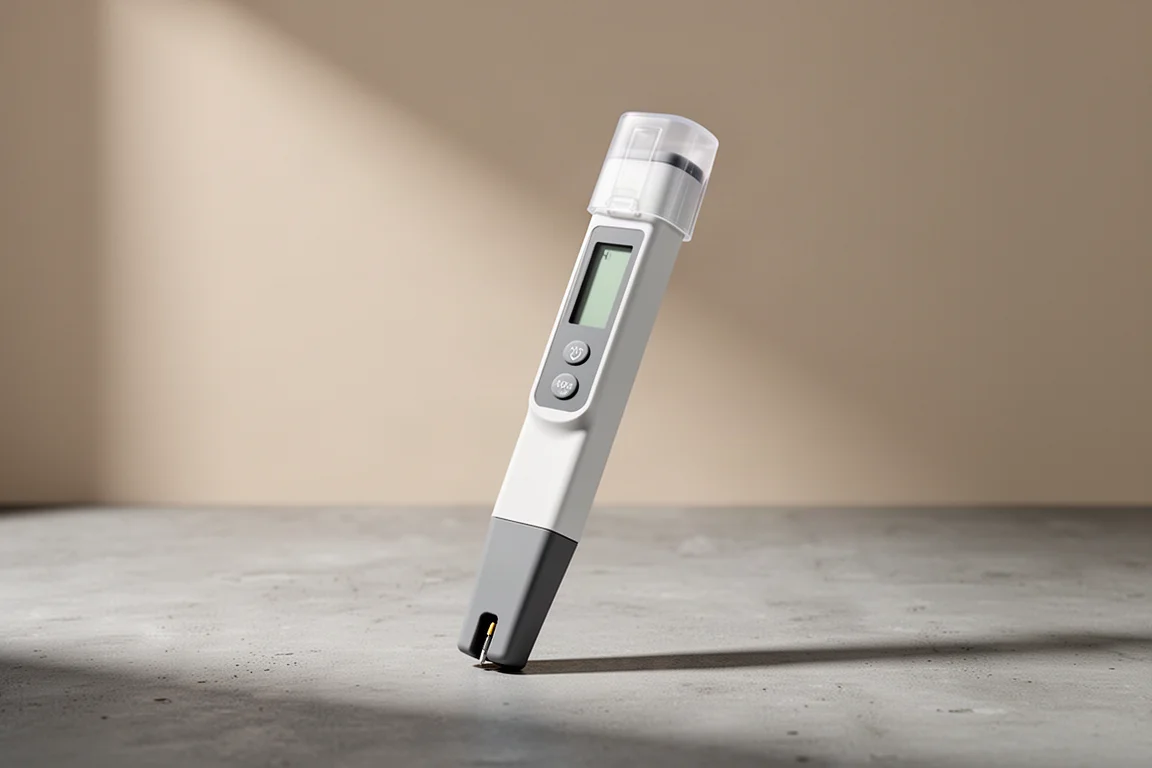
Vivosun pH Meter: The Budget Digital Alternative
If you want digital convenience without the premium price, a Vivosun pH meter is a much cheaper alternative. It covers the same basic job, dipping a probe into solution and reading a number.
The trade-off is confidence. Accuracy has not always felt fully dependable, which matters in a hobby where small increments can mean the difference between nutrients being available and being locked out. For growers on a tight budget who still want a digital reading, it is a reasonable starting point, with the caveat that you may want to cross-check readings occasionally with a liquid test.
Root Farm pH Test Kit: Simple and Reliable
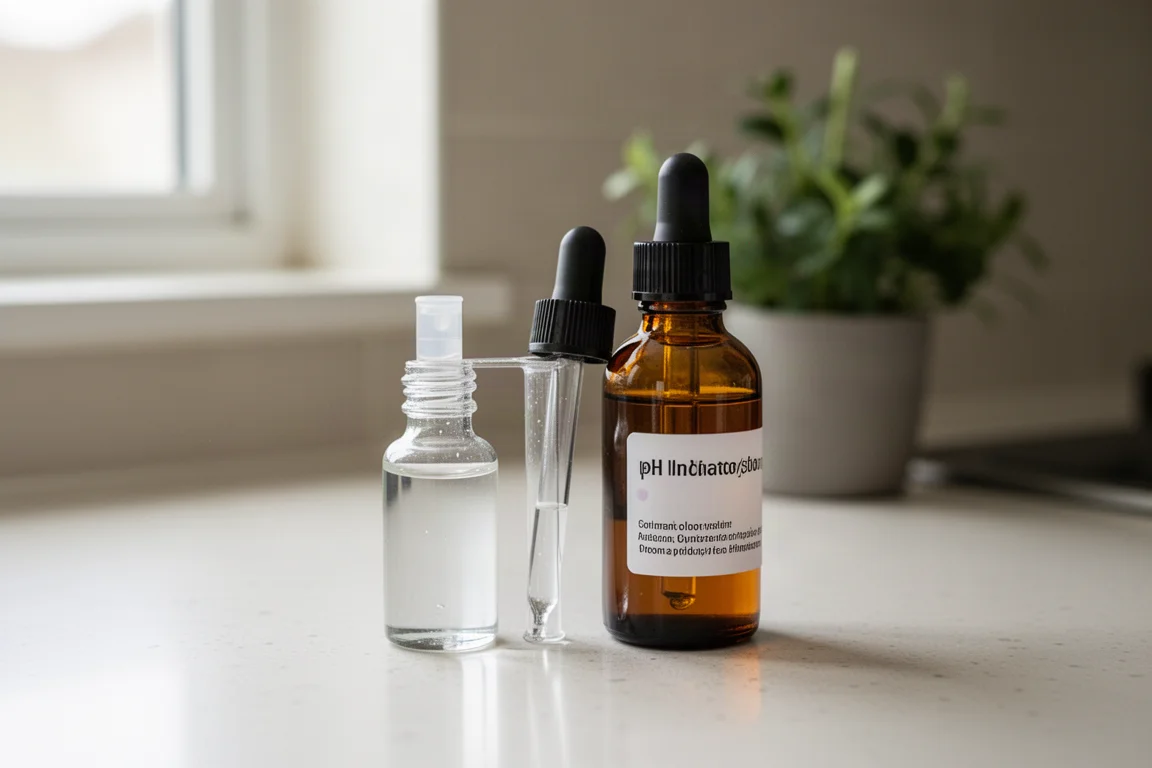
Liquid test kits are what many growers use for years before ever buying a pen, and the Root Farm pH Test Kit is a favorite for a reason: it is super easy and genuinely pleasant to use. Add a few drops to a sample, compare the color, and you have your answer.
This is the method many growers keep on hand even after upgrading to a digital pen, both as a backup and as a sanity check. If you want the simplest dependable routine with no calibration, no soaking, and no fragile probe, this is the sweet spot.
General Hydroponics pH Test Kit: Another Solid Liquid Option
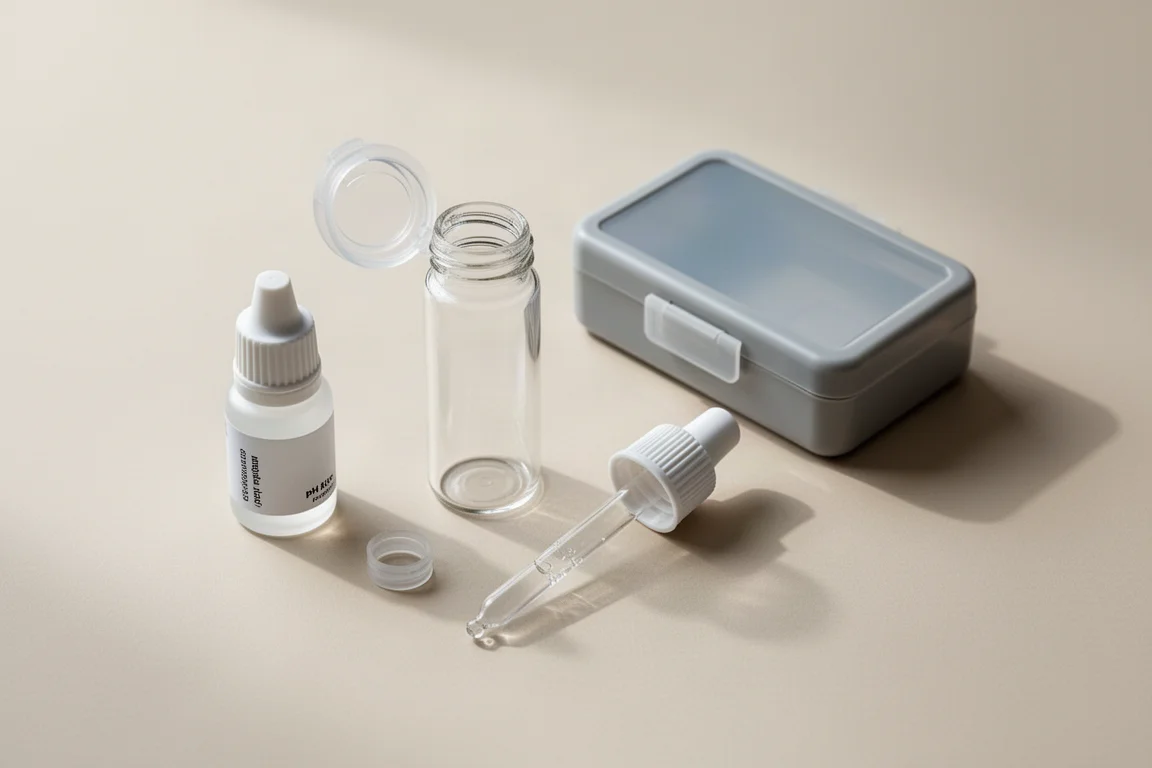
General Hydroponics makes a liquid pH test kit as well, and it works on the same principle: a small sample, a few drops, and a color comparison. It is a dependable choice from a brand deeply rooted in the hydroponic world, and another good pick if you prefer the liquid method.
Between the two liquid kits, the choice comes down largely to availability and personal preference, since both cover the same fundamental need without any of the maintenance a probe demands.
pH Strips: The Cheapest Way to Start
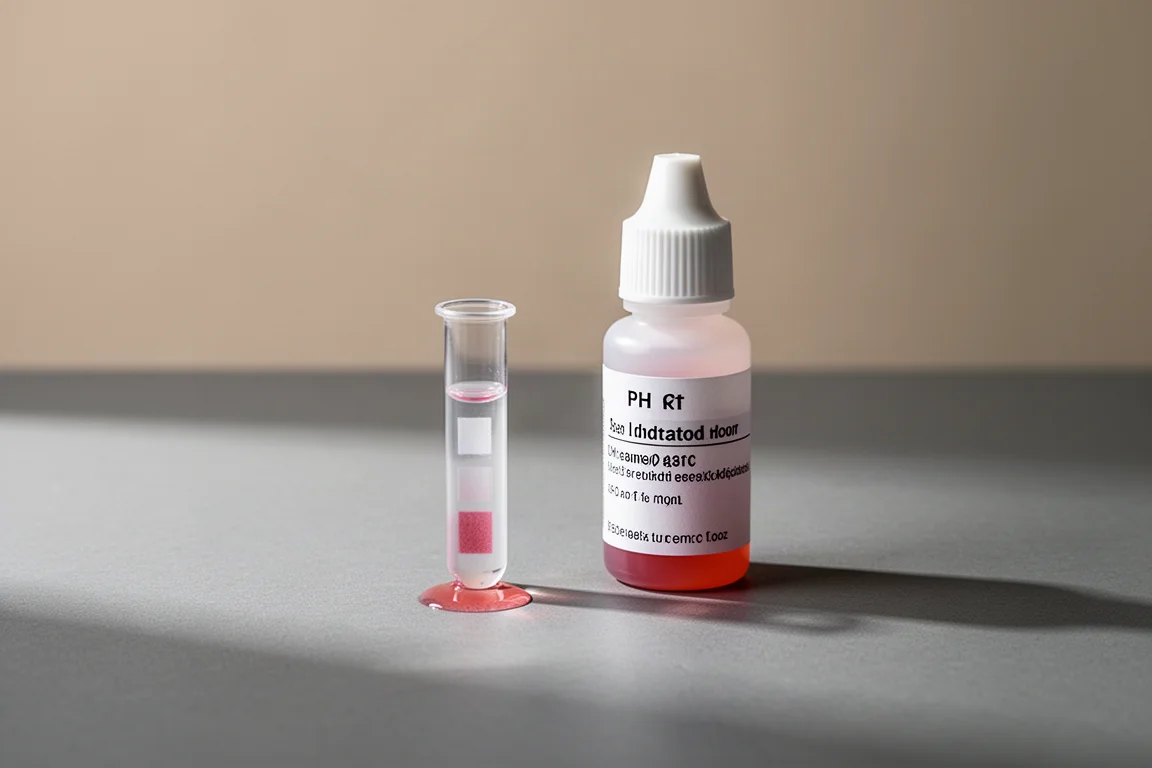
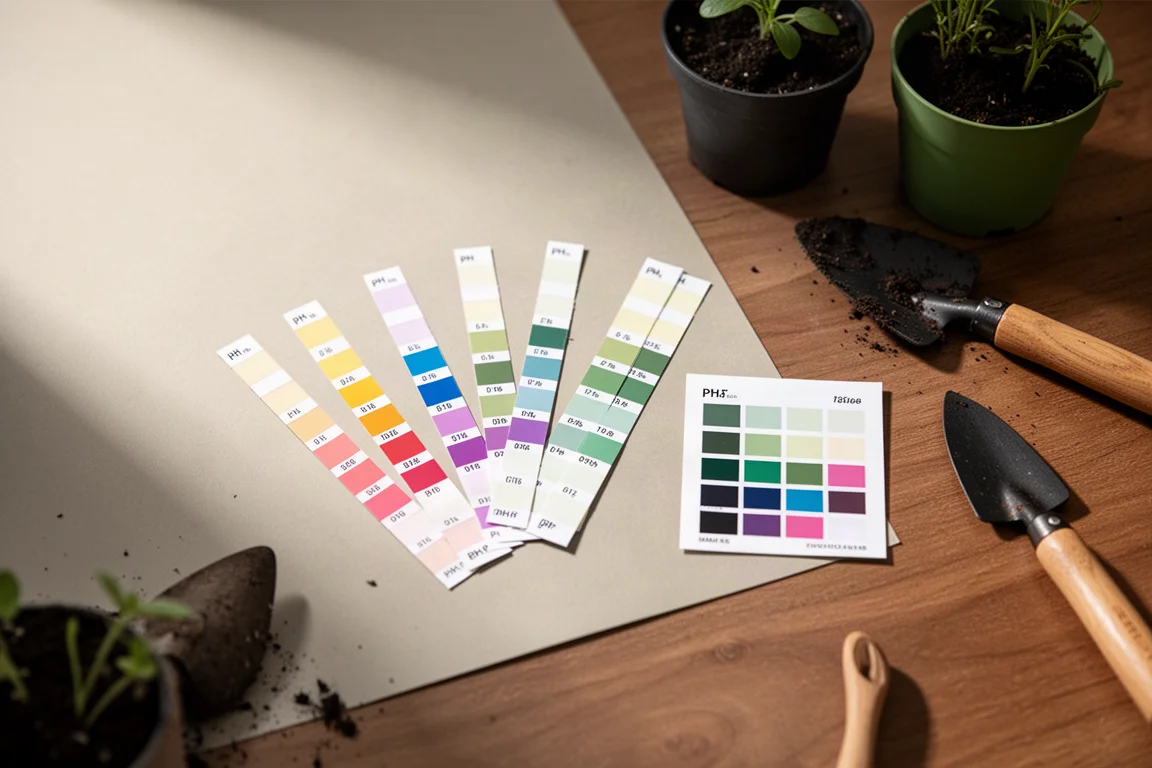
At the very bottom of the price ladder sit pH test strips. They are not always the most accurate, and they will not show small increments, which is exactly the range most hydroponic growers care about.
Matching the strip color to the chart can also feel like one of those click-the-squares security puzzles: ambiguous, subjective, and prone to second-guessing, especially if you tend to over-soak the strip. Still, if your pH is way off, strips will let you know, and something is always better than nothing.
Which One Should You Buy?
Choose the Bluelab pH Pen if you grow frequently, run multiple units, and want a tool regarded as among the best, and you are willing to follow its care routine carefully. Choose a Vivosun meter if you want digital readings on a budget and accept some uncertainty in accuracy. Choose the Root Farm or General Hydroponics liquid kit if you want simple, reliable results with zero maintenance. Choose strips only as a last resort or an emergency check.
Whatever you pick, the real upgrade is the habit. Test your pH regularly and your plants will thank you for it.
Conclusion
Every option here will tell you something about your nutrient solution; they differ in precision, convenience, and price. Start with what you will actually use consistently, and upgrade to a premium pen only when your growing habit has outgrown the simpler methods. A healthy pH routine costs less than a single failed crop.
Further reading
Related Reviews
Hydroponics
General Hydroponics Flora Trio: A Practical Feeding Guide for Soil Growers
How the three-part Flora Micro, Flora Grow, and Flora Bloom system works, how to sequence each bottle, and how to run a simple feed-and-flush cycle.
Hydroponics
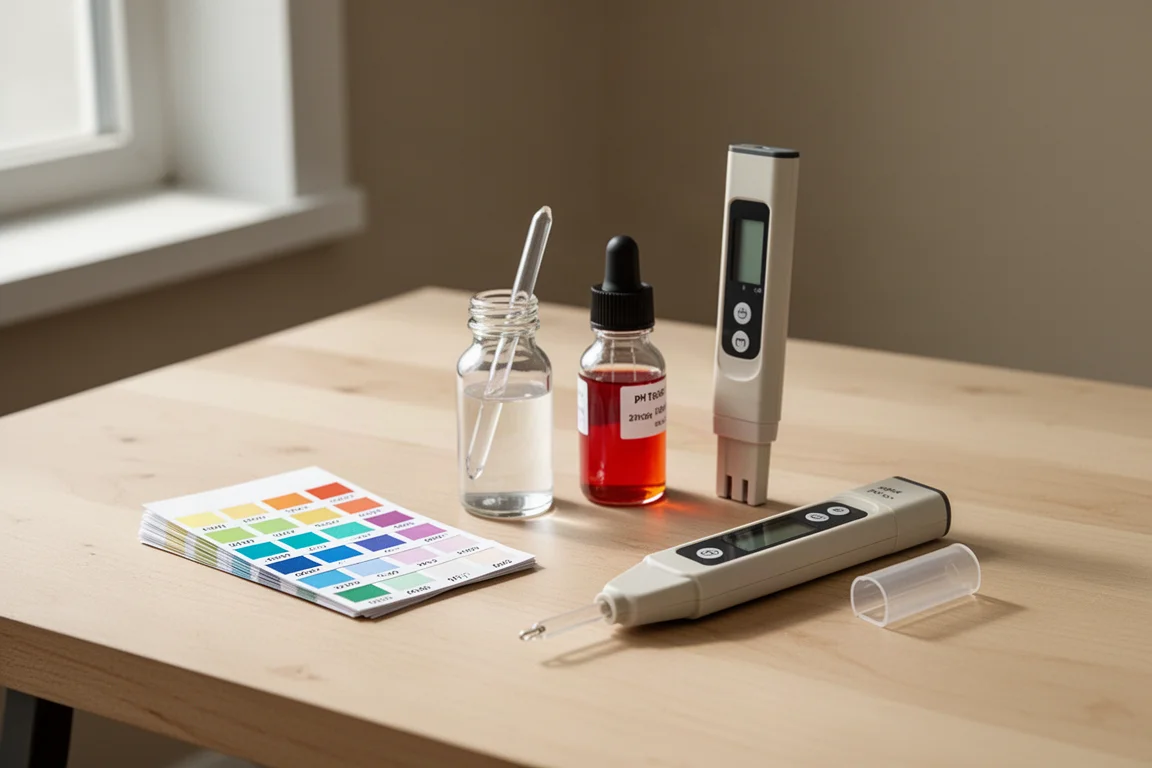
Testing Hydroponic pH: Three Easy Ways to Check Your Nutrient Solution
pH strips, a liquid test kit, and a digital pen compared side by side on a real hydroponic sprout, with a simple target range to aim for.
Hydroponics
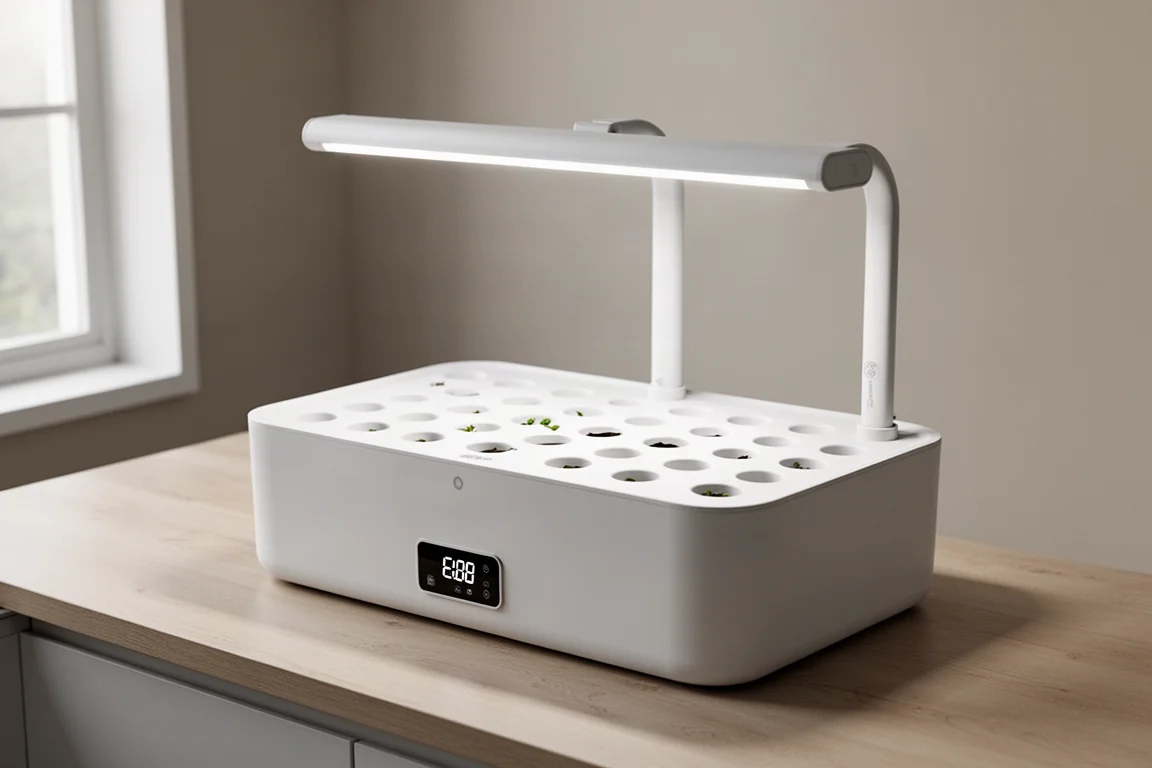
LetPot Max Review: Unboxing and First Impressions of a Feature-Packed Hydroponic System
A hands-on first look at the LetPot Max hydroponic garden: what's in the box, how setup works, and early impressions of its big reservoir, bright grow light, and app control.