Backpacking Gear
Six Lesser-Known Backpacking Gear Pieces Worth a Look in 2026
A cold, wet desert overnight put six under-the-radar backpacking products to the test, from an Australian pack to a $50 sleeping pad and a quilt that punches well above its price.
Introduction
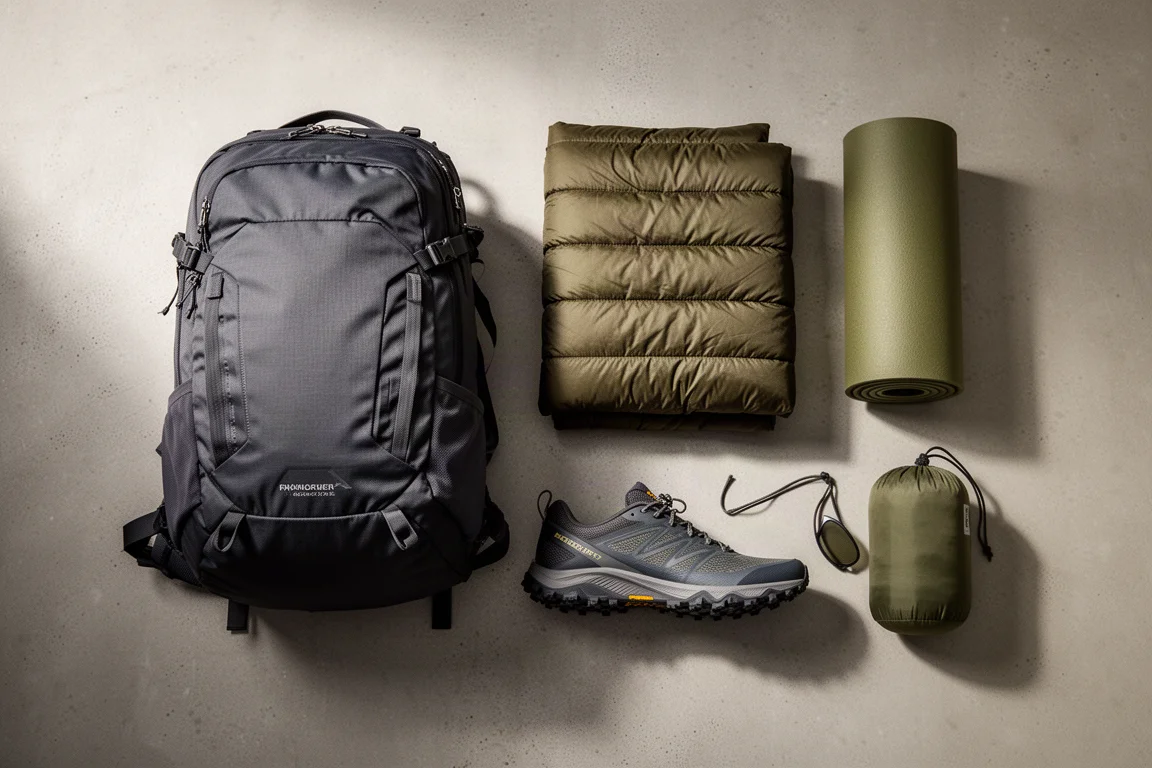
Some of the most interesting backpacking gear comes from companies most hikers have never heard of, and the only way to find out whether that is because the products are forgettable or because they are genuinely good is to carry them. This set of six pieces went out on a cold, wet desert overnight with rain and wind in the forecast, a load of about 30 lb, and terrain that included a sandy wash, loose rock, and a fair amount of scrambling.
The goal was not to crown a winner. It was to work out who each item actually suits: the thru-hiker counting grams, the weekend backpacker who wants durability, or the camper who simply wants a comfortable night for as little money as possible. Every product here earned a clear answer.
How We Evaluated This Gear
Four things mattered on this trip. First, how each item carried or packed, since a pack, a quilt, and a pad all change how a load feels by the end of a long day. Second, how the gear behaved in genuinely wet and windy weather rather than in mild conditions. Third, how it handled real abuse, including sliding down rock and pushing through brush. Fourth, whether the price asked made sense against what the product delivered.
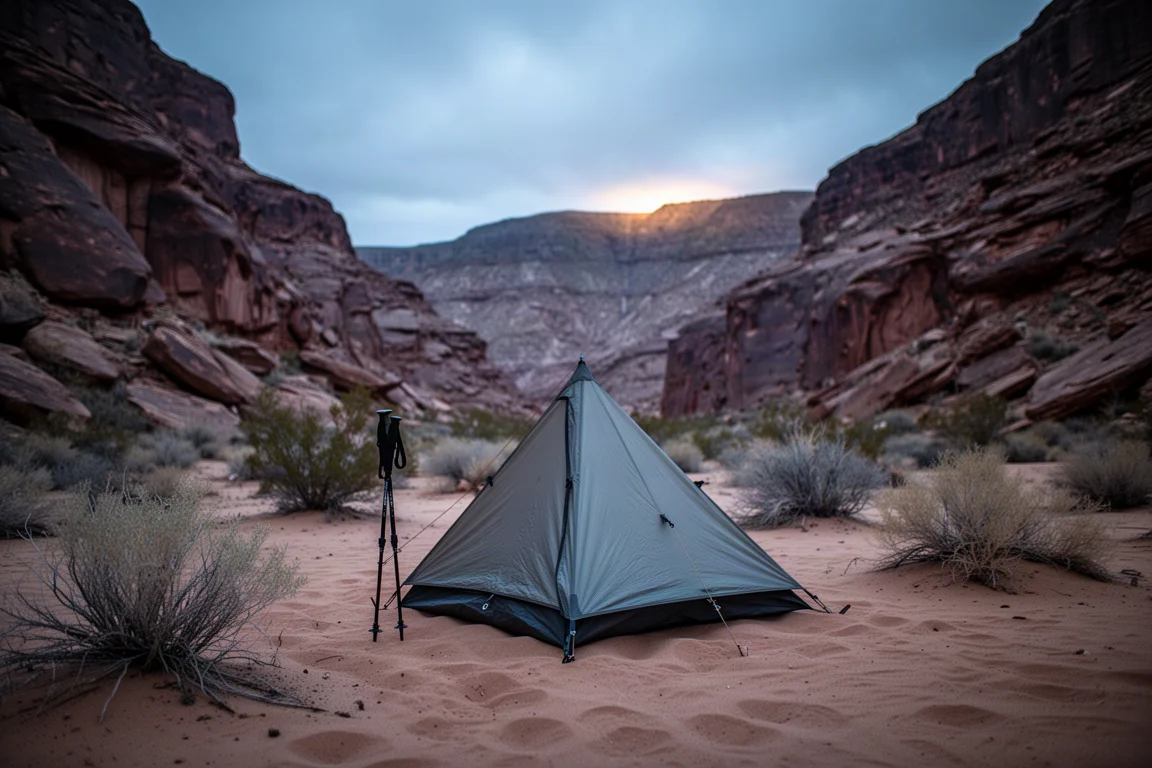
Conditions were deliberately unkind. Humidity was high, rain arrived around midnight and continued until early morning, and the wind picked up enough that the shelter had to be pitched lower than ideal. That is a fair test of ventilation, weather protection, and how much interior space a tent gives up when it is dropped into the wind.
Whippa Colo Pack: Durability First, Front Pocket Included
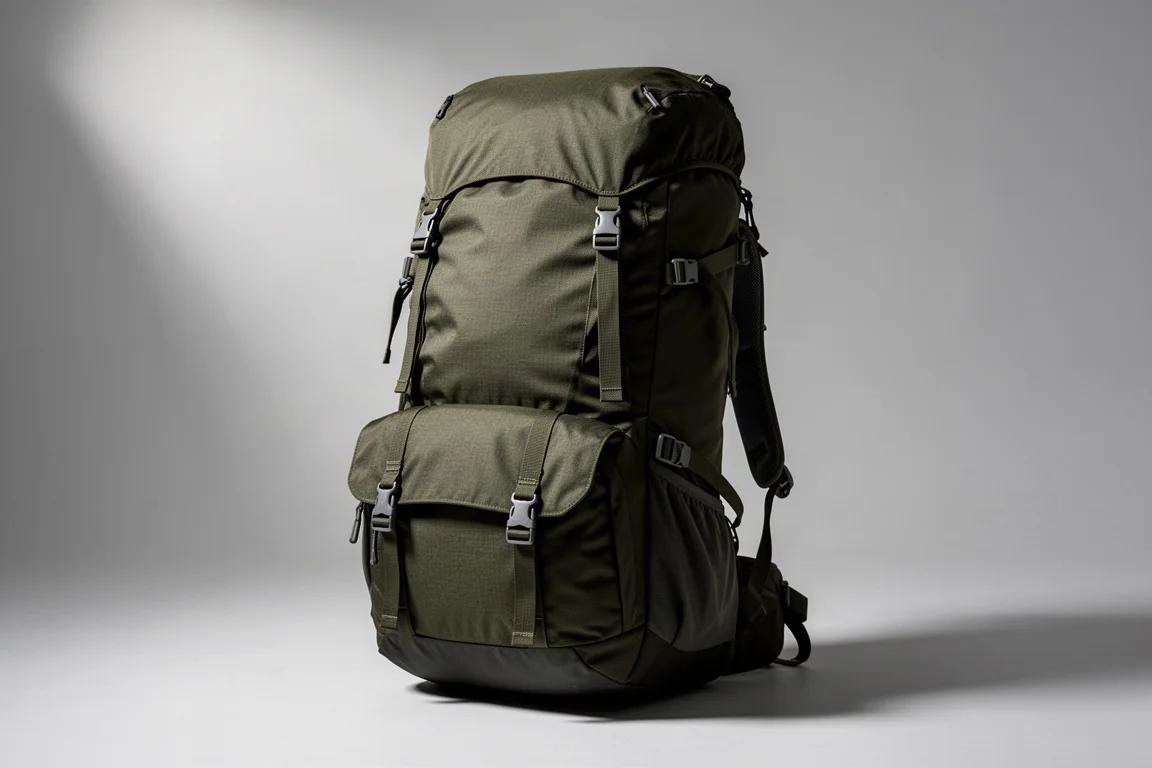
The Colo Pack was developed with input from an Australian adventurer who pack rafts and canyons, and the build reflects that background. The sides are reinforced, the bottom is unusually tough, and the whole pack still comes in at 960 g, so it stays under a kilogram despite the extra material. That puts it above many packs of similar capacity on weight, and the extra grams buy abrasion resistance rather than ultralight numbers.
The signature feature is the front pocket. Instead of a large stretchy mesh panel, it uses a flapped design that buckles down and seals the pocket off from the weather. It is rain resistant rather than submersible, but during a wet overnight that distinction matters less than the peace of mind. Inside, two small clips let you hang a zippered accessory pouch, which is where keys, a wallet, or a passport can live for the whole trip without being dug out of the main body.
Carrying 30 lb was the real surprise. The frame and suspension hug the body closely, and even in a size medium on an 18 to 18.5 inch torso, where the torso length felt slightly short, the hip belt, shoulder straps, and back panel all sat well. Moving quickly through rocky sections, the load stayed stable and predictable.
Ombraz Refugios: Armless Sunglasses with Real Coverage
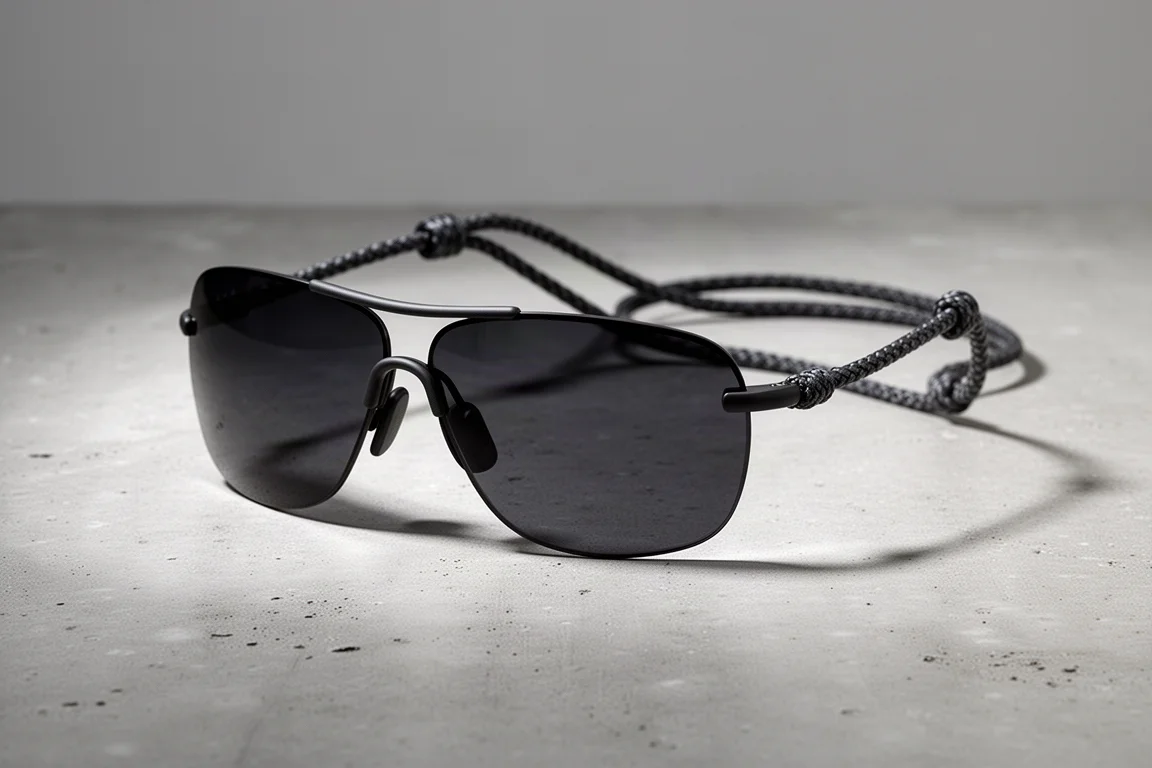
The Refugios keep the defining Ombraz design, a single cord across the back of the head instead of arms, and add two changes that matter. They offer more coverage than the brand’s other models and wrap around the face more effectively, which helps protect the eyes in bright, reflective conditions such as snow. The nose piece is rubberized rather than plastic.
That rubberized nose piece is the detail that stands out in hot, dry country. It holds the frame in place well enough that you can slide the glasses slightly down the nose for extra ventilation without them slipping off the face, which is exactly the problem with harder plastic nose bridges. For long days of walking in sun, that is a small thing that keeps coming up.
Norda 001A: A Trail Runner That Doubles as a Hiking Shoe
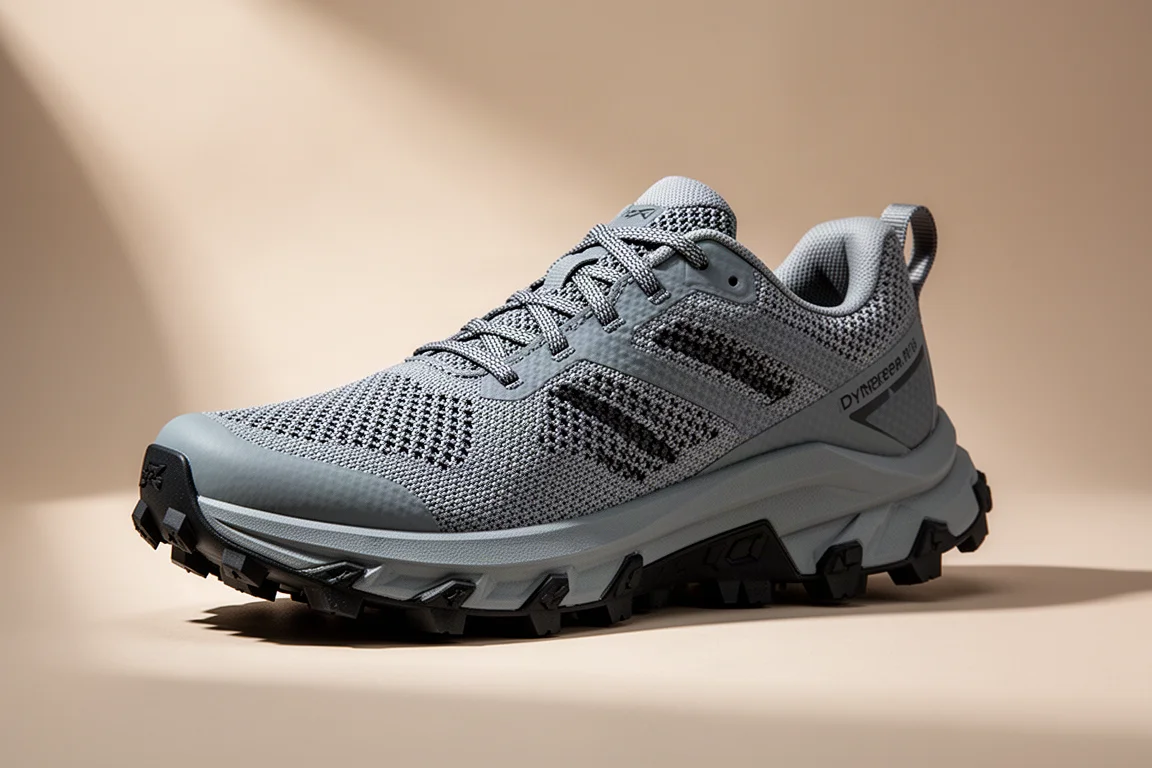
Norda is a Canadian company known for expensive shoes that perform at a very high level, and the 001A is its newest trail runner. The build is technical: a Dyneema upper, an advanced midsole, and a Vibram Megagrip outsole. Megagrip is a familiar choice for anyone who spends time on wet rock, and it has been super grippy on the loose stone and slabby sections of this route.
The fit is just as important as the grip. There is no heel slippage, the forefoot is not cramped, and the shoe sits close to the foot without pinching. Although these are trail runners rather than hiking shoes, the durability is what makes them interesting for walking. There are reports of hikers putting well over 1,000 miles on a pair without wearing them out.
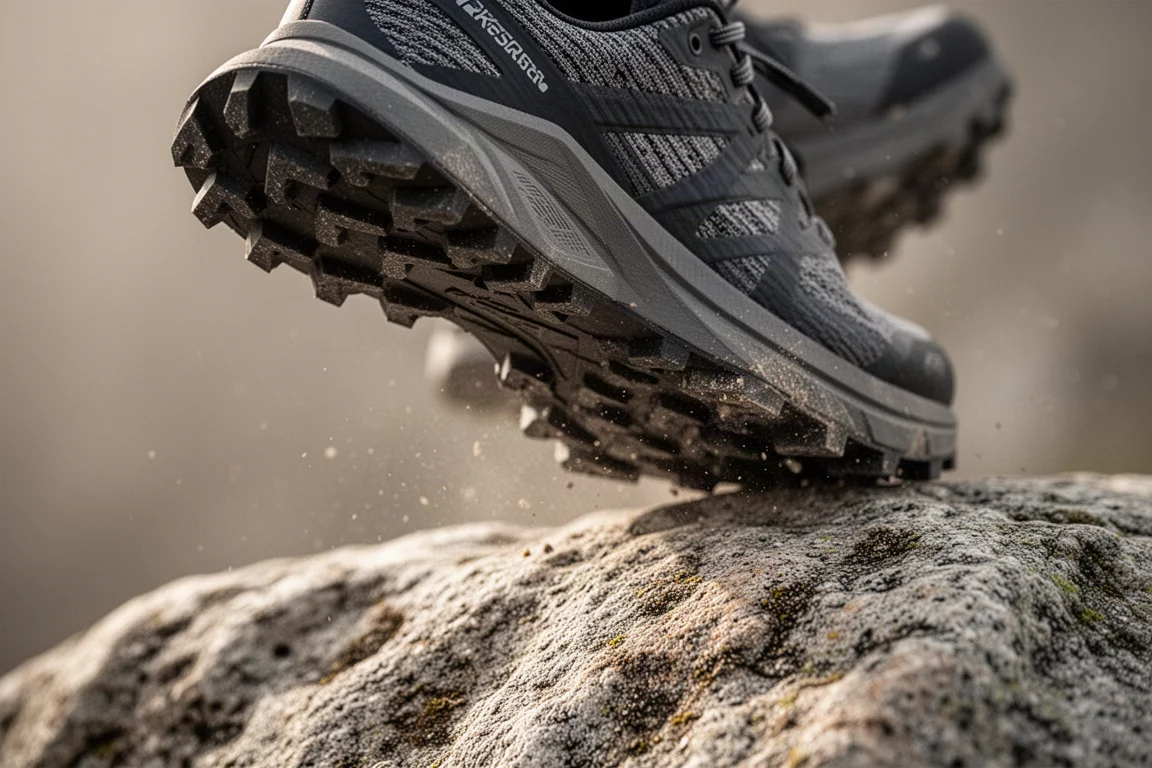
That combination of grip, fit, and longevity makes the 001A a plausible hiking shoe for people who prefer a lighter, faster feel underfoot and are willing to pay for it. Anyone who needs a stiffer platform or heavy ankle support will still want a dedicated boot.
Lightweight Illusion One-Person Tent: Six Stakes and Two Kickstand Vents
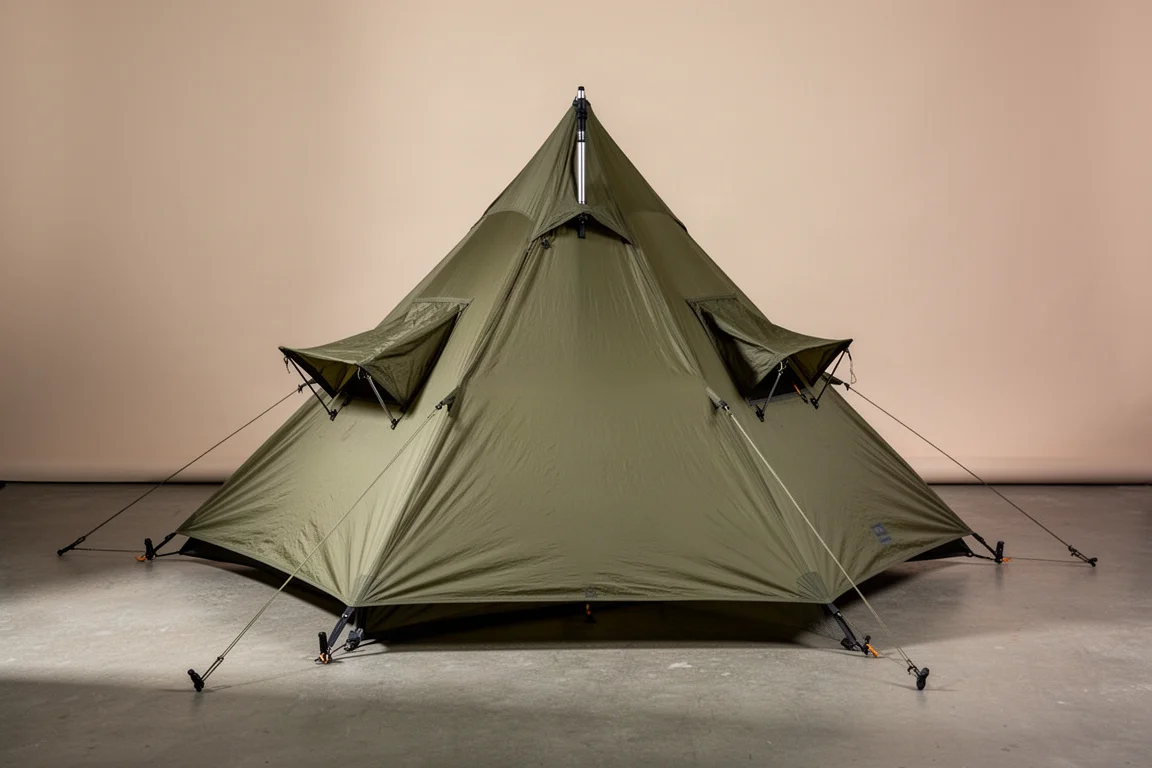
The Illusion is a trekking pole shelter advertised with a large internal volume for a one-person tent, good wind resistance, and a minimal six-stake pitch. That pitch is a genuine advantage. Many trekking pole tents want ten stakes or more, and this one felt solid with six, with extra guy-out points available on the door tiebacks, both side panels, and the back panels, plus the option of running the peak line out further for more stability.
Weight and material are the other headline points. At 580 g it is light without using Dyneema, and it is built from silpoly, which does not sag or stretch when wet and packs down small into its stuff sack. The feature that stands out most is ventilation: two side panel vents, each held open by a small kickstand stay, which encourages cross flow through the shelter. The trekking pole sets up inside the tent rather than in an external vestibule, with a cinchable hole in the floor to keep bugs and animals out. That arrangement saves mesh and weight, though it takes some getting used to.
In use, the tent rewarded a high pitch. At 5 ft 10 in, there was plenty of room. Anyone over about 6 ft 2 in would likely find it too tight, with a sleeping bag brushing the walls at the head end. When the wind arrived, the pole had to be dropped and the shelter staked low to the ground, which cost a lot of interior volume; the end panel guy-outs helped, but the foot of the quilt still touched the end wall. Rain also exposed a user error rather than a design flaw: the seams where the bathtub floor meets the walls had not been sealed, and water pooled in the floor. The lesson is to seam seal every seam on this tent before trusting it in weather. Condensation performance, by contrast, was strong. Despite high humidity and standing water outside, moisture inside was limited to the head end and the top, which suggests the vents are doing real work.
Bestway Ridgelite Sleeping Pad: Helix-Style Comfort at a Budget Price
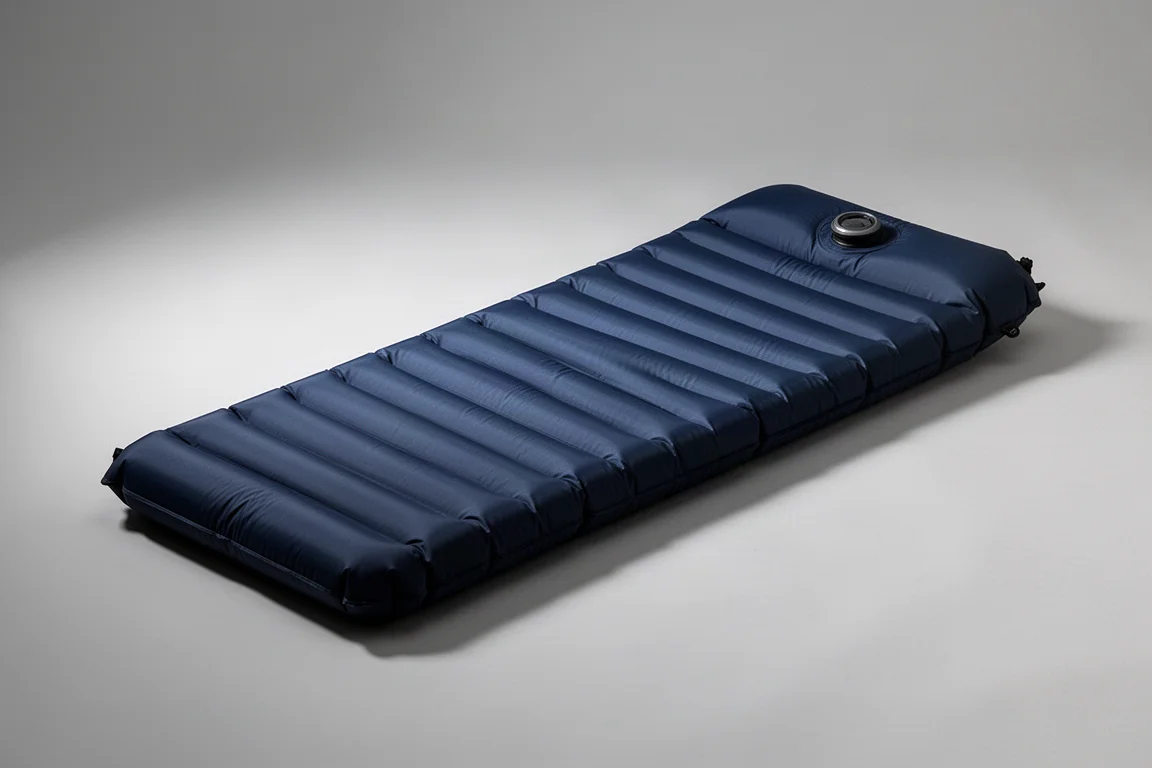
The Ridgelite is advertised as lightweight, compact, and suited to cold weather, with an R-value of 4.9 and a claimed weight of 638 g. On the scale it came in at 700 g, the same as an REI Helix, and an R-value of 4.9 is better described as a three-season rating that will sleep comfortably down to around freezing rather than a cold-weather figure.
What makes the pad interesting is how closely it resembles the REI Helix. The baffle pattern looks nearly identical, and comfort and warmth tracked closely with that pad on test, at a price of around $50. The valve placement is the improvement: it sits on the top surface, so air can be added or released during the night without flipping the pad over, which is a real annoyance with pads that put the valve underneath. Temperatures only dropped to about 5 degrees Celsius on this trip, but the pad stayed warm with noticeable insulation from the ground.
Two caveats are worth knowing. It is not the thickest pad available, so anyone who tends to bottom out a sleeping pad should look at a thicker option. Durability is also the open question at this price, and it is the main reason to treat the Ridgelite as a promising budget pick rather than a proven long-term one. If you are in the United States, the sensible move is to lie on an REI Helix in store, and if you like it, order the Bestway.
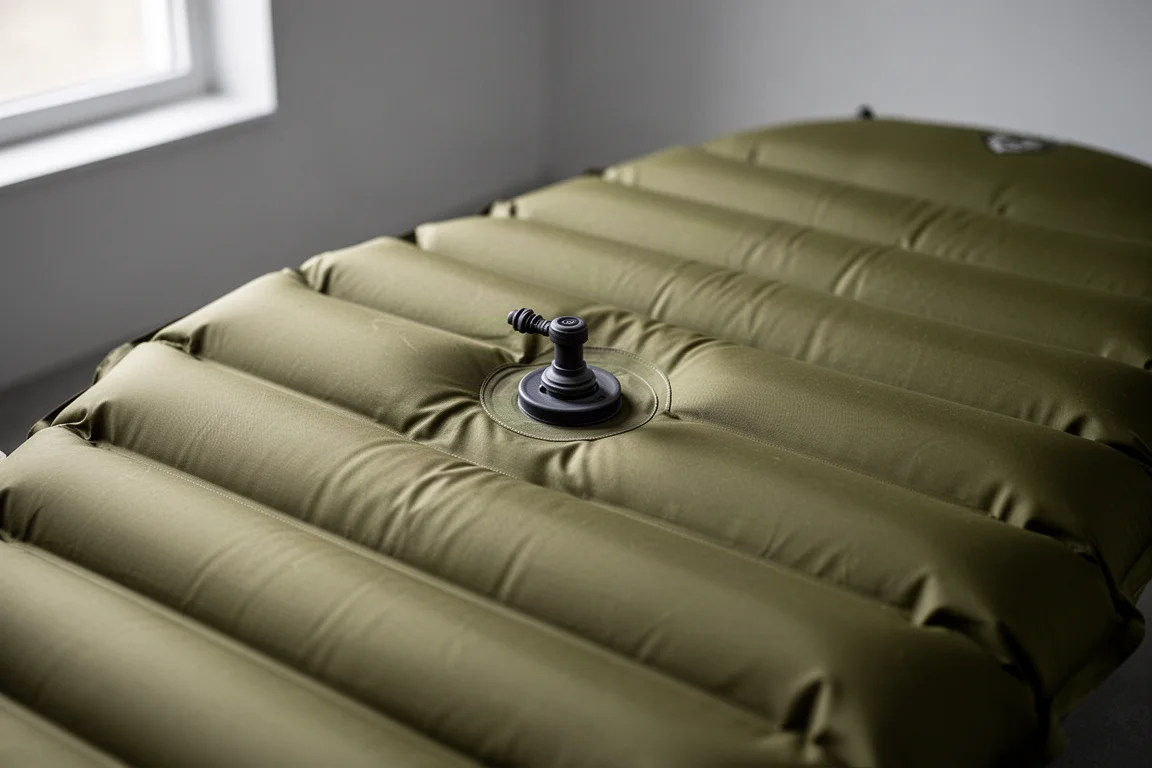
The honest summary is that the Ridgelite feels like a Helix for a fraction of the money, with a better valve, and the unanswered question is how many seasons it will last.
Nieve Wear Top Quilt: Warmth Without the Fiddle Factor
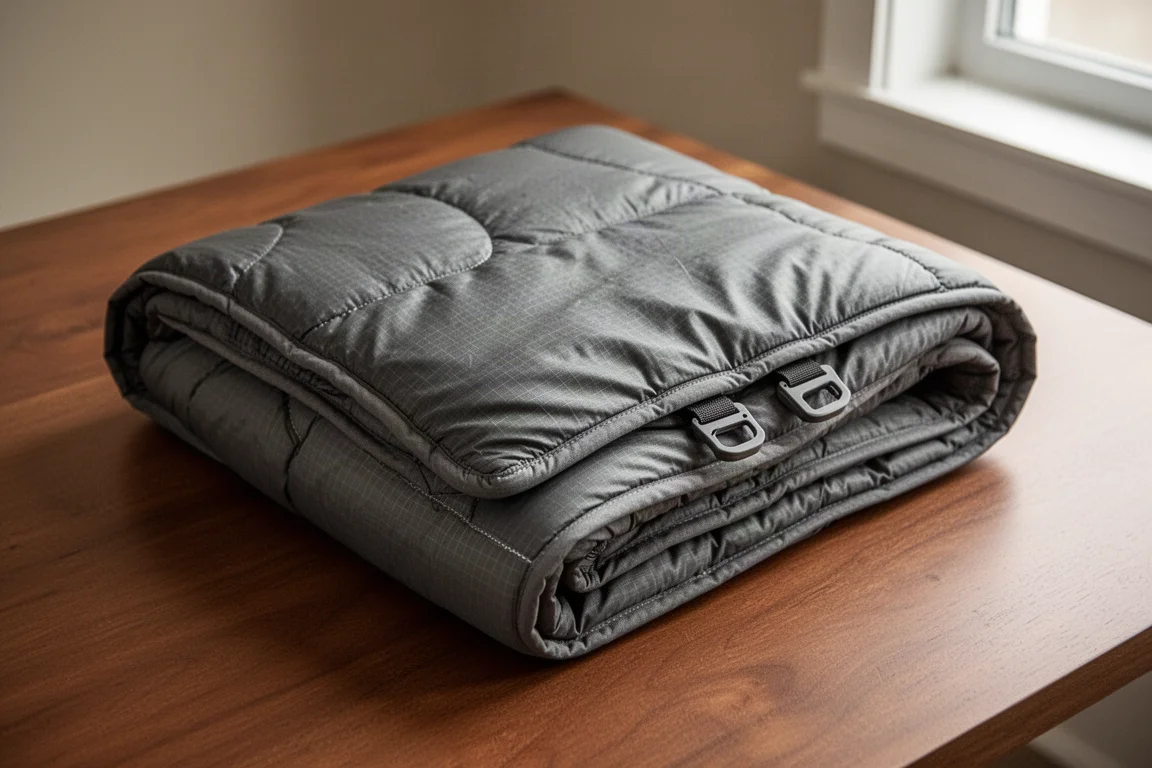
Nieve is an Australian company, and the Wear Top quilt solves the problem that keeps many backpackers away from quilts in the first place. The clips for the pad straps sit slightly inside the quilt, which creates a draft tube that hangs down when the quilt lifts off the pad and seals out cold air. Setup is essentially fiddle free: fit the pad straps, clip in, and sleep.
The minus 2 degree Celsius version weighs just over 600 g, and the rating is a comfort rating rather than a limit. It has been used down to minus 6 degrees Celsius while staying warm, which means most users can push this quilt four to six degrees beyond its label. A minus 8 degree version exists for genuinely cold trips, but it may simply be wasted weight for three-season use. There is also an ultralight version that uses a 7D shell fabric, drops weight, and carries a warmer temperature rating for trips where every gram counts.
Two smaller details are worth calling out. The clips on the pad straps face down toward the ground rather than inward, which adds a little tension and reduces the chance of drafts when the quilt is pulled around. The clips are also identical on both the straps and the quilt, so there is no left and right confusion during a cold camp setup. As for standing in the market, this quilt was the eleventh most popular option on the Pacific Crest Trail in 2025, and on price, weight, and features it looks likely to climb much higher. It performs close to the top-tier quilts while costing roughly half as much, and for backpackers who are not counting every gram, that trade is easy to justify.
Buying Advice: Matching Gear to Conditions
The clearest pattern across these six products is that each one asks you to accept a specific trade. The Colo Pack asks for about 960 g in exchange for a reinforced body, a tough base, and a sealed front pocket, which is a straightforward deal for abrasive desert terrain and a harder sell on soft, well-graded trails. The Illusion asks for a careful seam sealing job and a tolerance for a tight fit at the extremes of height, in exchange for 580 g, silpoly fabric that does not sag, and ventilation that genuinely limits condensation. The Ridgelite asks you to accept an unproven long-term durability record in exchange for Helix-level comfort at a budget price.
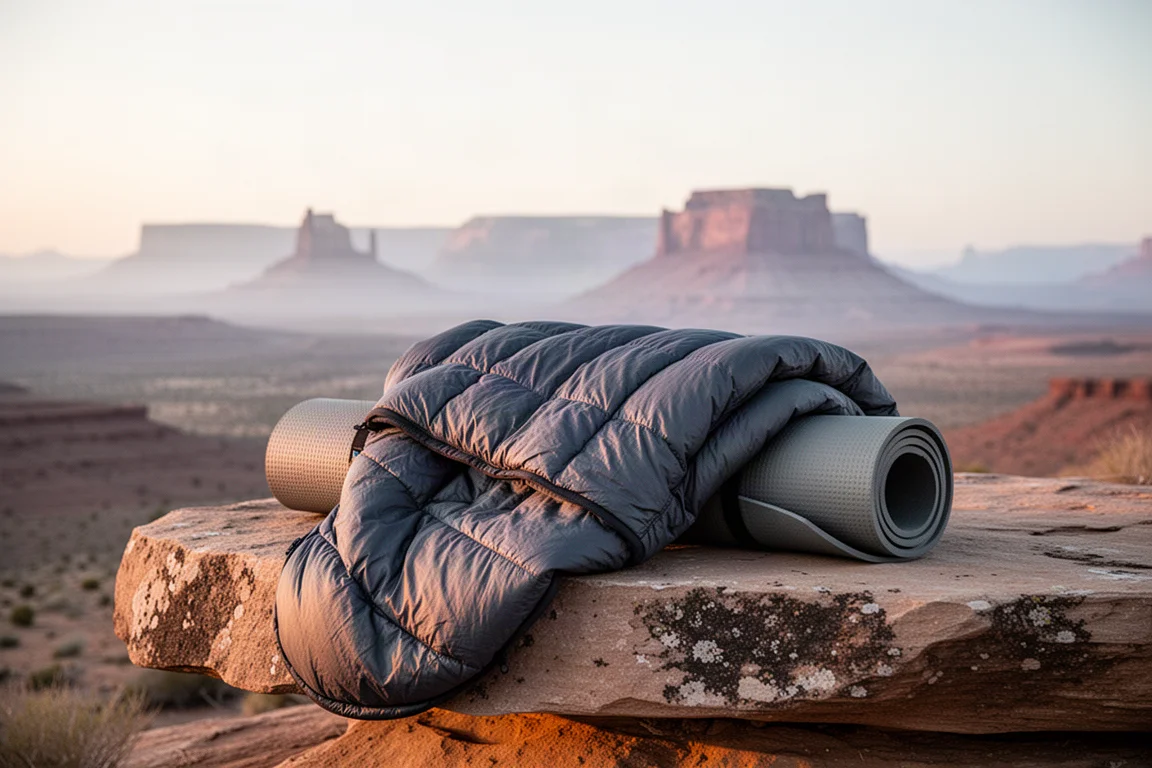
The quilt and the trail runners sit in a different category, because both are expensive relative to their alternatives and both justify it through longevity and ease of use rather than through the lowest possible weight. The Wear Top quilt removes almost all of the fiddling that puts people off quilts, and the 001A pairs grip and fit with a durability record that makes a trail runner viable for hiking. The sunglasses are the simplest purchase of the group: if you want more coverage and a nose piece that stays put in heat, the armless design is a genuinely different approach rather than a gimmick.
A practical way to decide is to start with the conditions you actually walk in. Gritty rock and scrambling point toward the pack and the tent. Cold, damp nights point toward the quilt and the pad. Long days on varied ground point toward the shoes. Buying for the trips you really take is almost always cheaper than buying for the trips you imagine.
Conclusion
None of these products is a universal recommendation, and that is exactly what makes them worth knowing about. The Whippa Colo Pack is a durable, comfortable carrier that makes sense wherever abrasion is a real risk. The Ombraz Refugios offer more coverage and a nose piece that holds in heat. The Norda 001A blends trail running grip with the kind of durability that suits long-distance walking. The Lightweight Illusion delivers low weight and excellent ventilation, provided you seal every seam and fit comfortably under about 6 ft 2 in. The Bestway Ridgelite brings Helix-style comfort down to a budget price, with durability still to be proven. And the Nieve Wear Top is one of the easiest quilts to live with, at roughly half the cost of the top tier.
If even two of these match the way you actually camp, they are worth trying before defaulting to the same familiar brands again.
Further reading
Related Reviews

Backpacking Gear
Building a 10 lb Base Weight: An Ultralight Backpacking Gear List
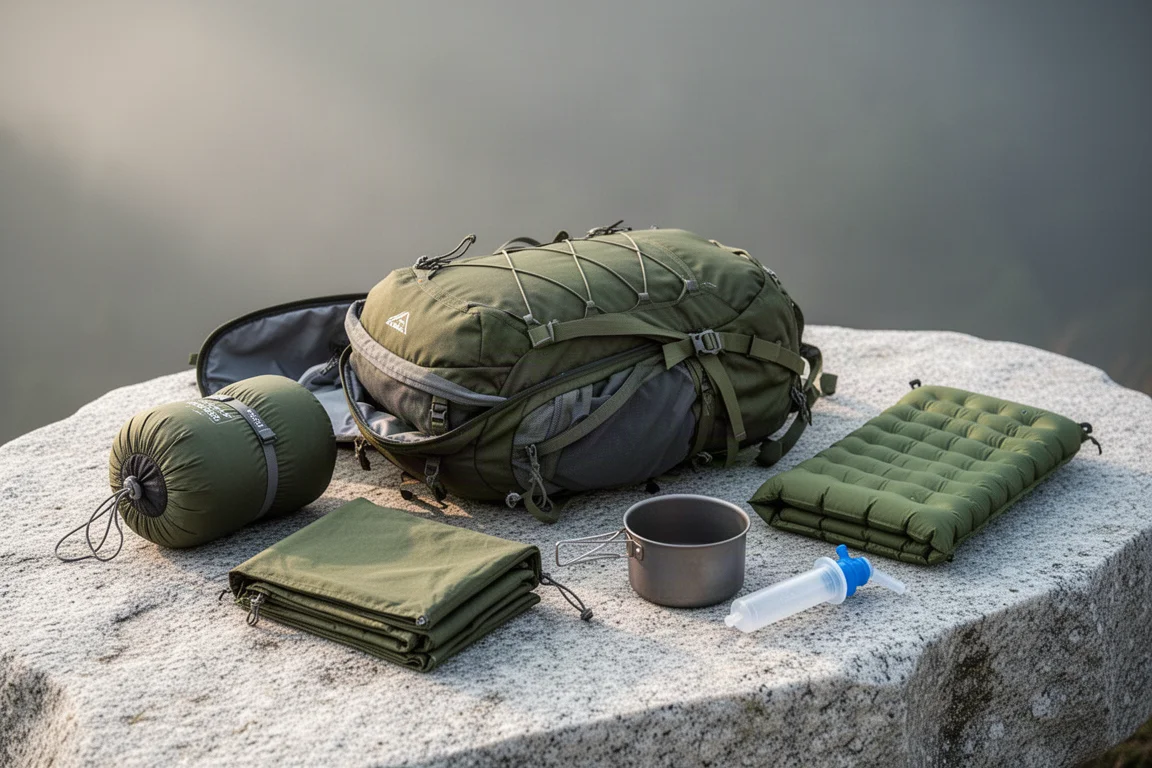
A practical walkthrough of the ultralight pieces behind a 10 lb base weight, from a 765 g pack and a roomy one-person tent to a full camp chair and a dependable water filter.
Backpacking Gear
A 15-Pound Lightweight Backpacking Gear List for Solo Trips
A beginner-friendly 15-pound backpacking setup built from easy-to-find gear, with notes on what each piece does, how it packs, and where to spend your attention.
Backpacking Gear
8 Ultralight Backpacking Gear Upgrades Worth Carrying
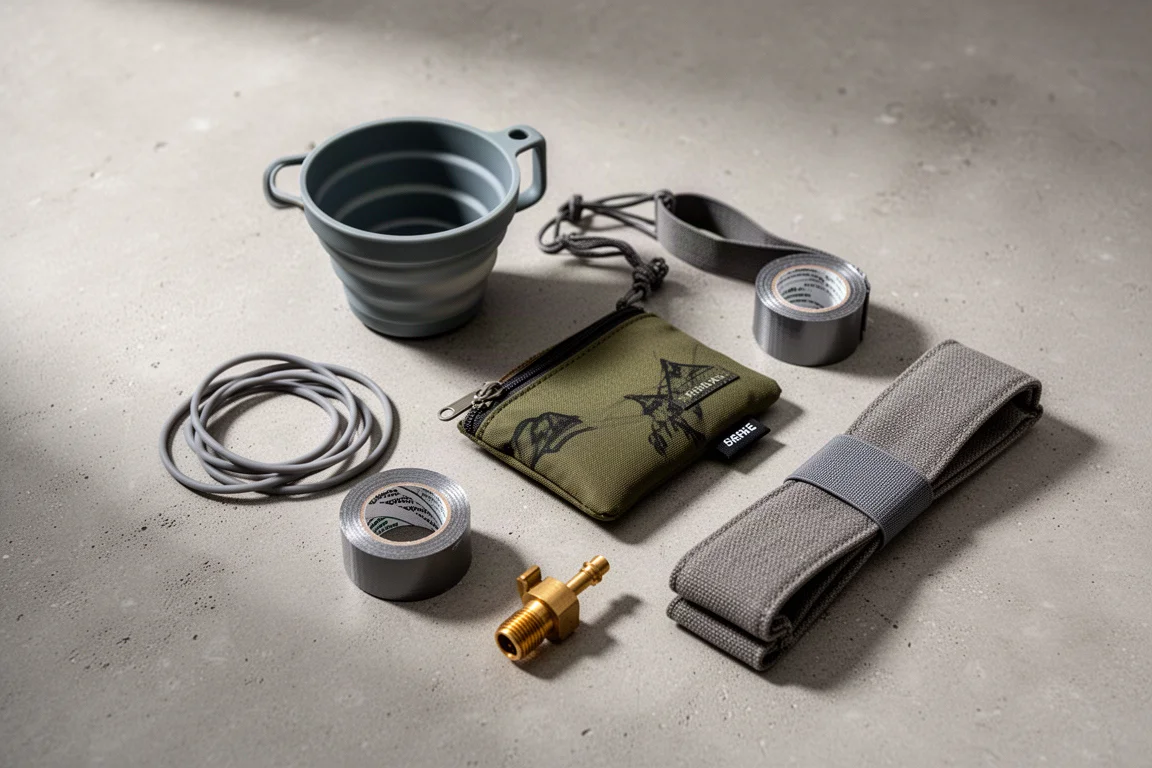
Eight small, affordable backpacking upgrades that solve real trail annoyances, from a pillow that stays put to a fuel valve that rescues leftover canister gas.