Indoor Gardening
LePot Smart Grow Light Review: App Control That Actually Helps You Grow
A 60W smart LED grow light with app control, adjustable light wavelengths, a built-in timer, and a sturdy stand, all at a surprisingly accessible price.
Introduction
Smart grow lights promise a lot: app control, scheduling, automatic light cycles, and less guesswork for indoor growing. The LePot Smart Grow Light caught our attention because it packs an unusually complete feature set into a 60W LED panel, including adjustable light wavelengths, a sunrise and sunset mode, a built-in timer, and a companion app that doubles as a growing guide. After using it through a full cycle of lettuce, kale, spinach, and basil, here is how it held up.
Who This Product Is For
This light makes the most sense for newer indoor growers who want convenience without a steep learning curve. App and Wi-Fi control means brightness, schedules, and light modes are handled from your phone, which removes a lot of the friction that usually comes with setting up an indoor grow space.
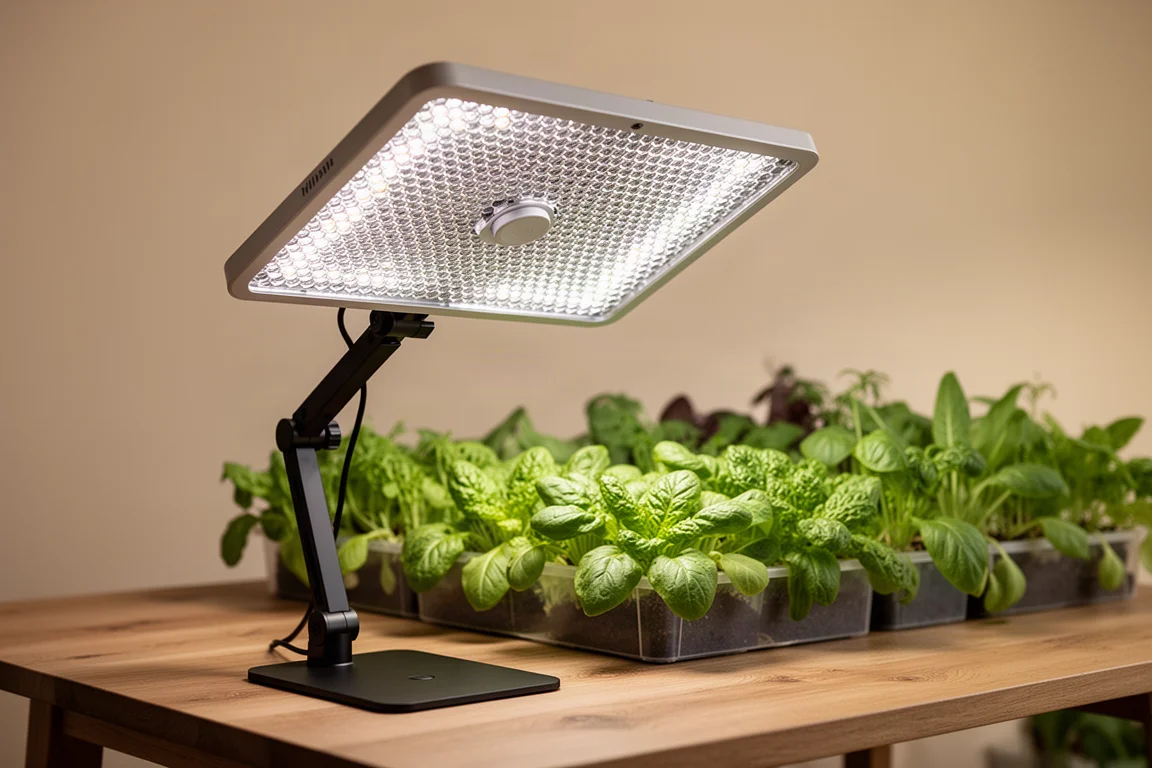
It also suits growers who care about heat management. The aluminium cooling honeycomb design is claimed to reduce the light’s heat output by 50 percent. That matters because indoor grow spaces are sensitive to temperature, and cooler-running lights mean you can fit more of them in the same room. In theory, cutting heat by half would let you run double the number of these lights in the same space.
Main Strengths
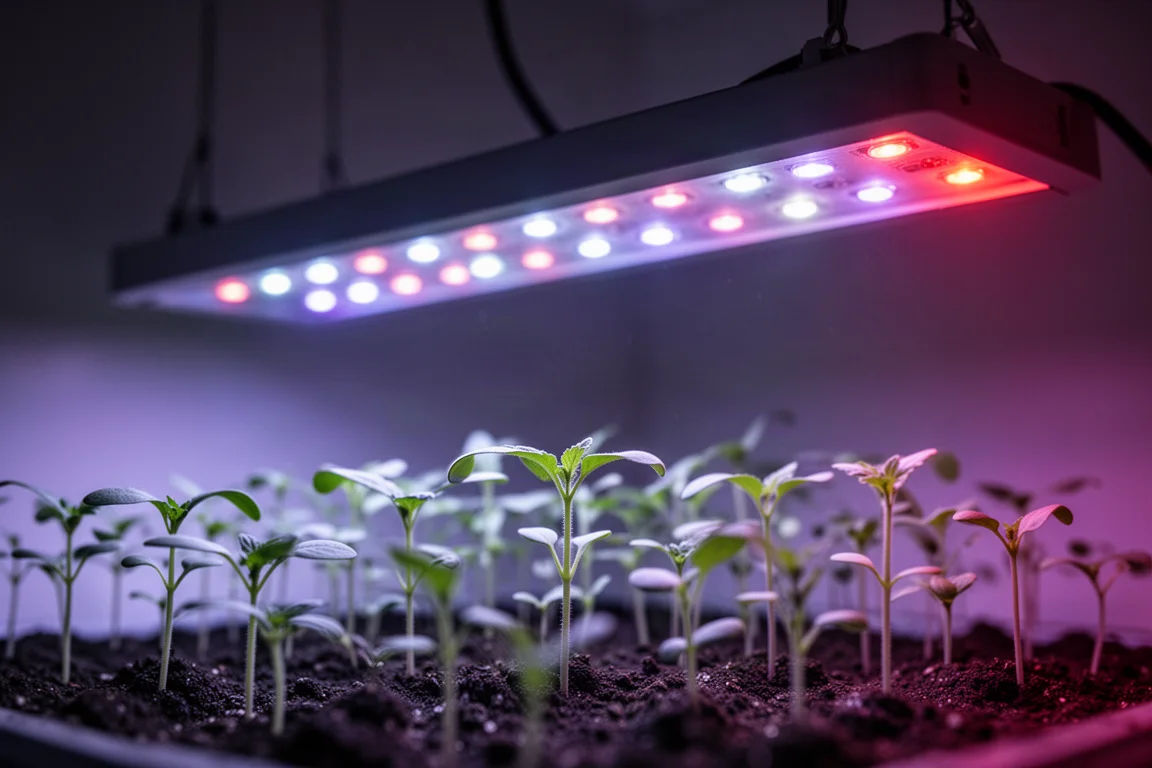
The headline feature is the adjustable spectrum. The panel switches between blue-heavy light, which suits the vegetative stage, and red-heavy light for the flowering stage. Eight adjustable light settings give you room to tailor output, and the sunrise and sunset mode ramps brightness up and down gradually instead of snapping on and off, which mimics natural daylight. For light-sensitive plants, that is genuinely useful.
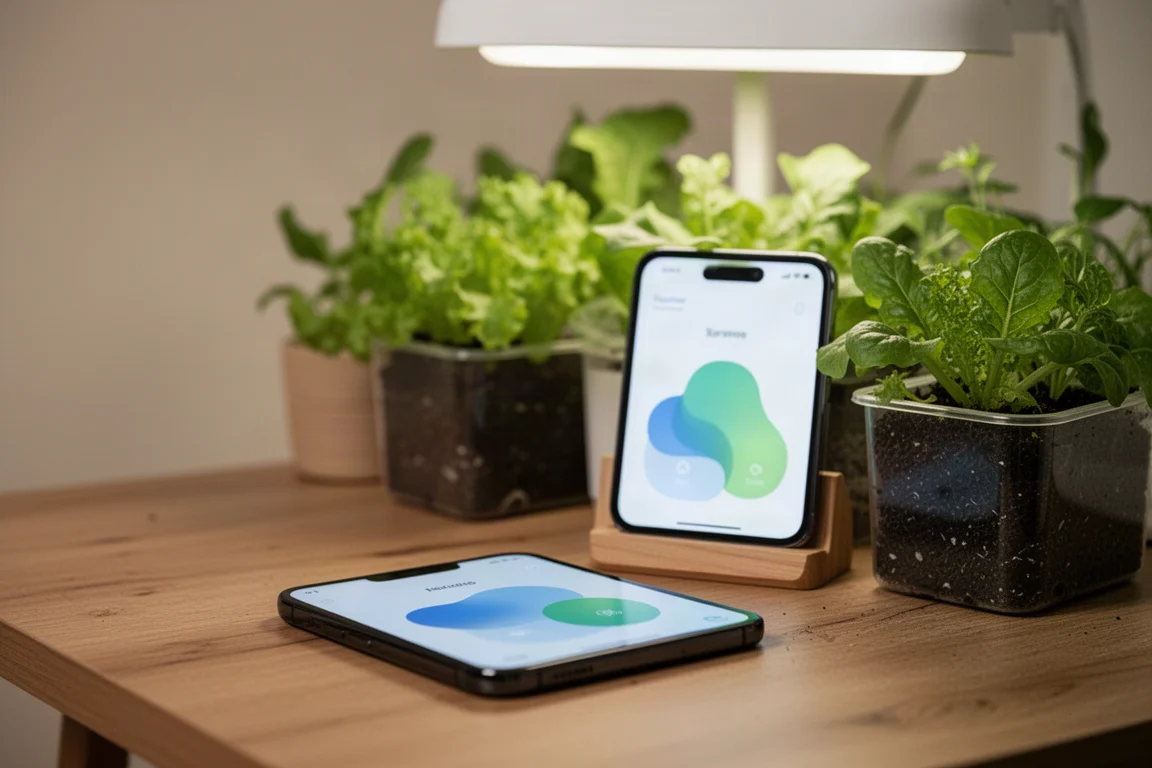
The app is more than a remote control. Setup is straightforward: the light is detected automatically after you sign up, and from there you can rename the device, set its local time, create schedules, and switch between veg and flower modes. The app also includes a plant directory that provides growing information for crops like arugula, Roma tomatoes, buttercrunch lettuce, kale, and bok choy, so it functions as a learning resource as much as a control panel. In-app support is built in as well.
The hardware impresses too. The stand is strong, sturdy, and highly adjustable, with good height range and a counterweighted base. The panel itself uses corner loops for hanging if you prefer to mount it, and the 60W output covers a generous area for its size. A built-in timer is another welcome touch, since many LED grow lights in this space simply do not include one.
Things to Consider Before Buying
Power management matters more than you might expect. The light is strong enough that younger plants did best at half power, and when plants reached a certain size, the intensity proved a bit much. Raising the stand to increase the distance between light and plants solved it, but it is something to plan for.
Proximity also brings heat into play. Keeping the light close increases warmth over the plants, which can encourage mold or algae on the soil surface. That is normal and manageable, but growers should watch their setup rather than leave it unattended.
Pot size and plant density are worth thinking about as well. Densely planted crops can show discoloration even under good light, so thinning crowded seedlings helps. Spinach is a slow starter that benefits from a larger pot with three to five plants, and the ability to fine-tune the light’s output is a real advantage for crops like that.
Growing Results: What Performed Well
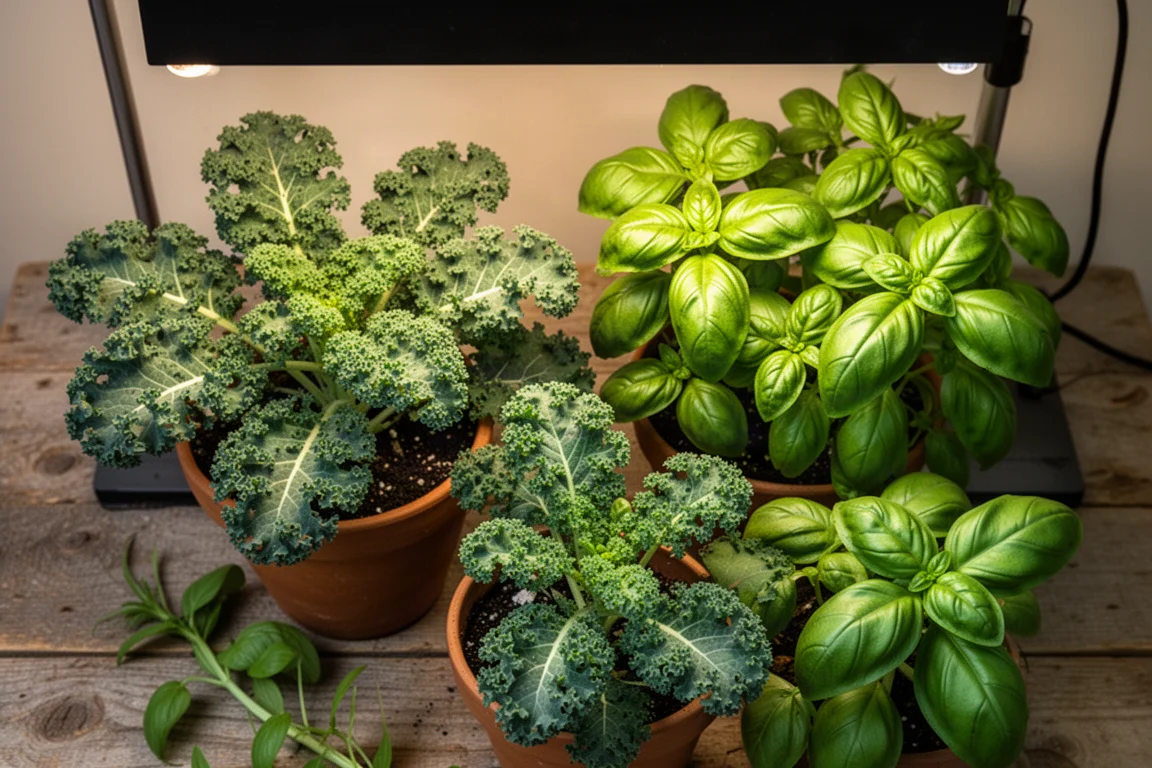
Across a test grow with lettuce, two types of kale, spinach, and basil, the results were strong. The mixed lettuce grew exceptionally well, so much so that the regrow after the first harvest was even larger than the first crop. Basil, which can be particular under LED lights, produced three healthy green plants with harvestable leaves even on a general, non-optimized setting below full power.
Kale, often a tricky indoor crop, took off after thinning and raising the light, growing with little discoloration on a general setting. The spinach reached a fruiting stage despite starting as a struggling transplant, and the panel’s wattage and wavelength capabilities compare favorably to lights used to grow comparable crops in larger pots.
Buying Advice
If you are starting an indoor garden and want a light that lowers the barrier to entry, this is an easy recommendation. Between the app, the built-in timer, the adjustable spectrum, and the plant directory, it removes most of the guesswork from day one.
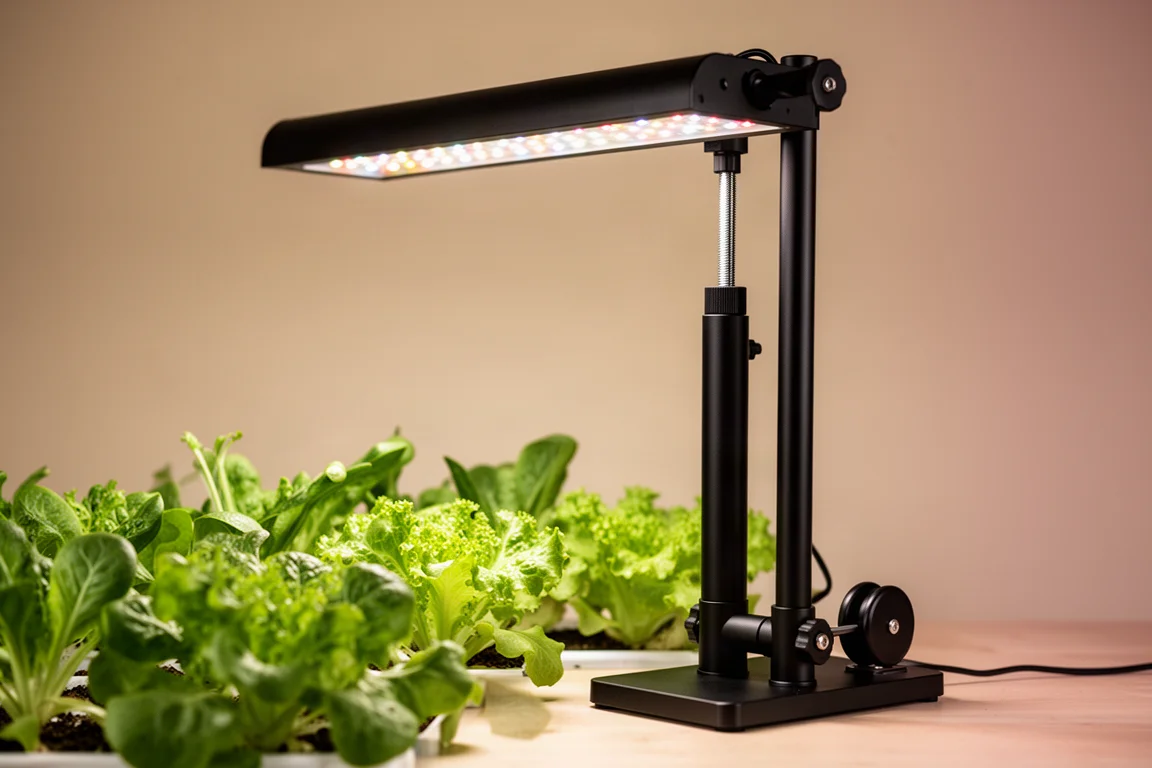
At around $80 for a 60W light with this stand and this feature set, the value is hard to argue with. Adjust the height as plants mature, start young plants at reduced power, and give dense plantings room to breathe, and this light will reward you across multiple crop cycles.
Conclusion
The LePot Smart Grow Light earns a solid nine out of ten and a place among the top LED grow lights we have evaluated. It combines capable hardware, genuinely useful smart features, and an app that teaches as it controls. For new growers and anyone who wants convenience without sacrificing growing performance, it is one of the easiest ways to get started indoors.
Product link
View more details for LePot Smart Grow Light
This product is mentioned in the review. Check the specifications, options, and compatibility before buying.
View more details for LePot Smart Grow LightFurther reading
Related Reviews
Indoor Gardening
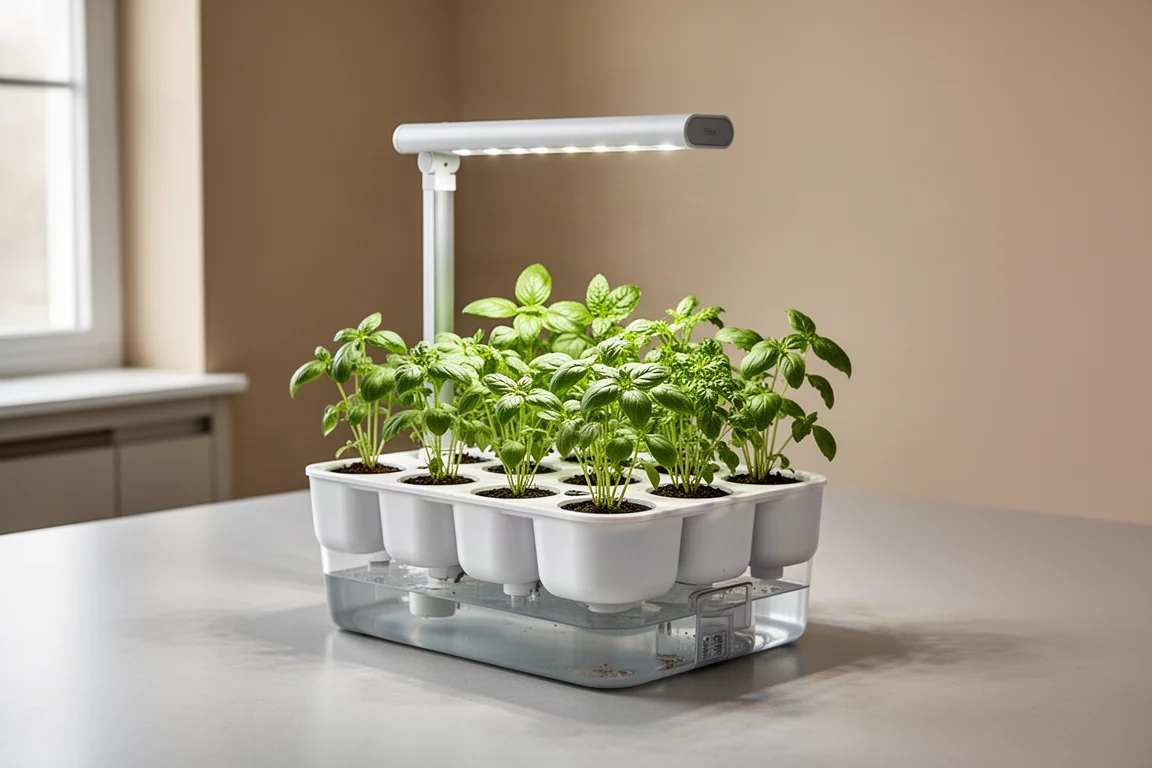
AeroGarden Eight-Pod System Review: A Budget Hydroponic Garden That Works
After a few months of growing dill, a shishito pepper, and micro tomatoes, here is what this eight-pod hydroponic system gets right and what to watch for before buying.
Indoor Gardening
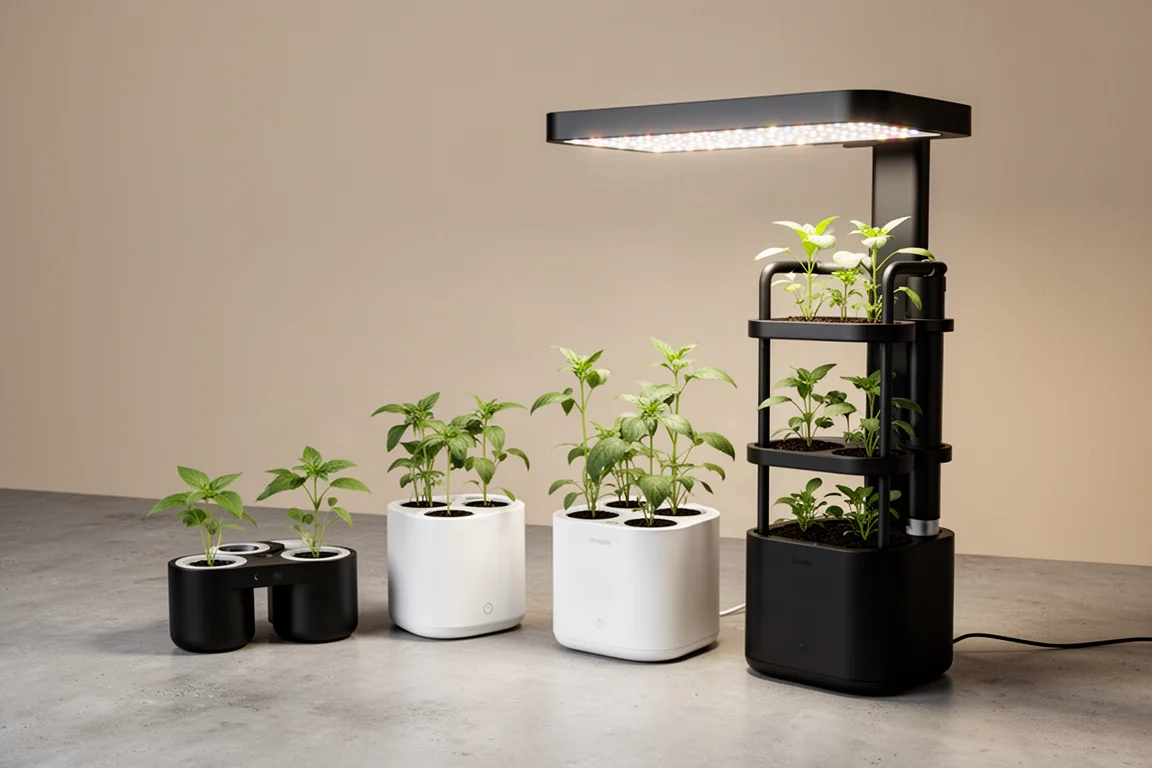
AeroGarden Buying Guide: How to Choose the Right Model for What You Want to Grow
From the 3-pod Sprout to the 24-hole Farm Plus, here is what actually matters when picking your first AeroGarden, plus the growing tips nobody tells beginners.
Indoor Gardening
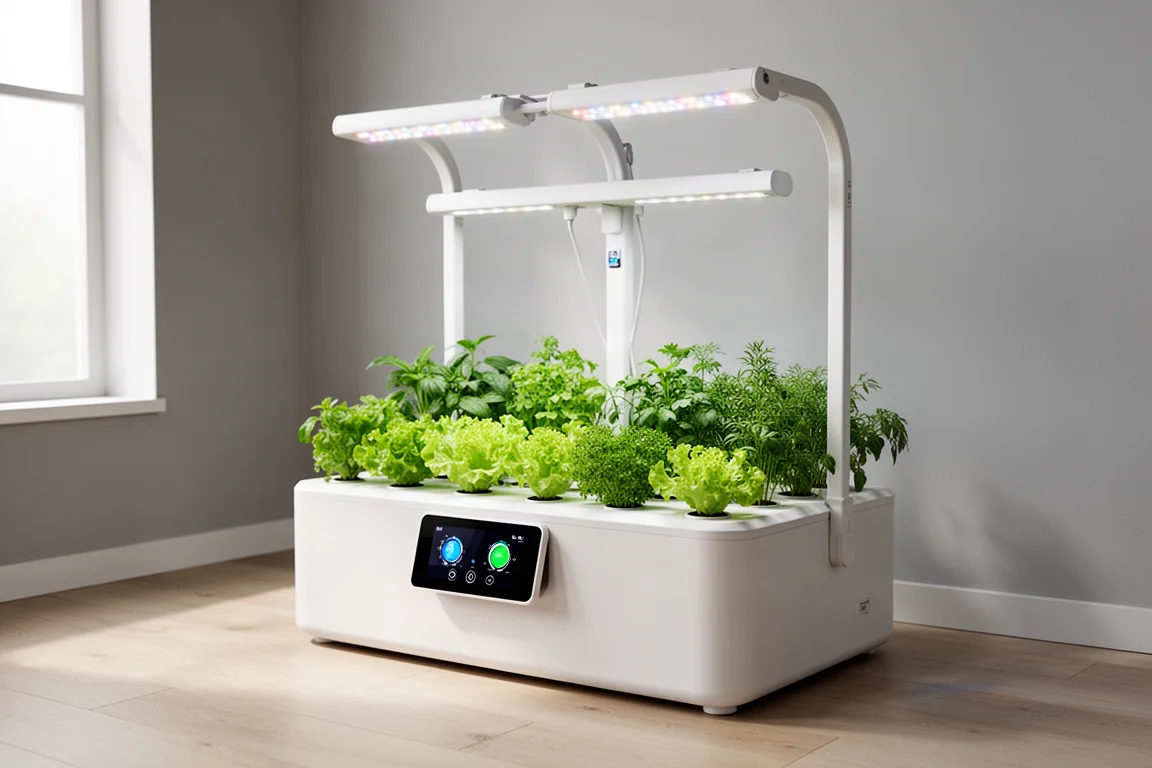
AeroGarden Farm After 8 Years: What I Wish I Knew Before Buying
A long-term look at the AeroGarden Farm, the 12XL alternative, and why a Rise Garden won out on space efficiency.