Soldering Tools
Lenovo 926 LED III Soldering Iron Review: A Dependable Pick for DIY Audio
A practical look at the Lenovo 926 LED III soldering iron, covering adjustable temperature control, tip handling, and the maintenance habits that keep it working.
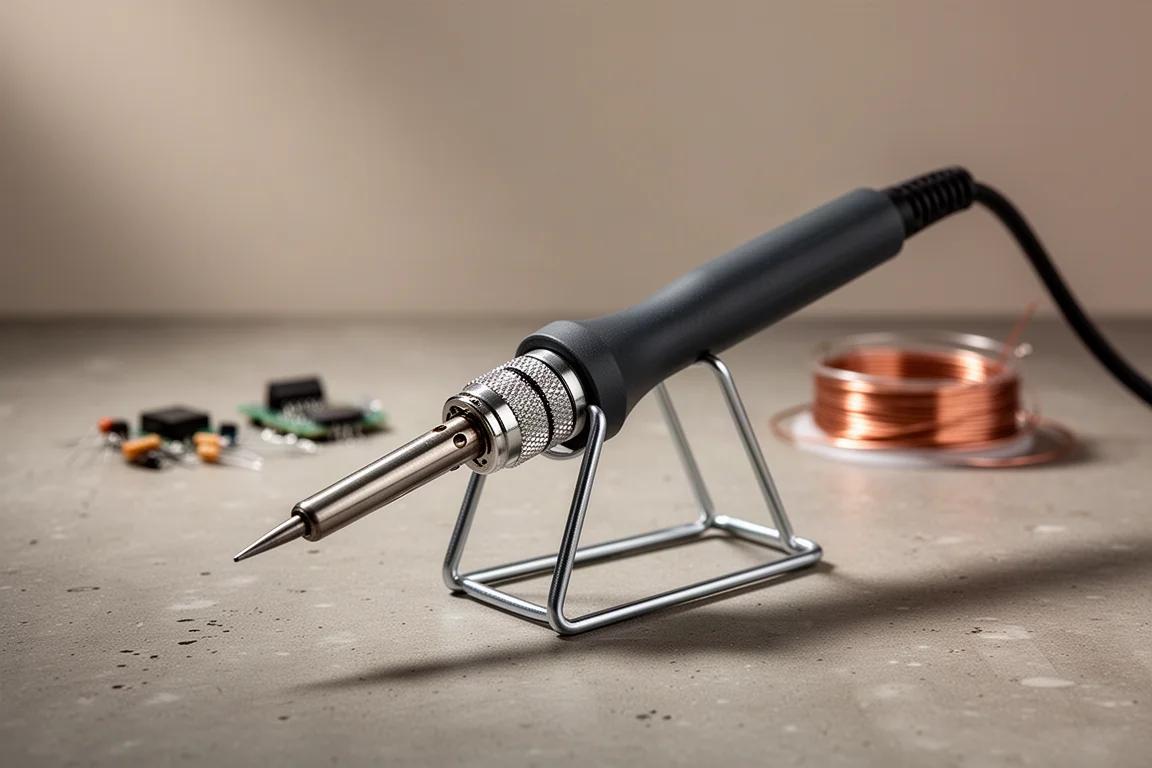
Introduction
Soldering sits at the centre of almost every DIY audio project. Crossovers, speaker terminals, driver wiring, amplifier kits: at some point you will hold a hot tip against a joint and hope it flows cleanly. That makes the soldering iron one of the few tools in this hobby worth thinking about rather than simply grabbing whatever is cheapest on the shelf.
The Lenovo 926 LED III is a compact, adjustable iron that lands in a useful middle ground. It is not a professional soldering station, and it is not a throwaway bargain-bin tool either. After roughly sixteen pairs of speakers and even more crossovers built with it, it has earned a place as a dependable everyday option for hobby-level work.
Who This Soldering Iron Is For
This iron suits anyone who builds or repairs audio gear at home. If you are assembling crossover networks, reterminating speaker cables, recapping an older amplifier, or working through an amplifier kit, an adjustable iron with a steady tip is far easier to live with than a fixed-temperature model.
It also makes sense for anyone who wants a tool they can maintain rather than replace. The unit comes apart, and a replacement heating element is available when the original eventually wears out.
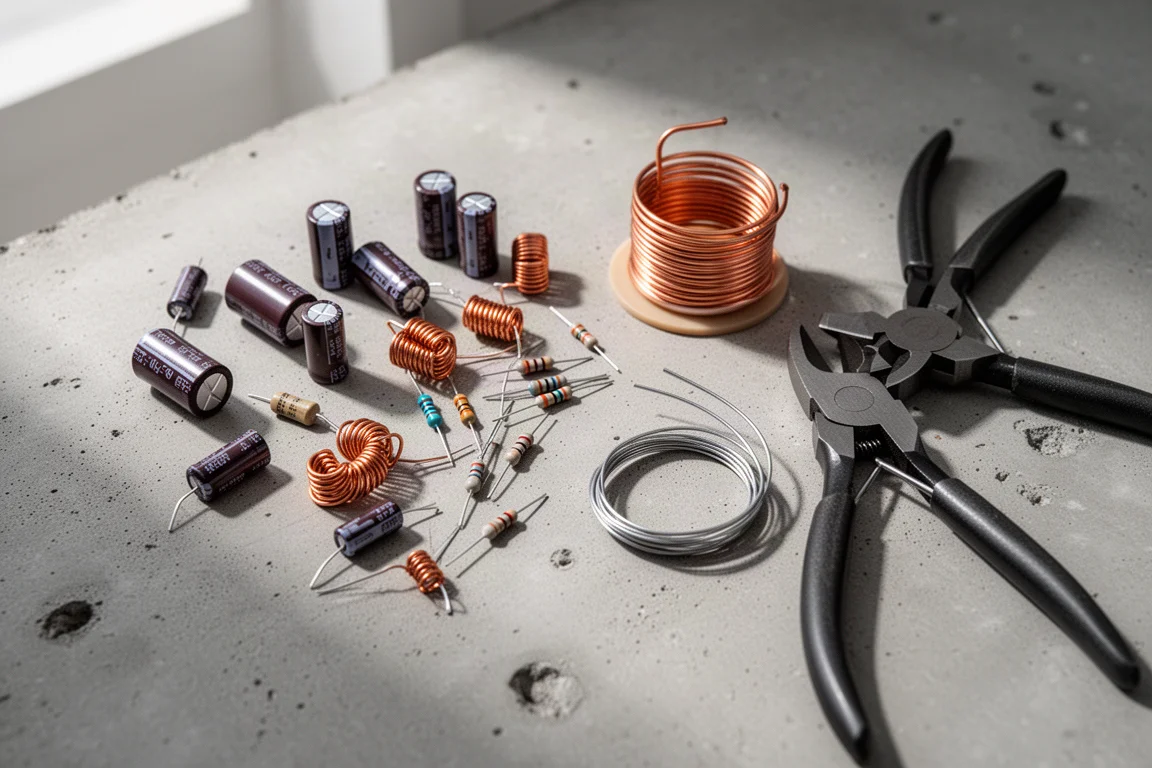
That serviceability matters more than it first appears. Many inexpensive irons are effectively sealed units: once the heating element fails, the whole tool goes in the bin. Being able to fit a new element extends the working life considerably, and it means a worn tip or a tired heater does not automatically end the relationship.
The main limitation is scale. This is a hobby iron, not a production tool. Anyone soldering eight hours a day would want a full station with a dedicated stand, faster thermal recovery, and a more robust handle. For weekend projects and occasional repairs, the Lenovo is well matched to the job.
Main Strengths: Temperature Control and Quick Heat-Up
The headline feature is variable temperature control. Rather than guessing at a fixed wattage, you can turn the iron up for heavier joints and back it down for delicate work on thin pads and small component legs. That flexibility is often the difference between a tool you tolerate and a tool you reach for first.
Heat-up time is another strong point. It reaches working temperature fairly quickly, so there is little standing around between the moment you sit down and the moment you can actually solder.
The package also includes a generous selection of tips. Having several profiles on hand means you can match the tip to the joint instead of fighting the joint with the wrong shape.
Finally, the design is repairable. The iron disassembles, and a fresh heating element can be fitted when needed, which keeps a well-used tool in service rather than turning it into waste.
Tips, Serviceability, and Everyday Handling
Tip choice does most of the work in day-to-day use. A sharp, fine tip is the one that gets reached for most often, particularly in tight spaces where access is limited. A broader spade-style tip is useful when a joint needs more heat transfer or when working with heavier wire.
Cleaning deserves its own note. A steel-wool style tip cleaner removes oxidation without grinding away the plating. Filing or sanding a tip destroys the surface that lets solder wet properly, so it is worth keeping anything abrasive away from it entirely.
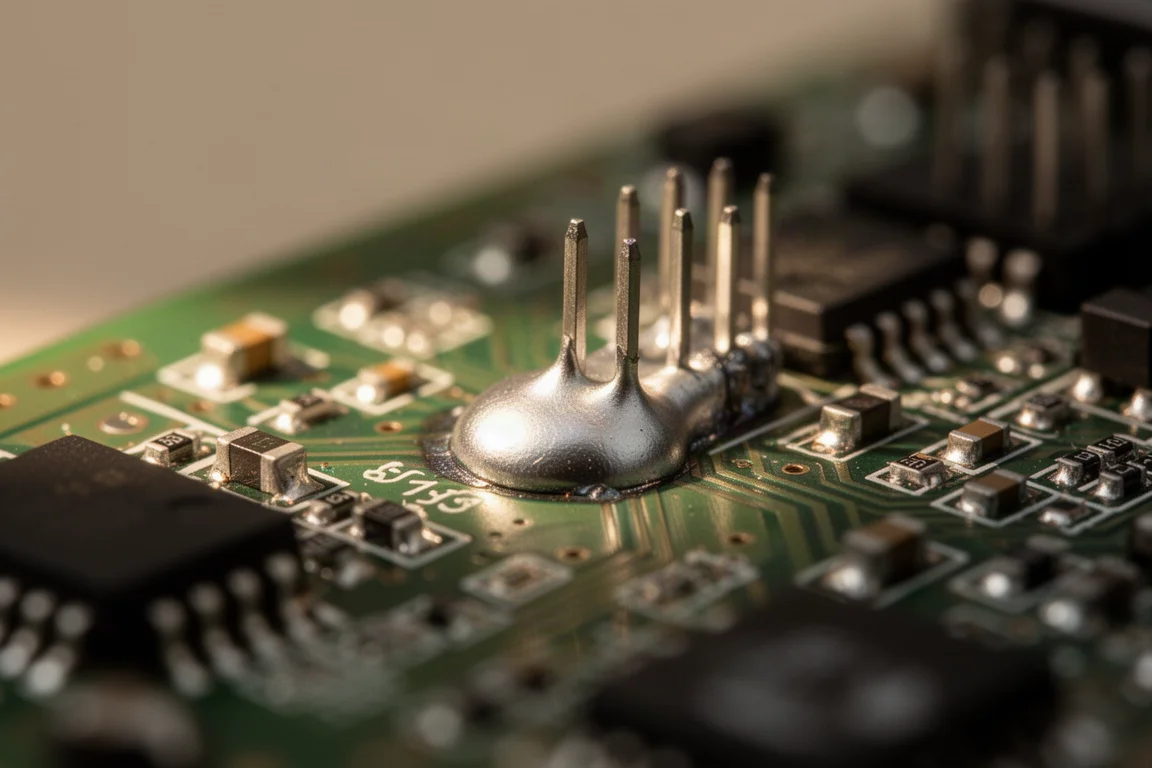
The one habit worth building is checking the assembly. The collar that holds the tip can work loose over time, and the fix is simple: keep it snug. Tighten it at the correct point on the assembly rather than down at the handle, and avoid over-tightening. The body includes plastic components, and excessive force can crack them. Hand-tight is enough.
Things to Consider Before Buying
The construction is functional rather than premium. That plastic housing is the main reason the iron needs a little care, and it is why the tightening advice above matters. Treat it well and it holds up; treat it like a solid metal tool and it will eventually complain.
It is also not a complete soldering setup on its own. You will want a stand, a tip cleaner, and ideally a few spare tips, so budget for those accessories alongside the iron itself.
Finally, temperature control is only as useful as the technique behind it. An adjustable iron gives you the ability to set the right temperature, but it will not tell you what that temperature is for a given joint. Expect a short learning period before your joints look consistently clean.
How It Compares to a Five Dollar Soldering Iron
Cheap irons exist, and they are tempting. A five dollar model from a general hardware or auto parts store will sometimes work, sort of. It heats, it melts solder, and then it either fails, delivers inconsistent heat, or both.
The difference here is not luxury, it is repeatability. A controlled, adjustable iron lets you reproduce the same joint quality across an entire crossover board instead of hoping the tool cooperates. Add the replaceable heating element and the included tips, and the value case becomes straightforward.
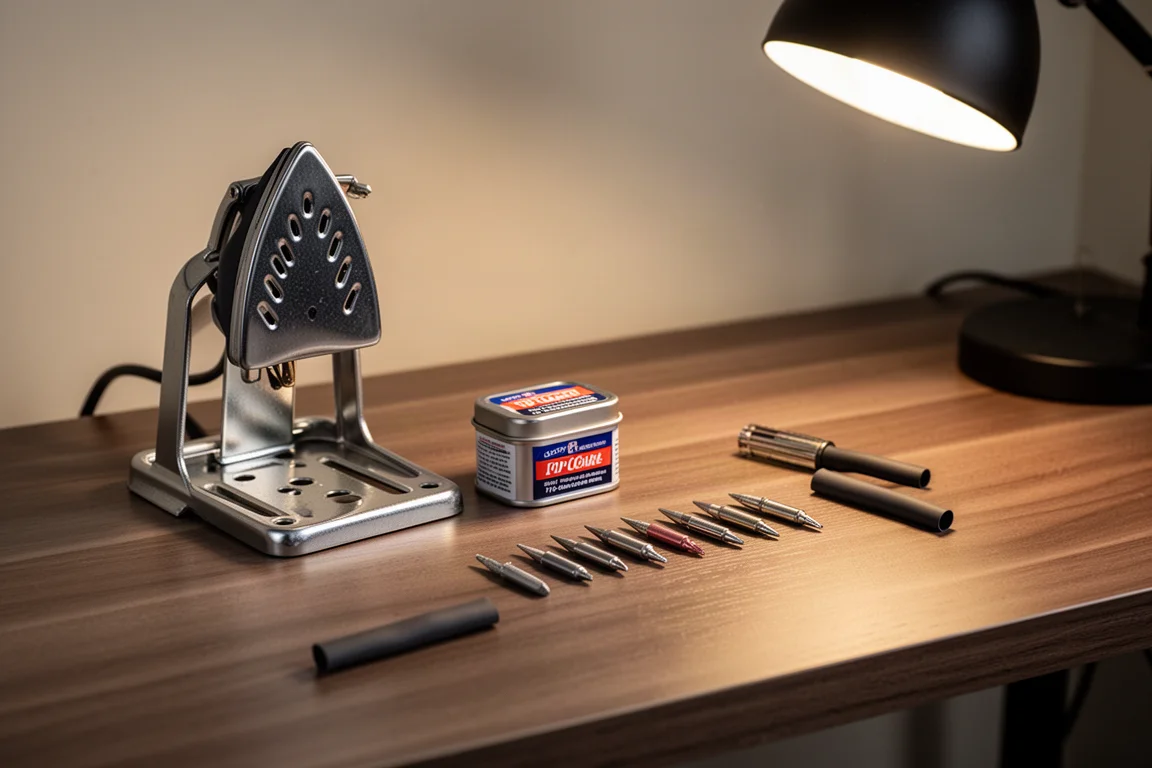
The practical advice is simple: avoid the very bottom of the market, and avoid the top unless you genuinely need it. A modest, well-reviewed adjustable iron covers the vast majority of DIY audio work, and this one sits comfortably in that bracket.
Getting the Most Out of Your Soldering Setup
A few habits make any iron perform better. Keep the tip tinned between joints so it transfers heat efficiently. Clean it often, but gently. Work quickly on heat-sensitive components, and let the joint come up to temperature rather than holding the iron in place for a long time.
Matching the tip to the task helps as well. Reach for the fine tip on dense boards and switch to a broader profile when a joint needs more thermal mass. Small adjustments like these reduce the amount of rework you have to do later, and they protect the components you are soldering to.
Buying Advice
For most home builders, this iron represents a sensible middle path. It costs meaningfully more than a bargain-bin model, but it also offers adjustable temperature, a quick warm-up, a set of usable tips, and a heating element that can be replaced when it wears out. That combination is what makes it worth the modest spend, typically in the region of forty to fifty dollars.

If you are setting up a workbench for the first time, buy the iron together with a stand, a tip cleaner, and a small assortment of spare tips in one go. If you already solder regularly, this works well as a primary iron for hobby projects or as a dependable second unit for the bench.
Conclusion
The Lenovo 926 LED III is not the most refined soldering iron available, and it does not pretend to be. What it offers is adjustable temperature control, quick heat-up, replaceable parts, and a track record across a large number of speaker and crossover builds. Keep the tip clean, keep the collar snug, and it will handle everything a home audio project asks of it.
Product link
View more details for Lenovo 926 LED III Soldering Iron
This product is mentioned in the review. Check the specifications, options, and compatibility before buying.
View more details for Lenovo 926 LED III Soldering IronFurther reading
Related Reviews
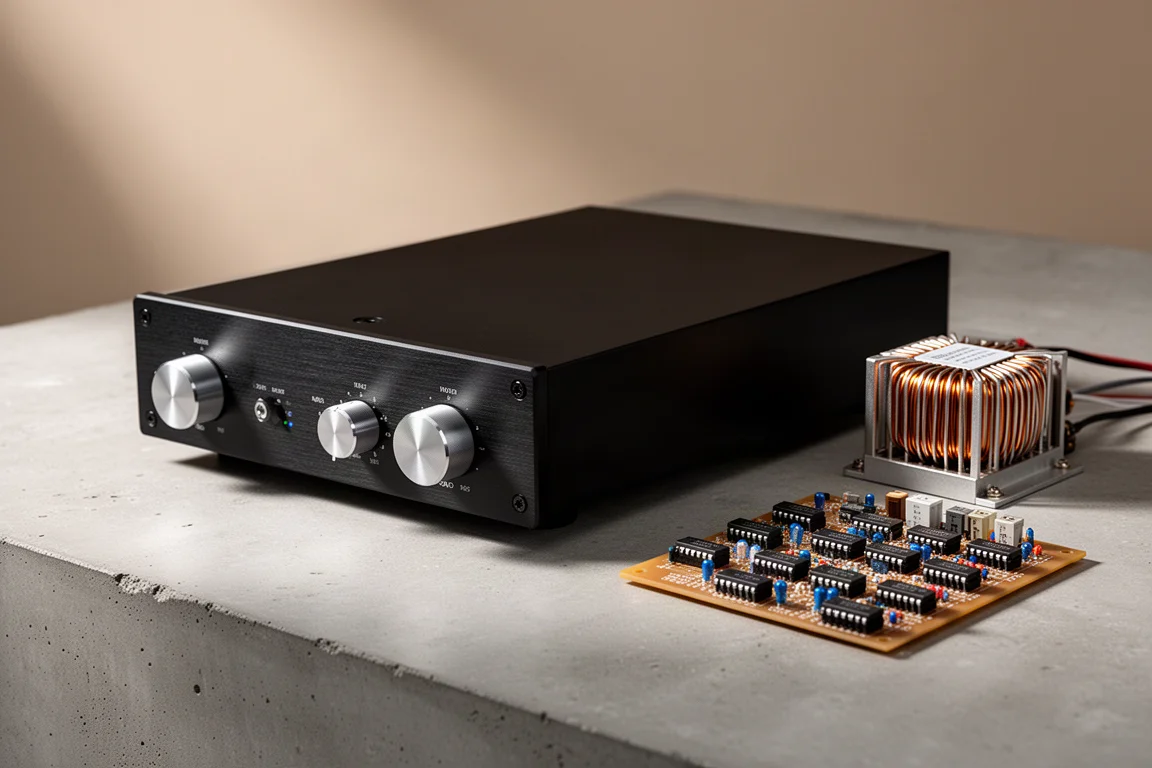
Preamplifiers
Akitika PR-102 Review: A Preamp That Sounds as Good as It Is to Build
The Akitika PR-102 is a discrete line preamp sold as a kit or fully assembled, with two amplifier outputs, swappable op amps, and a neutral, three-dimensional sound.
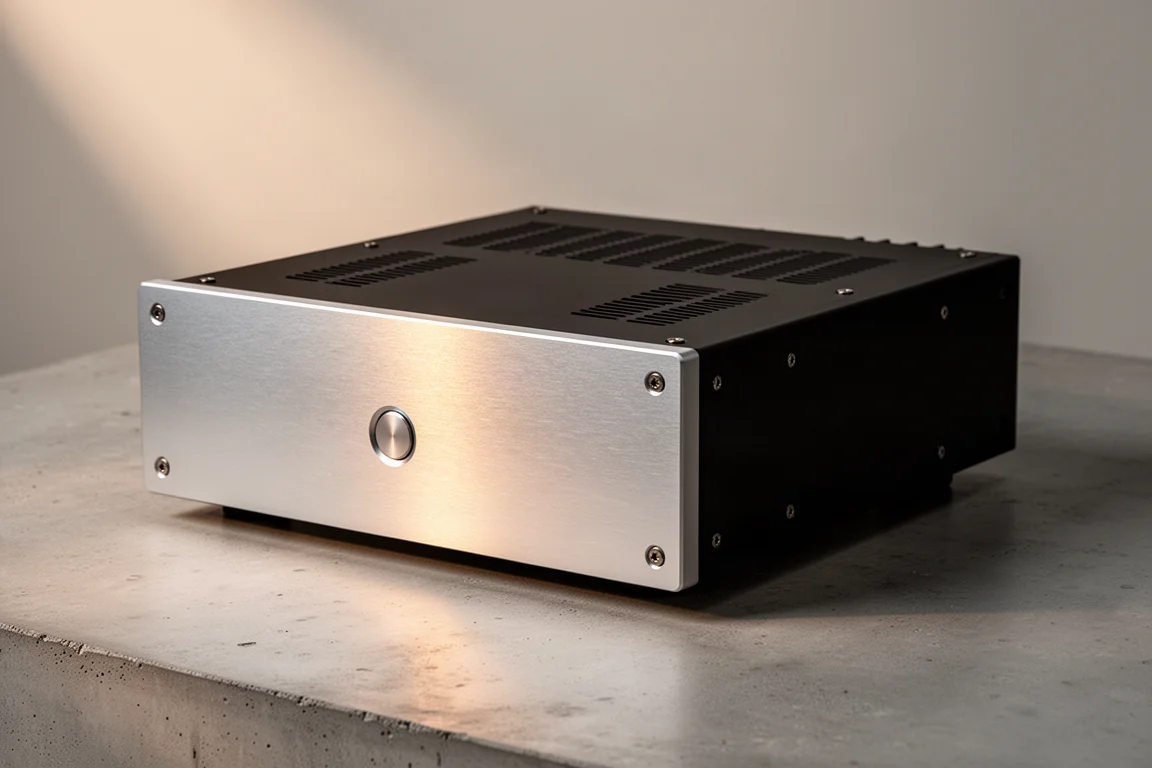
Amplifier Kits
Akitika Z4 Amplifier Kit Review: Excellent Sound, Frustrating Assembly
A close look at the Akitika Z4 amplifier kit, covering its sound, build quality, value, and the documentation pitfalls worth planning for before you pick up a soldering iron.

Tools
Best Stud Finders 2026: Five Popular Models Put to the Test
We tested five popular stud finders on drywall, firewall, and lath and plaster surfaces to see which ones really find studs and avoid false readings.