Amplifier Kits
Akitika Z4 Amplifier Kit Review: Excellent Sound, Frustrating Assembly
A close look at the Akitika Z4 amplifier kit, covering its sound, build quality, value, and the documentation pitfalls worth planning for before you pick up a soldering iron.
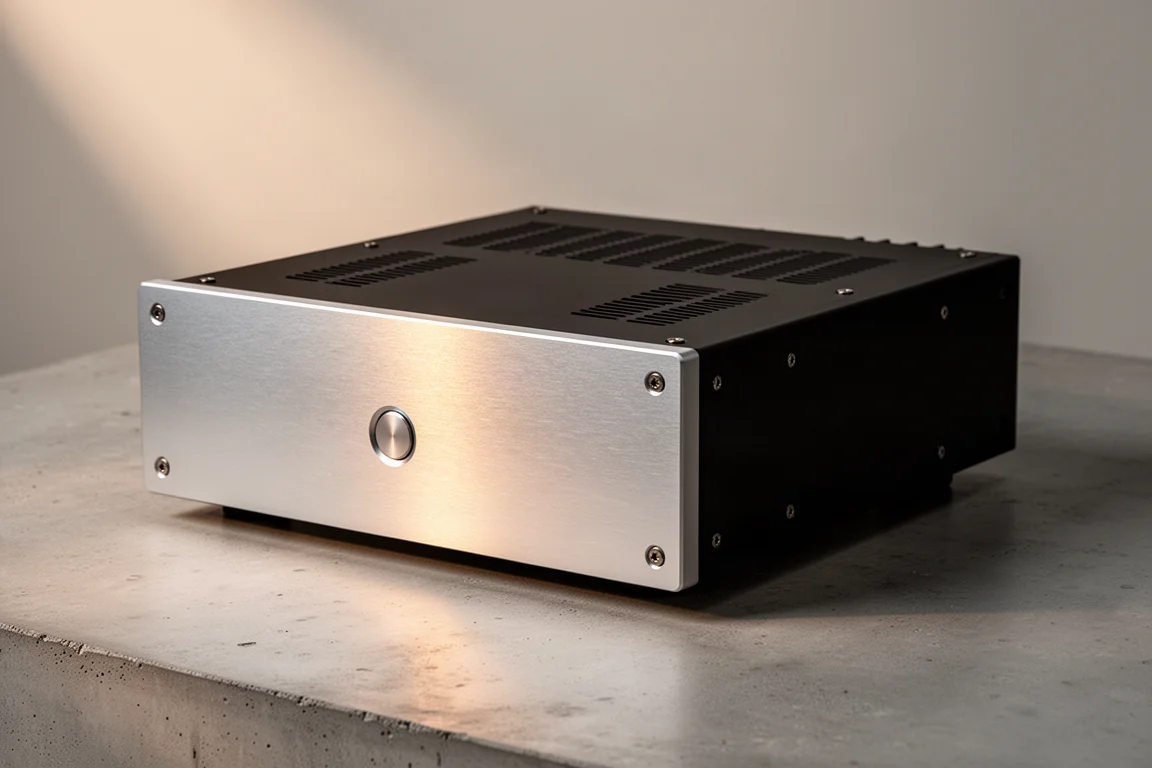
Introduction
The Akitika Z4 amplifier kit is a rare thing: a product that is genuinely easy to recommend on sound and value, and genuinely difficult to recommend without a warning about the build process. Judged purely as an amplifier, it delivers a clean, controlled, detailed presentation with a level of construction that feels like a throwback to the best gear of the 1970s and 1980s. Judged as a kit, it asks for patience, decent tools, and very careful attention to the documentation.
The Z4 is the four-ohm version of the Akitika power amplifier kit. It can safely drive four-ohm speaker loads and also handles eight-ohm loads, which makes it the more flexible of the two kits the company offers. It costs a little more than the eight-ohm version, but because it covers both speaker types there is less to think about when matching it to a system.
Who This Kit Is For
This kit is aimed at listeners who want a simple, old-school power amplifier with a discrete, modular design and a sound that leans slightly U-shaped. Expect full and controlled bass, a midrange that sits a touch back in the mix, and a top end with plenty of detail. Imaging and the sense of air around instruments are strong for the price, and the overall presentation stays open rather than forward.
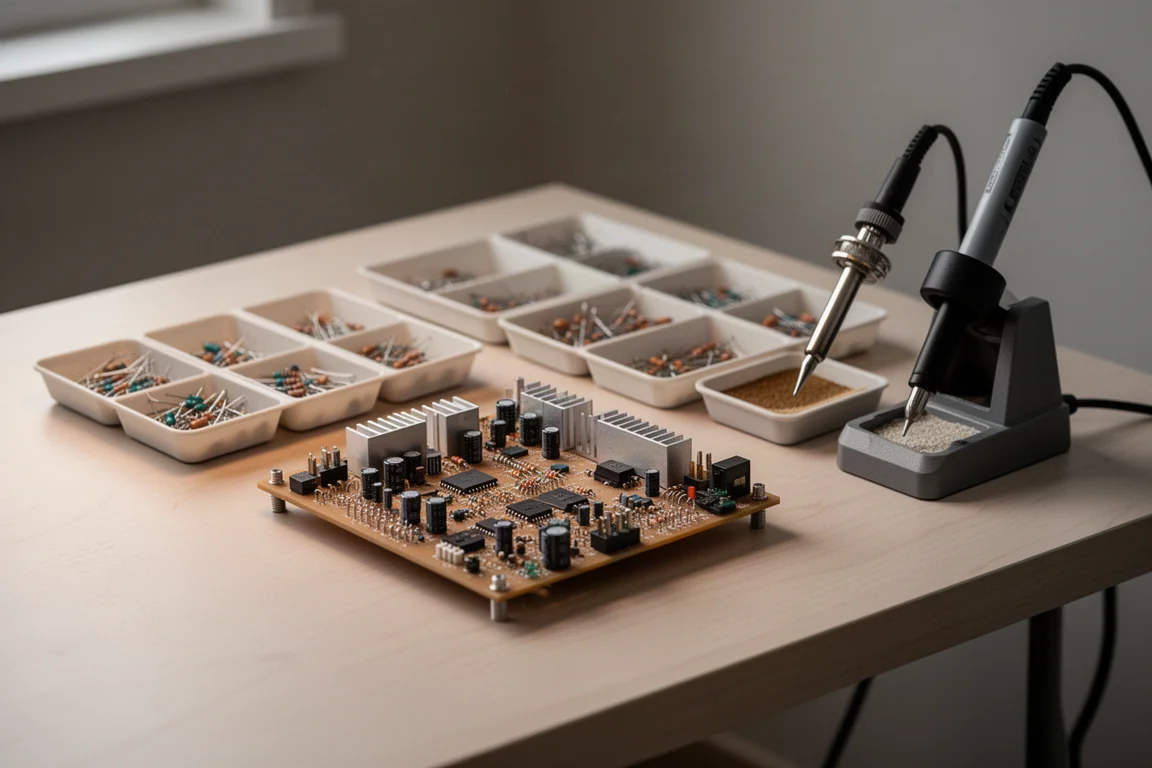
It is also a good fit for anyone who enjoys building electronics as a hobby. The kit is assembled by soldering components onto boards, and the process is relaxing and rewarding when everything goes to plan. Buyers who would rather skip that part entirely can have the amplifier assembled for them and still come out ahead on value compared with many competing amplifiers.
Main Strengths
Sound Quality
The amplifier sounds excellent. Bass is controlled yet full, the top end is completely detailed, and the soundstage holds up against amplifiers that cost considerably more. The midrange is slightly recessed, which gives the presentation a mild U-shape, and everything still sounds open, with good imaging and a convincing sense of air. For listeners who prefer a lively, gently sculpted balance over a strictly flat one, this is an easy amplifier to enjoy.
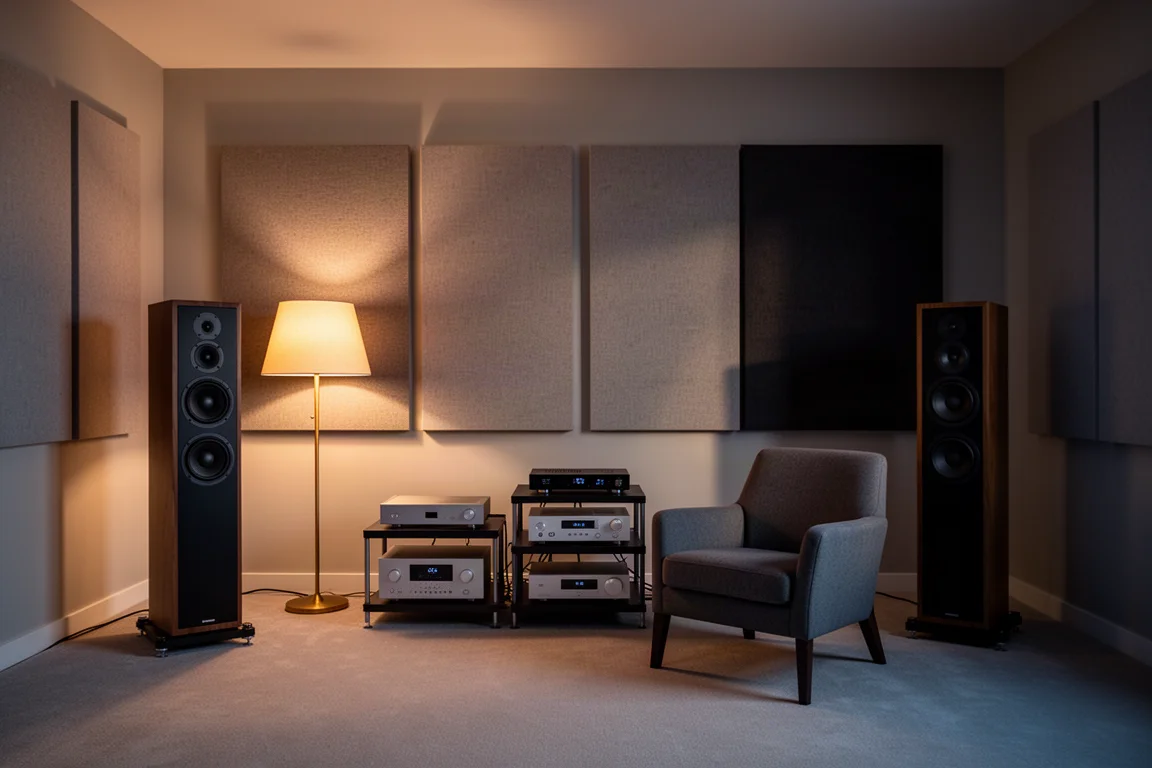
Control is the quality that stands out most. Low-frequency notes stay tidy and defined rather than blooming, and the treble remains detailed across the range.
Build Quality and Repairability
Open the case and the layout looks like an amplifier from the 1970s or 1980s, before digital circuitry started appearing in power amplifiers. There is a large power supply, quality components, and substantial filter capacitors. Everything is discrete, which means separate parts rather than integrated modules, and the design is modular: if something ever needs attention, a board can be replaced, or an individual capacitor, resistor, or transistor can be swapped by someone with the right skills.
Operation is simple. There is a single power button on the front, and an optional volume knob is available for buyers who want level control directly on the power amplifier.
Things to Consider Before Buying
The main caveat has nothing to do with sound. Assembling this kit is not a beginner project. The parts are small, and the work calls for confident soldering, a good soldering iron, and ideally a desoldering tool for corrections. Resistors are identified by their color bands, so reading glasses or a magnifying glass make the job far easier. A mistake on the power supply board can cost several hours, because the board has to be built and then reworked.
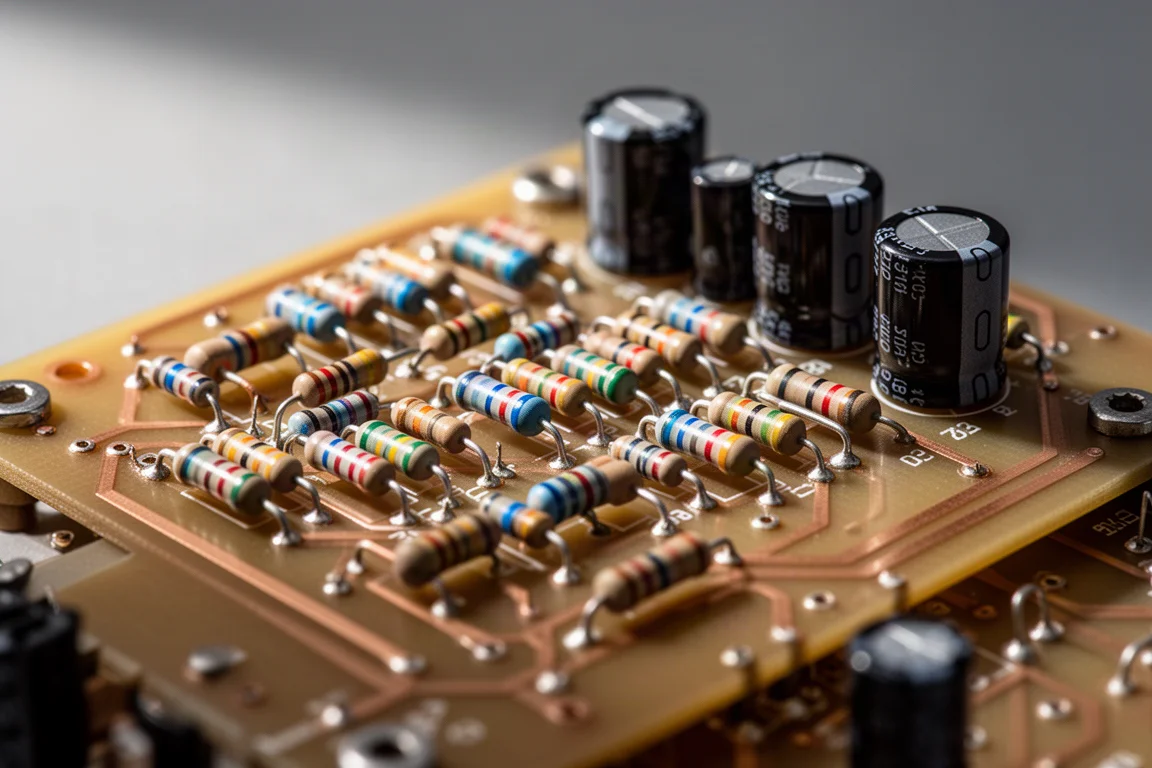
Akitika offers an assembly service, and the added cost is roughly $100. Given how much time and frustration a build can involve, that option deserves serious consideration even for buyers with some soldering experience.
Assembly and Documentation
Documentation is the weakest part of the package. Two versions of the amplifier exist, a four-ohm model and an eight-ohm model, and the instruction manuals look nearly identical. The Z4 kit includes all of the parts used in the eight-ohm kit plus an additional bag of parts specific to the four-ohm design, which leaves room for a costly mix-up if the wrong manual is followed. A printed manual costs an extra $10 on top of the kit price, so downloading and printing the correct document is the safer approach.
Buying Advice
If you are comfortable with a soldering iron and want a high-value amplifier with classic topology, the Z4 kit is an excellent purchase. Buy the four-ohm version so it can drive either four-ohm or eight-ohm speakers, download the correct manual, and set aside the parts the four-ohm build does not use before you start. That single step removes most of the frustration from the process.
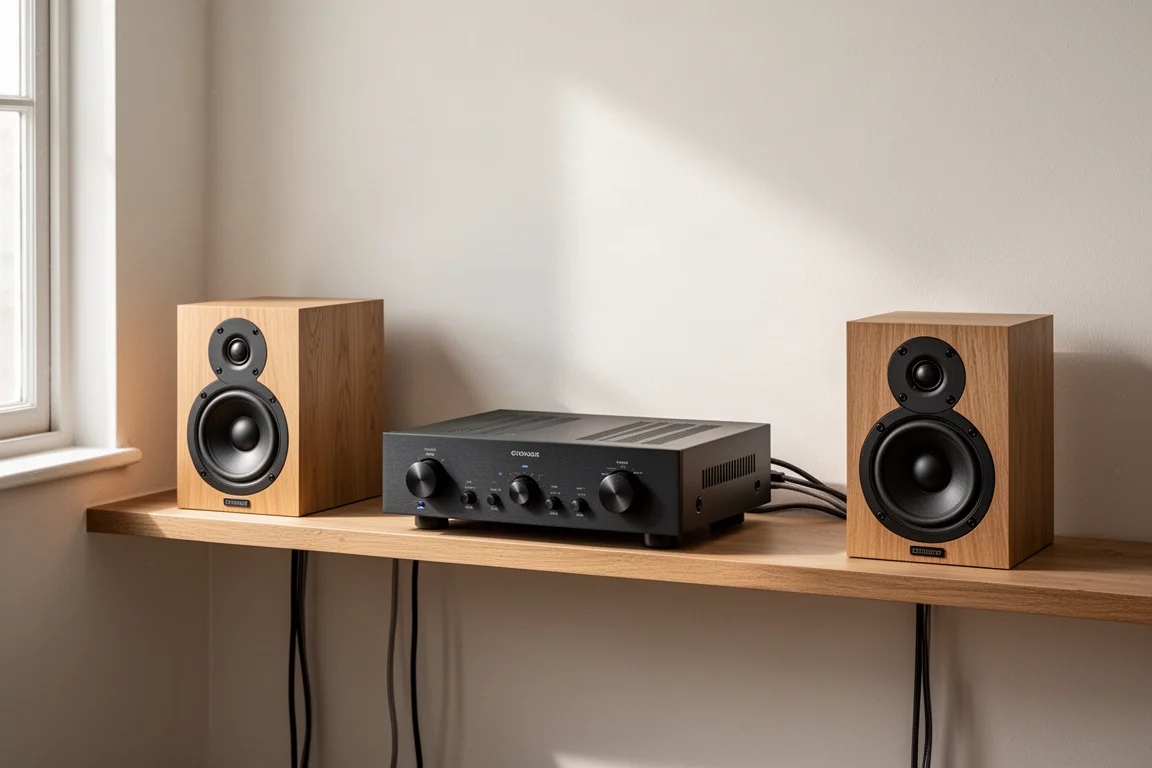
If you would rather not build anything, ask for the assembled version. The premium over the kit is modest, and the finished amplifier still costs significantly less than other amplifiers built with a similar topology. Either way the result is the same: a well-built, simple-to-operate power amplifier that sounds excellent.
Conclusion
The Akitika Z4 amplifier kit earns a strong recommendation on the strength of its sound, its construction, and its price. Bass is controlled and full, the top end is detailed, the soundstage competes with more expensive designs, and the modular, discrete build means it should remain serviceable for a long time. The friction sits entirely in the buying and building experience: near-identical manuals, extra parts included with the kit, a printed manual fee, and a website that is hard to navigate. Buyers who plan around those issues, or who simply pay to have the amplifier assembled, get superb value.
Product link
View more details for Akitika Z4 Amplifier Kit
This product is mentioned in the review. Check the specifications, options, and compatibility before buying.
View more details for Akitika Z4 Amplifier KitFurther reading
Related Reviews
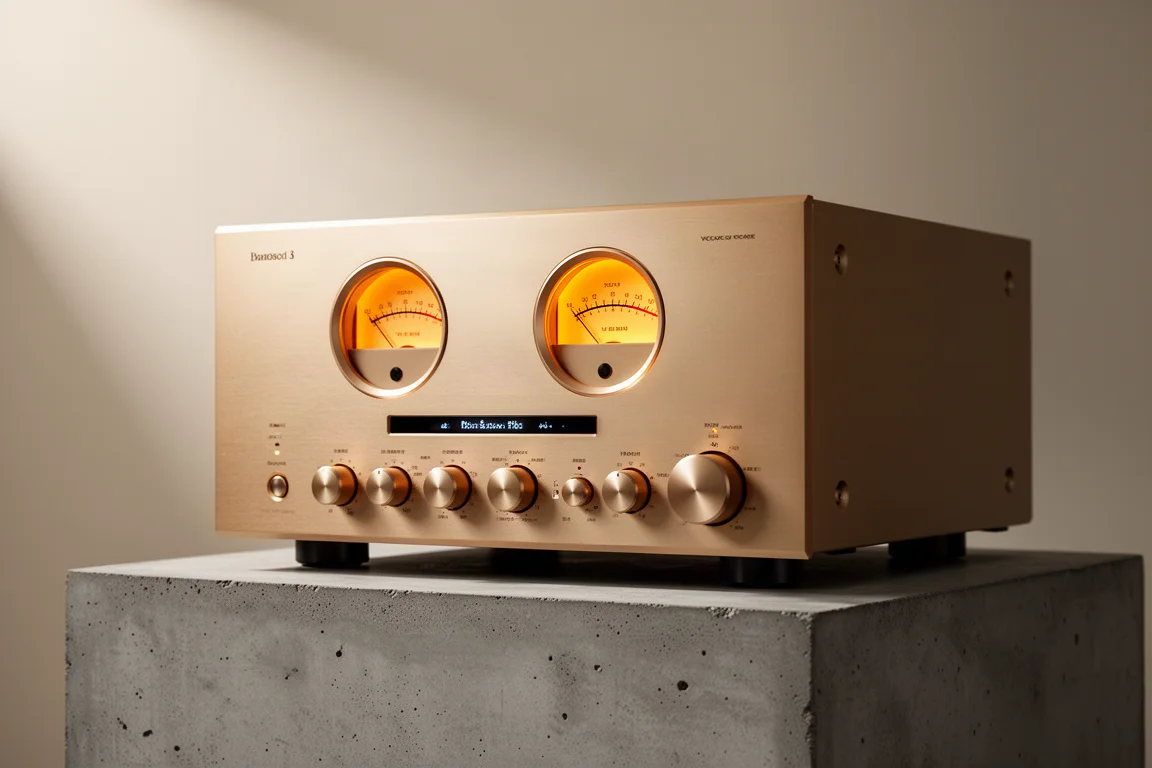
Hi-Fi Amplifiers
Accuphase E-280 Review: Entry-Level Accuphase With Flagship Attention to Detail
A close look at the Accuphase E-280 integrated amplifier, covering its champagne build, AAVA volume control, sound quality, and the speakers and sources that suit it best.
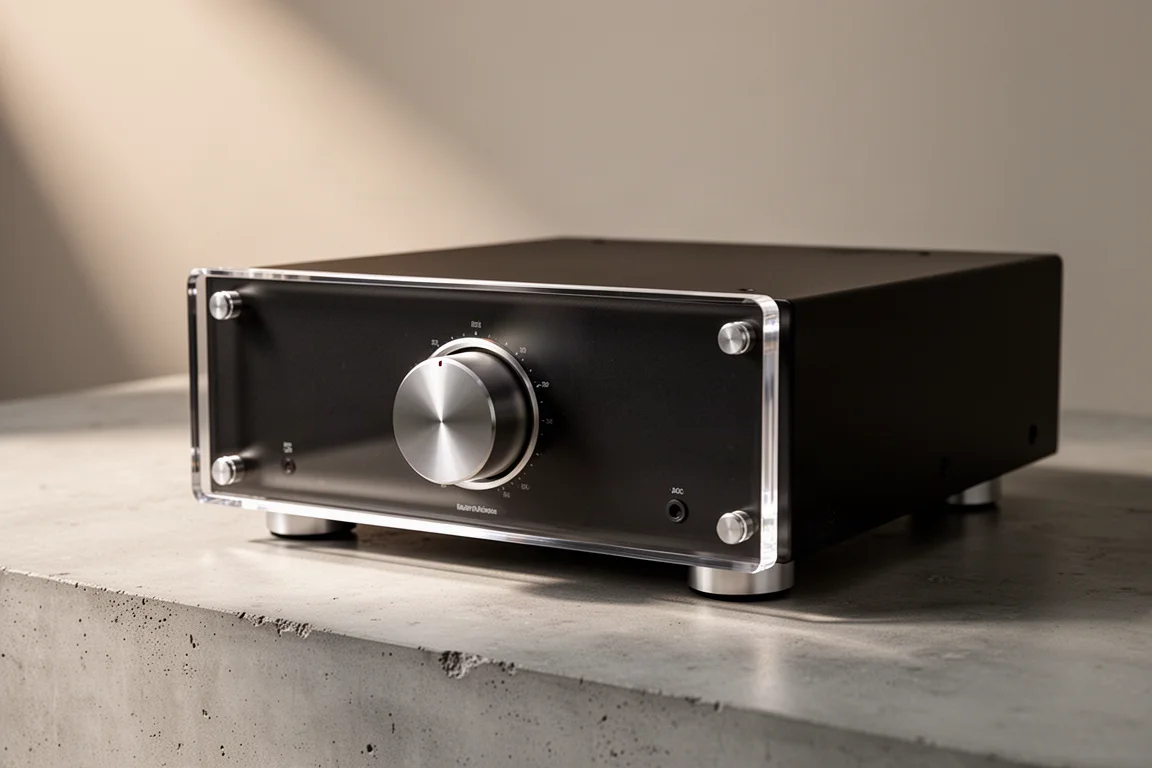
Integrated Amplifiers
Advance Paris X-i75 Review: An Integrated Amplifier With Character and Connections
A detailed look at the Advance Paris X-i75, an integrated amplifier with a class A bias option, a broad set of inputs and outputs, and a look that stands apart.
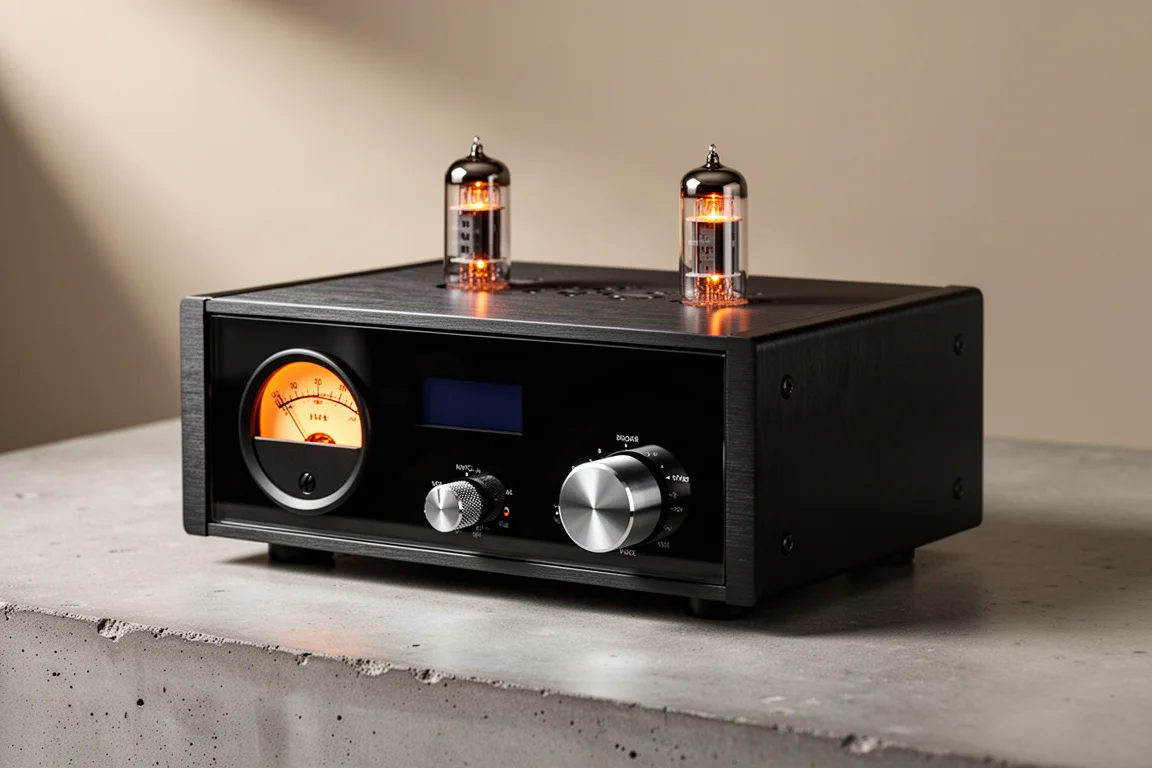
Hi-Fi Amplifiers
AIYIMA T9 Pro Review: A Compact Integrated Amplifier With More Headroom
A practical look at the AIYIMA T9 Pro, a compact integrated amplifier with a TPA3250 chipset, tube preamp stage, digital tone controls, and a 32V power supply option.