Integrated Amplifiers
Leak Stereo 230 Review: Retro Looks, Modern Connections, Weighty Sound
A 75-watt Class AB integrated amplifier with a walnut veneer cabinet, HDMI ARC, a very quiet phono stage, and a neutral balance that still carries real weight.
Introduction
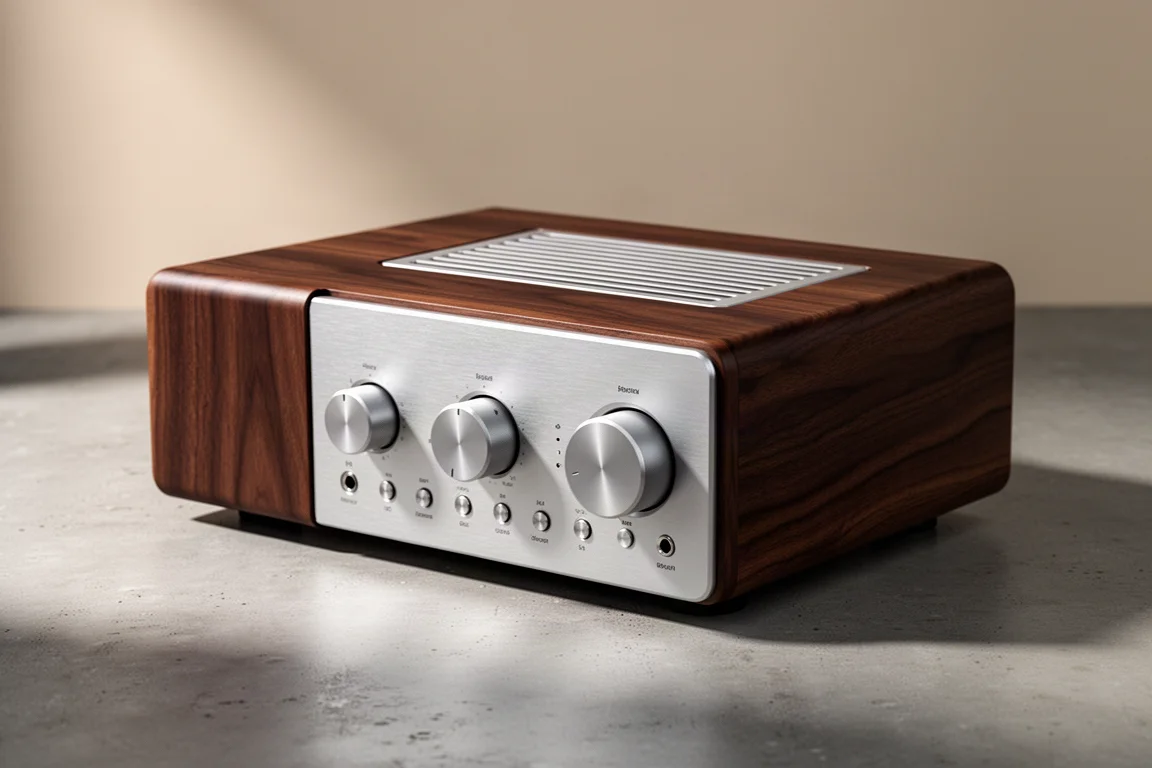
The Leak Stereo 230 is the larger sibling of the Stereo 130, an integrated amplifier that adds power and a handful of refinements to an already well-liked formula. It is rated at 75 watts per channel into 8 ohms and 115 watts per channel into 4 ohms, and it is built around a Class AB design with a linear power supply.
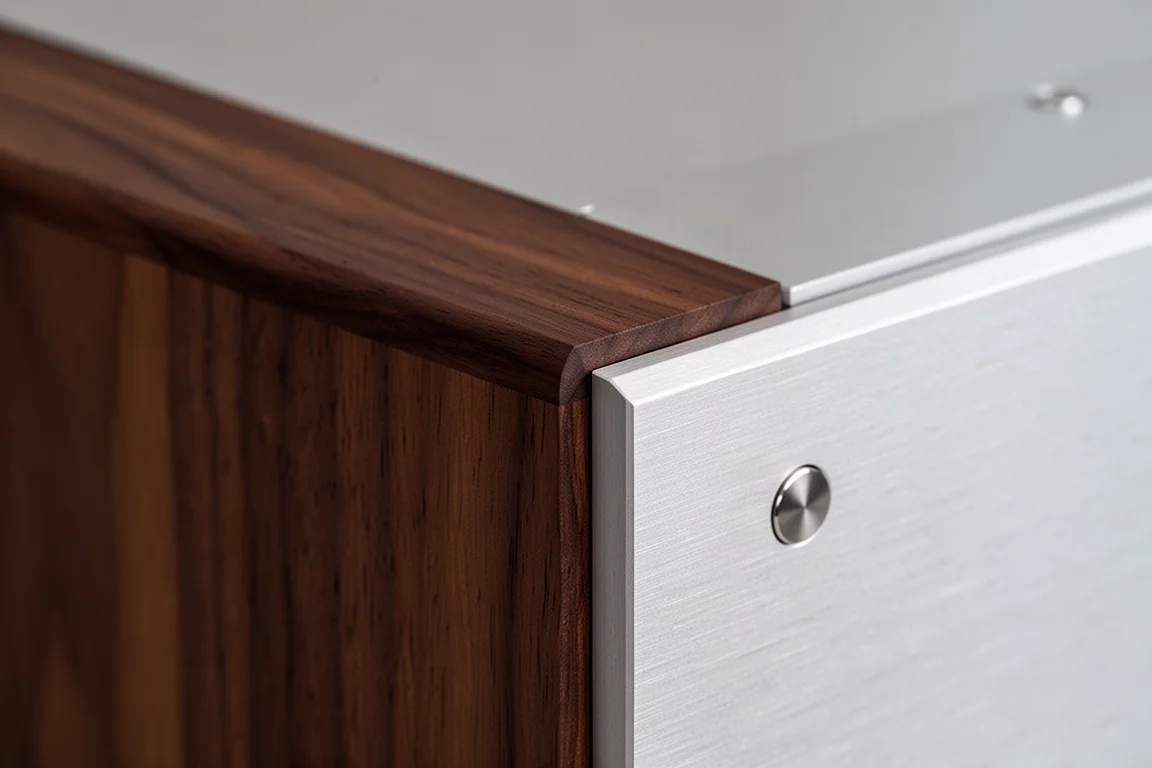
Leak is one of the iconic UK audio brands. The company was founded in 1934, ceased operations in 1979, and was reborn in 2020. That history is visible in the Stereo 230: a retro faceplate paired with a real walnut veneer cabinet, which gives the amplifier the warmth of a piece of furniture rather than the anonymity of a black box.
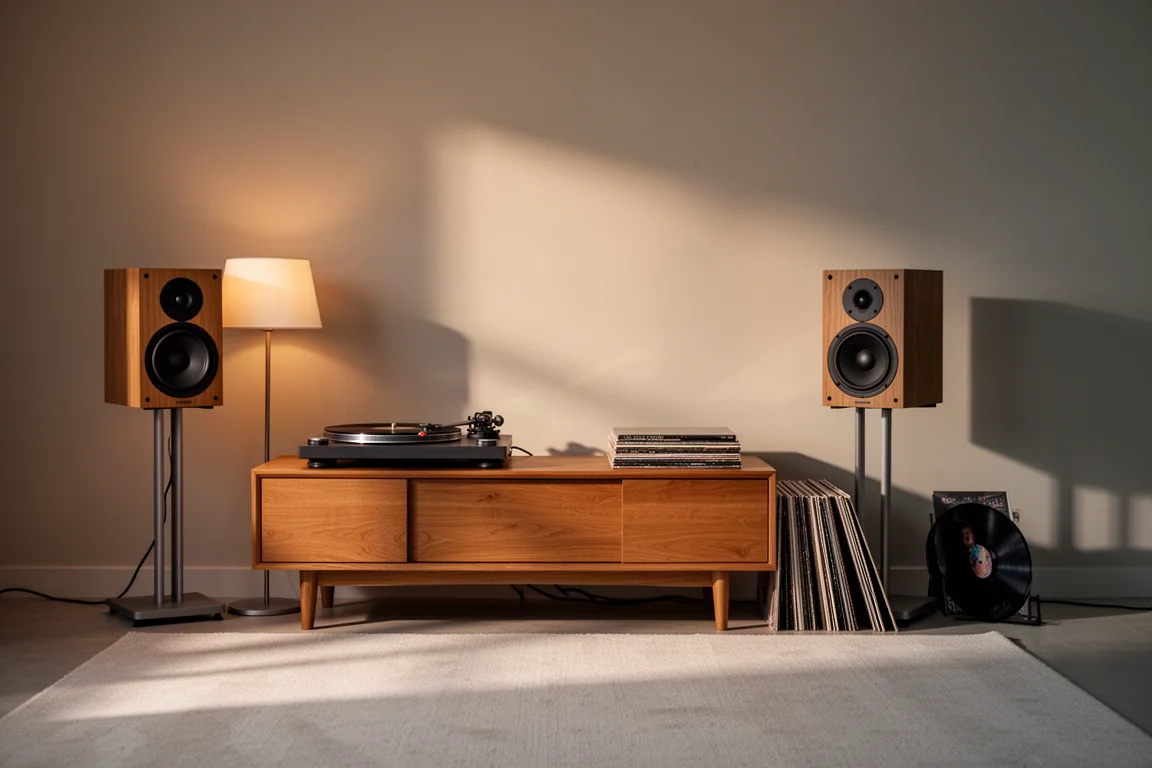
The build is substantial. At 28 lbs it is heavy for a 75-watt-per-channel amplifier, and it feels solid on the shelf. It carries a three-year warranty, and it arrives with a full-size paper owner manual, a small touch that is becoming rare.
Who This Amplifier Is For
The Stereo 230 makes the most sense for listeners who want a single component to handle everything in a modest system. The back panel covers a moving magnet phono input, two line-level inputs, and a preamplifier output that can feed a power amplifier or one or two subwoofers. Digital connections include USB, coaxial, and optical inputs, plus coaxial and optical outputs. HDMI ARC lets the amplifier carry television sound, which turns a stereo into a proper two-channel system for films and series.
It also suits buyers who care about how a system looks in a living space, and who want bass and treble controls on the front panel rather than buried in a menu. The wireless connection is Bluetooth, and the front panel adds a 6.3 mm headphone jack.
A third group will appreciate the character of the sound. This is a neutral-leaning amplifier rather than the warmest or most romantic option available, but it brings weight and drive to the presentation, which is exactly what many two-channel listeners are looking for.
Main Strengths
The most persuasive part of the Stereo 230 is how it balances neutrality with body. It does not editorialise much, but it never sounds lean or polite. With dense, layered acid jazz recordings full of samples, loops, and ambience, it held up its end of the deal, keeping the detail and the patterns in order without smearing anything. With sparse jazz trio and quartet material, the space between the players stayed intact: drums, saxophone, piano, and bass each remained distinct and easy to follow. On a live rock record with a full horn section, the amplifier gave a convincing sense of the venue.
The bass and treble controls are a genuine asset, and they sit right on the front panel where you can reach them. They can also be bypassed when you want a straight signal path. Pulling the treble down to around ten o’clock sweetened the top end of brighter recordings, and a modest bass lift added thump to small stand-mount speakers.
The phono stage is above average for an integrated amplifier and, importantly, very quiet. It is moving magnet only, but with a high-output cartridge it stayed free of hum and noise even over headphones, which is not always a given with this kind of cartridge. Listeners who play vinyl regularly will find it more than adequate.
The built-in headphone amplifier is also above average. Driving a pair of open-back reference headphones, it placed the listener inside the recording space, and it is good enough that an external headphone amplifier is unnecessary unless headphones are the main event of your system.
HDMI ARC is the feature that will win over a lot of households, since it lets the stereo handle television sound properly rather than through the speakers built into a screen. The supplied remote is large and plastic, but it is laid out well and easy to use.
Things to Consider Before Buying
The phono input is moving magnet only, so low-output moving coil cartridges will need a step-up device or a separate phono stage. The wireless connection is Bluetooth, so network streaming has to come from another device rather than from the amplifier itself.
Pricing and packaging differ by market. In the US the amplifier is $1,495 through Music Direct, and that price includes the walnut case, shipping, and a 60-day return policy. In the UK the list price is quoted separately and the walnut cabinet is an optional extra, so it pays to confirm exactly what is included before ordering.
The retro look is a matter of taste, and the wood cabinet is a large part of the appeal. If you want a discreet black box that disappears into a rack, this is not that amplifier. Equally, if the furniture-grade look is what draws you in, the cabinet is the reason to choose it over plainer rivals.
On paper, 75 watts per channel into 8 ohms is a moderate figure, so pairing matters, particularly with low-sensitivity or difficult speakers. In practice it drove stand-mount speakers with more authority than the number suggests, but a demonstration with your own speakers is still worthwhile.
Tone controls divide opinion among enthusiasts. Here they can be bypassed, so listeners who prefer the shortest possible signal path lose nothing by having them.
How It Compares With Alternatives
Against a separate preamplifier and power amplifier combination rated at 100 watts per channel into 8 ohms and 200 watts per channel into 4 ohms, the Stereo 230 was the surprise of the comparison. Despite the lower power rating, it sounded more powerful, with more weight, more oomph, and more drive. Switching to the separates tightened the presentation and sharpened leading-edge transients, but the dynamics felt more compressed, as though peaks were not hitting as hard. Each system used its own internal DAC, which certainly influenced the overall balance, and the separates may have been the more neutral of the two while the Leak was the more euphonic.

The Musical Fidelity A1 is the other retro-styled British integrated amplifier worth weighing up. It sells for $1,699 in the US and is a Class A design rated at 25 watts per channel, which puts it in a different category rather than making it a direct rival. It sounds fatter, juicier, and bolder, and it remains compelling for listeners who do not need to play loudly or who use a smaller room. The Stereo 230 is the more neutral design, and it offers something the A1 does not: a wood cabinet.
Buying Advice
If you want one component that handles a turntable, digital sources, and television sound, the Stereo 230 covers a lot of ground in a single box. The phono stage and the headphone output are good enough to remove two add-on purchases from the list, and the tone controls give you a way to tame bright recordings without changing components.

Think about three things before deciding. First, your speakers: the amplifier drove stand-mount models with real authority, but demanding loads deserve a home demonstration. Second, the features that matter day to day, particularly HDMI ARC for television sound and front-panel tone controls you can bypass. Third, the sound you prefer, since this is a neutral amplifier with weight behind it rather than a lush, romantic one. In the US, the 60-day return policy through Music Direct makes it easier to try at home, and that price already includes the walnut case and shipping. In the UK, confirm whether the cabinet is part of the price you are quoted.
Conclusion
The Leak Stereo 230 is a winner. It is a solidly built 28 lb integrated amplifier with a three-year warranty, a genuinely quiet moving magnet phono stage, a capable headphone output, useful tone controls that can be bypassed, and connectivity that spans vinyl, digital sources, and the television through HDMI ARC. Its sound is neutral rather than lush, but it has weight and drive behind it, and the walnut cabinet makes it a piece of furniture you are happy to live with. Buyers who want a warmer, more romantic presentation should listen to a Class A alternative as well, but for anyone assembling a one-box stereo around a turntable, a television, and a pair of stand-mount speakers, this is an easy recommendation.
Product link
View more details for Leak Stereo 230
This product is mentioned in the review. Check the specifications, options, and compatibility before buying.
View more details for Leak Stereo 230Further reading
Related Reviews
Integrated Amplifiers
Advance Paris A10 Classic Review: Vintage Looks and a Lively, Punchy Sound
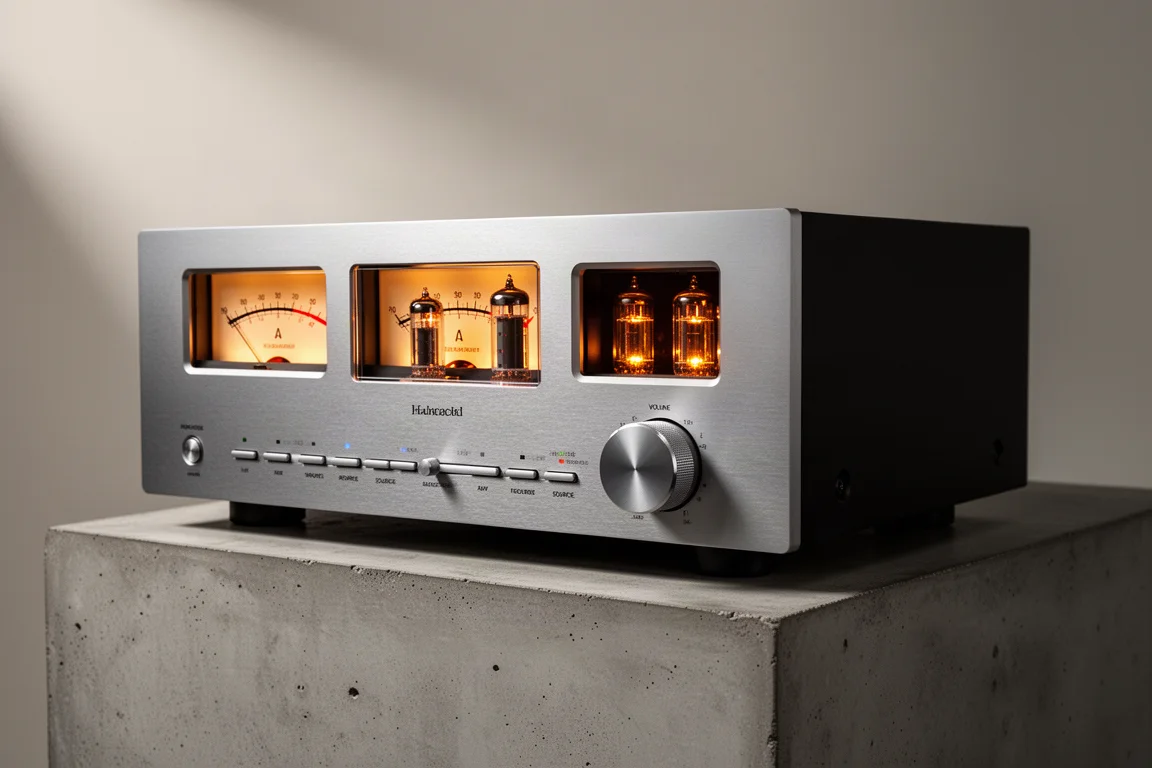
The Advance Paris A10 Classic pairs glowing blue VU meters and a tube stage with one of the widest input sets on any integrated amplifier. Here is what it does well and what to weigh before spending $2,500.
Integrated Amplifiers
Advance Paris A12 Apex Review: A Modern Integrated Amplifier With Vintage Character
A dual mono integrated amplifier with 180 watts per channel, a tube front end, VU meters, and a connectivity list that covers turntables, televisions, computers, and headphones.
Integrated Amplifiers
Advance Paris Nova Range Review: AI130, AI190 and Modular Upgrades
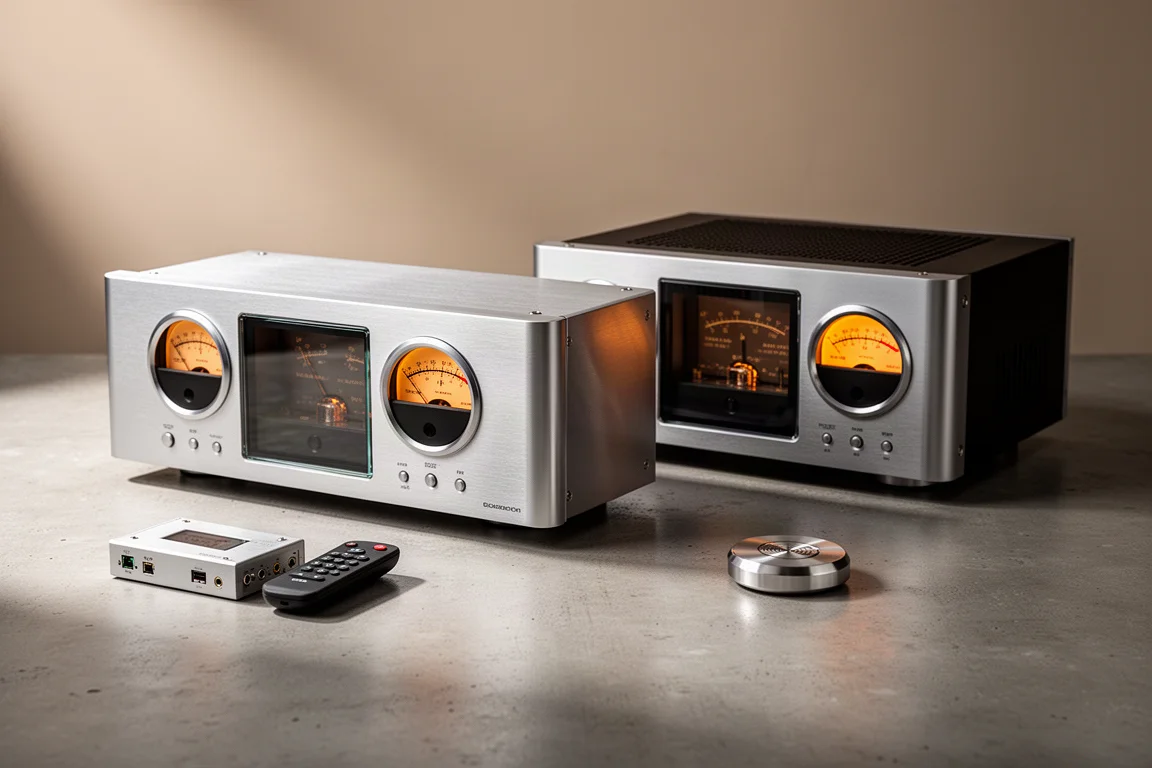
A practical look at the Advance Paris Nova range, including the AI130 and AI190 integrated amplifiers and the modular streaming, Bluetooth and remote accessories that expand them.