Hi-Fi Speakers
Leak Sandwich 250 vs the Field: Six Vintage-Style Speakers Compared
How the Leak Sandwich 250 stacks up against the KLH Model 5, Polk R700, MoFi SourcePoint 8, and Klipsch Forte IV and Heresy IV on balance, power needs, and placement.
Introduction
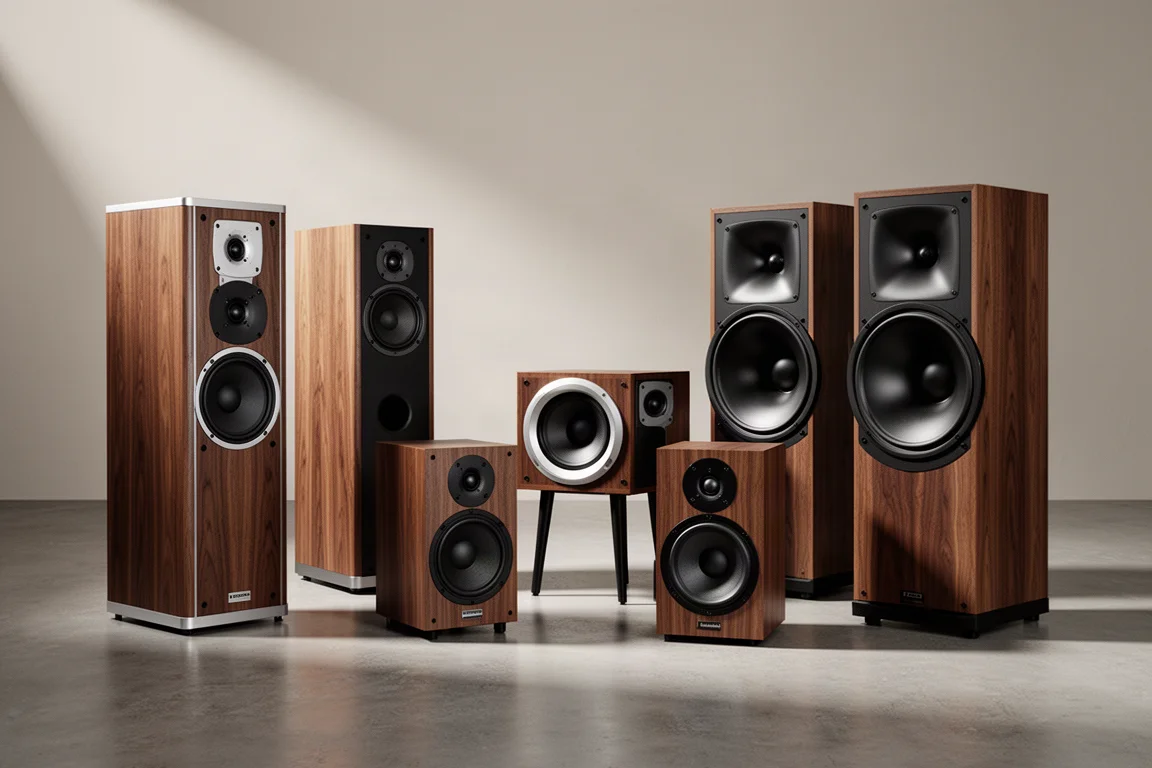
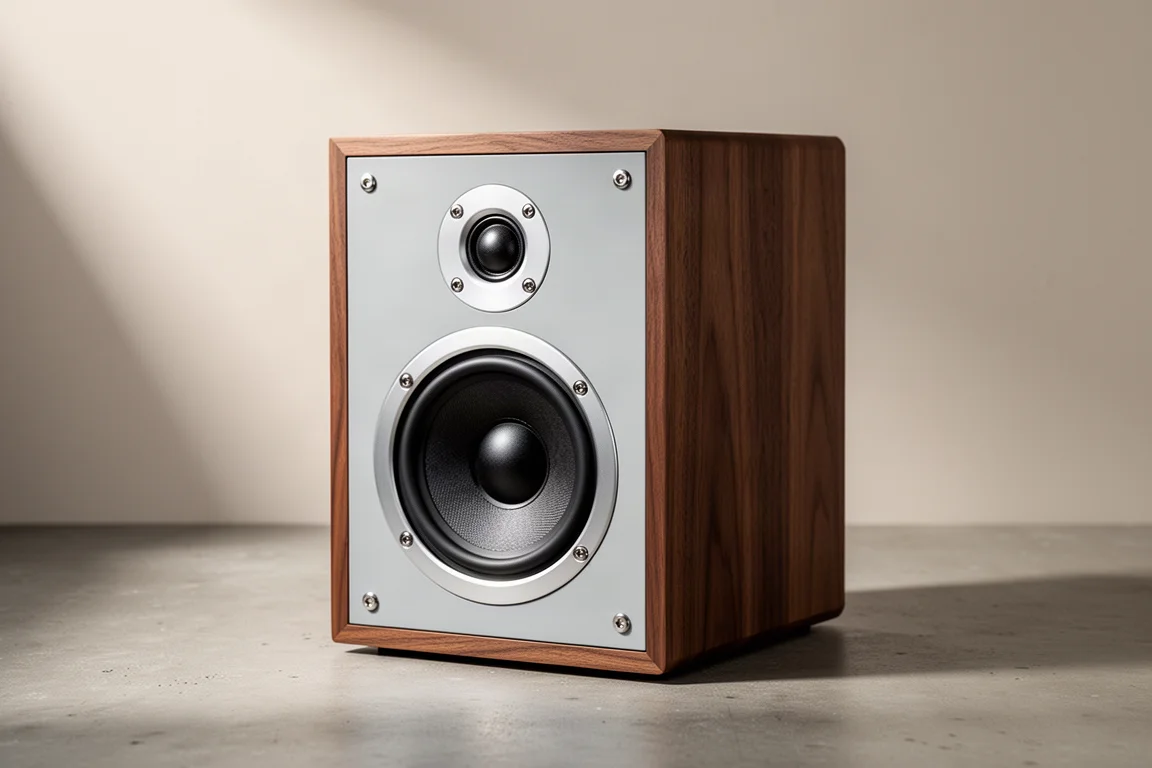
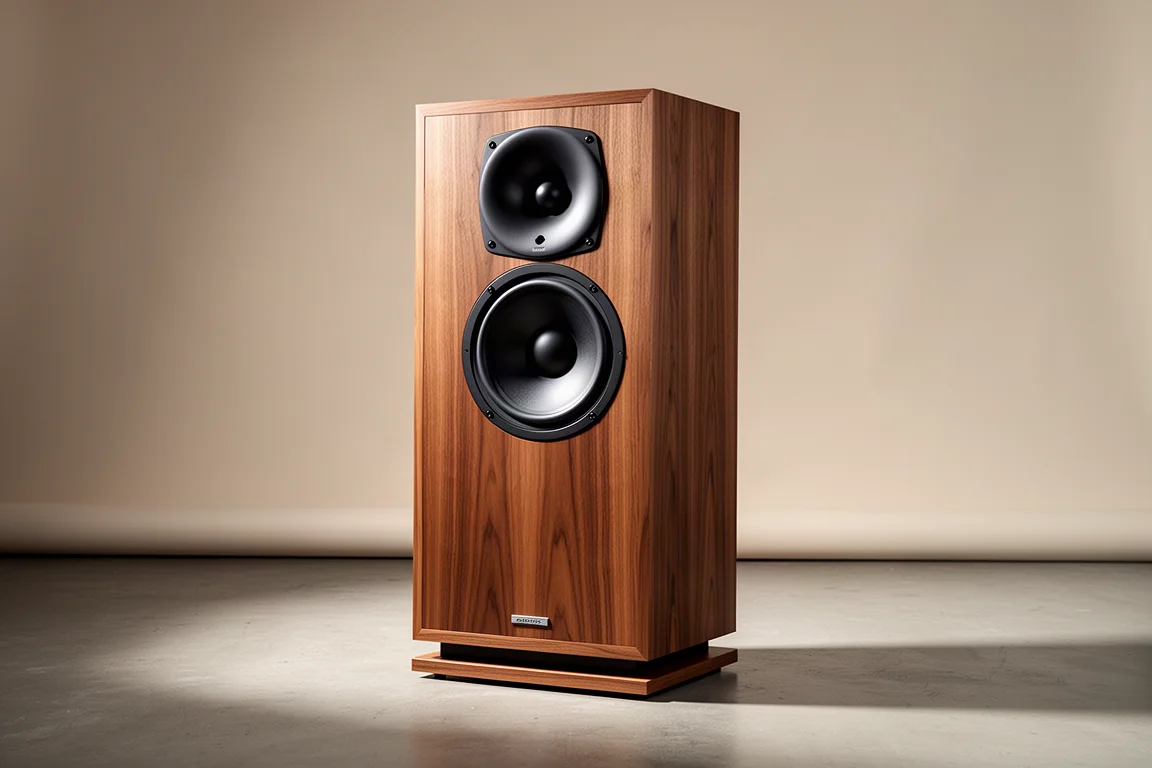
The Leak Sandwich 250 is a speaker that invites questions. It looks like a design from another era, with a wood veneer cabinet, silver accents and driver mounting screws left visible around the baffle, yet it is built to modern standards and sits at roughly $3,000.
That mix of old looks and current engineering makes it a natural reference point. Buyers weighing it up usually want to know three things: how much amplification it genuinely needs, how carefully it has to be positioned, and how it stacks up against the other retro-inspired speakers now competing for the same shelf space.
This guide answers those questions and places the Sandwich 250 alongside five speakers it will be measured against: the KLH Model 5, the Polk R700, the MoFi SourcePoint 8, and Klipsch’s Forte IV and Heresy IV.
How These Speakers Compare
Four things separate these speakers in practice: tonal balance, power requirements, placement sensitivity, and build and finish.
Tonal balance is the starting point. The Sandwich 250 is simply a neutral speaker. It does not start warm or cool, and it does not push a signature of its own onto a recording. That neutrality is what makes it a useful yardstick, because the differences between it and its rivals show up clearly.
Power is the second factor, and it is where a lot of buying decisions go wrong. Some of these speakers are sealed designs that need current to keep their woofers under control. Others are high-sensitivity horn designs that will run happily on a fraction of the power.
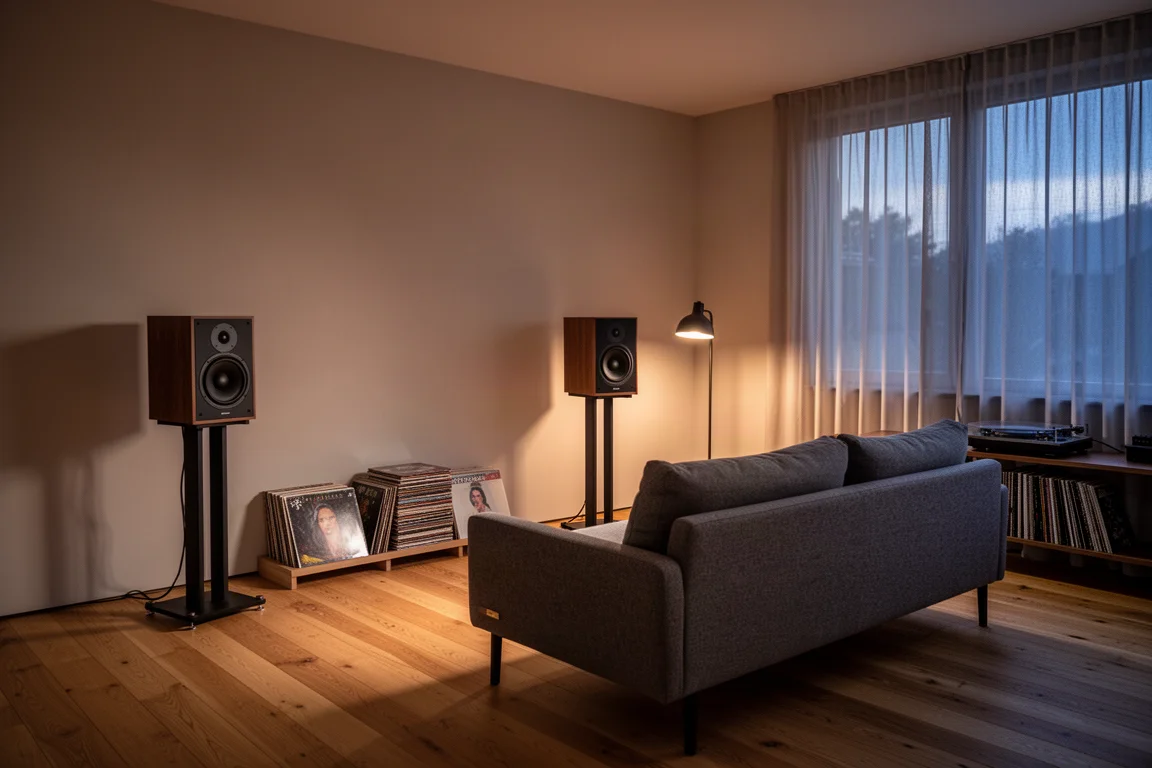
Placement is the third. Toe-in matters for the Sandwich 250, and it matters even more for some of the alternatives. A speaker that images beautifully in one room can sound bright or unfocused in another simply because of how far it sits from the wall and how sharply it is angled.
Finally there is build and finish. The visible mounting screws on the Sandwich 250 are a good example of how quickly this debate can get out of hand. Small projections near a driver have no measurable or audible effect, while a large step around a driver does, which is why drivers are normally recessed flush into a baffle. The screws here are a styling decision rather than a flaw, and they suit the speaker’s retro character. Judged as a whole, today’s vintage-inspired cabinets are built to a far higher standard than the originals they reference.
Leak Sandwich 250: The Reference Point
The Sandwich 250’s strongest argument is that it grows with the system around it. A modest power amplifier will drive it perfectly well, and an integrated amplifier in the $1,300 to $1,500 range is a genuinely good match. Move further up the market and the speaker keeps revealing small improvements rather than running out of headroom, which is why it makes sense as a long-term purchase rather than a stepping stone.
Pairing matters, though. A relaxed, laid-back amplifier can blunt what the Sandwich 250 does best, so it rewards something with a little more grip and clarity. Vintage receivers can work well too, provided they have been serviced and maintained, and provided they are comfortable with the impedance the speaker presents. Larger vintage models from the 700 series are a safer bet than the smaller entry-level models from the same era.
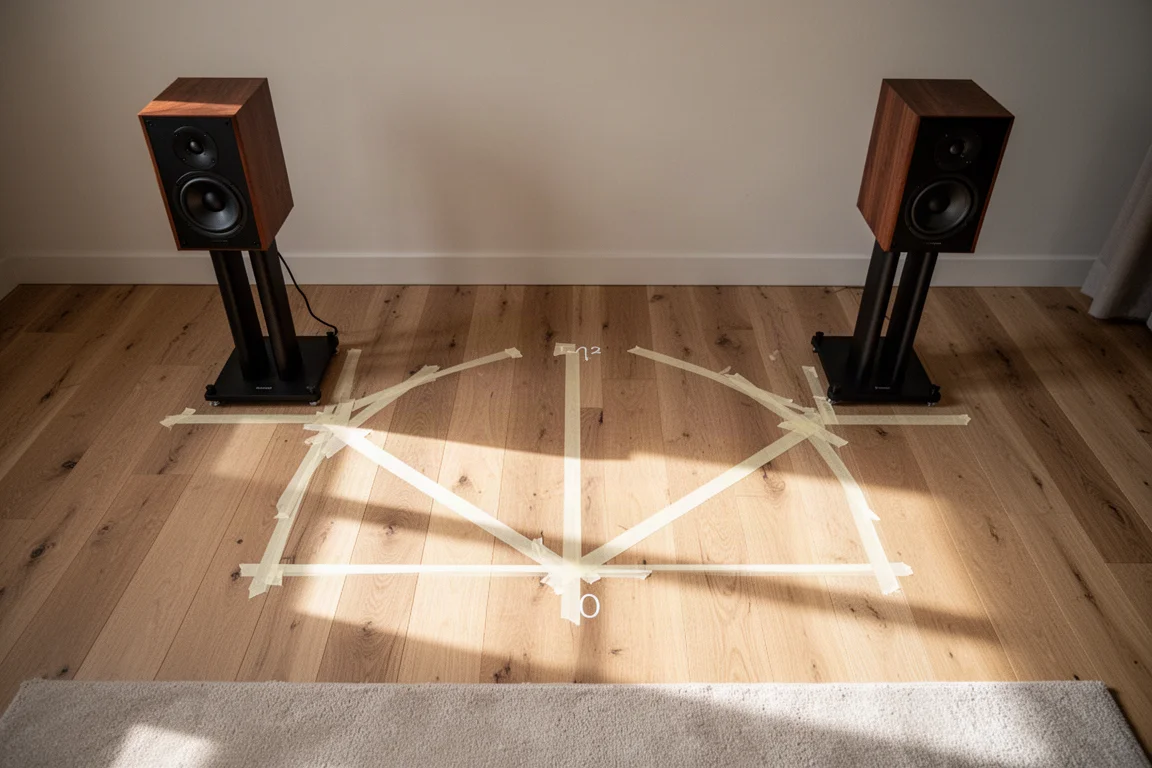
Toe-in is worth the effort. Angling the speakers inward tightens centre imaging and gives voices and instruments a more realistic physical scale. In size terms, the Sandwich 250 is close enough to a comparably priced three-way floorstander that the performance gap is not dramatic, and its cabinet dimensions are a deliberate nod to its heritage rather than a limitation.
KLH Model 5: The Closest Rival
On paper the Model 5 and the Sandwich 250 are close relatives, and in listening terms they are closer still. The difference is in the details. The Sandwich 250 uses better materials and a better finish, and it simply looks like the more expensive speaker.
Sonically, the Model 5 is a sealed design, and sealed cabinets ask for more power to extract real control and weight from the woofer. Start with a modest amplifier and the bass can sound a little fat and slightly blurred. The Sandwich 250 also benefits from good amplification, but it can start lower down the ladder and improve from there, which makes it the more forgiving of the two.
The Model 5 also carries a little extra energy through the mid-range. That gives it a more forward presence in a direct comparison, and depending on the setup it can come across as brighter. The Sandwich 250 stays more neutral.
Polk R700: Broader and More Extended
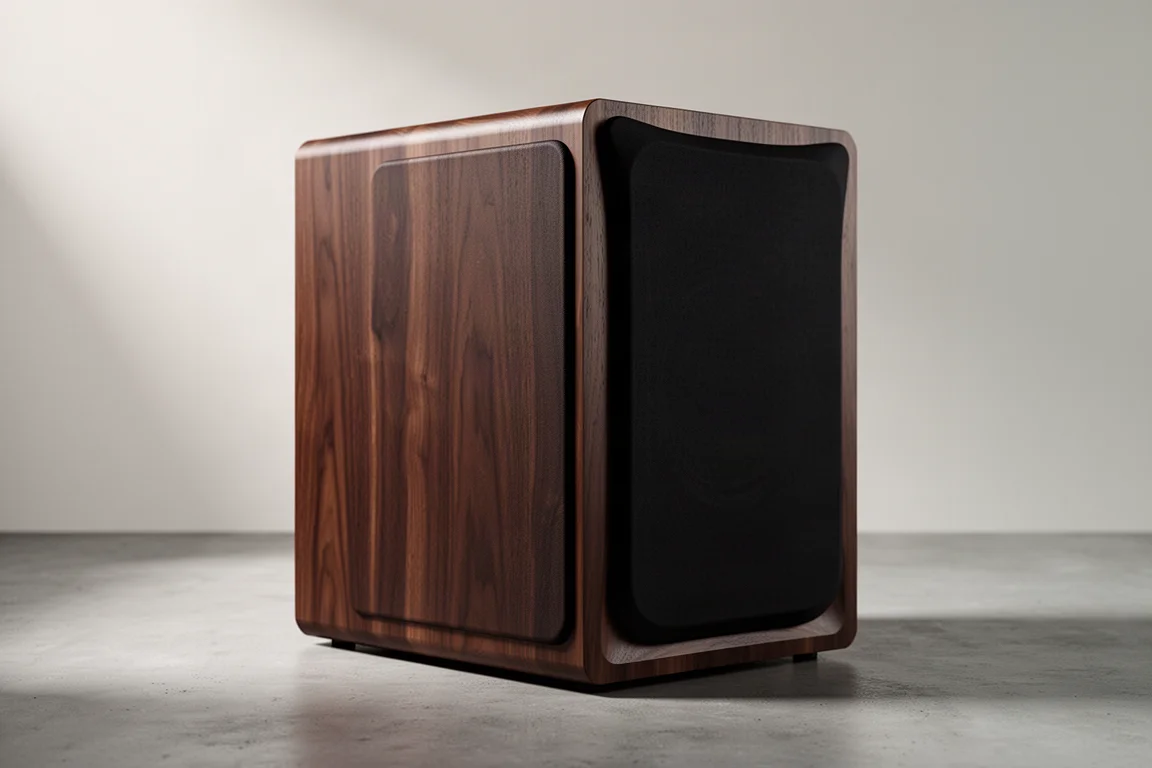
The R700 is a strong value proposition at around $2,000, with real wood veneer and metal trims that belie the price. It is a floorstander with a broader overall presentation than the Sandwich 250, and that breadth shows up most clearly in the low end, where it reaches deeper.
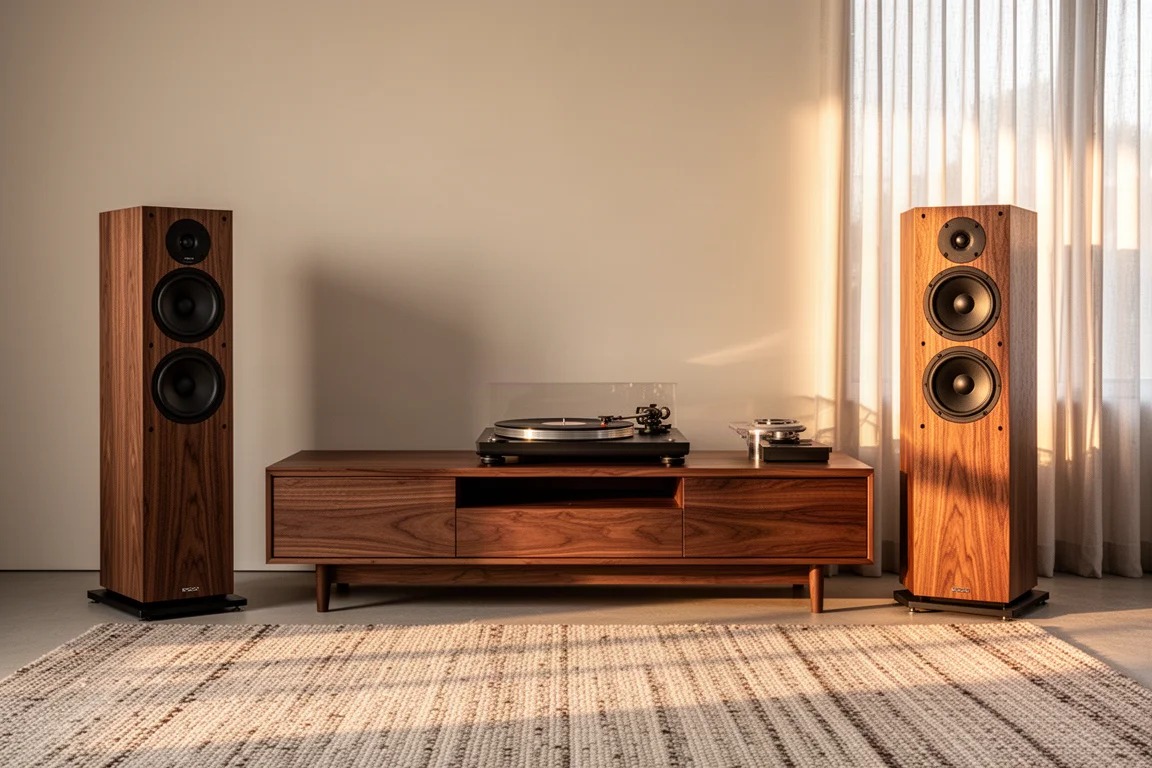
Give the R700 proper amplification and some of that width gains focus, but it never quite matches the pinpoint quality of the Sandwich 250. The mid-range is broadly comparable between the two. The clearest split is at the top: the R700’s tweeter extends further and keeps going, which brings extra air and detail, while the Sandwich 250 rolls off more gradually and stays more restrained. Some listeners will want more top-end presence than the R700 offers, and some will find the Sandwich 250’s approach easier to live with.
MoFi SourcePoint 8: Livelier, More Placement Sensitive
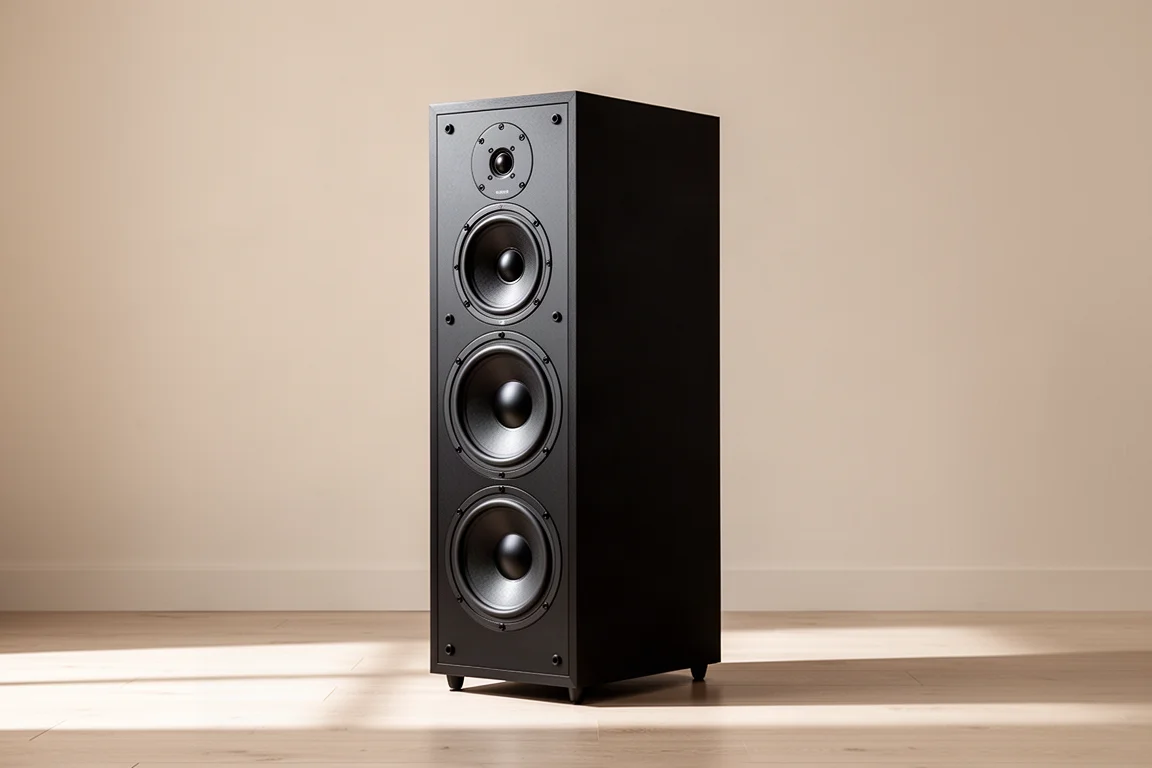
The SourcePoint 8 is the livelier speaker of the two. It sounds more dynamic straight away, with a lighter, quicker character, but it does not carry the same weight in the bass and will not play as deep as the Sandwich 250.
Placement is where the SourcePoint 8 asks more of its owner. The Sandwich 250 benefits from careful toe-in, but the SourcePoint 8 turns setup into a much bigger variable, and it is entirely possible to push it into sounding bright. The Sandwich 250 never really heads in that direction.
Where the SourcePoint 8 claws something back is intelligibility. For television and film dialogue it has a slight edge, which makes it a strong option for mixed-use systems. Its front baffle is also one of the most distinctive designs in this group, a modern counterpoint to the Sandwich 250’s period styling.
Klipsch Forte IV: Efficient and Lively
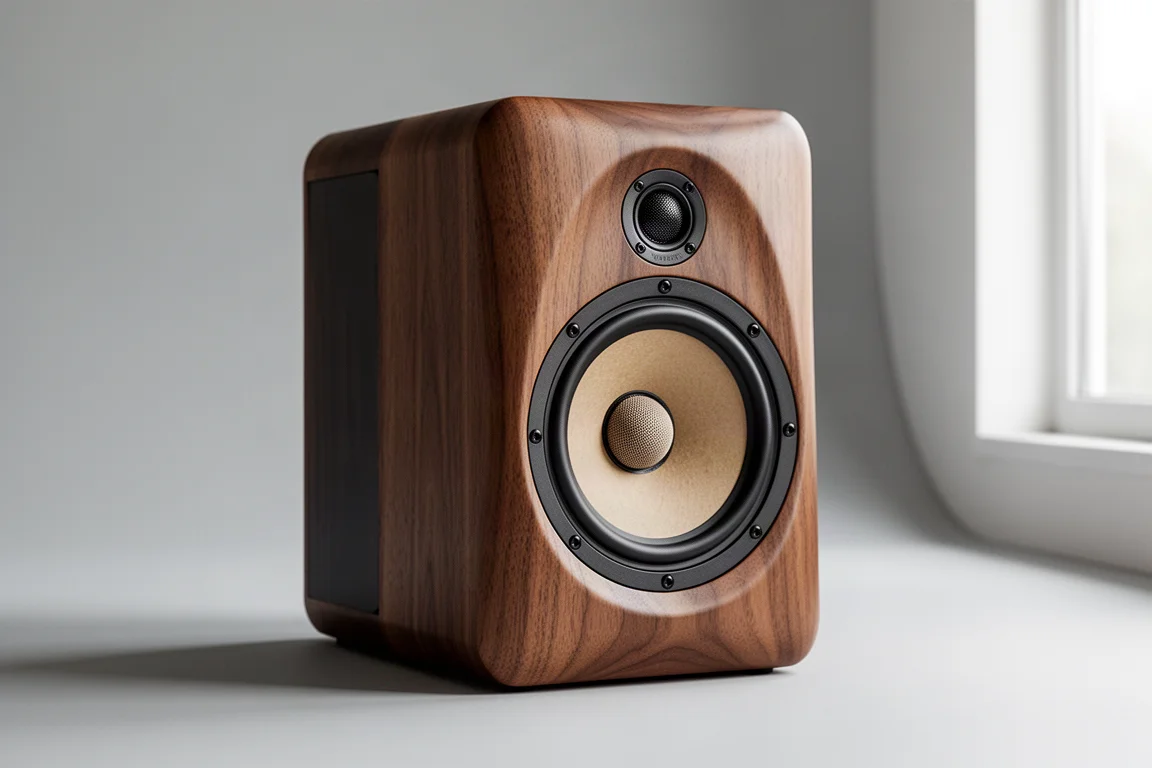
The Forte IV costs around $4,200 per pair, so it sits above the Sandwich 250 on price, and it competes on a different set of strengths.
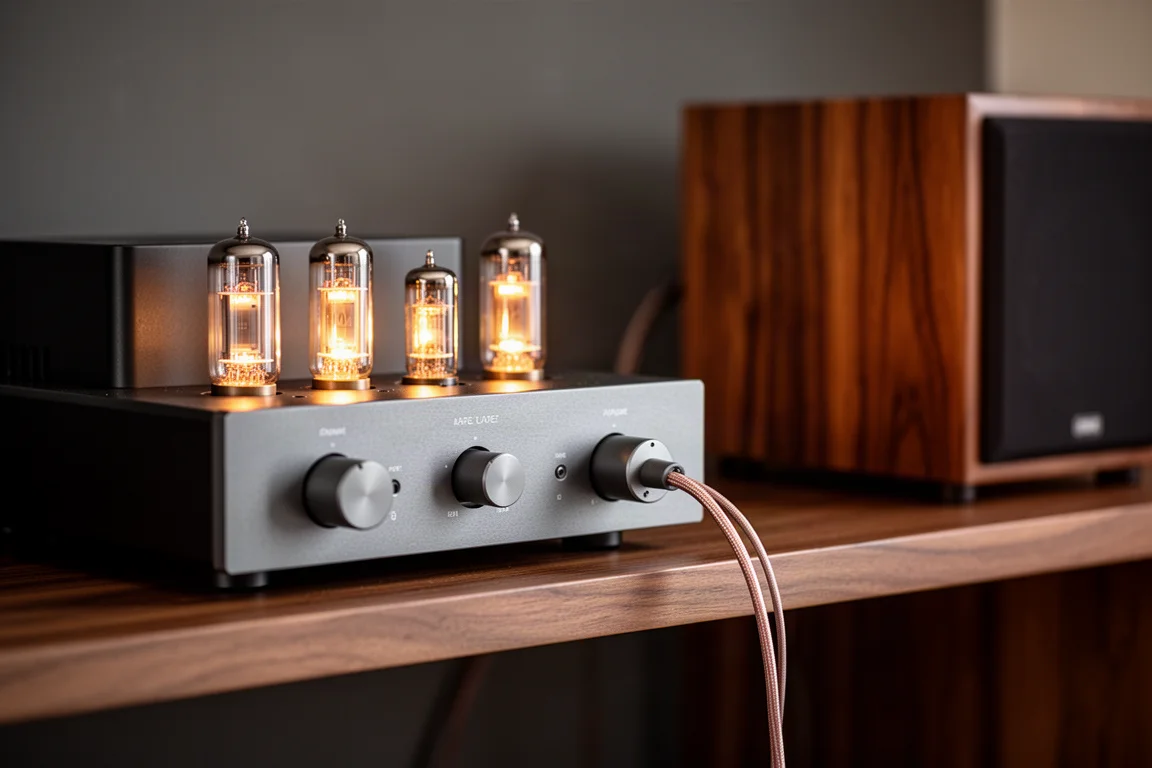
Sensitivity is the headline. The Forte IV is easier to drive, and its dynamic envelope is easier to unlock, which means a quality 20 or 30 watt amplifier can go a long way where the Sandwich 250 might want closer to 200 watts to give its best. That is a meaningful difference for anyone building a system around a low-power amplifier.
Both speakers qualify as long-term, heirloom-level purchases. The Forte IV is arguably the best value in the entire Klipsch Heritage range, and it is a notable step up from the smaller Heresy IV, though it still sits below the larger models in that line.
Tonally, the Forte IV is livelier than the Sandwich 250 and puts the listener closer to the performance, but it is not as forward as the Heresy IV. The larger mid-range horn lets elements sit slightly further back in the mix, which keeps it from feeling aggressive.
Klipsch Heresy IV: Same Price, Different Priorities
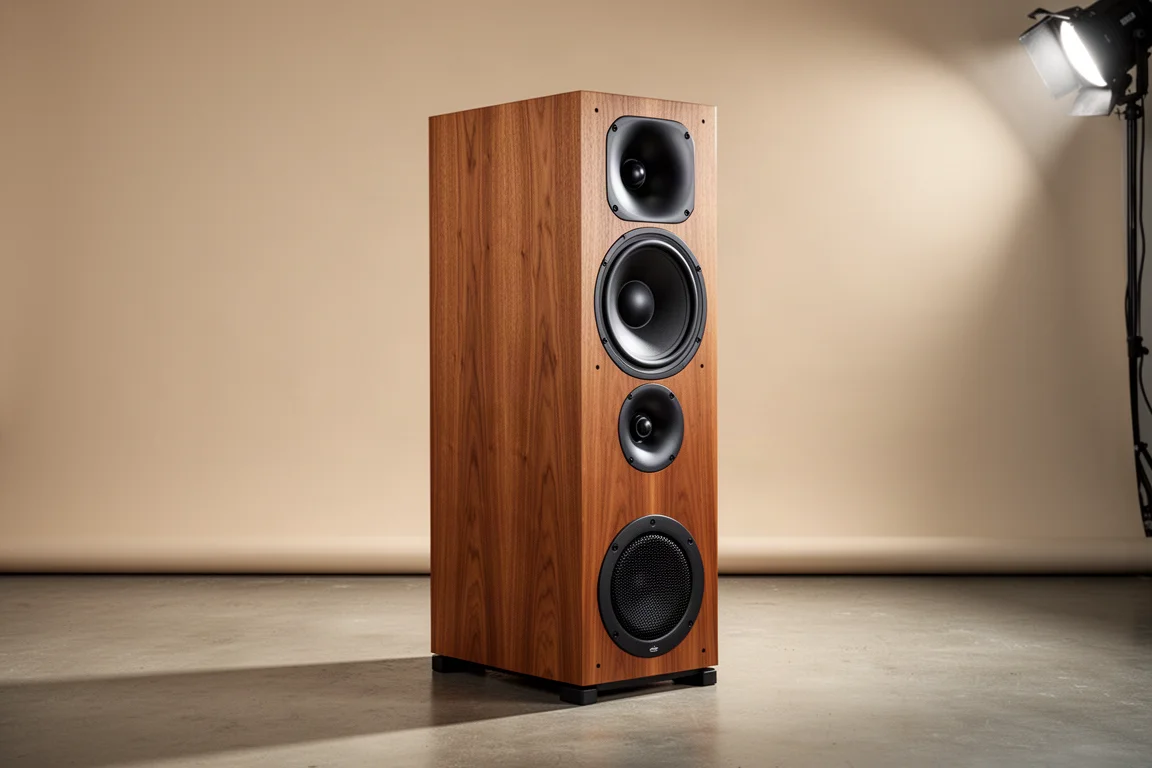
The Heresy IV is priced in line with the Sandwich 250, which makes it the most direct alternative in this group, and the two speakers could hardly be more different in character. The Heresy IV is lively and efficient, and it can be noticeably more forward than the Sandwich 250, which stays neutral and even.
Placement deserves particular attention. The Heresy IV uses a rear port that sits close to the floor, and that proximity to the floor is part of what gives the speaker its low-end reinforcement. Raise it onto stands and the bass character changes. It will still sound good, but it becomes far more like a stand-mount speaker and much less like a floorstander, and listeners who have been relying on that low-end bump may find the result lean.
If stands are unavoidable, the best results come from lifting the speaker around four to six inches while keeping its natural rake intact. Taller stands and heavier mass-loaded designs changed the sound too much to be worth recommending.
Buying Advice
The right choice here comes down to the amplifier you already own, the space you can give the speakers, and the sound you actually enjoy.
If you own a modest amplifier and want a speaker that will improve as your system does, the Sandwich 250 is the safest long-term pick. It starts well on something like an Emotiva BasX A2 and keeps rewarding upgrades, and its neutral balance means it will not fight the rest of your chain.
If your priority is efficiency and sheer liveliness, the Forte IV is the standout, provided the higher price is acceptable. It will sing on low-power amplification and it delivers the most convincing sense of a live performance in this group.
If budget is the deciding factor, the Polk R700 gives you a genuinely broad, extended sound for around $2,000, as long as you can power it properly.
The Heresy IV makes sense if you want that Klipsch liveliness at a price that matches the Sandwich 250, and you have a spot where the rear port can work close to the floor.
The KLH Model 5 is for listeners who like the general character of the Sandwich 250 but do not mind supplying more power from the outset. The MoFi SourcePoint 8 suits anyone who wants a lively, detailed speaker for mixed music and film use and is willing to spend time on placement.
One last point on finish. If the look of the speaker matters as much as the sound, the Sandwich 250 and the Forte IV are the two that feel most like heirloom pieces, and both are built to be kept.
Conclusion
The Sandwich 250 earns its place as the reference point in this group because it does not impose a character of its own. It is neutral, it scales with better equipment, and it is built well enough to justify the roughly $3,000 asking price for listeners who intend to keep it for years.
The alternatives each trade some of that neutrality for something else: broader bass and top-end extension from the Polk R700, extra liveliness and efficiency from the Klipsch pair, and a more dynamic, placement-sensitive presentation from the MoFi SourcePoint 8. Match the speaker to the amplifier and the room you actually have, and any of these will reward the decision.
Further reading
Related Reviews
Hi-Fi Speakers
1723 THX Tower vs 1528 Bookshelf: Which Speaker Fits Your Room?
Two speakers at roughly the same price, built very differently. How the 1723 THX tower and the 1528 bookshelf compare on construction, bass, power needs, and sound.
Hi-Fi Speakers
Acoustic Energy AE 300 Review: Deep Bass From a Compact Standmount
A two-way standmount with real wood veneer, surprising low-end weight, and a warm, easygoing character. Here is what to know before buying.
Hi-Fi Speakers
Acoustic Energy AE1 40th Anniversary Review: A Modern Take on a British Classic
A compact standmount that revives a 1980s favorite with all-new parts, a warm mid-centric balance, and a price of £1,499 per pair.