Hi-Fi Speakers
Leak Sandwich 250 Review: A Heritage Three-Way Speaker Built for Modern Systems
The Leak Sandwich 250 revives a 1961 loudspeaker line with aluminum foam core sandwich drivers, a neutral tonal balance, and deep, controlled bass. Here is what to know before buying.
Introduction
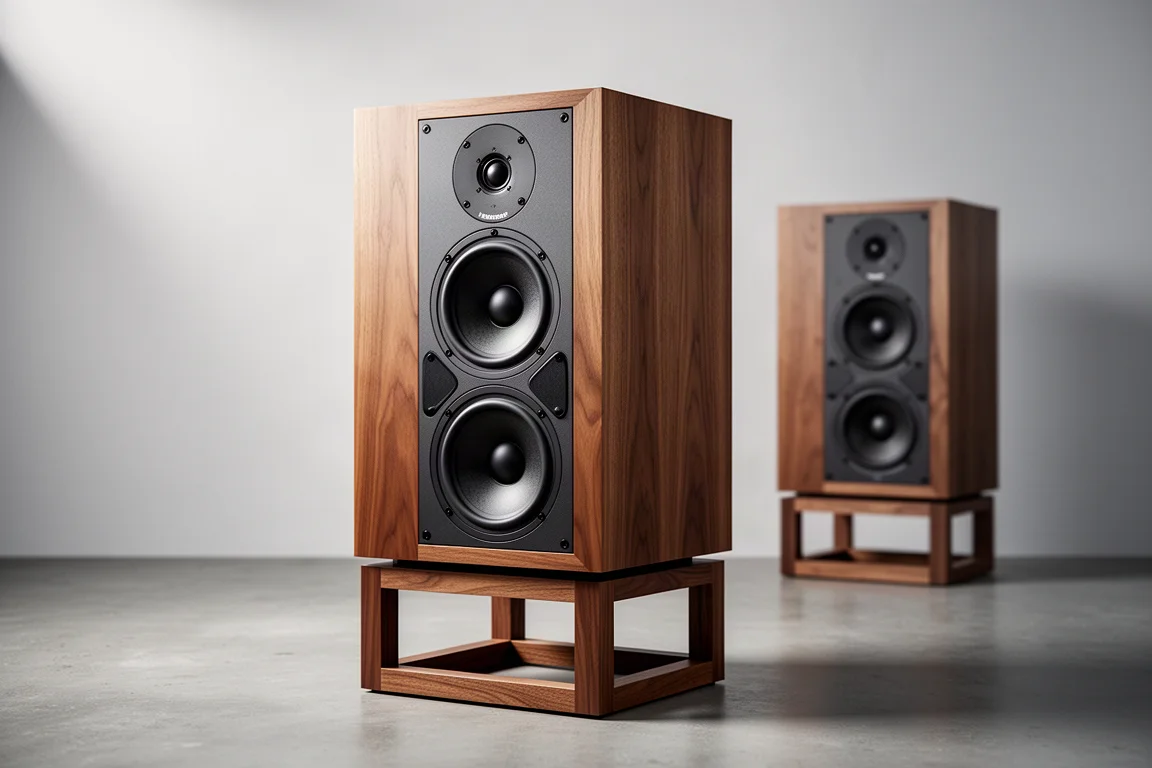
Reviving a classic nameplate is a delicate exercise. All too often the result is a lightly reworked version of what came before, dressed up for a new catalogue cycle. The Leak Sandwich 250 takes a different path. It reaches back to a Leak loudspeaker line that dates to 1961, but the cabinet, drivers, and construction are built to a far higher standard than the originals. That combination makes it a convincing example of how to bring a heritage design into the modern era.
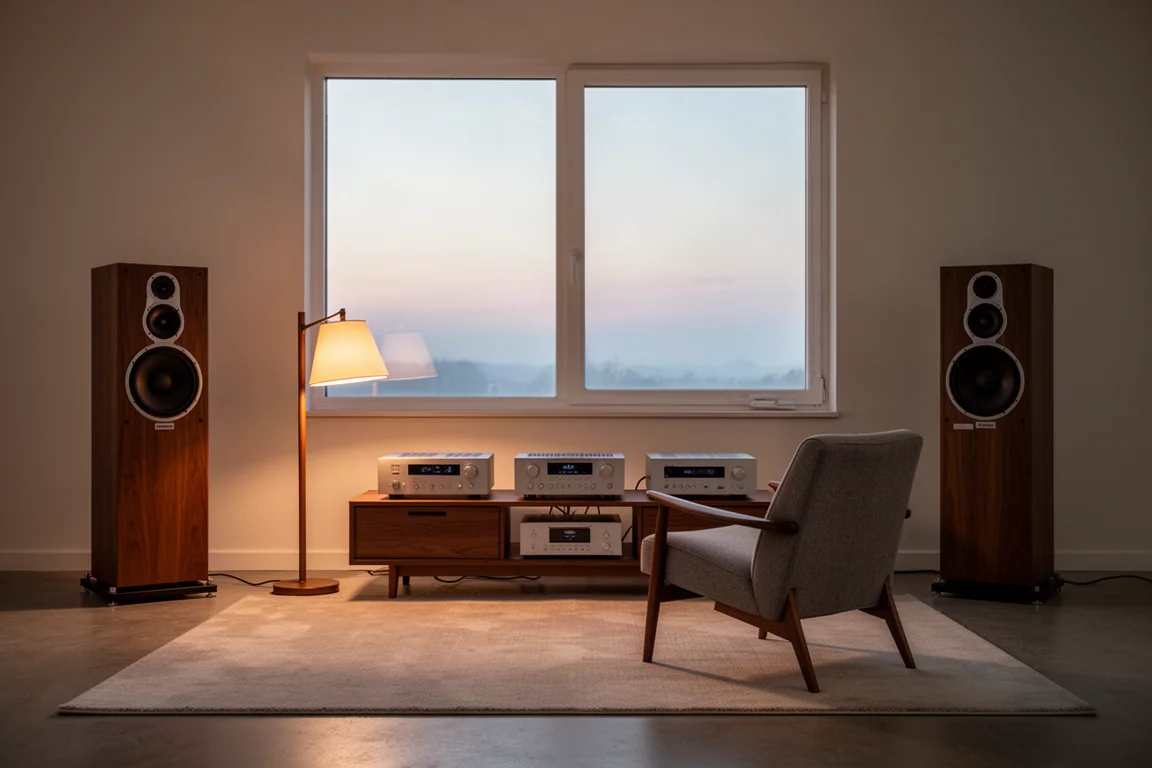
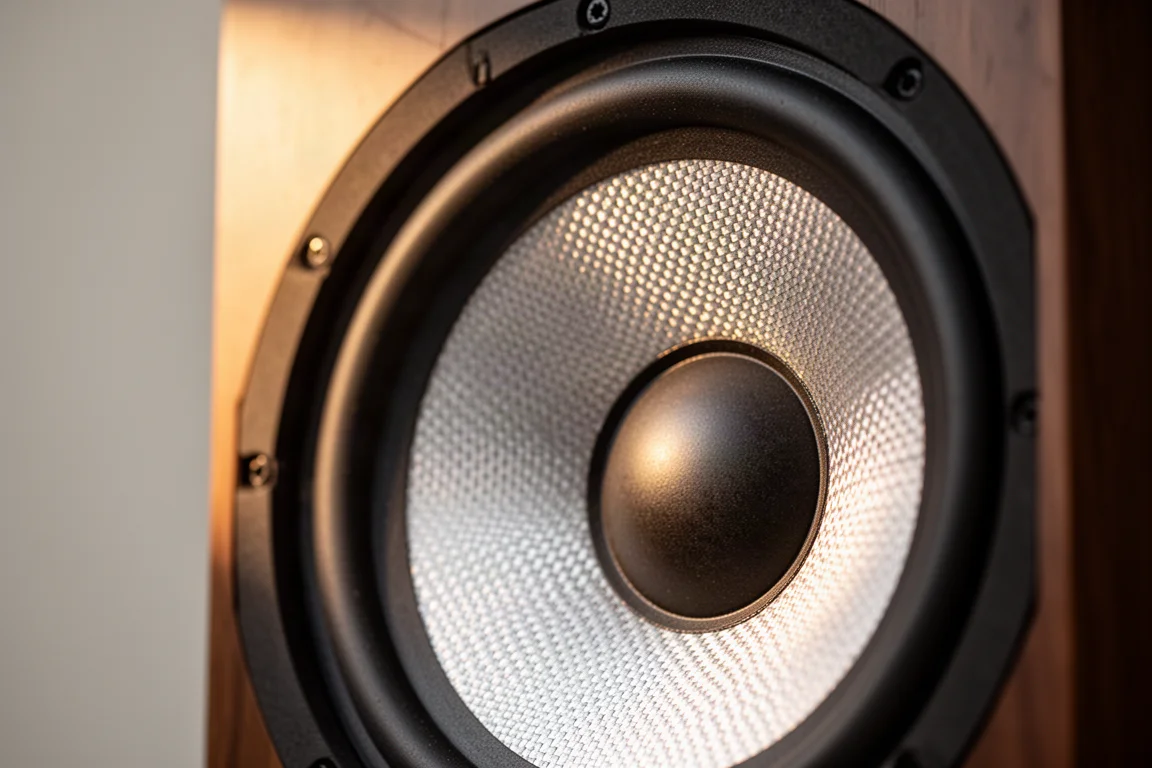
The Sandwich 250 is a three-way, rear-ported design, and its name comes from the cones it uses. An 11-inch bass driver and a 4 1/4-inch midrange driver both use Leak’s aluminum foam core sandwich construction, crossed over to a 1-inch soft dome tweeter. Leak reports a frequency response of 42 Hz to 26 kHz, with sensitivity rated at 88 dB and a nominal impedance of 6 ohms. The cabinet is large and boxy, closer in size to the Wharfedale Linton, JBL L100 Classic, and Mission 770 than to a compact bookshelf speaker.
Who the Leak Sandwich 250 Is For
This speaker suits listeners who want a neutral, technically accomplished loudspeaker that also carries some vintage character. It is not difficult to drive, so a broad range of amplifiers will produce listenable results, but it clearly rewards better electronics. If you have the space for a large stand-mounted cabinet and the budget for amplification with genuine current delivery, the Sandwich 250 delivers performance that sits well above its price class.
It is a less obvious fit for anyone who wants a small speaker, a forgiving speaker, or a system that sounds its best at low volumes with a modest amplifier. The Sandwich 250 does not flatter poor recordings, and it will not rescue a muddy mix or mumbled dialogue. What you feed it is largely what you hear.
Design and Build Quality
Three drivers, a large cabinet, and dual rear ports define the physical package. The build quality is a clear step up from the vintage designs it references, and it also compares well against several heritage-styled rivals that cost considerably more. Panels feel solid, the veneer work is tidy, and nothing about the cabinet suggests the cost-cutting that often accompanies a nostalgia-driven relaunch.
Leak offers a matching stand for the Sandwich 250, sold separately. Availability can be limited, so it is worth planning for a stand from the outset. Stands designed for other large stand-mounted speakers can work as substitutes, as long as the height is comparable. Whichever route you take, this is a speaker that needs to be raised off the floor to perform at its best.
Setup and Amplification
Leak’s own guidance is specific. Position the speakers so the tweeters sit toward the centre or inside edge, and leave the grilles on. In practice the grilles genuinely help dispersion, so most listening is likely to happen with them fitted, even if the speaker looks more striking without them. A small amount of toe-in is also essential. Pointed straight ahead, the Sandwich 250 produces a broad wall of sound with a reasonable centre image, but that image is a little vague and can drift to one side or the other as you move off axis. Angling the cabinets inward locks instruments and vocalists firmly in place while preserving the speaker’s impressive soundstage width and depth.
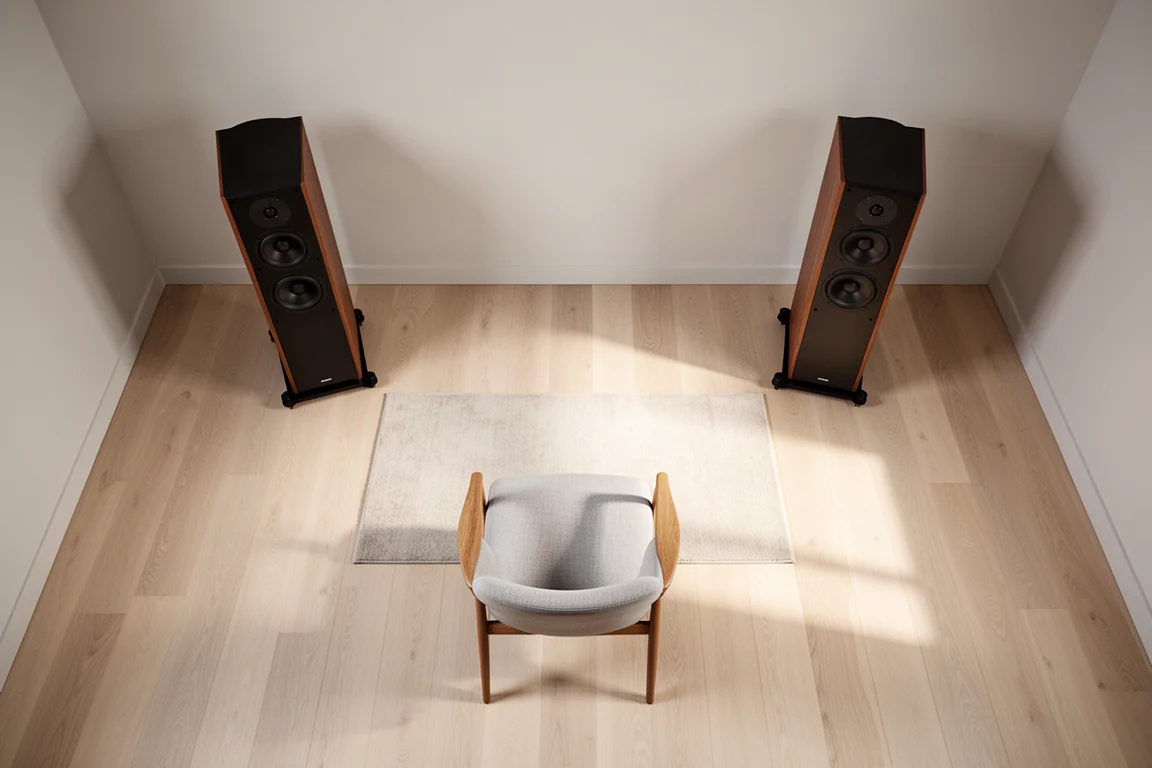
Placement in a typical room settled at roughly 10 feet between the speakers, slightly more than 2 feet from the rear wall, and about 12 feet from the primary listening position. Amplification matters more than the 6-ohm nominal impedance and 88 dB sensitivity figures might suggest. A low-powered amplifier will drive the Sandwich 250 to moderate levels with good dynamics and detail, but it runs out of headroom, and the speaker’s dimensionality begins to thin. A more powerful, higher-quality amplifier brings noticeably better bass and a more satisfying low-level listening experience. There is more performance here than a modest amplifier can extract.
Sound Quality
Tonally, the Sandwich 250 leans neutral, and its unusual driver layout does not harm coherence in the slightest. The midrange is linear, though the aluminum cones add a slight forward presence to vocals. Voices and dialogue sit right in line with the front baffle rather than sitting back in the stage, which gives singer-songwriter material a persuasive you-are-there quality.
Bass is a genuine strength. In-room output extends well below 30 Hz with excellent impact, scale, and detail when the speaker is driven by a capable amplifier. Kick drums carry just the right amount of damping, and finer details such as the strike of a mallet are both felt and heard. A dedicated subwoofer will still deliver more raw oomph, but the Sandwich 250’s more controlled demeanour produces a more organic, studio-like performance in exchange.
The treble is composed, with the right amount of brilliance and air. There is a mild rise in energy around 10 kHz, and the grille keeps that subtle bump in check. Only one particularly aggressive high-frequency effect in a television soundtrack exposed a hard edge, and that was an outlier rather than a characteristic. Off axis, the highs roll off more noticeably, which is why toe-in matters so much with this speaker. Imaging, meanwhile, stops just short of laser focus because of the boxy cabinet and slightly recessed front baffle. A little toe-in corrects most of that complaint and lifts the overall performance considerably.
Measurements and Dynamics
In-room response is among the most linear you will find at this price, and nearfield measurements confirm that the two dips in the low bass come from the room rather than the speaker itself. On paper, the Sandwich 250 measures in the company of far more expensive references, which is unusual for a vintage-inspired design that could easily have been voiced to trade on nostalgia instead of accuracy. The one weak point is dispersion. The highs roll off as you move off axis, so a reasonably settled listening position and a small amount of toe-in pay real dividends.
Dynamics are stellar at virtually any volume when the speaker is paired with an amplifier of real capability. Large orchestral works sound genuinely epic, and while the Sandwich 250 is nowhere near as physically large as the biggest reference speakers, it feels nearly as big and plays with almost the same effortless quality. That is high praise for a cabinet of this size and price.
How the Sandwich 250 Compares to Other Speakers
Against the Wharfedale Linton, which costs roughly half as much and includes stands, the Sandwich 250 is the better and more refined speaker inside and out. The Linton still sounds fuller and more laid back, and it remains a superb value, but it is less extended at the top. Both speakers share the same placement and dispersion considerations. The Mission 770 takes a similar approach with sandwich cone drivers and measures closely to the Sandwich 250, yet it costs about $2,000 more, which leaves useful budget for the amplification either speaker needs.
The JBL L100 Classic is sonically strong, but at over $5,000 its build quality is the weak point, with stand hardware that showed rust and oxidation within a year and a thin veneer that began peeling by year two. The Sandwich 250 is the more confidence-inspiring long-term proposition. The Klipsch Heresy IV is easier to drive, more dynamic, less visually dominant, and comes with stands, making it the more affordable package overall. Even so, the Sandwich 250 is the more versatile and more neutral loudspeaker of the two.
The SVS Titan should not be treated as a direct rival, since it appeals to a slightly different audience. The Titan is more versatile but less neutral, its bass plays lower, and its shape and driver arrangement can overcome room and placement problems that a traditional box speaker like the Sandwich 250 cannot. In-room, the Titan’s bass outperforms the Sandwich 250 and it delivers slightly better focus with more energy up top, although that brightness can be tamed through placement. The Sandwich 250 remains the more neutral option and the better choice for listeners who prioritise tonal accuracy.
Things to Consider Before Buying
Stands are not included. Leak sells a matching stand separately, and it can be difficult to find in stock, so a stand of comparable height should be part of the budget from day one. Space is the second consideration. This is a large cabinet, and it needs room to breathe away from the rear wall to give its best.
Amplification is the third. The Sandwich 250 is easy enough to drive, but it only reveals its bass depth, low-level resolution, and dynamic ease when paired with an amplifier that has real current delivery. Budget accordingly, because a cheap amplifier will leave obvious performance on the table.
Finally, accept what this speaker is not. It is not voiced to accentuate or tame specific frequencies, so poor mixes and indistinct dialogue will sound exactly as they are. It also asks for setup patience: grilles on, tweeters toward the inside edge, and a small amount of toe-in. Skipped, those steps cost imaging focus that the Sandwich 250 is otherwise capable of delivering.
Buying Advice
If you have a room that can accommodate a large stand-mounted speaker, a proper stand, and an amplifier with genuine current delivery, the Sandwich 250 offers reference-level performance for a price that stays below true high-end territory. Around $3,000 plus stands is a serious outlay, but the alternatives are clear. The Wharfedale Linton costs about half as much and includes stands, the Klipsch Heresy IV is easier to drive and less visually dominant, and the SVS Titan plays lower with more placement flexibility. None of them combine neutrality, build quality, and heritage character in quite the same way.
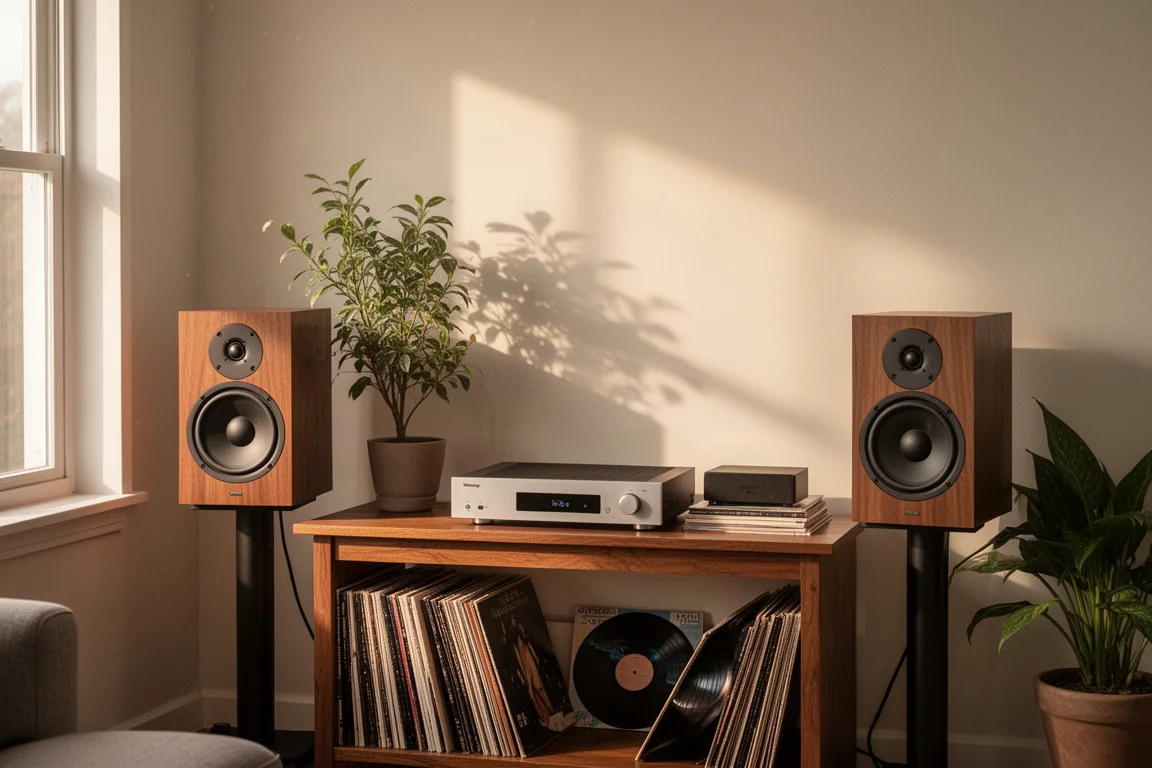
The strongest argument for the Sandwich 250 is that it does not ask you to accept a compromise in exchange for its vintage looks. Its measured behaviour is linear, its bass is deep and controlled, and its construction is a clear step above the older designs it references. Plan for the stand and for amplification that can feed it properly, and it will reward that investment for years.
Conclusion
The risk with any heritage revival is that it trades on nostalgia rather than engineering. The Leak Sandwich 250 does not. It is a modern speaker with reference-level chops at a price that stays short of the high end, and it belongs on any shortlist of large stand-mounted speakers in this bracket. Give it good amplification and a little patience with setup, and it makes a very strong case for itself.
Product link
View more details for Leak Sandwich 250
This product is mentioned in the review. Check the specifications, options, and compatibility before buying.
View more details for Leak Sandwich 250Further reading
Related Reviews
Hi-Fi Speakers
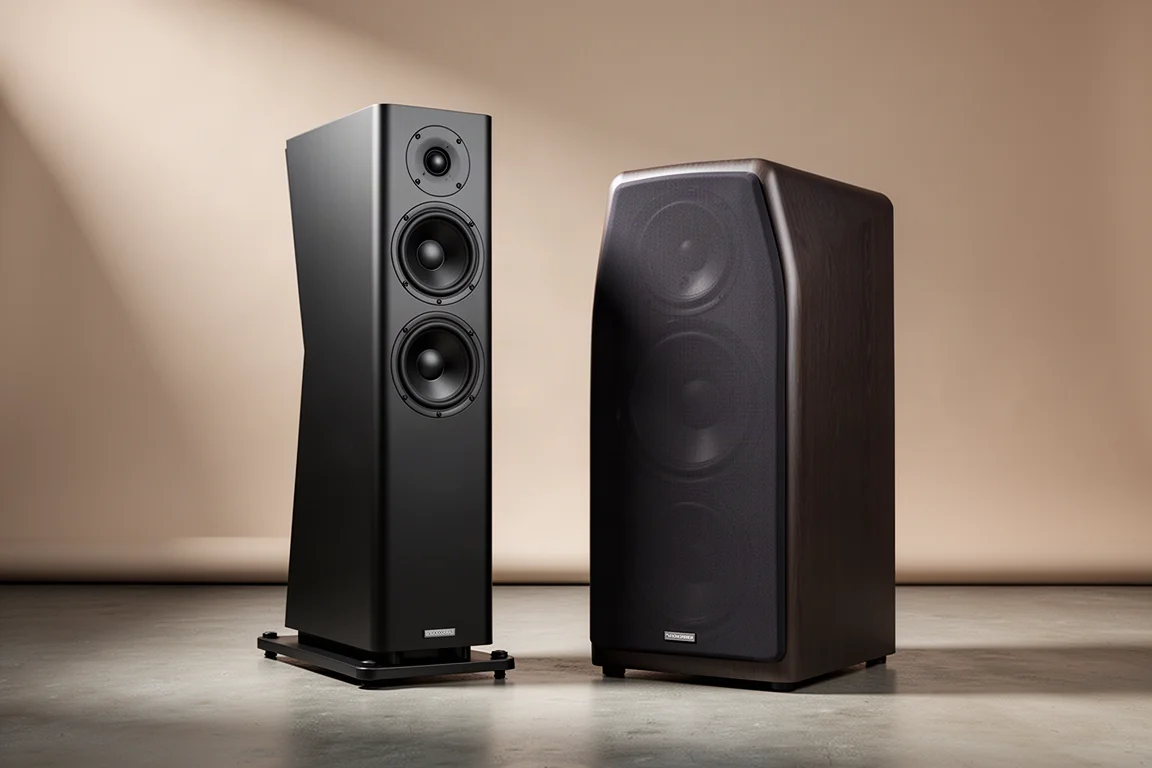
1723 THX Tower vs 1528 Bookshelf: Which Speaker Fits Your Room?
Two speakers at roughly the same price, built very differently. How the 1723 THX tower and the 1528 bookshelf compare on construction, bass, power needs, and sound.
Hi-Fi Speakers
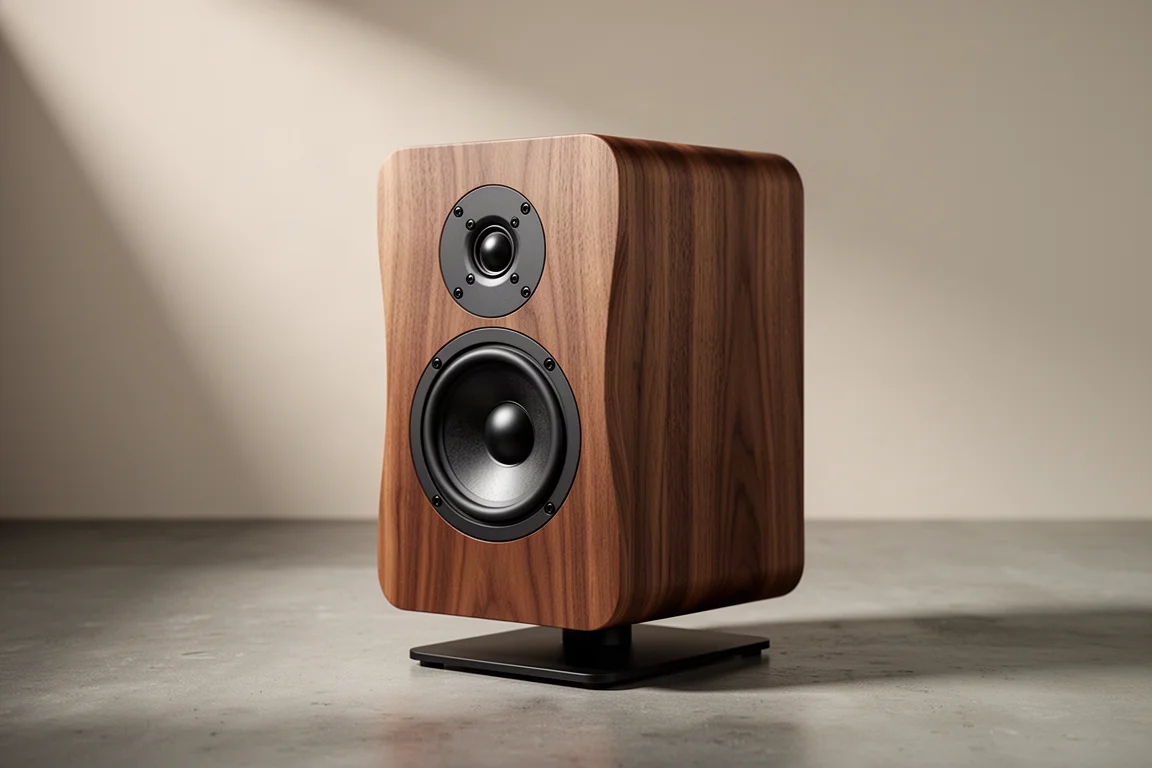
Acoustic Energy AE 300 Review: Deep Bass From a Compact Standmount
A two-way standmount with real wood veneer, surprising low-end weight, and a warm, easygoing character. Here is what to know before buying.
Hi-Fi Speakers
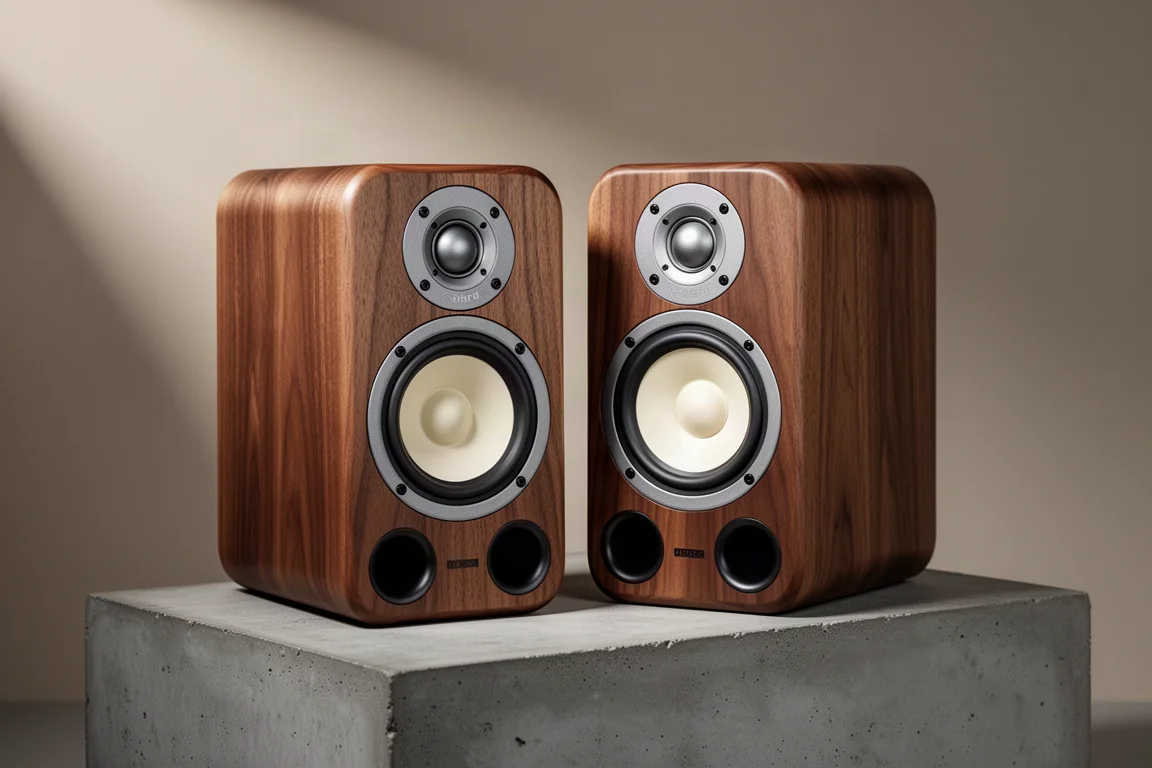
Acoustic Energy AE1 40th Anniversary Review: A Modern Take on a British Classic
A compact standmount that revives a 1980s favorite with all-new parts, a warm mid-centric balance, and a price of £1,499 per pair.