Backpacking Gear
Lazy Backpacking Gear: Convenience Upgrades That Cut Effort on Trail
A practical look at backpacking convenience gear, from no-tie laces and a rechargeable pad pump to gravity filtration, with weights and prices to weigh before you buy.
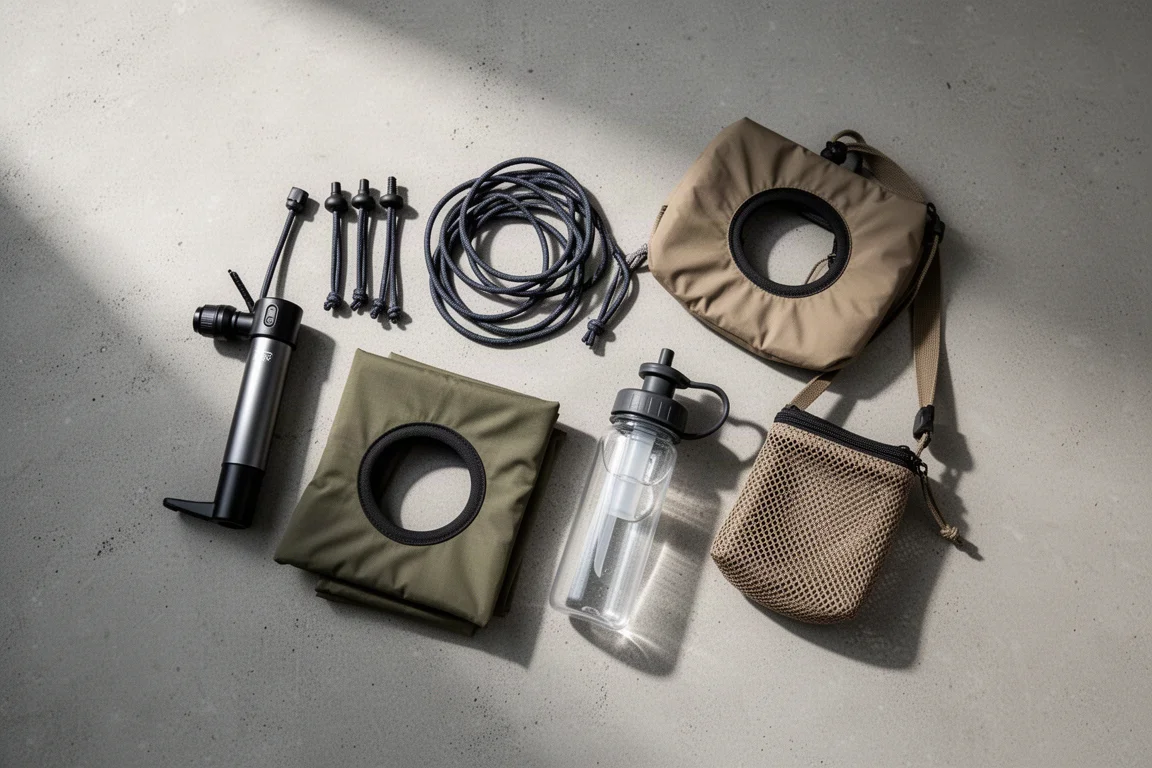
Introduction
Backpackers are an efficient bunch. Anyone willing to carry a shelter, a stove and several days of food over a mountain will usually spend a surprising amount of time working out how to avoid small, repeated annoyances. That instinct is not laziness. It is the same logic that keeps a pack light: remove what you do not need, and make what remains easier to live with.
The gear in this guide exists for exactly that reason. Each item targets a task you repeat many times a day, such as tying laces, inflating a sleeping pad, filtering water or finding a comfortable spot for a bathroom stop. Weights and prices are included wherever they matter, so you can judge each item against the size of the problem it solves.
What Makes Convenience Gear Worth Carrying
Convenience gear competes for the same limited budget of weight and space as your shelter and sleeping bag, so it has to clear a higher bar. The most useful test is repetition. Does the item remove something you do twenty times a day, or something you do once?
Three questions help sort the useful from the merely clever:
- How often does the annoyance actually occur?
- Does the item replace something you already carry, or add to the load?
- Do the weight and the price match the size of the problem?
An item that removes a constant, low-level irritation tends to earn its place. An item that solves a once-a-day problem usually does not, unless that problem genuinely affects how much you enjoy the trip.
The sections below are organized by the annoyance each item removes, starting with footwear and working through camp setup, bathroom stops, hydration and quick access.
Lock Laces: Stop Tying Your Shoes
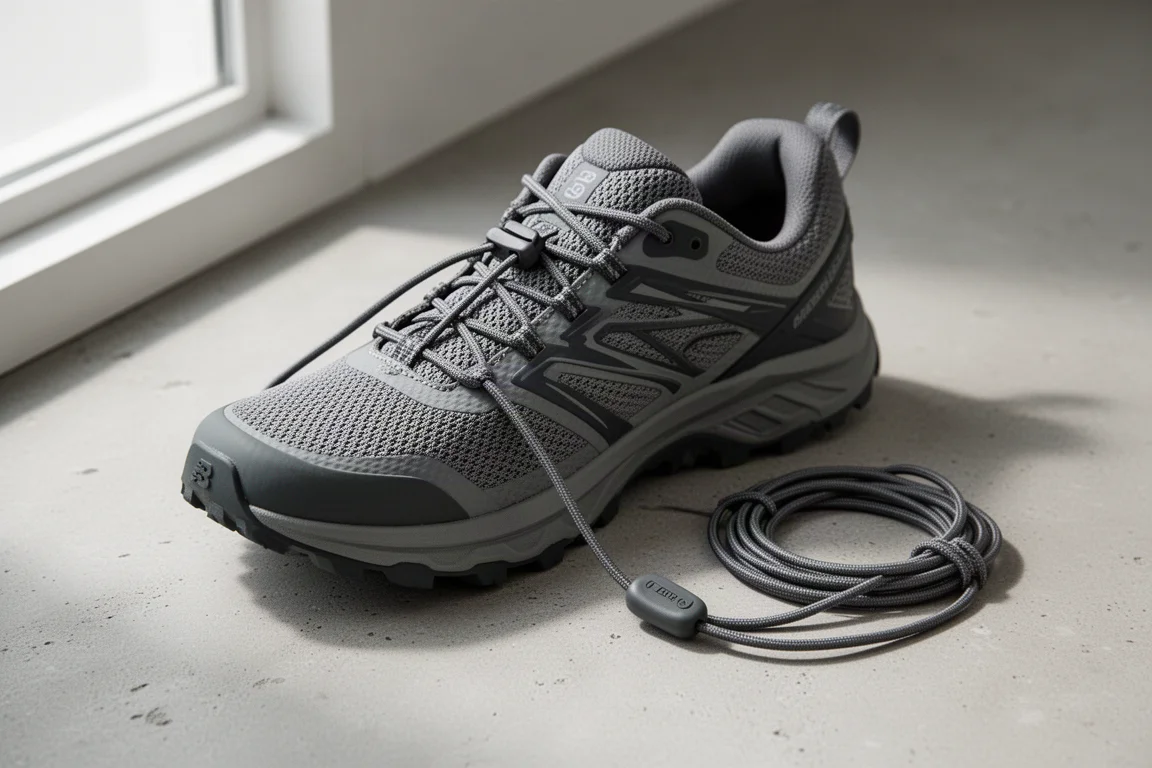
Lock Laces replace standard shoelaces with bungee cords. You thread them once, cinch them down to the tension you prefer, and then you never tie your shoes again. Because the cord stretches, the fit stays comfortable through a long day, and there is no loose lace to catch on undergrowth or trip you up on a descent.
They come in multiple colors and cost about $10. For a hiker who stops repeatedly to deal with laces, that is a small price for a problem that comes back every few hours.
Flextail Tiny Pump: Inflate a Sleeping Pad Without the Effort
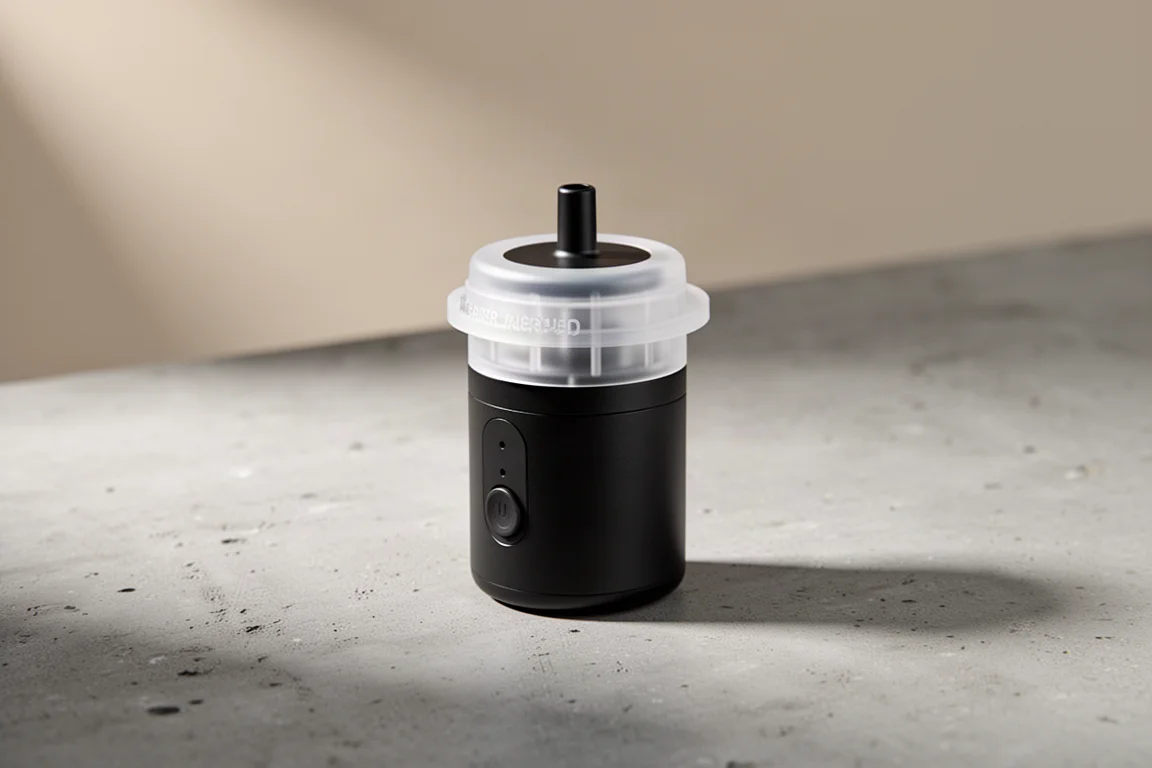
There is nothing quite like hiking all day and then nearly passing out while blowing up an inflatable sleeping pad. The usual alternative is a pump sack, a stuff sack you catch air in and squeeze into the pad. It works, but it is still manual effort, and it adds an item to your pack.
The Flextail Tiny Pump is a rechargeable air pump that comes with several different nozzles and includes a built-in camp light. Depending on the model, it weighs between 2.8 and 3.4 ounces and costs between $30 and $40. That puts it at roughly the same weight as a pump sack, and at a similar price if you had to buy the sack separately.
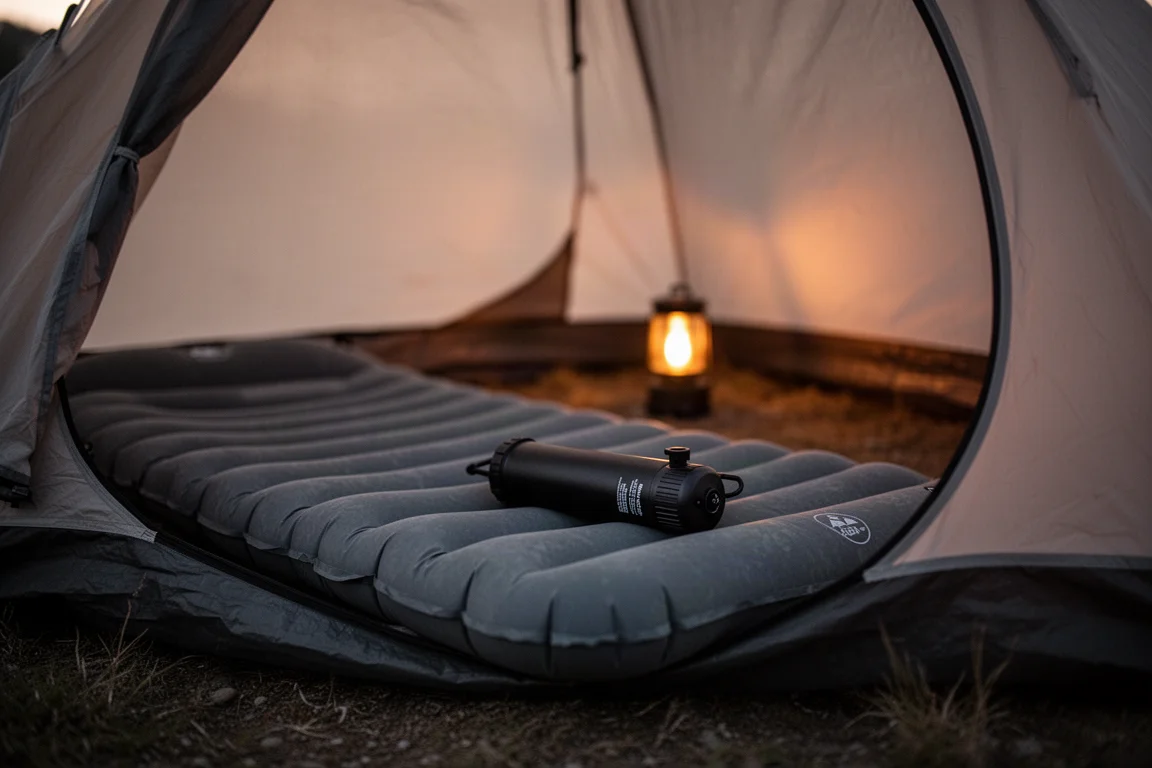
The built-in light is the detail that makes it worth a closer look. It covers a small camp light as well as the pump sack, so it does two jobs for the weight of one, and it removes the most tiring chore of setting up camp.
Porta Privy: A Seat Instead of a Squat
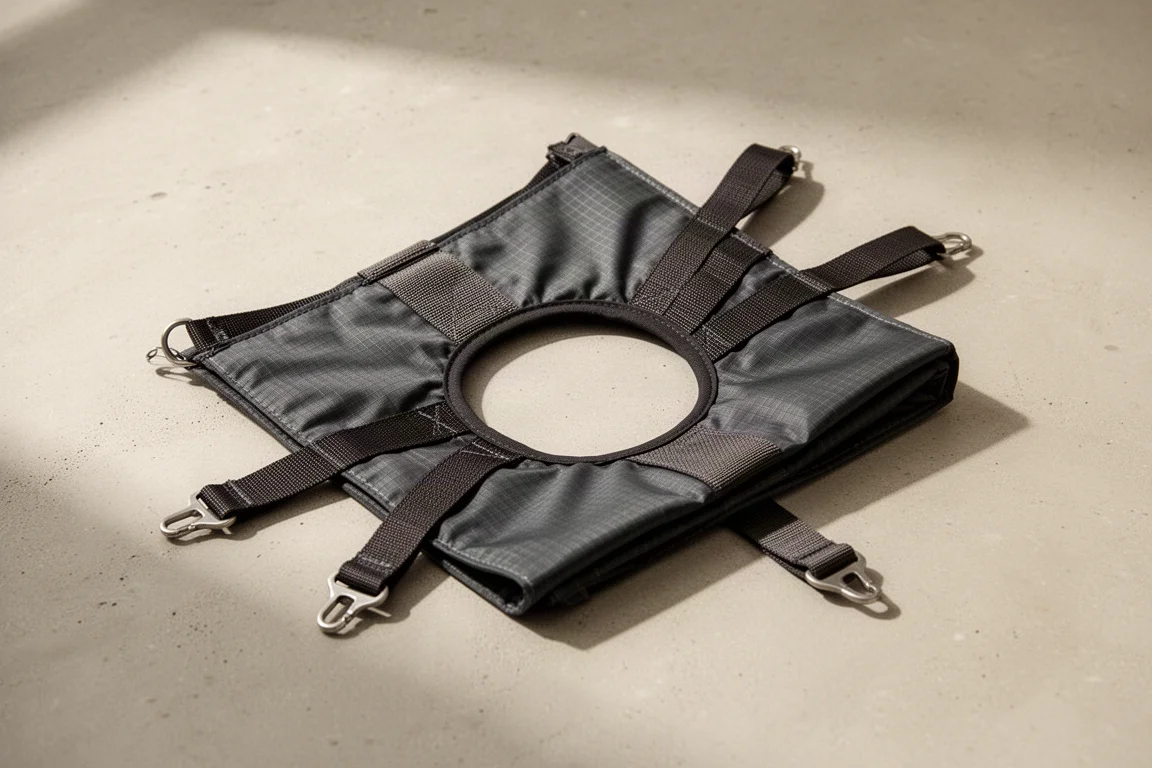
Backcountry bathroom stops are the least pleasant part of any long hike, and the Porta Privy is aimed squarely at that problem. It is a mini hammock-style seat that you string between two trees, with a hole in the middle so you can sit rather than hover. Sitting takes the strain off your knees, which matters most on trips where you are already carrying a heavy load over uneven ground.
It weighs just under four ounces and costs $68. That is a lot for a single-purpose item, so it makes the most sense for hikers who regularly deal with knee strain or who simply want the backcountry routine to be less of an ordeal.
pStyle: A Female Urinary Device
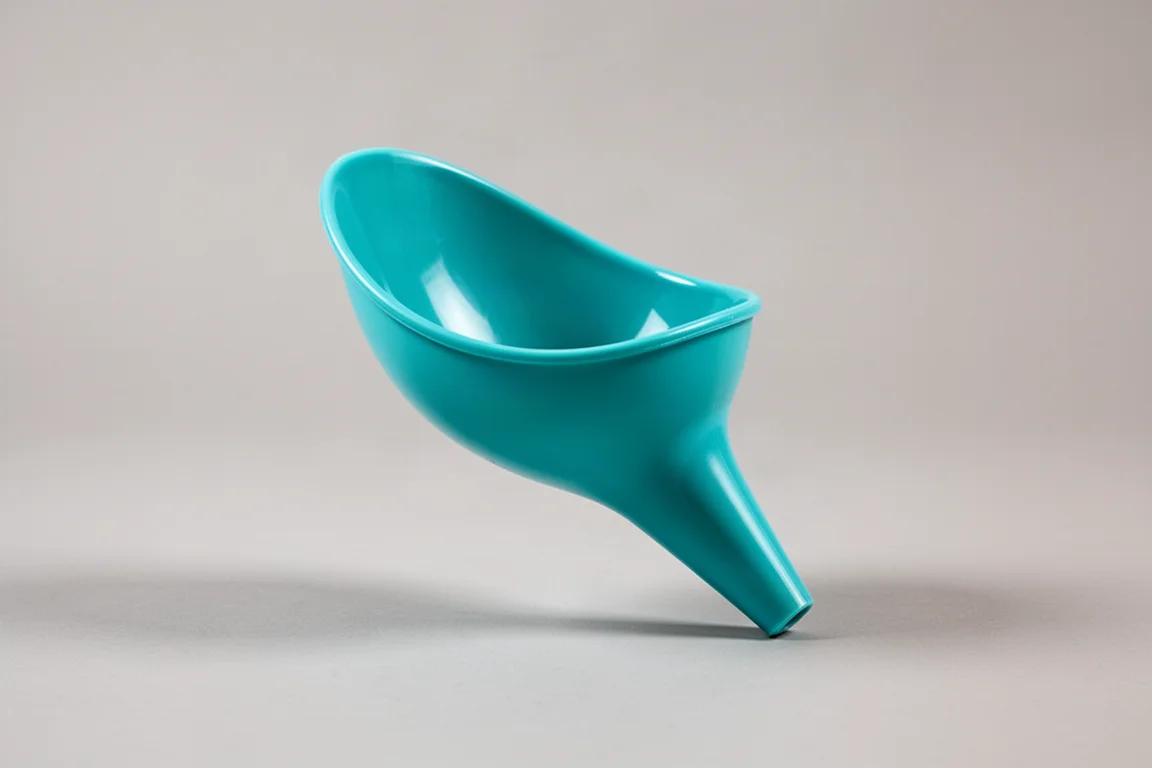
Female urinary devices let you pee during a hike without squatting and without exposing more of yourself than necessary. Designs across the category vary widely in shape, and prices run from about $10 to $20, with weights ranging from a few ounces down to well under one.
The pStyle is one of the lightest examples, at just under an ounce, and it costs about $12. That weight is low enough to justify carrying on almost any trip, particularly in open terrain or above treeline where privacy is hard to find.
Platypus GravityWorks: Let Gravity Do the Filtering
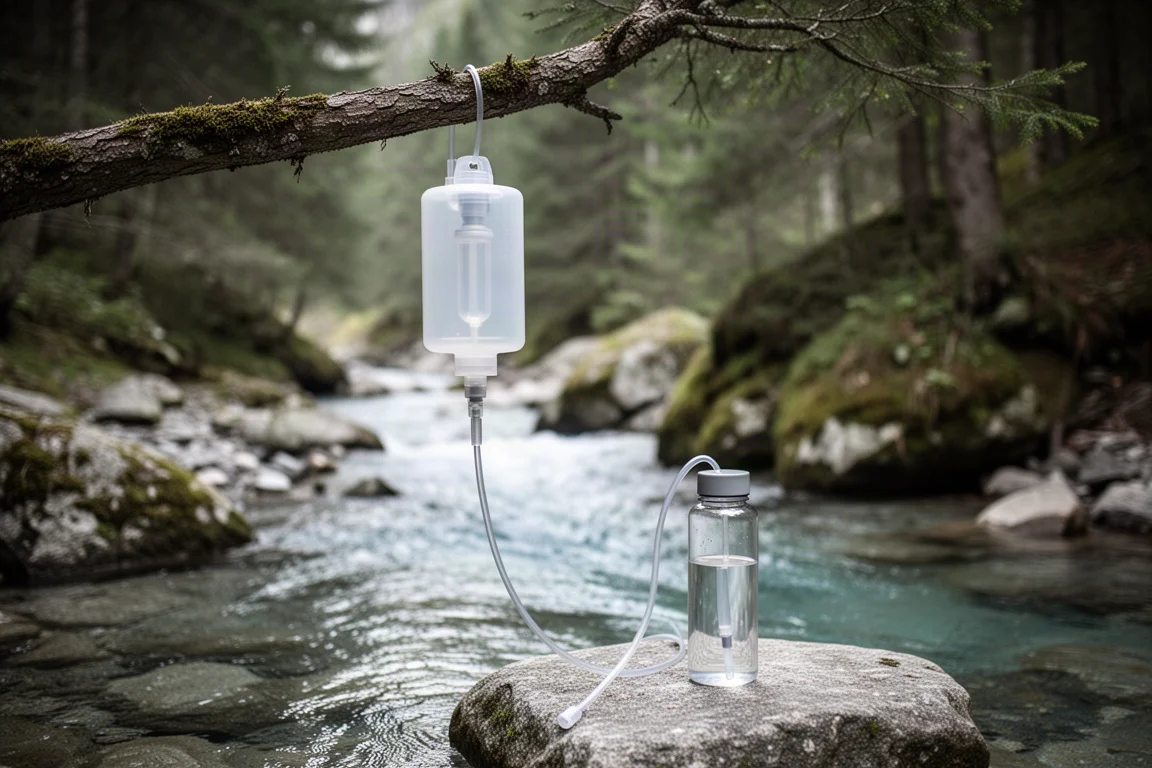
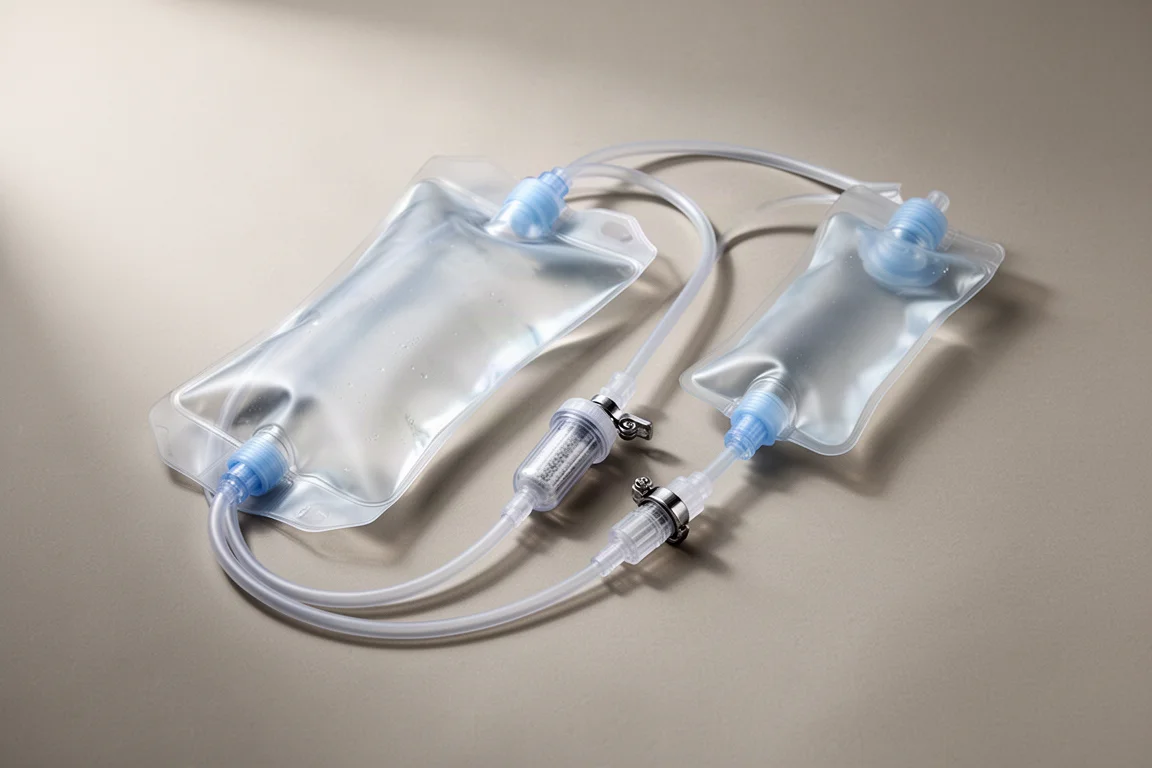
Gravity filtration systems remove the physical work from water treatment. You fill the dirty reservoir, hang it up, and gravity pushes the water through the filter into a clean container while you get on with something else.
The Platypus GravityWorks two-liter system weighs 7.2 ounces and costs about $125. The trade-off is straightforward: it is heavier and more expensive than a squeeze filter, but it filters large volumes without any pumping or squeezing, which is a real advantage when you are collecting water for a group or filling up at camp.
For hikers who filter a lot of water and dislike the effort involved, the extra weight is often worth it. For everyone else, the squeeze filters below are lighter and cheaper.
Sawyer Squeeze: Filter and Drink From One Bottle
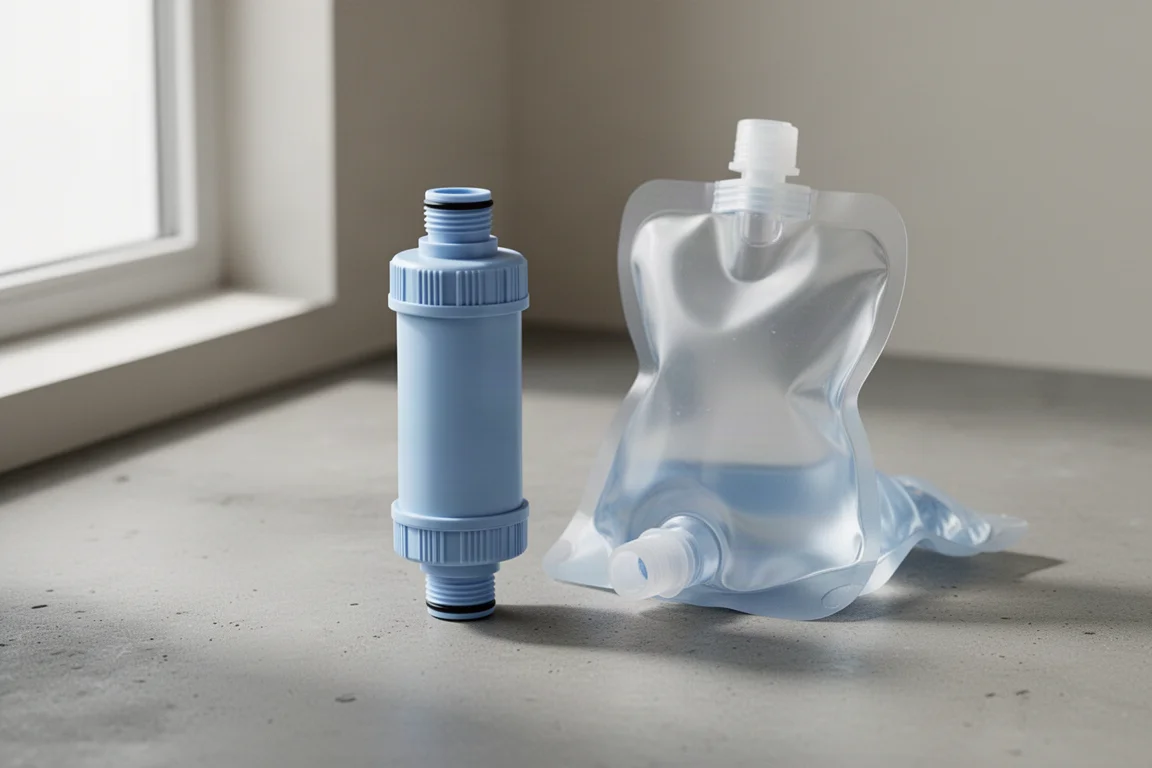
The Sawyer Squeeze is a squeeze filter that screws directly onto a water bottle. You scoop dirty water into the bottle, screw the filter on top, and drink straight through it. That means you can collect water and drink without taking your pack off, and without setting up a separate filtering station.
It is a common choice for hikers who dislike the squeezing process enough to want the shortest possible version of it, and for anyone who prefers not to stop and unpack every time the bottle runs dry.
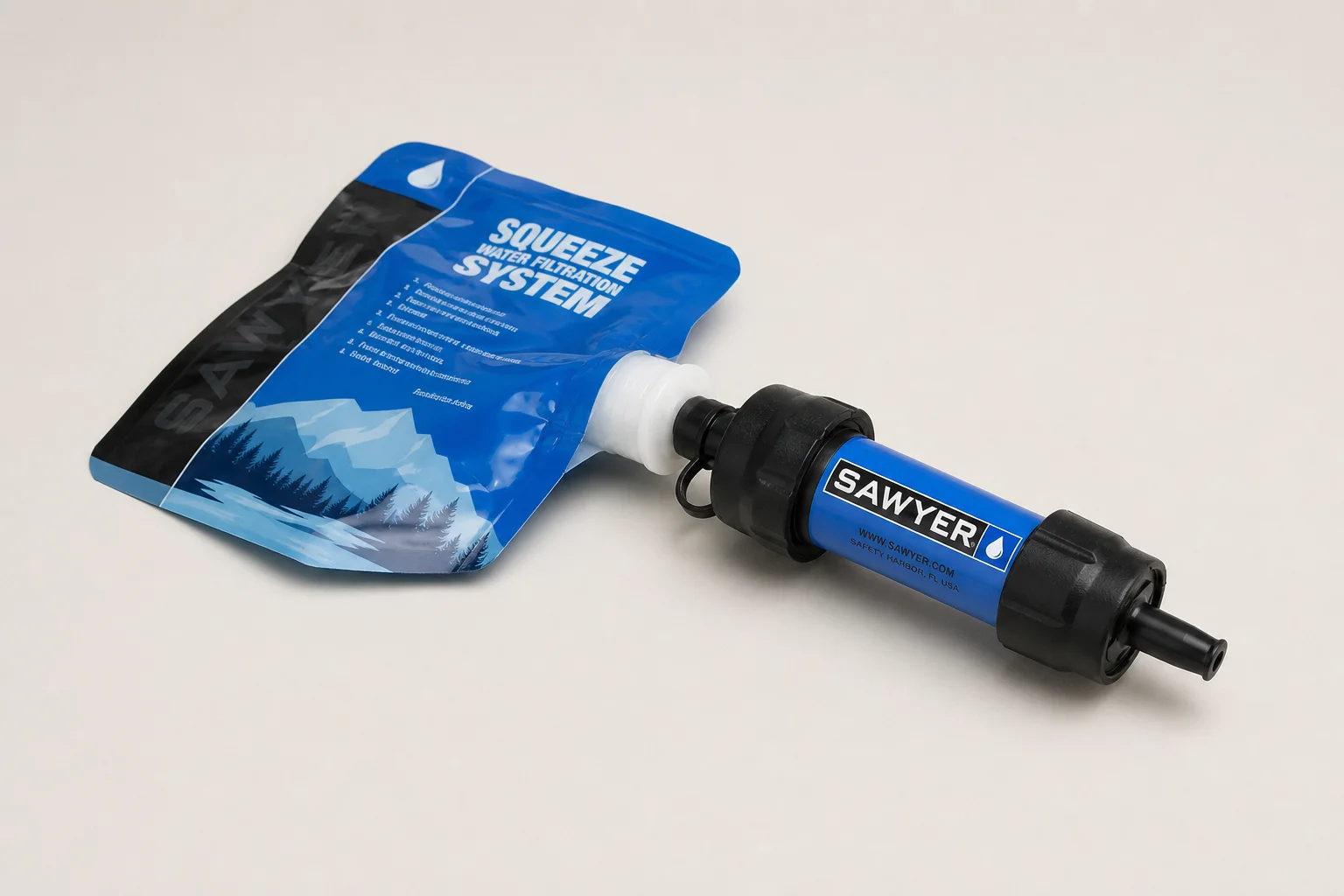
Sawyer Mini: An Inline Filter for Bladder Systems
If you prefer drinking from a hydration hose rather than reaching for a bottle, the Sawyer Mini can be fitted as an inline filter. You cut the hose of a bladder system and install the filter in line, so you drink through it with no extra step at all.
This setup suits hikers who already carry a bladder and want the drinking motion to stay exactly the same while the water is still filtered. It is one of the least intrusive approaches to water treatment, because there is nothing extra to remember: the filter simply becomes part of the hose.
Shoulder Strap Pockets and Umbrella Mounts
Quick access is its own category of convenience. Shoulder strap pockets let you keep a phone or a snack within reach so you do not have to take your pack off every time you want something. Designs range from mesh pockets to simple bungee cord attachments that connect to a shoulder strap, and price and weight vary by design, style and brand.
Water bottle holders that mount on shoulder straps solve a similar problem. Reaching for a bottle is far less annoying when the bottle sits near your face instead of in a side pocket, and these run from mesh pockets to small bungee arrangements.
For sun and rain, shoulder strap umbrella attachments hold a trekking umbrella above you while you walk. Zpacks and Gossamer Gear both offer one, and they cost approximately $5 to $6 and weigh less than an ounce. They are especially useful for trekking pole users who want to keep both hands free.
How to Choose the Right Convenience Gear
The right convenience gear depends less on the products themselves than on which tasks you personally resent. A hiker who filters water for a group will get far more from a gravity system than from a lighter squeeze filter. A hiker who spends most of the day in open terrain may value a urinary device much more than someone who rarely leaves tree cover.
A practical way to decide:
- List the tasks you repeat most often during a typical hiking day.
- Mark the ones you actively dislike, rather than the ones you barely notice.
- Check the weight and the price of each item against the size of the annoyance it removes.
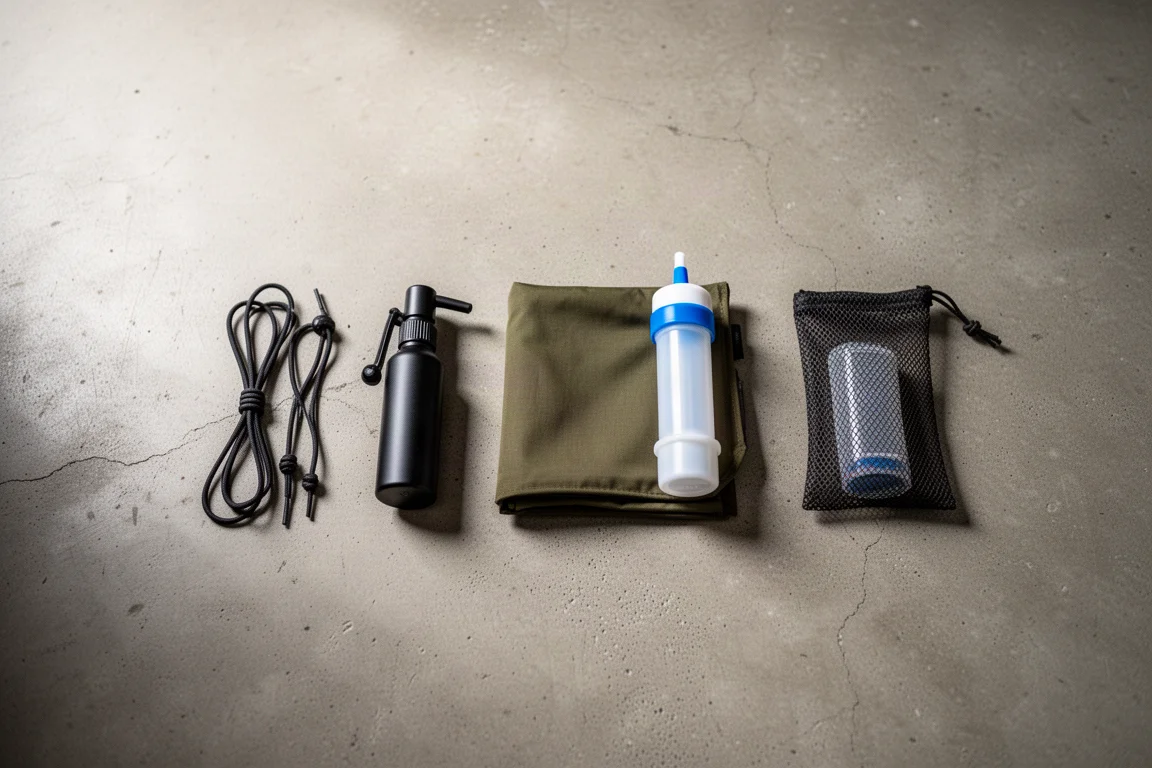
It also helps to add one item at a time and test it on a shorter trip before committing to a full set of conveniences. Small accessories add up quickly in both cost and pack weight, and the ones that survive a full season are almost always the ones that solved a problem you actually had.
Conclusion
None of this gear is essential, and none of it will change what you are capable of on trail. What it does is remove small, repeated frictions: laces that come undone, pads that have to be inflated by mouth, knees that ache, water that has to be squeezed. For backpackers who already work hard to keep everything else efficient, that is usually reason enough to make room for one or two of them.
Further reading
Related Reviews

Backpacking Gear
Building a 10 lb Base Weight: An Ultralight Backpacking Gear List
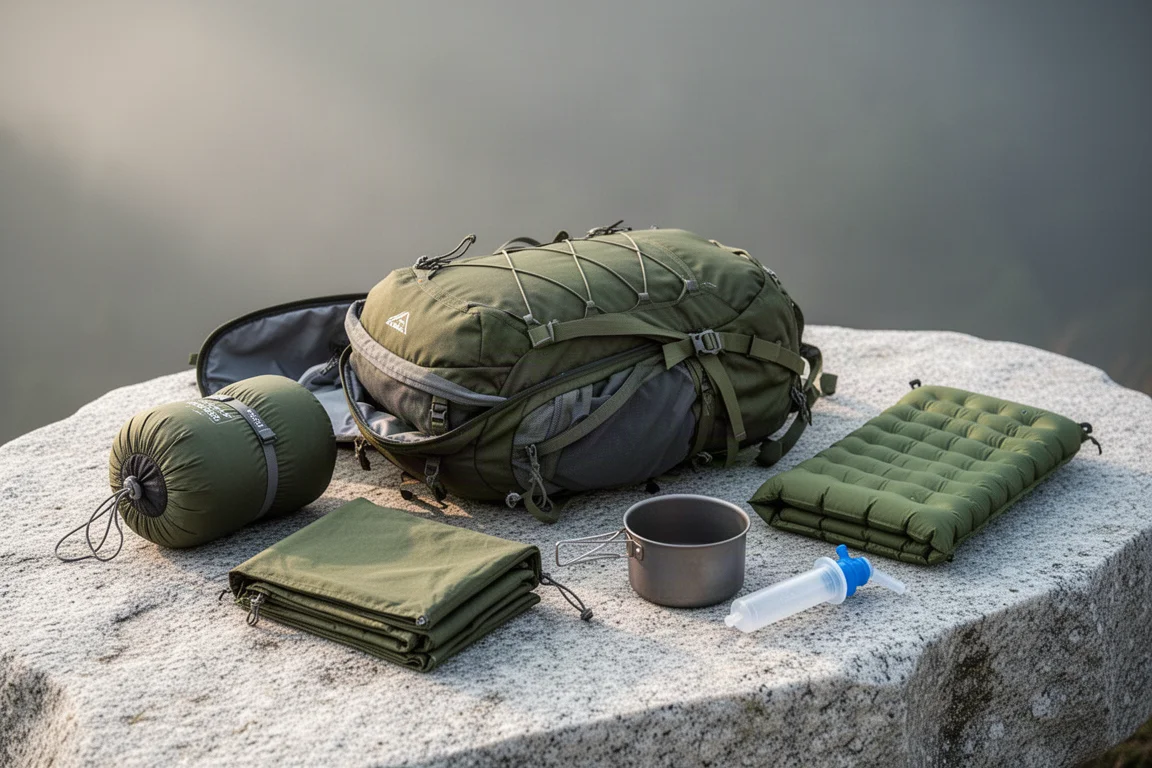
A practical walkthrough of the ultralight pieces behind a 10 lb base weight, from a 765 g pack and a roomy one-person tent to a full camp chair and a dependable water filter.
Backpacking Gear
A 15-Pound Lightweight Backpacking Gear List for Solo Trips
A beginner-friendly 15-pound backpacking setup built from easy-to-find gear, with notes on what each piece does, how it packs, and where to spend your attention.
Backpacking Gear
8 Ultralight Backpacking Gear Upgrades Worth Carrying
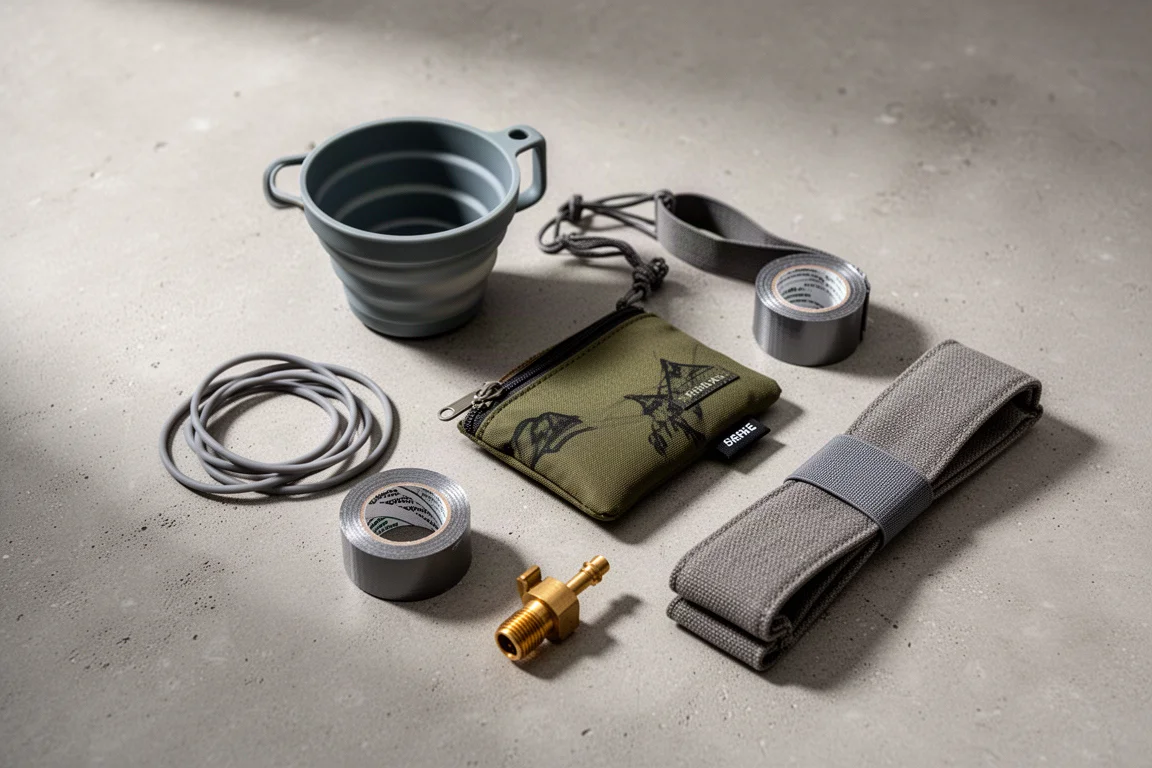
Eight small, affordable backpacking upgrades that solve real trail annoyances, from a pillow that stays put to a fuel valve that rescues leftover canister gas.