Backpacking Gear
Lazy Backpacking Gear: Seven Convenience Upgrades Worth Packing
Seven small backpacking upgrades that remove repeated annoyances on trail, from no-tie laces to gravity water filtration and hands-free shade.
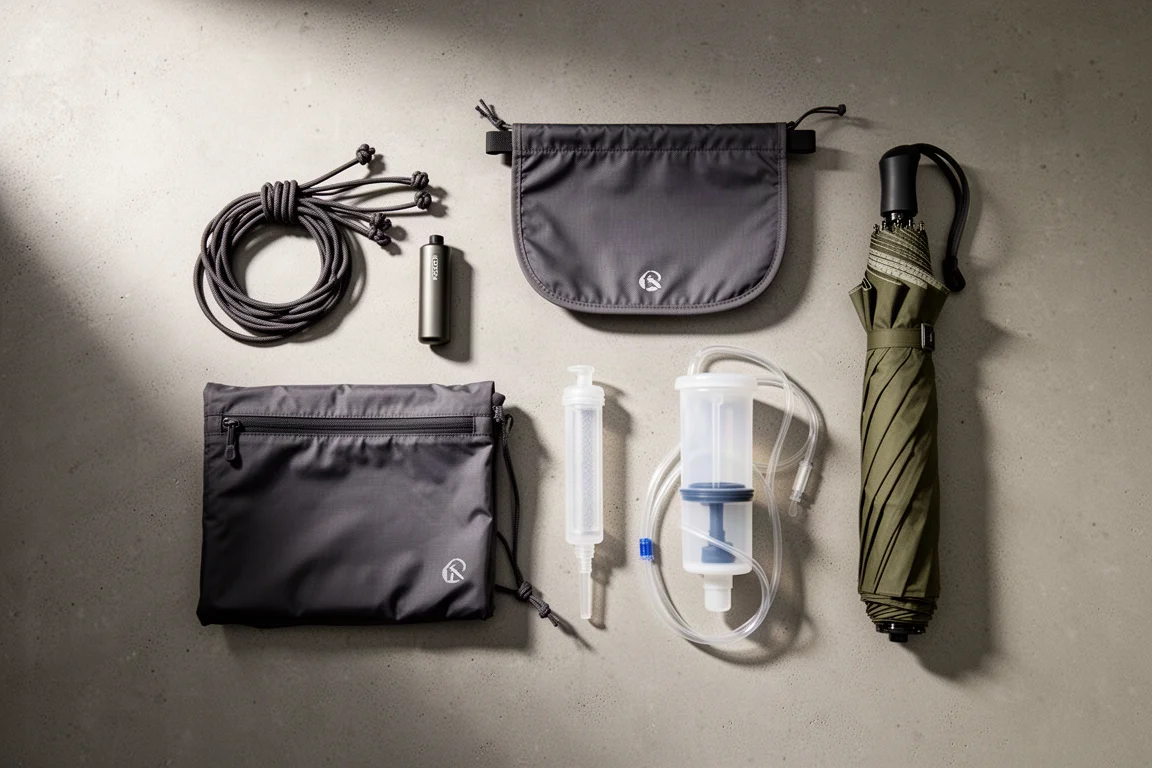
Introduction
Backpackers are practical people. If a small piece of gear removes a repeated annoyance, it earns a place in the pack, even when the saving is only a few seconds each time. The seven items below all follow the same logic: fewer stops, less fiddling, and more of the day spent walking.
None of them are essential. They are the kind of upgrades that make sense once you notice how often a small task interrupts a hike, whether that is retying a shoelace on a climb, inflating a sleeping pad at camp, or filtering water at a stream.
Lock Laces Keep Your Shoes Secure Without Tying
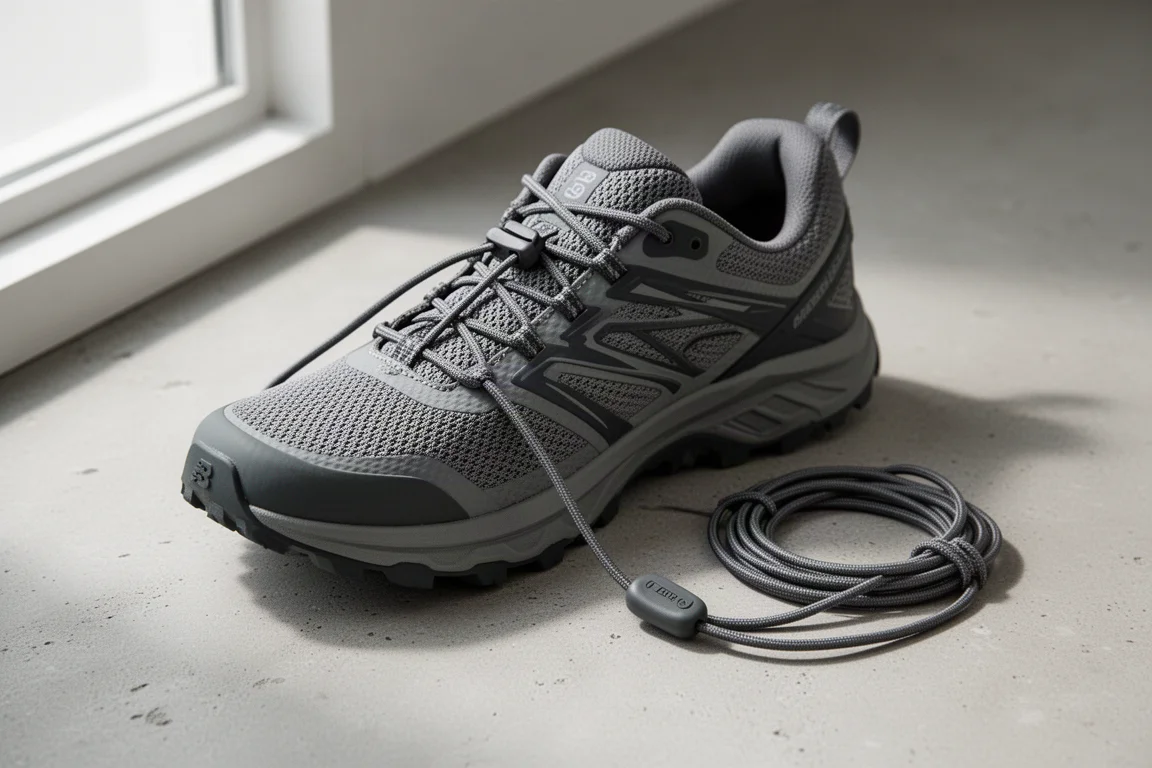
Lock Laces replace standard shoelaces with an elastic bungee-style cord. You cinch them once, and the shoe stays put without a bow to come loose. They come in multiple colors and cost about $10, which makes them one of the least expensive convenience upgrades here.
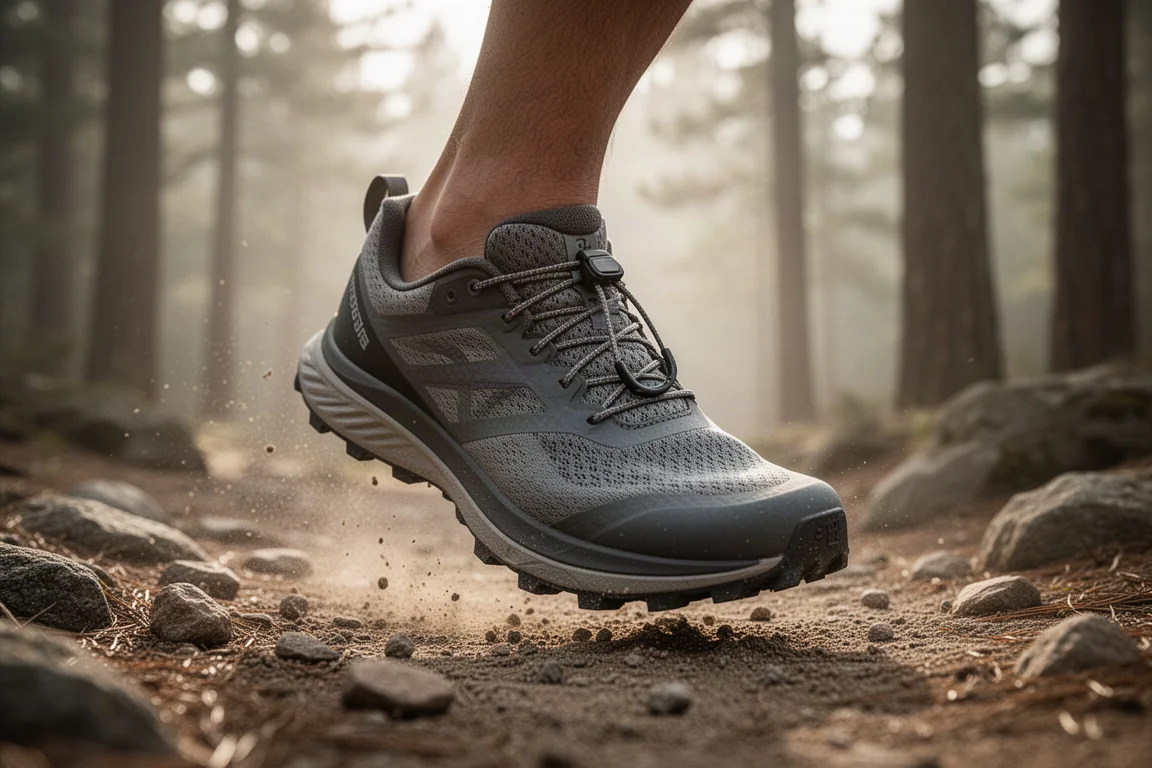
For anyone wearing the same trail shoes day after day, the appeal is simple: one less task to repeat. The fit is set by cord tension rather than by a knot, so it is worth spending a few minutes adjusting the tension before a long day on uneven ground.
Flextail Tiny Pump for Faster Pad Inflation
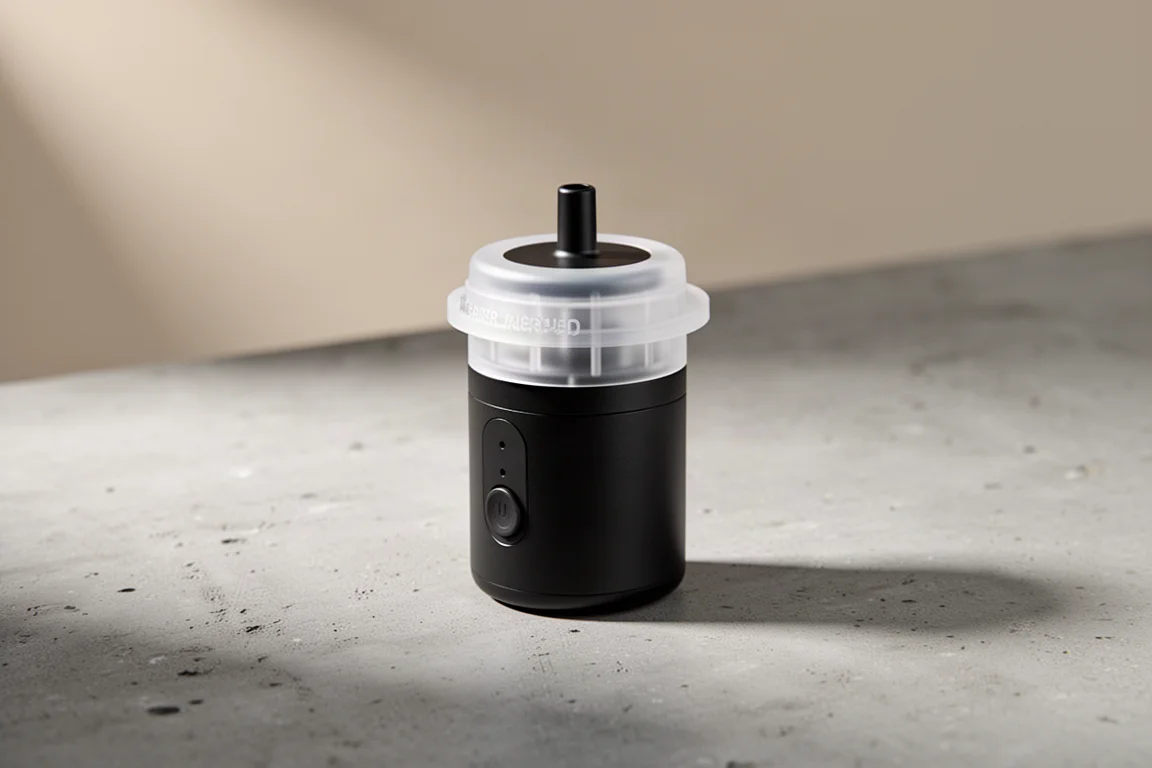
Inflating an air sleeping pad by mouth at the end of a long day is one of the least enjoyable camp chores. A pump sack solves it, but a small rechargeable pump does the same job and adds a built-in camp light as a bonus. The Flextail Tiny Pump comes with several nozzles for different pad valves, and depending on the model it weighs between 2.8 and 3.4 ounces and costs $30 to $40.
Porta Privy for Comfortable Backcountry Bathroom Breaks
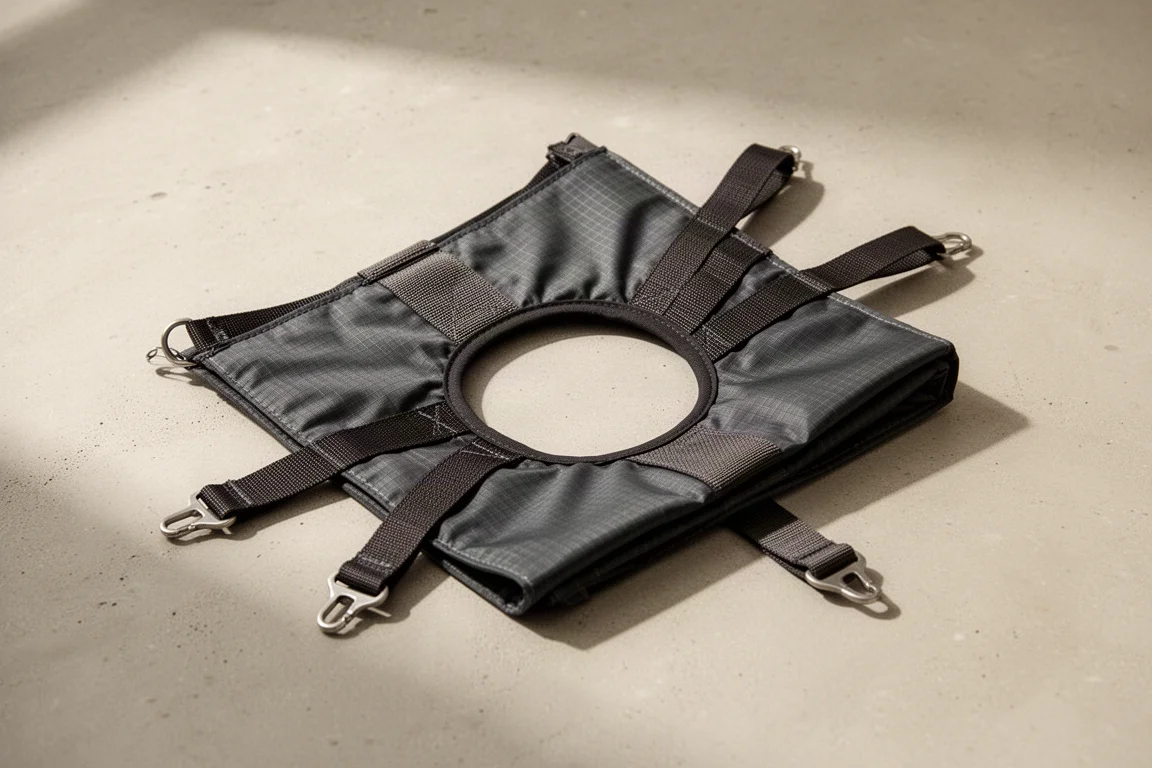
The Porta Privy is a small hammock-style seat that strings between two trees. It has an opening in the middle so you can sit rather than hover, which takes the strain off your knees. It weighs just under 4 ounces and costs $68.
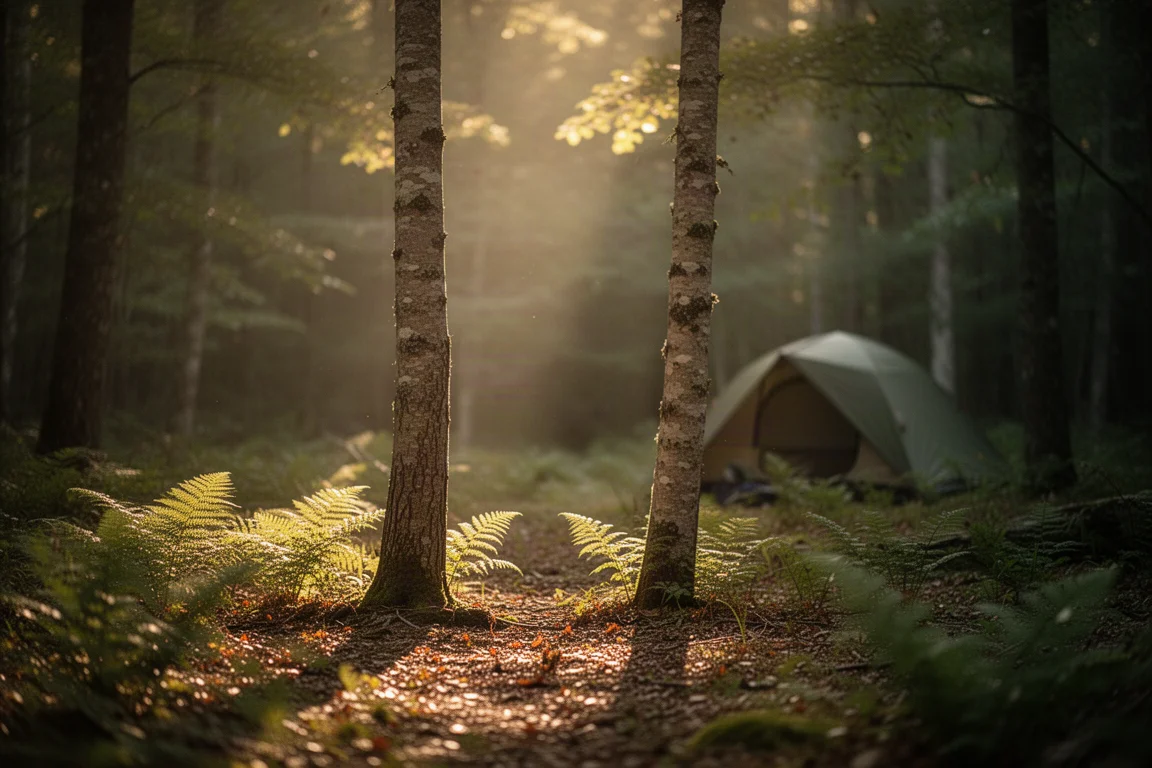
It suits trips where you expect to dig a cathole more than once and would rather not balance in a squat each time. The main practical requirement is a pair of trees at a workable distance apart, so it is best suited to wooded campsites rather than open ground.
pStyle for Faster Bathroom Stops on Trail
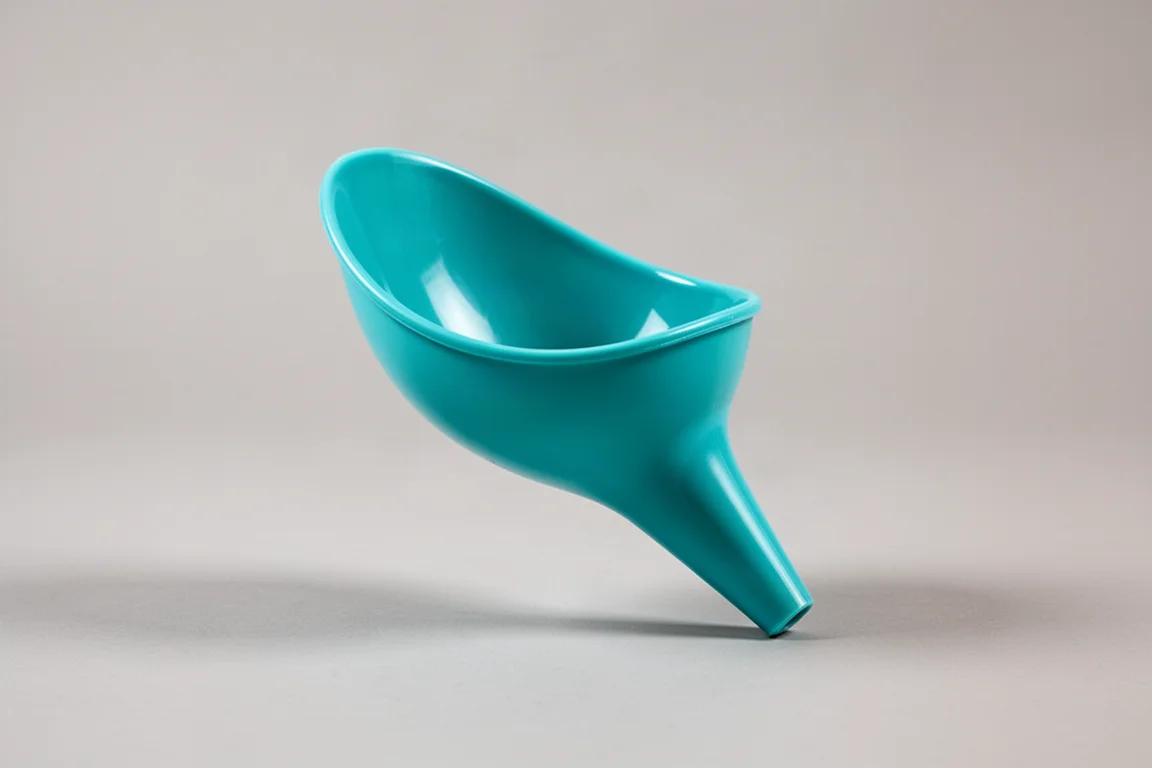
Female urinary devices let you pee while standing, without undressing or squatting in the middle of a hiking day. Options include the pStyle, the Shewee, and the Tinkle Belle, with prices from about $10 to $20 and weights ranging from under an ounce to a few ounces or more. The pStyle is one of the lightest examples at just under an ounce and about $12.
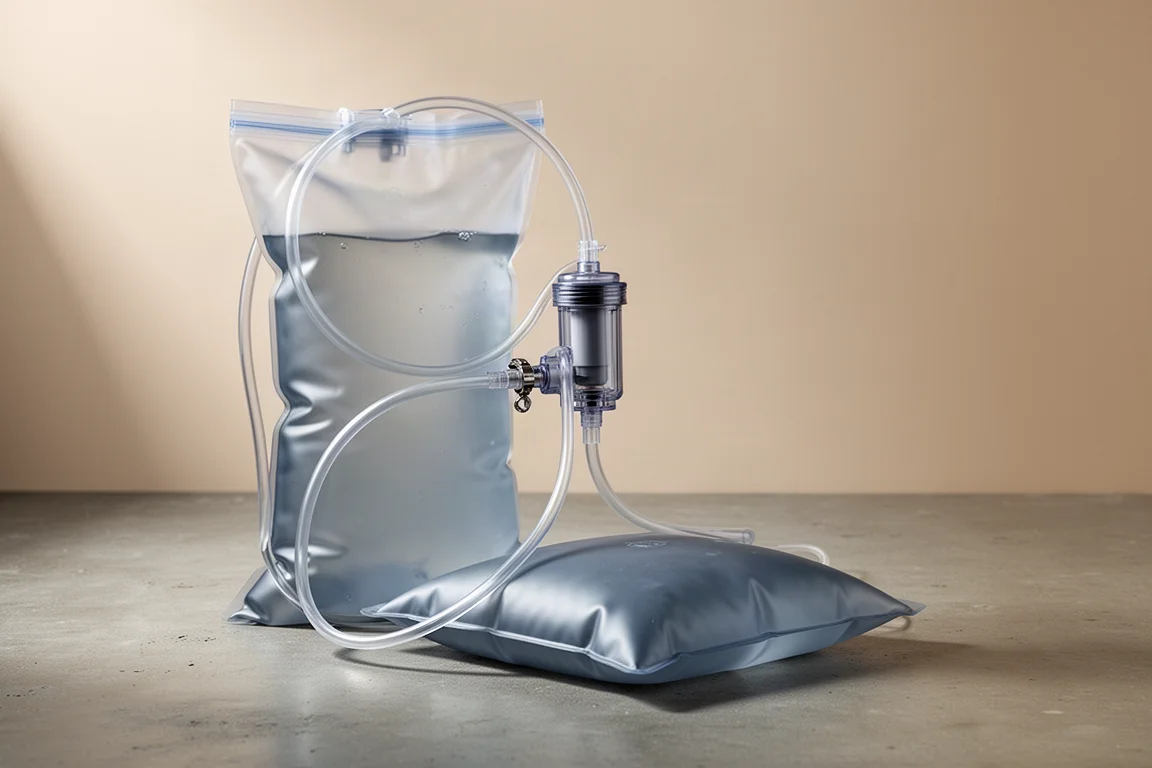
Platypus GravityWorks 2L for Hands-Off Filtration
Gravity systems remove the manual work from water treatment. You fill the dirty reservoir, hang it, and gravity pushes the water through the filter into the clean reservoir while you do something else. The Platypus GravityWorks 2-liter system weighs 7.2 ounces and costs about $125.
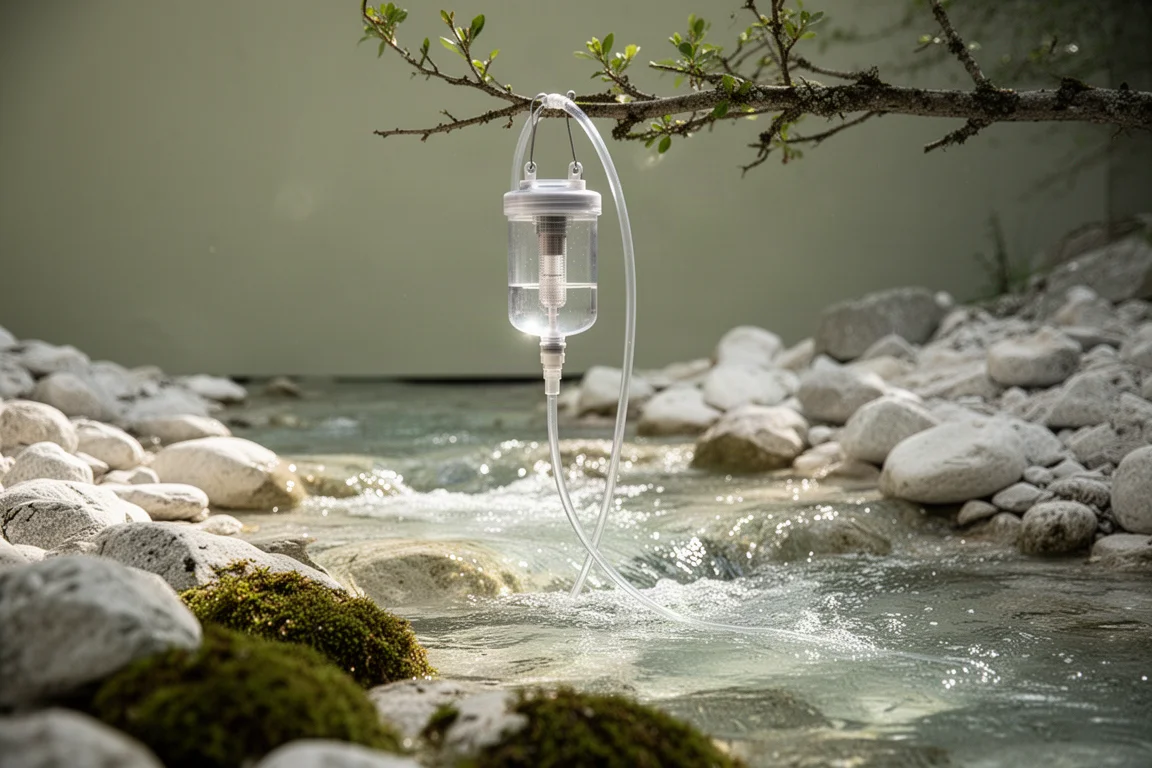
The trade-off is weight and price against convenience. For hikers who treat water for a group or fill large volumes in one go, the hands-off approach can be worth carrying, while a lighter squeeze filter remains the simpler option for solo trips.
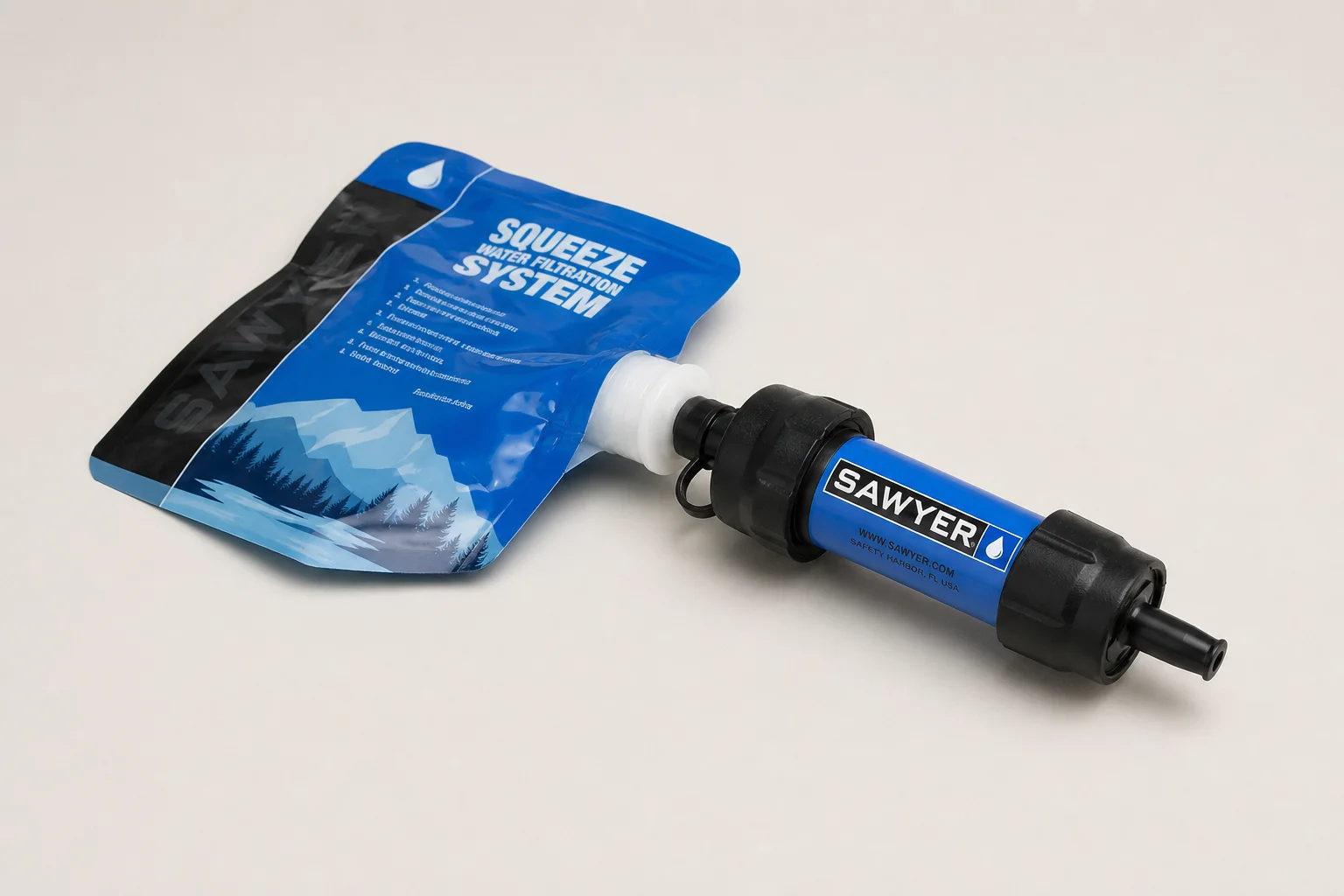
Sawyer Squeeze for Drinking Straight From Your Bottle
The Sawyer Squeeze screws directly onto a standard water bottle. You scoop dirty water, screw the filter on top, and drink through it, which means no stopping to take your pack off at the source. A similar setup uses a bladder and hose with a Sawyer Mini as an inline filter, so every sip passes through the filter on the way to your mouth.
ZPacks Umbrella Attachment for Hands-Free Shade
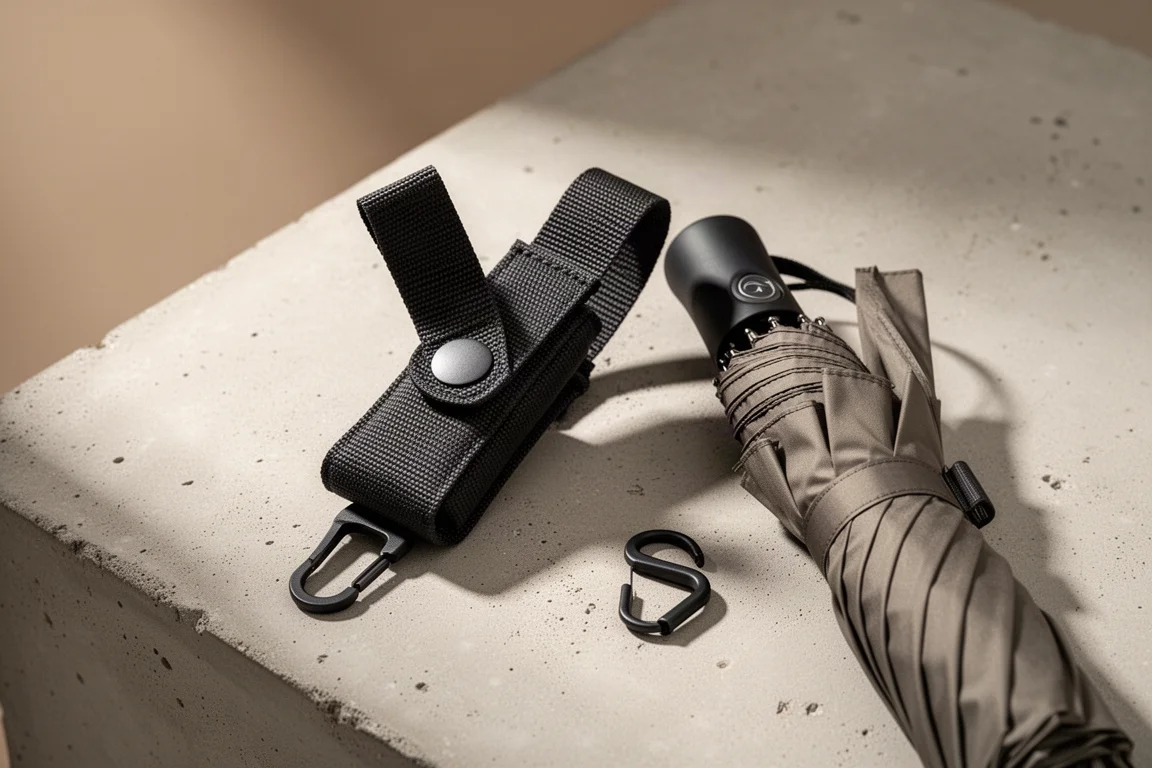
A strap-mounted umbrella holder keeps an umbrella in place on your shoulder strap so you can walk with both hands free for trekking poles. ZPacks and Gossamer Gear both make one, and they cost roughly $5 to $6 and weigh less than an ounce.
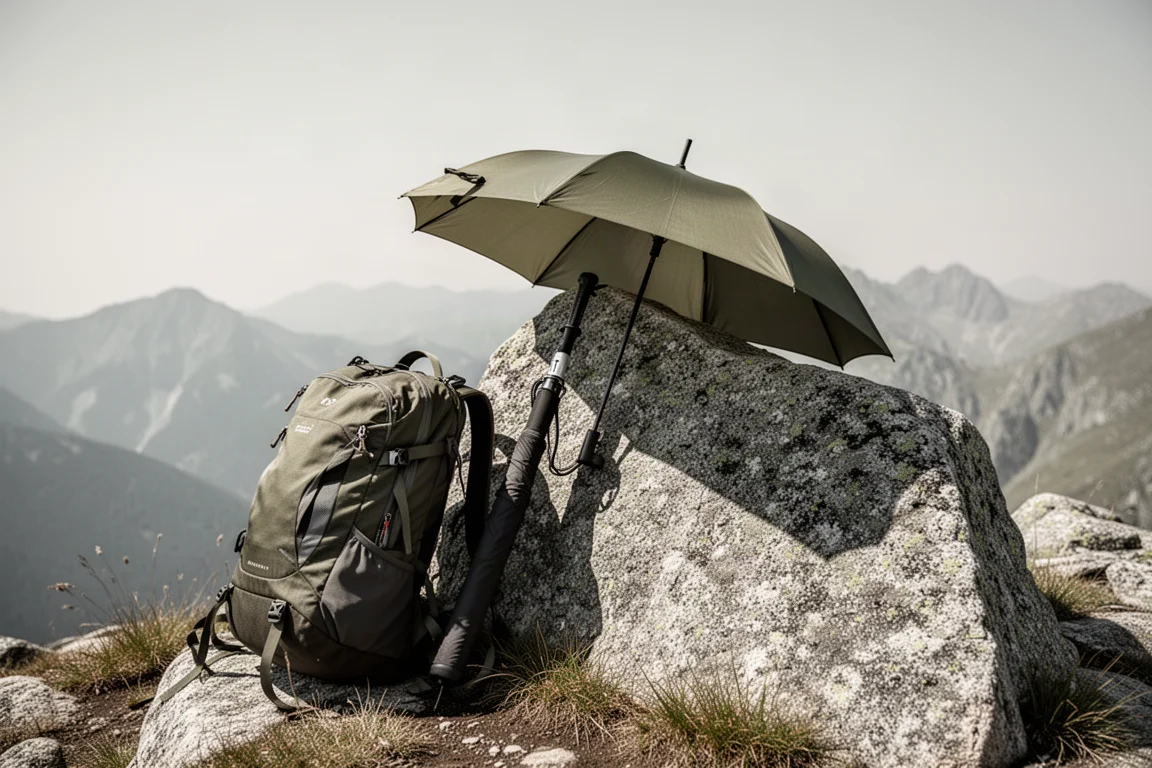
The holder is a small addition that makes a bigger difference on exposed, sun-baked sections or in steady rain. Because it weighs so little, it is easy to leave attached to a pack and forget about until the weather turns.
How to Choose What Is Worth the Weight
The right convenience gear depends on which repeated task bothers you most. If you dislike stopping to retie shoes, the laces are an easy call. If camp setup drains you, a small pump removes the worst of it. If you treat a lot of water, gravity filtration or a bottle-mounted squeeze filter will change your routine more than anything else here.
Weight is the other half of the decision. Several of these items add only an ounce or two, while a gravity system adds 7.2 ounces. Shoulder strap pockets and bottle holders follow the same pattern: designs vary widely in price and weight, so it pays to compare the numbers against how often you would genuinely reach for them.
Conclusion
Convenience gear is not about luxury. It is about removing small frictions that repeat dozens of times over a long hike. Pick the one or two items that match the task you resent most, and the rest of your pack can stay exactly as it is.
Further reading
Related Reviews

Backpacking Gear
Building a 10 lb Base Weight: An Ultralight Backpacking Gear List
A practical walkthrough of the ultralight pieces behind a 10 lb base weight, from a 765 g pack and a roomy one-person tent to a full camp chair and a dependable water filter.

Backpacking Gear
A 15-Pound Lightweight Backpacking Gear List for Solo Trips
A beginner-friendly 15-pound backpacking setup built from easy-to-find gear, with notes on what each piece does, how it packs, and where to spend your attention.

Backpacking Gear
8 Ultralight Backpacking Gear Upgrades Worth Carrying
Eight small, affordable backpacking upgrades that solve real trail annoyances, from a pillow that stays put to a fuel valve that rescues leftover canister gas.