Laser Jammers
Laser Jammers vs Speed Cameras: Five Systems Put to the Test
A practical comparison of five laser detection and jamming systems against a new lidar-based speed camera setup, with real-world detection results.
Introduction
New speed cameras are being installed throughout Washington state, specifically in construction zones. These systems operate on lidar and use a sweeping detection method that differs from traditional handheld laser guns. To understand how well current laser detection and jamming equipment handles these new cameras, five different systems were tested in a real-world pass-by scenario.
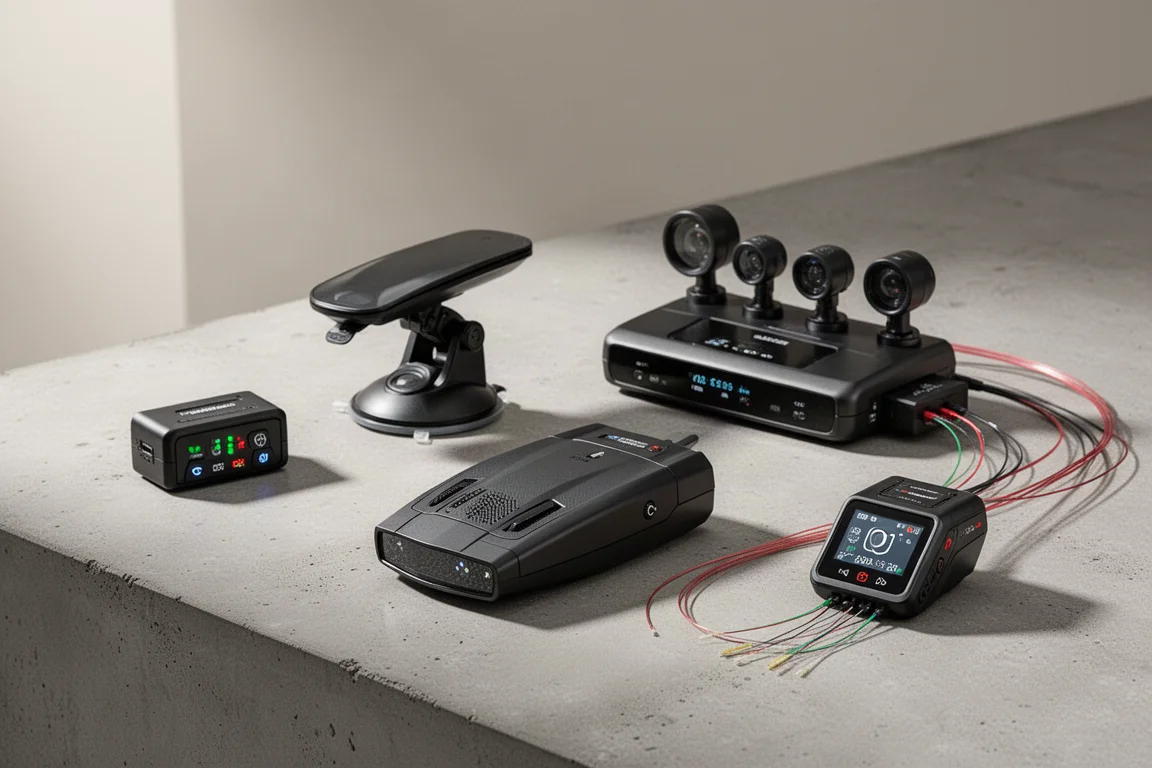
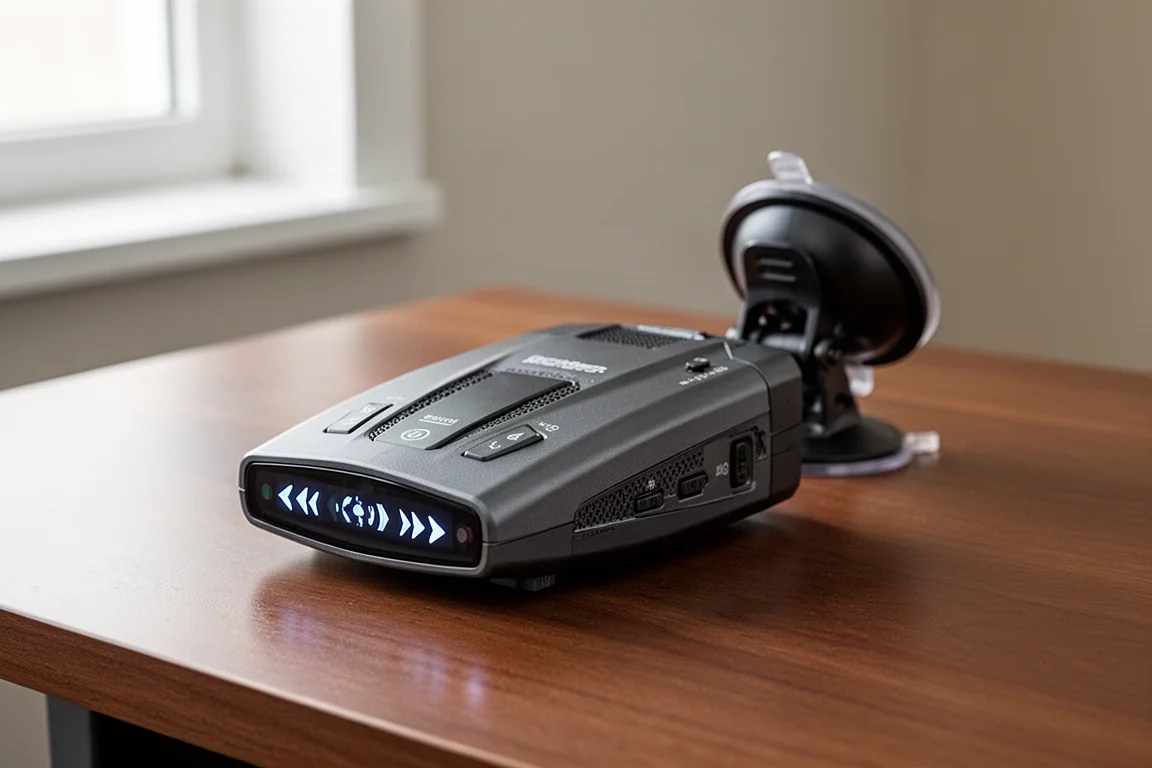
The systems tested include the ALP, Uniden R9W, Escort Redline Ci 360c, Stinger with fiber optic cables, and the V1 Gen 2. Each was set to receive mode rather than active jamming, for two practical reasons: avoiding unnecessary jamming and preventing interference between systems running simultaneously.
The New Speed Camera System
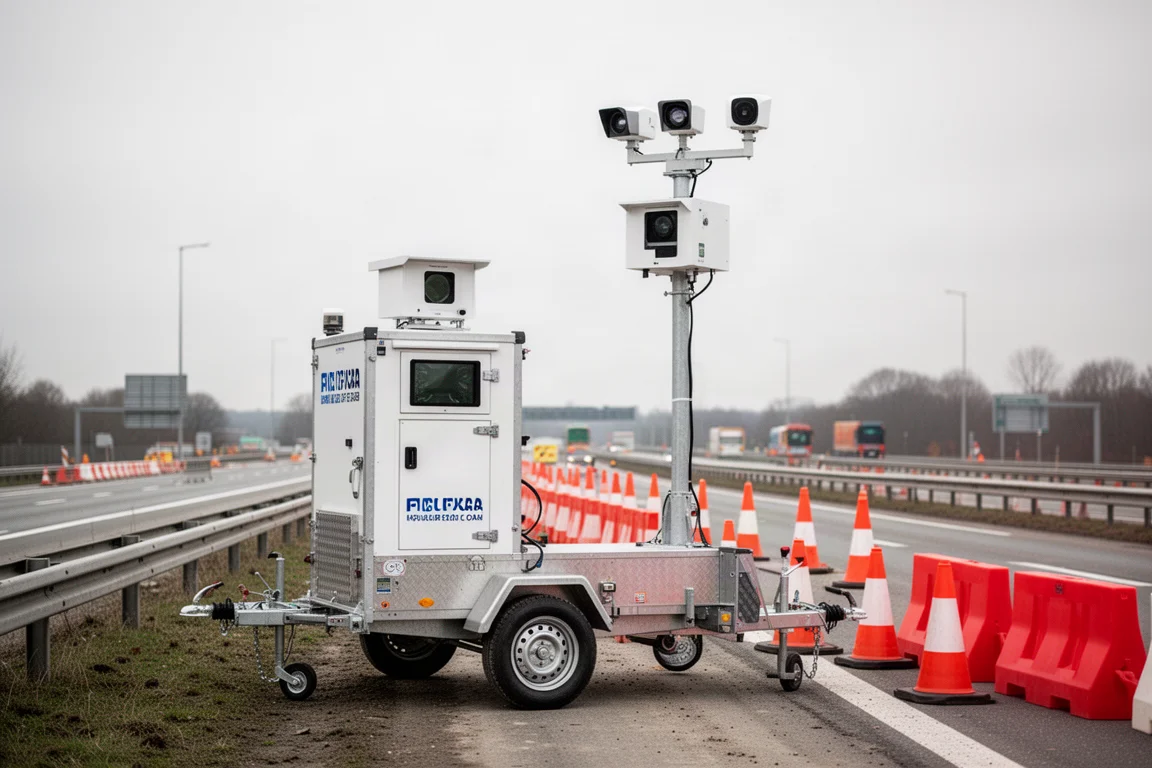
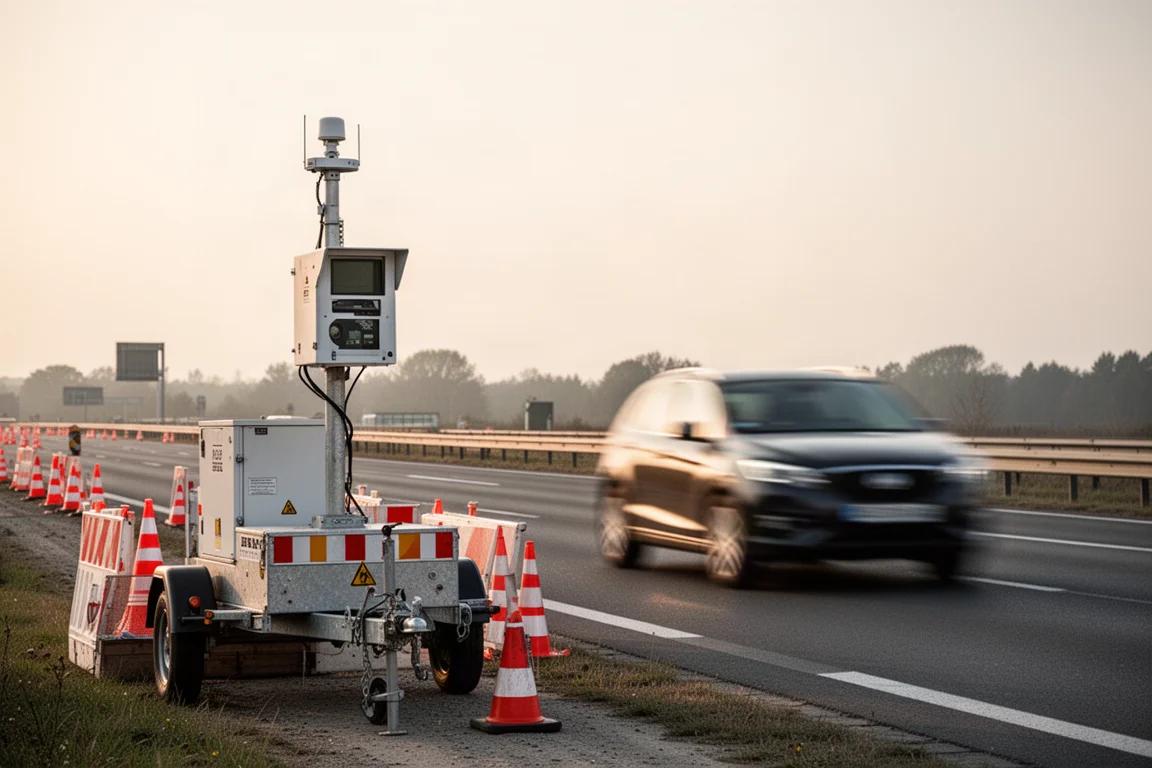
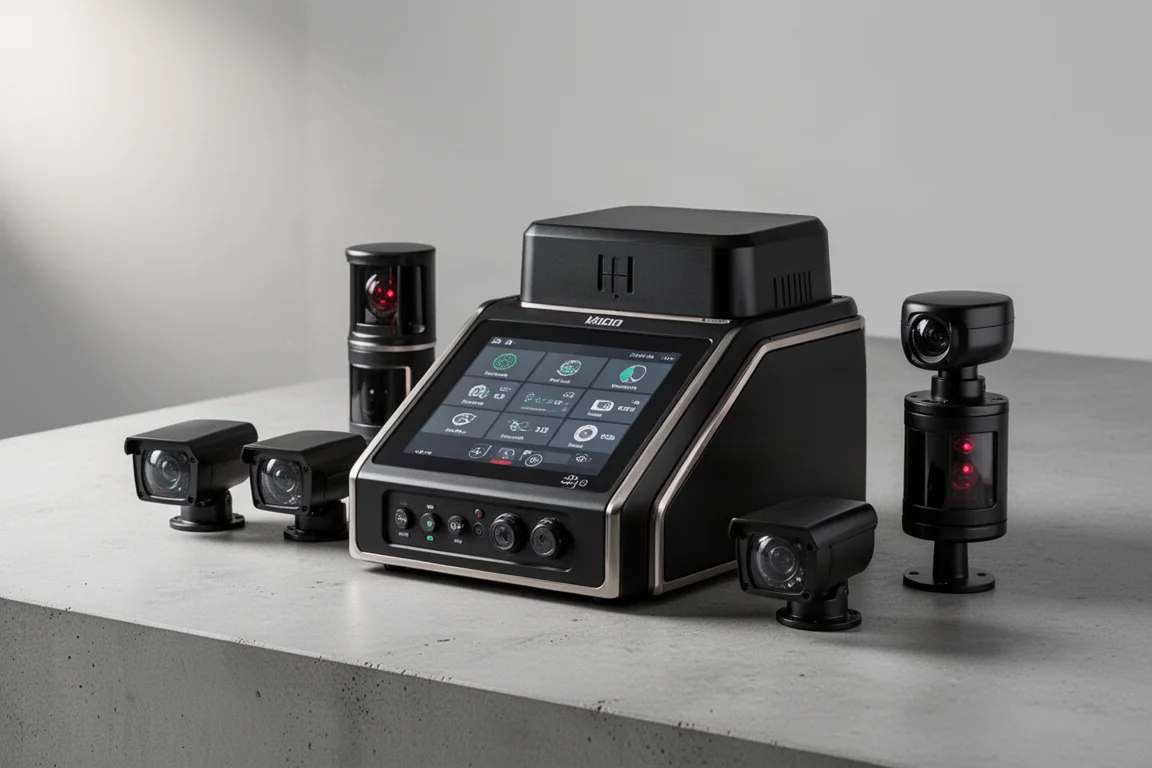
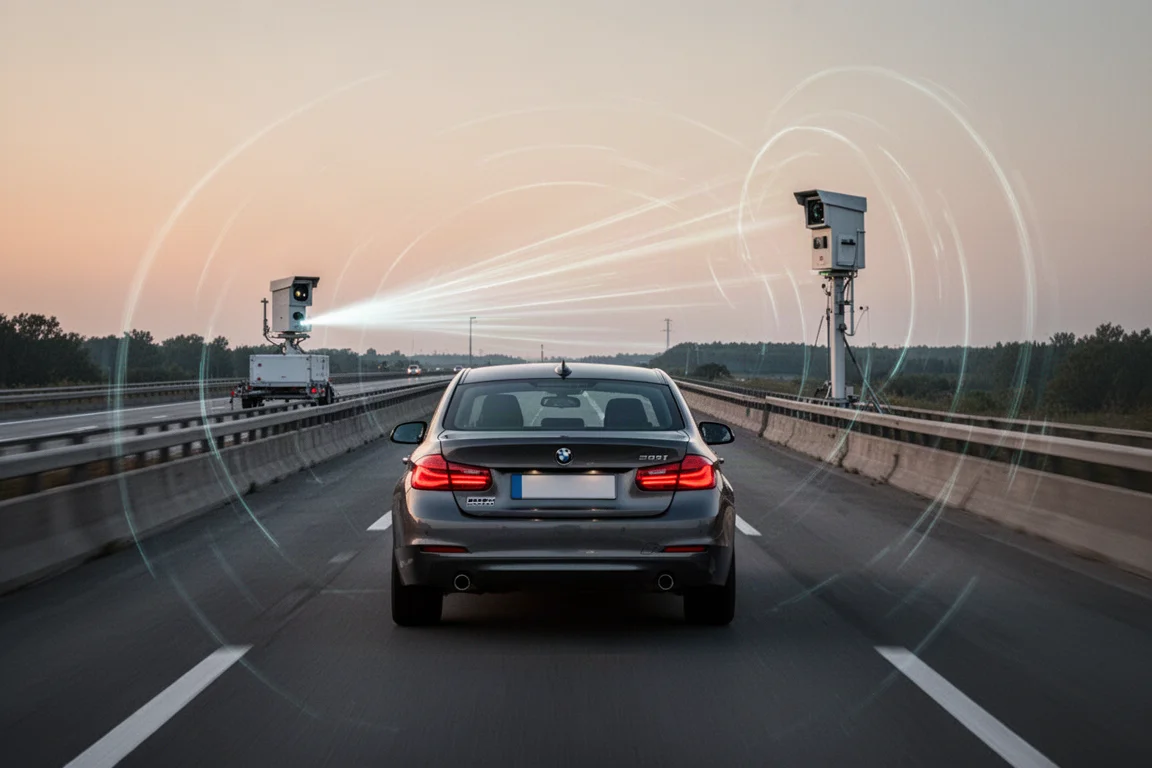
The speed cameras being deployed use a dual lens configuration for the transmitter and receiver of the laser system. The software used by these systems identifies them as Vitronic Poliscan units. Vitronic manufactures several speed lidar-based systems, some pole-mounted and others mobile. The mobile FM1 model appears to be what is being used in Washington state.
These systems can monitor up to six lanes of traffic simultaneously. Because they sweep across the road rather than locking onto a single vehicle, encounters are brief. This creates a detection challenge: the system needs to alert the user quickly without the benefit of a sustained lock-on, which increases the likelihood of false alerts.
How the Test Was Set Up
All five systems were installed in a test vehicle and set to receive mode. The ALP had pro mode enabled, though it was unclear if that mode functions in detection-only operation since the LED remained locked on throughout the test. The Stinger alerted to the system as a laser patrol, which is a handheld laser gun manufactured by Jenoptik, a competitor of Vitronic.
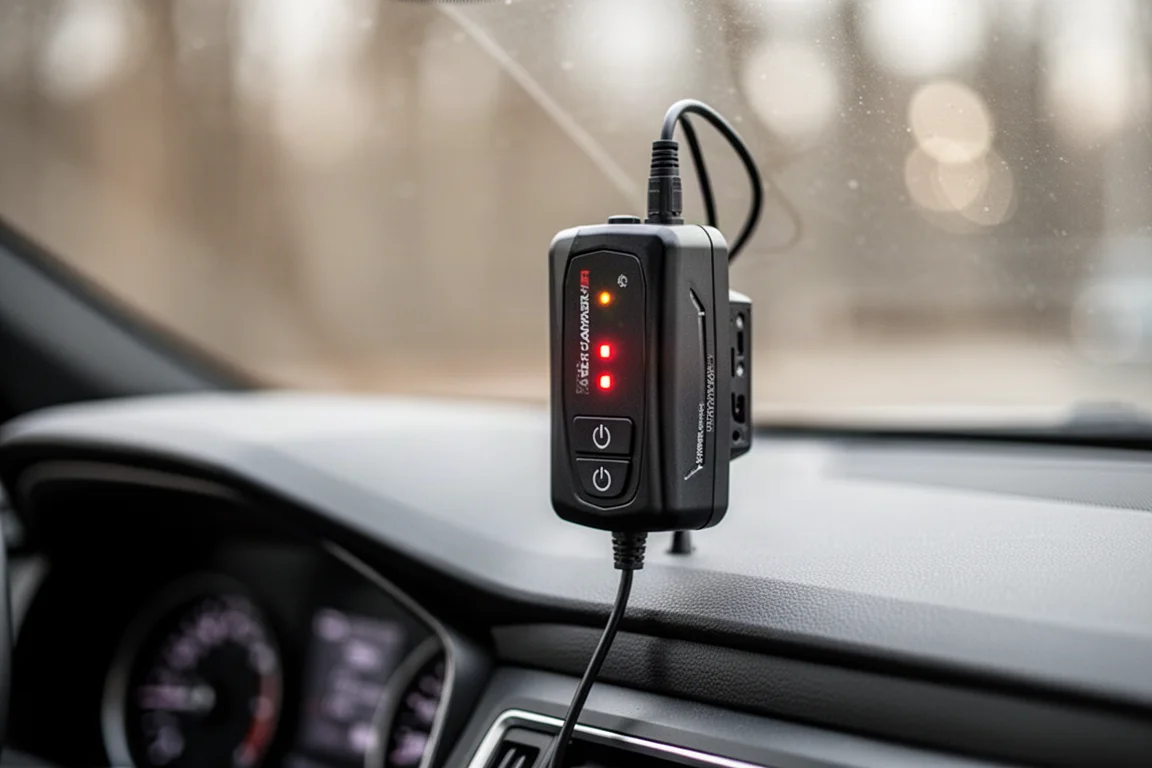
The Uniden R9W alerted as an LTI 2020, which may be an incorrect identification. It is unclear whether the pulse pattern is similar enough to cause this misidentification or if it is a generic display when laser is detected and jamming is attempted.
Detection Results: ALP
The ALP performed the best overall in this test. It detected the Poliscan system from both the front and the rear. In one notable instance, it picked up the sweeping signal from the opposite side of the highway while the test vehicle was driving down an on-ramp in the complete opposite direction of the camera.
The ALP was the only system with a rear sensor installed, which contributed to its strong rear detection performance. In terms of detection and alerting, it clearly outperformed the other four systems against this particular camera setup.
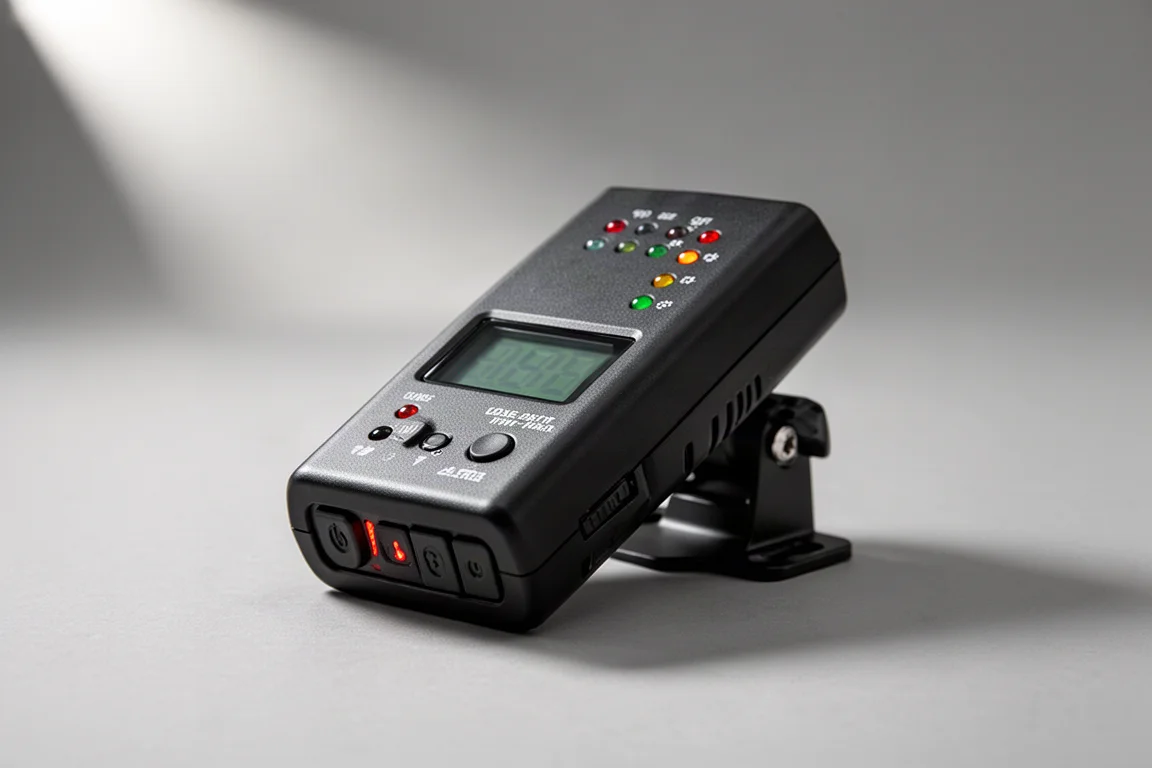
Detection Results: Uniden R9W
The Uniden R9W did alert to the speed camera, but it identified the source as an LTI 2020. This may or may not be an issue depending on how similar the pulse patterns are between the LTI 2020 and the Poliscan system. The practical effectiveness of the R9W against this camera remains uncertain given the misidentification.
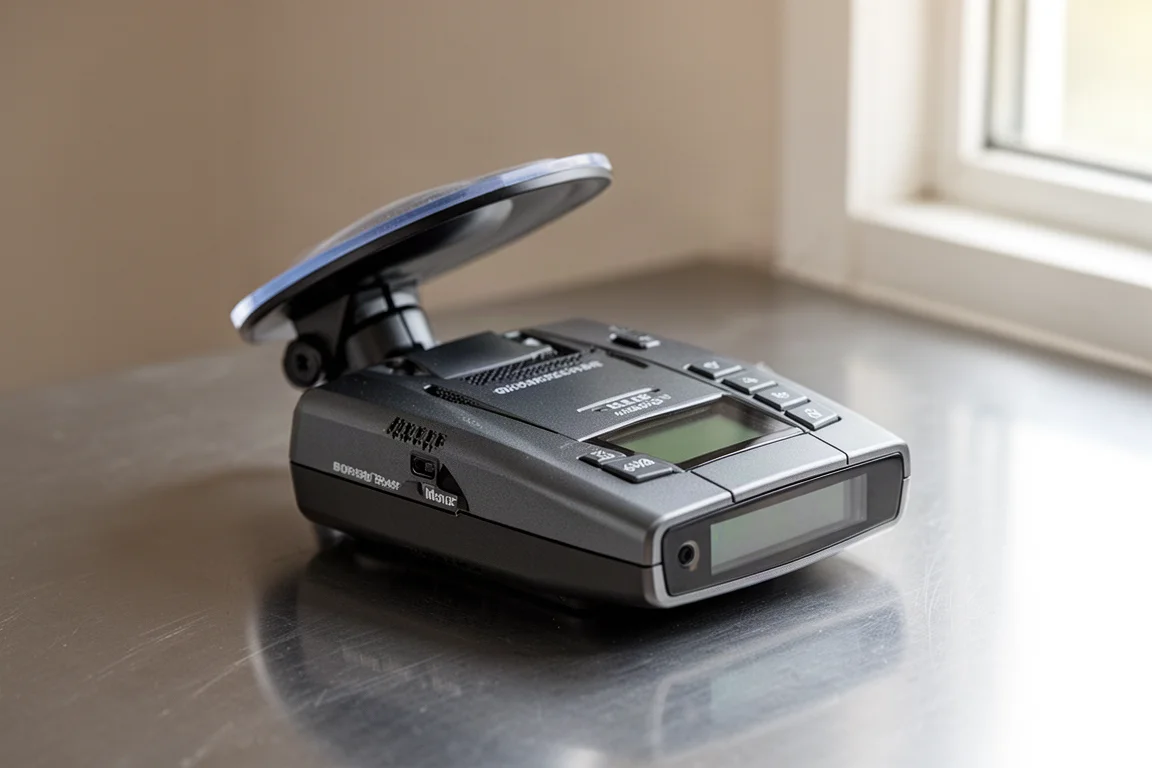
Detection Results: Escort Redline Ci 360c
The Escort Redline Ci 360c did not alert at all during the test. This was unexpected given that Escort’s jammers are manufactured by Blinder in Denmark. It is possible that Poliscan systems are not commonly encountered in Denmark or most of the EU, which could explain the lack of detection.
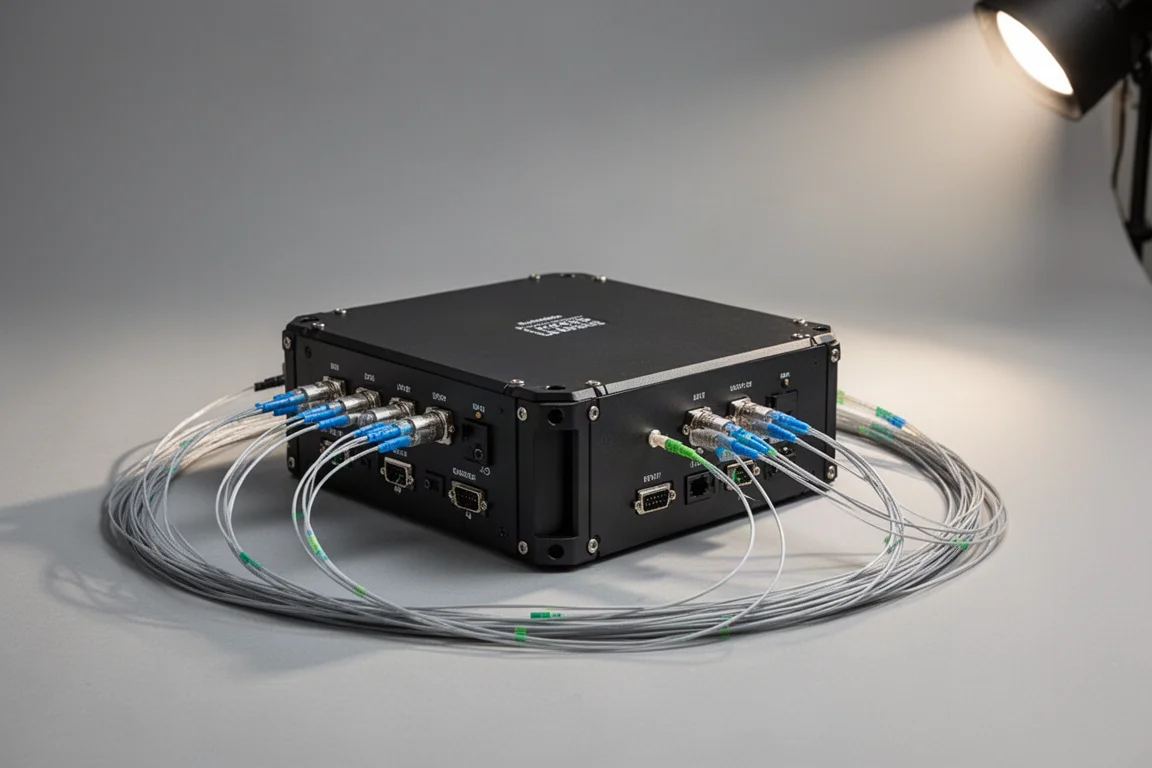
Detection Results: Stinger
The Stinger did alert to the speed camera, but it identified the source as a laser patrol rather than a Poliscan. The laser patrol is a handheld gun from Jenoptik, a different manufacturer. This misidentification may or may not affect practical performance depending on pulse pattern similarities.
Detection Results: V1 Gen 2
The V1 Gen 2 also failed to alert during the test, despite having laser detection enabled and fast laser mode turned on specifically for the TrueSpeed S. This was unexpected. The lack of response may be related to additional filtering built into the unit, similar to what might explain the Escort’s silence.
Overall Buying Advice
Based on this test, the ALP is the clear leader for detecting and alerting to Poliscan-style speed cameras. Its rear detection capability and accurate identification make it the most reliable option among the five systems tested. The Stinger and Uniden R9W can detect the system but report incorrect gun identifications, which may or may not affect their jamming effectiveness.
The Escort Redline Ci 360c and V1 Gen 2 did not alert at all in this scenario. Riders and drivers who frequently encounter Poliscan speed cameras should factor this into their purchasing decision. Other systems exist, including the TPX and TMG, but they were not part of this test.
Conclusion
As Poliscan speed cameras become more common, having a system that can reliably detect and alert to them matters. The ALP demonstrated the best performance in this real-world test, with accurate identification and strong rear detection. The Stinger and Uniden R9W offer partial capability with some identification caveats, while the Escort and V1 Gen 2 did not respond to this particular system. For anyone regularly driving through construction zones with these cameras, the ALP is the most dependable choice tested here.
Further reading
Related Reviews
Pickleball Paddles
2025 Paddle Awards: The Best Pickleball Paddles of the Year
A category-by-category breakdown of the best pickleball paddles of 2025, covering value, control, all-court, power, and paddle of the year.
Automotive Accessories
70mai Dash Cam Comparison: A200 vs A510 vs A810
Three dash cameras from 70mai across different price points reveal how resolution and sensor quality impact real-world footage clarity, especially for number plate visibility and low-light performance.
Mobile Gaming Accessories
8BitDo FlipPad vs GameSir Pocket Taco: Which Vertical Phone Controller Fits You Best?
Two compact vertical phone controllers with very different approaches to connectivity, controls, and everyday use. Here is how they compare across seven practical categories.