Ski Resorts
Lake Louise Ski Resort Review: Big Terrain, Bigger Views
A practical look at Lake Louise Ski Resort, from 4,200 acres of terrain across four zones to snowfall, lifts, passes, and what to weigh before you book.
Introduction
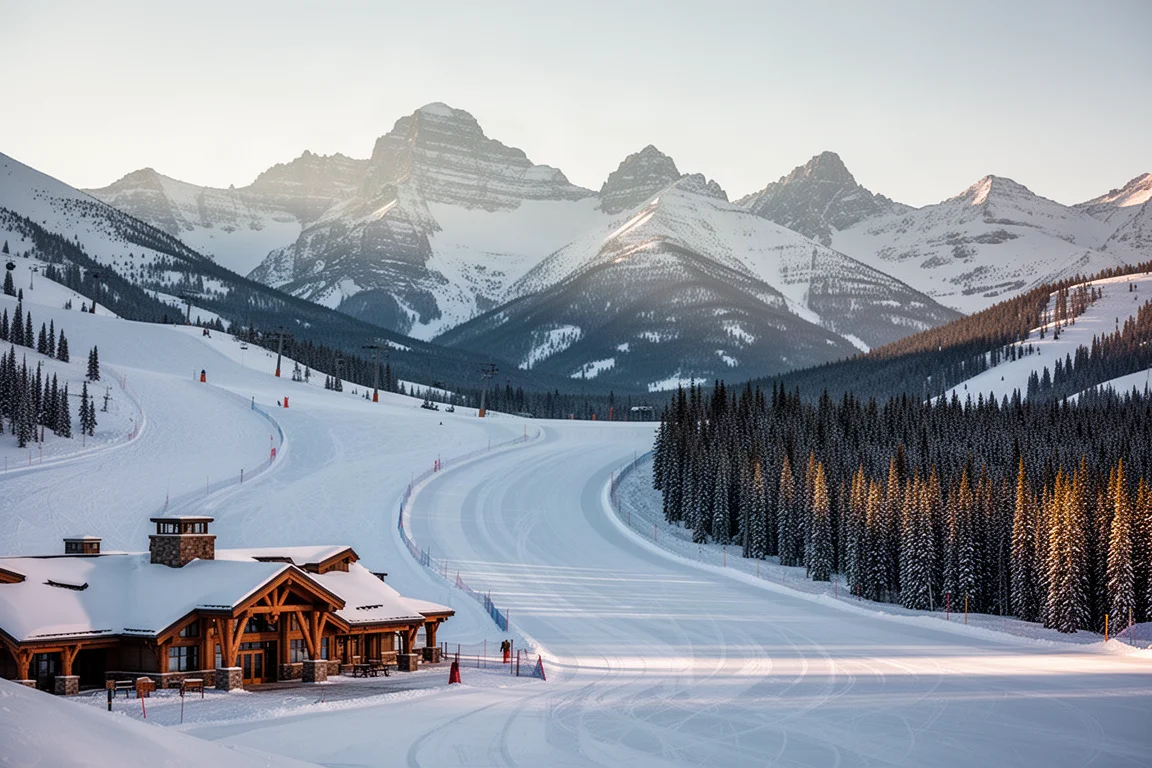
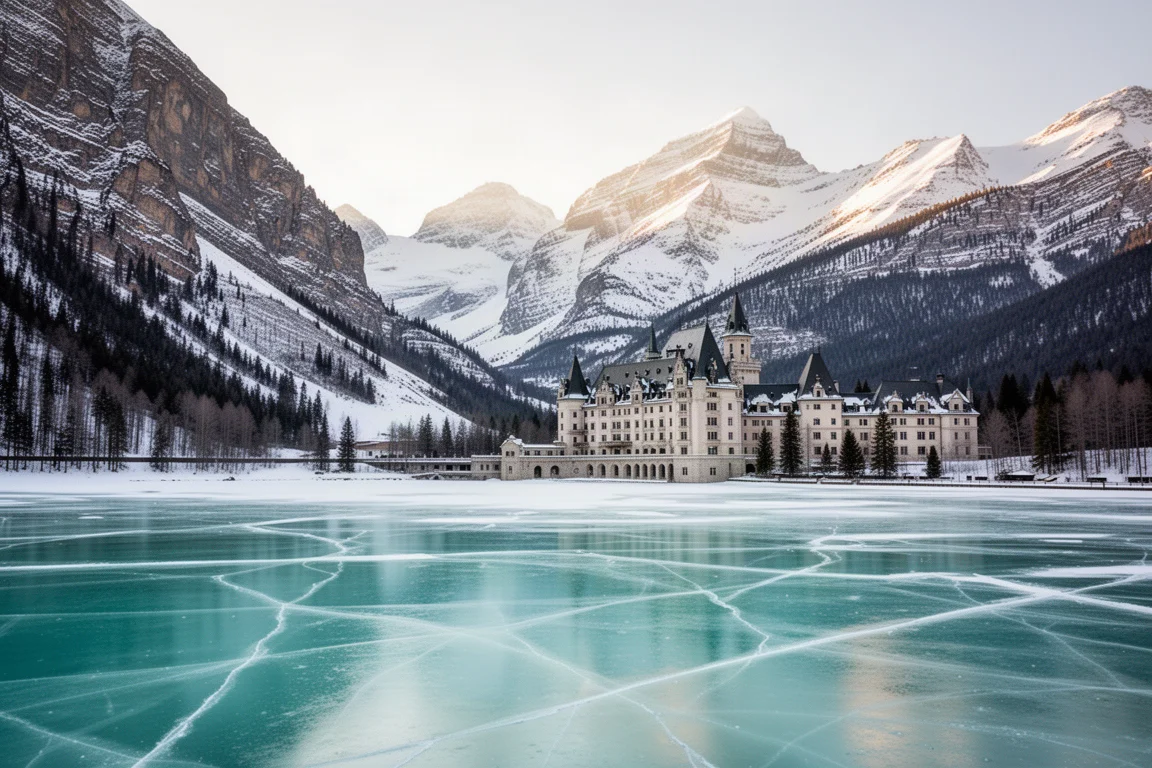
Lake Louise Ski Resort sits in the Canadian Rockies of Alberta, just up the road from the turquoise lake and the castle-like hotel that appear on so many postcards. The lake is beautiful. The skiing above it might be better.
The resort covers 4,200 acres of skiable terrain with a 991 m vertical drop, which makes it the third-largest ski resort in Canada. That terrain is divided into four zones, so a single day can move from wide, confidence-building groomers into steep alpine chutes without a long transfer between them.
What stands out is the balance rather than any single headline feature. There is genuine terrain for a first-time skier, long carving runs for intermediates, and enough advanced and expert lines to keep strong skiers exploring for seasons. Add Rocky Mountain views from almost every run, and the appeal becomes easy to understand.
Who This Resort Suits Best
Beginners are unusually well served here. Roughly a quarter of the mountain is dedicated to green runs, and most of them are wide and approachable. Almost every chairlift can be ridden comfortably by a new skier, so beginners can experience much of the resort instead of being confined to one small learning area. The Larch zone is a particularly good place for newer skiers to build confidence.
Intermediates get a deep supply of front-side groomers. When snow falls and the temperature stays cold, the groomed runs hold a firm, grippy surface that rewards anyone who likes to get out early and lay down turns across the hill.
Advanced and expert skiers are the group most likely to be overwhelmed, in the best way. The back side, West Bowl, and the tree zones offer weeks of exploration, and the resort stages its difficulty well, so there is a logical step up between runs rather than a sudden jump.
Terrain: Four Zones, One Mountain
The mountain splits into four zones: the front side, the back side, West Bowl, and Larch.
The front side is where the gondola base and the main lodge sit. It holds less alpine terrain than the rest of the mountain and more trees once you drop below West Bowl. The back side is the opposite: open alpine bowls and chutes, including the alphabet gullies and the ER runs, which take their name from Eagle Ridge.
West Bowl is an open bowl with a strong pitch that funnels into tree skiing at the bottom. Larch is more sub-alpine, with tree-lined runs that suit beginners and intermediates particularly well.
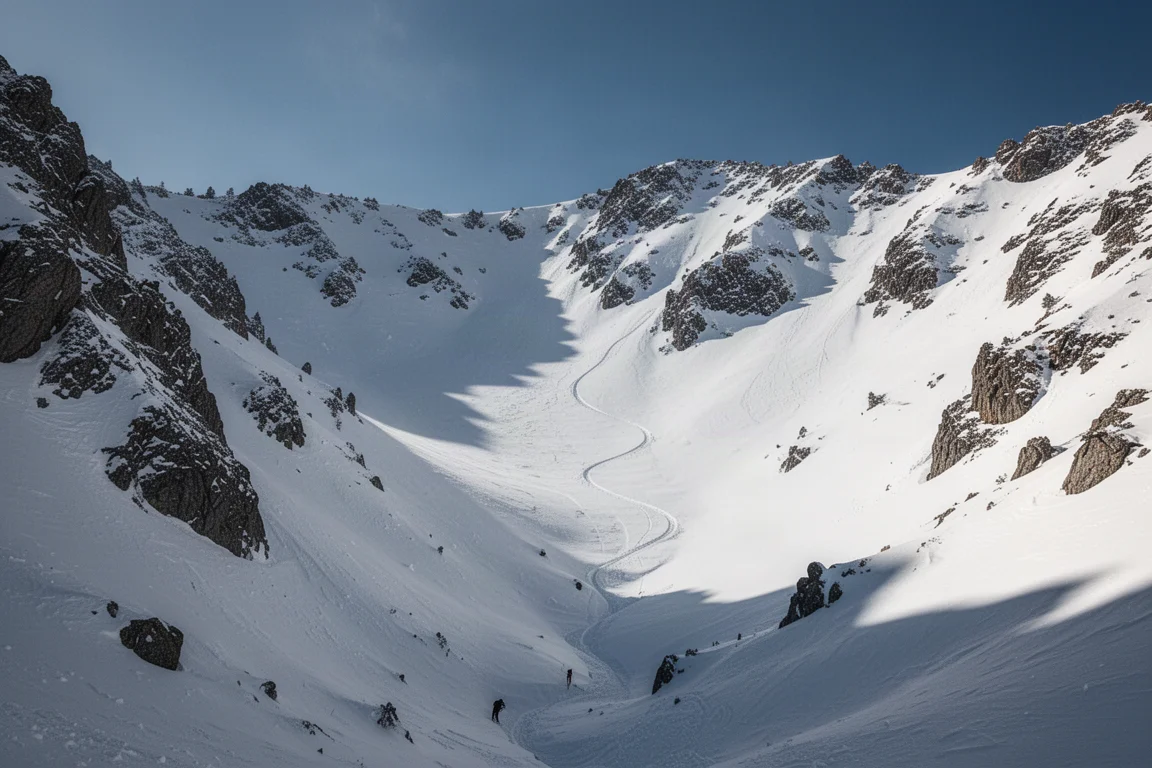
Moving between zones is straightforward, which makes it easy to sample a bit of everything in one day. The summit chair reaches the highest point on the mountain. One planning note: if you ski off the back side from the summit, getting back up to those high runs takes two lifts, so it is worth treating that as a longer loop rather than a quick lap.
Beginner and Intermediate Skiing
The green runs are not just wide, they are genuinely enjoyable. On a quiet early-season day, a single wide front-side green can carry lap after lap, and it doubles as a good place to build speed once you have space. Beginners who want to see a different part of the mountain should spend time over in Larch.
For anyone stepping up from green runs, there is a blue boulder-field run that offers something different from a standard groomer. It is bumpy and playful rather than intimidating, and it works as a first taste of more natural terrain.
Carving fans should head for the front side. When it snows and stays cold, the groomers hold up well, and the run network is dense enough that you can link blue runs by following the trail signs and choosing a new line at each junction.
Advanced and Expert Terrain
Advanced terrain is where the resort separates itself. The alphabet gullies on the back side are among the most demanding lines on the mountain, and the ER runs off the Paradise chair are steep, rocky, and peppered with features that keep things interesting.
Off the summit chair, the Whitehorn runs are worth a lap or two. The Brown Cow zone involves a short hike on the far side of the back side, and the payoff is a run that feels earned. West Bowl is the easiest recommendation for a first visit: an open bowl with a good pitch that transitions into tree exploration lower down.
The terrain is well staged. Rather than beginner runs sitting next to cliff bands, the resort offers a progression, so advanced skiers can push themselves without immediately committing to something extreme. There is extreme terrain here as well, but much of the appeal is being able to ski hard without worrying about the consequences.
Tree Skiing and Alpine Bowls
Tree skiing is a major part of the experience. The East Bowl trees, below the Eagle Ridge runs, open into a long gladed area, and the trees below West Bowl are large enough to explore for most of a day. Gullies and natural features appear throughout, so the descent stays interesting the whole way down.
Alpine skiers should prioritise West Bowl, the East Bowl, and the back side. The upper front side also has an open feel. On a clear day you can see most of the terrain from above, which makes it easier to pick lines before committing to them.
If you do head into the trees, keep a mapping tool handy and stay inside the resort boundary. It is easy to wander further than intended when the glades are deep and visibility drops.
Snowfall, Weather, and Conditions
Snowfall is the one area where Lake Louise gives ground. The resort averages around 454 cm of snow a year, which is close to half of what nearby Sunshine Village receives and well below what coastal resorts get.
In practice, that means smaller, more frequent dustings of 5 to 8 cm rather than huge storm totals. Those light refreshes can produce excellent skiing, especially when the temperature stays low and the snow remains dry and soft. Waiting for a massive dump is not the right strategy here.
Cold is the other factor. This is Alberta and the Rockies, and temperatures can drop sharply. Layering well and taking breaks indoors makes a real difference, and a cold, clear day usually comes with the best views of the trip.
Lifts, Lodges, and Terrain Park
The lift network is solid. There are 11 lifts plus the Grizzly Gondola, with a mix of high-speed quads and a few slower triple chairs. The gondola is not required to start skiing, since the base sits right at the parking lot, but it is a comfortable option on a cold day and drops you close to the middle of the mountain.
A new chairlift is also under construction to add better access to the front side, which should help move people around even more efficiently.
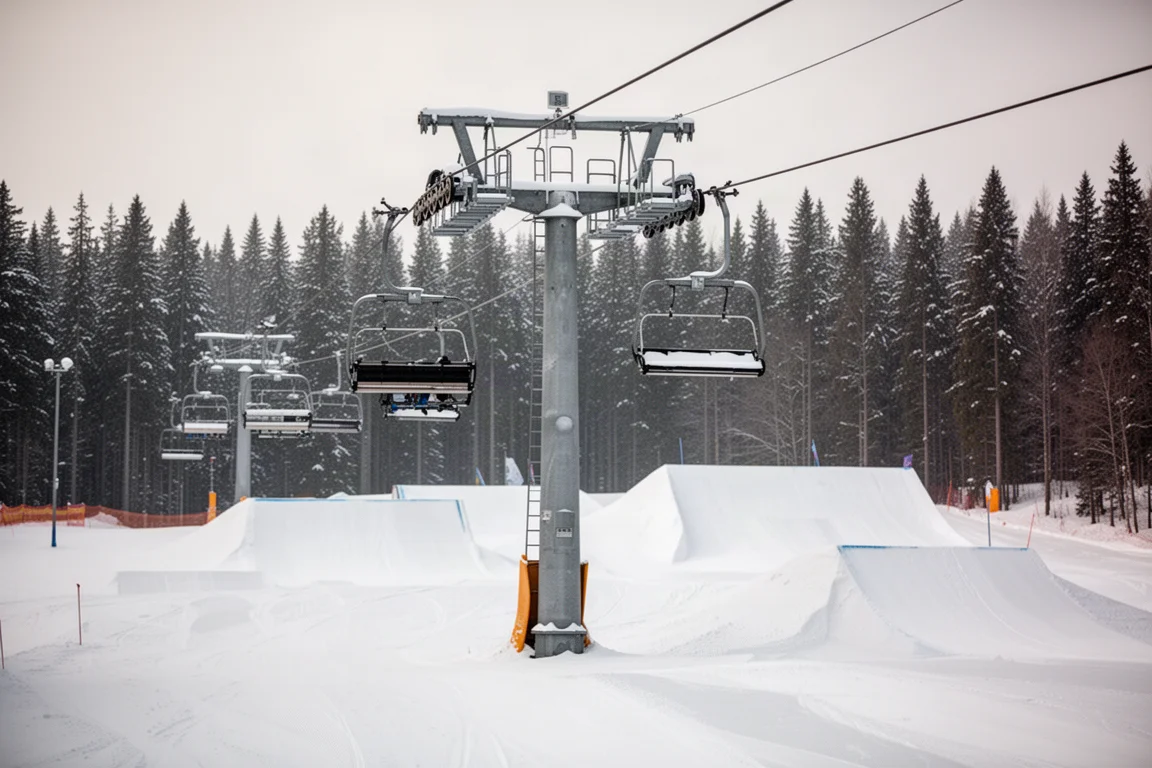
Lift lines are usually manageable. On a normal day it is possible to ski straight onto most chairs and rack up vertical, though big snow days, holidays, and weekends will be busier.
The day lodge is enormous, which matters more than it sounds when you want a proper break, a warm meal, and somewhere to leave your gear. A terrain park sits below the Glacier chair, positioned so riders can throw down in front of an audience.
Tickets, Passes, and Trip Planning
Lake Louise is affiliated with Ikon, Mountain Collective, and Ski Big 3. The Ski Big 3 pass was priced at just under $500 for three ski days, with those days to be used within a five-day window. That structure leaves room to spend a couple of days exploring the town and the surrounding area between ski days.
It also adds flexibility. With a Ski Big 3 pass you can watch the forecast and choose where to ski based on where the snow is falling, including nearby Sunshine Village, rather than committing every day to one resort.
If you have never seen the lake, plan a walk or a skate on it after your ski day. It is frozen through the winter, and the glacier and mountain backdrop is worth the detour.
Backcountry access exists around the resort, but the Rockies snowpack is volatile and different from coastal ranges. Anyone heading out of bounds should carry the right gear and either work with a guide or be genuinely dialled in on avalanche forecasting.
Things to Consider Before You Book
A few trade-offs are worth knowing in advance:
- Snowfall averages around 454 cm a year, below several neighbouring resorts.
- Temperatures in the Rockies can be severe, so cold-weather gear is essential.
- A handful of triple chairs remain in the lift network and move more slowly than the quads.
- Returning to summit-side backside runs requires two lifts.
- Some expert zones involve a short hike to reach.
None of these are deal-breakers for most skiers, but they shape how a trip should be planned.
Buying Advice
Lake Louise is a bucket-list resort, and it earns that status on terrain and views rather than on snow totals. If you are planning a trip, the smart approach is to accept that and plan around it: aim for a cold, settled period when the groomers are firm and grippy, and treat any fresh dusting as a bonus rather than a requirement.
Skiers who want a mix of everything will get the most from a multi-day visit. A single day covers the highlights, but the mountain rewards repetition, especially on the back side and in West Bowl, where knowing the terrain makes a real difference to how much you enjoy it.
The resort is also a strong fit for groups with mixed ability. Beginners have wide, approachable greens and can ride most chairs, intermediates have a deep bench of groomers, and advanced skiers have terrain that will keep them busy all week. Few resorts cover that range this comfortably.
Conclusion
Lake Louise Ski Resort is one of the best ski destinations in Canada, and the reasons are straightforward: 4,200 acres of varied terrain, four distinct zones, strong offerings at both ends of the ability scale, an enormous day lodge, and Rocky Mountain scenery from nearly every run.
The trade-offs are equally clear. Snowfall averages around 454 cm a year, temperatures can bite, and a few lifts are slower than modern quads. For most skiers those are easy compromises in exchange for terrain that stays interesting for weeks and views that are worth the trip on their own.
Product link
View more details for Lake Louise Ski Resort
This product is mentioned in the review. Check the specifications, options, and compatibility before buying.
View more details for Lake Louise Ski ResortFurther reading
Related Reviews

Ski Resorts
Alyeska Resort Review: Alaska's Largest Ski Resort, Worth the Journey?
A deep look at Alyeska Resort: heavy snowfall, expert terrain, an Icon Pass connection, and the trade-offs of a near-sea-level mountain in the Last Frontier.

Ski Resorts
Bear Valley Ski Resort Review: Northern California's Quiet Sierra Alternative to Tahoe
A lesser-known Sierra resort with over 1,300 skiable acres, surprisingly strong expert terrain, and crowd levels Tahoe can only dream of. Here is what to know before you go.

Ski Resorts
Colorado Ski Resorts Ranked: The Best Destination Mountains for Overall Experience
A ranked guide to Colorado's destination ski resorts, covering terrain, snow, logistics, crowds, and cost so you can pick the right mountain for your trip.