DACs
LAiV Harmony Micro DAC Review: Small Chassis, Serious Sound
A compact resistor ladder DAC in a machined aluminium chassis, with the converter and output stage of a much larger model, XLR balanced outputs, and a $1,094 price.
Introduction
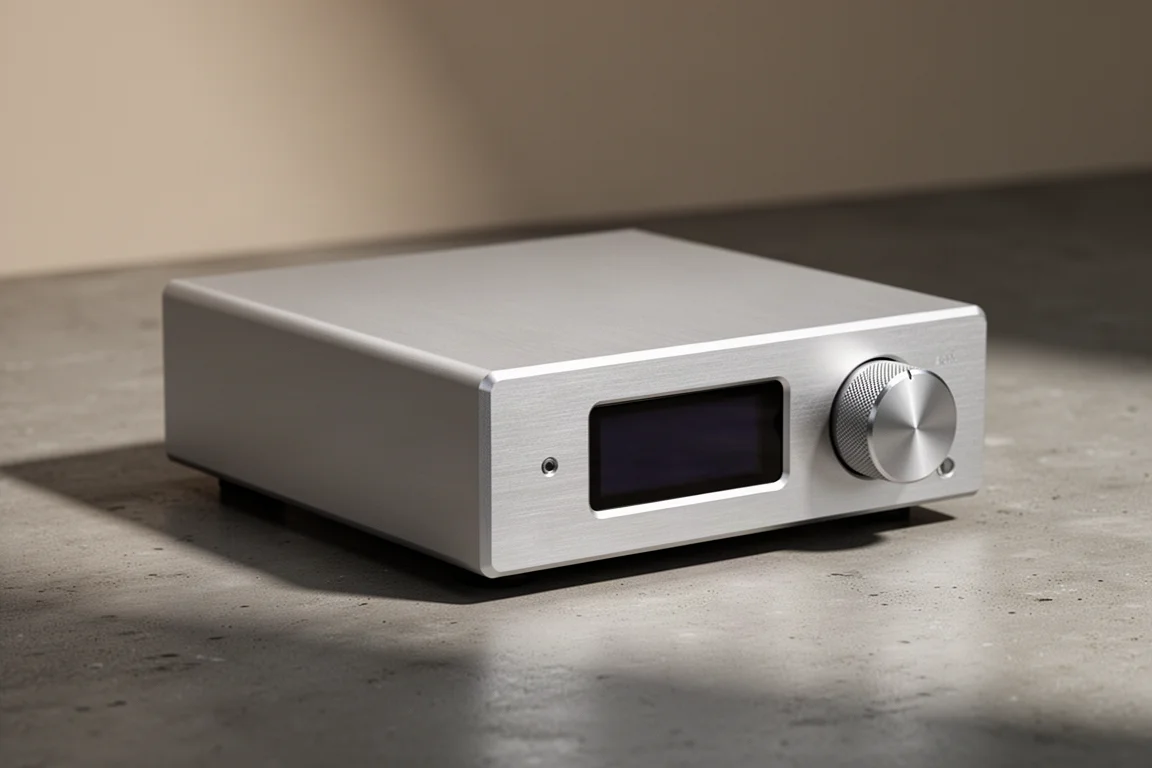
The LAiV Harmony Micro DAC invites a double take. It measures less than 7 inches wide and about 3.5 inches deep, so it takes up roughly the footprint of a paperback, yet it is built around the same resistor ladder converter and the same Class A buffer output stage found in the full size Harmony DAC. The chassis is CNC machined from aerospace grade aluminium, and the price is $1,094 worldwide in US dollars, with free shipping and a 30 day money back home trial included.
That mix of small size, premium construction, and a converter borrowed from a much larger model is what makes this DAC worth a closer look.
Who the LAiV Harmony Micro DAC Is For
This DAC suits listeners who want serious digital conversion without giving up shelf space. A desk, a small rack, or a side table next to a headphone amplifier is enough. It also makes sense for anyone whose system already runs balanced XLR connections, because the Harmony Micro outputs on XLR only.
Sources are well covered. USB, optical, coax, and I2S inputs mean a CD transport, a streamer, or a computer can all feed it. If your priority is a compact box that handles high resolution PCM and DSD without a large footprint or a large price, this is the use case it was designed for.
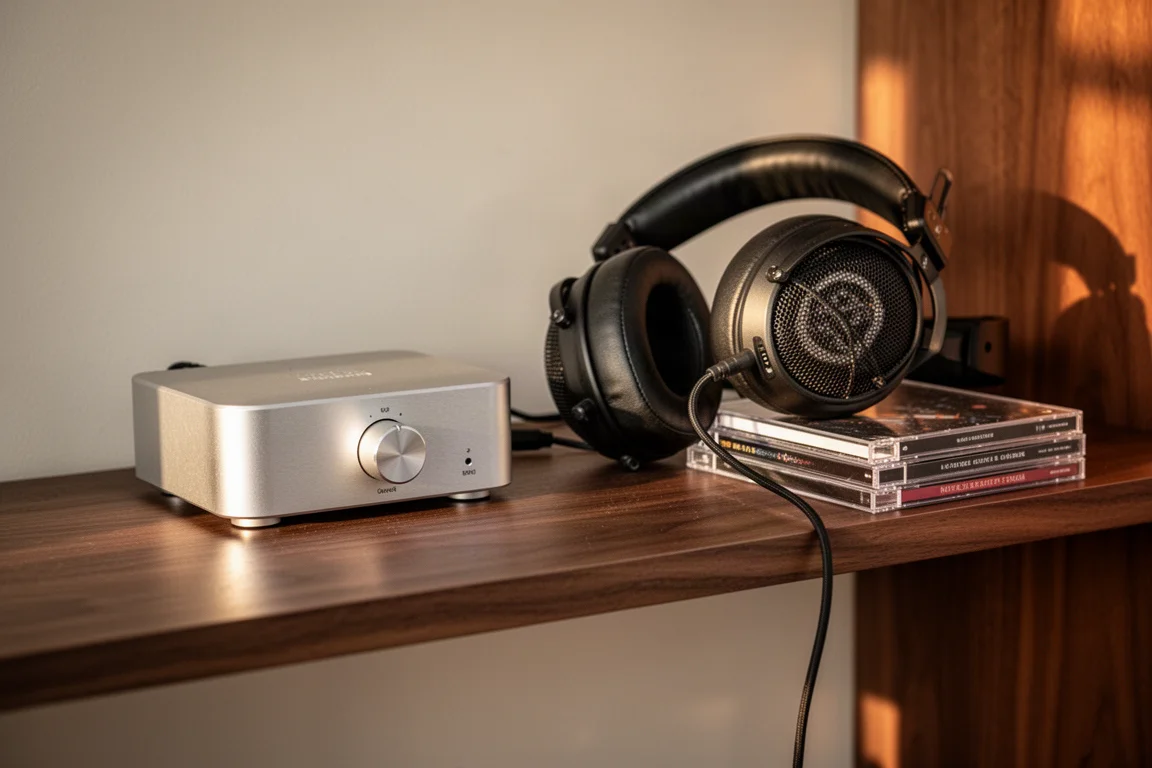
If you already own a preamp or integrated amplifier with balanced inputs, you can take full advantage of what the Harmony Micro offers. If not, the connections section below explains a simple workaround.
Build Quality and Design
The first thing that registers is the machining. The enclosure is cut from aerospace grade aluminium, and it looks and feels more expensive than the price suggests. It reads as modern without being eccentric, which is a harder balance to strike than it sounds.
The single knob on the right side deserves its own mention, because the knob feel is superb. It is not a volume control, though plenty of people assume it is. It handles input selection and menu navigation instead.
The chassis runs warmish to the touch rather than hot during use. Power comes from an external wall wart, which keeps the internal layout tidy and the enclosure small.
Inside the Harmony Micro: The Resistor Ladder DAC
The converter itself is a resistor ladder design built from discrete high precision resistors, measured within tight tolerances. This is the same ladder used in the full size Harmony DAC, and both models share the same Class A buffer output stage. That shared DNA is the strongest argument for the Micro.
On the format side, it supports PCM up to 768kHz at 32 bit resolution and the highest DSD rates, delivered over the I2S and USB inputs.
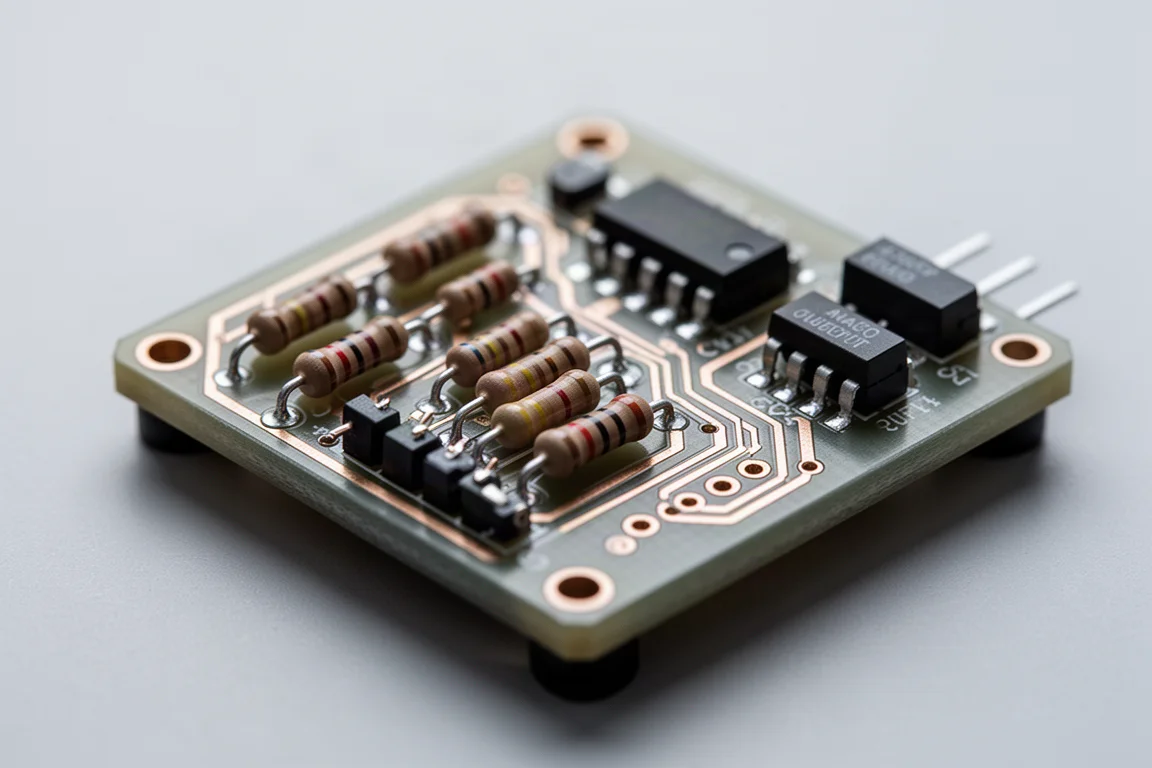
Because the ladder and the output stage match the larger model, the Micro is not a cut down design in the parts that matter most for sound. The compromises show up elsewhere, mainly at the back panel.
Connections, Inputs, and Setup
The rear panel is small, so something had to give, and what gave was the pair of RCA analog outputs. The Harmony Micro offers XLR balanced outputs only. Inputs run to USB, optical, coax, and I2S.
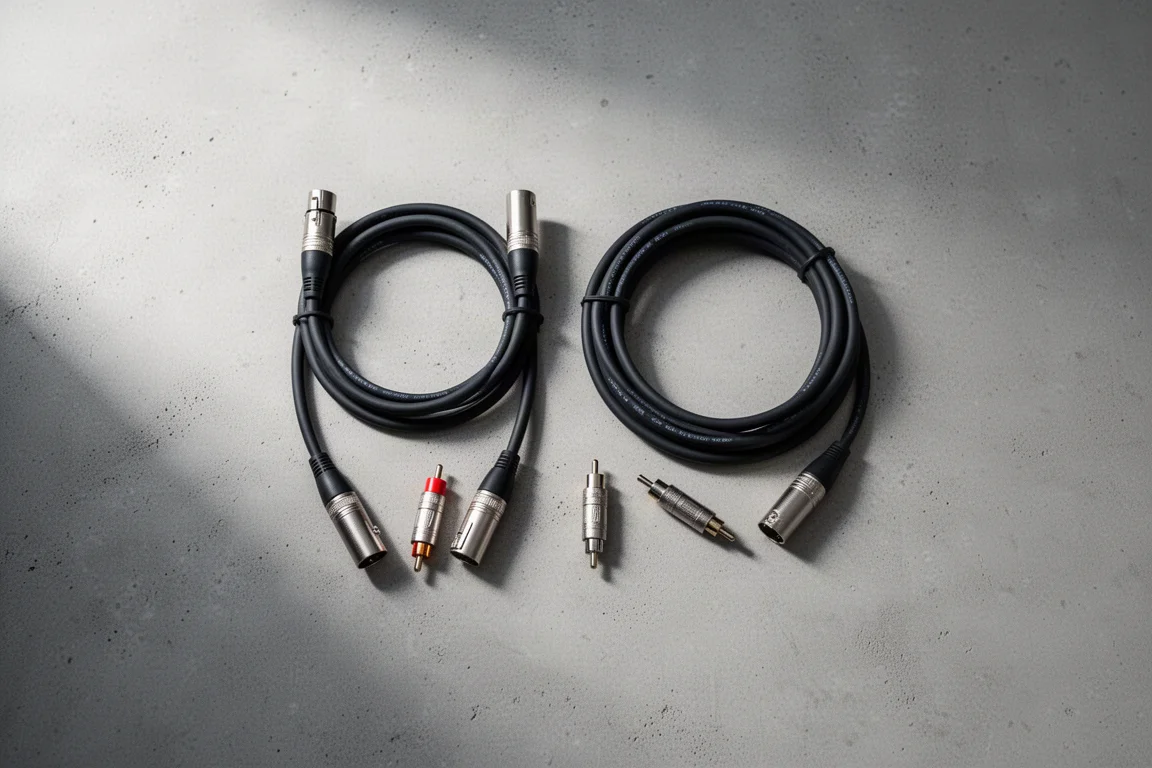
If your amplifier or preamp does not have balanced inputs, the fix is straightforward. A pair of quality XLR to RCA adapters, roughly $20 for a pair, lets you run standard RCA cables without drama.
Comparing the two approaches, the difference in sound quality is small. Balanced cables came out perhaps 10 percent ahead. If adapters are your only option, there is no reason to lose sleep over it.
How the Harmony Micro Sounds
Starting with an easy, well put together 1970 album, the DAC made the music feel effortless and communicative. Moving to a grittier rock record with heavy compression, the Harmony Micro did not smooth the roughness away, but it stayed easier to listen to than expected.
A high dynamic range percussion recording, captured without compression, equalisation, or artificial reverberation, showed where the Micro earns its keep. Against a second resistor ladder DAC used alongside it, the Harmony Micro delivered more soundstage depth, better focus, slightly improved transients, and stronger dynamic contrasts. That comparison unit held an edge in the bottom end, with more weight and grunt.
A $2,000 converter made for an interesting counterpoint. That model sounds more laidback, less forward, more spacious, more reserved, and tonally a little warmer. The Harmony Micro, at roughly half the price, is the more immediate of the two.
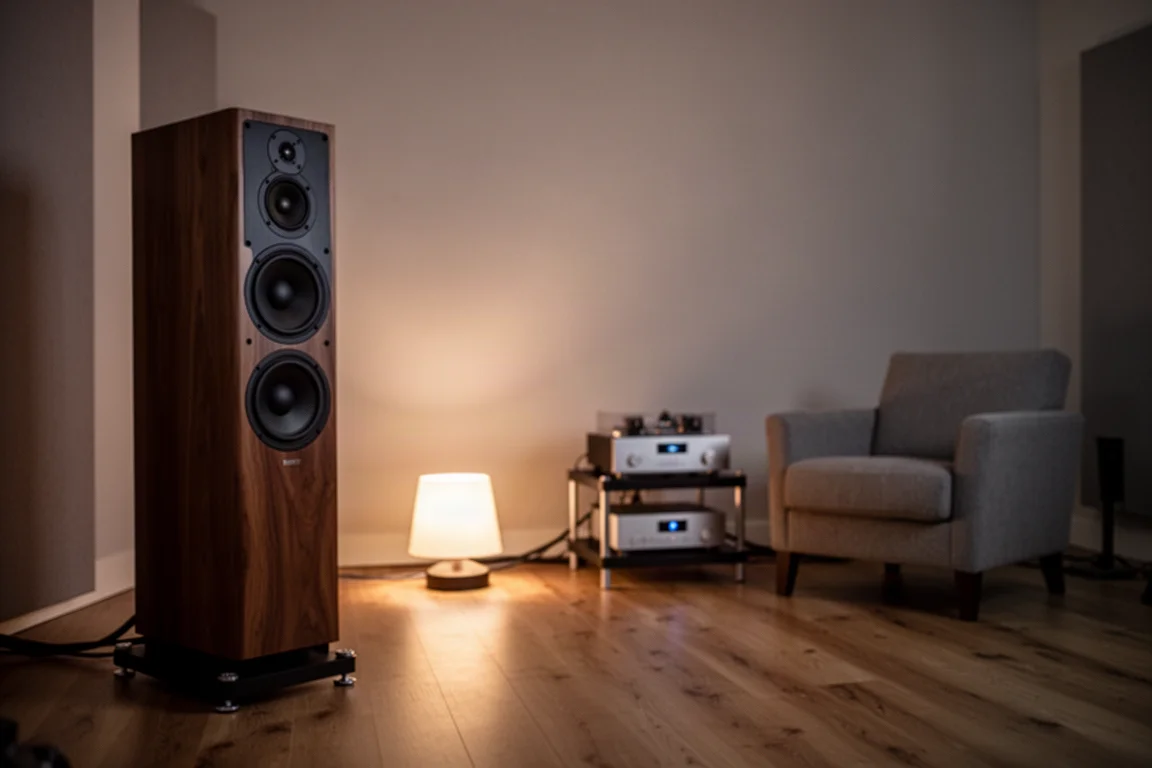
That sense of immediacy is the character to expect: an open, well focused presentation with crisp dynamic swings rather than a soft or romantic one.
Things to Consider Before Buying
The XLR only output is the biggest practical limitation. If your system is built around single ended RCA connections, budget for adapters or plan around them.
There is no remote in the box. A remote is available separately for $194, and even then it handles input selection and menu navigation only. It will not give you a volume control.
Menu navigation is a little tricky, although most owners will rarely need to go into the menus once the inputs are configured. Finally, the chassis runs warm in use, which is normal for this design but worth knowing if it will sit in a tight cabinet.
Buying Advice
At $1,094 with free worldwide shipping and a 30 day money back home trial, the Harmony Micro is a low risk purchase for the right system. The trial period means you can hear it in your own room with your own sources before committing.
Buy it if you want the resistor ladder converter and Class A output stage of a much larger DAC in a box small enough for a desk, and if your amplifier can accept balanced XLR or you are comfortable using adapters. Look elsewhere if you need RCA outputs, a bundled remote, or a simpler setup routine.
The value case is strongest for listeners who already own balanced equipment. In that setup, almost nothing about the Harmony Micro feels like a compromise.
Conclusion
The LAiV Harmony Micro DAC is remarkable for its size. It looks and feels like a far more expensive component, it runs a converter shared with a much larger model, and it delivers an open, focused sound with strong dynamic contrast. The trade offs, XLR only outputs, no bundled remote, and slightly fiddly menus, are real but easy to live with. For a compact desktop system with balanced connections, it is a genuinely compelling option.
Product link
View more details for LAiV Harmony Micro DAC
This product is mentioned in the review. Check the specifications, options, and compatibility before buying.
View more details for LAiV Harmony Micro DACFurther reading
Related Reviews
DACs
Denafrips Pontus II vs Ares II: Which R2R DAC Fits Your System?
A practical comparison of two Denafrips R2R converters: what the Pontus II adds over the Ares II, and which one makes more sense for a typical system.
DACs
Eversolo DAC-Z10 Review: A Feature-Packed DAC and Preamp in One Box
A close look at the Eversolo DAC-Z10, a $1,980 converter and preamp with a configurable touch display, a very wide input selection, and refined sound.
DACs
Geshelli Labs Torque DAC Review: A Modular Converter That Changes With Your System
A close look at the Geshelli Labs Torque, a US-made modular DAC that lets you swap converter boards and output modules instead of replacing the whole unit.