Hi-Fi Audio
LAiV Harmony DAC Review: A Balanced R2R Converter With Standout Build Quality
A close look at the LAiV Harmony DAC, a resistor-ladder converter with a comfortable, balanced sound, excellent build quality, and a modular interior built for future upgrades.
Introduction
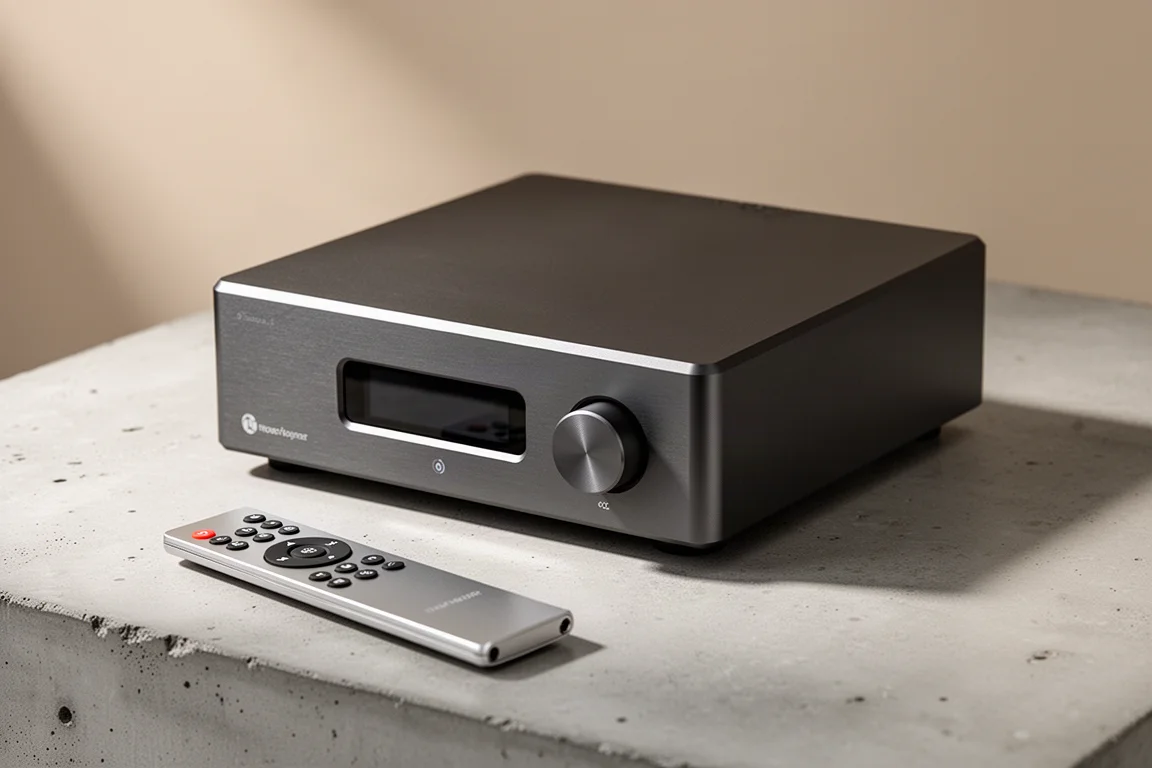
The LAiV Harmony DAC is a resistor-ladder digital-to-analog converter from a Singapore-based team whose engineers handle the design and manufacturing in Singapore. The people behind the brand previously handled distribution and customer support for Denafrips products in Singapore and internationally, which gives them a well-established reputation for after-sales care. The Harmony itself is an independent design with no engineering connection to Denafrips.
For anyone used to off-the-shelf delta-sigma converter chips from the usual semiconductor suppliers, an R2R ladder is a different philosophy. Instead of a purchased chip, conversion is handled by a network of resistors arranged as a ladder. The result is often described as warmer, more organic, and easier to listen to, with a stronger sense of layering and a more three-dimensional presentation. That character is the main reason listeners gravitate toward this category, and it is the standard the Harmony is measured against here.
Who the LAiV Harmony DAC Is For
The Harmony is a strong entry point for listeners who are new to R2R conversion and want a well-rounded introduction rather than a specialized flavor. Buyers working with a budget under $3,000 get the hallmarks of the category: natural tone, useful warmth, and a musical character that holds up over long listening sessions.
It also suits listeners who are sensitive to high frequencies. The treble stays controlled without smearing detail, which makes the converter comfortable to pair with brighter speakers and amplifiers.
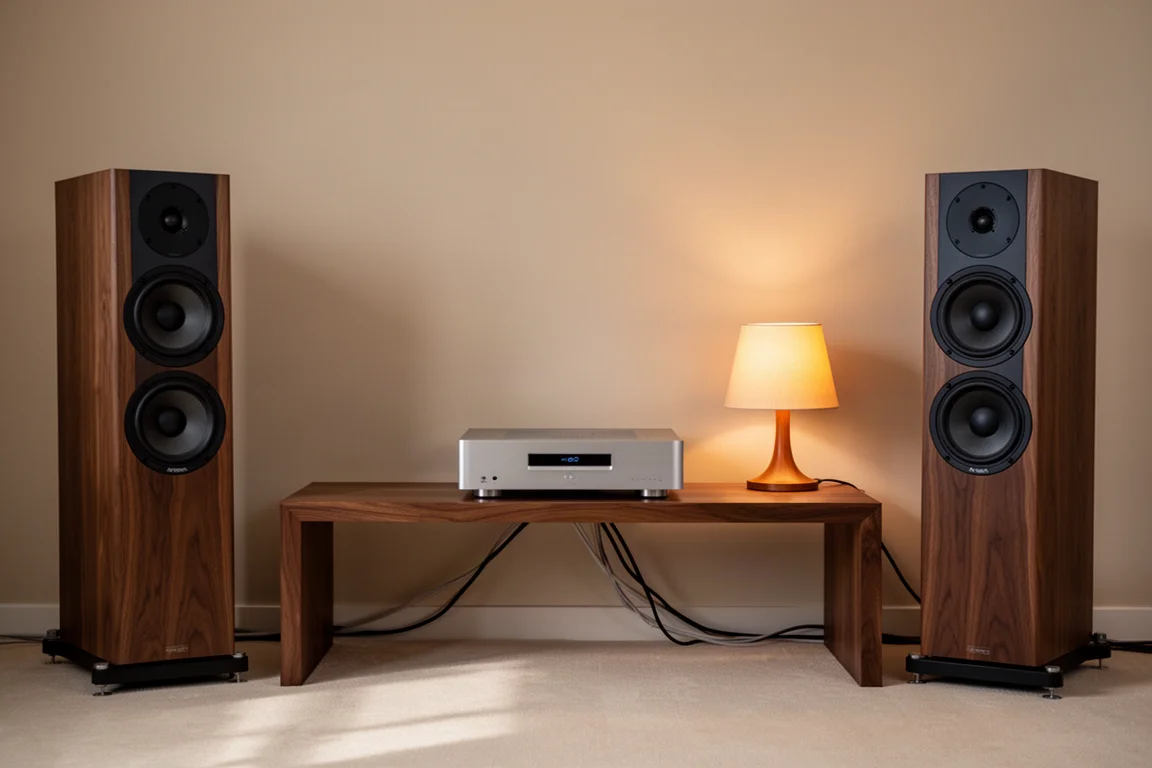
Presentation is part of the appeal as well. The chassis work, the accessories, and the remote all sit above what is typical at this price point, and the internal layout is tidy enough to be worth showing off. Buyers who care about build quality and a considered unboxing experience will not be disappointed, even if they are coming from far more expensive components.
Finally, the Harmony makes sense for anyone who values customer service and a route to future improvements. The support team carries a strong reputation from its previous role, and the modular interior suggests that upgrades can be swapped in over time instead of replacing the entire converter.
Design and Build Quality
The Harmony is physically smaller than the flagship converters it is often compared against, yet its build quality is arguably better. The aluminum chassis has a substantial, well-finished feel, and the same care carries through to the buttons and the control dials. The supplied remote is unusually well made for this class of product.
The unit ships with spikes and includes small built-in spike holders, which points to a planned stack of matching components later on. Spikes do have a practical downside: they can scratch the surfaces they rest on, so buyers who reposition their gear regularly may prefer to leave them off.
Inside the Chassis and Modular Upgradability
The interior is as considered as the exterior. Audio Note Kaisei capacitors sit in the signal path, with Rubycon capacitors handling the rest of the board. An O-ring type transformer is used for better noise performance, silver cabling runs through the layout, and a dedicated clock is built specifically for audio use.
The most distinctive element is the R2R ladder network, which is enclosed in a gold housing rather than left exposed on the board. The design is modular, and that serves two purposes: easier serviceability and a realistic upgrade path. Because the R2R network itself is part of that modular approach, there is a credible possibility of future upgrades that do not require replacing the whole converter.
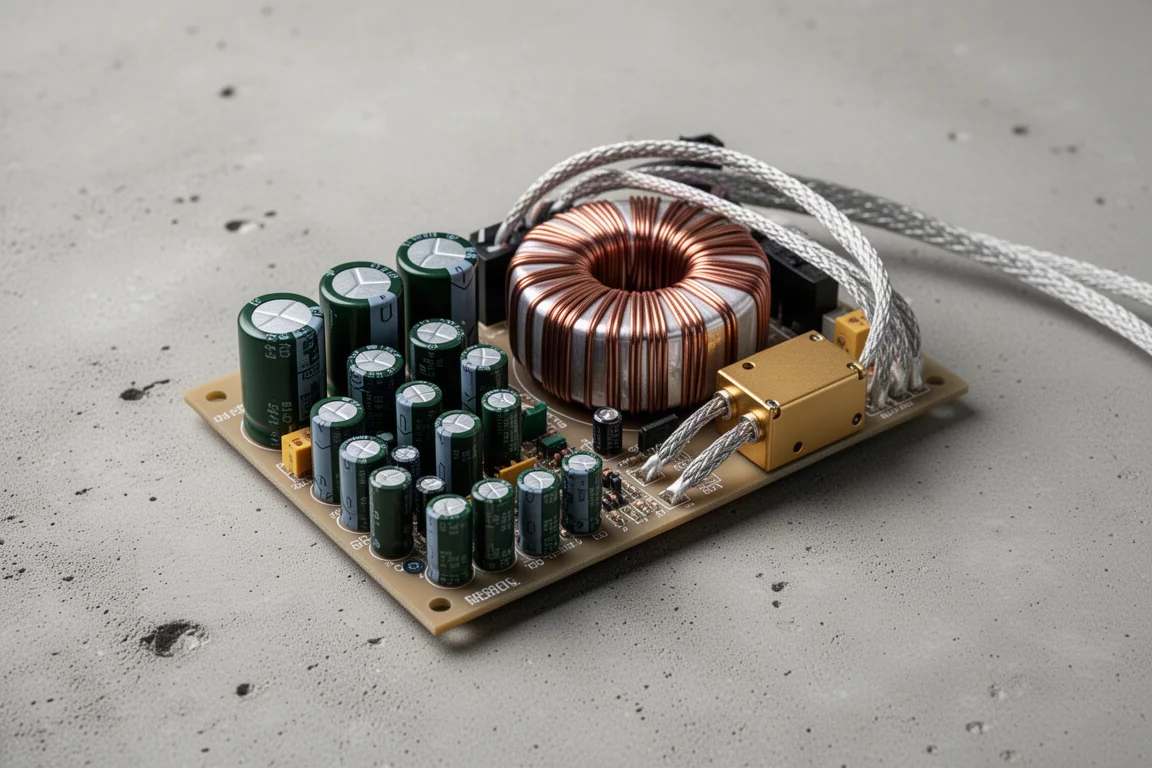
Taken together, the layout points to a product built for a long service life rather than a short shelf life. For buyers who keep their gear for years, that is a meaningful part of the value.
Sound Characteristics and Listening Modes
The Harmony offers two operating modes. In non-oversampling (NOS) mode, transients are softer and the sound is warmer and richer, which is the classic R2R presentation. In oversampling (OS) mode, transients are quicker, the high frequencies are more lifted, and the edges of instruments, vocals, and strings gain definition. Both modes work well, and the better choice depends on the system and the music.
If one word describes the overall sound, it is comfortable. The tuning sits between two familiar house sounds: one that leans toward detail, nuance, and finesse, and another that leans warmer and more inviting. The Harmony lands between them and is arguably the most balanced of the three. It does not deliver an immediate wow factor, but it rewards familiarity.
Soundstage is a particular strength. Rather than a flat wall of sound, the Harmony presents width and depth with good layering, and instruments are easier to separate within that space. That layering contributes a sense of nuance and detail that competes well even against converters known for their resolution.
How the Harmony Compares to Other R2R DACs
The Harmony does not reach the flagship level of the Denafrips Terminator or the Holo Audio May, both of which cost nearly double. Transient speed and fine detail still favor the Denafrips house sound by a small margin, and the Harmony is not quite as warm as the Holo Audio designs.
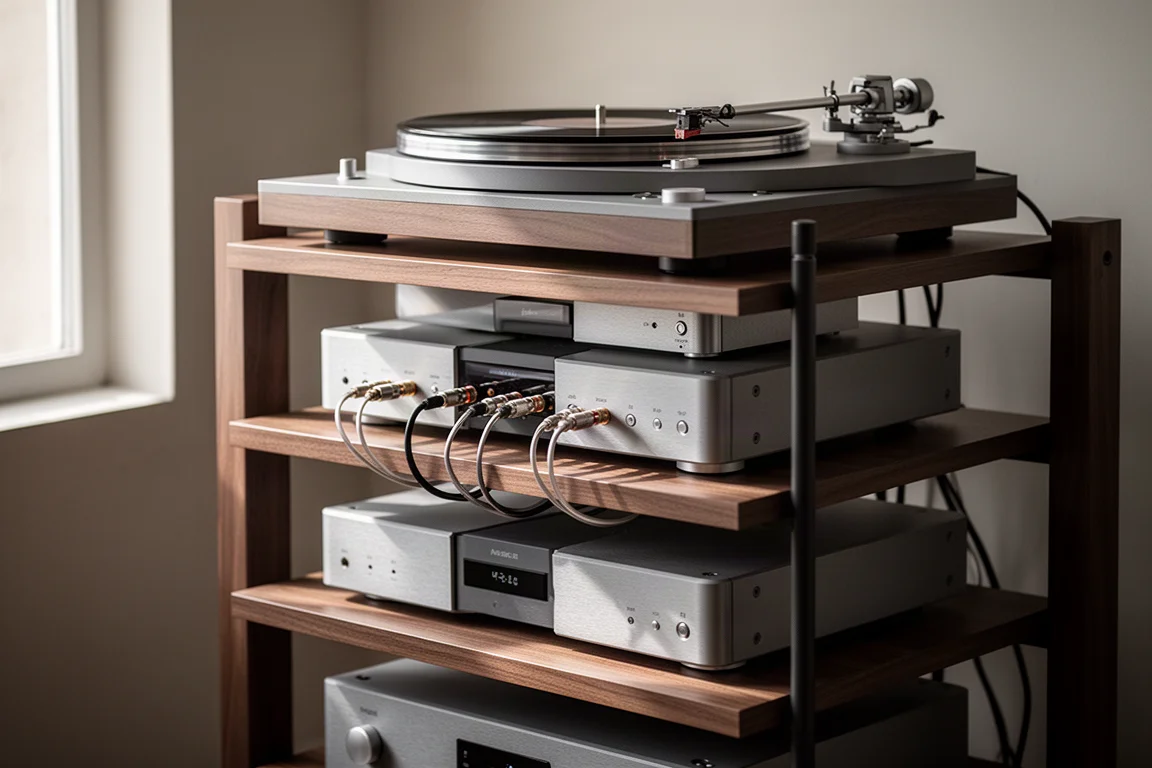
The closer comparisons are the mid-tier models. The Denafrips Pontus 15th offers better micro-detail and nuance, while the Holo Audio Spring 2 delivers more warmth and softer transients. Against both, the Harmony’s advantage is balance: it keeps a warm-leaning character while staying more open in the high frequencies, and it is easier to match with already warm speakers or amplifiers, particularly in OS mode. Its layered soundstage is also a genuine point of separation.
Things to Consider Before Buying
The analog output impedance is on the high side: 600 ohms for the RCA outputs and 1,200 ohms for the XLR outputs. Most components have high input impedance and will not be affected, but some designs, passive preamplifiers in particular, run low input impedance and can create compatibility problems. If there is any doubt, confirm compatibility with the manufacturer or the component maker before buying.
Connectivity covers what most systems need. Digital inputs include I2S and USB, and the coaxial input adds a useful touch: with a CD transport connected, track information can be displayed on the converter. Eight selectable I2S modes improve compatibility with a wide range of sources, and both RCA and XLR analog outputs are provided.
System context matters too. Owners of older-generation Denafrips Pontus converters will likely see the Harmony as an upgrade. Owners of the current Pontus 15th who enjoy its detail but find it a touch too brilliant may prefer the Harmony’s warmer, easier presentation. Holo Audio owners who find their converter too warm in their own system should also take a close look, since the Harmony retains warmth while opening up the top end.
Buying Advice
The Harmony is one of the most attractive R2R converters in its class, and it earns that position through balance rather than a single standout trait. Buyers get a comfortable, musical sound with strong layering, excellent build quality, a well-made remote, and an interior designed to support future upgrades.
It is not the right answer for every system. Listeners who prioritize maximum transient speed and micro-detail, or who specifically want the richest and warmest presentation available, will find more satisfaction elsewhere. For everyone else, particularly those building a first R2R system or moving up from an older converter, the Harmony is a confident recommendation.
The purchase terms add to the case. Pricing includes duties and free shipping for selected countries, and a 30-day return policy provides a safety net for buyers who want to audition the converter in their own room.
Conclusion
The LAiV Harmony DAC delivers what makes R2R conversion appealing, natural tone, warmth, and a layered soundstage, in a package that is better built than most of its competition. It does not dethrone flagship converters, and it does not need to. As a balanced, comfortable, and well-supported converter, it stands as one of the most compelling options in its price range.
Product link
View more details for LAiV Harmony DAC
This product is mentioned in the review. Check the specifications, options, and compatibility before buying.
View more details for LAiV Harmony DACFurther reading
Related Reviews
Hi-Fi Audio
Accuphase C-57 vs Allnic H-7000V: Two High-End Phono Stages Compared
A fully balanced solid-state phono stage with a pitch-black noise floor meets a tube design built for well-loved records. Here is how to choose between them.
Hi-Fi Audio
Active vs Passive Hi-Fi: Five Components for a Modern System
Five components that define modern active and passive hi-fi systems, with the strengths, trade-offs and setup details worth weighing before you buy.
Hi-Fi Audio
Advance Paris A10 Apex Review: A Hybrid Integrated Amplifier That Covers a Lot of Ground
A French hybrid integrated amplifier with a class A tube preamp stage, analogue power meters, and an internal DAC and phono stage good enough to make extra boxes unnecessary.