Cycling Components
L2 Electronic Groupset Review: A Lower Cost Route Into Electronic Shifting
L2's first electronic groupset brings Di2-style shifting to complete bikes at a lower price. Here is what it does well, and where it still falls short.
Introduction
L2 has been a familiar name to riders hunting for well-priced mechanical groupsets, and the Chinese manufacturer’s new electronic groupset is its first. It is now offered as a complete bike option from a small UK bike brand, which matters because it turns an electronic drivetrain from a niche upgrade into something you can buy as a finished bike. It also positions L2 as a cheaper alternative to Shimano’s electronic ranges.

The idea is appealing straight away, but the details decide whether it holds up. First impressions after spending time on a bike built around the groupset are positive, and this is not a long-term durability verdict. What follows covers shifting performance, ergonomics, braking, charging and how the system stacks up against the established benchmark.
Who This Groupset Is For
This is aimed at riders who want electronic shifting without paying Shimano prices. If you have never used electronic shifting before, the move across is straightforward, because the controls behave much like the familiar layout and shifts arrive quickly. On the complete bike sampled, the groupset was fitted to a gravel, adventure and cyclocross-oriented platform.
Riders who already own a Shimano Di2 bike are a different case. The L2 system follows a very similar approach, but it is a first-generation electronic product from a company with far less experience in this area, and that shows up in small ways rather than large ones.
Design, Finish and Build Quality
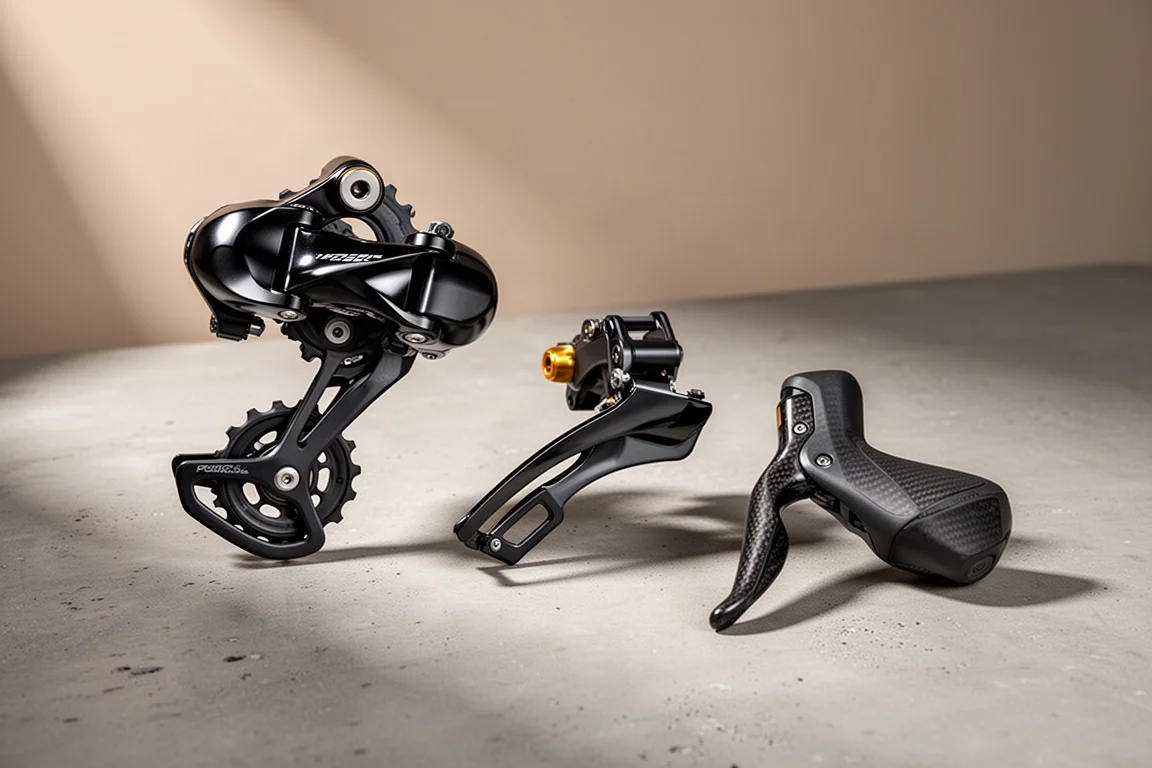
The groupset arrives in a gloss black finish with gold logos on the rear derailleur, the front derailleur and the brake levers, and the lever bodies are carbon fibre. In person it reads as a high-end product rather than a budget one.
The architecture will be familiar to anyone who has used Shimano Di2. The shifters and levers are wireless, while the front and rear derailleurs are wired to a battery housed inside the frame. Charging happens through a port on the back of the rear derailleur, and the battery is claimed to last around 3,000 kilometres on a charge.
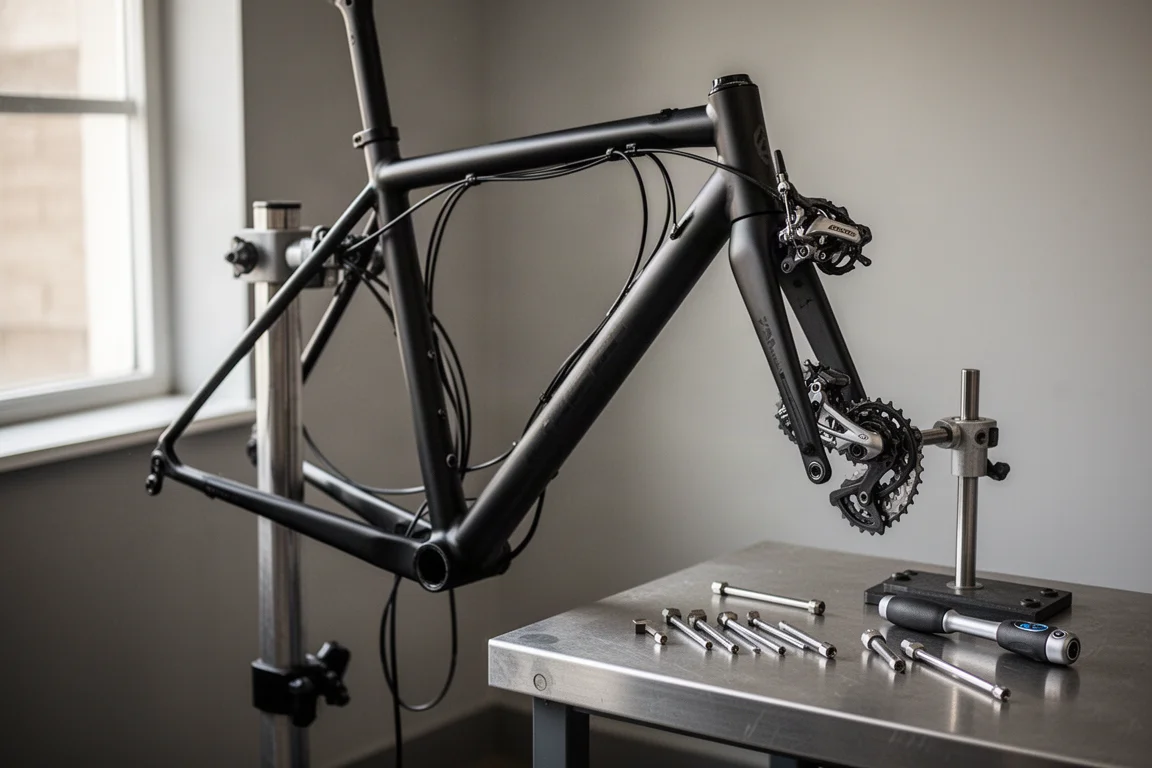
Not every part is equally polished. The rear derailleur looks purposeful, while the front derailleur is bulky and chunky by comparison. The bigger caveat is that this is not a complete groupset: L2 does not currently offer its own cassette, chain or chainset, so bikes are built with a Shimano 11-34 cassette and chain plus an aluminium Z Race chainset. That keeps the price competitive, and a Shimano chainset should sharpen front shifting further.
Ergonomics and Shifting Feel
The hoods and levers make a strong first impression. The lever body has a shape that anchors the hand well on rough ground and on descents, the rubber has a useful texture, and the body is taller than Shimano’s while staying slim through the middle with good length from front to back.
Shifting uses two paddles behind each brake lever, one for up and one for down, at both the front and the rear. The action is light, and feedback is both tactile and audible, so you know a shift has registered. Rear shifts are precise, with no skipped or missed gears, although there is an occasional slight delay. Front shifting is just as impressive, moving the chain between the two rings quickly and nearly as fast as Di2.
The controls are not quite as reassuringly built as Shimano’s, but that is a minor criticism given the price and the fact that this is a first attempt.
Braking Performance and Battery Life
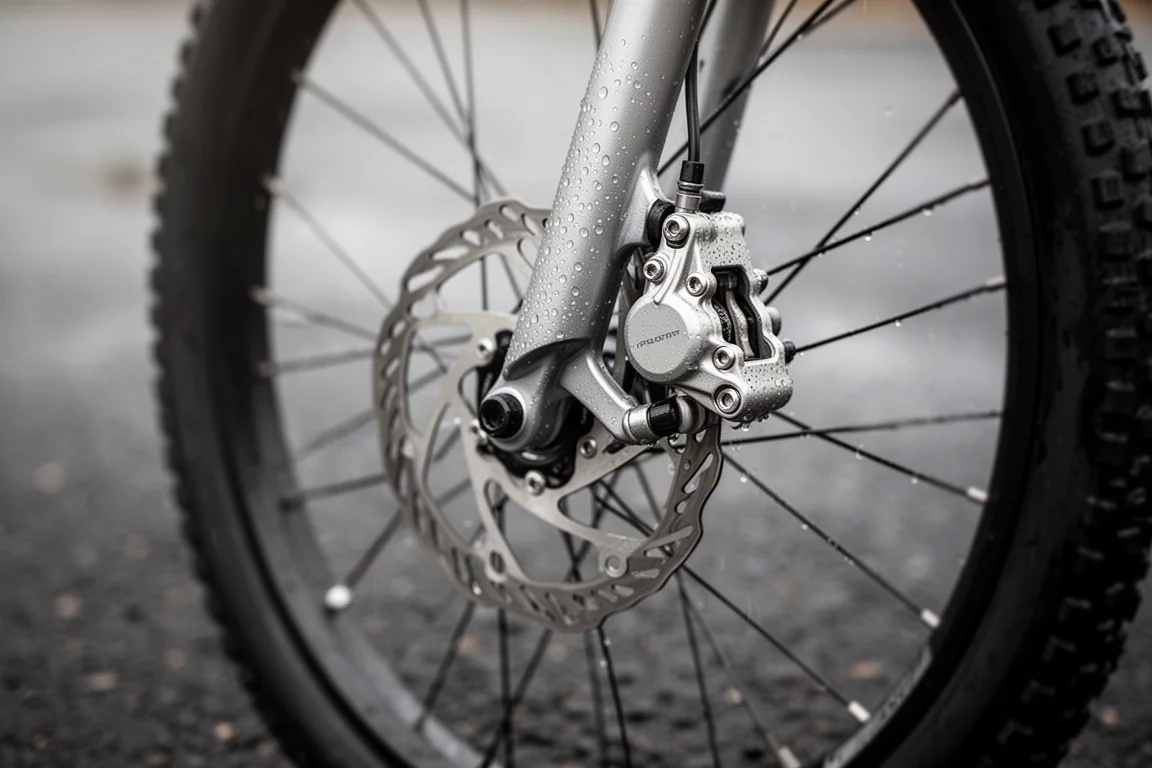
Braking comes from hydraulic disc brakes. The levers feel firm at the bite point rather than soft or mushy, although a lot of that depends on how well the system is bled. The rotors fitted to the bike sampled did not flatter outright stopping power, so a firm verdict on braking performance and long-term durability is best left until more miles are covered.
Charging is simple and infrequent. With a claimed 3,000 kilometres between charges, most riders will top the system up a handful of times a year rather than think about it every week.
Things to Consider Before Buying
The most important thing to know is that L2 does not sell this as a complete groupset. Without its own cassette, chain and chainset, you are relying on a mixed build, and that should be factored into the cost of any upgrade.
There are smaller compromises too. The front derailleur is bulky, the shifting is not quite as polished as Shimano Di2, and this remains a first-generation electronic product. Riders coming from Di2 may notice the difference, while riders new to electronic shifting are unlikely to feel short-changed.
Buying Advice
Price is where the case is strongest. A complete bike built around this groupset retails at 3,600 pounds, which is 600 pounds less than the same frame with a Shimano 105 Di2 groupset. A second platform, an aero road bike, is offered with the same groupset at 3,800 pounds. By comparison, electronic shifting builds from established brands commonly start around 4,000 pounds and run up to 7,000 pounds in some cases.
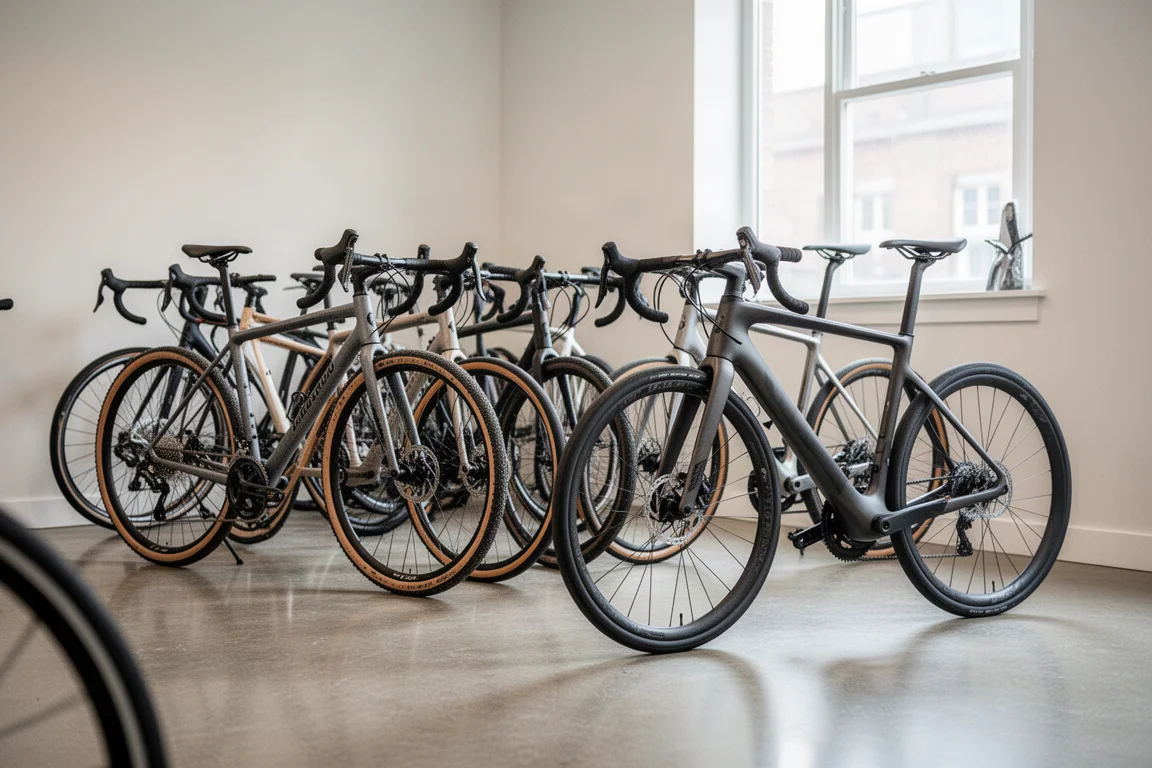
Buying through a bike brand rather than as a loose groupset is the more sensible route, because the brand looks after warranty and after-sales support. That combination of a lower price and proper backing is what makes the L2 groupset a genuinely interesting option.
Conclusion
L2’s first electronic groupset is a credible alternative for riders who want the feel of electronic shifting without Shimano pricing. The ergonomics are good, shifting is quick and reliable, and the price gap against 105 Di2 is significant.
The trade-offs are honest ones: a mixed drivetrain, a bulky front derailleur and slightly less polish than Di2. For anyone new to electronic shifting, those are unlikely to outweigh the saving.
Product link
View more details for L2 Electronic Groupset
This product is mentioned in the review. Check the specifications, options, and compatibility before buying.
View more details for L2 Electronic GroupsetFurther reading
Related Reviews
Cycling Components
A 20,000-Mile Budget Race Bike Build: Five Parts Worth Knowing
A rim brake race bike assembled from low-cost components and ridden for 20,000 miles. Here is what delivered real speed, what caused problems, and what to weigh before copying the formula.
Cycling Components
7 Bike Fit Products Fitters Avoid: What to Check Before You Buy
Seven bike components that regularly cause knee, foot and saddle problems, with the specific concerns behind each one and what to look for instead.
Cycling Components
Four Affordable Bike Upgrades That Improve Ride Feel
Four low-cost cycling products that make a real difference to ride feel, plus the free setup changes worth trying first.