Backpacking Gear
Kuiu Peloton 97 Review: A 5.8-Ounce Fleece After 2,200 Miles
A long-term look at the Kuiu Peloton 97, a 5.8-ounce hooded half-zip fleece that has covered roughly 2,200 miles of hiking and still holds together.
Introduction
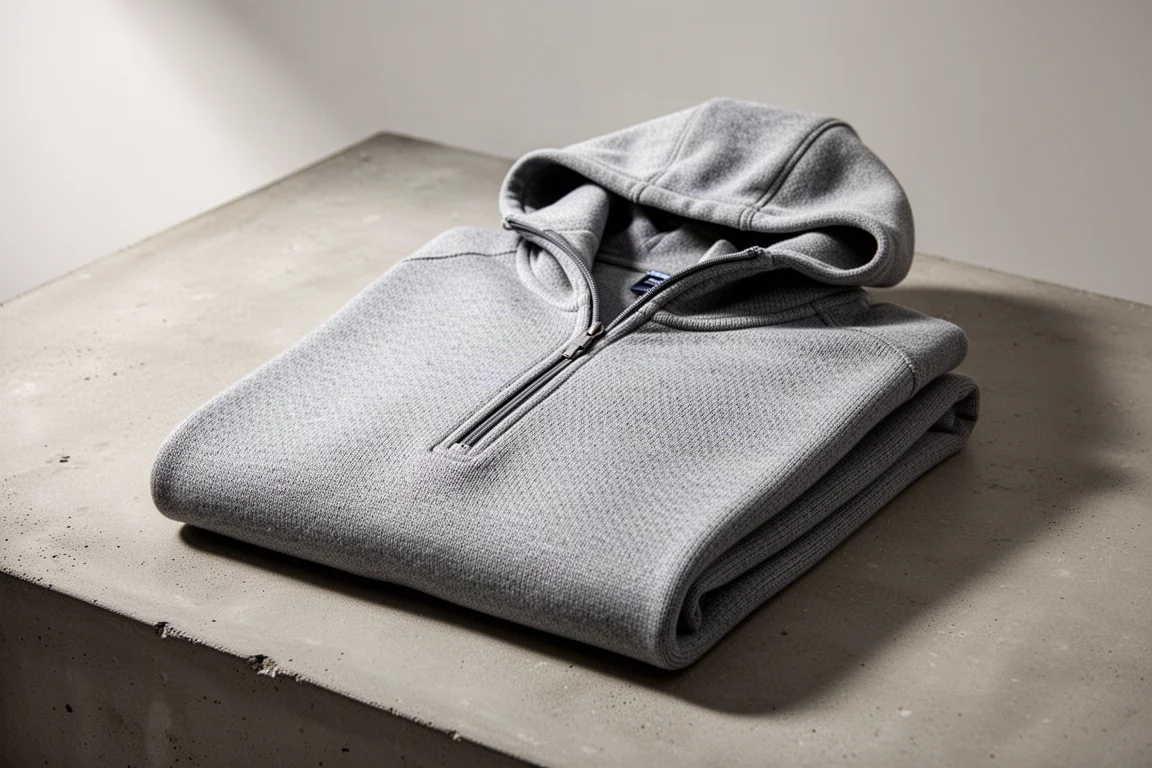
The Kuiu Peloton 97 has been in steady use since 2018, covering roughly 2,200 miles of hiking along the way. It is a hooded half-zip fleece with thumb holes and very little else. That short feature list is exactly the point.
Kuiu is a hunting apparel and backpack company, which is worth knowing before you buy if that matters to you. The garment itself stands on its own merits as a backpacking mid-layer.

The Peloton 97 sits in a specific slot in a layering system. In colder conditions it goes over a standard base shirt and under a rain shell, which covers a wide range of three-season hiking without adding much weight or bulk to a pack.
Who This Fleece Is For
This fleece rewards a particular style of hiking. If you wake up, pack your things, and start walking, you generate most of your own warmth through movement. A thin fleece worn while walking keeps you warm without overheating, and it breathes well enough that you are not stopping to strip layers every twenty minutes.
If your trips look different, the calculus changes. Hikers who linger around camp in the morning or sit still in the evening will find a fleece does not hold much warmth when the body is static. That is where a puffy jacket earns its place, because the thick insulating layer between you and the cold is what keeps you comfortable when you are not moving.
Neither approach is wrong. It comes down to how much of your day is spent in motion, and how cold you personally run. Some people are naturally warmer than others, so the same fleece can feel like plenty on one hiker and like too little on another.
Main Strengths
The headline number is weight. A size large comes in at 5.8 ounces, which is remarkably light for a fleece. The fabric is thin enough that you can feel how little material is involved, and there is almost no bulk to compress into a pack.
The feature set is deliberately minimal: thumb holes so the sleeves pull over your hands more easily, a half zip for venting, and a hood. A hoodless version is also available if you want to shave a little more weight from your mid-layer. Beyond that there is nothing to speak of, and that restraint is a large part of why the jacket stays so light.
Fit is straightforward. A size large fits the same way a large t-shirt does, so if you know your t-shirt size you can order with confidence.
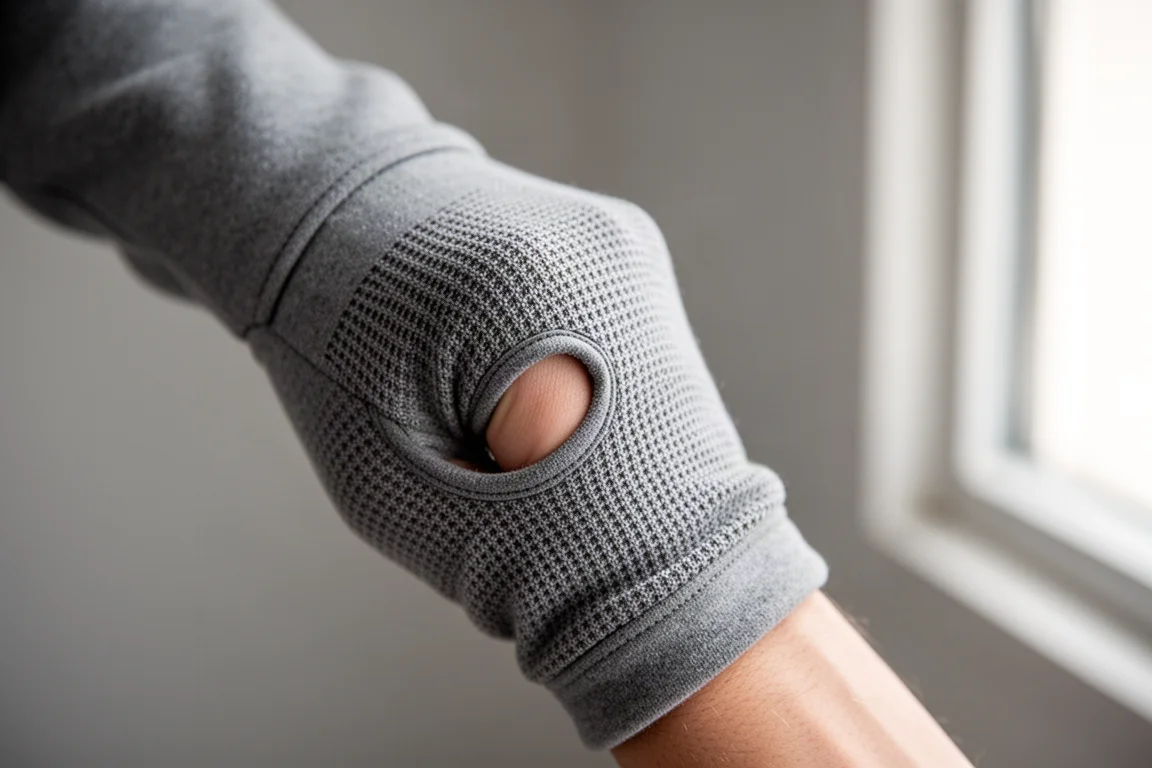
For a layer this thin, the practical appeal is versatility across a long day. It works as an outer layer on mild mornings and as a mid-layer once the weather turns.
Durability After 2,200 Miles
The most common concern raised about a fleece this thin is that it will not last. After more than 2,000 miles of use, that has not played out.
There is exactly one small hole, on the arm, and it came from the very first hike. That section involved about a mile of dense thorn bush and slow bushwhacking at roughly a quarter mile per hour, and the fleece caught on a thorn and tore. Nothing else has gone wrong since. No other holes anywhere on the garment.
That is a strong result for a very thin, very lightweight material. It suggests the fabric handles ordinary trail wear, pack straps, and repeated washing far better than its weight would imply. It is not a brush-busting shell, but it does not need to be.
Fleece Versus a Puffy Jacket
These two categories are often treated as competitors, but they suit different trips.
A down or synthetic puffy is warmer, takes up more volume in a pack, and weighs more. It is also not very breathable, which is precisely why it traps heat so effectively. That makes it the better choice for colder trips and for hikes where you expect to spend real time sitting around camp in the morning or evening.
A thin fleece is the opposite trade. It is light, packs down small, and breathes, but it relies on you moving to stay warm. It is the better choice for long walking days where you are generating heat continuously and would overheat in a puffy.
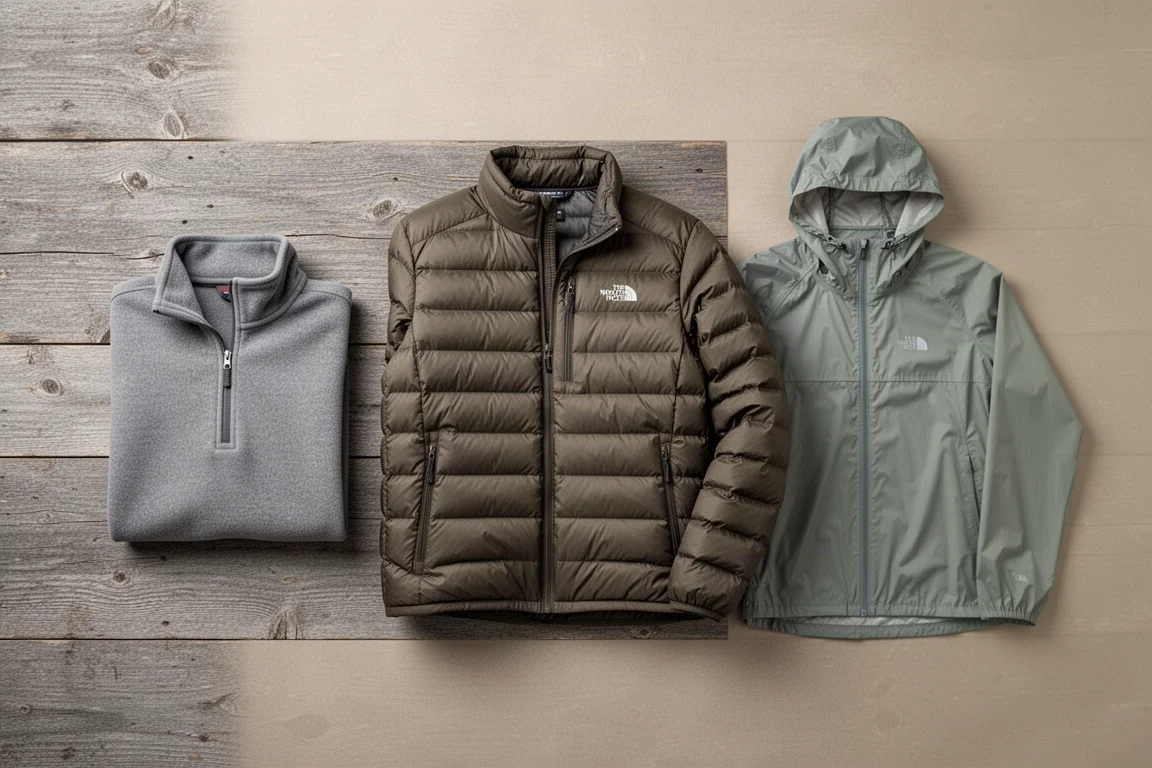
Many hikers end up carrying both, using the fleece while moving and the puffy when stopped. If you only want one layer and you walk all day, the fleece is the more useful of the two.
Things to Consider Before Buying
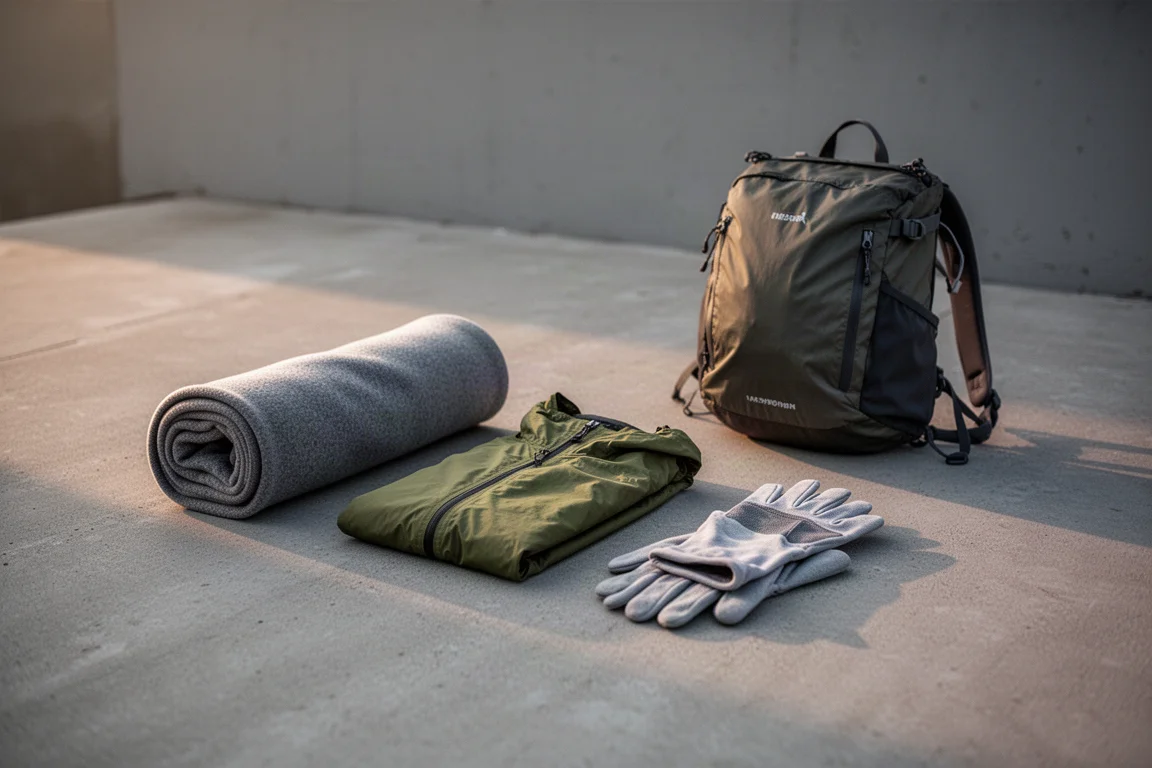
The one genuine omission is a kangaroo pocket. There is nowhere to put your hands or stash a phone briefly, and on trips where you know it will be cold, it is easy to find yourself packing a pair of gloves that weigh an ounce or two when a pocket might have weighed less and been more comfortable.
There is a counterargument, though. Once temperatures drop toward 30 degrees or into the 20s, the fleece is usually worn under a rain jacket, and a kangaroo pocket would be inaccessible in that configuration anyway. Gloves may simply be the right answer for those conditions.
Two other points are worth weighing. First, the fabric is thin, so treat it as a mid-layer rather than a shield against heavy brush. Second, the hooded version adds a little weight; if you want the lightest possible setup and do not need the hood, the hoodless option exists.
Buying Advice
The Peloton 97 sells for roughly $90 to $100. It comes in a few colorways, including an urban camo pattern, and flatter options such as black, gray, white, and possibly green if the camo look is not for you.
Availability is a quiet advantage. Kuiu is a large company that keeps producing this line, so restocking and replacement should not be a worry down the road.
If that price is more than you want to spend, there is a well-known budget route. Decathlon makes very inexpensive fleece sweaters, in the region of $20 to $30, and they have a solid following among hikers who use and trust them. A fleece at that price will very likely do the same job. It may not be as light or use the same fabric, but the core function is the same.
The decision comes down to what you value. If low weight is the priority and you want a proven piece of gear that has already logged thousands of miles, the Peloton 97 justifies its price. If you want a functional fleece for as little as possible, the budget alternative is a reasonable place to start.
Conclusion
The Kuiu Peloton 97 is a no-frills fleece that does one thing very well: it keeps a moving hiker warm at 5.8 ounces in a size large. Thumb holes, a half zip, and a hood are all it offers, and after roughly 2,200 miles it has held up with a single small hole from a thorn bush.
It suits hikers who walk all day and want a breathable mid-layer under a rain shell. If you spend long hours sitting still in the cold, a puffy jacket will serve you better. If you fit the use case, this is a light, durable layer that is easy to recommend.
Product link
View more details for KUIU Peloton 97
This product is mentioned in the review. Check the specifications, options, and compatibility before buying.
View more details for KUIU Peloton 97Further reading
Related Reviews

Backpacking Gear
Building a 10 lb Base Weight: An Ultralight Backpacking Gear List
A practical walkthrough of the ultralight pieces behind a 10 lb base weight, from a 765 g pack and a roomy one-person tent to a full camp chair and a dependable water filter.
Backpacking Gear
A 15-Pound Lightweight Backpacking Gear List for Solo Trips
A beginner-friendly 15-pound backpacking setup built from easy-to-find gear, with notes on what each piece does, how it packs, and where to spend your attention.
Backpacking Gear
8 Ultralight Backpacking Gear Upgrades Worth Carrying
Eight small, affordable backpacking upgrades that solve real trail annoyances, from a pillow that stays put to a fuel valve that rescues leftover canister gas.