Backpacking Tents
KUIU Mountain Star 2P Tent Review: A Three-Season Shelter With a Fly-First Pitch
A lightweight two-person backpacking tent with a fly-first pitch, 12,200 mm waterproofing, and a well-ventilated all-mesh body.
Introduction
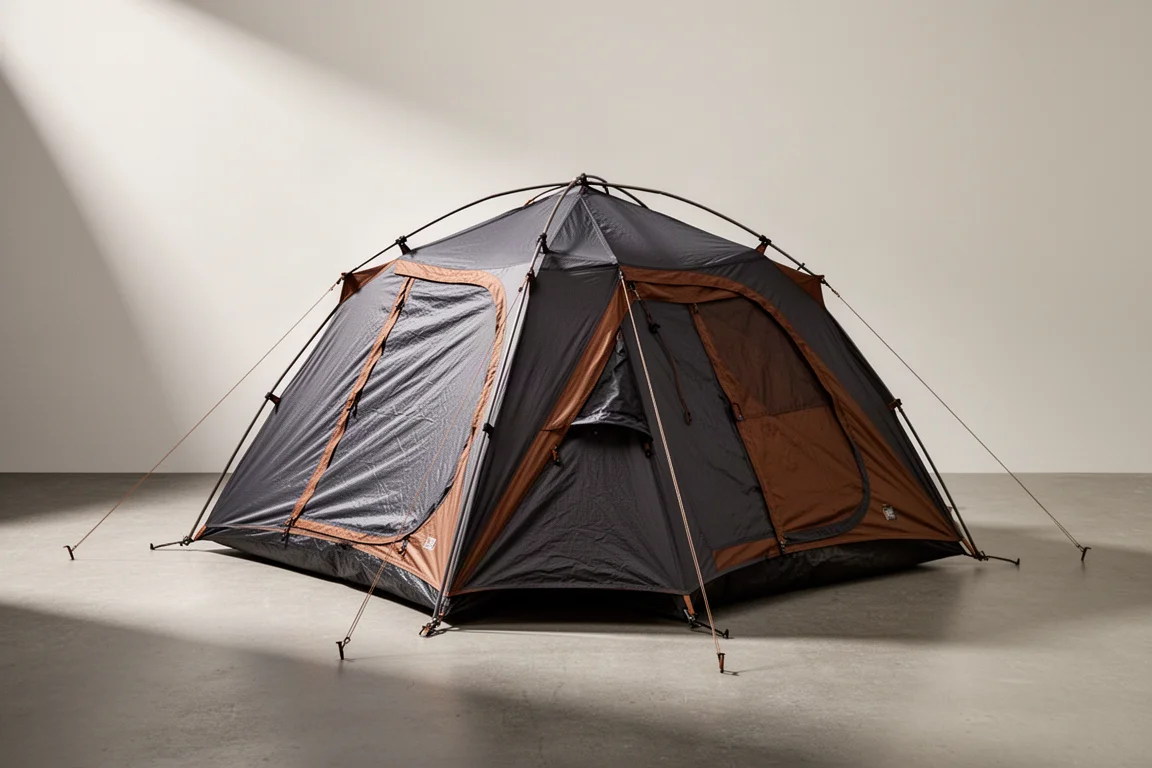
KUIU is best known for hunting bags and clothing, and the Mountain Star 2P is the company’s two-person backpacking tent. It is a three-season shelter with three poles, two doors, and a measured interior of 78 inches long, 41 inches wide, and 37 inches high. The complete setup weighed 3.6 lb on a scale.
What sets it apart from most tents sold in the United States is the fly-first pitch. The rainfly goes up before the inner body, so the interior stays dry while the tent is assembled in rain and only the outside gets wet. After four trips, including one stretch of strong wind and heavy rain, the shelter stayed fully waterproof and the airflow inside held up well.
The tent alone is listed at around $480. A bundle that adds the gear caddy and a ground sheet was available for $352 with carbon fiber poles, which shifts the value picture considerably.
Who This Tent Is For
The Mountain Star 2P is a true two-person tent. Two adults fit with enough room to sit up and change clothes, and the vestibule space handles packs and boots. For a solo camper it is close to palatial. Because the interior measures 78 inches long, sleepers up to roughly 6 ft 5 in should fit without pressing against the walls.
The fly-first pitch makes it a strong candidate for anyone who camps in wet conditions, since the inner tent never has to be exposed during setup. It is also a sensible choice for warm-weather trips where ventilation matters more than heat retention.
Main Strengths
Fly-First Pitch and a Simple Setup
The tent uses three poles: two of equal length and a shorter cross pole that spans the top. Sleeves are color coded and paired with clips, so alignment is obvious. The sleeves are smooth and generously sized, which keeps pole insertion and removal easy. Setup takes about seven minutes, and breakdown is similar.
The shelter is semi-freestanding. The body stands on its own with the poles, but the doors need to be staked out. Stakeout points on the doors are adjustable, and there are four guy lines, two on each side.
Weather Protection and Ventilation
The fly and the floor both carry a 12,200 mm waterproof rating. The fly is 15D silicone-treated, PU-coated ripstop nylon, the floor is a 20D silicone-treated, PU-coated ripstop nylon, and the mesh body is 15D nylon.
Two vents, one on each side, can be opened and closed from inside the tent with zippers. That matters when weather turns overnight: you can leave the vents open at bedtime and close them without stepping outside. The rainfly sits high enough to let air pass underneath and into the body, and once the tent is staked out the pole structure feels rigid and handles wind well. Condensation is possible in any tent, but the airflow here keeps it well controlled.
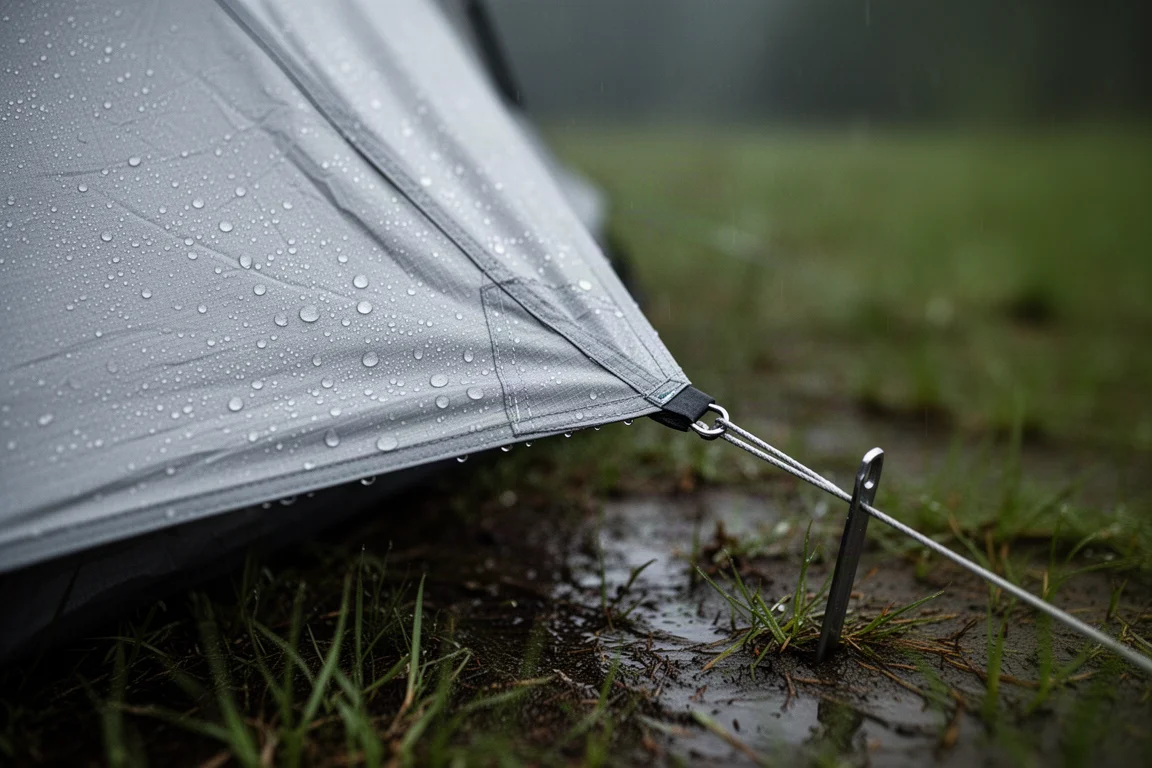
In testing the tent stayed completely dry through wind and rain, and the ventilation stood out as one of its strongest traits.
Interior Space and Liveability
Inside, the body is entirely mesh, with four mesh pockets, one in each corner. The floor is a bathtub design with taped seams. Both doors have storm flaps over the zippers and panels that roll back; rolling back one creates enough vestibule space for a backpack and boots, and the second door mirrors that setup on the other side.
There is a hanging line at the top of the tent and a mounting point for the gear caddy that ships with the bundle.
Weight, Packed Size, and Build Quality
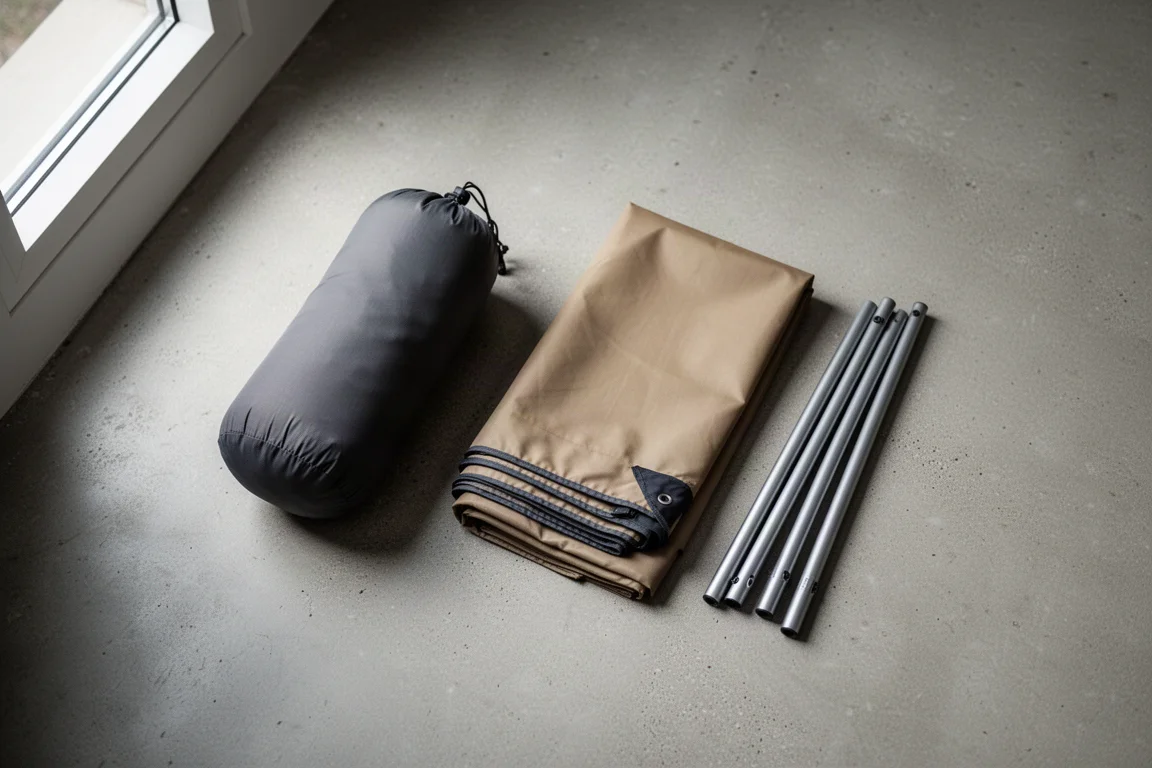
The complete setup weighed 3.6 lb, and the packed size is 18.5 in by 5 in. Poles are available in aluminum or carbon fiber; the carbon fiber option is the lighter choice, and stepping down to aluminum saves about $10.
Build quality holds up to close inspection. Seam work and seam tape look clean, there are no loose threads, and the mesh is free of defects.
For a tent this size that pitches fly-first and stands firm in strong wind, staying under four pounds is a meaningful result.
Things to Consider Before Buying
The interior is mesh throughout, with no fabric panels. That makes this a three-season tent rather than the 3+ season shelter the brand describes. Hybrid 3+ season tents mix mesh with fabric to hold a little heat and block wind on colder nights, and this one does not. It can still be used in cooler months, but expect airflow through the body and plan insulation accordingly.
Only one side of the tent has a loop for attaching a line to pull the wall outward for better airflow. The other side does not offer that option.
The doors need staking to reach their full shape, so ground soft enough for stakes matters. The bundle also included two ground sheets, one brown and one gray, with the gray version noticeably lighter than the brown one at just over half a pound; the reason for two different sheets is not obvious.
At full retail, the tent alone sits at the expensive end for a three-season shelter. The gear caddy included with the bundle was not installed during testing, so its usefulness is untested here.
Buying Advice
At around $480 for the tent alone, the Mountain Star 2P is a serious purchase. The bundle changes that math: the tent, the gear caddy, and a ground sheet for $352 with carbon fiber poles included. If aluminum poles suit you, they cost about $10 less.
For anyone who camps in wet weather, the fly-first pitch alone justifies a close look, because it keeps the inner tent dry during setup in rain. That feature is uncommon in tents sold in the United States, where the usual order is inner first and fly second.
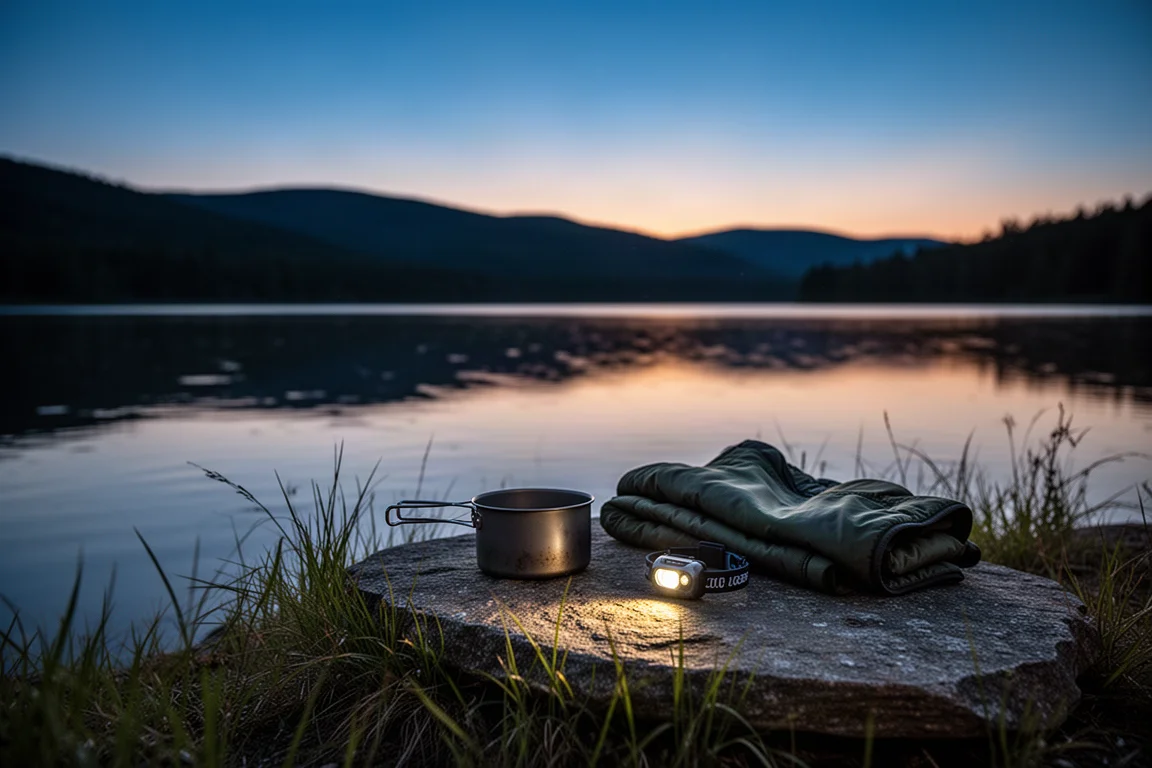
If your trips are mostly warm and dry, the ventilation and low weight still make sense, but the all-mesh body offers no cold-weather advantage. Match the tent to the conditions you actually camp in, and the price is easier to justify.
Conclusion
The KUIU Mountain Star 2P is a well-made, thoughtfully designed three-season tent. It pitches fly-first, stays waterproof in wind and rain, ventilates extremely well, and weighs 3.6 lb for a true two-person shelter. The all-mesh interior rules out the cold-weather use that the 3+ season label suggests, and full retail pricing is steep, but the bundle price makes the package far easier to recommend. Campers who spend time in wet conditions will get the most from it.
Product link
View more details for KUIU Mountain Star 2P Tent
This product is mentioned in the review. Check the specifications, options, and compatibility before buying.
View more details for KUIU Mountain Star 2P TentFurther reading
Related Reviews
Backpacking Tents
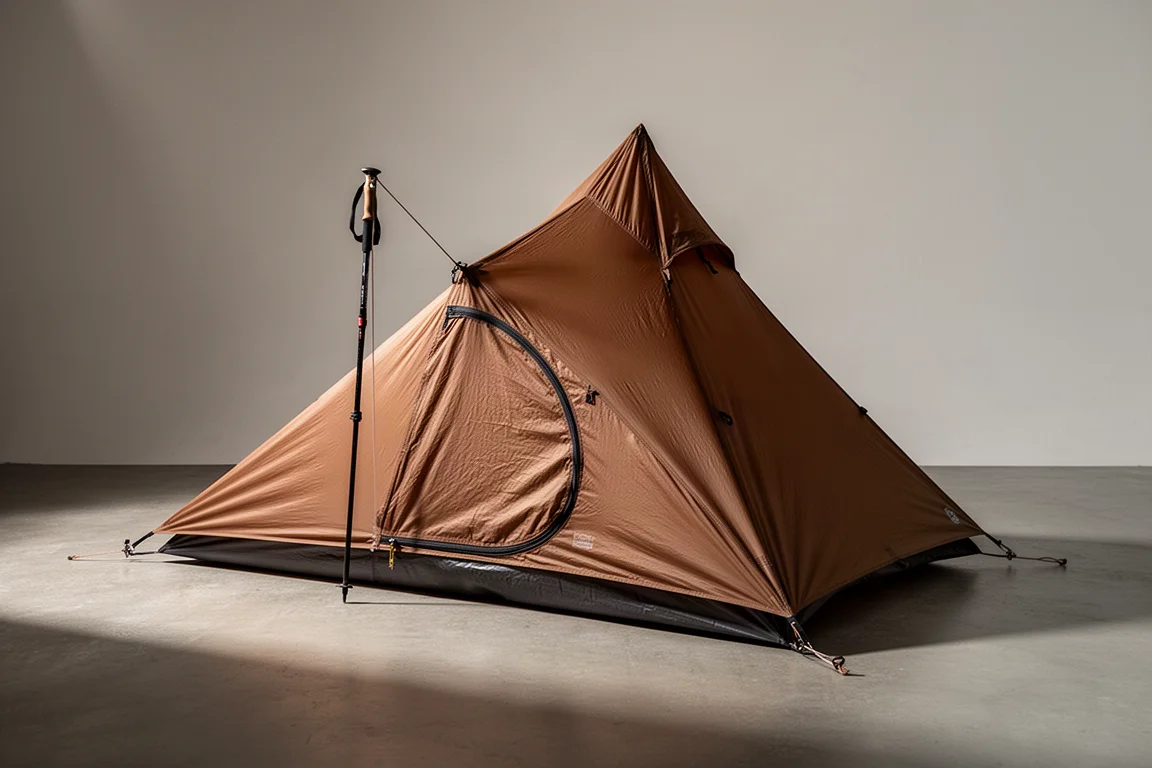
3F UL Lanchan Pro 1 Review: A 1 lb 8 oz Single-Wall Trekking Pole Tent
A practical look at the 3F UL Lanchan Pro 1, a single-wall trekking pole shelter with a 1 lb 8 oz weight, 20D silnylon fabrics, and a roomy 90 x 31 x 49 inch interior.
Backpacking Tents
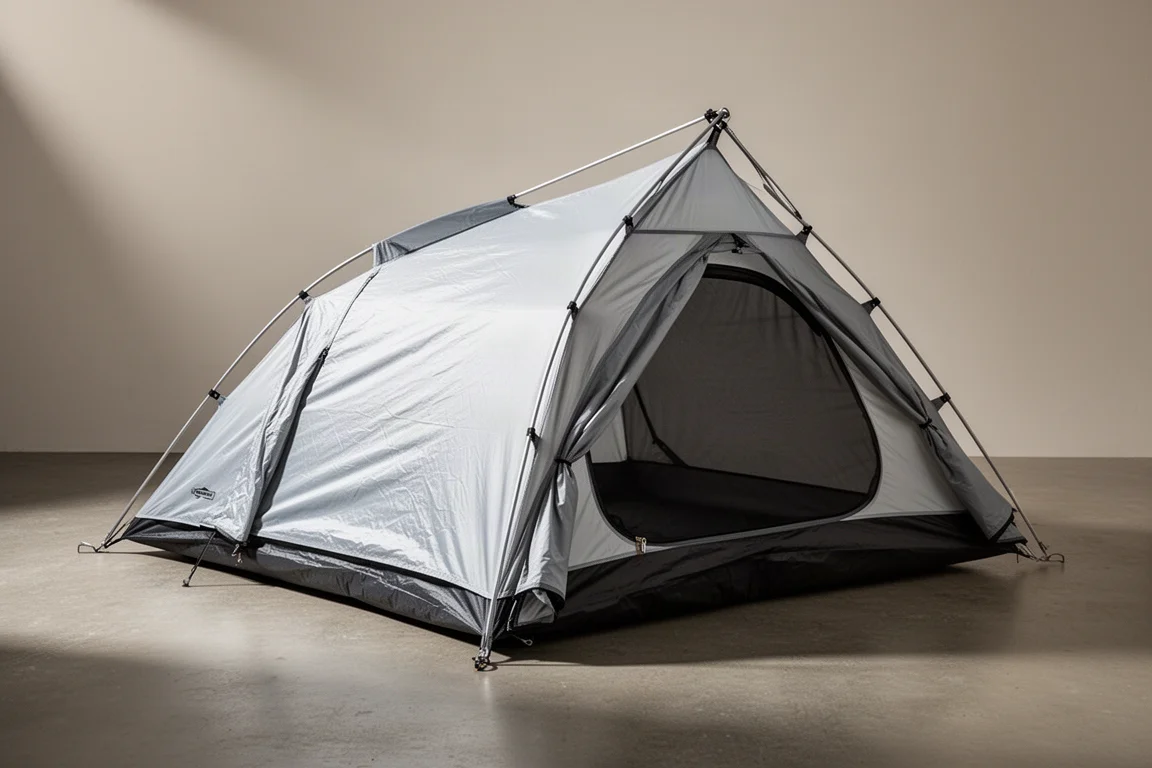
3F UL Taiji 2-Person Tent: A Convertible Backpacking Shelter Worth a Closer Look
A practical look at the 3F UL Taiji two-person tent, covering its materials, true two-person interior, fly-first pitching, and the seasonal inner swap that lets one shelter cover more of the year.
Backpacking Tents
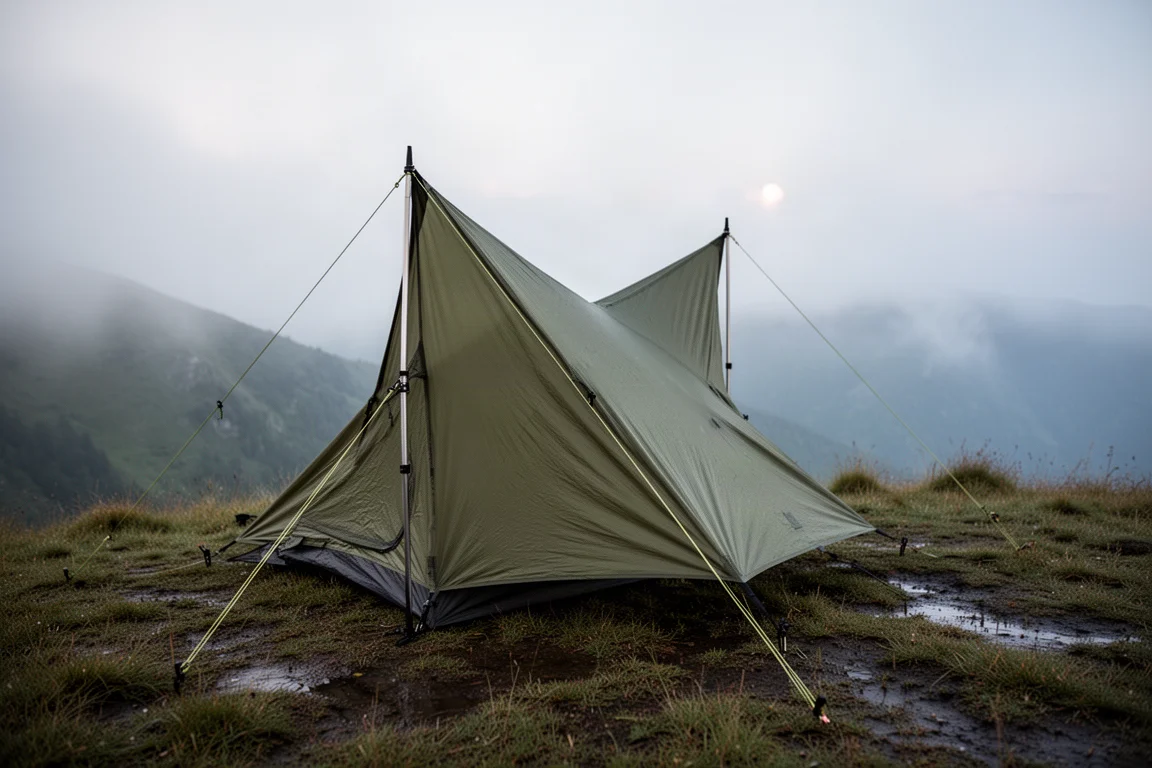
3FUL Lanshan Twoerson Pro Review: A Light Trekking Pole Shelter That Struggled in Rain
A two-person trekking pole shelter with a 2026 redesign, pitched with sticks and put through a night of steady rain. Here is what worked, what did not, and what to check before buying.