Aviation
K's Speedster Kit Aircraft: A Vintage-Looking Two-Seat Homebuilt That Is Faster to Build Than It Looks
K's Speedster is a two-seat side-by-side kit aircraft with aluminum wings, a steel tube fuselage, and build times around 1,200 hours. Here is what makes it stand out and what to weigh before committing.
Introduction
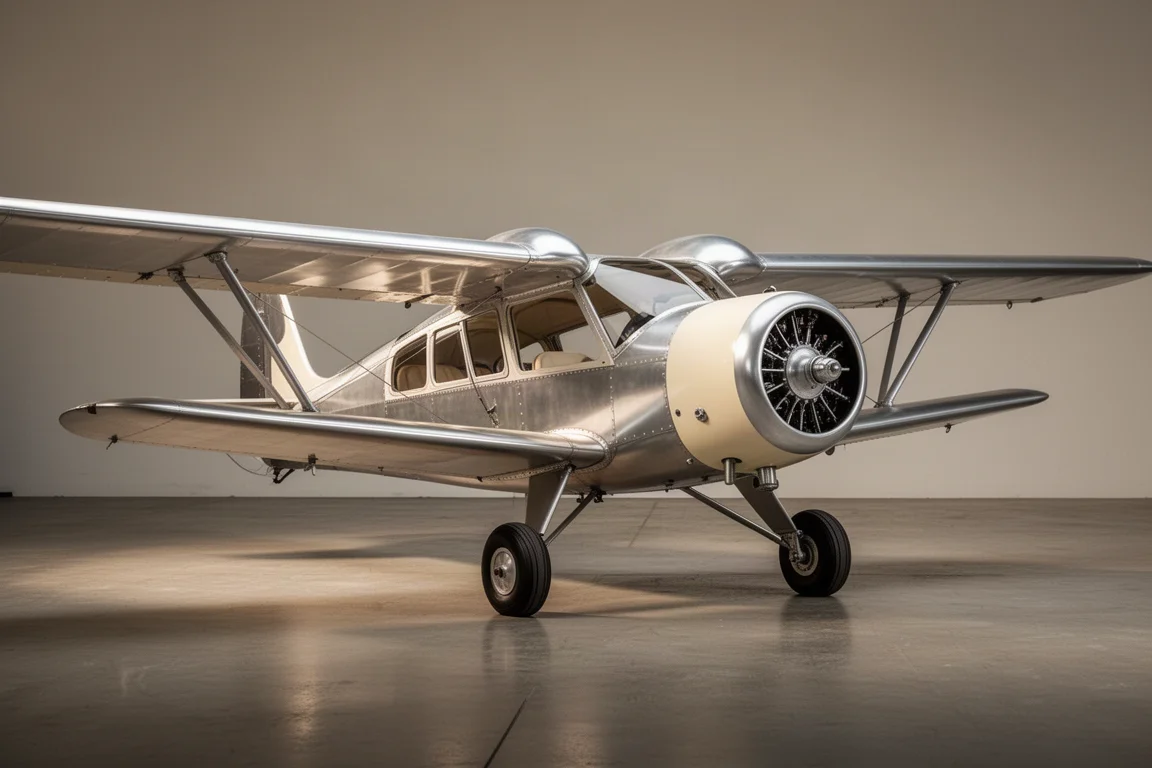
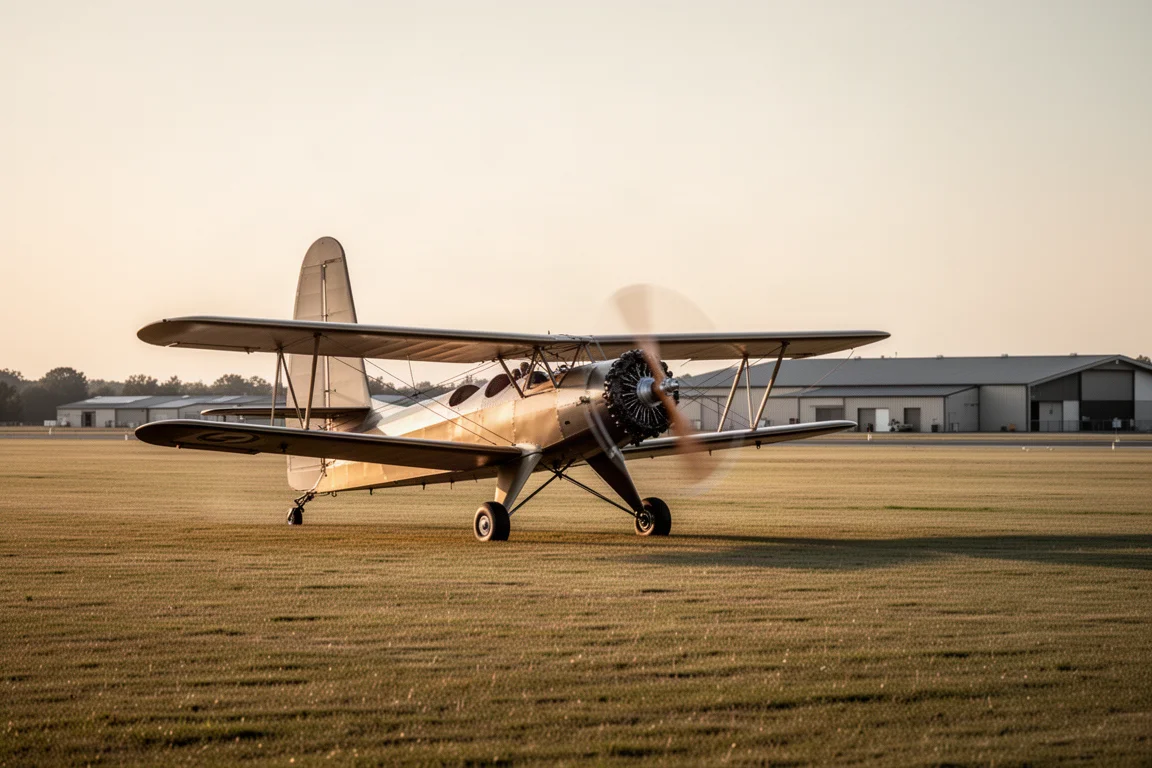
K’s Speedster is not a 1930s design, but it is deliberately styled to look like one. Depending on your eye, you might see a Mystery Ship in it, a GB, or something else entirely, and that flexibility is part of its appeal: during the build, you make the airplane yours.
This two-seat side-by-side taildragger combines aluminum wings with a steel tube fuselage, and the kits ship with pre-cut CNC aluminum parts and a pre-welded fuselage frame. On paper it looks like a straightforward, approachable build with generous access for maintenance. After spending time around one, here is how the details stack up.
What K’s Speedster Is
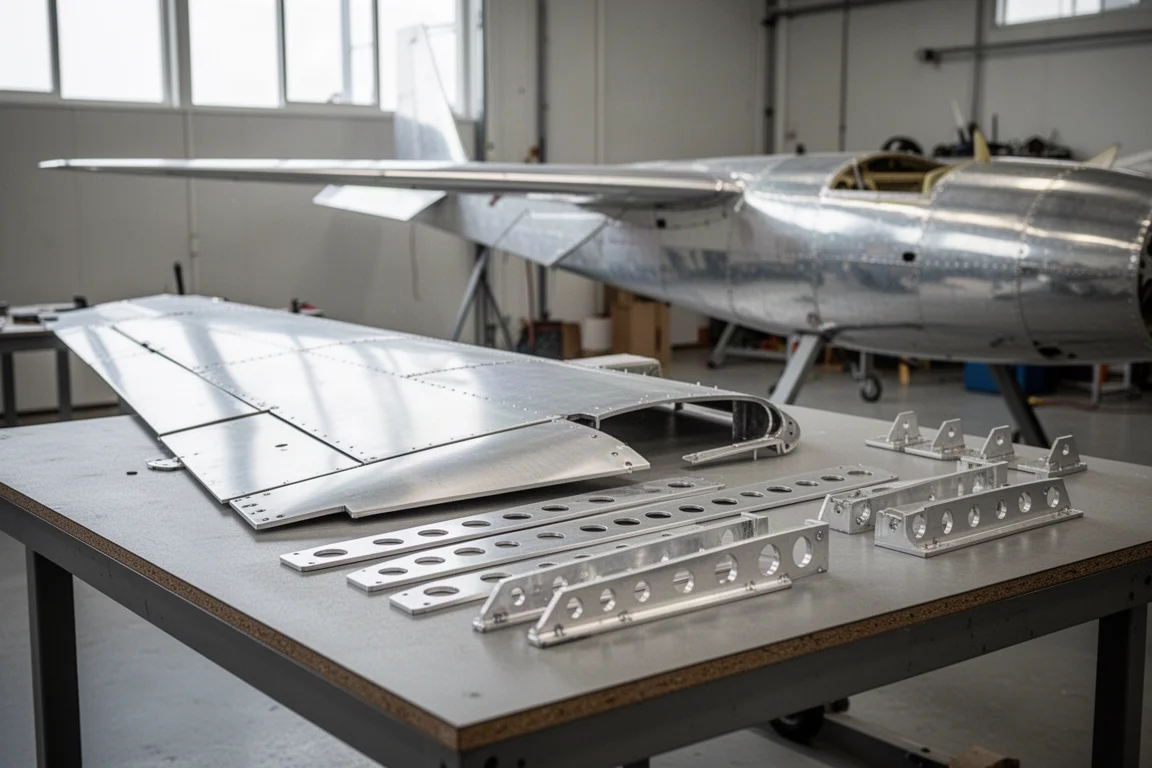
The wings are aluminum, everything is pre-cut on CNC, and the company says it takes about a day and a half for a single person to skin a wing. There is a heavy laminate aluminum spar, and you can order it pre-riveted if you want to save time.
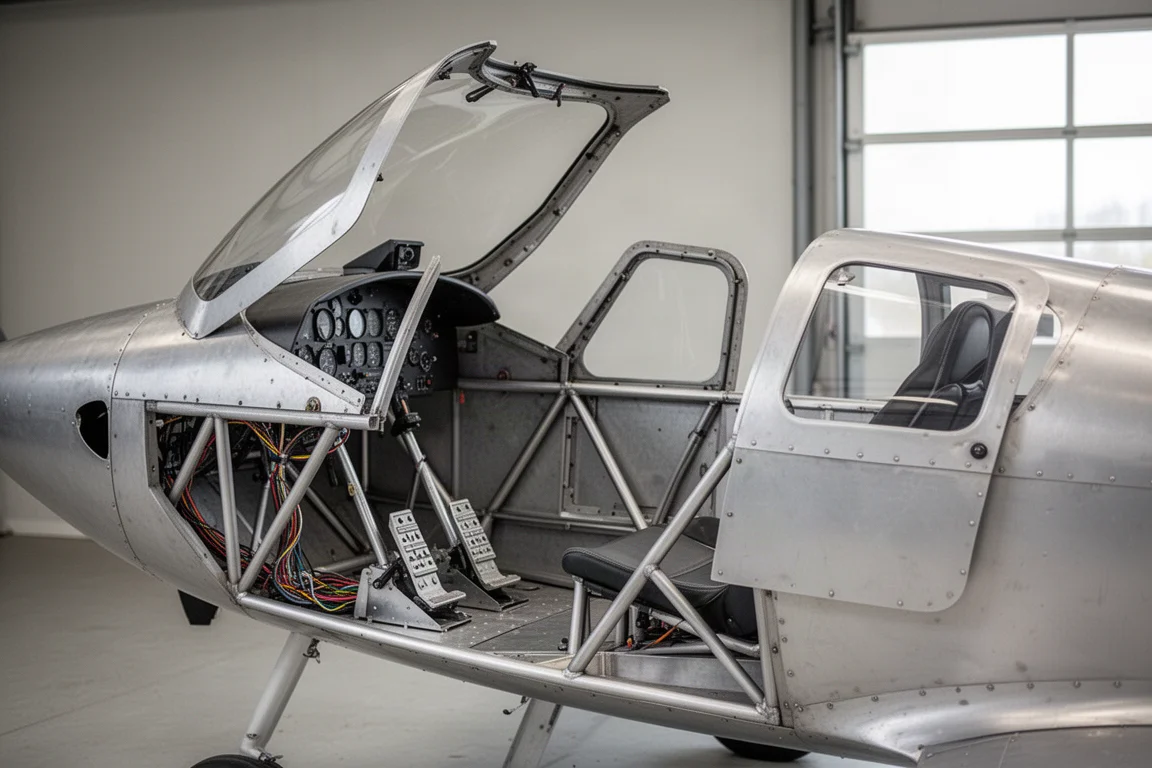
The fuselage is steel tube and it is deceivingly wide inside: 43 inches across the turtle deck. That dual hump turtle deck hides a steel rollover post structure, so in the event of a rollover, the shell itself acts as a significant safety feature. The design puts structure to work in a way that does not compromise the vintage look.
Build Experience: A Self-Guiding Process
When you receive the kit, you get a bundle of CNC-cut aluminum parts and a pre-welded fuselage frame. The logical place to start is the wings, since they can be built and hung out of the way, although plenty of builders will want to get controls and seat cushions into the fuselage first so they can sit in it and enjoy progress along the way. Both paths are outlined in the manual, and while there is an easier order of priorities, there is no fixed way you have to do things.
Build times are around 1,200 hours. For comparison, the company’s STL runs about 1,500 hours because it involves a lot of riveting without the quick build kit. The Speedster uses blind rivets rather than bucked rivets, which is a big part of why it goes quickly.
The fuselage work involves installing stringers, then trimming and installing the turtle deck parts and fiberglass pieces. Because you work with a pre-built frame, the process is self-guiding: there is nothing tricky about it, no lengthy measurement checks that still end with a ruined part. It falls into place.
There is a little fiberglass work, but only cutting and trimming, no layups. There is some aluminum work too. By the end you will be well-rounded, and that variety is genuinely part of the fun: it is not the same task over and over, it is a little bit of everything.
Maintenance access is a real strength. The front tips up as a whole unit, giving you easy exit and full access for electrical maintenance. Side panels come off in about five minutes for access to the rudder pedals, and the whole front end comes off in about an hour, so a condition inspection or annual is refreshingly simple. The flip-up unit is hinged at the front with two hinges and two pins, and swapping windscreen styles is about a ten-minute process if you ever want a change.
Comfort and the Cockpit
Getting in and out takes some learning, and by the time you finish building you will have the acrobatics down. First attempts are always awkward, but the routine comes quickly.
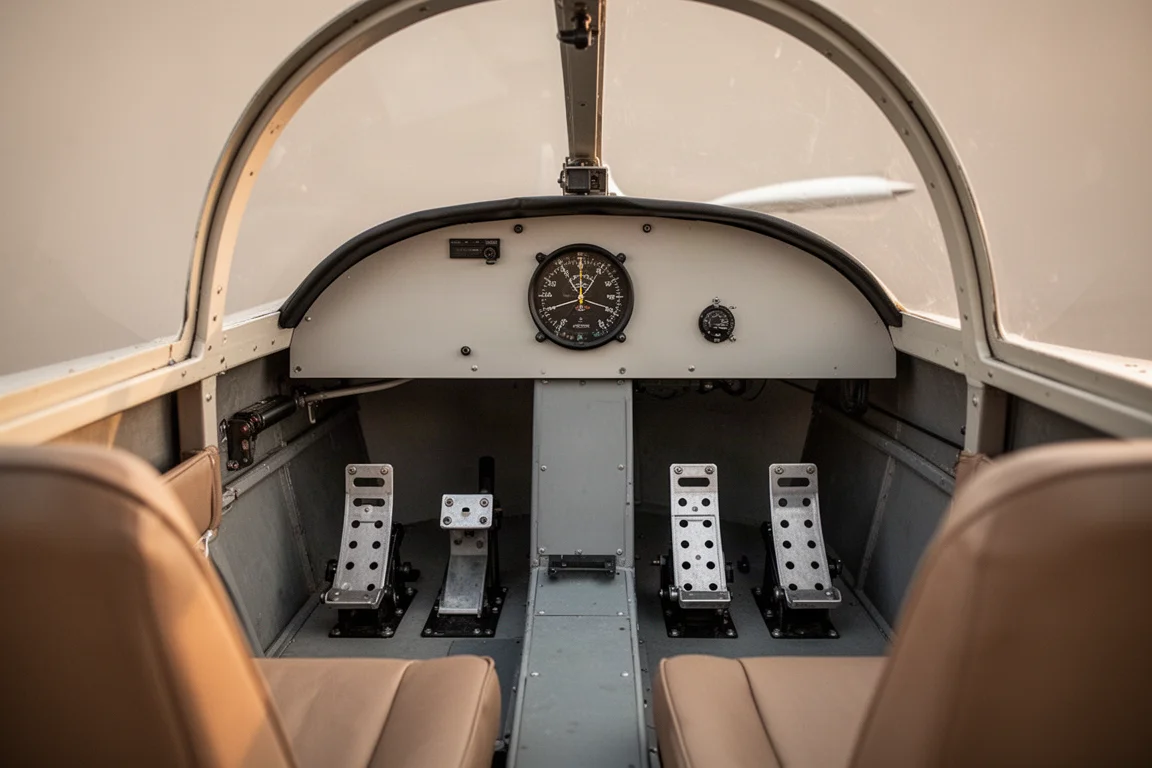
Inside, you get adjustable pedals that move back another four inches from the forward position, plus Matco brakes. Notably, the pedals adjust independently, so a six-foot-seven pilot and a five-foot passenger can both be comfortable at the same time.
The panel is entirely up to you. In the example aircraft, a round AV-30 primary display from UAV Avionics serves as the main instrument, with everything else kept deliberately simple. The company leans toward a minimal panel because the airplane appeals to a market that likes vintage character, and there is a lot of enjoyment in planning a layout that suits you.
To close the cabin you simply pull the panel down and latch it; the piece comes off for flight. Fuel is equally simple: a valve in the middle of the airplane feeding two leading-edge wing tanks, 19 gallons on one side and 16.5 on the other because of the spar overlap, for 35 gallons total. Dual electric fuel pumps provide redundancy, and they are designed so that if one fails, the other can still pull fuel through it.
Baggage hides under the rollover structure inside the turtle deck, and it is reasonably spacious: the limit is 120 pounds, though on kits that will likely come down to 100.
Engines, Performance, and Practical Details
Wings take about 20 minutes to remove or install, flaps are electrically driven, and fuel tanks live in the leading edge as with many designs.
Engine options are flexible. The example aircraft uses a Verner 9S at 160 horsepower, and a Lycoming 320 will also fit. Higher-horsepower Rotax options are possible too, though because a lightweight Rotax shifts the balance, you would need to make sure weight stays out of the tail.
The airframe accepts anywhere between 150 and 180 horsepower. Around 125 would be on the light end; the recommendation is 150 and up, and anything above 160 is arguably excess. The Verner spins a ground-adjustable 76-inch propeller, and because the engine delivers a lot of torque, the ground adjustability matters: you can set the pitch to get a big bite out of the air. Larger propellers up to about 84 inches would work for the engine, but ground clearance is why the kit settles at 76 inches.
Never-exceed speed is set at 165 knots, and the reasoning is refreshingly practical: someday somebody will cram too much power into this airframe, and the extra speed margin exists for when that happens.
Testing So Far and What Comes Next
The airplane is currently in the taxi testing phase, which is the demanding part since everything happens at or near the ground. Early impressions are encouraging: it is not as short-coupled as it looks, thanks to the large vertical tail. It handles solidly, tracks straight, shows no tendency to do anything weird, and is predictable and confidence-inspiring.
Visibility is fine for a taildragger. Some pilots like to sit high, some low, and the test pilot sits high with no problem seeing over the front corner of the nose, which is a meaningful advantage in a tailwheel airplane. After Oshkosh, test flying resumes, and the expectation is simply proving numbers and verifying that it continues to handle predictably.
Buying Advice
K’s Speedster makes sense for builders who want a vintage-looking side-by-side that is genuinely fast to construct, with around 1,200 hours of build time, blind rivets, and a self-guiding fuselage process. The independent pedal adjustment, easy annual access, and hidden rollover protection are thoughtful touches that you feel in daily ownership rather than on a spec sheet.
The main consideration is power planning. You need to arrive with a clear engine choice in the 150 to 180 horsepower range, and if you go the lightweight Rotax route, tail weight management becomes part of your job. If you want a modern glass-panel tourer, this is not that airplane. If you want a characterful two-seat homebuilt that rewards a bit of everything in the build and keeps maintenance simple, it deserves a close look.
Conclusion
K’s Speedster blends classic styling with modern construction shortcuts: CNC-cut aluminum, a pre-welded steel tube fuselage, and a wide, thoughtfully protected cabin. With strong early test impressions, flexible engine choices, and maintenance access that owners will appreciate for years, it stands out as one of the more approachable vintage-inspired kit aircraft available.
Product link
View more details for K's Speedster Kit Aircraft
This product is mentioned in the review. Check the specifications, options, and compatibility before buying.
View more details for K's Speedster Kit AircraftFurther reading
Related Reviews
Aviation
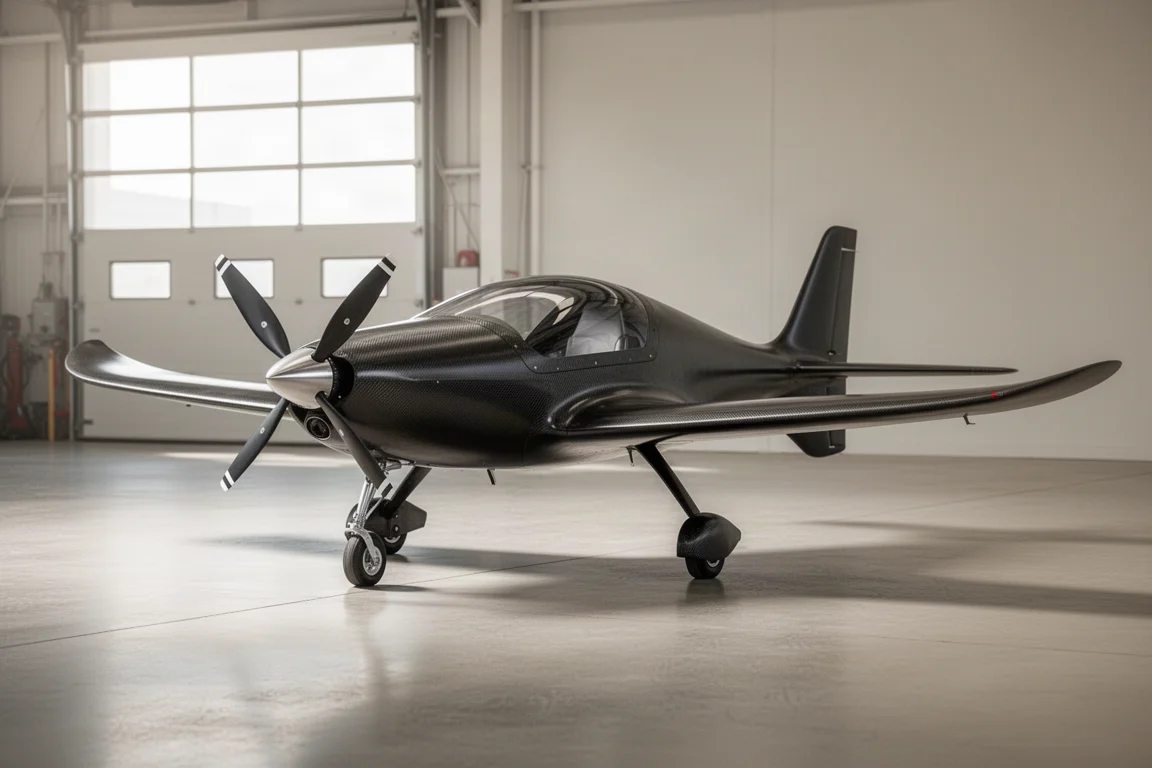
Aero Technics ACH 212 Solo Review: A Carbon Fiber Solo Kit Aircraft You Can Build Fast
A nearly 30-year-old Czech design still offered only as a kit: 90% carbon fiber, quick-release wings, a 350 to 400 hour build, and performance that surprises.
Aviation
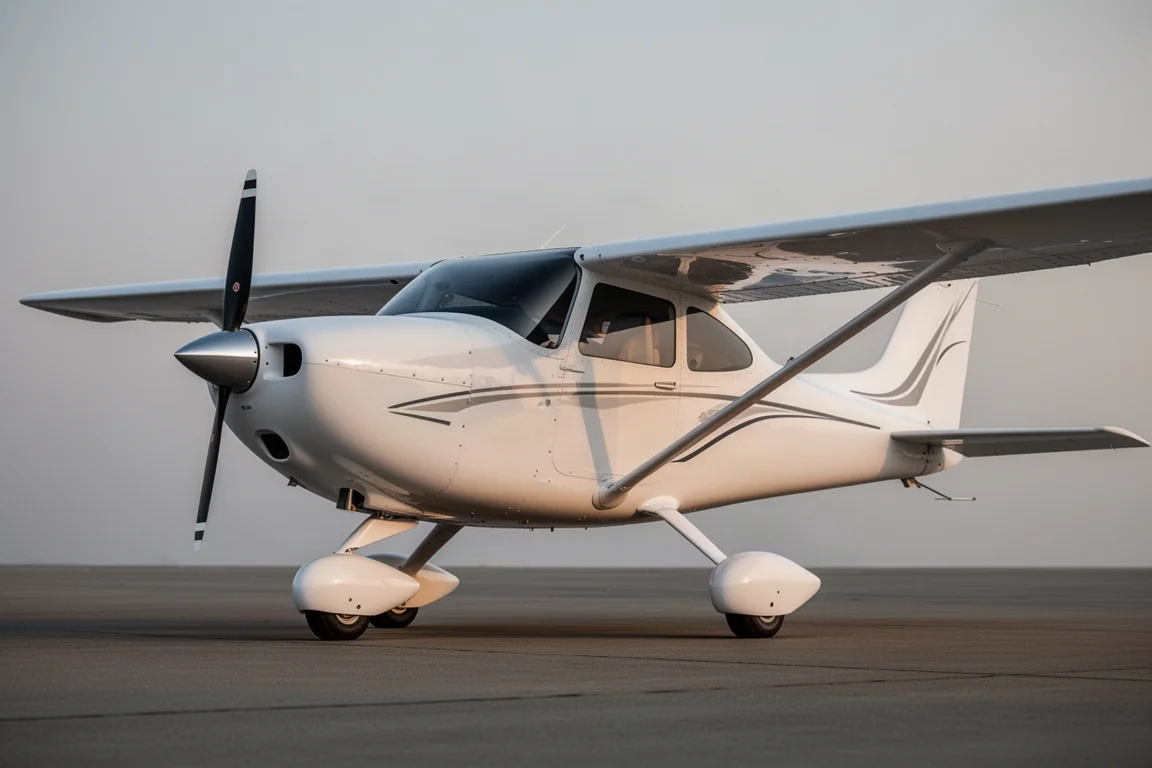
Aeropilot: The 80% Scale Cessna-Style Light Sport Aircraft Winning Over Flight Schools
A full-carbon, two-seat light sport aircraft modeled after the Cessna 182, with a larger cabin, big climb performance, and fuel burn that flight schools love.
Aviation
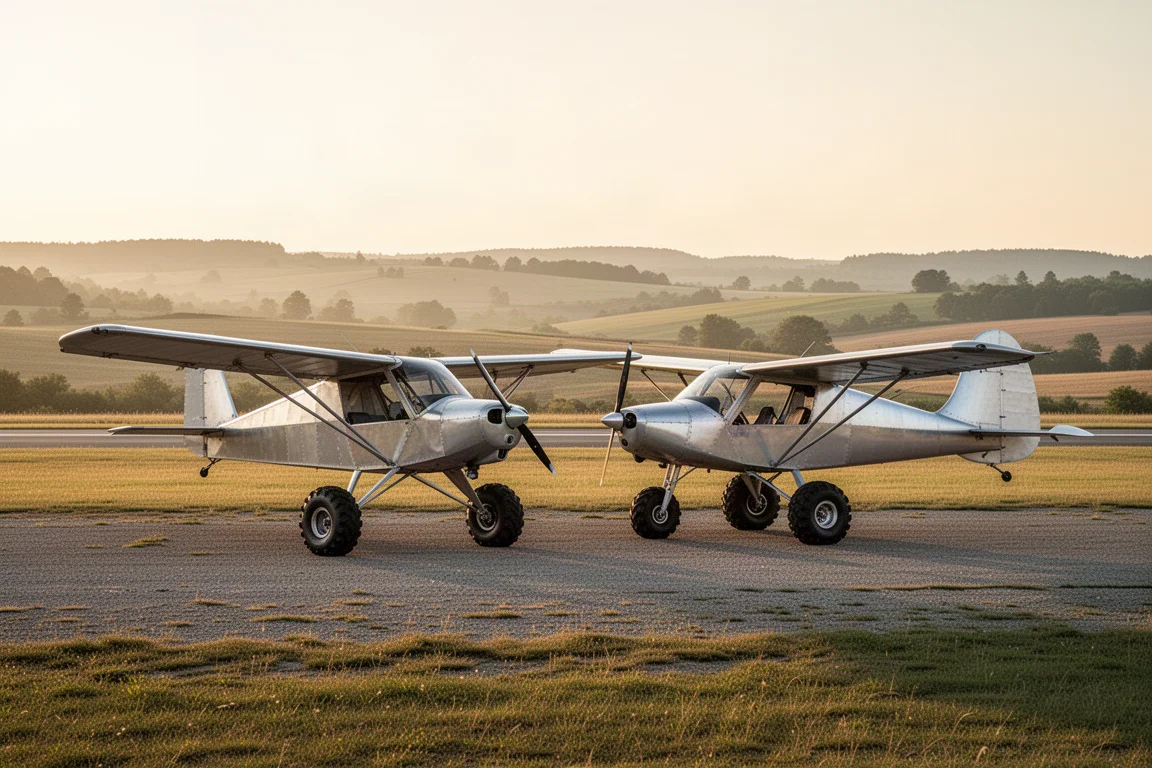
Aeropro A22 and A32: Two Light Sport Aircraft Worth a Close Look
A side-by-side look at the Aeropro A22 and A32, covering performance, pricing, customization, and what buyers should know before ordering.