Bourbon
Knob Creek Limited Edition 15 Year vs 12 Year: Which One Deserves Your Shelf Space?
A side-by-side look at two 100 proof Knob Creek bourbons, covering flavor, balance, and whether the extra age justifies the higher price.
Introduction
Knob Creek has two age-stated bourbons that often end up on the same shopping list: the Limited Edition 15 Year and the core 12 Year. Both come from the Jim Beam distillery, both are bottled at 100 proof, and both carry that signature peanut-and-oak house character. The question is whether the extra years in the barrel translate into a meaningfully better glass, especially given the gap in price.
What These Bottles Have in Common
The Limited Edition 15 Year uses a mash bill of 77 percent corn, 13 percent rye, and 10 percent malted barley. It was released in June of 2020, is 100 proof, and carries a 15 year age statement. The 12 Year sits in the same family at the same 100 proof, with a noticeably friendlier price tag.
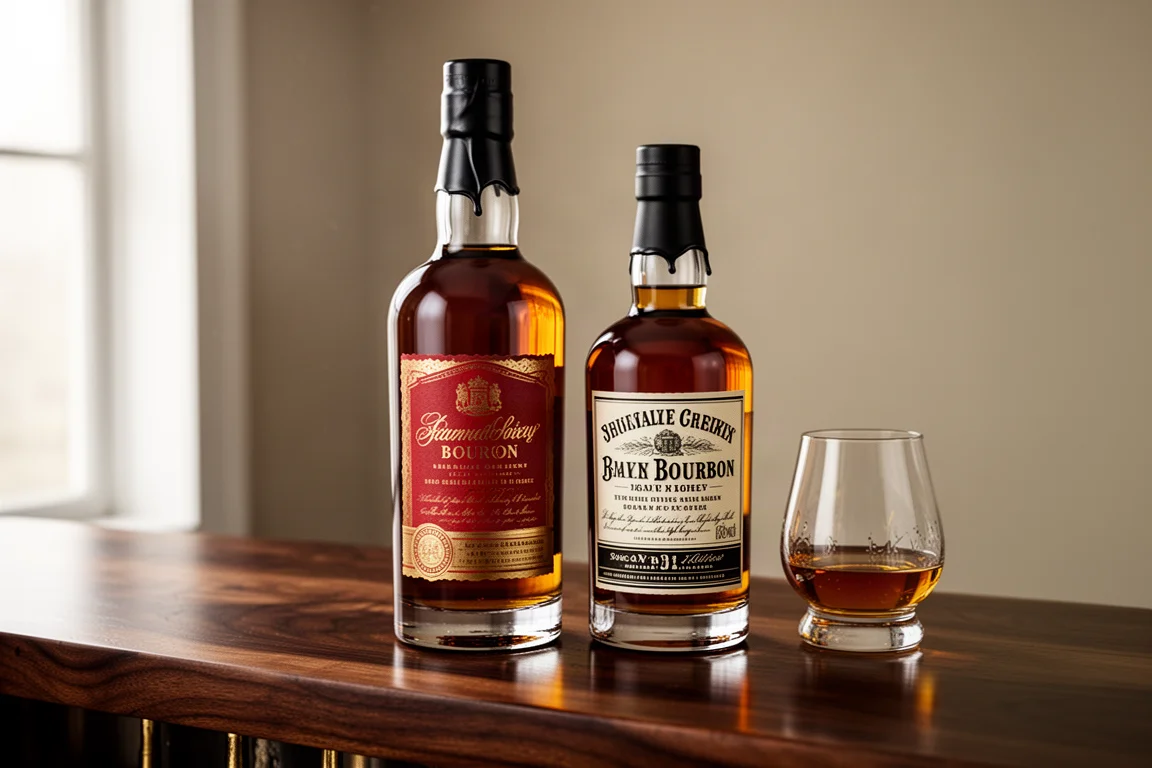
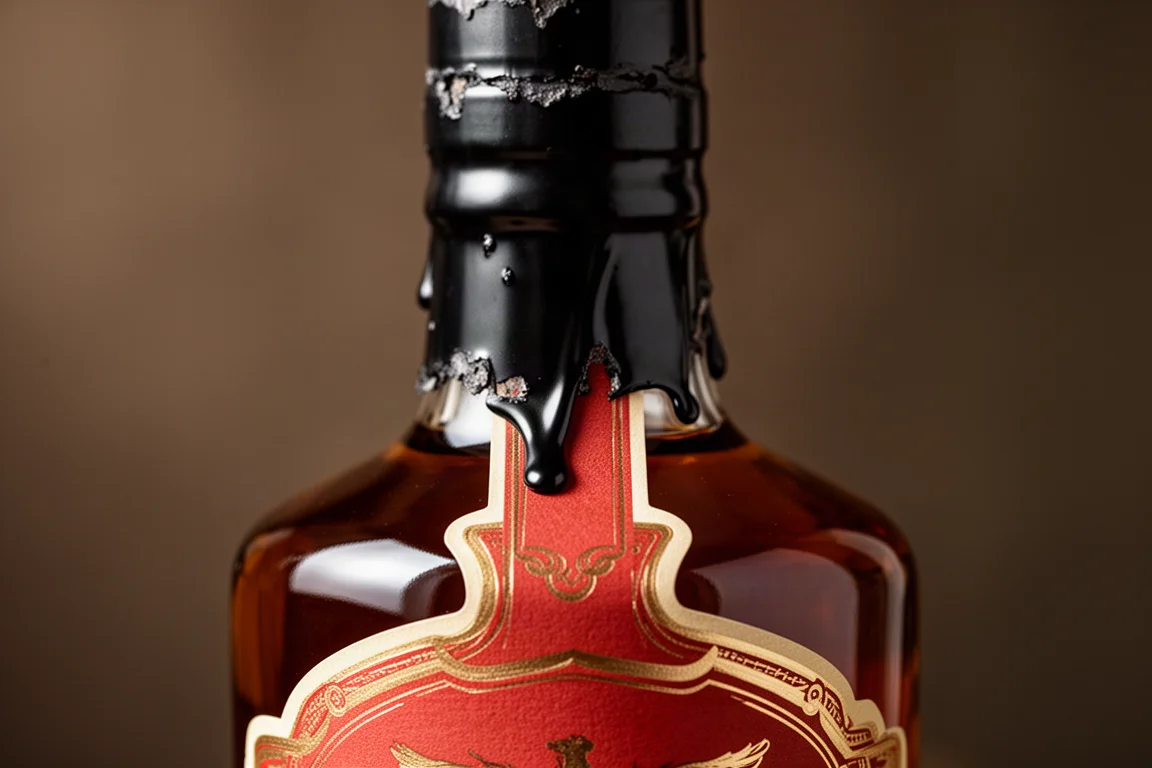
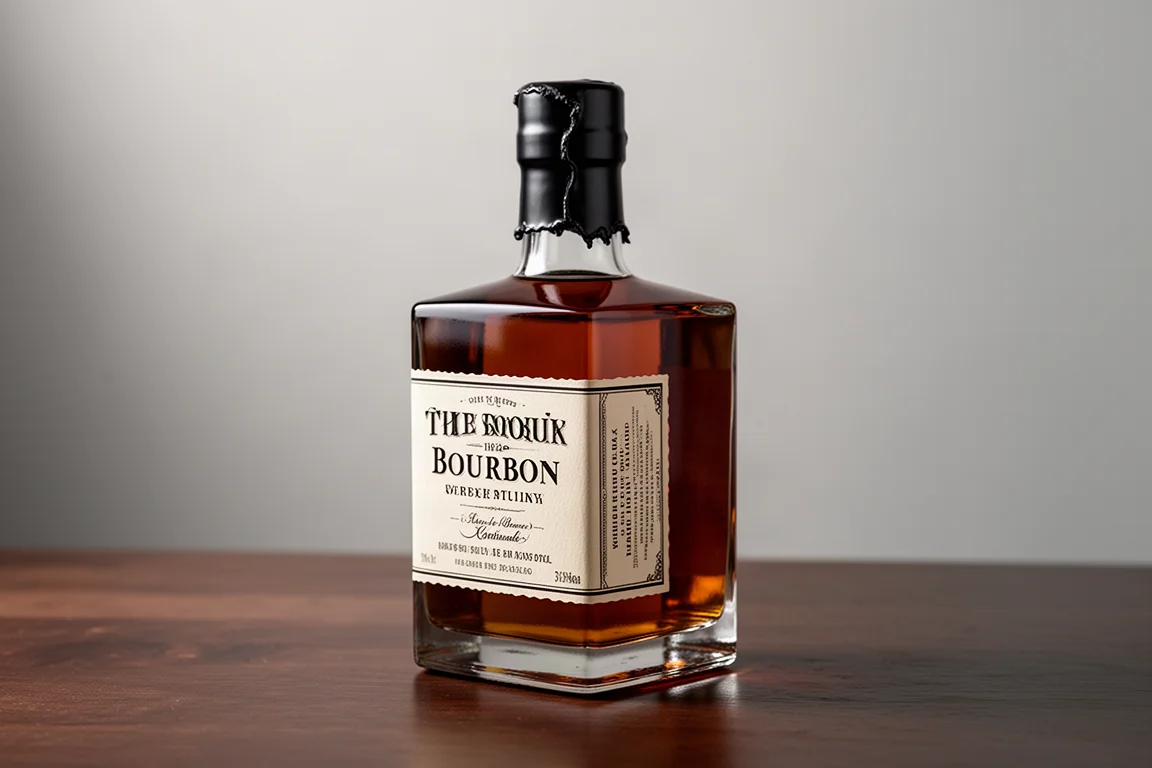
Both bottles share the same black wax-dipped cap. It looks great on the shelf, but it is messy to break open on either bottle, so keep that in mind before your first pour.
Knob Creek Limited Edition 15 Year
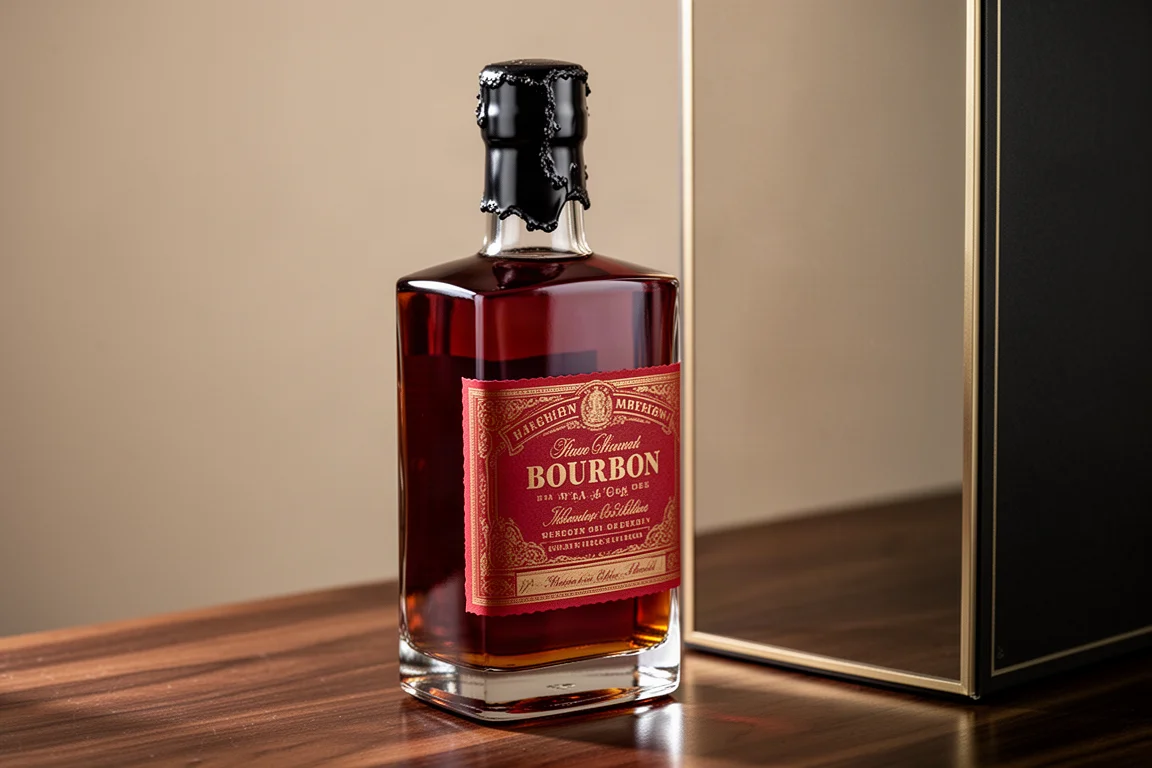
The 15 Year arrives in a substantial presentation box with a red and gold label that genuinely stands out on a shelf. It is the kind of packaging that makes the bottle feel like an event before you even crack the wax.
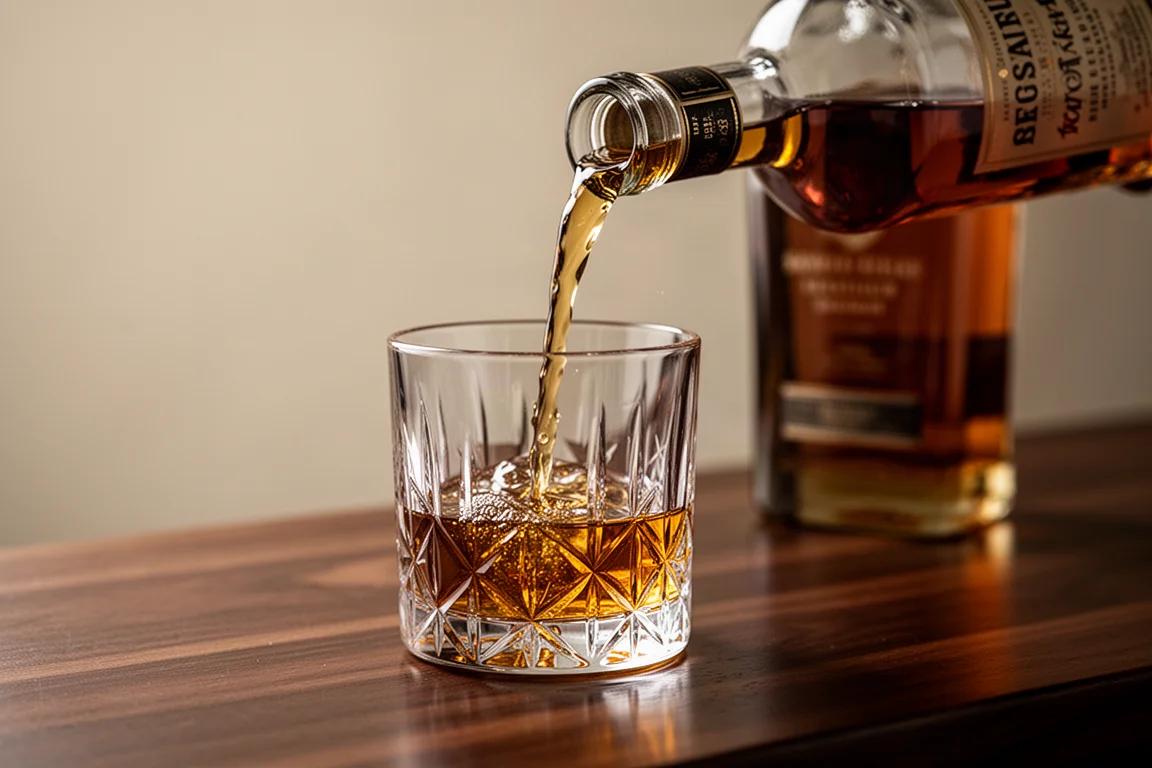
On the nose, oak dominates immediately, along with a pronounced peanut note that Jim Beam fans will recognize. The color is a deep, darkish red amber that looks gorgeous in the glass. With a little air, you pick up dark fruit and cherry, a touch of cinnamon, a hint of vanilla, and a whisper of caramel on the finish. There is also a leathery oak note riding alongside that big oak presence up front. The finish runs medium to long with very little heat on the back end, so it goes down smooth.
The main trade-off is balance. The oak overwhelms the early palate, leaving a slightly dry impression before the other flavors kick in. It is a very good pour, but the oak-first profile means the fruit and vanilla play supporting roles rather than leading ones.
Knob Creek 12 Year
Side by side, the 12 Year tastes completely different from the first sniff. It is sweeter and fruitier right up front, with dark cherry hitting instantly on the nose. The peanut note is there, the oak is there, but they share the stage with caramel, vanilla, floral notes, and a rice-spice character that rounds everything out.
Where the 15 Year leans oak-dominant and slightly unbalanced, the 12 Year feels more evenly composed across the palate. Everything sits in proportion, and the sweetness up front makes it an easier sipper while still holding onto that classic Knob Creek depth.
Side-by-Side Tasting Notes
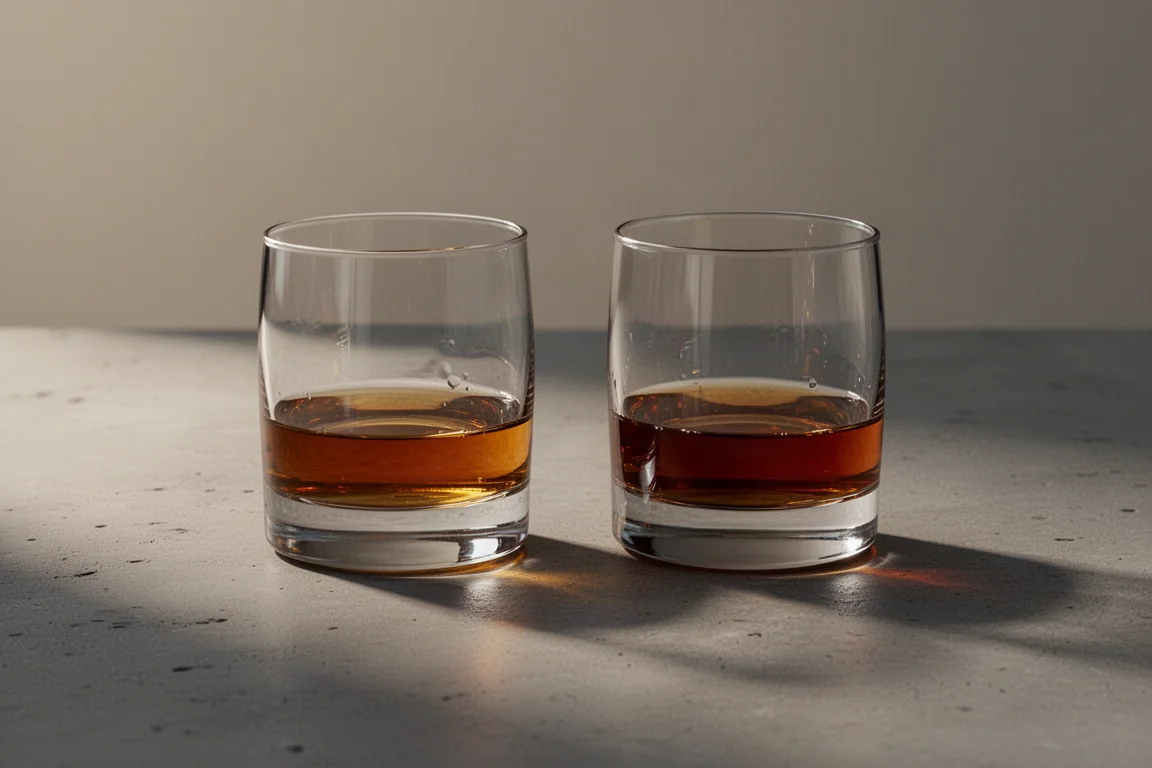
Both bottles are 100 proof, but the flavor splits clearly:
- 15 Year: heavy oak and peanut, dark fruit and cherry, cinnamon, vanilla, a hint of caramel, leathery oak, longer medium finish, minimal heat, slightly dry on the initial palate.
- 12 Year: sweeter and fruitier up front, dark cherry, peanut, oak, lots of caramel and vanilla, floral and rice-spice notes, a more balanced overall profile.
The 15 Year is not a bad bottle by any stretch. It tastes genuinely good and it will likely reward time in the cabinet as it settles. But out of a freshly cracked bottle, the oak simply overwhelms more often than it complements.
Which One Should You Buy?
If the decision were purely about taste, the 12 Year wins by a narrow margin. The fruit-forward, sweeter, better-balanced profile is simply more enjoyable sip after sip, and at roughly 60 dollars against 110 for the limited edition, you could nearly buy two 12 Year bottles for the price of one 15.
That said, the 15 Year still earns its place for the right buyer. If you collect presentation-box bottles, want the oldest expression in your cabinet, or enjoy an oak-forward pour with a long, low-heat finish, it is a worthwhile splurge. It is not a purchase you will regret so much as one you may not repeat immediately.
Conclusion
Both bourbons are excellent at 100 proof, but they suit different moods and budgets. The 12 Year is the everyday winner: balanced, sweet, fruity, and a better value by a wide margin. The Limited Edition 15 Year is the special-occasion bottle: oak-heavy, smooth, beautifully packaged, and worth trying at least once if you can find it. If you can only pick one, start with the 12 Year and let the 15 Year be the upgrade you treat yourself to later.
Further reading
Related Reviews

Backpacking Gear
Building a 10 lb Base Weight: An Ultralight Backpacking Gear List
A practical walkthrough of the ultralight pieces behind a 10 lb base weight, from a 765 g pack and a roomy one-person tent to a full camp chair and a dependable water filter.

Road Bikes
10 New Road Bikes Worth Watching: Aero, Titanium, Steel and Endurance Standouts
A practical roundup of 10 new road bikes, from aero flagships chasing single-watt gains to titanium, steel and endurance platforms built for real roads.
Bikepacking Gear
11 Bikepacking Essentials for Long-Distance Cycling
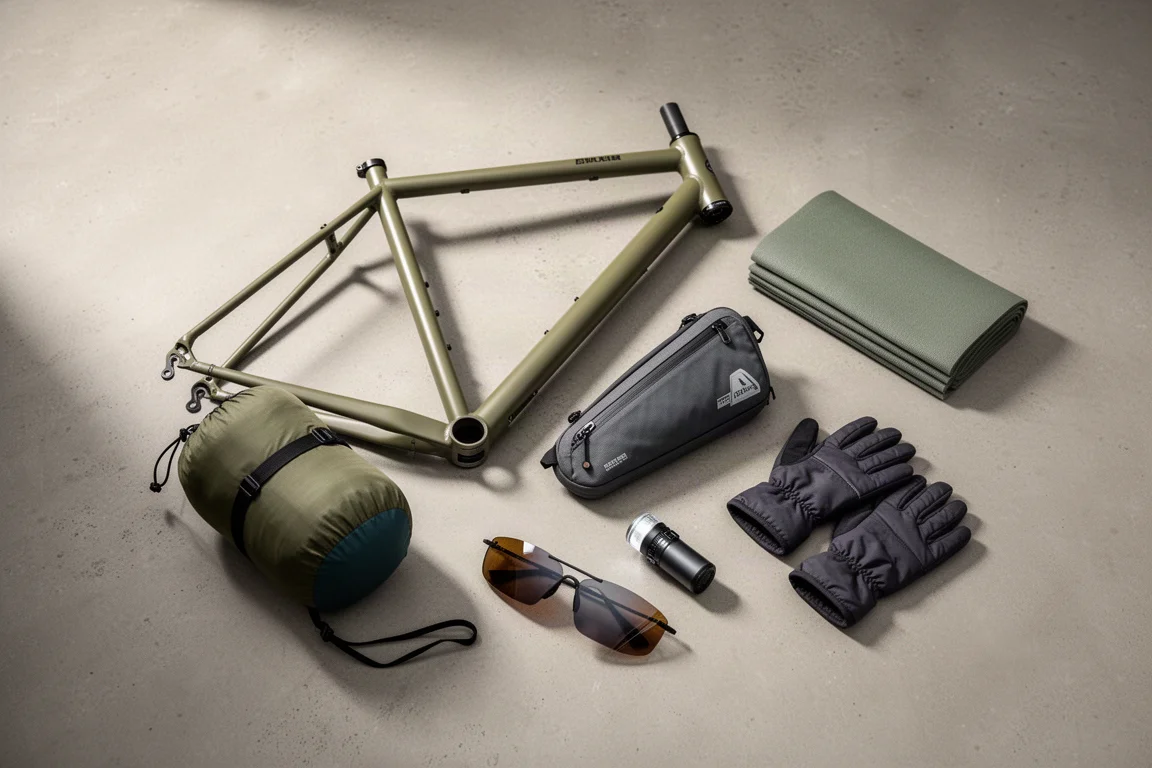
Eleven bikepacking essentials for long-distance cycling, from a steel gravel frame and a two-person tent to helmet lights, packable gloves, and a frame bag that puts weight in the right place.