Powered Speakers
Klipsch The Sevens vs The Nines: Two Heritage Powered Monitors Compared
A practical comparison of Klipsch The Sevens and The Nines, covering shared Heritage design, connection options, setup, and how the two sizes differ in real listening.
Introduction
Powered monitors that skip the receiver have become a genuinely practical way to build a serious two-channel system around a television, a turntable, or a desk. Klipsch’s Heritage-inspired range now includes two new entries, The Sevens and The Nines, both of which build on the approach established by The Fives in 2020. The Fives were the first powered speakers to arrive with HDMI ARC, which meant a single remote could control the whole setup.
Both new models carry that idea forward with a similar feature set and the same design language, and the most obvious difference between them is size. That difference matters more than it first appears.
Shared Heritage Design and Features
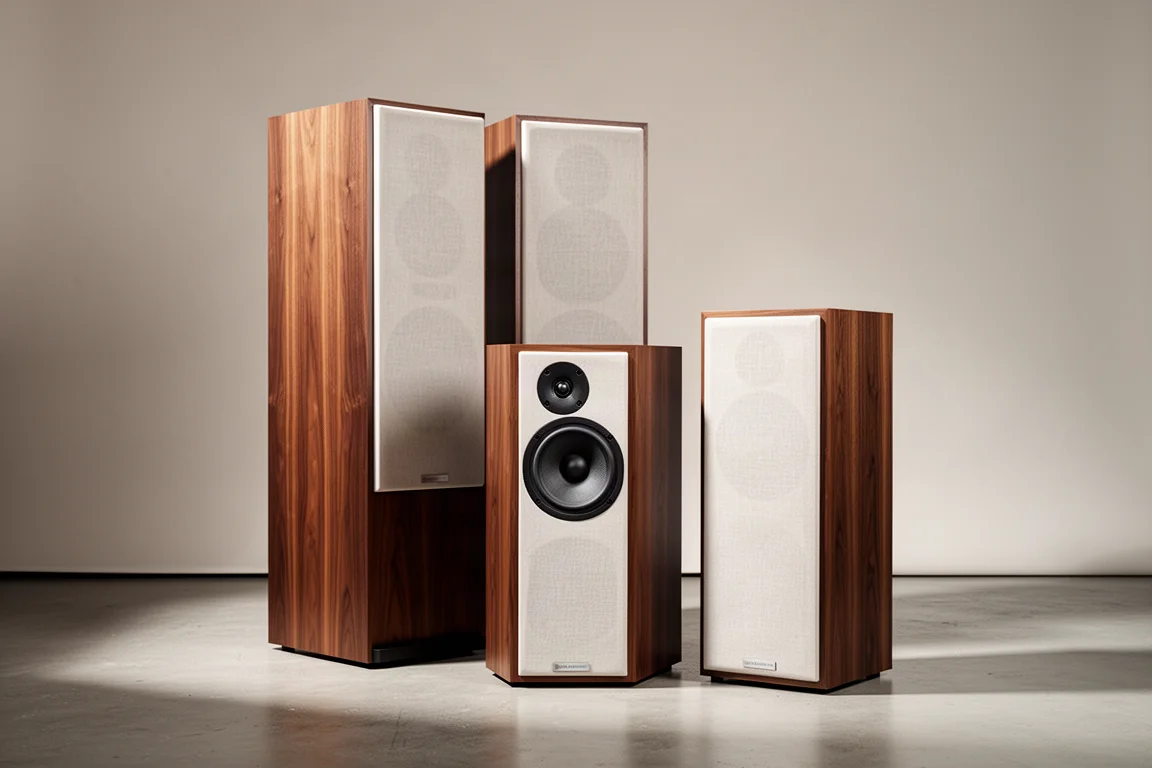
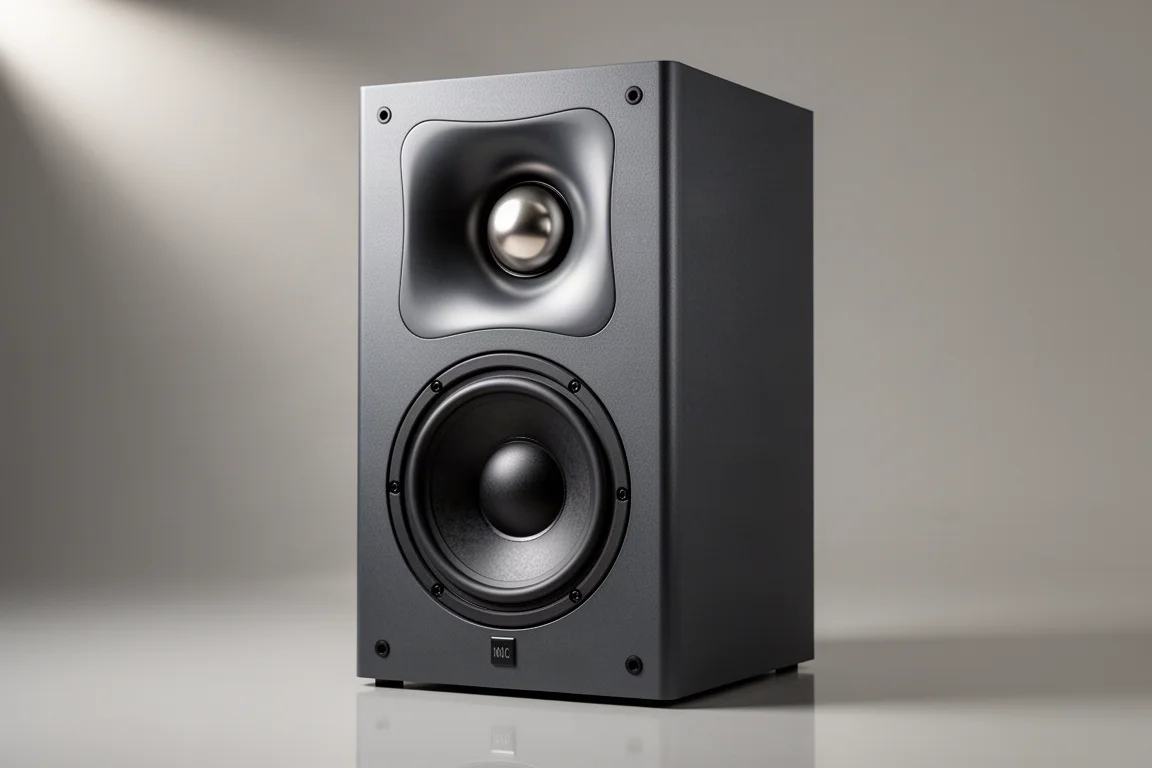
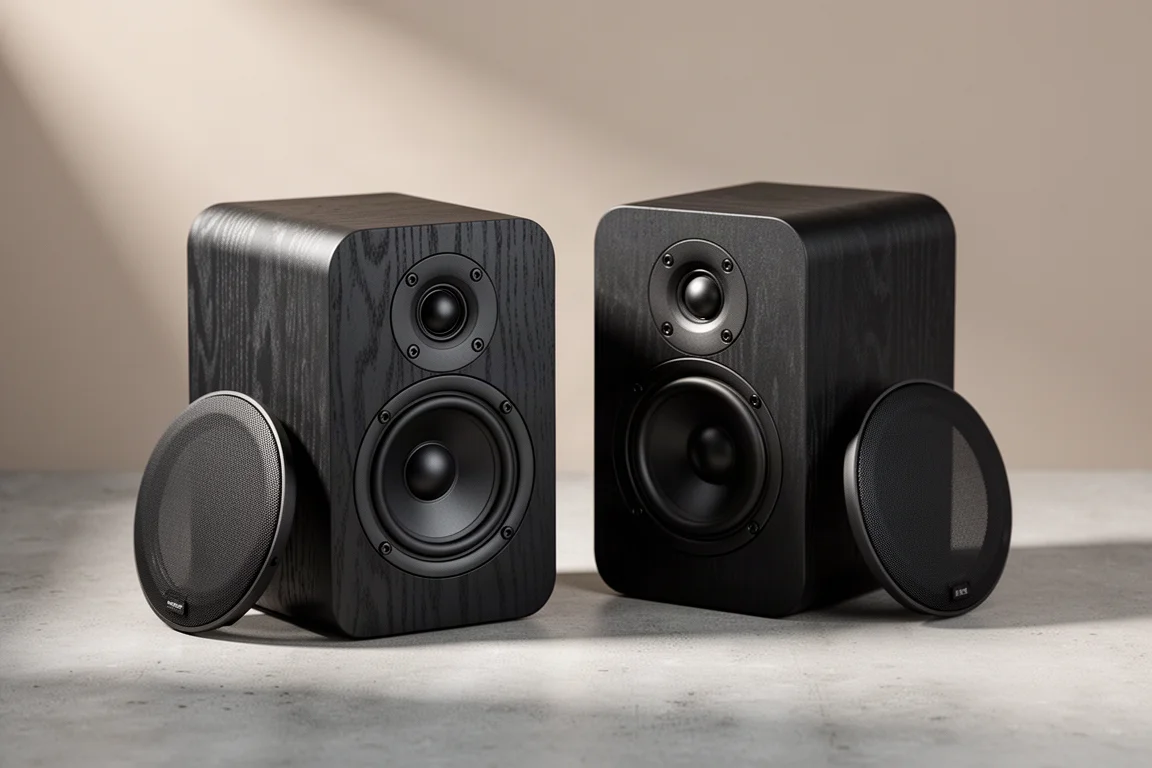
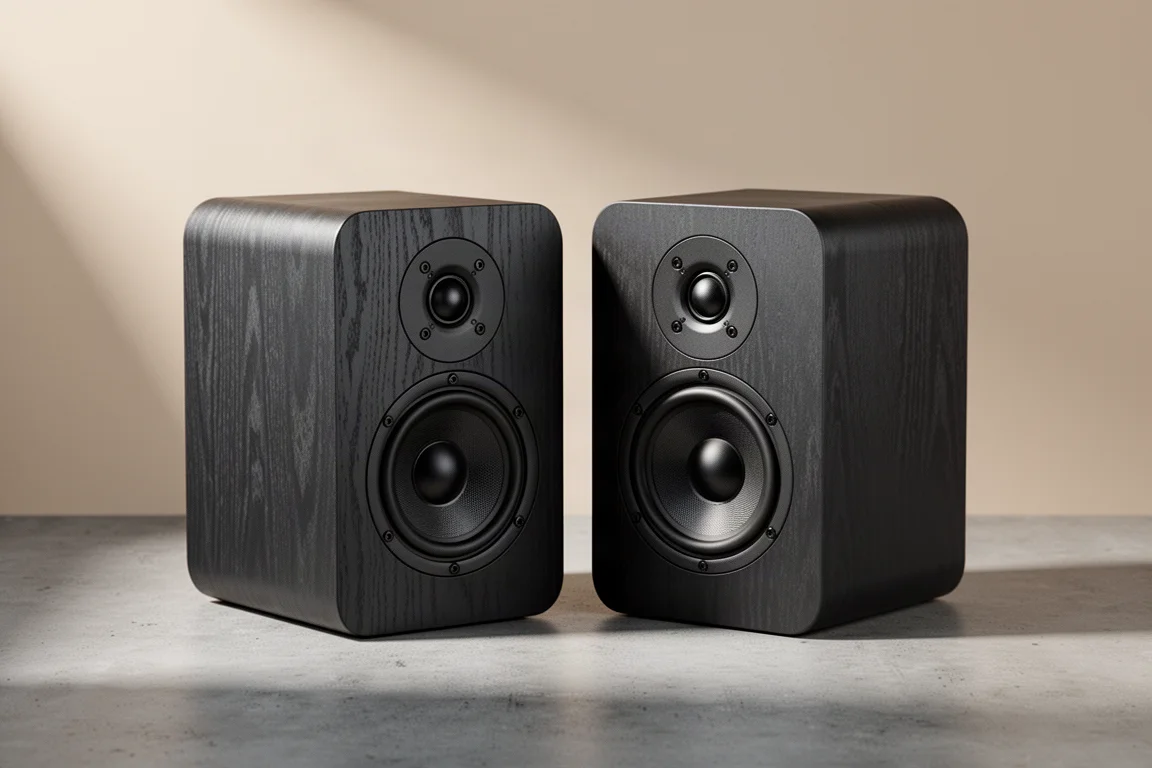
Both The Sevens and The Nines use a one-inch titanium tweeter mounted on an edge-to-edge Tractrix horn, a 90 by 90 degree design that has been central to Klipsch acoustics for years. The woofers are high-excursion fiber composite cones, and a chrome bar separates the woofer from the horn, carrying the “Established in 1946 USA” script and the Heritage-inspired logo along the bottom of the horn.
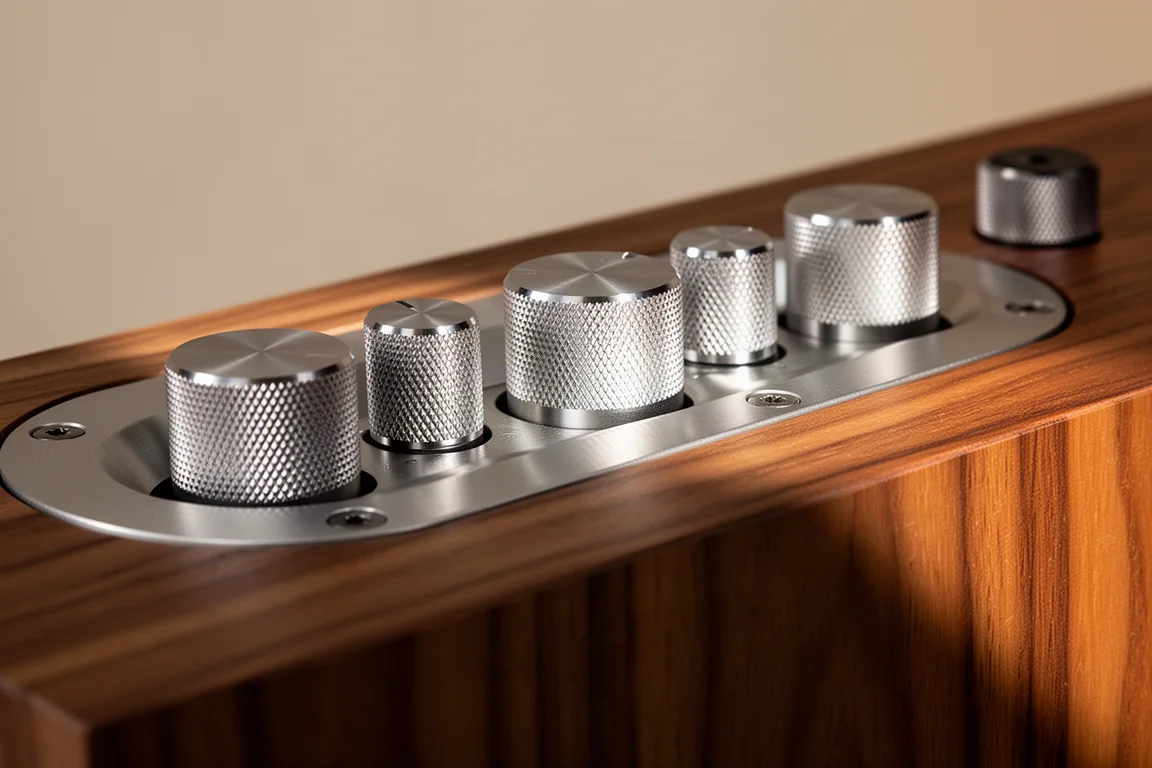
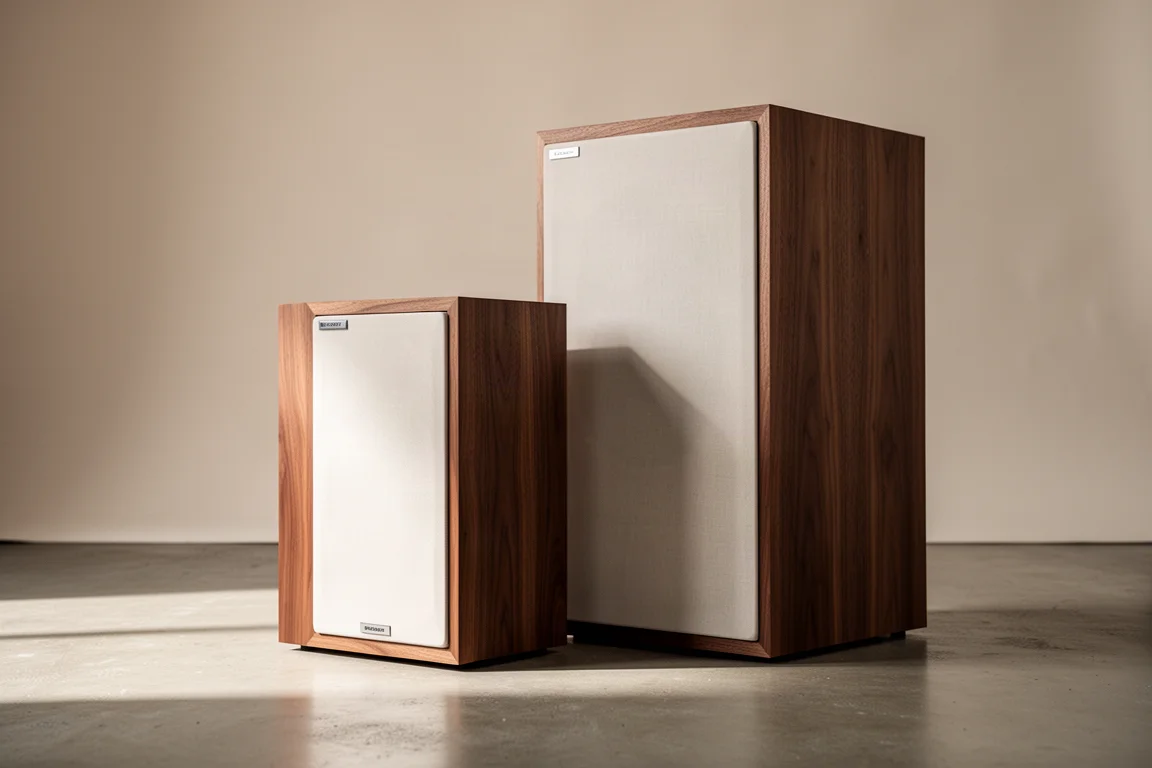
The cabinets use real wood veneer with tactile knobs and switches on top of the primary speaker, and the magnetic grilles come off easily. Finishes are walnut and matte black. One notable change is that the copper cone long associated with the brand is gone, replaced with black. It is a deliberate shift toward the rest of the Heritage-inspired family, and it gives both models a cleaner, more modern look.
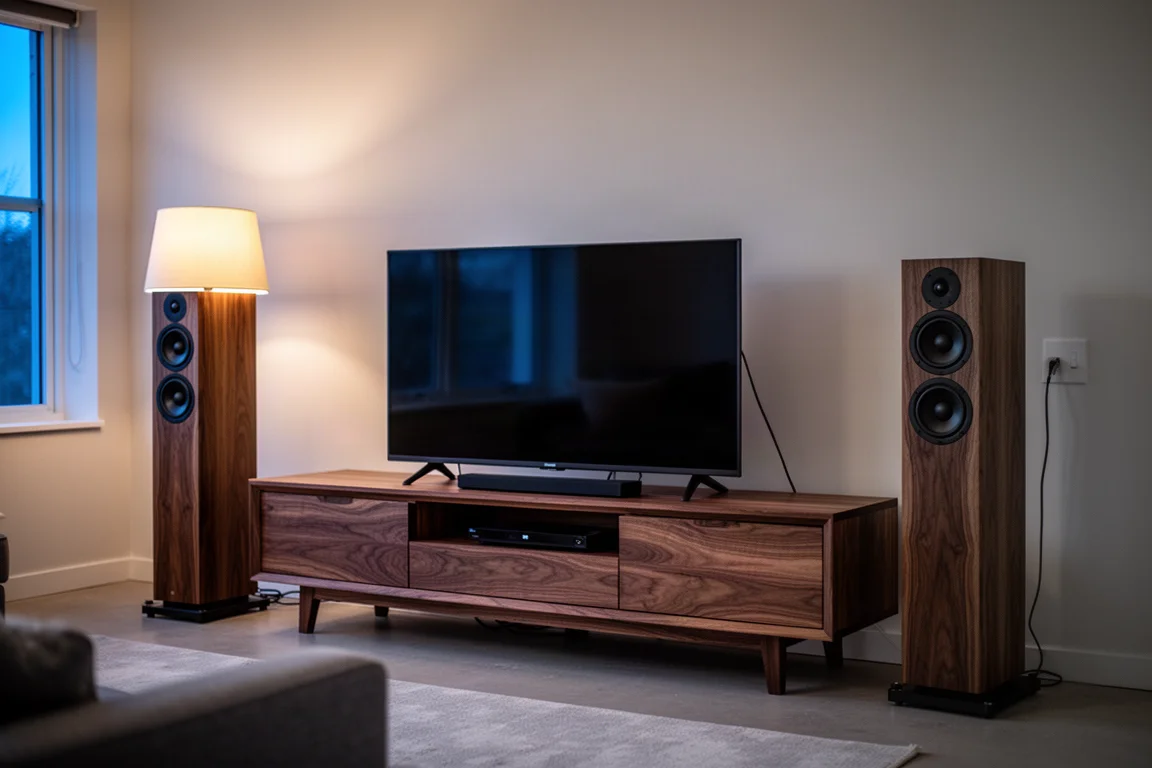
Connection options are generous on both. You get HDMI ARC, USB, optical, 3.5 mm analog, phono, and Bluetooth. HDMI ARC remains the standout for living room use, because almost every current television offers an ARC output, and a single HDMI cable lets the TV remote handle volume while keeping dialogue clear.
The boxes are equally well considered. Each set includes a region-specific power cord, a remote, a four-conductor speaker cable with an extension, a USB Type-B to Type-A cable, and an HDMI cable. The cables feel substantial rather than like an afterthought, and each one is labeled, which shortens setup considerably.
Klipsch The Sevens
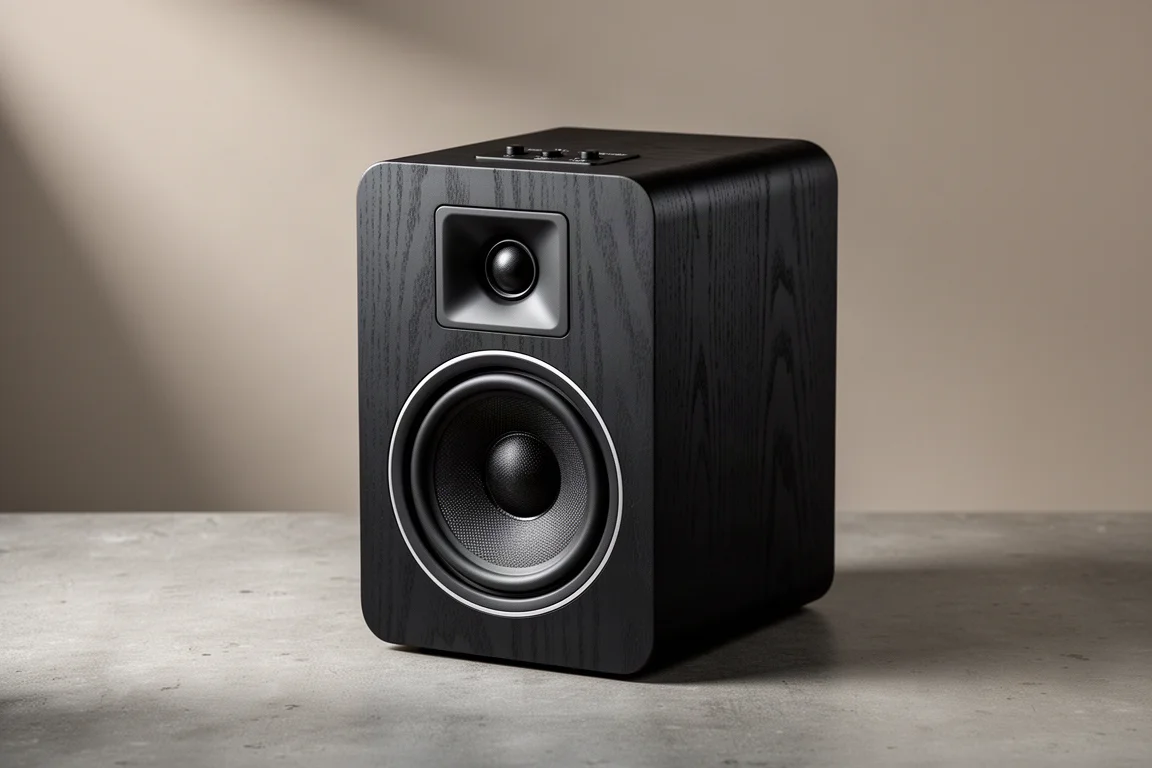
The Sevens are the smaller of the two, built around a 6.5-inch long-throw woofer paired with the same one-inch titanium tweeter and Tractrix horn used across the family. They suit rooms where a full-size pair of speakers would dominate the space, and they give up less than their footprint suggests.
In practice the Sevens handled dense electronic material well. On New Order’s “Blue Monday,” the bassline came through clearly while vocals and synths stayed crisp, with no buzzing or popping. Out of the box, they were playing within a few minutes.
Klipsch The Nines
The Nines step up to an eight-inch long-throw woofer, ported to reinforce low-frequency output. The cabinet is larger, and that additional displacement is what separates the two models most clearly once you sit down and listen.
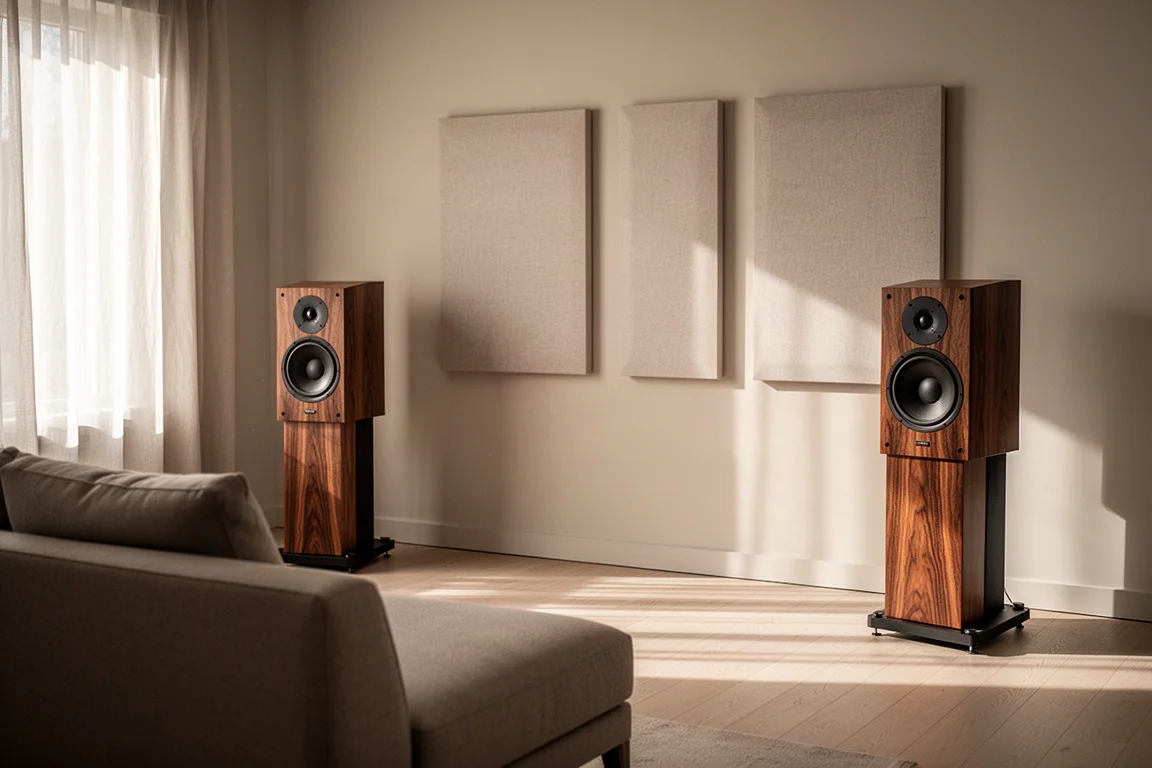
On live material with heavy low end, such as the live version of Rammstein’s “Du Hast,” the Nines reproduced the scale of the performance without letting explosions overwhelm the music itself. In gaming, with Doom Eternal running on an Xbox Series S and the speakers placed equidistant from the left and right sides of the television, the pair produced precise positioning down to individual details in the mix.
Setup, Connections, and Everyday Use
Both models are among the easiest powered speakers to get running. The packaging is tidy, the cables are labeled, and a full setup takes under five minutes. Bluetooth range held up well across a 1,500 square foot home, with the signal staying intact from a front office to a back bedroom and the audio remaining clear throughout the walk.
Phono input is included, so a turntable can connect directly without extra hardware. On a reissue of Joy Division’s “Closer” played through an older Sony turntable, vocals came through with a clarity that was nearly indistinguishable from the same track over Bluetooth or USB. For movies, a scene like the battle in Avengers: Endgame needs both a wide soundstage and intelligible dialogue, and both models managed the two at once, with volume adjustable straight from the television remote.
Neither set requires an A/V receiver, which keeps the system simple and the cable count low. The Klipsch Connect app, available for iOS and Android, handles firmware updates, precision tuning, and access to customer support. It had a difficult start several years ago, and later updates have turned it into a far more useful tool.
Sound Performance Across Music, Movies, and Games
Across the board, both sets deliver a full, clean soundstage. Klipsch engineers its speakers around reproducing material the way it was intended to be heard, and these two models follow that intent closely. The Sevens are smaller but produce the same full sound as the Nines, which makes the choice less about quality than about how much low-frequency weight and physical scale you want in the room.
The Nines have the advantage on cinematic material and on anything with a deep, sustained low end. The Sevens close that gap more than their size suggests, and in smaller rooms the difference narrows further.
Klipsch positions its THX-certified ProMedia 2.1 system as its gaming-oriented offering, and that remains a compact, desktop-focused option. For gaming from a large television, the wider presentation of these monitors is worth weighing instead.
Buying Advice
Choose The Sevens if space is the deciding factor. They are the smaller pair, yet they deliver the same full sound as their larger sibling, which makes them the more flexible option for apartments, offices, and modest living rooms.
Choose The Nines if you want the deepest bass and the largest presentation the family offers, particularly for movie nights and gaming on a big screen. The eight-inch ported woofer is the reason to step up, and it is the clearest point of separation between the two.
Both are a meaningful investment rather than an impulse purchase, and neither is the cheapest way into powered speakers. The counterargument is longevity. These are built to last and to be passed down rather than replaced, and the lack of a receiver keeps the rest of the system affordable.
Conclusion
The Sevens and The Nines share the same strengths: simple setup, wide connectivity, no receiver required, and a Heritage-inspired design that has moved on from the familiar copper cone. The decision comes down to room size and how much low-frequency weight you want, and either pair will serve as a long-term centerpiece for music, movies, and games.
Further reading
Related Reviews
Powered Speakers
AbramTek X50 Review: Powered Speakers With Real Bass and a Full Feature Set
The AbramTek X50 pairs a phono preamp, HDMI ARC, optical, and Bluetooth with genuinely capable sound. Here is what it does well and what to check before buying.
Powered Speakers
Amazon Basics Powered Speaker Review: Useful Features, Compromised Sound
A practical look at the Amazon Basics Powered Speaker: a handy remote and an optical input, held back by shouty upper mids, minimal bass, and erratic pricing.
Powered Speakers
Aperion Audio Alaire Review: Compact Powered Speakers With Serious Bass
A compact two-way powered speaker with genuine low-end punch, excellent imaging, and a control scheme that depends entirely on its remote.