Home Audio
Klipsch The Sevens Mark II Review: More Features, More Bass, Harder to Justify
A powered bookshelf pair with HDMI 2.1, Dolby Atmos virtualization, Wi-Fi streaming, and Dirac Live, weighed against a higher price, bass-forward tuning, and app reliability concerns.
Introduction
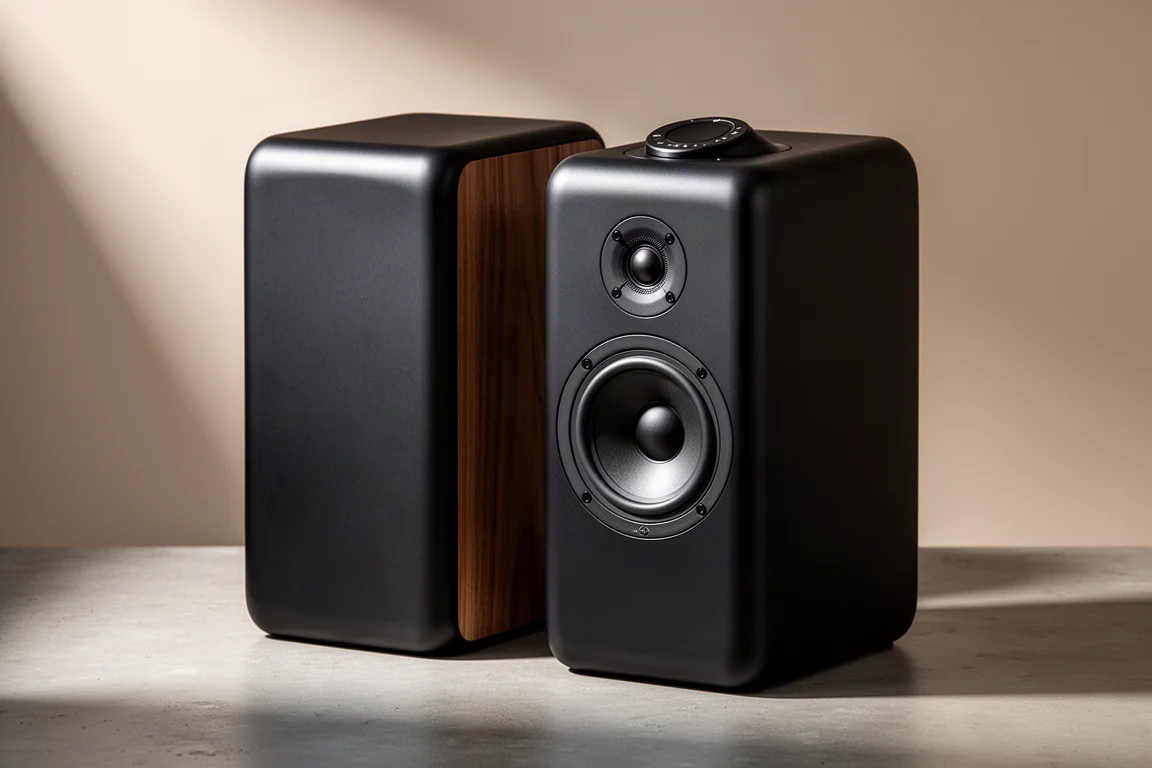
Klipsch and Onkyo have shared a corporate roof for close to five years now, and The Sevens Mark II is the clearest expression of that partnership so far. The powered bookshelf pair arrives with HDMI 2.1, Dolby Atmos virtualization, Dirac Live room correction, Wi-Fi, app control, and streaming built in. On paper it is far more capable than the speakers it replaces, and it is undeniably more modern and more connected.
It is also more expensive, more complicated, and in a few important ways further from the Klipsch sound that long-time buyers signed up for. After extended listening, the case for the upgrade is not as clean as the feature list suggests. Here is what the Sevens Mark II do well, where they frustrate, and who should actually buy them.
Who This Product Is For
The Sevens Mark II suit listeners who want a large, bass-heavy presentation from a pair of powered speakers and who value convenience as much as fidelity. A single HDMI connection handles the television, Wi-Fi covers streaming, and the built-in DAC and moving magnet phono stage mean a digital source or a turntable can connect directly. There is no receiver, no amplifier, and no separate streamer to add.
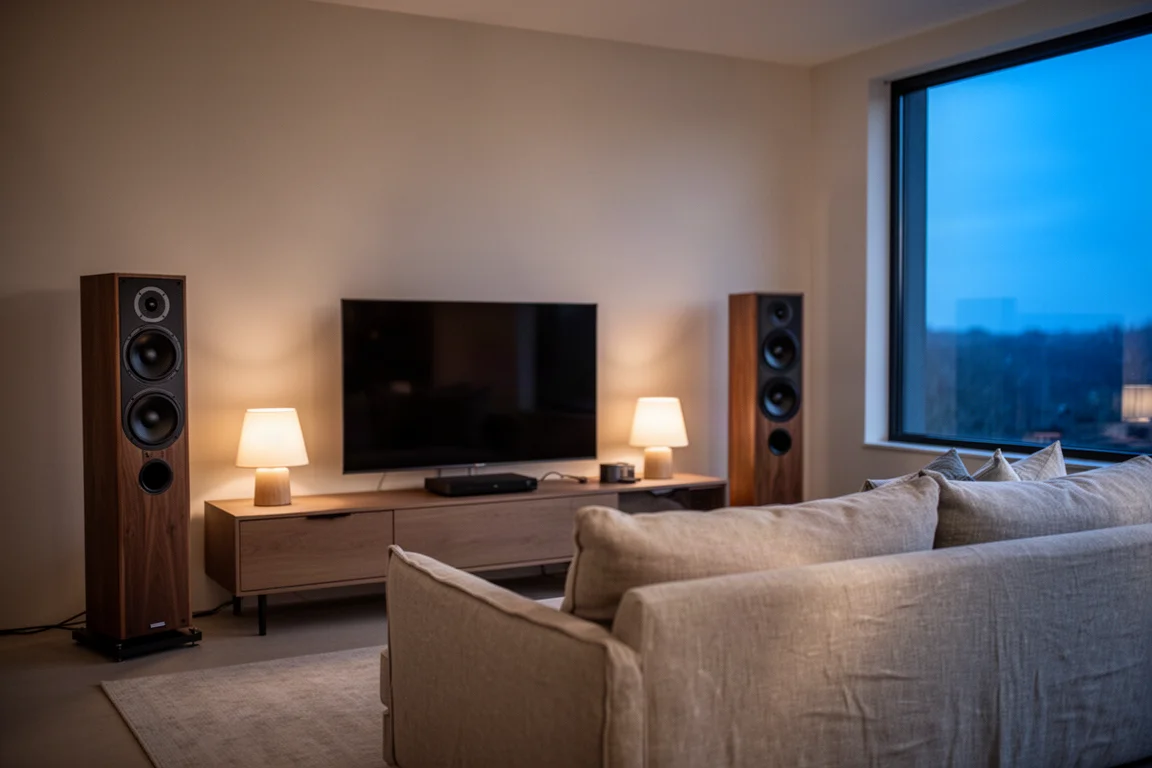
They are not the right choice for anyone hoping a pair of powered bookshelves will stand in for a good soundbar or a proper surround system. Dolby Atmos content does open up some width and depth, but the effect stays almost entirely in front of the listener. The speakers have no upward-firing height drivers, and none can be added later.
Main Strengths
The feature list is genuinely longer than the previous generation’s. Wi-Fi adds app control, direct streaming, and wireless platform support that the original lacked, and AirPlay is now included. The secondary speaker can connect wirelessly to the primary, which removes the placement restrictions of the cable-tethered original, although the included cable still produces the best sound.
Bass is the headline. There is a sense of scale and impact from the first track, with more of the emphasis shifted into the 40 to 80 Hz region, which makes the low end feel bigger and far more central to the presentation. In-room measurements show the midrange and treble tracking much more neutral than before, and the brand’s familiar treble lift is no longer part of the tuning.
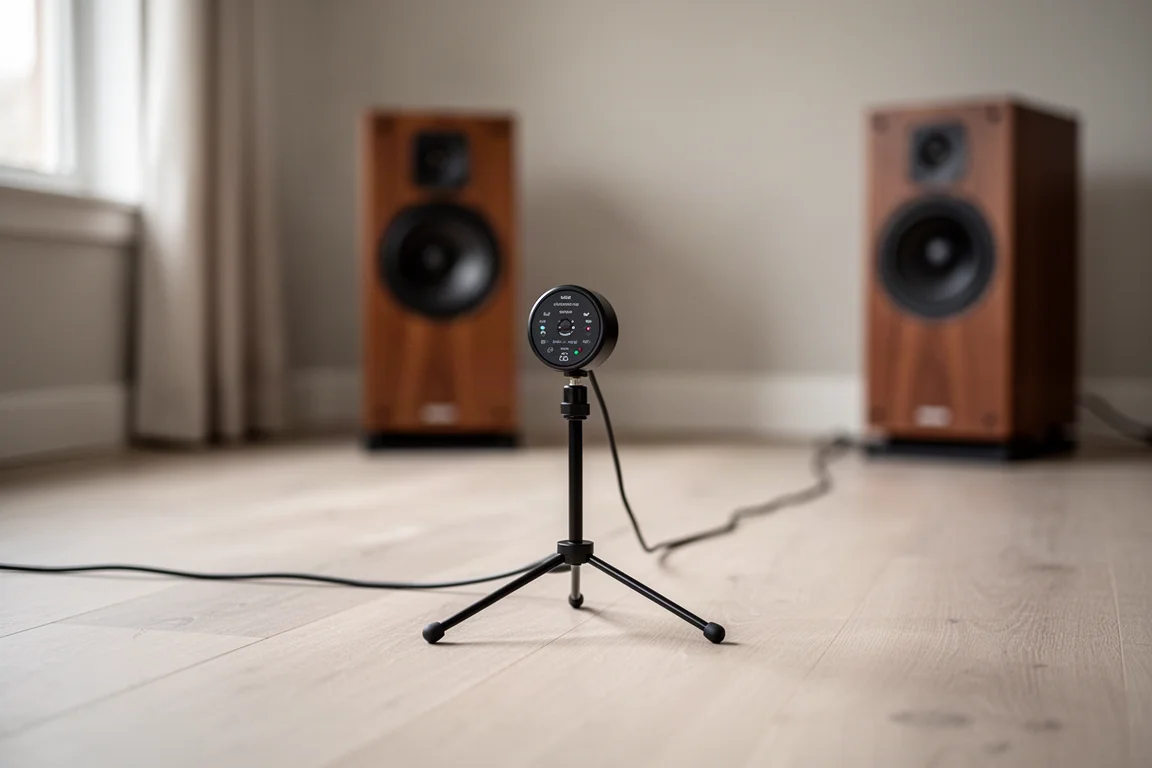
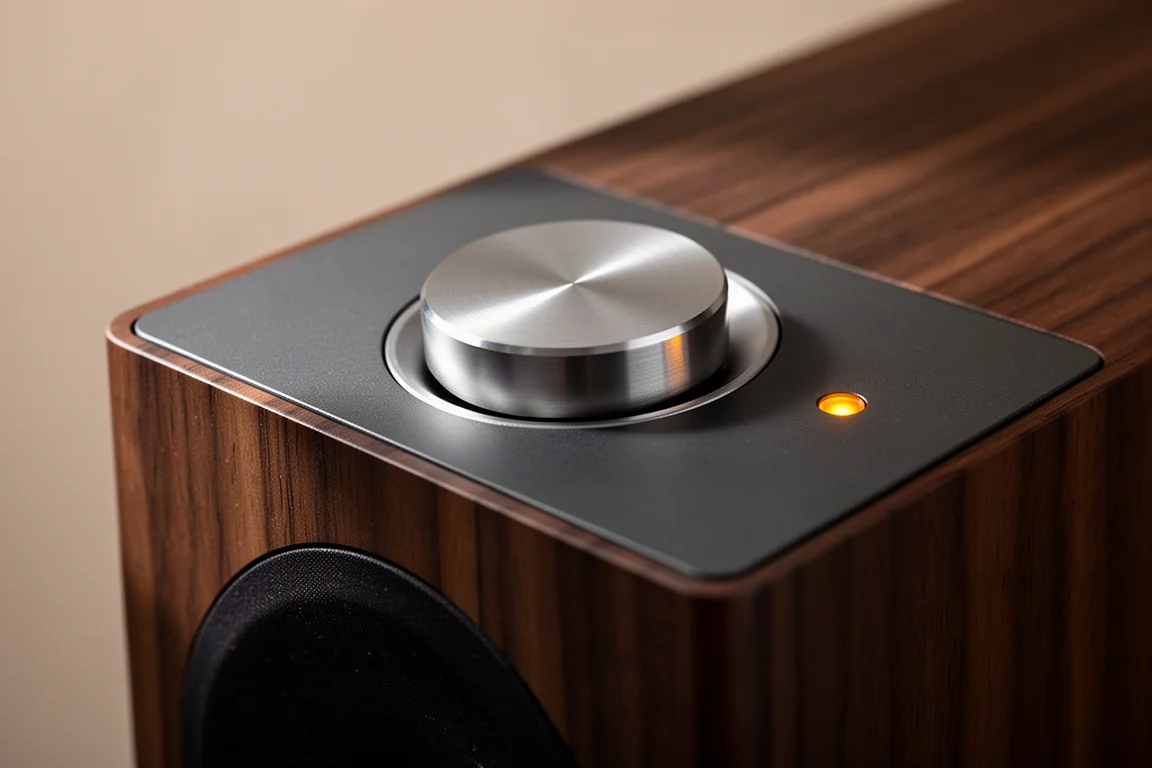
Connectivity is well covered. HDMI 2.1 accepts a Dolby Atmos signal without forcing everything down to stereo PCM, which was a limitation of the earlier model, and a subwoofer output engages a 60 Hz crossover automatically. A remote is supplied, the top-mounted wheel still handles volume, and a puck-style calibration microphone comes in the box for Dirac Live.
Bass Performance and Dirac Live Room Correction
The tuning is unapologetically bass forward, and that single choice shapes almost everything else about how these speakers sound. Output still falls away quickly at 40 Hz, so the new model does not dig meaningfully deeper than the outgoing one, but it leans much harder on the region just above that. Pulling the cabinets out from the wall gives the rear port room to breathe and helps the low end settle.
Dirac Live Room Correction is the marquee addition, and it is worth being precise about what is included. This is the limited-bandwidth version, which focuses on the bass and lower frequencies rather than the speaker’s entire response. It does clean up the over-pronounced bass, but the improvement registers more on a measurement graph than in the room. With or without presets, the speakers remain bass forward, and treating the included version of Dirac as transformative would be a stretch.
Two ideas that often get merged are worth separating here: cleaning up bass and extending bass are different jobs. Dirac will smooth the response of a connected subwoofer, but finer control over subwoofer integration requires Dirac Live Bass Control at an additional $299, and that upgrade depends on first paying $99 for an upgraded Dirac license.
Things to Consider Before Buying
Reliability is the biggest caveat, and it matters more here because the Sevens Mark II lean so heavily on software. The control app repeatedly failed to see the speakers, requiring manual power cycles or unplugging them from the wall to restore the connection. It crashed several times as well, and even after a reset it could not always locate the speakers without a hard power cycle. When app control sits at the center of the experience, the app cannot be the least dependable part of the product.
The physical controls carry their own compromises. Input selection has been reduced to a single button that indicates different sources with different colored lights, and because the labels are gone, it is genuinely difficult to tell which input is active or where the volume sits. The included remote helps, but it does not fully solve the problem.
Consistency is another consideration. Output levels shift noticeably between connections and formats, with HDMI and analog inputs differing substantially, and switching between PCM, Dolby, and Dolby Atmos content can change the level dramatically. The response also changes between listening modes, particularly with virtual Dolby Atmos, so a setting that works for one program may not suit the next. Keeping the mids and highs in balance against the bass boost can mean adjusting the controls track after track.
The speakers do not carry the brand’s trademark treble boost, but they still have plenty of treble energy and do not roll off much. At higher volumes that combination becomes tiring, which is the practical difference between a neutral-leaning speaker and one that keeps going almost to the limits of hearing.
Placement and cabling deserve planning too. Two speakers placed around 10 feet apart will likely exceed the included speaker cable, which makes clean cable management difficult, and the calibration microphone cable is tight for a listening position roughly 10 to 11 feet from the front baffles. The system is also not full range, so anyone chasing subsonic frequencies will still need to add a subwoofer.
How the Sevens Mark II Compare With Alternatives
Price is the context for every comparison here. Three years ago the original Sevens launched at $1,299, and the Mark II now sits just under $2,000, an increase of about $700. The version of the speaker described in the marketing material is not quite the version that arrives in the box either: adding the upgraded Dirac license and Dirac Live Bass Control brings the total closer to $2,400.
A Sonos premium immersive bundle, built around the Arc Ultra, the Sub 4, and two rear surrounds, sells for roughly $2,300 and delivers genuine surround sound with a dedicated subwoofer and rear speakers rather than virtualized Atmos from two powered bookshelves. A simpler Arc Ultra and Sub 4 bundle costs less than the Sevens Mark II on their own.
Klipsch and Onkyo’s own catalog offers another route. A pair of RP-600M II speakers with an Onkyo RZ30 receiver lands around $1,900 at full retail, and the receiver includes full-bandwidth Dirac Live Room Correction out of the box; that combination was selling closer to $1,500 at the time of writing. For anyone who does not want a large receiver in the room, a pair of RP-600M II speakers with a WiiM Amp Ultra offers more flexibility and, on balance, better results. Depending on current sale prices, that route can save close to $1,000, and adding WiiM’s rear speakers and its new subwoofer still lands near the price of a pair of Sevens Mark II.
Buying Advice
Buy the Sevens Mark II if you want a pair of powered speakers with serious low-end weight, a full set of modern inputs, and streaming built in, and if you are comfortable shaping the sound through an app, a five-band EQ, and Dirac. Plan on pulling them away from the wall, on adding a subwoofer if you want true low-frequency extension, and on budgeting for the Dirac upgrades if subwoofer integration matters to you.
Skip them if you want convincing overhead or surround effects, if you would rather not depend on an app for basic operation, or if you are sensitive to fatigue at higher volumes. In each of those cases a soundbar system, or a passive speaker and receiver combination, puts the money to better use.
Conclusion
The Sevens Mark II are a more capable speaker on paper than the models they replace, and there is real progress in the more neutral midrange and treble, the wireless secondary speaker, and the addition of HDMI 2.1 and Wi-Fi streaming. The difficulty is that the most consequential changes are also the ones that ask the most of the buyer: a bass-forward tuning that needs taming, a limited-bandwidth version of Dirac, and app software that is not yet dependable.
It is hard to escape the sense that Dirac is being used to manage a problem a different acoustic design might have solved more effectively. It makes for a more premium story, and it helps explain the higher price, but it does not justify it fully. At just under $2,000, and closer to $2,400 with the full Dirac path, the Sevens Mark II are a considered purchase rather than an automatic one.
Product link
View more details for Klipsch The Sevens Mark II
This product is mentioned in the review. Check the specifications, options, and compatibility before buying.
View more details for Klipsch The Sevens Mark IIFurther reading
Related Reviews
Home Audio
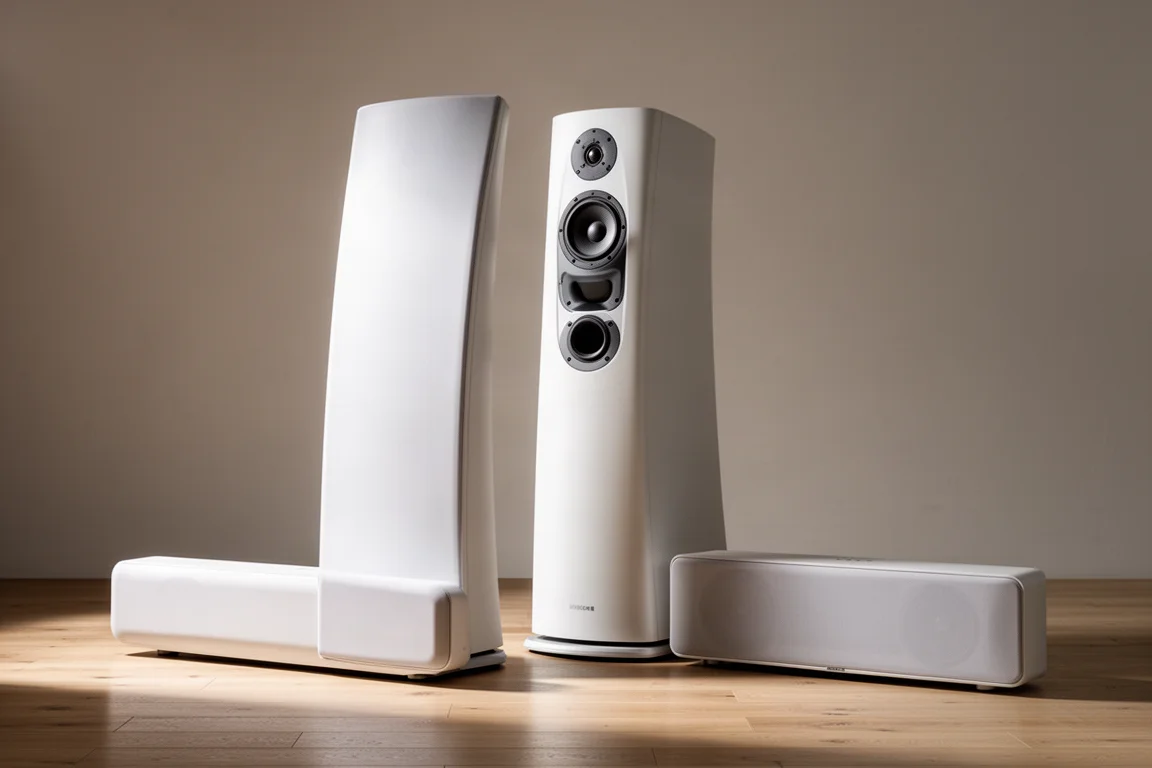
Aperion Novus Tower and Center Review: Punchy Home Theater Sound With Real Refinement
A close look at the Aperion Novus tower and center speakers, from their layered paint finish and punchy bass to the 4-ohm load and what the price actually buys.
Home Audio
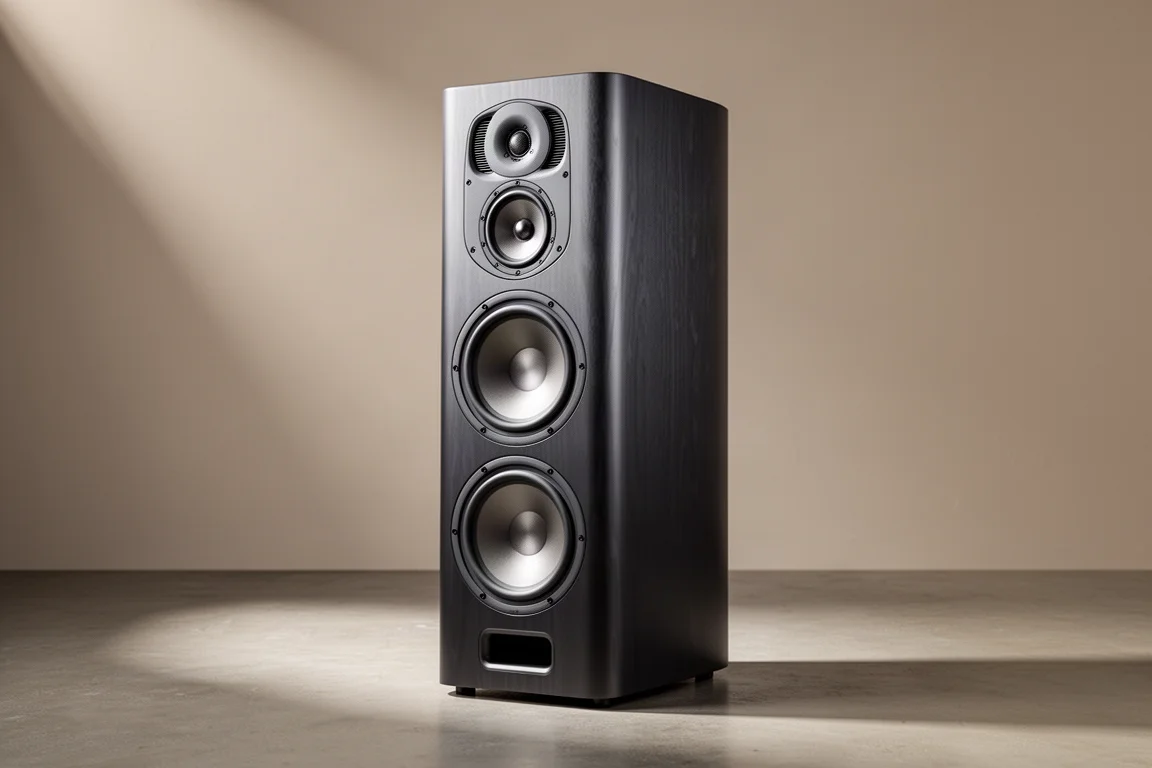
Arendal 1610 Tower Review: Flagship Dynamics in a Room-Friendly Tower
A compact floorstanding tower with three 8-inch aluminium woofers, a 5-inch carbon midrange, and the kind of bass heft usually reserved for much larger speakers.
Home Audio
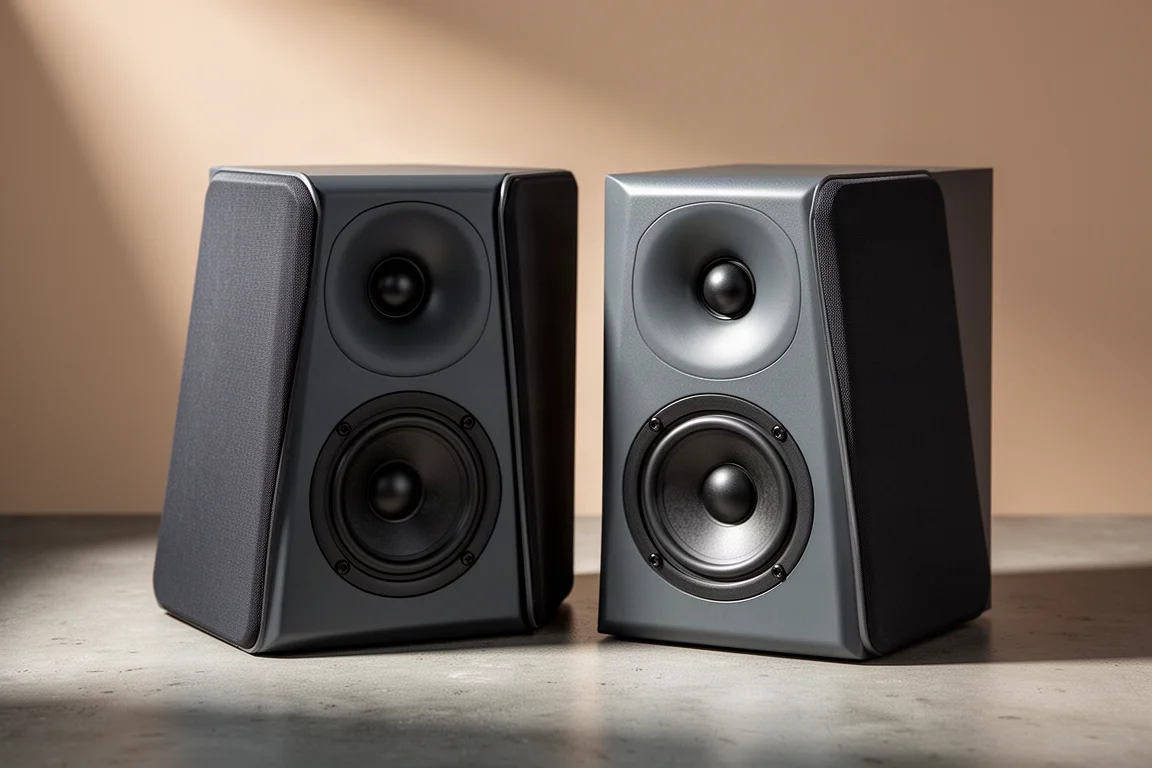
Arendal 1723 S THX Review: A Reference Speaker Built Like a Tank
A practical look at the Arendal 1723 S THX, a sealed, THX-certified speaker with exceptional build quality, a very flat top end, and a midrange that responds beautifully to EQ.