Hi-Fi Speakers
Klipsch Sevens Generation Two vs Cambridge Audio L/R X: Which Powered Speaker Fits Your Home?
A practical look at two premium powered speakers, covering connectivity, room fit, listening priorities, and the trade-offs to weigh before buying.
Introduction
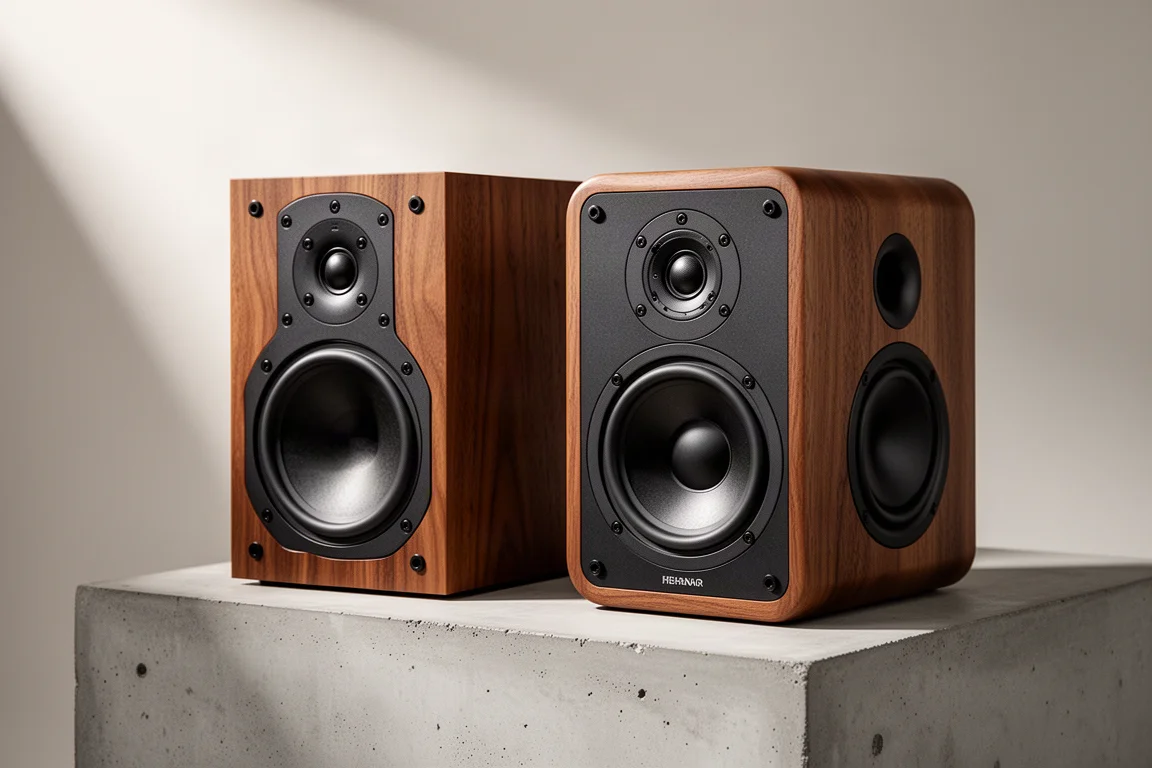
Powered speakers have quietly become one of the most practical ways to build a serious two-channel system without assembling a rack of separate components. The Klipsch Sevens Generation Two and the Cambridge Audio L/R X are two of the strongest arguments for that approach, and both make a convincing case for keeping a hi-fi setup simple.
They are not the same product, though. One leans on a full-size cabinet and a long heritage, while the other leans on a compact box and some clever digital processing. This guide walks through what each speaker offers, where the trade-offs sit, and which one is more likely to suit your room.
Why Powered Speakers Deserve a Second Look
The appeal starts with convenience. A powered pair folds the digital-to-analog converter, the phono stage, and the amplifier into the speaker cabinets themselves, so there is no component matching to research and no rack of power cables to tidy up behind a media shelf.
Both the Klipsch Sevens Generation Two and the Cambridge Audio L/R X offer a wide spread of connections, including RCA inputs, so a turntable or an outboard source can still be added later.
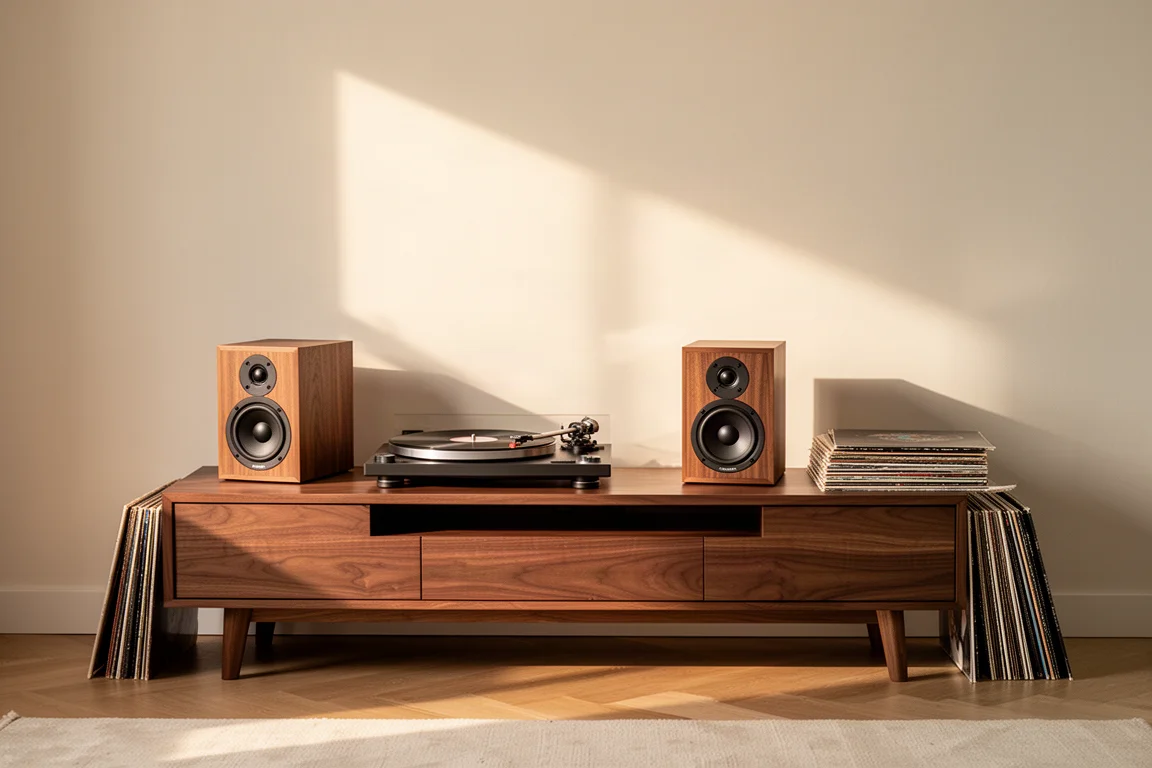
That convenience is also where the trade-off lives. Listeners who enjoy hunting for components, comparing amplifiers, and matching a system piece by piece lose part of that process with an all-in-one pair. The analog inputs on both models leave the door open, though, so a dedicated component can still join the setup if the urge returns.
Klipsch Sevens Generation Two
Klipsch has been building speakers for a long time, and the brand turns 80 this year. The Sevens Generation Two carries that heritage look, and its cabinet is genuinely full-size by bookshelf standards rather than a scaled-down box that has to be tucked away.
The speaker takes on the jobs that would normally be spread across several components, handling conversion, phono input, and amplification internally. That makes it a sensible centrepiece for a two-channel system, and it also handles television and film duty without complaint.
Cambridge Audio L/R X
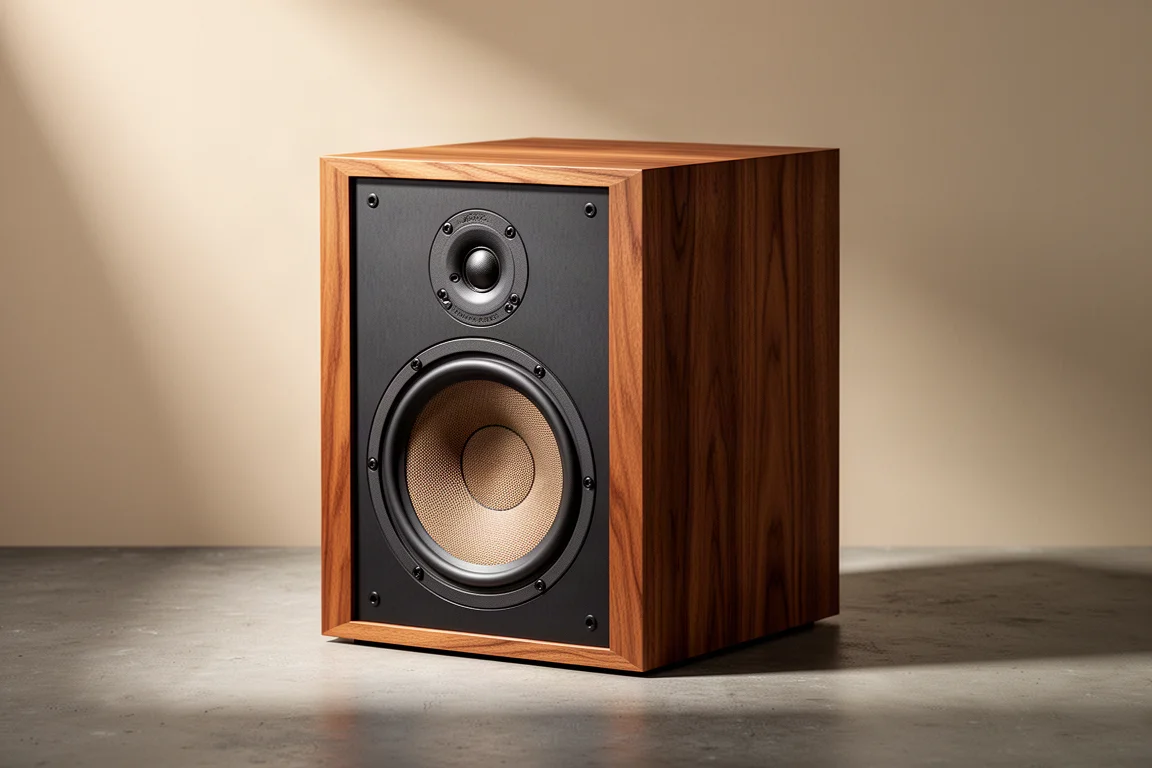
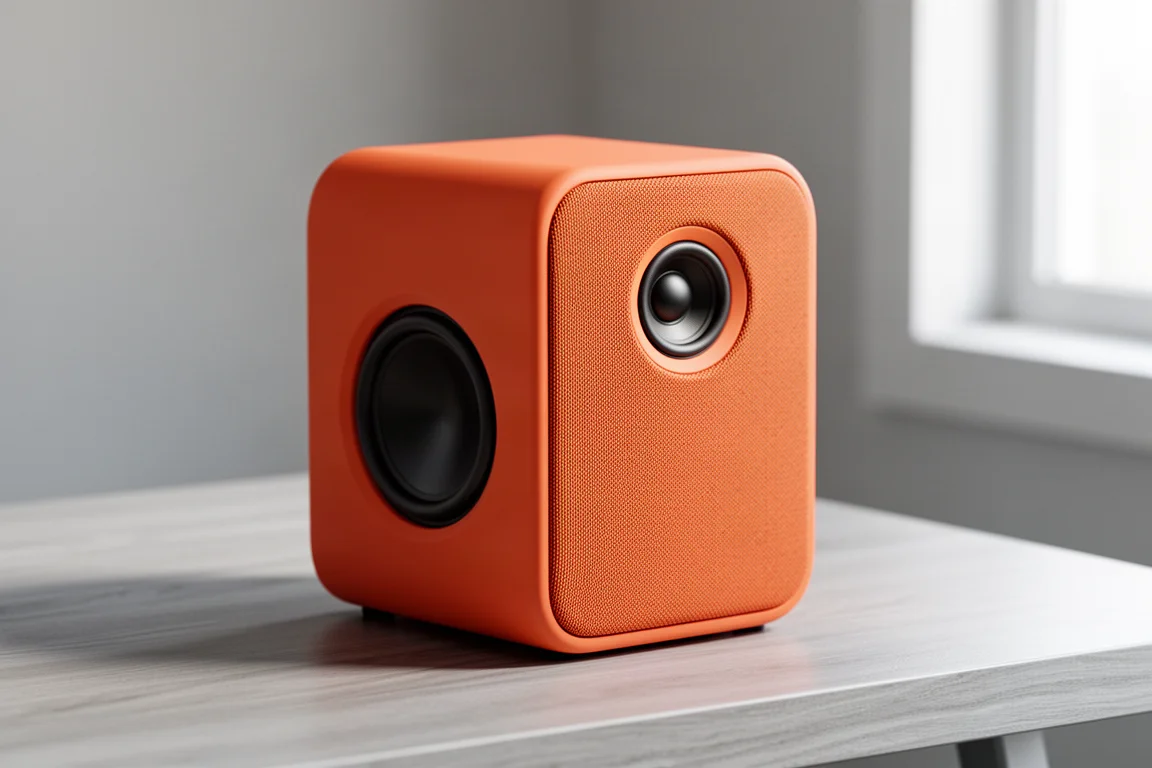
Cambridge Audio takes a different route. The L/R X is the smaller of the two cabinets, but digital signal processing helps it play far bigger than its dimensions suggest. It also comes in a range of colours, which makes it one of the few powered speakers that is genuinely easy to match to a room rather than work around.
The cabinet carries passive radiators on the side, and a small LED indicator shows when the speaker is active. That detail matters more than it might sound, because HDMI eARC handshakes can be temperamental, and a clear status light takes much of the guesswork out of troubleshooting.
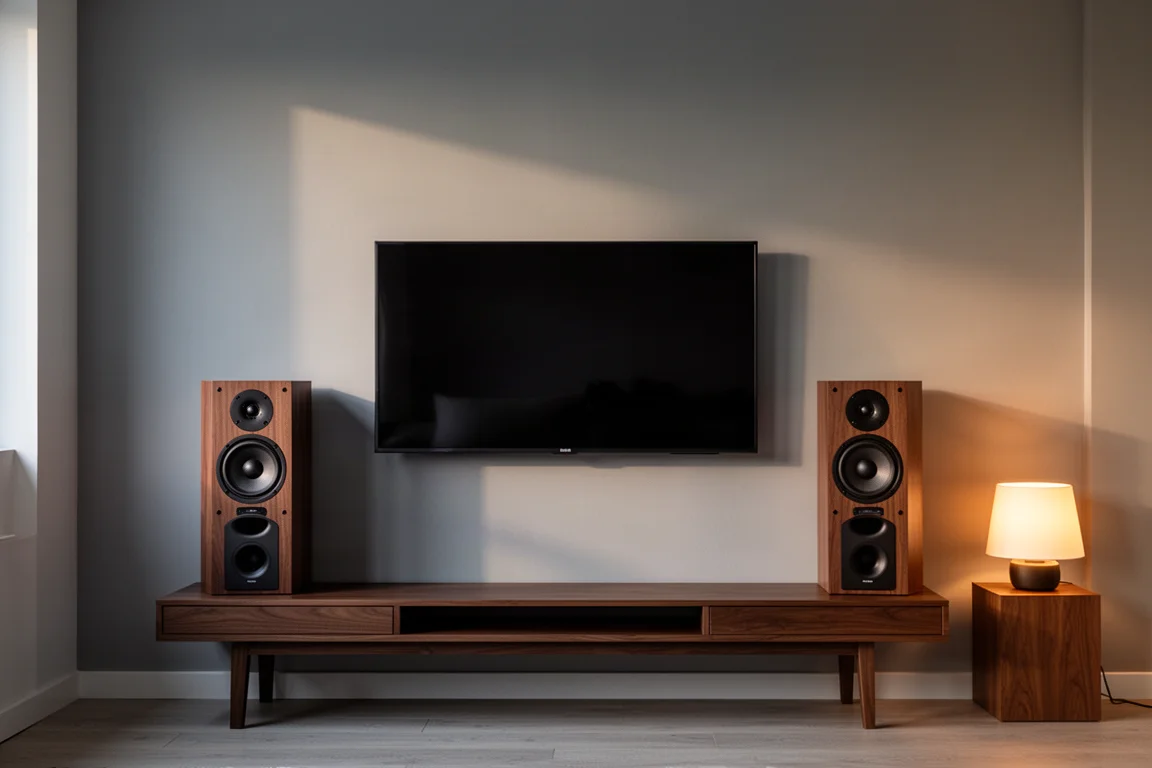
In practice, the compact footprint makes the L/R X easier to place in tighter rooms, while the processing keeps it convincing with two-channel music as well as with film and television.
Connectivity and Everyday Convenience
Both speakers are built around HDMI eARC, which makes either pair a straightforward replacement for a soundbar in a television setup. The connection set also covers subwoofer output and streaming, and with RCA inputs and a phono stage on board, a turntable and a streamer can sit alongside the TV without a separate amplifier in the chain.
That combination is where a soundbar usually falls short. A soundbar can handle television and film well, but it tends to be mediocre with music. A pair of powered speakers like these keeps two-channel listening as the priority while still doing a convincing job with movies.
Sound Quality and Room Fit
Sound is still the foundation, and both models deliver it. The Klipsch Sevens Generation Two and the Cambridge Audio L/R X handle two-channel music extremely well, and both are equally comfortable with film and television.
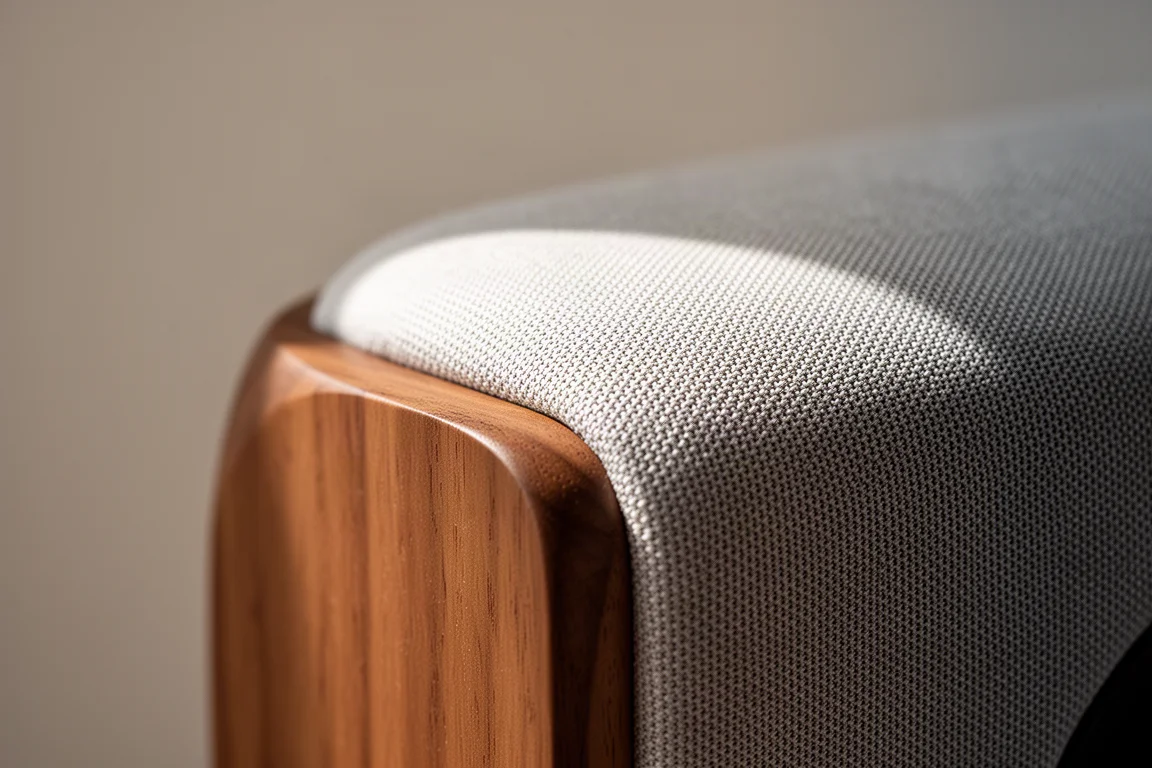
The difference comes down to physical size. The Sevens Generation Two is a full-size bookshelf cabinet, which suits a room with enough space to let it breathe. The L/R X is smaller, and its digital processing means it plays bigger than its cabinet suggests, which is a real advantage where placement options are limited.
Trade-Offs to Weigh Before Buying
- Convenience is the headline feature, and it is also the main compromise: an all-in-one pair removes some of the component hunting that many enthusiasts enjoy.
- Both speakers sit at the expensive end of the market, although the value becomes clearer once the built-in converter, phono stage, and amplification are counted.
- Neither is likely to be the only system in a serious setup. These suit a living room, a bedroom, a kids’ room, or a garage, and they are happiest as a high-quality second system or a simplified main one.
- If music is not a priority and television is, a soundbar remains the simpler and cheaper answer.
Buying Advice: Matching the Speaker to Your Room
Choose the Klipsch Sevens Generation Two if you want a full-size cabinet with a heritage look and a brand history that stretches back eight decades. It suits listeners who want the physical presence of a proper bookshelf speaker and who have the space to give it.
Choose the Cambridge Audio L/R X if space is tighter or if the room’s palette matters to you. The smaller cabinet, the range of colours, and the LED status indicator make it the easier speaker to live with day to day, and the processing means it does not sound small.
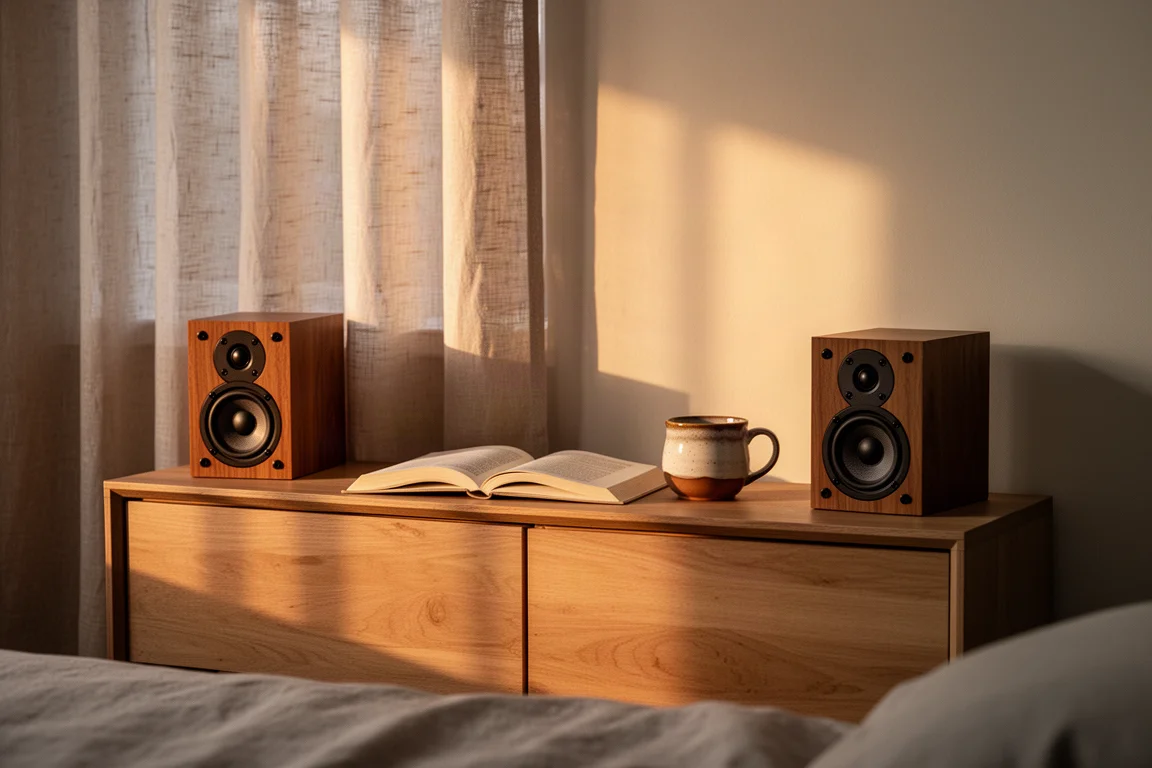
Either way, both are genuine end-game options in the powered speaker category. The deciding factor is less about which one is better and more about which one fits the room, the sources, and the way you actually listen.
Conclusion
The Klipsch Sevens Generation Two and the Cambridge Audio L/R X both make powered speakers easy to take seriously. The Klipsch brings a full-size heritage cabinet and a long brand story, while the Cambridge brings a compact, colourful design that plays larger than it looks. Match either one to the right room and the convenience stops feeling like a compromise.
Further reading
Related Reviews
Hi-Fi Speakers
1723 THX Tower vs 1528 Bookshelf: Which Speaker Fits Your Room?
Two speakers at roughly the same price, built very differently. How the 1723 THX tower and the 1528 bookshelf compare on construction, bass, power needs, and sound.
Hi-Fi Speakers
Acoustic Energy AE 300 Review: Deep Bass From a Compact Standmount
A two-way standmount with real wood veneer, surprising low-end weight, and a warm, easygoing character. Here is what to know before buying.
Hi-Fi Speakers
Acoustic Energy AE1 40th Anniversary Review: A Modern Take on a British Classic
A compact standmount that revives a 1980s favorite with all-new parts, a warm mid-centric balance, and a price of £1,499 per pair.