Home Audio
Klipsch RP-8000F Mark II Review: A Refined Sequel With Real Dynamic Punch
A close look at the Klipsch RP-8000F Mark II floorstanding speaker, covering its drivers, measured in-room response, dynamic character, placement flexibility, and how it stacks up against rival towers.
Introduction
The original Klipsch RP-8000F built a reputation as one of the best value floorstanding speakers in home audio, and Klipsch has since refreshed the entire Reference Premiere family. The RP-8000F Mark II is the direct successor, and the question that matters is a simple one: does the sequel improve on a speaker that was already easy to recommend?
After extended listening in both stereo and home theater configurations, the answer is yes, although the changes are best described as refinement rather than reinvention. The cabinet proportions and the horn-led personality carry over, while the details that matter most, including a larger horn waveguide, revised rear connections and a more polished overall balance, have been addressed.
Who the Klipsch RP-8000F Mark II Is For
This is a speaker for listeners who value impact, immediacy and dialogue intelligibility ahead of absolute tonal neutrality. It works just as convincingly in a two-channel music system as it does in a multichannel home theater, where its dynamic character makes film soundtracks and games genuinely exciting to listen to.
It is also unusually strong at low volume. Few speakers in this class hold their composure and their clarity so well when the dial is turned down, which makes the Mark II a strong candidate for anyone who has trouble following dialogue in films.
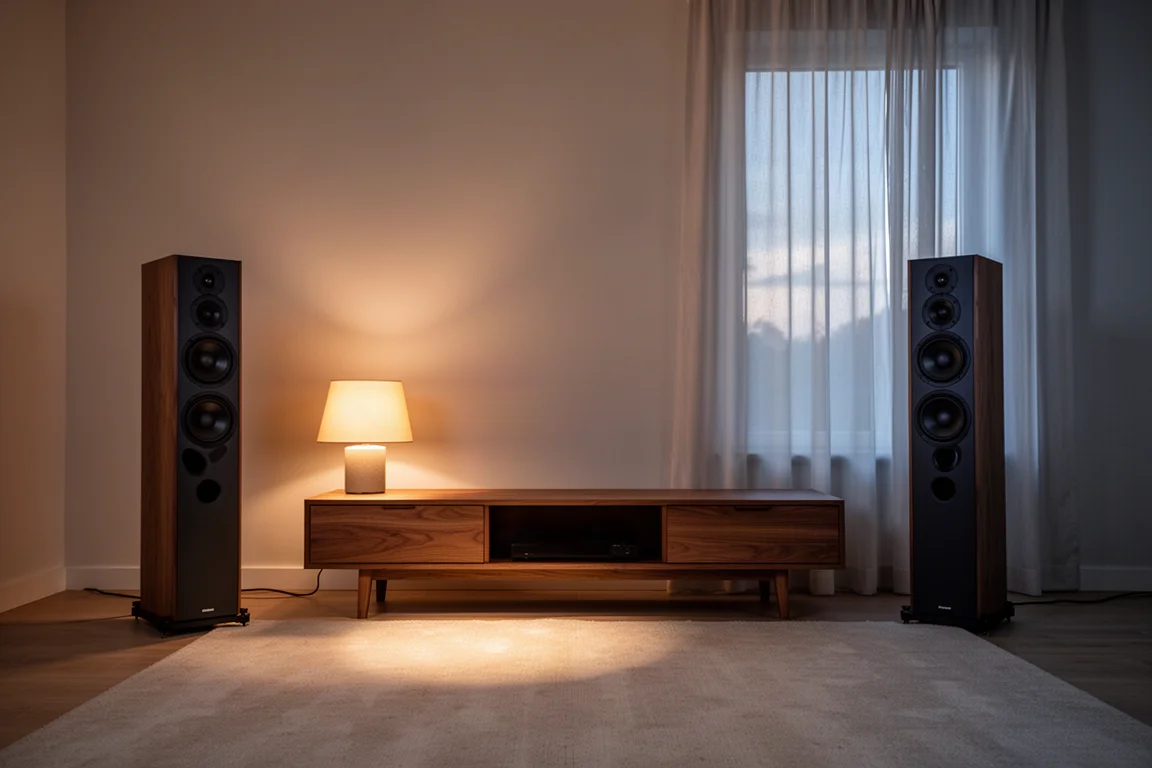
Just as importantly, it is forgiving about where it sits. For a large tower, the RP-8000F Mark II is genuinely room friendly, and it does not demand a dedicated listening space or a heavy acoustic treatment budget.
One trade-off comes with the format: for true full-range playback the Mark II needs a subwoofer. It does not dig as deep or grip the lowest octaves as firmly as some rivals, so listeners who want deep bass without a sub should weigh that carefully.
Design, Drivers, and Placement Flexibility
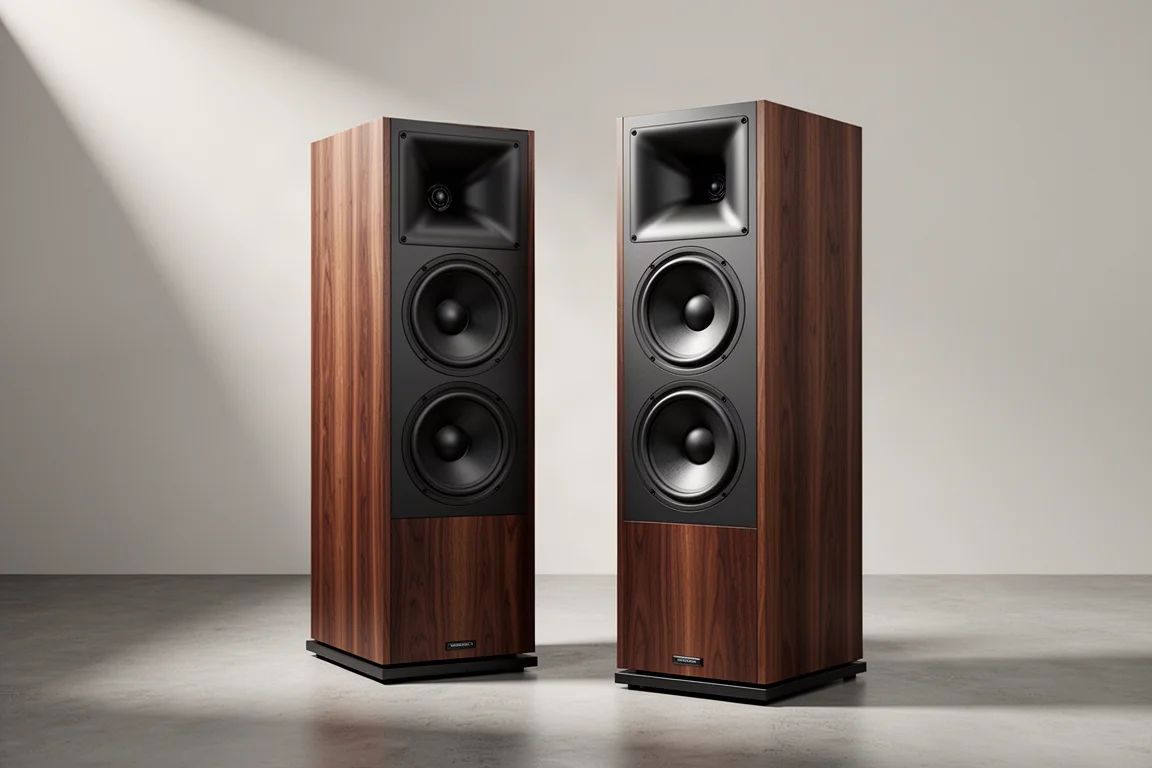
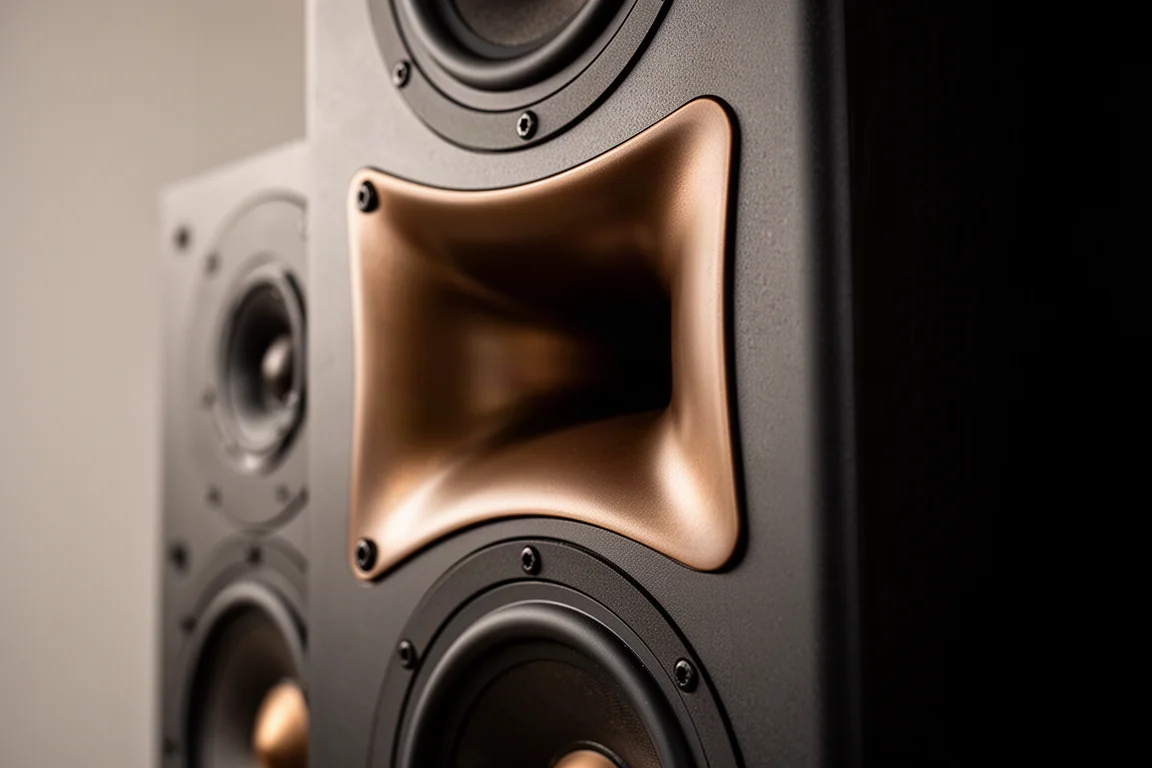
The Mark II pairs a one-inch titanium tweeter with two eight-inch woofers, loaded by a new, larger Tractrix horn waveguide that now runs edge to edge for greater high-frequency focus. Around the back, the binding posts and the Atmos connections have been updated, which is the clearest physical difference from the outgoing model.
Two rear-facing Tractrix ports support a reported frequency response of 35 Hz to 25 kHz, roughly in line with the original. Impedance is rated at eight ohms with an in-room sensitivity stated at 98 dB, which keeps the speaker friendly to a wide range of amplifiers and receivers.
Placement is remarkably undemanding. Whether the speakers sat six inches or two feet from the front wall, the response stayed large and full. Toe-in has a clear effect on treble behaviour: aimed straight ahead the treble is more linear, while pointing the speakers directly at the listening position adds a little high-frequency energy and a touch more perceived detail. A slight toe-in, without aiming the speakers straight at the listener, tends to strike the best balance, and there is plenty of room to experiment.
Sound Quality and That Live, Dynamic Character
In-room measurements are flattering from roughly 200 Hz upward, with small peaks and valleys that mostly stay within plus or minus 3 dB. Below 200 Hz there is a modest bass lift, which is easy to manage and responds well to EQ and room correction. In practice the speaker measures close to flat in a real room, which is very much the intent behind its design.
Dynamics are where the Mark II separates itself. It has snap, immediacy and punch, and it lands the point of impact without fuss. Crucially, that character survives on modest amplification: the speaker sounded just as present and snappy on an entry-level receiver as it did on a considerably more expensive integrated amplifier.
The midrange is not perfectly neutral. There is a little extra liveliness, a touch of resonance in the cabinet that adds energy at certain frequencies. That gives vocals, particularly female voices, more presence and a live quality that is genuinely enjoyable, even if it is not the last word in accuracy.
The treble tells a similar story. The tweeter shows little roll-off until well past 10 kHz, so detail and intelligibility sit high on its list of attributes. It is a touch softer and more mild-mannered than some brighter rivals, but on poorer recordings the top end can still become tiring at high volumes. Listeners who want a top end that never offends across every genre may prefer a warmer alternative.
Imaging is strong and the speaker disappears into a large, cavernous soundstage. Separation is not razor sharp, and instruments can blur slightly at the edges of the stage. Centre imaging is good, drifting a little as you move off axis. Speakers with less specialised waveguides tend to disperse a little more evenly, but they also interact more with the room, which is the trade-off.
Amplifier Friendliness and Real-World Setup
The Mark II was run with a broad spread of electronics, from flagship and entry-level AV receivers to dedicated stereo integrated amplifiers, and it performed well with all of them. No pairing raised the noise floor, which matters because high-sensitivity designs can reveal hiss from a noisy amplifier.
In a home theater system it integrates easily with a matching centre channel, in-ceiling effects speakers and subwoofers, and it delivers the kind of excitement that makes movie nights and gaming sessions memorable.
How the RP-8000F Mark II Compares to Other Towers
Against the Polk R700, the Klipsch gives up some low-frequency reach and top-end extension. The Polk plays lower, can reduce or remove the need for a subwoofer, and its treble is more agreeable across every genre, which makes it the more versatile all-rounder. For driving rock and electronica, however, the Klipsch is the more enjoyable listen.
The MartinLogan Motion XT F100 is the more refined speaker, with woofers that offer greater texture and detail, but it costs more than twice as much. At less than half the price, the Klipsch is an entirely reasonable choice.
The Arendal 1961 Tower is arguably the more accomplished speaker on objective grounds, yet the Klipsch is more fun to spend time with. The Triangle Borea BR09 is better looking, but the Klipsch is the more balanced performer and holds together better at high volumes.
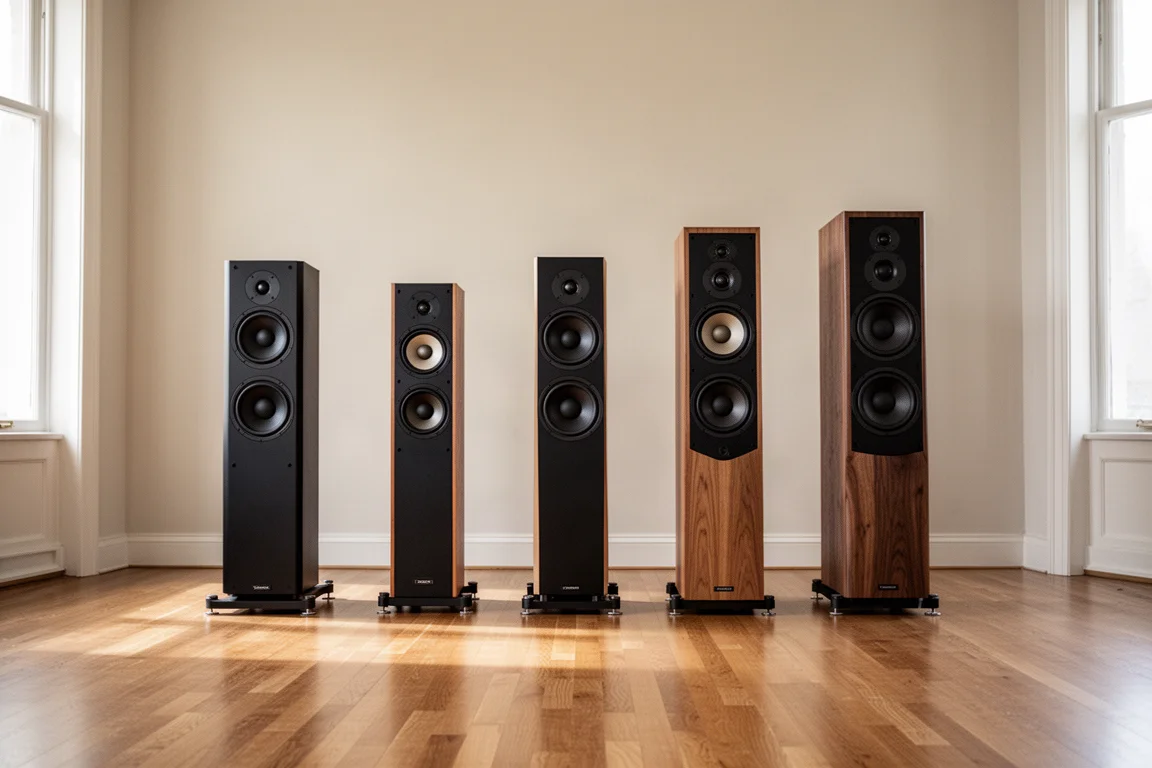
Against the Focal 826 Tower, the Focal images a little more precisely and holds a stronger centre image, with a slightly livelier treble and a wider choice of finishes. The Klipsch counters with a larger presentation and far greater flexibility about placement near a front wall.
The Sonus Faber Lumina V costs around $3,000, more than a thousand dollars above the Klipsch. It is better built, better looking and more compact, with a broader, warmer low end, while the Klipsch is the more exacting speaker. The Q Acoustics Concept 50 sits at a similar price, images better, disappears more completely and is exceptional off axis, but it does not play as low and effectively requires a subwoofer. The Klipsch delivers satisfying bass on its own for most music.
Things to Consider Before Buying
- A subwoofer is required for genuine full-range playback, and rivals such as the Polk R700 dig deeper on their own.
- The midrange carries a little added liveliness, which is enjoyable but not strictly neutral.
- Poor recordings can sound tiring at high volumes.
- Soundstage separation is broad rather than sharply etched, and centre imaging drifts slightly off axis.
- Finish options are limited, and the Reference Premiere range is not the most decor-friendly line in home audio.
Buying Advice
If you already own the original RP-8000F and are wondering whether the upgrade is worth it, the Mark II is the better speaker. The original was excellent, but there was room for improvement, and the Mark II delivers it.
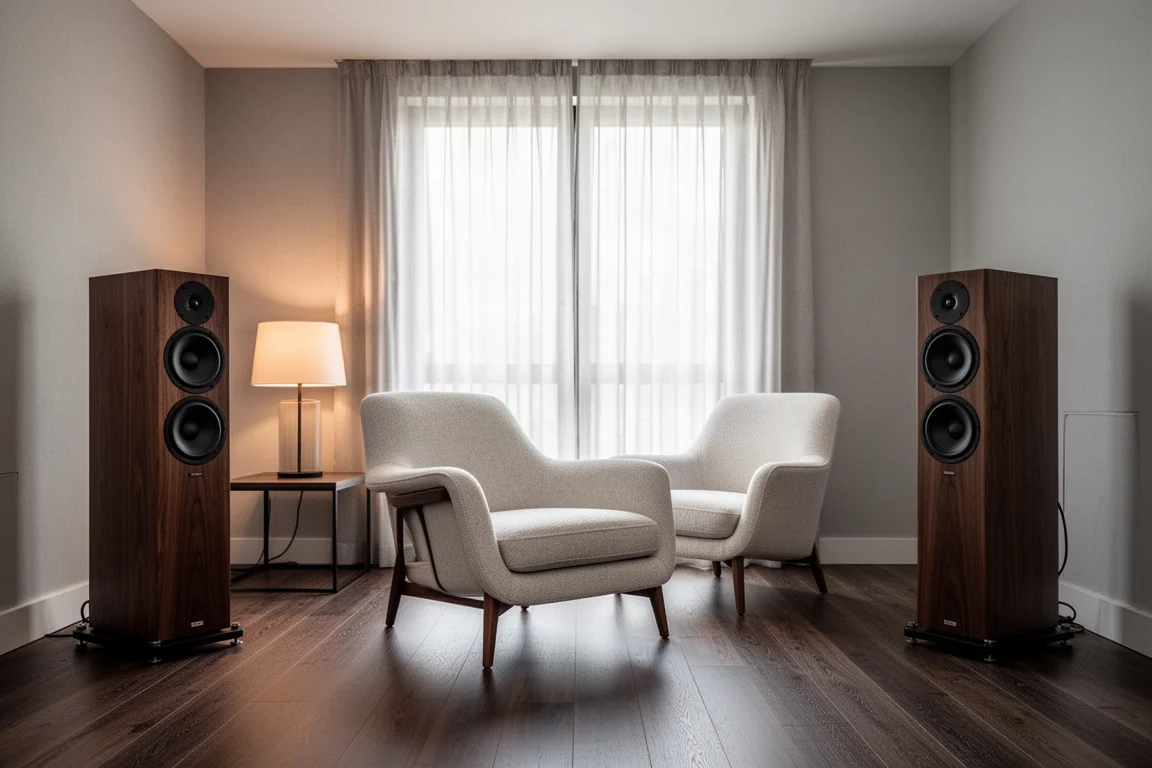
For anyone building a system from scratch, the decision comes down to priorities. The Polk R700 remains the more versatile speaker across a very wide range of content, and it is hard to beat as an all-rounder. The Klipsch RP-8000F Mark II is the more entertaining speaker, with stronger dynamics and clearer dialogue, and it stays composed on modest electronics. Next to the Polk, it remains one of the best values in home audio.
Conclusion
The Klipsch RP-8000F Mark II does not reinvent the formula. It refines it. A larger horn waveguide, updated connections and a more polished tuning make it a better speaker than the model it replaces, while the high sensitivity, flexible placement and dynamic character that made the original so popular are all intact. Add a subwoofer for full-range depth, feed it almost any receiver, and it is an easy speaker to recommend.
Product link
View more details for Klipsch RP-8000F Mark II
This product is mentioned in the review. Check the specifications, options, and compatibility before buying.
View more details for Klipsch RP-8000F Mark IIFurther reading
Related Reviews
Home Audio
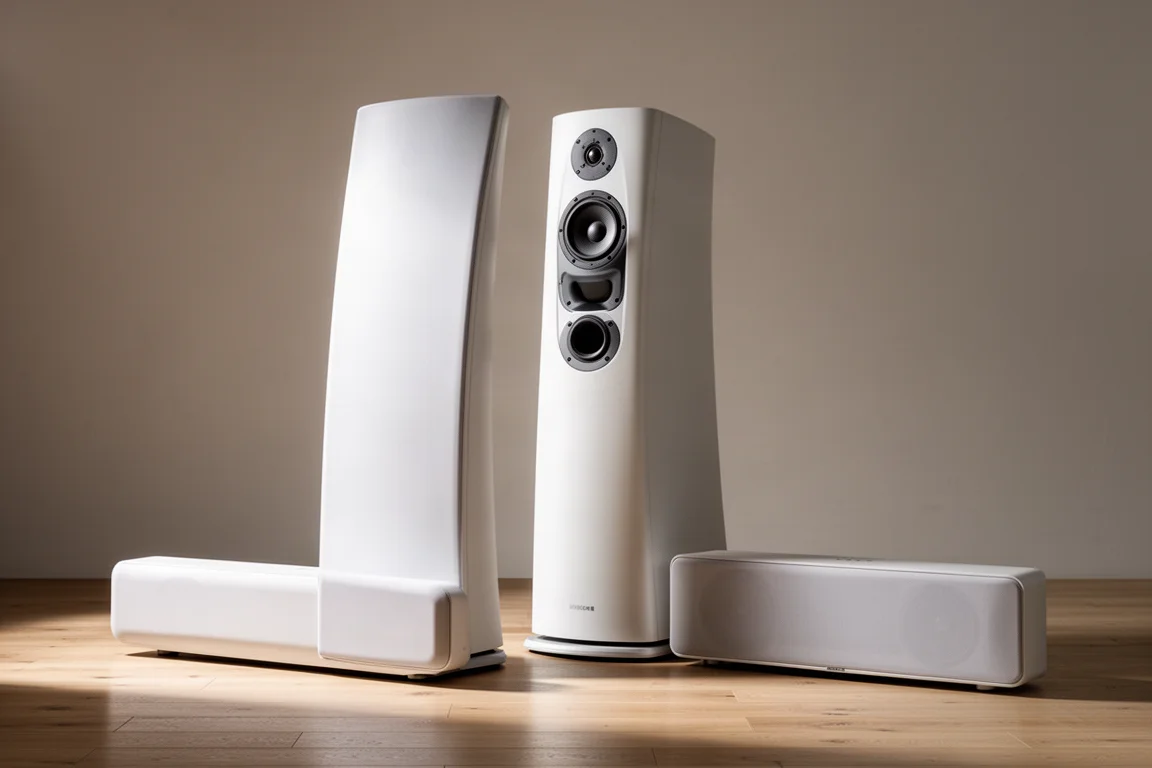
Aperion Novus Tower and Center Review: Punchy Home Theater Sound With Real Refinement
A close look at the Aperion Novus tower and center speakers, from their layered paint finish and punchy bass to the 4-ohm load and what the price actually buys.
Home Audio
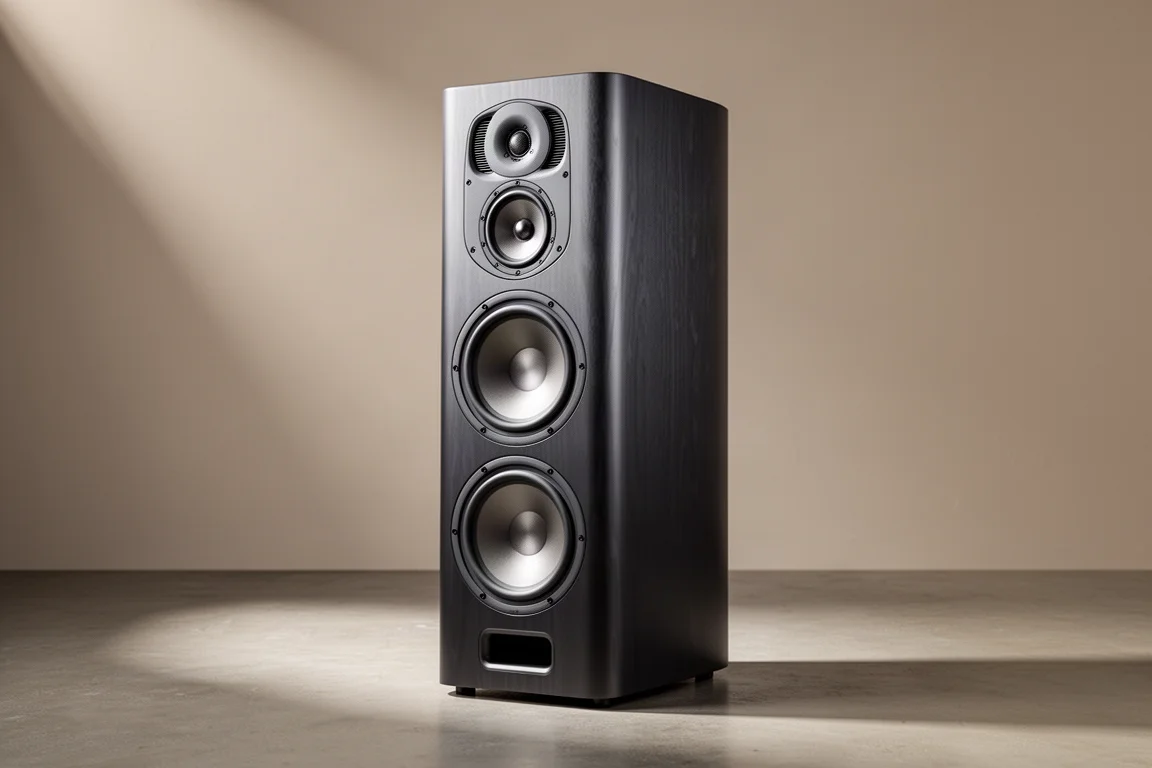
Arendal 1610 Tower Review: Flagship Dynamics in a Room-Friendly Tower
A compact floorstanding tower with three 8-inch aluminium woofers, a 5-inch carbon midrange, and the kind of bass heft usually reserved for much larger speakers.
Home Audio
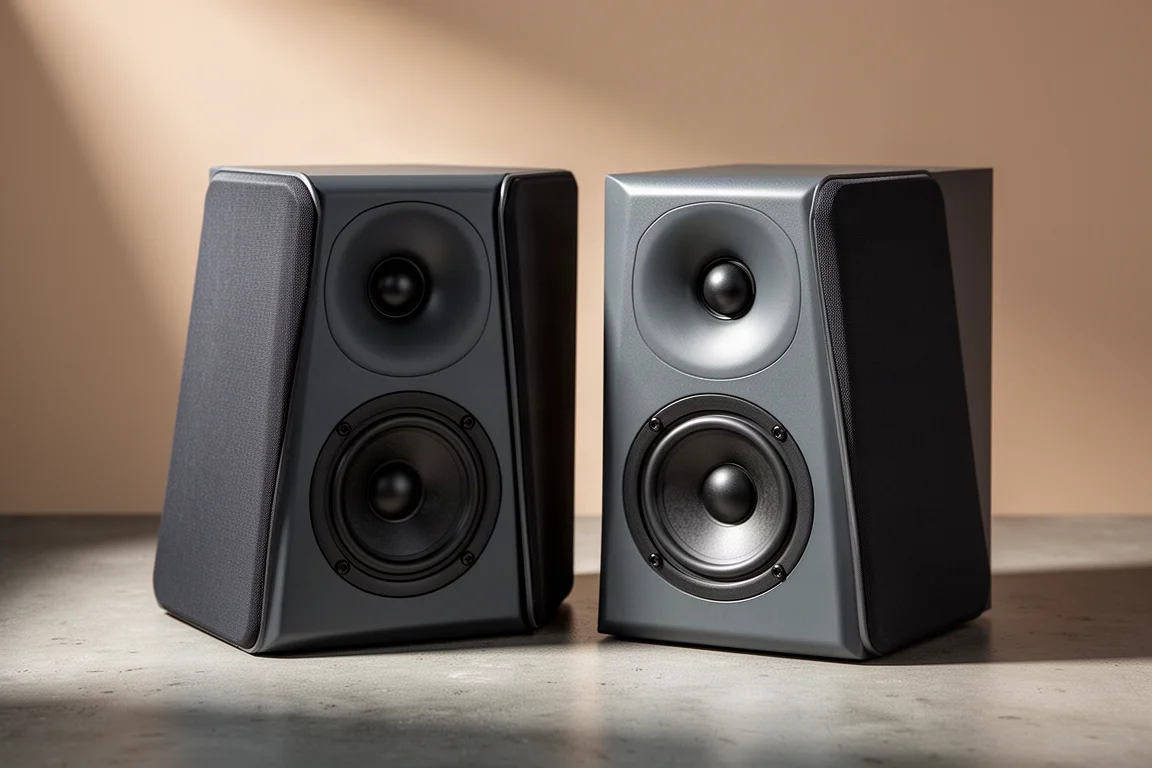
Arendal 1723 S THX Review: A Reference Speaker Built Like a Tank
A practical look at the Arendal 1723 S THX, a sealed, THX-certified speaker with exceptional build quality, a very flat top end, and a midrange that responds beautifully to EQ.