Home Audio
Klipsch RP-600M II vs RP-600M: Which Generation Should You Buy?
A side-by-side look at the Klipsch RP-600M II and the original RP-600M, covering bass punch, midrange forwardness, treble detail, pricing, and who each speaker suits.
Introduction
Two generations of the same bookshelf speaker, and they do not sound alike. The Klipsch RP-600M built its reputation as an affordable, high-sensitivity standmount that plays loud with almost any amplifier. The Klipsch RP-600M II keeps the same driver recipe but changes the cabinet, the horn, and the tuning. The result is less a refinement of the original and more a re-voicing of it.
This comparison covers what actually differs between the two, where each one wins, and who should pick which. Price matters here as well: the second generation arrived at a $750 retail price, while the original has been selling for around $397.
How the Two Klipsch RP-600M Generations Differ
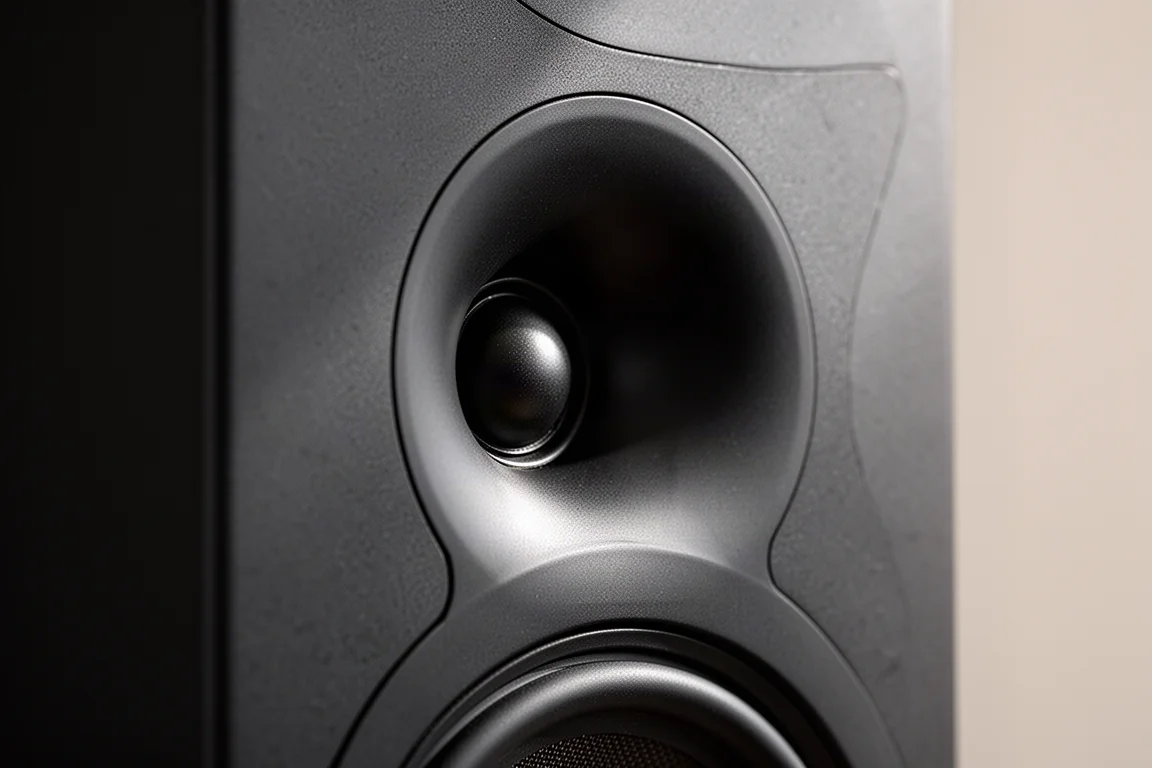
Both speakers share a 6.5-inch metallic-cone woofer and a 1-inch titanium tweeter mounted behind a Tractrix horn. The reported frequency response is close, at 44 Hz to 25 kHz for the RP-600M II and 45 Hz to 25 kHz for the original.
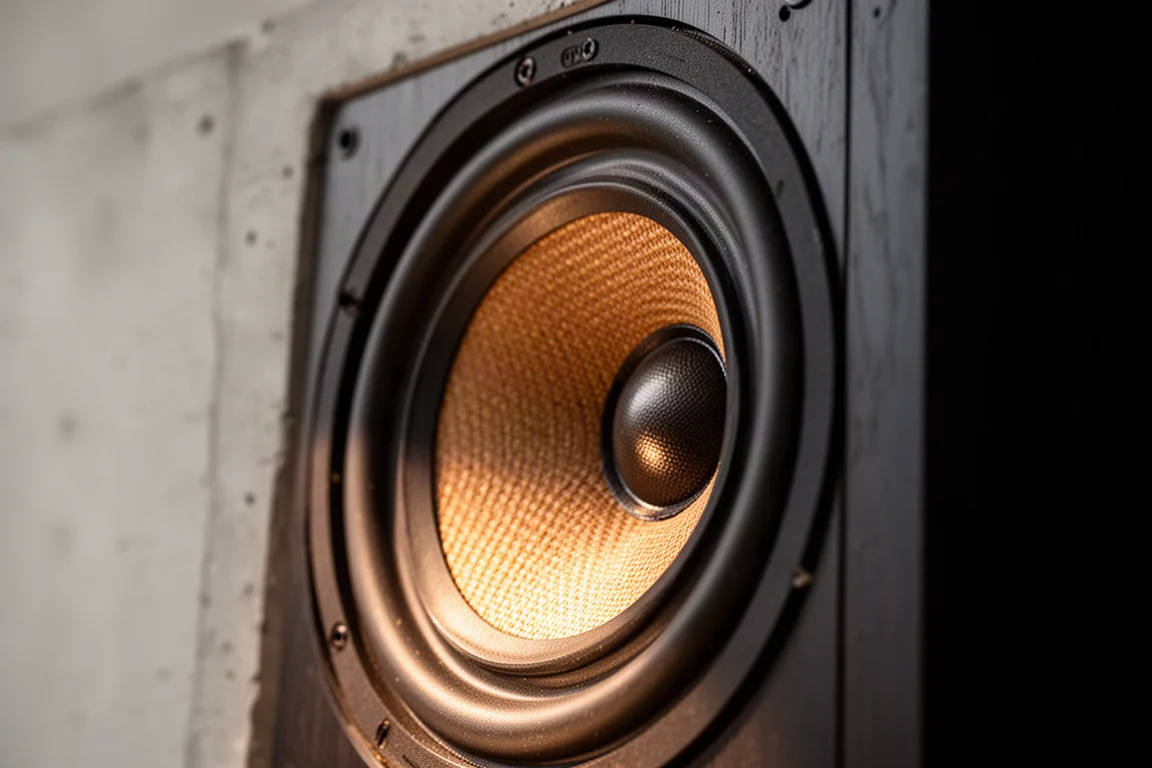
The second generation uses a larger horn than the first, and its rear Tractrix horn is flush mounted, where the original’s extends outward from the cabinet. The cabinets differ too: the RP-600M II uses a newer enclosure design with additional bracing, and its baffle has a different edge profile, which is why the grilles are not interchangeable between the two.
Small hardware details separate them as well. The RP-600M II uses metal binding posts and wire jumpers, while the original uses plastic binding posts with metal strip jumpers. The original’s vinyl wrap also continues around to the rear of the cabinet, where the second generation finishes the back in matte black.
Klipsch RP-600M II: The Second Generation
The RP-600M II is the more balanced of the two. Its bass sits more in line with the rest of the frequency range rather than standing out, and its midrange is noticeably forward, so vocals can feel as though they sit in front of the speakers instead of on the same plane.
Klipsch rates its sensitivity at 94.5 dB, below the 96 dB figure quoted for the original. Sensitivity figures are best treated as a rough guide, since manufacturers do not all measure them the same way, and in everyday listening most people use only a couple of watts.
Klipsch RP-600M: The Original
The original RP-600M goes in the other direction. Its bass hits harder and sounds punchier, its treble carries more air and detail, and vocals come through with more clarity, even though they sit further back in the mix than they do on the second generation.
It is also the stronger value at the moment. The RP-600M has been discounted to around $397, roughly half the $750 retail price of the second generation. Klipsch speakers often stay available long after a generation is replaced, and the discounts on the outgoing model can be substantial.
Listening Comparison: Bass, Midrange, and Treble
Comparing the two side by side makes the voicing difference clear within a few tracks. Each generation makes a different trade, and neither one simply outclasses the other.
Bass: Punch Versus Control
Bass is where the two diverge first. The original sounds punchier and thicker down low, with low notes that feel more palpable and physical. The second generation trades some of that weight for balance, keeping the low end more in step with the rest of the response. Clarity in the bass, however, was effectively identical between them.
Part of that difference may come from the cabinet. The RP-600M II uses a newer enclosure with more bracing, which could reduce internal resonance, while the original’s cabinet may be adding a little boom to what the woofer produces.
Midrange: Forward Versus Detailed
The second generation pushes the midrange forward. Vocals feel like they are placed in front of the speakers, and that forward character holds across different material.
The original keeps vocals more in line with the speakers themselves, but reveals more of what surrounds them. Reverb tails, backing vocals, and small studio details are easier to pick out on the first generation. For listeners who weight clarity over forwardness, the original has the edge.
Treble: Air and Cymbal Detail
Treble is the biggest surprise of the comparison. The original carries more air, more crispness, and more detail in cymbals and hi-hat work. Fine details, such as a drummer lifting a foot off the hi-hat to open it slightly, come through more clearly on the first generation.
Neither speaker is sibilant. Both handle the harsh “s” range around 6 to 6.5 kHz well, which is not something a horn-loaded design can be counted on to do.
Amplifier Pairing and Sensitivity
Sensitivity is mostly an amplifier-matching question. A higher-sensitivity speaker reaches the same loudness with less power, so a low-wattage amplifier can drive it comfortably. Both of these speakers are efficient enough that most listeners will never push past a few watts.
The quoted figures are 94.5 dB for the RP-600M II and 96 dB for the original, though these numbers are not measured the same way across the industry, so they should not be read as a strict ranking.
Which Klipsch RP-600M Should You Buy?
Choose the RP-600M II if you want a more balanced low end and a midrange that places vocals in front of the speakers. It is also the newer design, with the updated braced cabinet, the flush-mounted rear horn, and metal binding posts.
Choose the original RP-600M if you value punchy bass, treble air, and vocal clarity, and if the current discount appeals to you. It is the more exciting of the two on rock material, and it costs substantially less.
Either way, buy for the presentation you actually enjoy. These are not two versions of one sound with a light polish applied. They are voiced differently enough that the choice is a matter of preference rather than a strict upgrade path.
Conclusion
The Klipsch RP-600M II and the original RP-600M share a driver recipe but not a personality. The second generation is the more balanced and more forward-sounding speaker. The original is the punchier and more detailed one, and at its current discount it is also the better value. Match the choice to the sound you want rather than to the generation number.
Further reading
Related Reviews
Home Audio
Aperion Novus Tower and Center Review: Punchy Home Theater Sound With Real Refinement
A close look at the Aperion Novus tower and center speakers, from their layered paint finish and punchy bass to the 4-ohm load and what the price actually buys.
Home Audio
Arendal 1610 Tower Review: Flagship Dynamics in a Room-Friendly Tower
A compact floorstanding tower with three 8-inch aluminium woofers, a 5-inch carbon midrange, and the kind of bass heft usually reserved for much larger speakers.
Home Audio
Arendal 1723 S THX Review: A Reference Speaker Built Like a Tank
A practical look at the Arendal 1723 S THX, a sealed, THX-certified speaker with exceptional build quality, a very flat top end, and a midrange that responds beautifully to EQ.