Bookshelf Speakers
Klipsch RP-600M II Review: Big Sound From a Compact Bookshelf Cabinet
The Klipsch RP-600M II keeps the formula that made the original famous, then reworks the horn, tweeter, woofer motor, and cabinet for a sweeter, deeper, more effortless performance.
Introduction
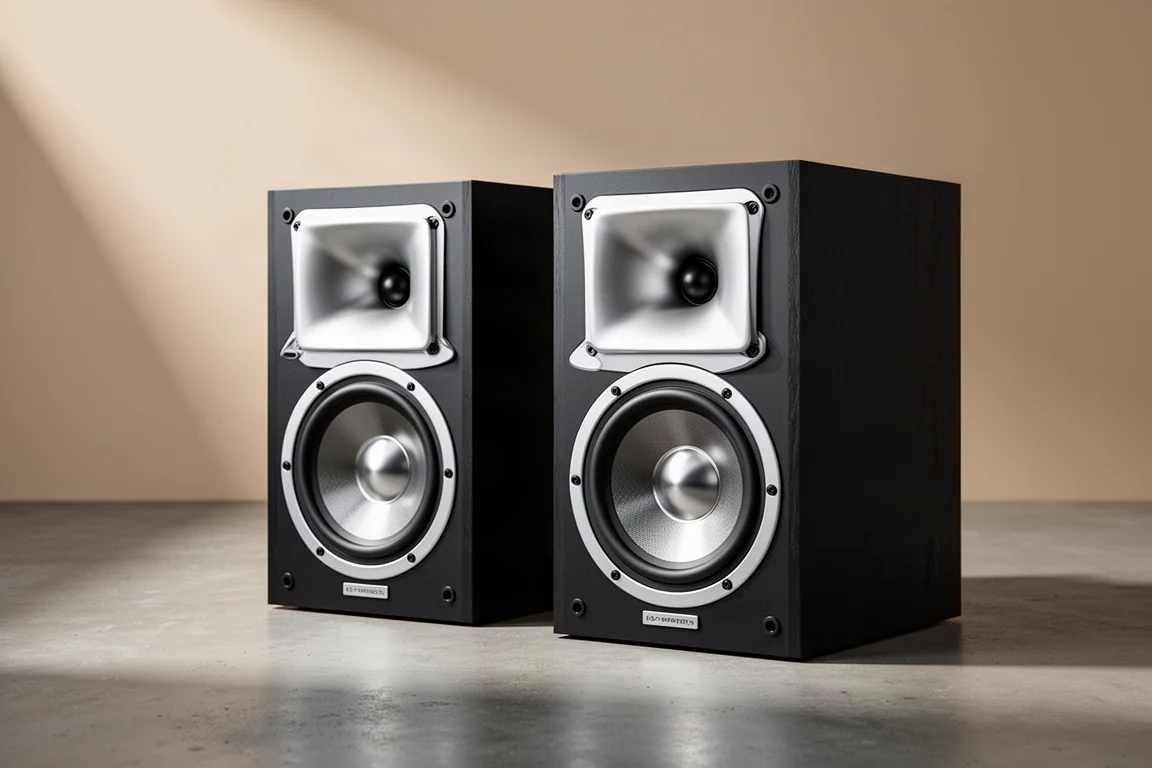
The Klipsch RP-600M II is the second generation of a bookshelf speaker that earned a large and loyal following for one straightforward reason: it produced a rich, big, room-filling sound from a compact cabinet. The original paired a horn-loaded tweeter with a cerametallic woofer and consistently outperformed most of its competitors in the same price category.
Klipsch has kept that formula and reworked the parts that matter. The new Reference Premiere II version carries a larger horn waveguide, a revised tweeter, a rebuilt woofer motor, and a more rigid cabinet, all aimed at the same goal: an effortless presentation that makes recorded music feel like live music in the room.
Who the Klipsch RP-600M II Is For
At 16 inches tall, 13 inches deep, and 8 inches wide, the RP-600M II sits in the mid to large range for a bookshelf speaker. It matches the original in height and width and adds an inch of depth. Cabinets this size can work on a big bookcase, but they are at their best on a proper pair of speaker stands.
Efficiency is rated at 94.5 dB, which is high enough that a low-power integrated amplifier or receiver can drive these speakers and still fill a room with sound. That makes the RP-600M II a practical option for listeners who want scale and impact without building an expensive system around them.
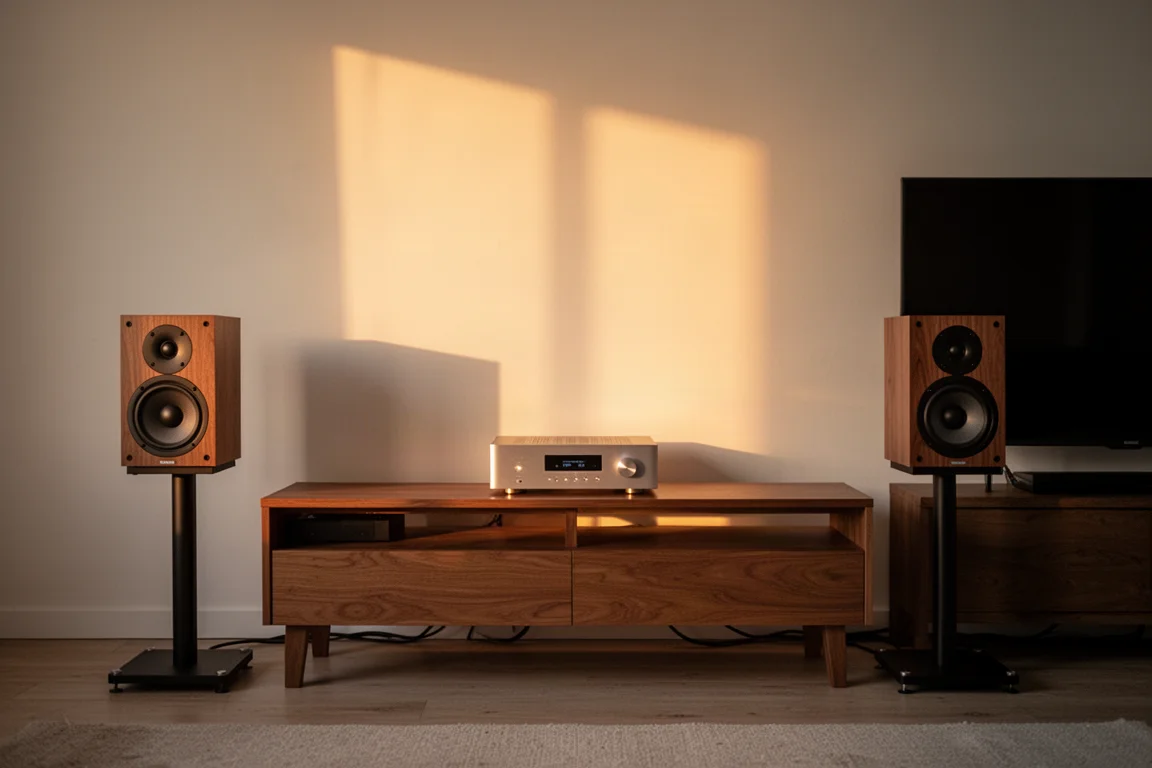
The design remains a two-way configuration with a 6.5-inch woofer and a 1-inch tweeter, the same driver sizes as before. The appeal is unchanged: a compact footprint that still delivers weight, dynamics, and a sense of occasion.
Main Strengths
Bass output is the headline. With the subwoofer in the room disconnected entirely, the RP-600M II produced a staggering amount of deep bass for a speaker of its size, much like the original. Very few designs at this cabinet size come close to that kind of low-frequency weight.
Efficiency is what makes the dynamics feel alive. Live music swings widely between the loudest peaks and the softest passages, and a highly efficient speaker is what reproduces those swings convincingly. Because the RP-600M II is so easy to drive, subtle shifts in volume level stay audible instead of being masked, which is exactly what brings out the small emotional details in a vocal performance.
Soundstaging also benefits from the new horn geometry. The presentation feels a touch wider than the original, and on a dense multi-voice recording the individual parts jumped cleanly across the stage from left to right. The overall impression is big, rich, and full, with a slightly more lively character than the previous model.
Design and Build Quality
The RP-600M II comes in two standard finishes, walnut and ebony, and both use satin painted baffles with a new scratch-resistant finish, so the cabinets should hold up well if they get moved around. Magnetic grilles are included, a genuinely nice touch at this price point.
With the grille off, the aesthetic work is obvious. The Tractrix horn is accented in copper to match the copper finish of the cerametallic woofers, and side by side with the original the new model looks noticeably cleaner and more upmarket.
The construction goes beyond appearance. The front of the cabinet is not wood but a very dense, inert composite material, and the drivers are mounted directly to it, which greatly reduces cabinet resonance. Internal bracing has been improved as well and now runs both horizontally and vertically for an even more rigid enclosure and less coloration.
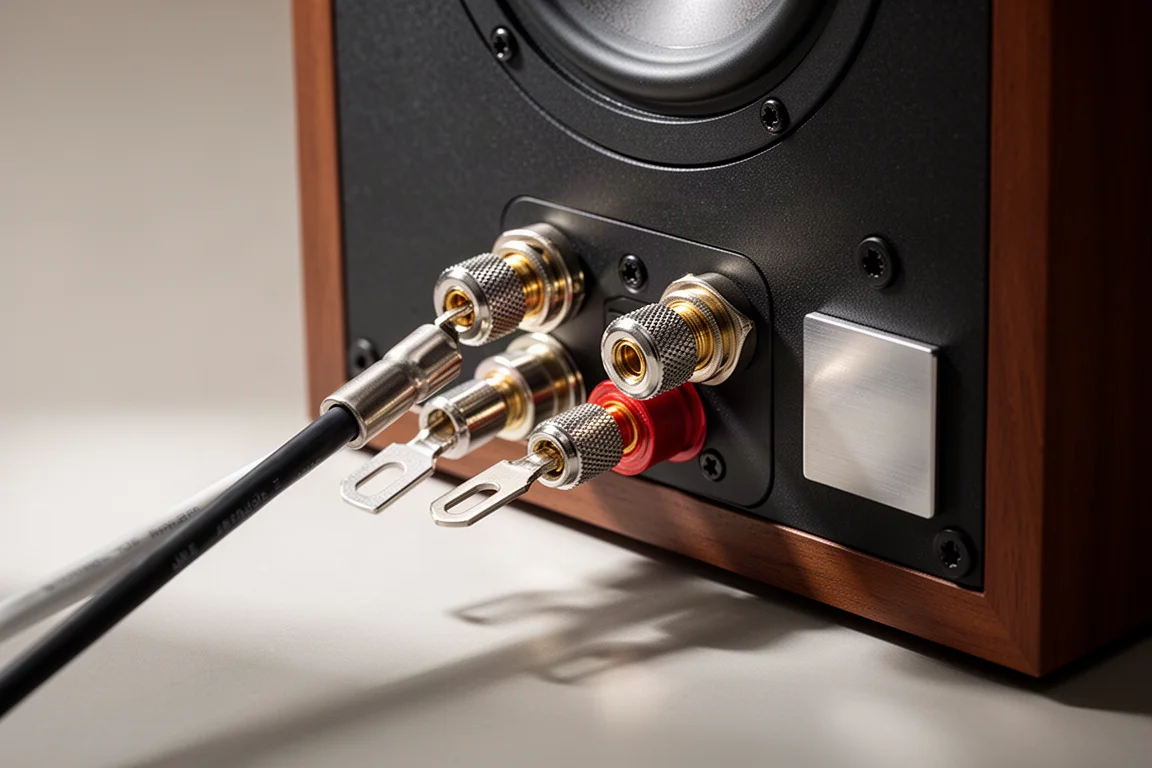
Around the back, the patented Tractrix port is designed to reduce turbulence and to match the cabinet’s acoustic characteristics. The input panel has also been upgraded with higher quality jumpers and anodized bolts to lock in speaker wires, and metal jumpers have given way to proper speaker cable jumpers, a detail usually reserved for more expensive designs.
Tweeter and Woofer Updates
The 1-inch titanium diaphragm tweeter uses a new phase plug and a new acoustic lens mounted across the front, with the lens now covering the entire face of the cabinet. The housing and magnetic structure use venting technology to reduce standing waves behind the tweeter, which in turn cuts unwanted harmonics and yields more clarity and detail.
The titanium diaphragm is mounted in a way that forces pistonic motion, a linear travel suspension approach first used in Klipsch’s more expensive speakers. Because the venting handles heat, the ferrofluid previously used to cool the tweeter has been removed, contributing to a more effortless top end. The result is a sweeter treble than the previous model, smooth enough that listeners who assumed inexpensive horn speakers sound edgy may reconsider that view.
The 6.5-inch cerametallic woofers have been updated for lower distortion and higher efficiency, with larger diameter voice coils and aluminum shorting rings. The cone uses multiple layers of metal, which makes it very stiff and pushes the driver’s natural breakup point far beyond the frequency range it operates in. Only the cone material carries over; the entire motor structure is new, drawing on woofer technology developed for Klipsch’s powered speaker designs. The practical payoff is that the new model plays louder with less distortion and produces deeper bass than the older one.
Setup and Pairing Notes
Placement rewards a little effort. In a room of roughly 14 by 19 feet with 10-foot ceilings, the speakers were positioned about 10 feet apart and about 2 feet off the rear wall, with equal distance to the back wall and the listening position. That kind of symmetry is the baseline for getting the most out of any pair this size.
Amplification matters less than expected, but it still matters. On an entry-level integrated setup with basic stands and cables, the RP-600M II still impressed on the same material. Moved to a high-performance separates system with heavy-duty stands and better cabling, the improvement was easy to hear. That is the mark of a genuinely good speaker: it sounds impressive on modest gear and lets every upgrade shine through.
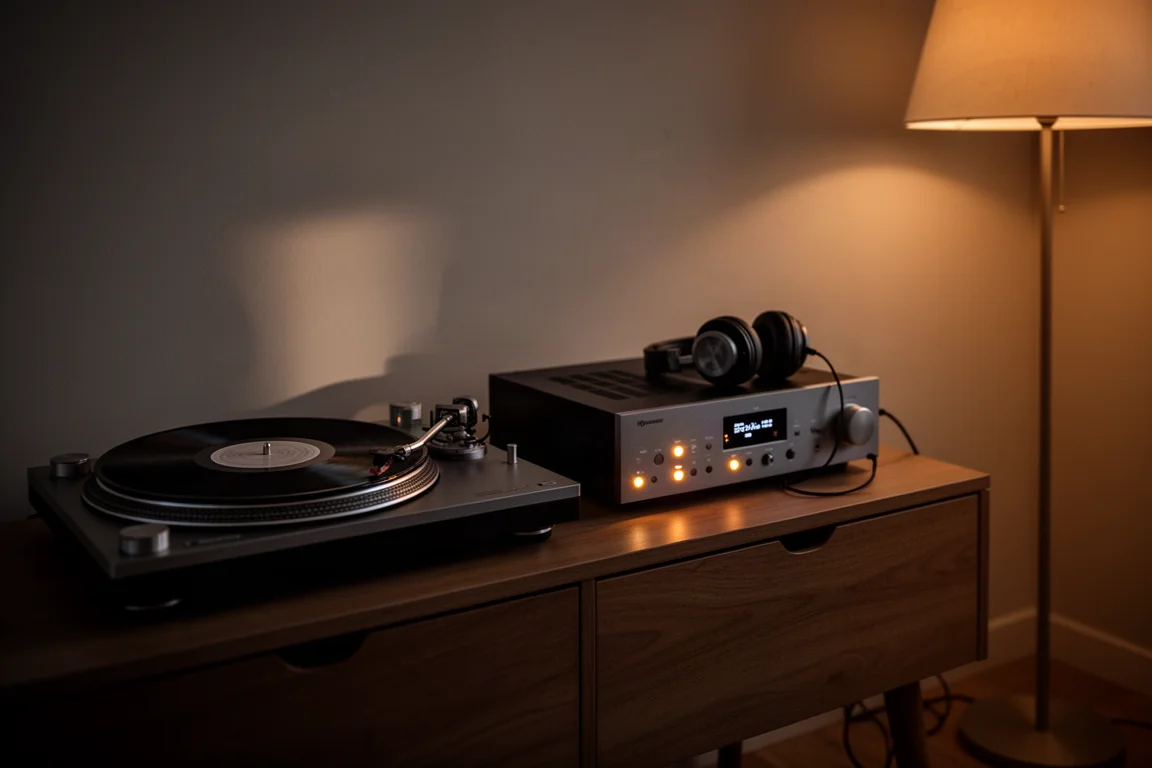
One welcome trait is that these speakers do not demand perfect conditions. They sound good even when simply placed and connected, and they scale upward from there.
Things to Consider Before Buying
These are mid to large bookshelf speakers, so plan for stands unless you have a substantial bookcase with room to spare. Budget for the footprint as well as the price.
Efficiency is rated at 94.5 dB, which is very high, though slightly below the 96 dB reported for the original. In practice both are easy loads, but the new model is not quite the most sensitive option in the family.
If you already own the original RP-600M, there is little reason to rush. The original remains a great speaker, and an upgrade only makes sense if you can recover a decent amount by selling the pair you have.
Finally, transparency is the one area where the competition can keep pace. Some speakers in this price range can match or even surpass the RP-600M II in that specific respect. What is hard to find at this size and price is the bass output and the emotional impact of a live performance, and that is where these speakers stand apart.
Buying Advice
Buy the RP-600M II if you want a bookshelf speaker that delivers scale, deep bass, and an effortless, sweet top end without a large amplification budget. The 94.5 dB rating means a modest integrated amplifier or receiver is enough to get real output, so you can put more of the budget into the speakers themselves.
Give yourself time to position them properly. Equal distance from the rear wall and the listening position, a reasonable gap behind the cabinets, and a stable pair of stands will get you much closer to what these speakers can do. They will sound good if you simply set them down, but they will sound considerably better with a little patience.
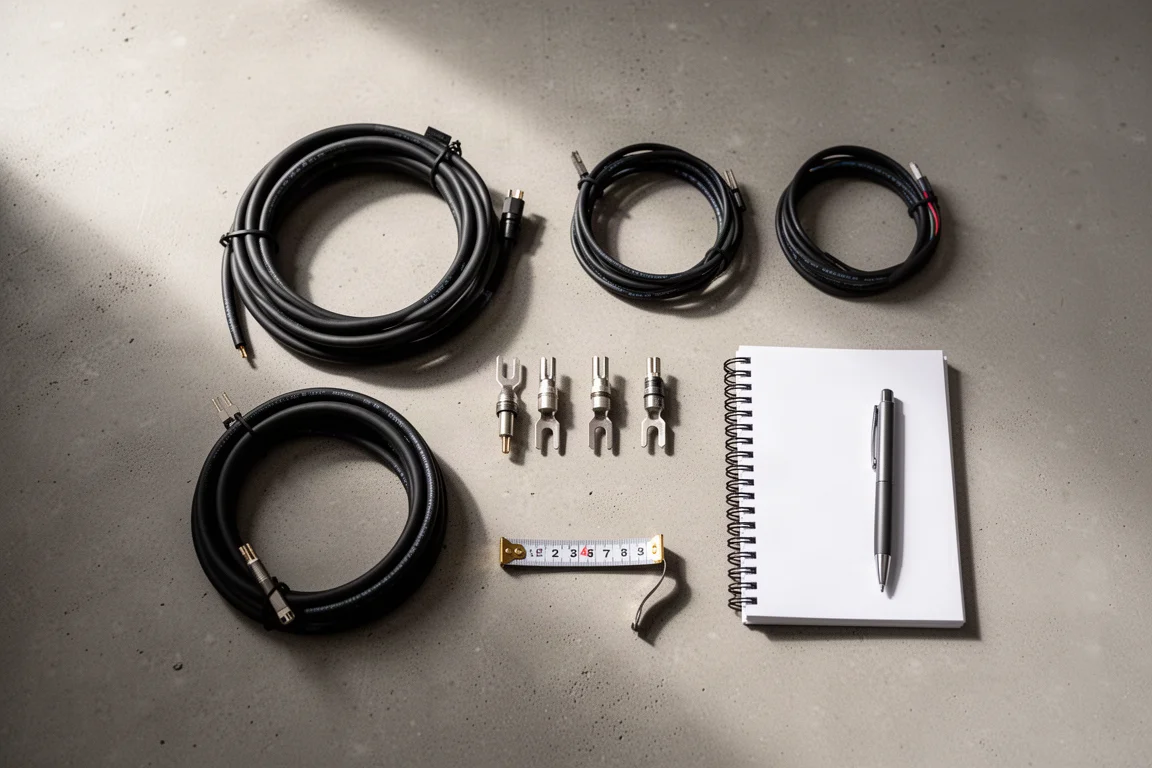
Pair them with the best front end you can reasonably afford, because they will reveal it. The difference between entry-level electronics and a high-performance system is clearly audible through these speakers, which means they can stay in a system through several upgrades rather than holding it back.
Conclusion
The Klipsch RP-600M II is a genuinely impressive speaker. It offers remarkable bass for its cabinet size, a smoother and more refined top end than the model it replaces, and a wider, more lively soundstage. The build quality is excellent, the finishes look more premium than before, and the rear panel upgrades are the kind of details usually found further up the market.
There are more transparent speakers if you spend more, and the original RP-600M is still worth keeping if you already own it. But as a package of efficiency, dynamics, bass, and sheer musical involvement at this size and price, the RP-600M II is difficult to argue with. It pulls you into the music and makes you forget about the equipment, which is exactly what a great pair of speakers should do.
Product link
View more details for Klipsch RP-600M II
This product is mentioned in the review. Check the specifications, options, and compatibility before buying.
View more details for Klipsch RP-600M IIFurther reading
Related Reviews
Bookshelf Speakers
Acoustic Energy A100 Mark II Review: A Compact Standmount With an Expansive Soundstage
The Acoustic Energy A100 Mark II brings clarity, natural tonality and a wide soundstage to an entry-level standmount, with a few setup details worth knowing first.
Bookshelf Speakers
Acoustic Energy AE-100 Mark II Review: Compact Bookshelf Speakers With Standout Imaging
A compact British two-way bookshelf speaker with deep, layered imaging, fast bass, and a slight treble lift to weigh against a crowded $500 field.
Bookshelf Speakers
Acoustic Energy AE100 MK2 Review: Measured Performance and Four Alternatives
A close look at the Acoustic Energy AE100 MK2 bookshelf speaker, what its measured performance reveals, and four alternatives with different trade-offs.