Home Theater Subwoofers
Klipsch Reference Premiere Subwoofers Compared: RP-1000SW, RP-1200SW, and RP-1600SW
A practical comparison of the Klipsch Reference Premiere subwoofer range, covering depth, output, cabinet design, and which model suits which room.
Introduction
Klipsch has been building high performance speakers for more than seven decades, and the new Reference Premiere subwoofer series shows that the company was willing to rethink the fundamentals rather than apply a cosmetic refresh. The cabinets are deeper than before, the drivers and amplifiers have been reworked, and the low frequency reach extends considerably deeper than the models they replace.
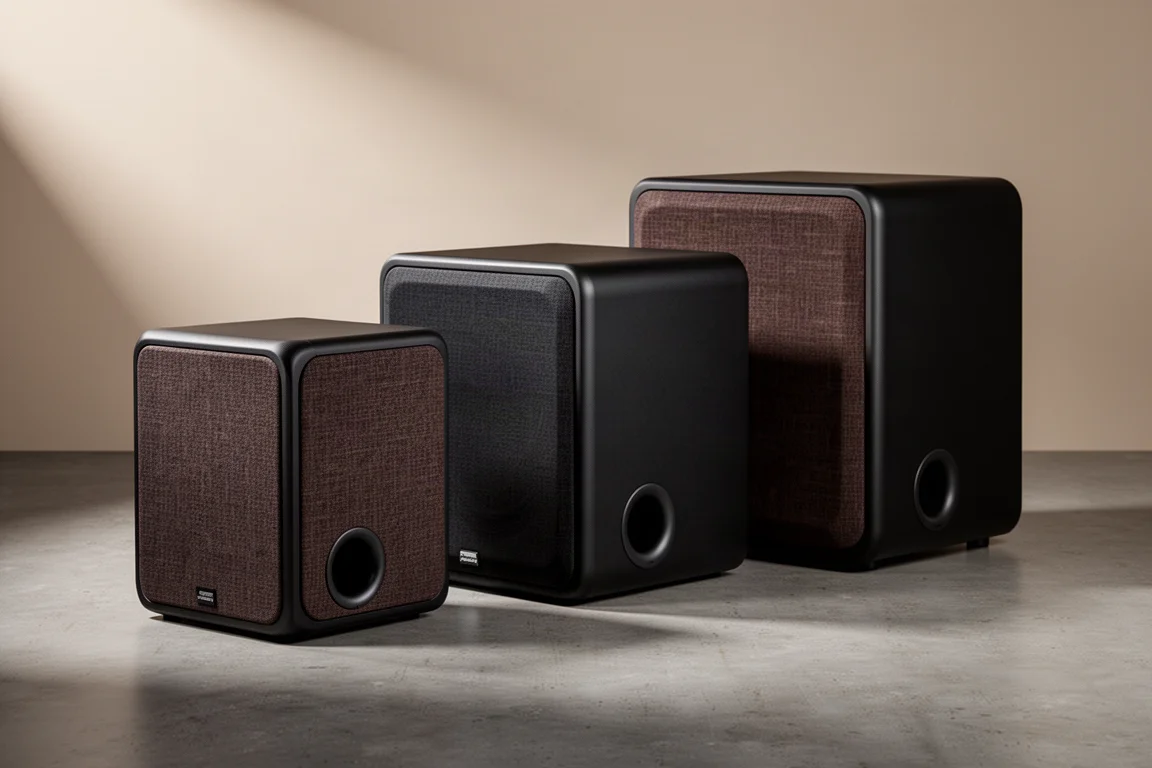
The range covers three models: the 10 inch RP-1000SW, the 12 inch RP-1200SW, and the 16 inch RP-1600SW. All three share the same design approach, so the practical differences come down to driver size, cabinet volume, and how much output and depth a given room can actually use.
The most telling number sits at the entry point. The RP-1000SW is rated at plus or minus 3 dB at 19 Hz, close to a full octave lower than its predecessor. The stated goal for the series was deeper bass with more speed than any previous Klipsch subwoofer, and the specifications support that claim across the whole line.
What Defines the Reference Premiere Series
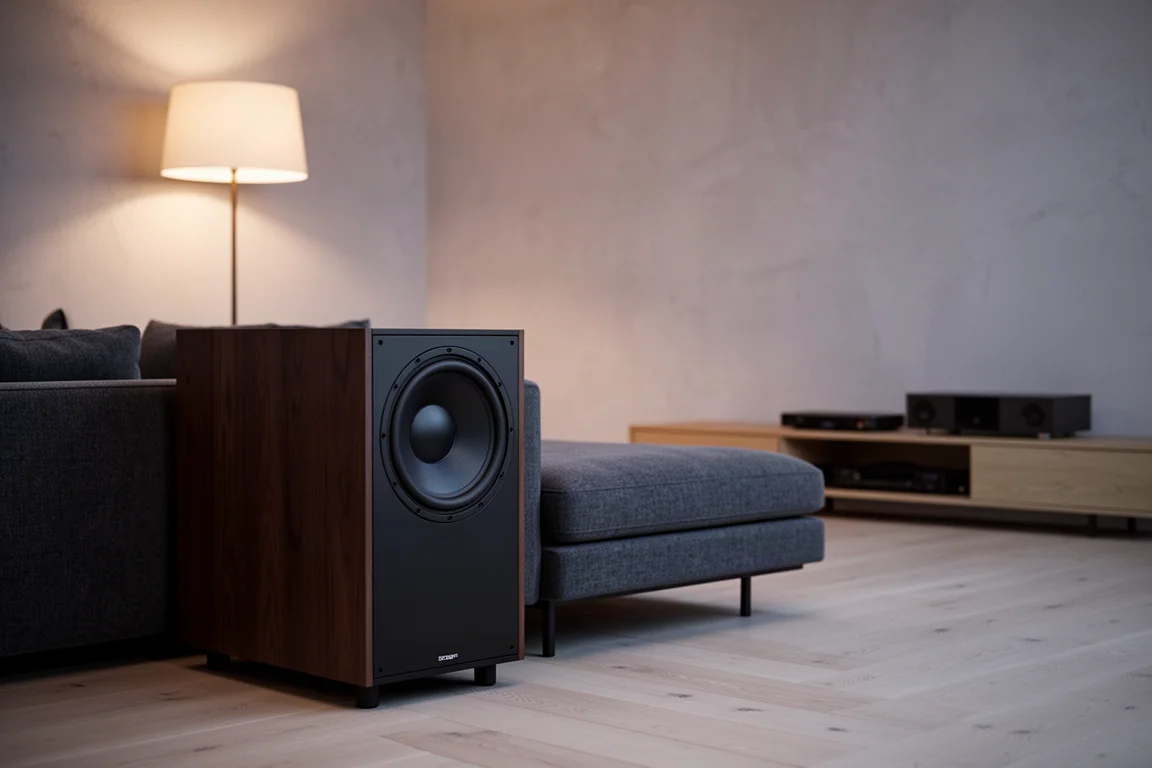
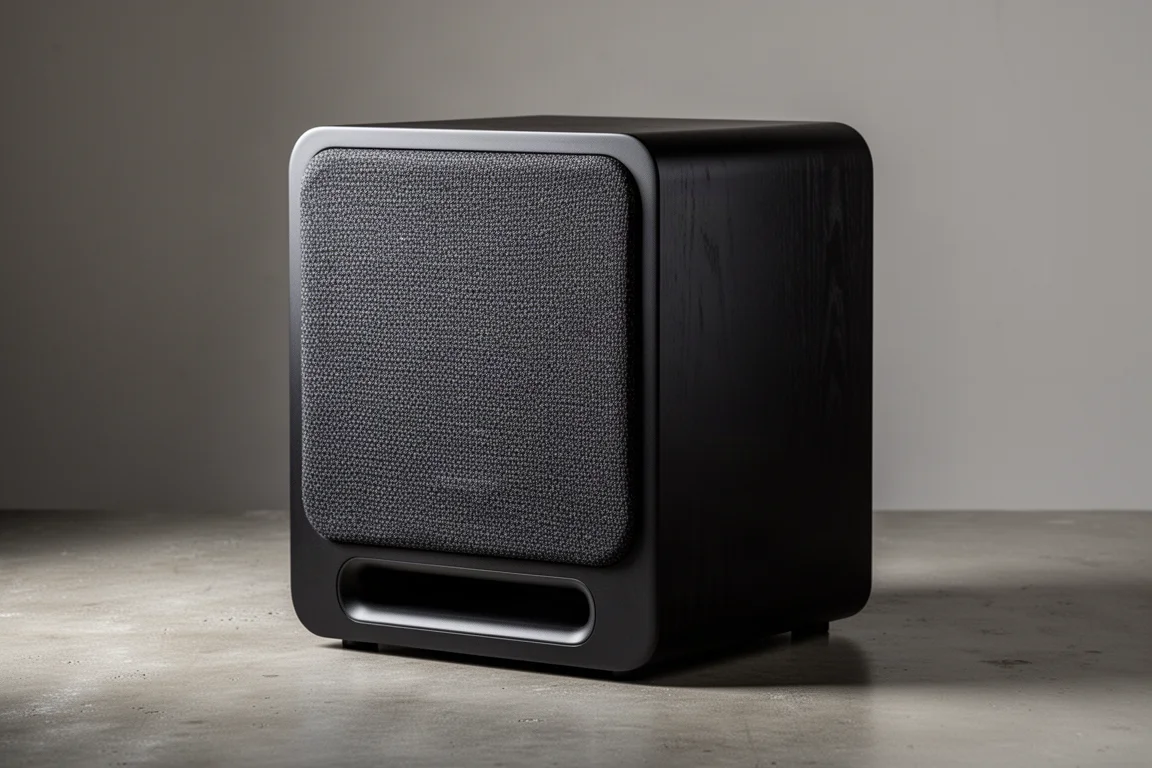
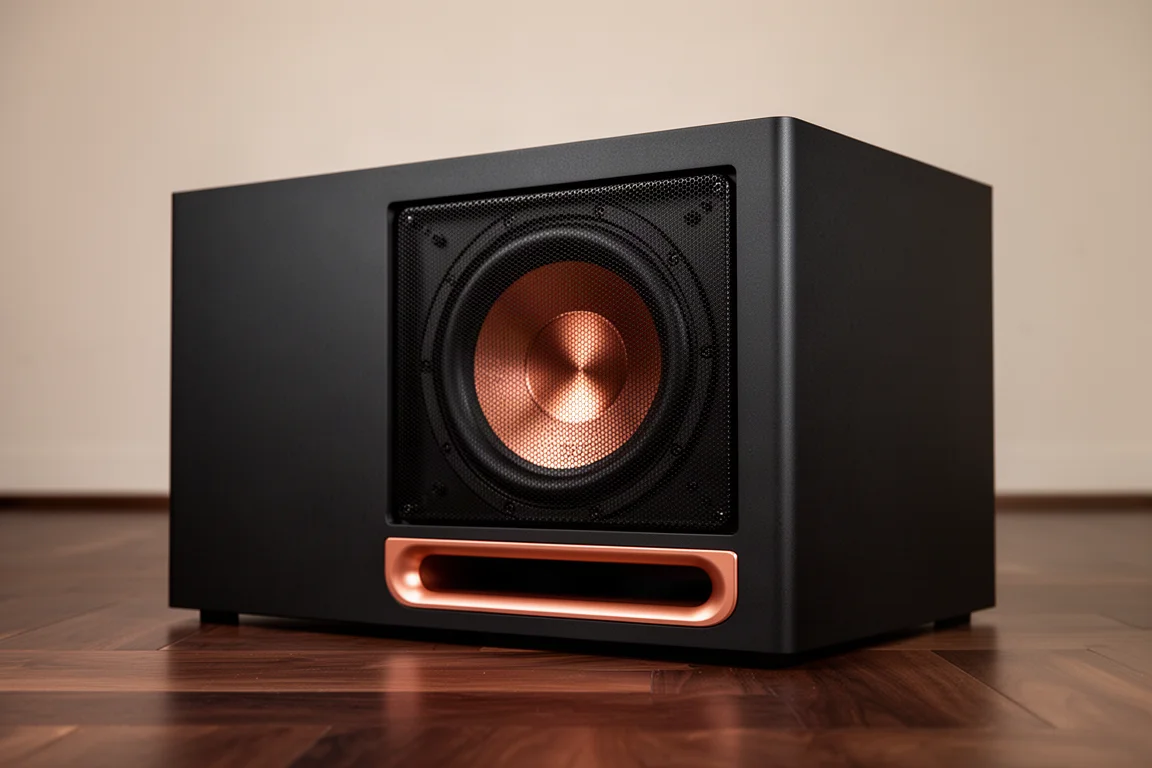
Cabinet depth is the most visible change. The extra internal volume was needed to produce the very low bass these driver sizes are capable of, and Klipsch kept the front firing port because it gives more placement flexibility than a rear port arrangement.
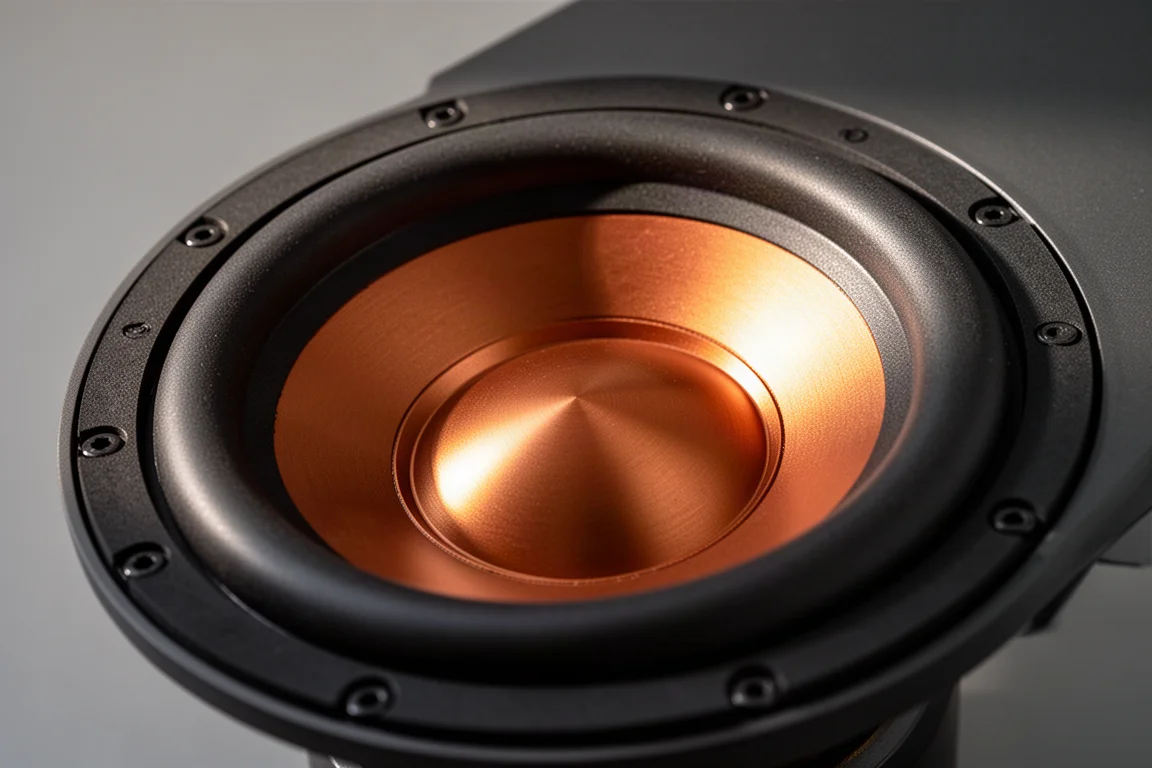
The driver keeps the signature Cerametallic cone, an aluminum cone anodized with a copper color, but nearly everything around it changed. The aluminum voice coils were upgraded to reduce mass and raise sensitivity. The surround is larger and the cone travels further, which adds up to more excursion than any previous Klipsch subwoofer. The larger models also use dual spiders to hold linearity across that long travel.
The port was redesigned with computer aided design into a flared shape Klipsch calls AeroFoil slot. A right angle port, the kind used in smaller subwoofers, creates air turbulence and chuffing noise, so the cabinets were made large enough to use a straight port instead. The result is a faster, cleaner bass attack, which is why these subwoofers can sound closer to a live kick drum.
The amplifiers may be the most impressive part of the redesign. These are Class D designs with far larger power supplies than any previous Klipsch subwoofer, and output has increased substantially even though the improved drivers need less power. They are more efficient as well, with a half watt standby mode, and they were endurance tested for long service life.
Warranty coverage reflects that confidence. Each model carries a five year warranty on both the driver and the amplifier, where a typical subwoofer pairs a five year driver warranty with only one or two years on the amp.
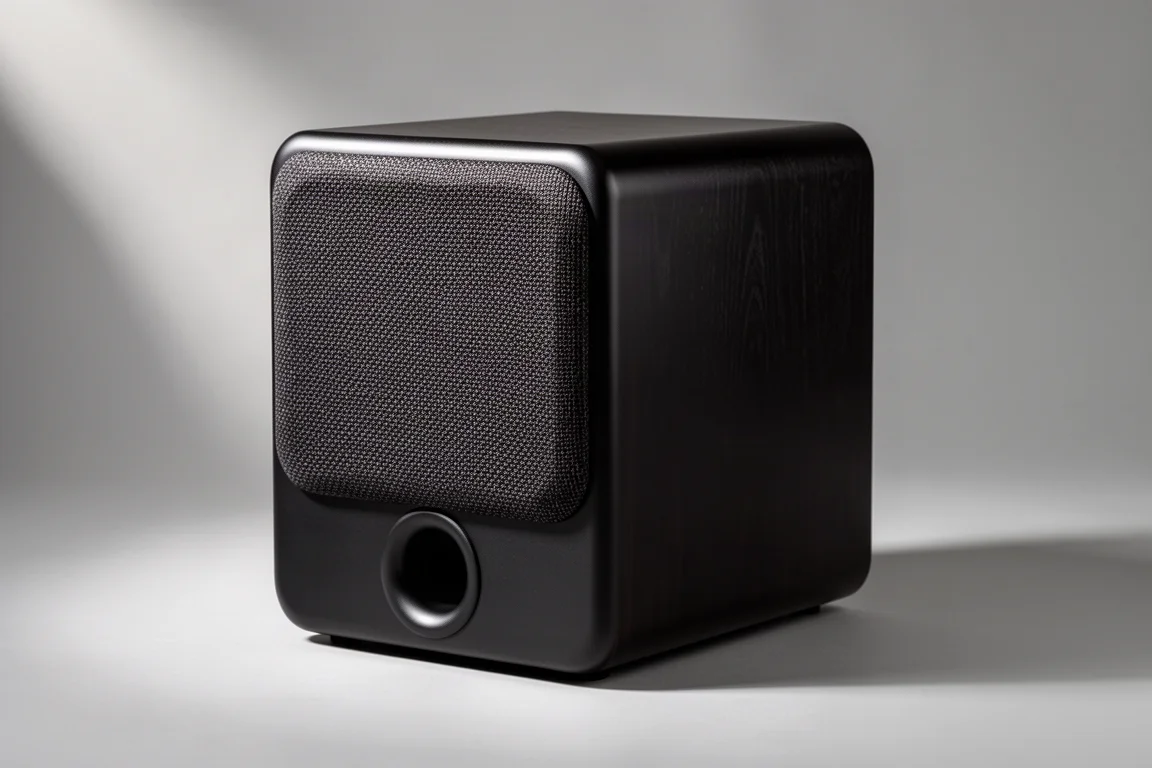
Cabinet construction received the same attention. All three models use an ebony finish with rounded corners, a new woven grille cloth, steel inserts for the grille mounts, a scratch resistant surface, and shock absorbing feet, all aimed at keeping the cabinet itself from adding noise.
Two limitations are worth noting. Phase control offers 0 or 180 degrees rather than a fully variable adjustment, and there is no automatic room correction built in. Modern home theater receivers generally include room correction that covers the full frequency range, bass included, which makes the missing on board correction far less of a problem than it once was.
Connectivity is straightforward: RCA inputs as standard, plus an optional Klipsch WA-2 wireless subwoofer kit. A subwoofer shared between a home theater and a two channel or desktop system would need its level and crossover adjusted when switching, but the arrangement works.
Klipsch RP-1000SW: The 10 Inch Starting Point
The RP-1000SW is the smallest model in the series and still manages a plus or minus 3 dB rating at 19 Hz, which puts it below the 20 Hz mark. Peak output is quoted at 118 dB, compared with roughly 114 dB for the previous 10 inch model. Because a 3 dB change is perceived as twice the loudness, the headroom gain matters more than the raw figures suggest.
Because the smallest model reaches so deep, two or even four of them can work well in many home theaters. Multiple subwoofers even out bass response across seating positions rather than simply adding volume, so a pair of RP-1000SW units is a practical route to a smooth, consistent low end in a medium sized room.
Klipsch RP-1200SW: The 12 Inch Middle Model
The RP-1200SW steps up to a 12 inch driver in a larger cabinet, which means more air moved and more output capability than the 10 inch model. A pair of these in a medium sized room produced exceptionally deep reach, with seats shaking during bass heavy film material.
Speed is just as important as depth here. On a soundtrack passage where a crowd stomps on benches, a capable subwoofer lets you hear the impact of each foot landing fade away cleanly. This model handles that decay with the quickness the series was designed for.
Klipsch RP-1600SW: The 16 Inch Flagship
The RP-1600SW is the largest model and reaches down to 14 Hz, well into the infrasonic range. Peak output is quoted at 125.5 dB, up from 122 dB for the previous flagship, which again works out to twice the perceived loudness. Its driver uses dual spiders to stay linear across a very large range of excursion, keeping the low end controlled when the cabinet is working hardest.
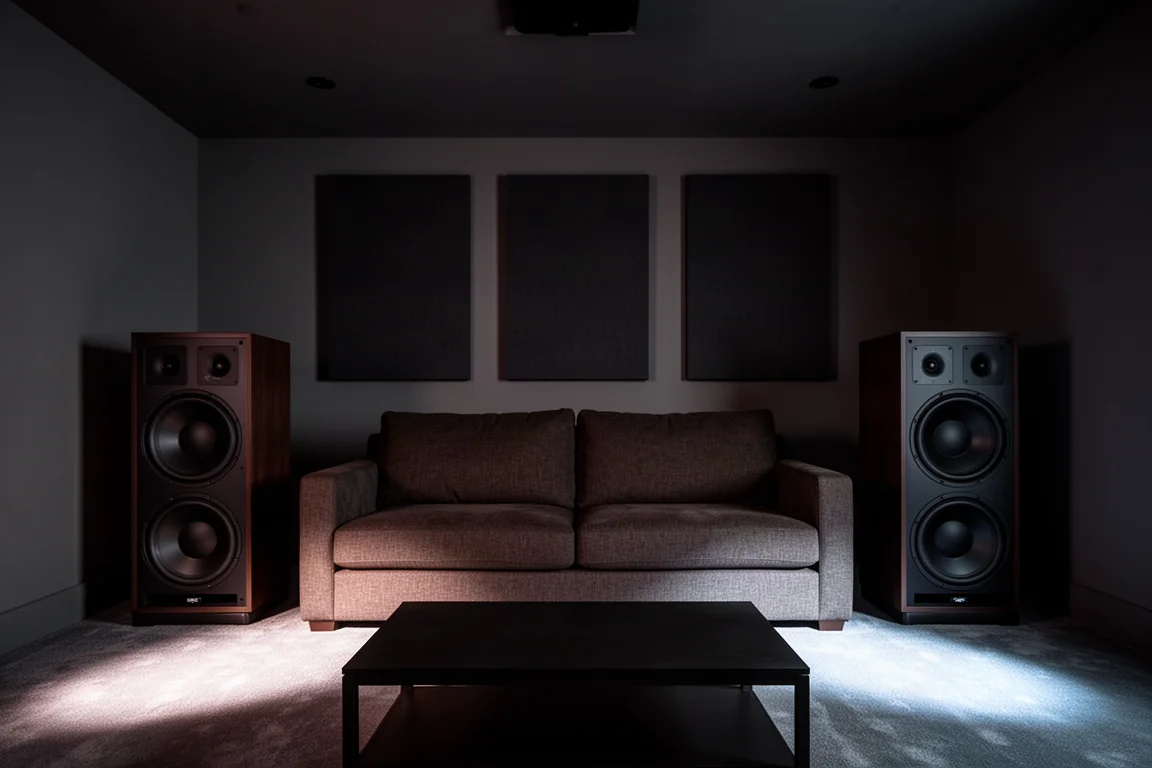
This is the model for large rooms and dedicated theaters where the deepest effects matter and where the cabinet has space to sit. It is more subwoofer than many rooms need, and that is exactly the point of it.
Getting the Most From the Series: Dual Subs and Room Integration
Two subwoofers in a room deliver more even and more effortless bass than a single unit, and that advantage is available across the range. Because even the 10 inch RP-1000SW reaches below 20 Hz, a pair of the smallest models does not automatically mean giving up ultimate low end reach.
Placement is easier than it might be with a rear ported design. The front firing port means the cabinet does not need clearance behind it, and the shock absorbing feet help isolate the subwoofer from the floor. If running cables to the ideal position is impractical, the optional Klipsch WA-2 wireless subwoofer kit removes that constraint.
Buying Advice: Choosing Between the RP-1000SW, RP-1200SW, and RP-1600SW
Room size is the first thing to settle. The 10 inch RP-1000SW covers most medium rooms comfortably, particularly when two are used. The 12 inch RP-1200SW adds authority for medium to large spaces. The 16 inch RP-1600SW is intended for large rooms and dedicated theaters where infrasonic depth is the priority.
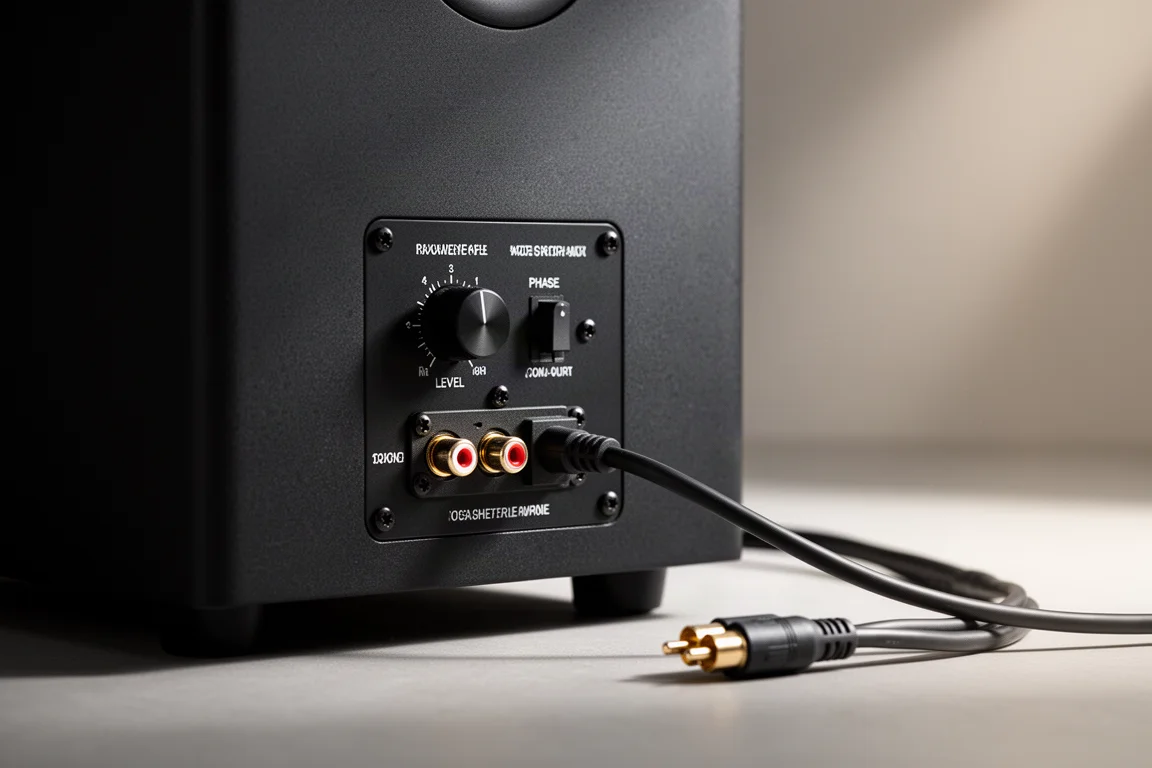
Your receiver matters as much as the subwoofer. Modern home theater receivers include room correction that tunes the entire frequency range, bass included, which covers the lack of automatic room correction in the subwoofer itself. Phase control is limited to 0 or 180 degrees, so plan on blending the subwoofer with the receiver’s calibration tools rather than fine tuning phase by hand.
The decision is really about depth, output, and floor space rather than appearance. All three models share the same ebony finish, rounded corners, and woven grille cloth, and all three carry five year warranty coverage on both the driver and the amplifier.
Conclusion
The Reference Premiere series is a genuine redesign rather than a refresh. Deeper cabinets, revised drivers, a straighter flared port, and larger Class D amplifiers combine to give all three models speed and depth that go beyond what this price category usually offers.
If your room is medium sized, start with the RP-1000SW and consider a pair. If you want more output and authority without moving to the largest cabinet, the RP-1200SW is the middle ground. If you have the space and want the deepest reach the series offers, the RP-1600SW is the one to plan around.
Further reading
Related Reviews
Home Theater Subwoofers
Best 15-Inch Ported Subwoofers: Seven High-Output Models Compared
A measured comparison of seven large ported subwoofers, covering deep bass output, distortion, group delay, features, and the room each one suits best.
Home Theater Subwoofers
RBH Sound 21-Inch Subwoofer Review: Infrasonic Output in a 330-Pound Cabinet
A sealed 21-inch home theater subwoofer with a 5 Hz in-room 3 dB point, a 330-pound cabinet, and roughly 4 kilowatts of amplification. Here is who it suits and what to weigh first.

Backpacking Gear
Building a 10 lb Base Weight: An Ultralight Backpacking Gear List
A practical walkthrough of the ultralight pieces behind a 10 lb base weight, from a 765 g pack and a roomy one-person tent to a full camp chair and a dependable water filter.