Home Theater Speakers
Klipsch Reference Premiere II Lineup Guide: All 11 Speakers Explained
A model-by-model walk through the Klipsch Reference Premiere II range, from the flagship Atmos tower to the compact bookshelf, center, and surround options.
Introduction
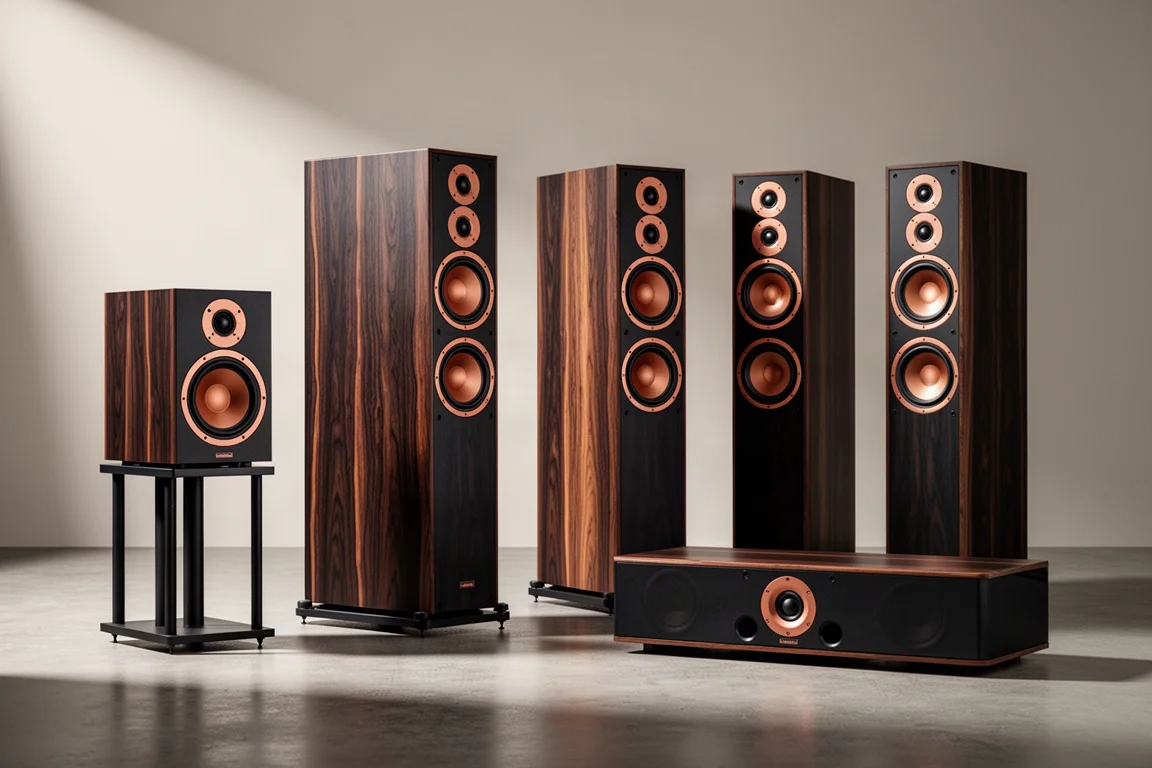
Klipsch has spent more than 70 years in audio, and the Reference Premiere II range is the third generation of its Reference Premiere line. Eleven models make up the family: four floorstanding towers, two bookshelf speakers, three center channels, and two surround designs. Cabinet sizes stay close to the models they replace, while the acoustic package, the internal structure, and the finish options have moved forward. Every model is available in two furniture-grade wood finishes, ebony and walnut, and every model ships with a magnetic black grille that can be removed if you prefer the drivers on show.
This guide walks through the shared technology first, then each speaker in the lineup, so the differences between the models are clear before you decide which combination suits your room.
What Every Reference Premiere II Speaker Shares
Klipsch builds its sound around controlled directivity, low distortion, and high efficiency, and those ideas shape the hardware in every Reference Premiere II model.
The high-frequency section centres on a one-inch titanium diaphragm tweeter with an acoustic lens mounted in front of it. The diaphragm uses a Linear Travel Suspension design that keeps it moving like a piston, which helps hold distortion down. It sits recessed inside a Tractrix horn that is larger than the previous generation. The horn’s job is to control how the highs spread into the room: wide enough that you are not locked into a single narrow listening spot, but controlled enough that reflections do not smear the sound. The tweeter housing and magnet structure are vented to reduce standing waves behind the diaphragm.
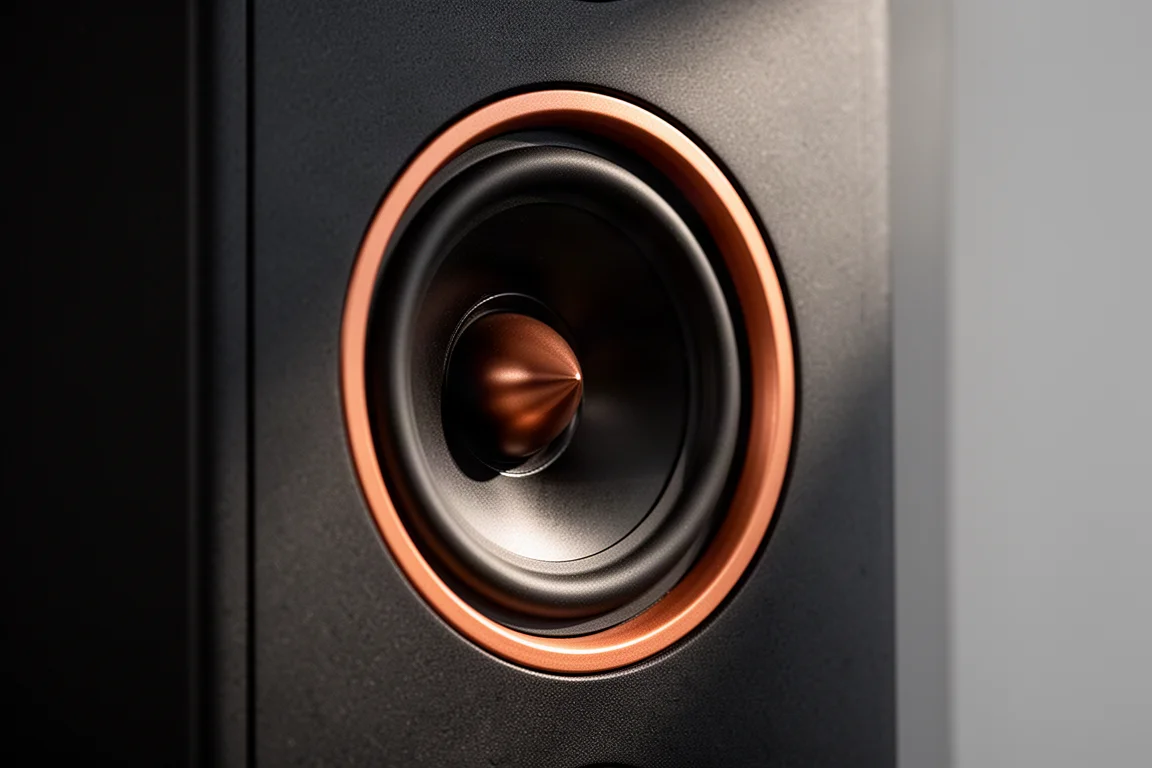
Below the horn, the woofers use Klipsch’s patented cerametallic cone construction, which layers metal over the cone material. The result is a stiff driver whose natural breakup point sits well outside the frequency range it is asked to play, so it can go louder with less of the harshness that comes from cone flex. The motor and cone assembly have been revised for this generation to help minimise cabinet resonance further.
The cabinet plays a part as well. Instead of a wooden front baffle, the drivers mount to a dense, inert composite panel, which helps reduce cabinet resonance. The rear uses a patented Tractrix port, developed to reduce turbulence and to match the acoustic behaviour of each cabinet. Copper trim rings around the tweeter and woofer give the series its familiar look, and the towers stand on cast aluminum feet that reduce the contact area with the floor.
Klipsch RP-8060FA II: Flagship Tower with Built-In Atmos
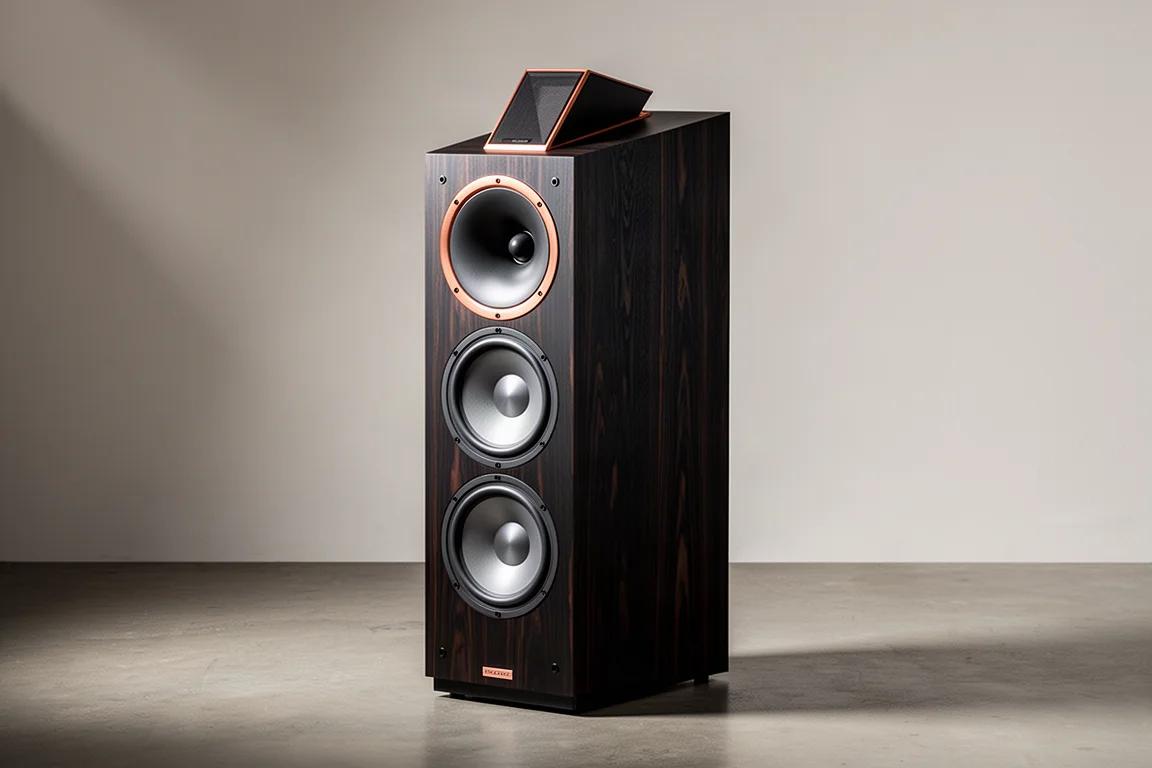
The RP-8060FA II is the flagship floorstander of the Reference Premiere II range and the only model in the lineup with an integrated elevation speaker. A six-inch two-way up-firing module sits inside the cabinet and handles Dolby Atmos height effects, so the overhead layer is covered without separate modules or additional wiring runs.
The main channels use dual eight-inch cerametallic woofers, and the height channel uses a six-and-a-half-inch cerametallic driver. Both have been upgraded for this generation, with redesigned woofers aimed at lower distortion and higher efficiency. Bi-wiring and bi-amping are supported, and the cabinet adds extra bracing and a divided internal structure to control vibration. Cast aluminum feet reduce the contact area with the floor, and the magnetic grille can be left off if you prefer the exposed horn and copper trim.
Klipsch RP-8000F II: A Full-Size Tower with Height Channel Outputs
The RP-8000F II is the largest of the towers that rely on external elevation speakers rather than a built-in module. It is Dolby Atmos compatible and carries height channel output jacks on top of the cabinet, which means an add-on Atmos module can be connected at the top of the tower instead of draping speaker wire down the back. That detail matters if you want the immersive layer without a cable run spoiling the clean lines of the speaker.
The rest of the feature set matches the flagship tower apart from the integrated module: bi-wiring and bi-amping support, additional cabinet bracing, a divided cabinet to reduce resonance and vibration, cast aluminum feet, and the magnetic black grille. It shares the same one-inch titanium tweeter with Linear Travel Suspension and Tractrix horn, plus the cerametallic woofer construction used across the line.
Klipsch RP-6000F II: A Mid-Size Floorstander
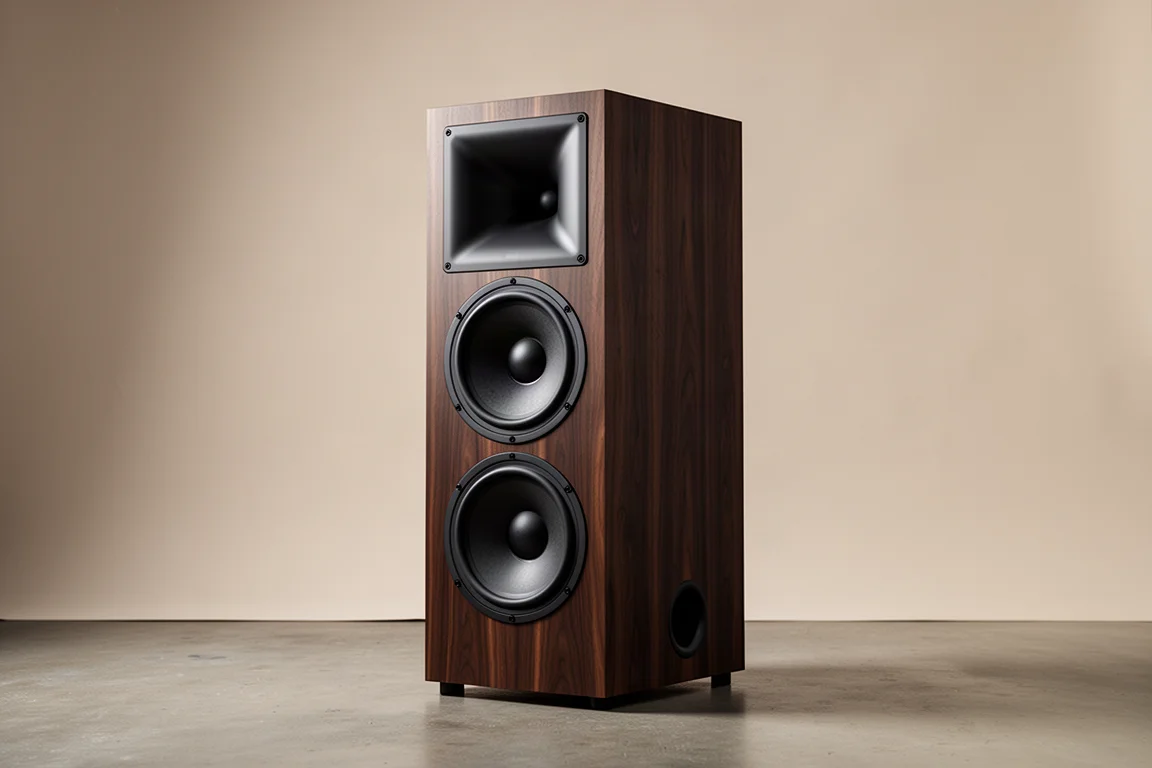
The RP-6000F II sits between the flagship tower and the most compact model in the tower range, and it keeps the same tower feature set: Dolby Atmos compatibility, height channel output jacks at the top of the cabinet, bi-wiring and bi-amping capability, additional bracing, and a divided cabinet.
For listeners who do not need a built-in up-firing module, it delivers the tower form factor with the shared Reference Premiere II acoustic package, using the horn-loaded tweeter and cerametallic woofers for the front channels. Cast aluminum feet and the magnetic grille are included as standard, as they are on every tower in the series.
Klipsch RP-5000F II: The Most Compact Tower
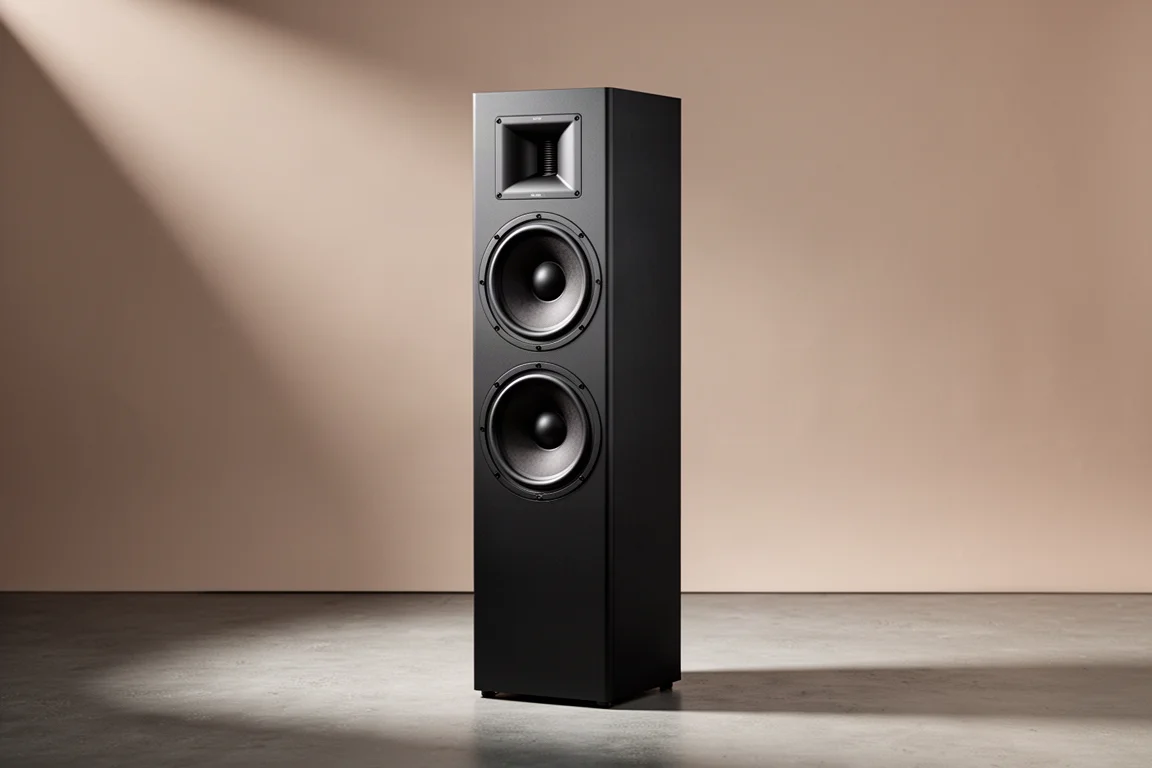
The RP-5000F II is the most compact floorstander in the range and the natural choice when a full-size tower would dominate the room. It carries the same Atmos compatibility and the same height channel output jacks on top, so an elevation module can be added without extra cable management behind the speaker.
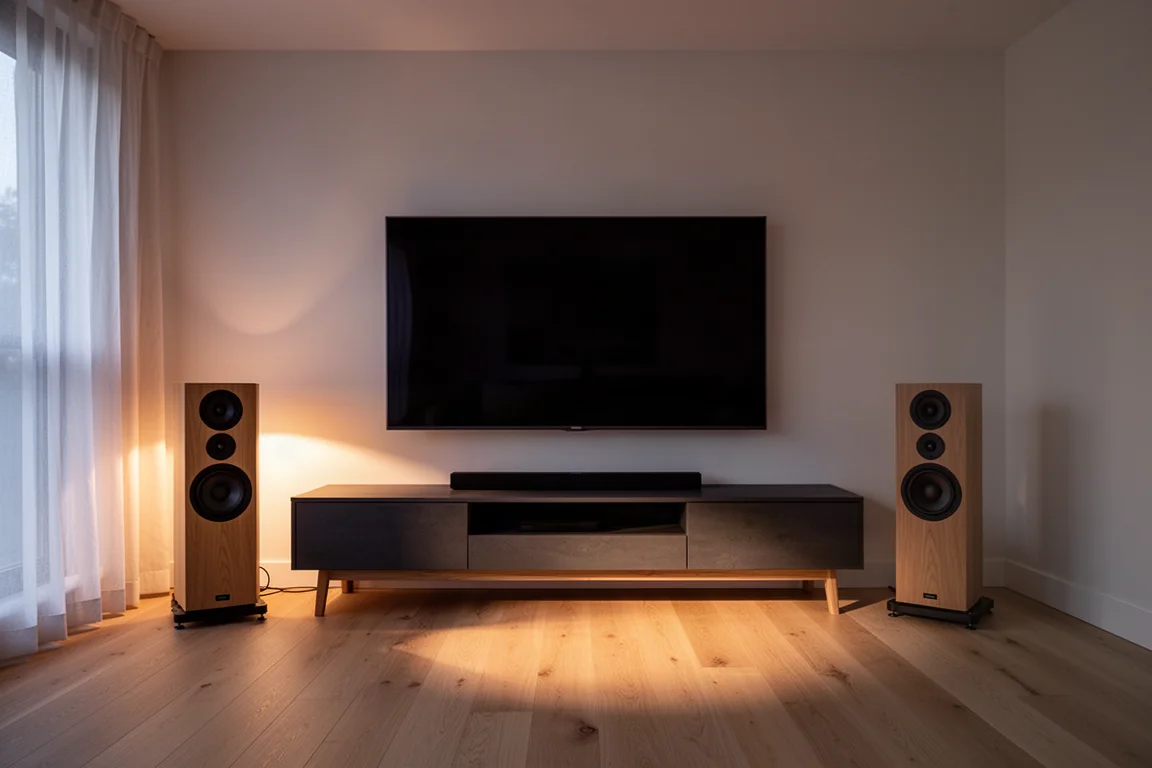
Bi-wiring and bi-amping support, additional bracing, the divided cabinet, cast aluminum feet, and the magnetic grille all carry over from the larger towers. If you are building a system in a smaller room, this is the tower that keeps the Reference Premiere II presentation in a more manageable footprint.
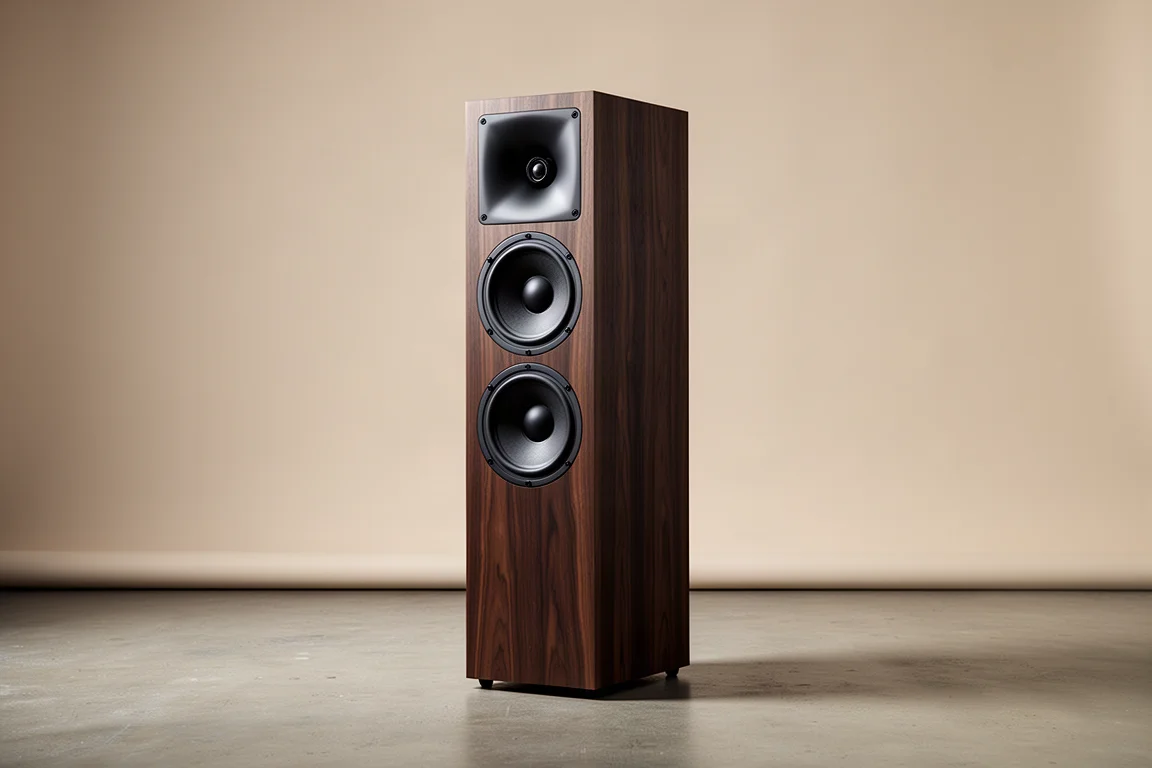
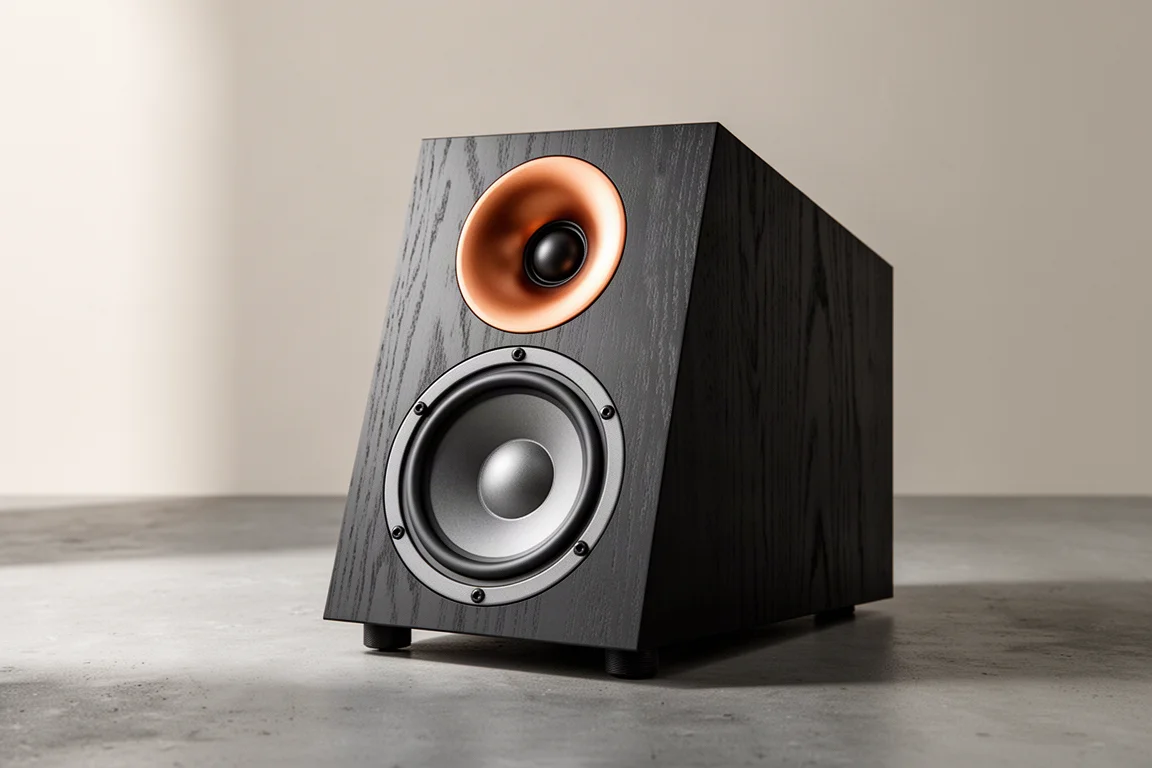
Klipsch RP-600M II: The Top Bookshelf Model
The RP-600M II is the top bookshelf model in the series and replaces the earlier generation. It is a modestly sized stand-mounted speaker available in the standard finishes, and it lands in a crowded price bracket where buyers can choose from brands all over the world. What sets it apart is the combination of the classic Klipsch horn presentation with a balance that appeals to listeners who might not normally consider a horn-loaded design.
A new cork pad on the underside replaces the rubber bumpers of the previous version, which gives the speaker a more secure footing on a stand, shelf, or table. The same titanium tweeter and horn assembly, and the same cerametallic woofer technology, carry over from the towers.
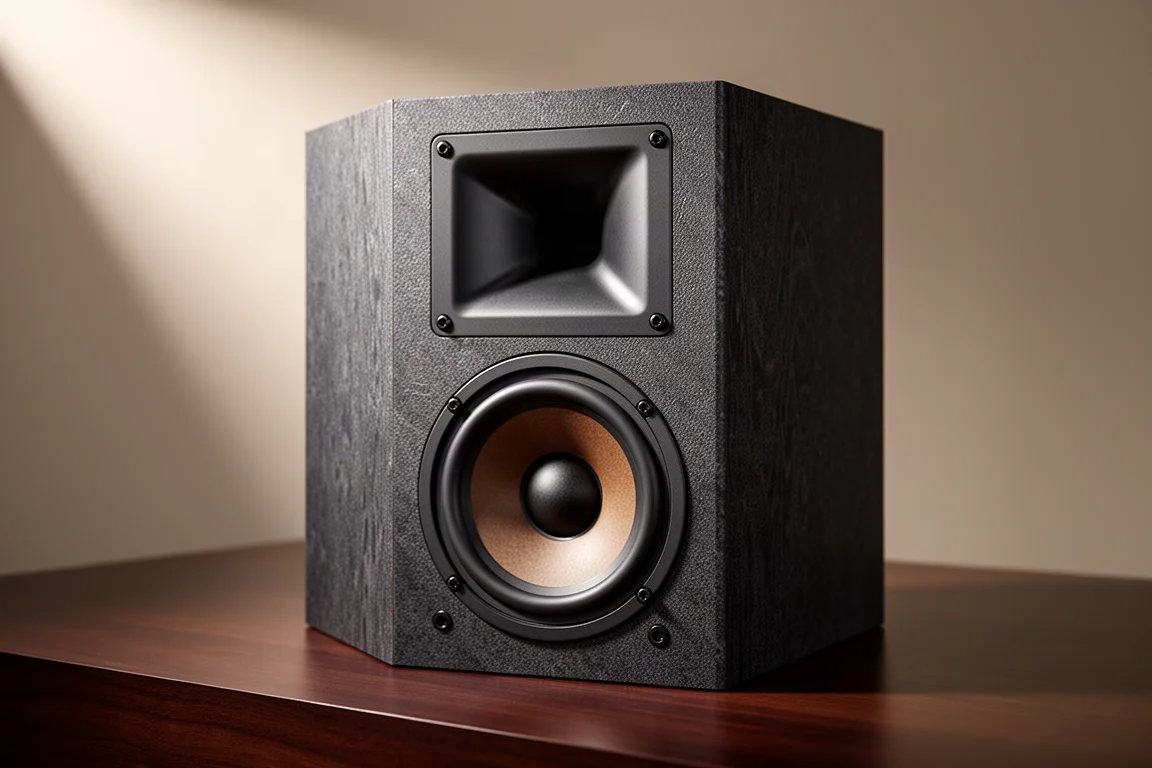
Klipsch RP-500M II: The Smaller Bookshelf
The RP-500M II is the smaller of the two bookshelf models, built for spaces where the RP-600M II would be more speaker than the room can use. It replaces the earlier version and carries the same cork pad underneath in place of rubber bumpers, so it stays put on a stand or shelf.
It uses the same core technology as the rest of the family, which means a pair can serve as a compact stereo setup or as surround channels in a larger system. For desks, small rooms, and secondary listening spaces, it is the most space-efficient way into the series.
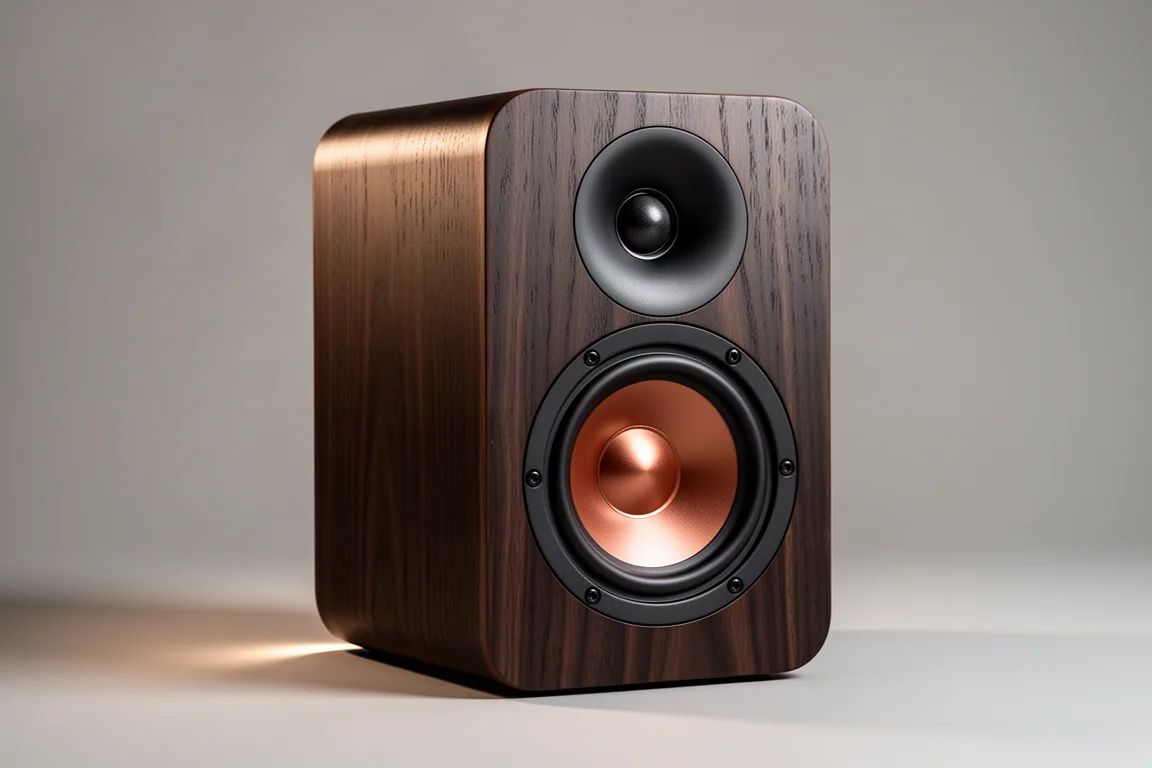
Klipsch RP-504C II: The Flagship Center Channel
The RP-504C II is the flagship center channel of the range, and the center is the speaker that carries dialogue and most on-screen effects in a movie mix, which makes it one of the most critical boxes in a home theater system. This generation gets updated tweeter and driver motors, along with a one-inch Linear Travel Suspension tweeter in a vented housing designed to reduce the standing waves that compromise clarity, minimising distortion and improving detail.
It is a rear-ported design, so it performs best when it has room to breathe, typically on top of a media cabinet or on a dedicated speaker stand.
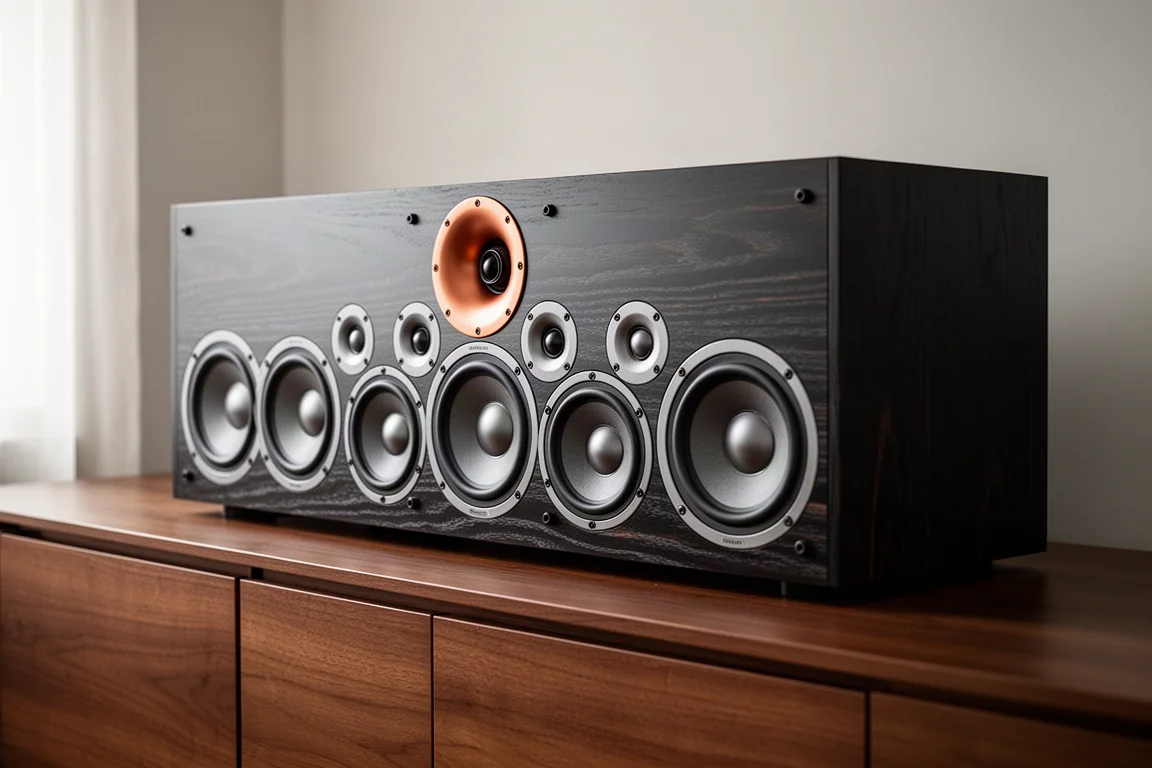
Klipsch RP-500C II: A Compact Rear-Ported Center
The RP-500C II is one of the two rear-ported center channels in the range, and that single design decision drives how you place it. On a media cabinet top or a speaker stand it has the clearance it needs to work as intended, and it pairs naturally with the smaller towers and the bookshelf models.
Sharing the horn tweeter approach and cerametallic driver technology with the rest of the series keeps the front stage consistent when you mix a smaller center with compact front speakers. If your room is modest in size or your cabinet is open at the back, this is the center to look at first.
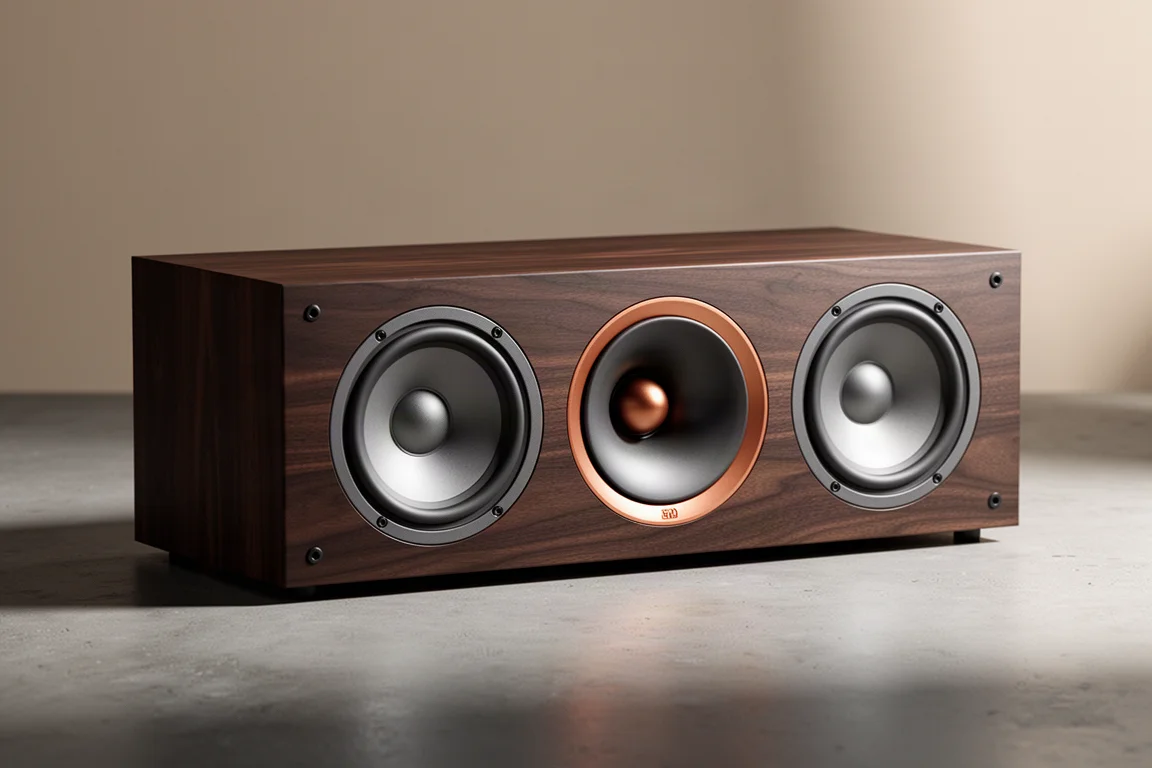
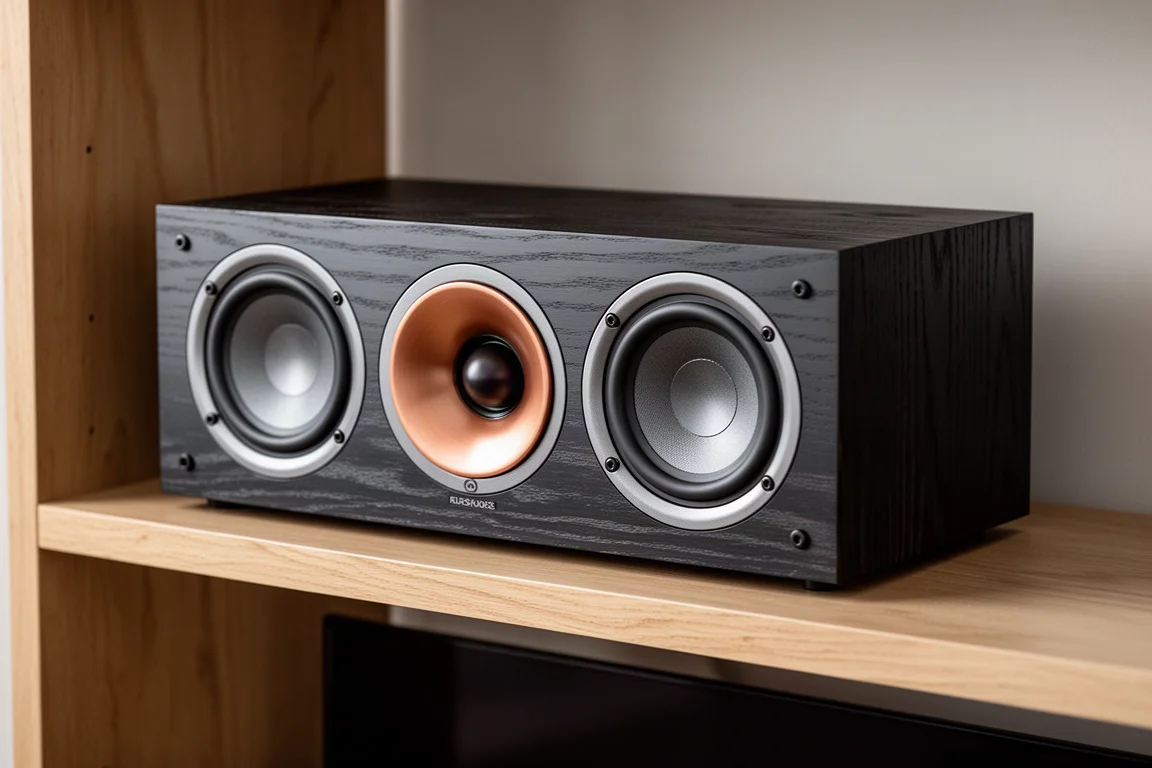
Klipsch RP-404C II: The Sealed Center for Cabinet Placement
The RP-404C II is the sealed-box center channel, and that one design choice defines its role. Without a rear port, it can be placed inside a cabinet or a built-in shelving unit without the clearance that a ported speaker needs behind it.
It is the practical answer for media walls where the center has to live on a shelf rather than on top of a cabinet, and it keeps the same tweeter and woofer technology as the rest of the series so the front stage stays tonally consistent.
Klipsch RP-502S II: A Specialty Surround Design
The RP-502S II is a specialty application surround speaker, created for layouts where a conventional direct-firing surround will not do the job. The clearest example is a room with two rows of seating, where side surrounds have to cover listeners sitting both in front of and behind them.
It offers multiple positioning options, so it can be aimed to suit the room rather than the other way around. If you are unsure whether a specialty surround or a straight-firing speaker is right for your layout, that is worth settling before you buy, because it changes the whole surround plan.
Klipsch RP-500SA II: Versatile Atmos and Surround Module
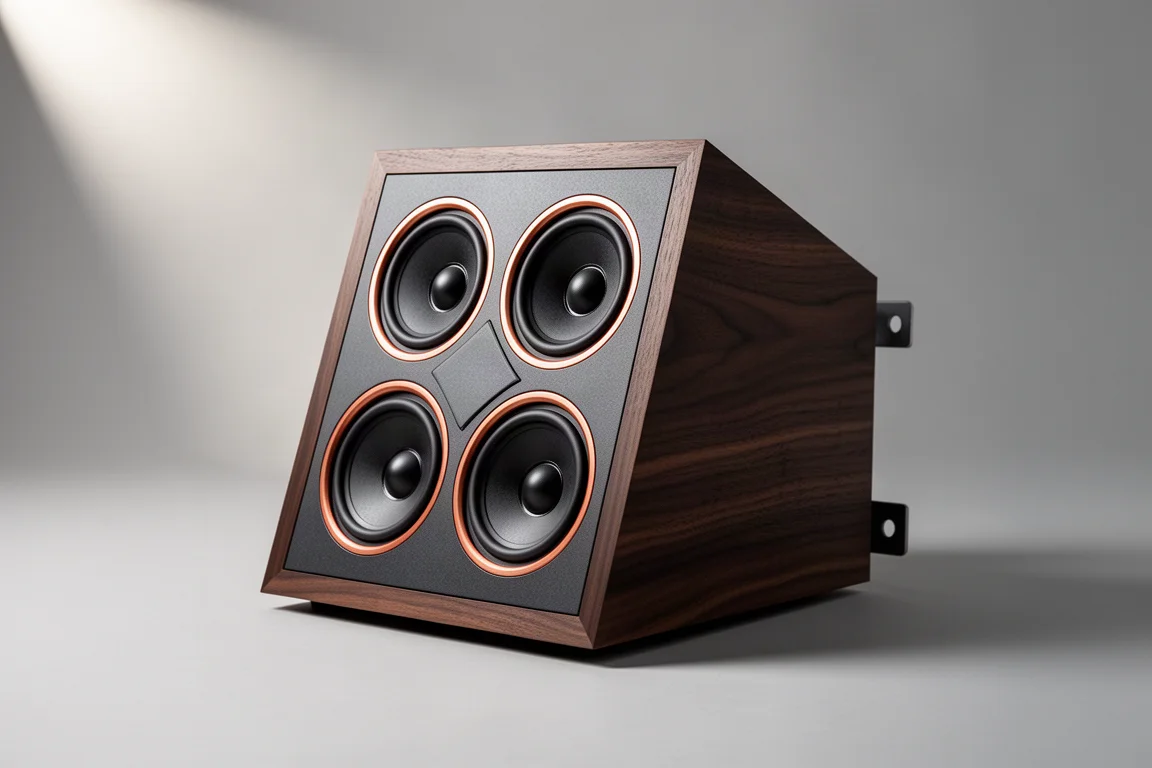
The RP-500SA II is the most flexible speaker in the range. It can serve as an up-firing immersive speaker for Dolby Atmos, as a height speaker, or as a rear surround, and the mode is selected with a switch rather than by buying a different product.
A switchable crossover changes between Dolby Atmos and Dolby surround modes so the speaker is optimised for whichever job it is doing. Added to a monitor or tower pair, it can help build a hemisphere of detailed sound that includes overhead effects, which makes it a useful upgrade path if you want to expand a system in stages.
How to Choose Within the Reference Premiere II Lineup
Start with the front three. If you want the Atmos layer built into the towers themselves, the RP-8060FA II is the only model that offers it. If you would rather add elevation modules later, or use modules you already own, the RP-8000F II, RP-6000F II, and RP-5000F II all provide height channel output jacks at the top of the cabinet.
For the center channel, the RP-504C II is the flagship and its rear-ported cabinet rewards a spot on top of a media cabinet or a stand. The RP-500C II is the other rear-ported option, and the RP-404C II is the sealed choice for in-cabinet placement. For surrounds, the RP-502S II solves awkward seating layouts, while the RP-500SA II covers Atmos, height, and rear surround duty with a switch.
Two practical notes before you commit. Bi-wiring and bi-amping are supported on the tower models, so you have flexibility in how the system is wired. And if you already run an earlier Reference Premiere system and are ready to upgrade, this generation is positioned as the natural step forward.
Conclusion
The Reference Premiere II range is best understood as a set of roles rather than a single ranking. The RP-8060FA II covers towers and overhead effects in one cabinet, the other three towers deliver the same technology with the option of add-on elevation modules, the two bookshelf models scale the sound down for smaller rooms, the three centers cover everything from flagship dialogue duty to sealed in-cabinet placement, and the two surrounds handle both conventional and awkward layouts. Match each speaker to the job it has to do in your room, and the lineup is straightforward to build around.
Further reading
Related Reviews
Home Theater Speakers
Arendal 1723 THX S Monitor vs 1723 THX Monitor: Which Two-Way Monitor Fits Your Room?
A practical comparison of the Arendal 1723 THX S Monitor and the larger 1723 THX Monitor, covering driver size, sensitivity, bass extension, and room fit.
Home Theater Speakers
Emotiva A1 Review: A Small Speaker With Serious Surround Flexibility
A sealed two-way speaker built for Dolby Atmos, surround, and compact desktop duty at $179. Here is what it does well and what to check before buying.
Home Theater Speakers
Emotiva C2+ Review: High Output Center Channel With a Narrow Sweet Spot
The Emotiva C2+ delivers serious output, deep bass for its size and high sensitivity, but its widely spaced midrange drivers create a horizontal sweet spot that rewards centered seating.