Home Theater
Klipsch Reference Premiere Gen 3 and Emotiva LX Series: New Home Theater Gear Worth Hearing
Klipsch's third-generation Reference Premiere speakers and sealed subwoofers meet Emotiva's new LX Series receiver and processor in this practical look at what each one offers.
Introduction
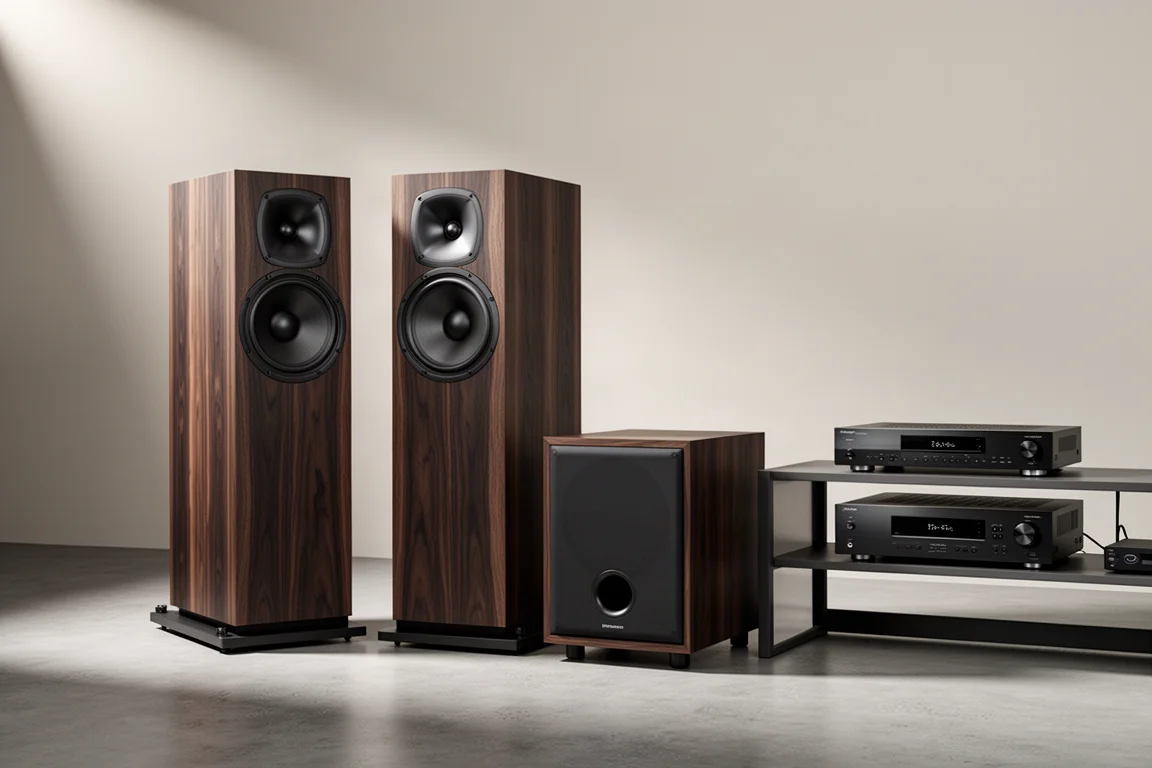
Klipsch has refreshed one of its longest-running speaker families, and Emotiva is preparing to launch a new line of processing hardware. The third-generation Klipsch Reference Premiere speakers arrive with a revised horn design and a new naming scheme, while the matching Reference Premiere subwoofers move to sealed cabinets that are roughly half the size of the models they replace.
On the electronics side, the Emotiva LX Series receiver and processor share a 16-channel decoding engine and a deliberately simplified user experience. Both are built to be serviced rather than replaced.
This guide walks through what each product offers, where it fits, and which details are worth checking before you commit.
What Is New in This Generation
Three themes run through this batch of hardware. First, integration: Klipsch has worked to reduce diffraction around the tweeter horn, which the company says helps the speakers disappear into the room and improves instrument separation. Second, footprint: the new subwoofers are sealed rather than ported, and about 50 percent smaller than the previous generation while still offering 12, 14 and 16 inch drivers. Third, usability: Emotiva has moved the complex processing behind a simpler interface, and both LX Series models ship with the software licenses and a measurement microphone included rather than sold as upgrades later.
Keeping those themes in mind makes the individual products easier to evaluate.
Klipsch Reference Premiere Speakers: A Flush Horn and Familiar Pricing
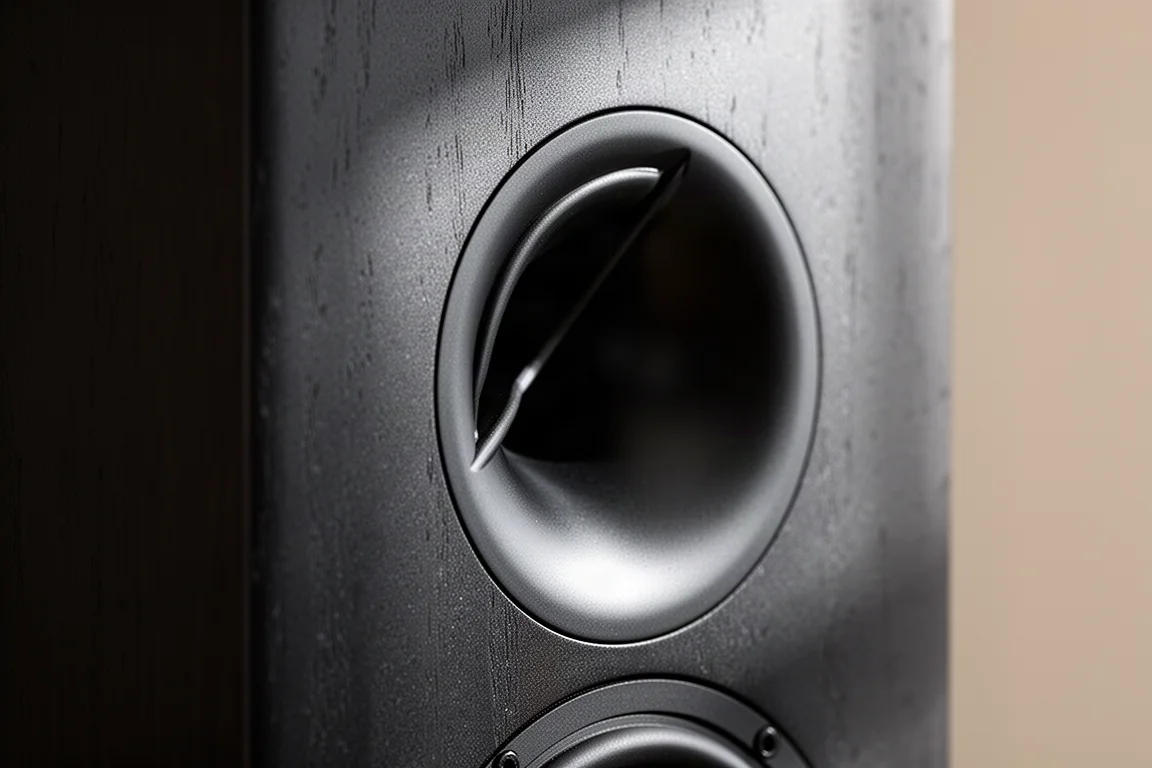
The headline change is the horn. In the third generation, the horn sits essentially flush with the baffle. The stated goal is reduced diffraction, which should help the speakers disappear in the room from a soundstage and imaging standpoint, and it is also intended to improve instrument separation.
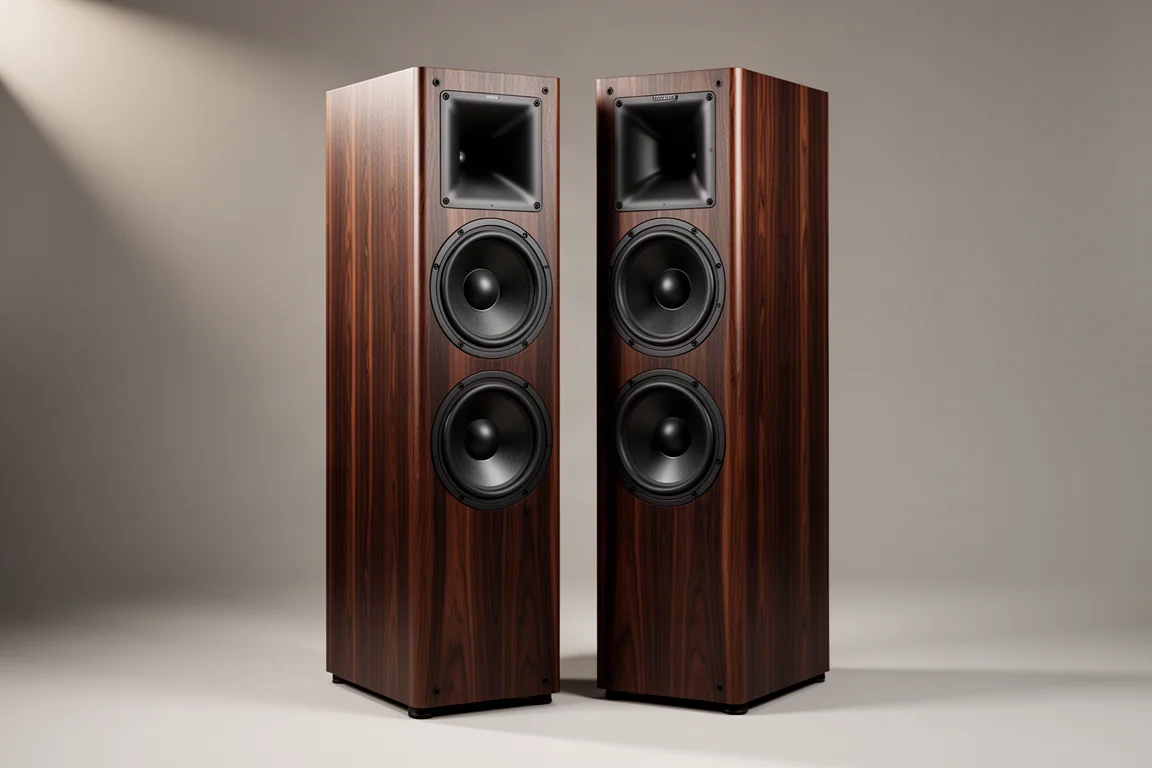
The naming has shifted along with the design. What was previously sold as the RP-600M is now the RP-6103M. The range covers center channel models, a floorstanding speaker with two 6 inch woofers, a larger floorstanding speaker with two 8 inch woofers, and an 8 inch model with space on top for an Atmos elevation speaker. At least one finish option brings a cashmere tone to the lineup.
Pricing is one of the more reassuring details here. Retail pricing is broadly in line with the second generation, so buyers are not paying a large premium for the update. Klipsch products do tend to go on promotion over time, and that is unlikely to happen right at launch, so anyone on a tighter budget may want to wait and watch for discounts. Klipsch is also continuing to offer a dipole surround speaker, which matters to traditional home theater setups that still follow that approach.
Klipsch Reference Premiere Subwoofers: Sealed Cabinets, Half the Size
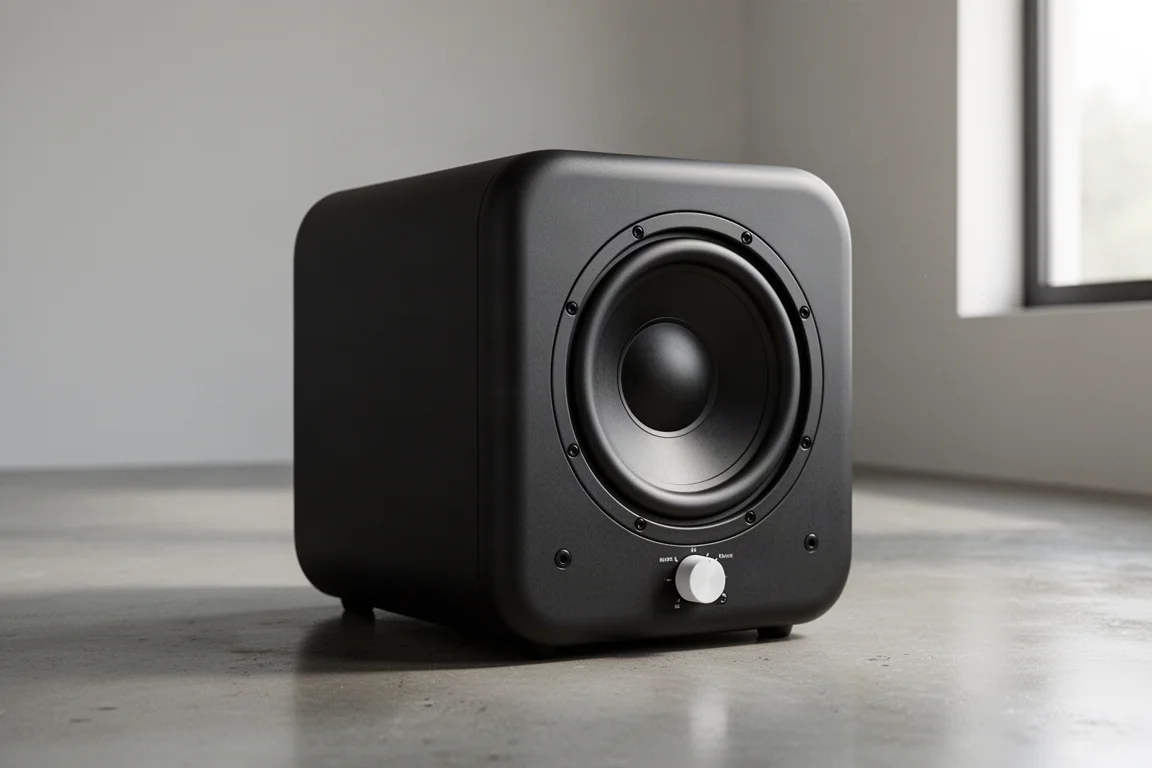
The new Reference Premiere subwoofers are all sealed designs, and that is the source of their biggest practical advantage. They are roughly 50 percent smaller than the previous generation, which was also ported, so they fit into rooms and furniture arrangements where the older cabinets simply would not.
Sizes include 12, 14 and 16 inch models, giving a clear path from modest rooms to larger dedicated spaces. Pricing came in lower than expected for this class of subwoofer, which makes the range more accessible than the cabinet sizes might suggest.
The controls are worth a mention as well. A white knob carries a magnifying glass marking, so setting the low-pass filter does not require reading glasses, and the volume dial runs up to 111.
Emotiva LX Series Receiver: 16 Channels With a Simpler Front End
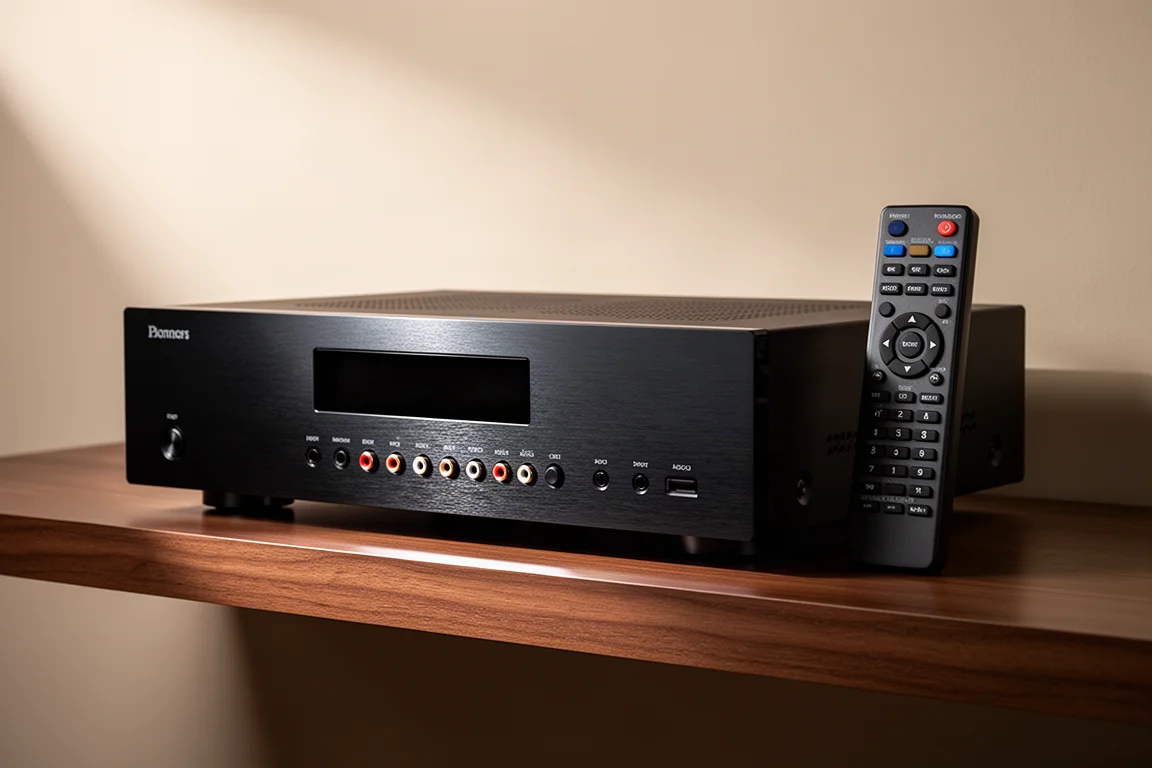
The LX Series has been about two years in active development, and the receiver is one of the first two models in what Emotiva describes as a much larger family. It is a 16-channel design with four independent subwoofer outputs, and it shares the same decoding engine as the matching processor.
The front end is intentionally straightforward. Emotiva’s position is that customers want power and control without complexity, so the difficult processing work happens behind the scenes while the interface stays understandable. The receiver provides RCA preamp outputs for the main channels along with four XLR subwoofer outputs.
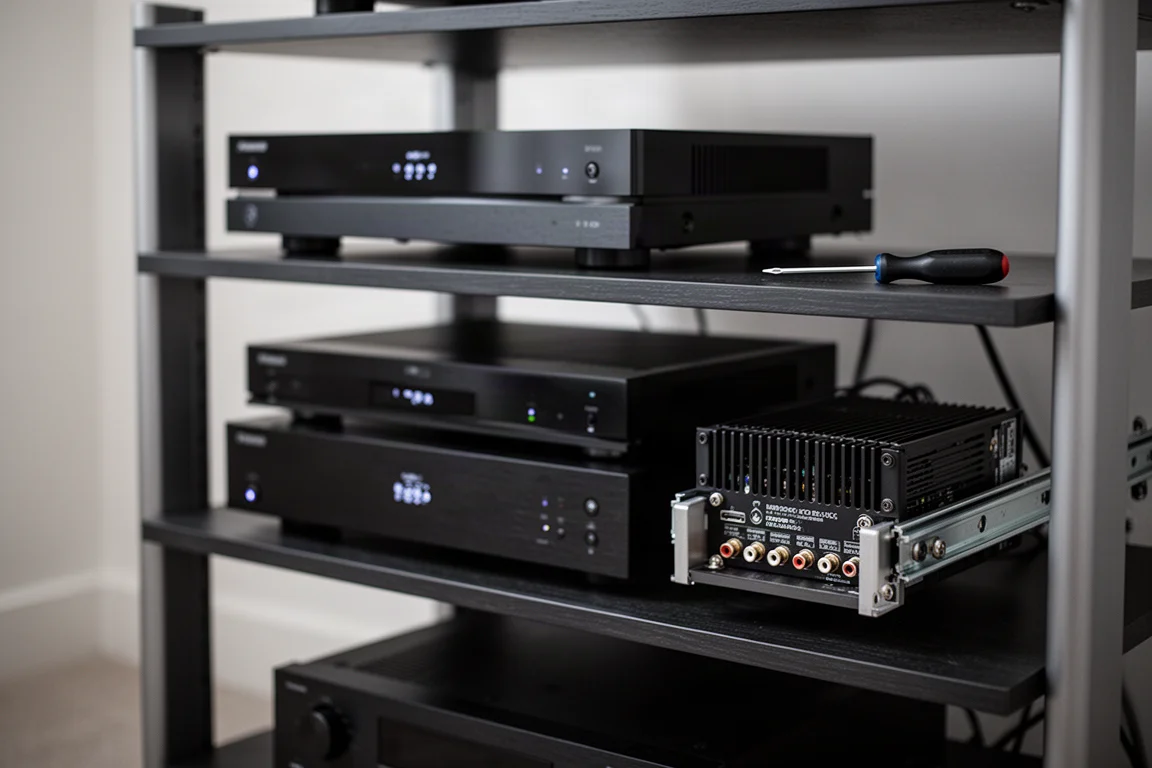
Modularity is a core part of the design. The unit can be taken apart with a screwdriver and no soldering is required, and amplifier modules can be removed with two screws at the bottom before sliding out on an edge card connector. The included remote is backlit and lights up when you touch it, and it keeps the center and subwoofer trim controls close at hand.
Both LX Series models ship with full Dirac software licenses and a precision measurement microphone included in the purchase price, so there is no upgrade to buy afterwards. Availability is close: the units are fully produced and in the warehouse, with final agency approvals still being cleared before public release, expected within a few weeks.
Emotiva LX Series Processor: Balanced XLR Outputs for Complex Systems
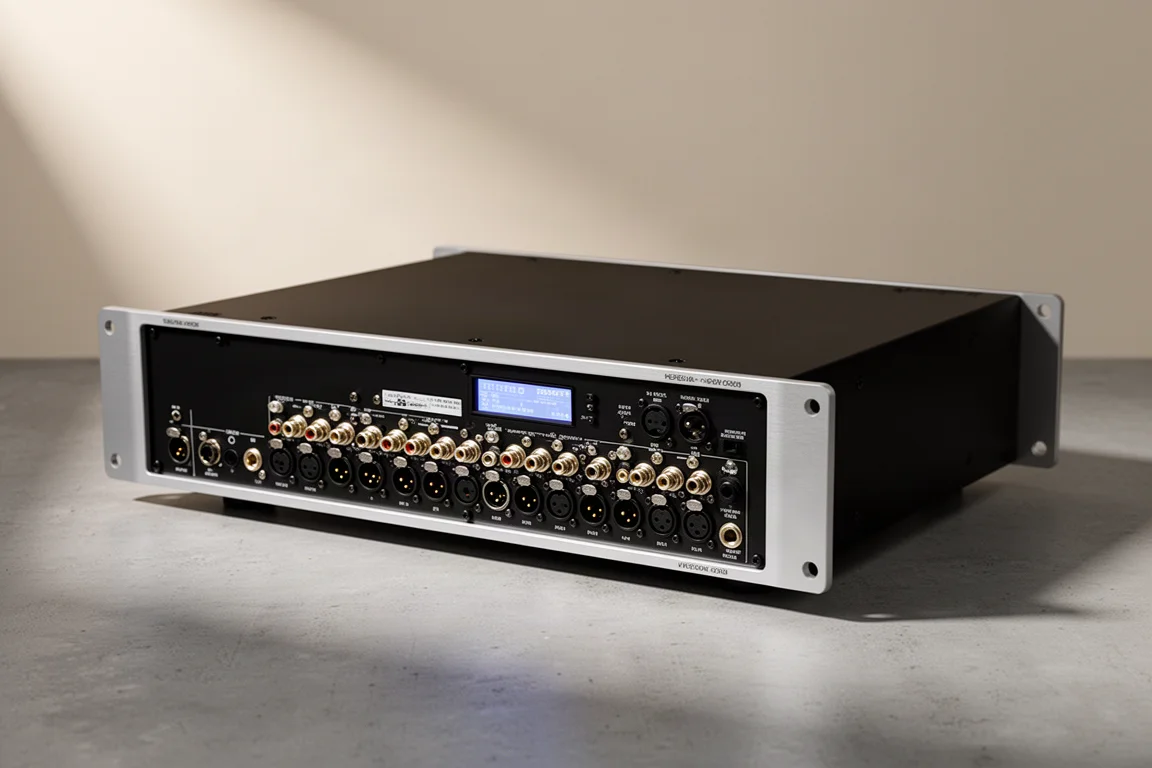
The processor covers the same 16 channels and the same four independent subwoofer outputs as the receiver, using the identical decoding engine. The difference is in the output stage: this model carries a fully balanced XLR board, which suits systems built around separate amplification.
Everything else about the platform carries over. The chassis is modular and serviceable with basic tools, the interface follows the same simplified approach, and the included Dirac licenses and measurement microphone apply here as well. The backlit remote and its center and subwoofer trim controls are part of the package too.
Emotiva has confirmed that these two models are the beginning of the LX line rather than the whole of it. Streaming integrated amplifiers, streaming modules, additional receivers and eventually another processor are all part of the longer-term plan, which is worth knowing if you are thinking about building a system that can grow.
Buying Advice: Matching the Gear to Your Room
Start with the room rather than the specification sheet. If you are building a speaker system first, the third-generation Reference Premiere range covers center channels, two floorstanding sizes and an Atmos-ready model, and the flush horn design is the main reason to choose this generation over the previous one. Buyers who need the update immediately should expect to pay close to retail, while anyone with time to spare can wait for the promotional cycles that Klipsch products typically follow.
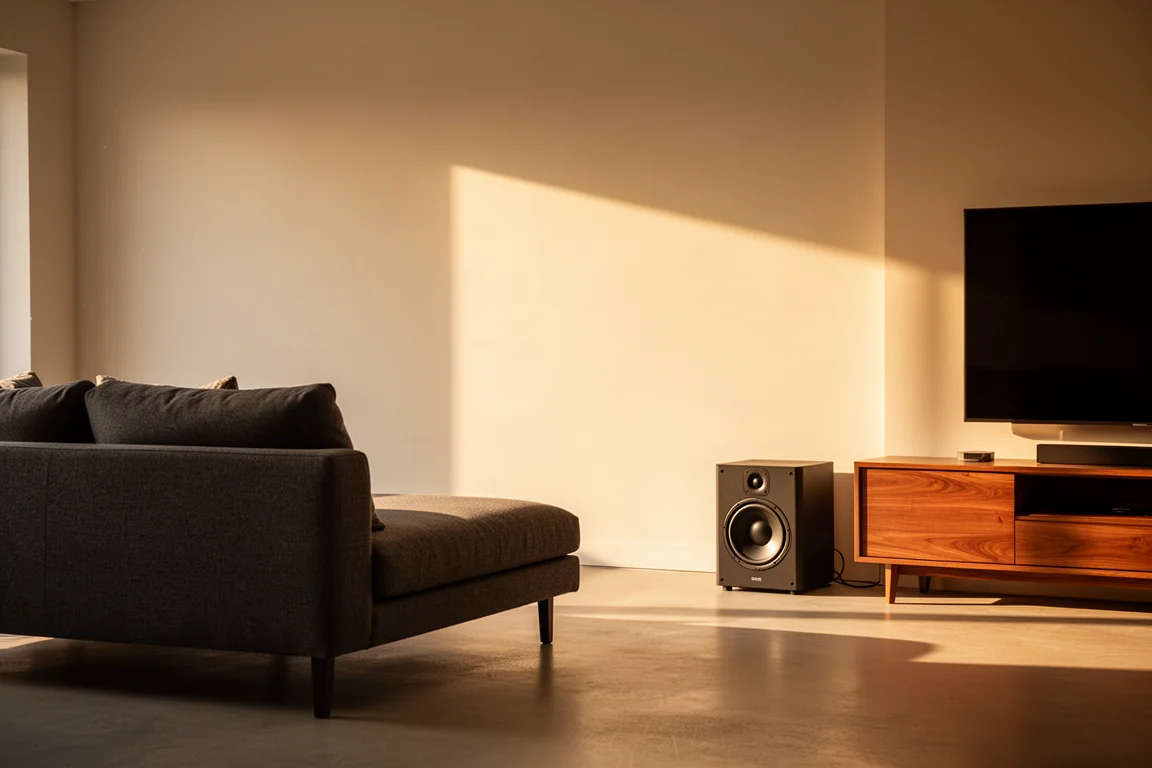
Subwoofer choice comes down to space and output needs. The sealed cabinets are about half the size of the outgoing ported models, so they are the practical pick for smaller rooms or furniture that limits depth, and the 12, 14 and 16 inch options let you scale up as the room grows.
On the electronics side, decide how many channels and subwoofers you actually need. The LX Series receiver makes sense for a single-box solution with up to 16 channels, while the processor is the better fit when you already have separate amplification and want balanced XLR connections. Both include the Dirac licenses and measurement microphone, which keeps the total system cost more predictable than buying those items separately.
Conclusion
This is a useful moment for home theater buyers. Klipsch has refined a well-established speaker family without moving retail pricing much, and the new sealed subwoofers address the one thing that kept the previous generation out of smaller rooms. Emotiva’s LX Series takes the opposite approach to complexity, pairing a 16-channel platform with a simpler interface, modular hardware and included room correction software.
Match the speakers and subwoofers to your room, choose the receiver or processor based on your amplification plans, and each of these products makes a clear case for itself.
Further reading
Related Reviews
Home Theater
Anthem AVM 90 Review: A 15.4-Channel Flagship Preamp Processor
A close look at Anthem's flagship preamp processor, covering its dual ESS DAC architecture, 15.4-channel layout, ARC Genesis calibration and four independent subwoofer outputs.
Home Theater
Apple TV 4K With AirPods: A Best-Value Home Theater Setup
An Apple TV 4K paired with AirPods over Bluetooth makes a compact home theater setup for movies, spatial music and late-night viewing, and it can be assembled for as little as $300.
Home Theater
Arcam AVR15, AVR25, AVR35, and AVP45 Compared: Which AV Amplifier Fits Your System?
Four new Arcam home theater components share nine-channel amplification and Dirac Live, but differ in power, processing ceiling, and channel flexibility.