Bookshelf Speakers
Klipsch Reference Premiere 600M V2 Review: A More Refined Bookshelf Speaker
The Klipsch Reference Premiere 600M V2 keeps the brand's dynamic character while adding a noticeably more linear, mature voicing for music and movies.
Introduction
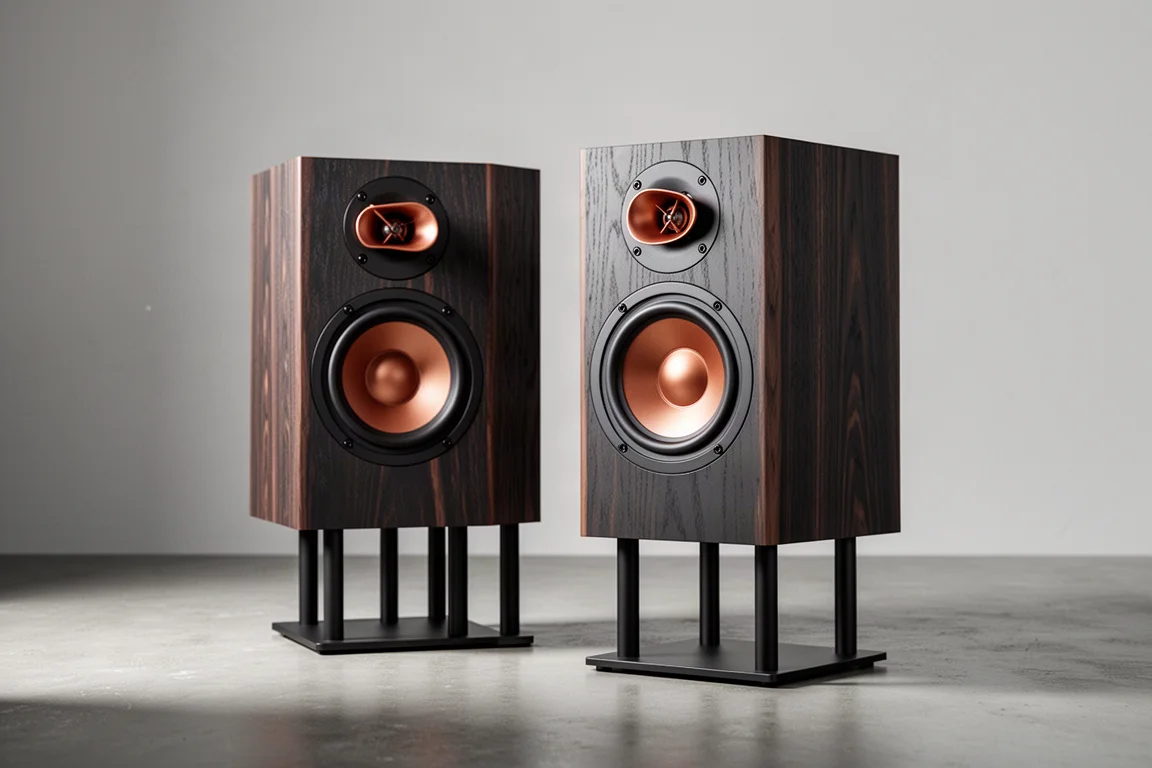
The Klipsch Reference Premiere 600M has been one of the most popular loudspeakers Klipsch has produced in recent memory, and the Reference Premiere 600M V2 arrives as an evolution rather than a clean-sheet redesign. From the front, the two generations are almost indistinguishable. Both are two-way, rear-ported bookshelf speakers built around a one-inch vented titanium tweeter and a six-and-a-half-inch mid-bass driver.
The differences live in the details, and those details matter more than the spec sheet suggests. A larger horn waveguide, revised driver internals, a stiffer cabinet and, most importantly, a reworked crossover tuning combine to give the V2 a sound that is noticeably more linear than the outgoing model while keeping the dynamic character that made the original so popular.
Who the Klipsch Reference Premiere 600M V2 Is For
This is a speaker for listeners who want one compact two-way that can carry both music and movies. With an in-room sensitivity of 94.5 dB and an unchanged 8-ohm impedance, the 600M V2 is not difficult to drive, which makes it a realistic partner for modest integrated amplifiers as well as more serious separates.
The reported frequency response of 44 Hz to 25 kHz is unchanged from the previous generation, and there is a mild lift in the lower octaves that gives the speaker a fuller bottom end than its cabinet size suggests. In small to medium rooms, that low-frequency weight may be enough to push a subwoofer down the priority list. Because the design is rear ported, placement does the heavy lifting: moving the cabinet closer to the front wall reinforces the bass, while pulling it out into the room tightens it.
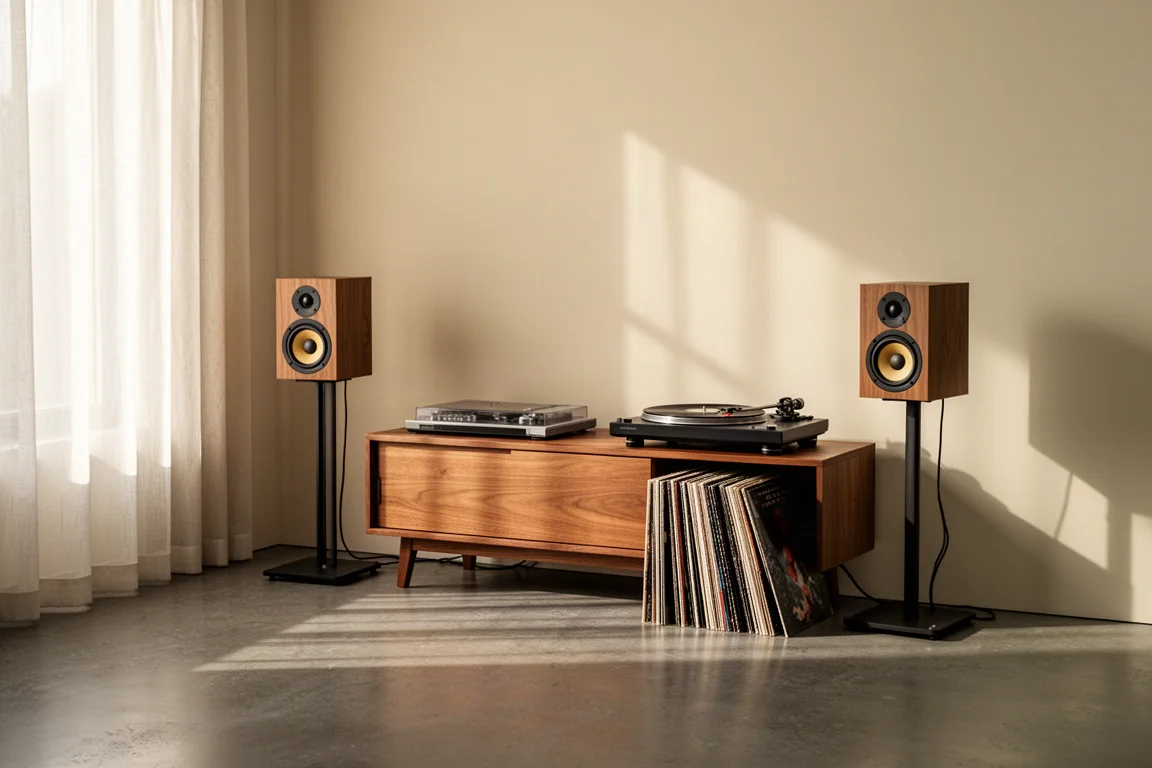
Home theater owners with existing Klipsch Reference Premiere gear are another natural fit, particularly because the V2 was voiced alongside the older RP-600C center channel without any jarring tonal mismatch.
Main Strengths
The headline here is refinement. The V2 keeps the brand’s lively personality but smooths off the edges that used to divide listeners.
Refined Tonality and a More Linear Midrange
The most significant change is not visible from the outside: the crossover tuning has been revised for version two. The result is the most linear presentation of any Klipsch speaker tested to date. There is still a mild rise in the bass region around 40 to 50 Hz, but the midrange between roughly 200 Hz and 4 kHz is where the speaker is at its most even.
That matters most with vocals. Klipsch speakers have always had an immediacy to them, and in the past that immediacy sometimes came across as forwardness. Here it is largely gone. Long listening sessions are easy, and while the speaker retains presence, speed and transparency, it no longer pushes the midrange at the listener. Compared directly with a considerably more expensive Revel bookshelf, the tonal difference through the mids was remarkably small.
Bass Response and Dynamics
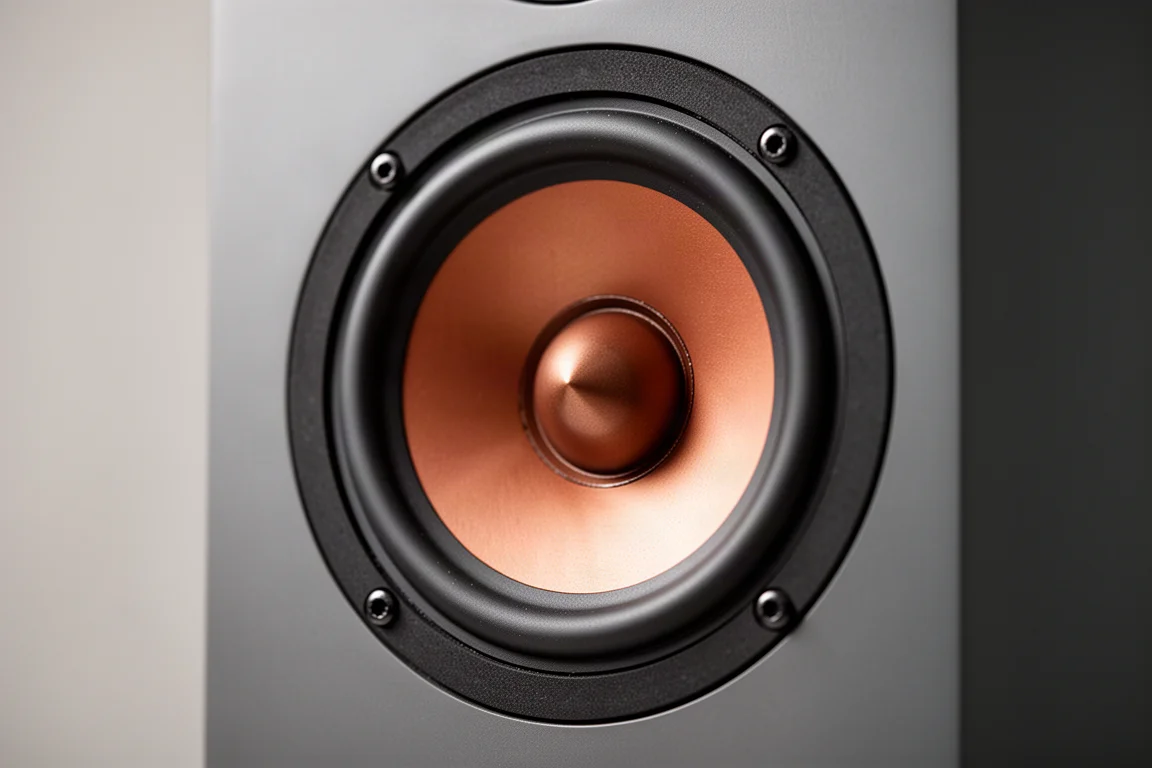
The larger voice coils and aluminum shorting rings in the Cerametallic woofers are credited with better linearity through the bass, lower distortion and higher power handling. In practice the low end is articulate rather than merely heavy. There is genuine speed and detail down low, and it blends cleanly with the slight extra weight built into the tuning.
Dynamically, the 600M V2 is a punchy speaker. Crossed over to a subwoofer at around 60 Hz, it leaves very little to complain about, and many listeners will find they do not need floorstanders at all. It is not only a blunt instrument either: quiet piano passages come through with a delicacy that is genuinely surprising at this size. The speaker also stays musical and engaging at lower volumes, which matters in smaller rooms and shared living spaces.
Off-Axis Dispersion and Soundstaging
The new, larger silicon Tractrix horn waveguide is doing visible work here. Dispersion is excellent both left to right and top to bottom, and the off-axis performance is strong enough that standing up versus sitting down produces very little change in tone or timbre. Rooms with tiered or stadium-style seating should take note.
Center imaging is excellent, and a small amount of toe-in sharpens focus further. Detail retrieval is strong, and the speakers disappear convincingly within the room.
Home Theater Performance
For movies, the 600M V2 is genuinely cinematic. It anchors a surround system with weight and scale, and it pairs well with a receiver such as the Marantz SR8015 or a comparable Onkyo model.
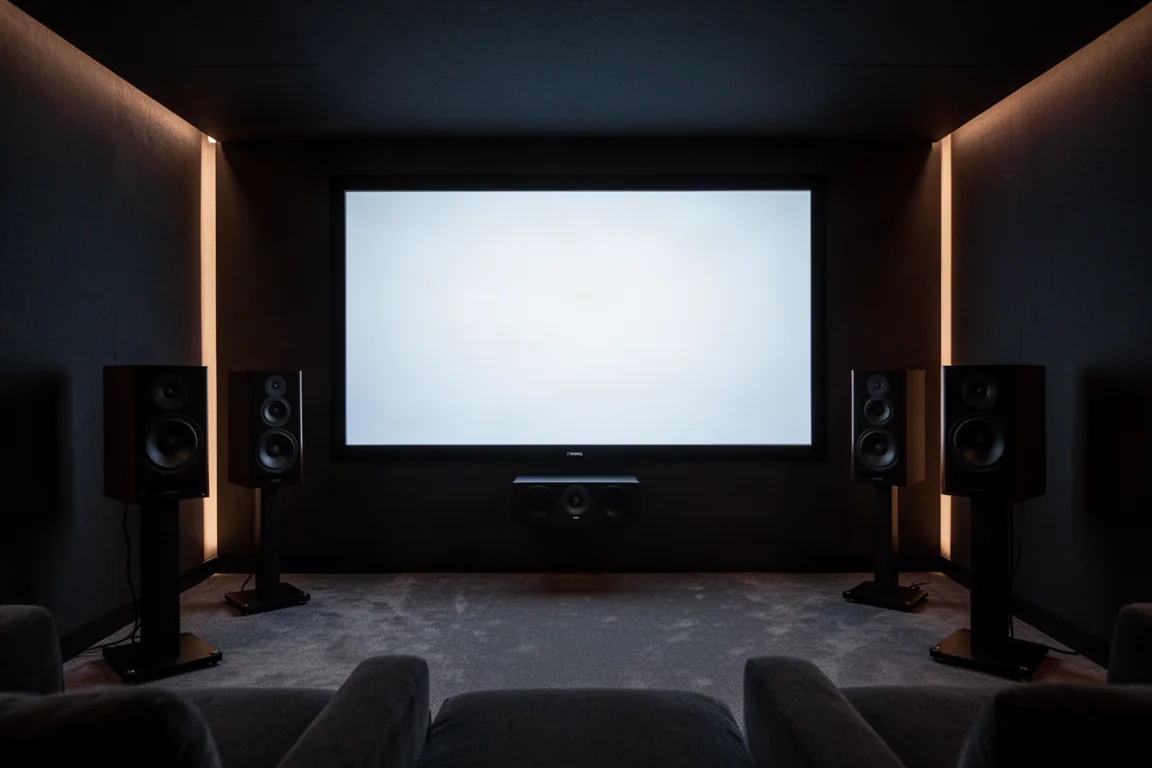
The V2 was run alongside the older RP-600C center channel, and while the center sounded slightly more forward and directional, the tonal gap was not jarring. Automatic room correction such as Audyssey or Dirac narrows that gap even further.
Things to Consider Before Buying
The finish options did not change with this generation, so buyers still choose between ebony and walnut wraps. Both are sensible choices, but this is the most obvious area where the speaker trails prettier rivals.
At the very top of the range, the highs are slightly reserved above roughly 14 kHz. That trades potential shrillness for a breathy, non-fatiguing treble, and the titanium tweeter avoids the metallic sheen some metal domes exhibit. The trade-off is that the highest frequencies do not carry the same energy as some brighter competitors.
Sensitivity is listed at 94.5 dB in-room, a decrease from the original’s reported 96 dB, although the 8-ohm impedance is unchanged and the speaker remains easy to drive. One practical note: with a high-gain power amplifier, a small amount of tweeter hiss can appear, which was addressed simply by trimming the amplifier levels. That is a system-matching detail rather than a flaw in the speaker.
How the 600M V2 Compares With Other Bookshelf Speakers
Against the original 600M, the V2 is the better speaker, though the differences are not night and day. Owners of the outgoing model who are happy with it have no urgent reason to upgrade.
The more interesting comparisons sit outside the brand. The Revel Concerta M16 runs neck and neck with the Klipsch: the Klipsch brings a little more low-end energy, the Revel counters with slightly more top-end extension, and the two are far more evenly matched than brand loyalties would suggest. The Polk R200 costs the same as the 600M V2 and is another toss-up: the Klipsch is easier to drive, more dynamic and marginally broader in soundstage and dispersion, while the Polk is the more composed and neutral of the two and may reward a few extra watts. Between the Monitor Audio Bronze 100 and the Silver 100, the Klipsch sits in the middle on price, offering better overall refinement than the Bronze 100 but unable to match the Silver’s looks and build, which makes it the stronger value of the three. The Wharfedale Evo 4.1 is better constructed and better looking, and its lack of a rear-facing port makes it easier to place in tight spaces, but its AMT tweeter does not flatter every recording, which leaves the Klipsch the safer all-round choice.
Buying Advice
If you already run Reference Premiere speakers and want to sample the new generation, start with the left and right mains, and consider the center channel next. Replacing every surround and overhead channel is unlikely to deliver much benefit.
The V2 rewards better electronics, but expect subtle refinements rather than night-and-day transformations as you move up the amplifier ladder. It performed well with a range of integrated amplifiers and with a streamer acting as a preamp feeding a dedicated power amplifier.
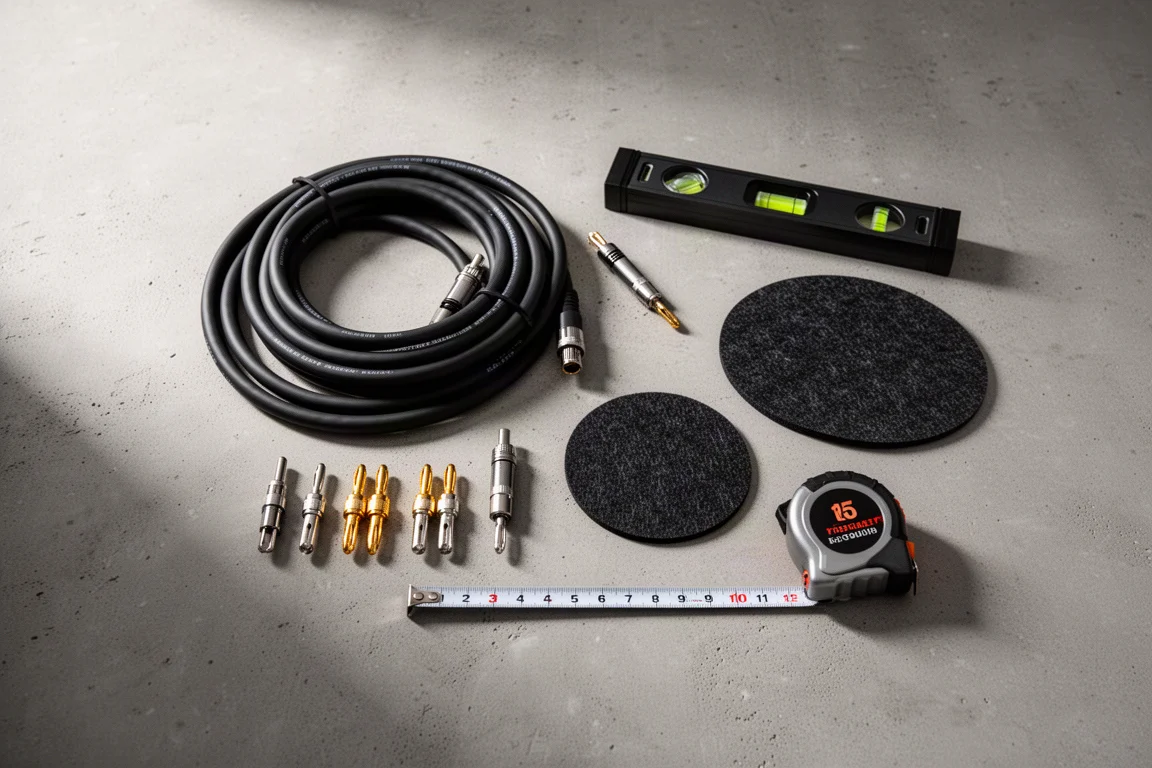
Placement deserves the same attention as electronics. Because the cabinet is rear ported, the distance to the front wall is effectively a bass control. Buyers in small to medium rooms should experiment before assuming a subwoofer is mandatory.
Conclusion
The Klipsch Reference Premiere 600M V2 is a careful, well-judged update. The larger horn waveguide, revised woofers, stiffer cabinet and reworked crossover add up to a speaker that is more linear and more mature than the model it replaces, without losing the dynamics that make Klipsch speakers fun. It is capable of reference-grade sound quality, and for most listeners it is high-end enough to be a long-term keeper. The main request left on the table is a wider choice of finishes.
Product link
View more details for Klipsch Reference Premiere 600M V2
This product is mentioned in the review. Check the specifications, options, and compatibility before buying.
View more details for Klipsch Reference Premiere 600M V2Further reading
Related Reviews
Bookshelf Speakers
Acoustic Energy A100 Mark II Review: A Compact Standmount With an Expansive Soundstage
The Acoustic Energy A100 Mark II brings clarity, natural tonality and a wide soundstage to an entry-level standmount, with a few setup details worth knowing first.
Bookshelf Speakers
Acoustic Energy AE-100 Mark II Review: Compact Bookshelf Speakers With Standout Imaging
A compact British two-way bookshelf speaker with deep, layered imaging, fast bass, and a slight treble lift to weigh against a crowded $500 field.
Bookshelf Speakers
Acoustic Energy AE100 MK2 Review: Measured Performance and Four Alternatives
A close look at the Acoustic Energy AE100 MK2 bookshelf speaker, what its measured performance reveals, and four alternatives with different trade-offs.