Home Audio
Klipsch R-800F Review: Big Tower Sound, With One Clear Trade-Off
The Klipsch R-800F brings a sharper design and deep bass, but cabinet resonance shapes almost everything you hear. Here is what to weigh before buying.
Introduction
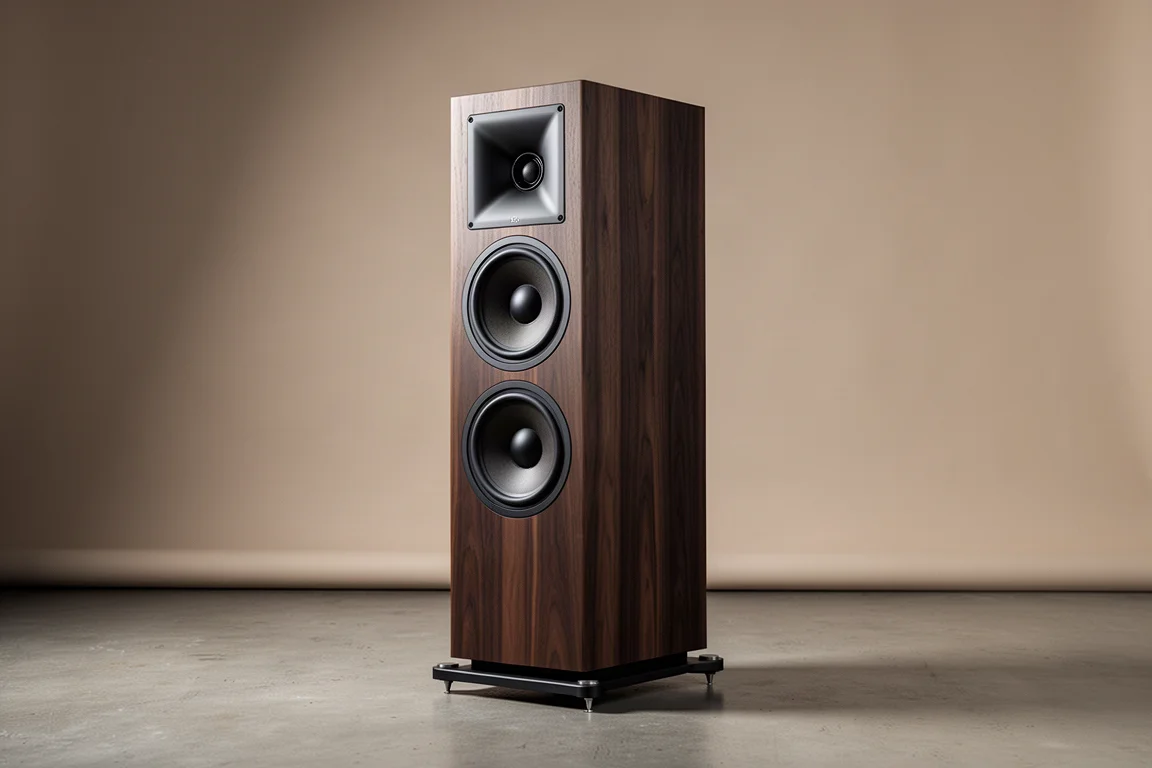
The Klipsch R-800F is the newest floorstanding tower in Klipsch’s Reference line, and it is a noticeably more grown-up looking speaker than the model it replaces. Gone are the exposed fasteners and the smaller horn waveguide of the previous generation, replaced by a cleaner, more coherent front baffle. Klipsch has also carried over a larger Tractrix horn, updated woofers derived from the Reference Premiere series, and improved Atmos speaker connectors. On paper, the core specifications stay close to the outgoing model.
That mix of familiar specs and a sharper design raises an obvious question for anyone shopping at this price: does the R-800F actually sound better, or does it simply look better? The honest answer is mixed. This is a bold, punchy, bass-forward tower with real home theater appeal, and it is also a speaker held back by cabinet behaviour that shapes almost everything you hear.
Who the Klipsch R-800F Is For
If your priority is impact, the R-800F makes a strong case. It suits listeners who want a big, room-filling wall of sound for action films, live recordings and rock, and who are happy to run it alongside a subwoofer and a receiver with proper bass management. It is a speaker that rewards volume and enthusiasm rather than quiet, analytical listening.
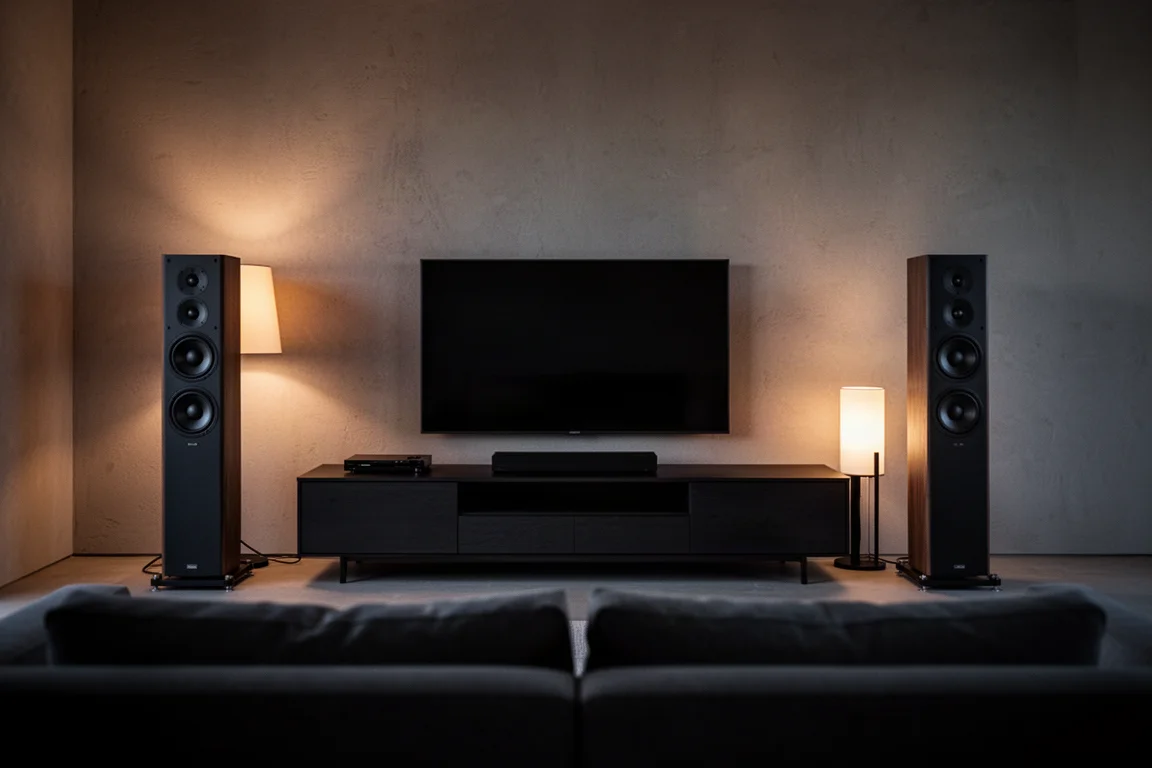
It is a much less obvious fit for listeners who chase nuance. Anyone who wants tightly controlled low end, precise imaging across a wide seating area, and a relaxed top end will find more long-term satisfaction in a smaller, better-damped speaker paired with a capable subwoofer. The R-800F is built for energy first and refinement second.
Design, Build, and Cabinet Construction
The visual update is the most immediately convincing part of the package. Removing the exposed hardware and reducing the waveguide footprint gives the speaker a cleaner silhouette, and the result is a tower that looks considerably more expensive than its price bracket suggests. Klipsch’s larger Tractrix horn sits up top, updated woofers fill the lower baffle, and the revised Atmos connections make it easier to build a height-channel system around a pair.
The trouble begins when you look past the finish. Tapping on the cabinet reveals a substantial amount of internal resonance, and that resonance is audible through the low midrange and bass. It is the single biggest reason the R-800F’s sound does not match the promise of its design, and it is not something that tone controls can correct.
Main Strengths
The R-800F’s strongest asset is scale. Freed from the burden of reproducing deep bass itself, it can throw a genuinely vast soundstage that extends well beyond the physical boundaries of the cabinets. Detail retrieval and centre focus are good and improve noticeably with a little toe-in, though the presentation stays a few rows back from the stage rather than laser-etched.
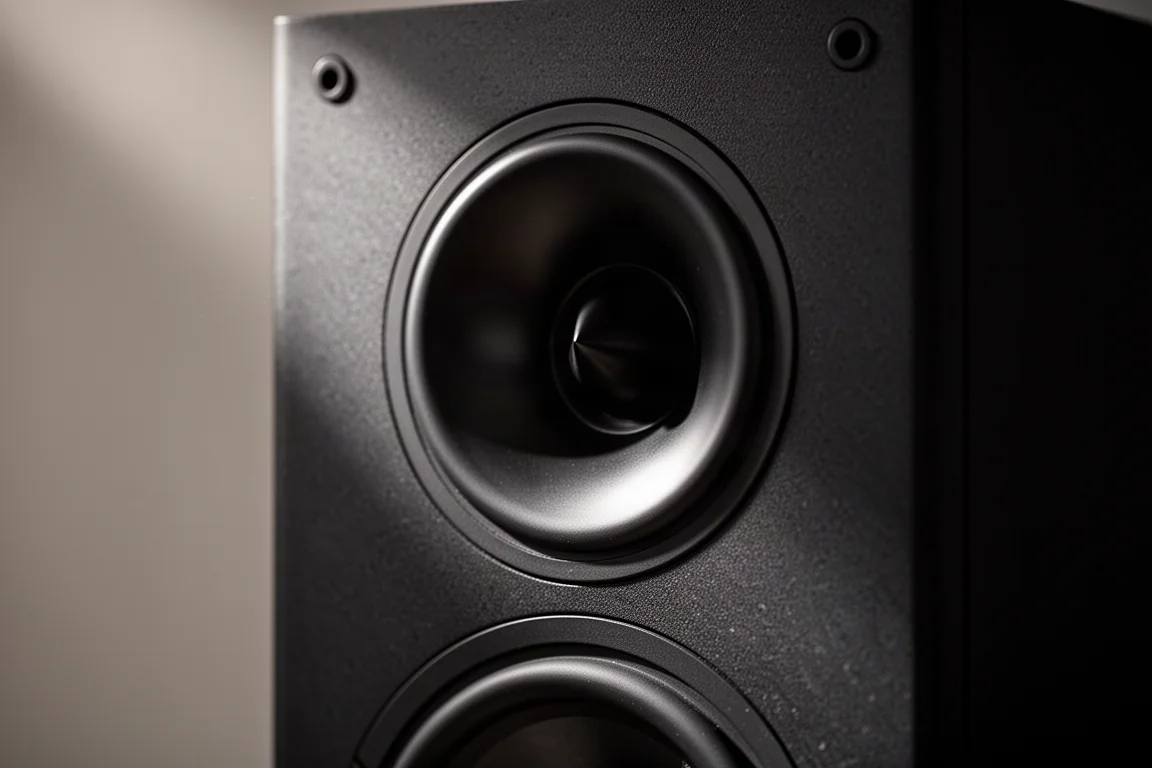
Dynamics are another area where the speaker can impress. On explosions, shattered glass and bullet ricochets it is bold and immediate, and home theater listeners willing to apply room correction, whether Dirac or Audyssey, can coax a useful amount of finesse out of the tower. That makes it far more convincing in a movie system than in a music-first setup, where its bluntness is harder to overlook.
Bass, Midrange, and Treble Performance
Bass is where the R-800F’s character is most obvious. Extension is genuinely deep, but control is not. The low end arrives blurry and hollow, and the cabinet’s resonance adds a chesty, boomy quality that smothers the midrange. There is measurable distortion in the low bass as well, and combined with the resonance it produces an unfocused sound that no amount of careful placement fully hides.
The treble tells a related story. Output does not roll off until well past 10 kHz, which gives the highs plenty of presence, but that presence does not translate into greater intelligibility. Instead, the extended top end exposes sibilance, and the speaker can sound noticeably spitty on vocal-heavy material. In-room measurements back this up: a clear bass boost, a slight dip through the midrange, and a tweeter that simply keeps going. Taken in isolation, the frequency response is not disastrous. The cabinet is what spoils it.
Things to Consider Before Buying
Off-axis performance is a genuine limitation. Move out of the sweet spot and the sound deteriorates quickly, which matters in a room with several seating positions. Buyers who expect a consistent result across a wide sofa should plan for a narrow listening window or a different speaker.
Dynamics are bold but blunt. The R-800F delivers impact without much sonic contrast, so quiet-to-loud shifts and fine instrumental texture get flattened. Listeners who value subtlety will notice the gap immediately, while listeners who mostly want scale and slam may not mind at all.
The cabinet is the other long-term consideration. Resonance in and around the port and the lower drivers colours everything from the low midrange downward, and it is not something you can tune away with simple tone controls.
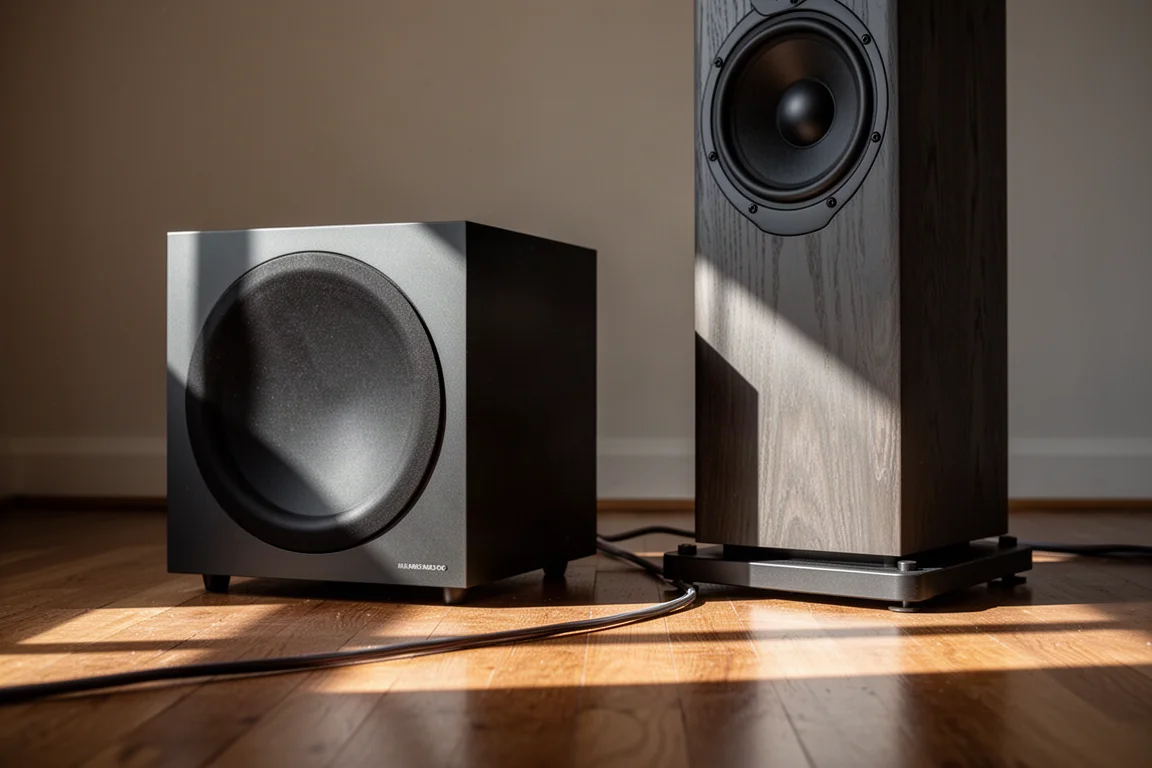
Finally, budget for bass management. The R-800F behaves far better when everything below roughly 100 Hz is handed to a subwoofer, so a receiver or processor with proper crossover control is effectively part of the purchase rather than an optional extra.
Setup Tips and Room Correction
Getting the best from this tower is largely a matter of taking low bass out of its hands. Crossing the speaker over at around 100 Hz and routing that work to a capable subwoofer produced a clear improvement in clarity. Tonally, instruments and voices stopped sounding as though they were singing through pillows, and both soundstage focus and dynamics tightened up. The speaker stayed a little spitty in the upper registers, but the overall balance improved substantially.
Room correction helps too. Dirac or Audyssey can smooth the response and make the R-800F more civilised in a home theater context, which is exactly why movie-focused buyers should treat a correction-capable receiver as part of the system. What correction cannot do is remove cabinet resonance, so the fundamental character of the speaker remains underneath.
A small amount of toe-in is worth trying as well. Angling the towers toward the listening position sharpens centre focus without changing the speaker’s overall presentation, and it costs nothing to experiment with.
Buying Advice
Before committing to the R-800F, it is worth comparing it with the speakers Klipsch sells alongside it. Within the family, the smaller R-50M is the more balanced design. It gives up deep bass entirely and needs a subwoofer for anything below roughly 90 Hz, and stuffing its port reduces a small amount of resonance at higher volumes, but from the midrange upward it is more neutral and better damped than the R-800F, with a more focused result for music and movies. At roughly $250 to $300 a pair it also leaves budget for a subwoofer. The RP-600M II is the other strong Klipsch option: at a little over $800 a pair it plays slightly less deep, but it is more refined and clearly superior from the midrange to the treble. Deeply discounted original RP-8000F towers are worth checking as well, since they may be the best overall value of the group for anyone who enjoys Klipsch’s signature sound.
Look outside the brand and the picture gets harder still. The JBL Stage 190 is more poised in the bass despite a similar low-frequency lift, more intelligible through the midrange, and although it can sound bright on certain recordings, that brightness is more predictable and easier to adjust with tone controls. It is also the physically larger speaker of the two, closer in size to a Polk R700 than to the R-800F. Elsewhere, Polk Reserve towers, Wharfedale’s Diamond series and the Q Acoustics 3050 sit at comparable prices and deliver better overall performance.
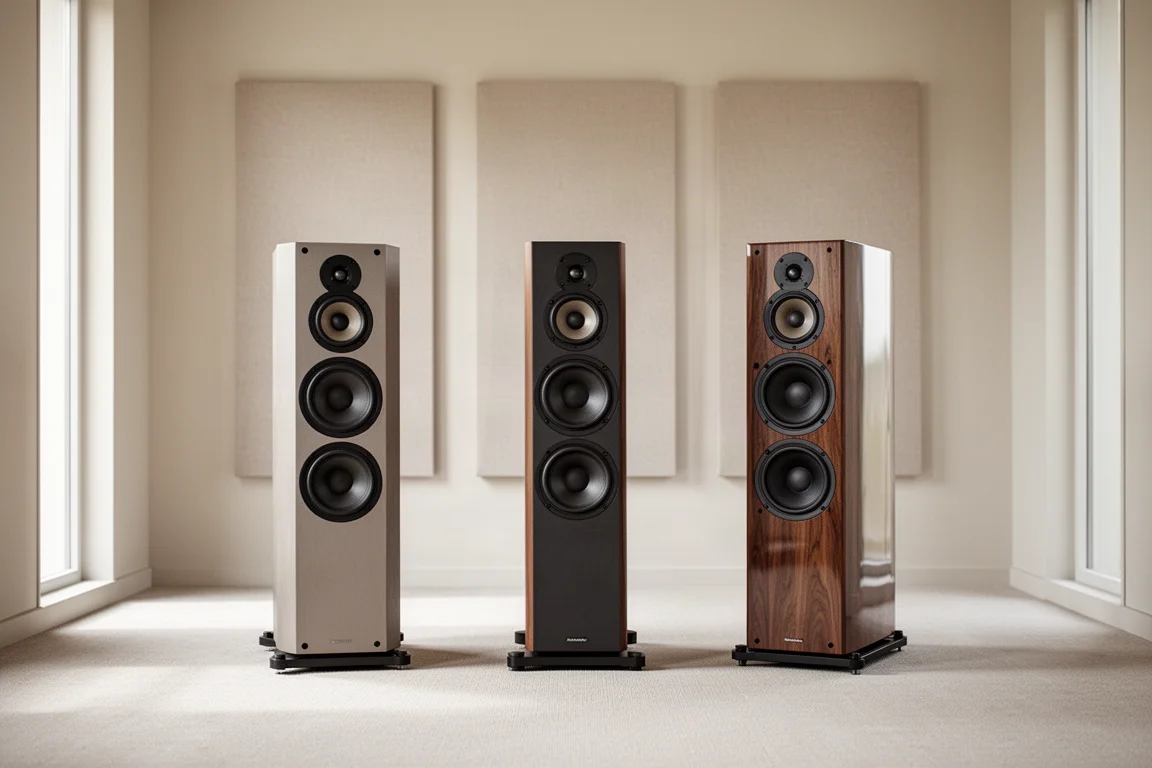
If the goal is a tower that looks the part and delivers big, energetic home theater sound, the R-800F can still make sense, especially with a subwoofer handling the low end. If the goal is accuracy and long-term satisfaction at the same price, the money is better spent elsewhere. Either way, an audition is the only way to know which side of that line you fall on.
Conclusion
The Klipsch R-800F is a striking-looking tower with deep bass, a wide soundstage and genuine dynamic punch, and those qualities are real. The problem is the cabinet. Resonance through the low midrange and bass undermines the speaker’s clarity, and the extended treble adds a spitty edge that no amount of correction fully removes.
For a movie system with a subwoofer, room correction and a forgiving ear for bass character, the R-800F can work. For most buyers shopping at this price, a smaller, better-damped speaker such as the R-50M paired with a good subwoofer will deliver a more accurate and more enjoyable result. The only opinion that ultimately matters is yours, so seek out a listen before you decide.
Product link
View more details for Klipsch R-800F
This product is mentioned in the review. Check the specifications, options, and compatibility before buying.
View more details for Klipsch R-800FFurther reading
Related Reviews
Home Audio
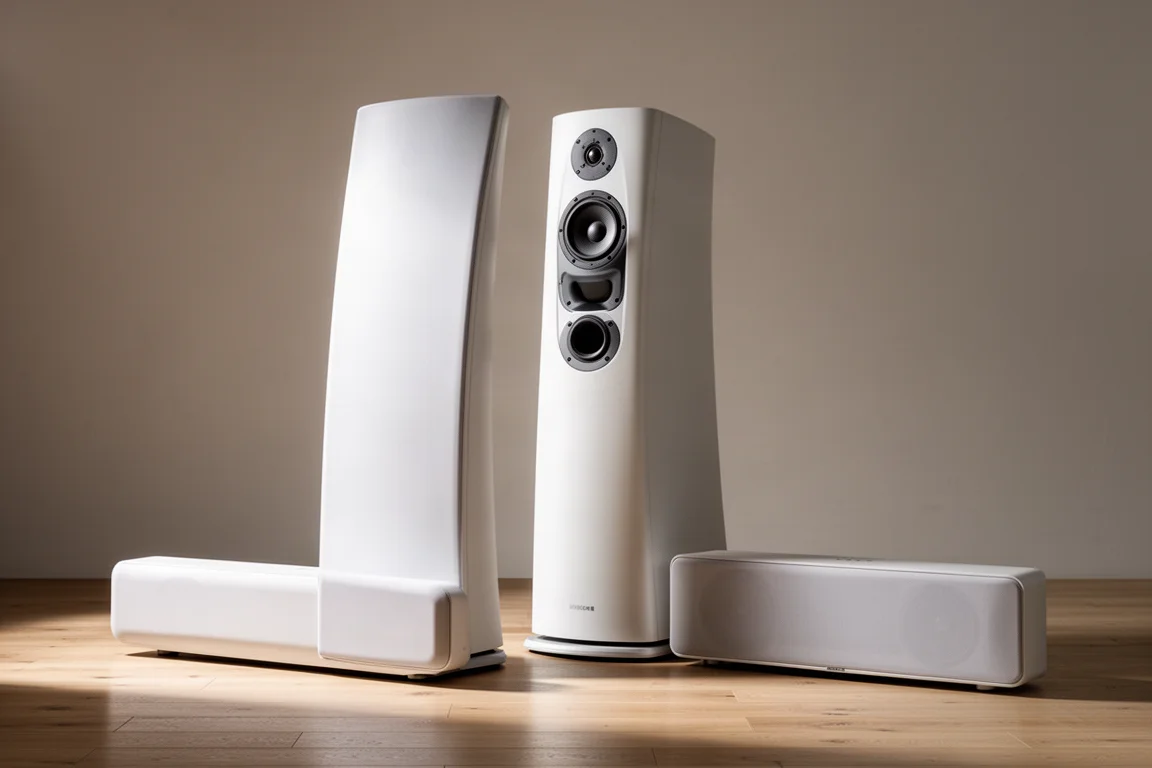
Aperion Novus Tower and Center Review: Punchy Home Theater Sound With Real Refinement
A close look at the Aperion Novus tower and center speakers, from their layered paint finish and punchy bass to the 4-ohm load and what the price actually buys.
Home Audio
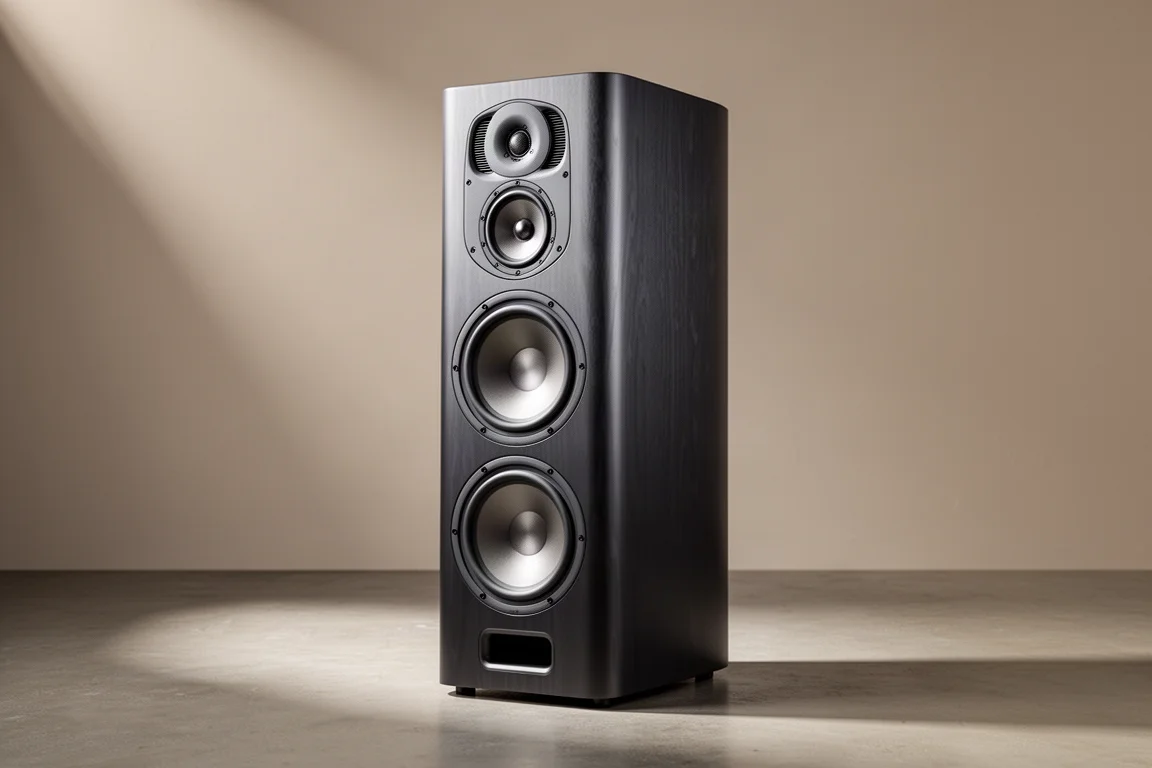
Arendal 1610 Tower Review: Flagship Dynamics in a Room-Friendly Tower
A compact floorstanding tower with three 8-inch aluminium woofers, a 5-inch carbon midrange, and the kind of bass heft usually reserved for much larger speakers.
Home Audio
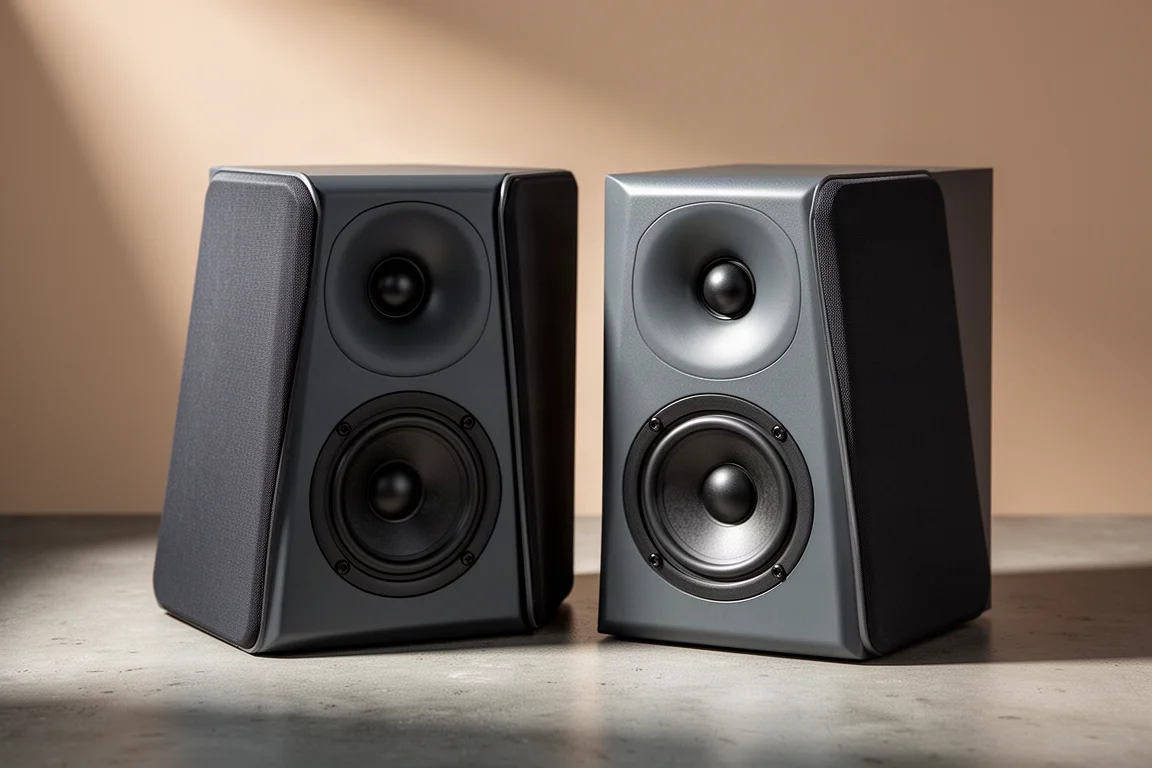
Arendal 1723 S THX Review: A Reference Speaker Built Like a Tank
A practical look at the Arendal 1723 S THX, a sealed, THX-certified speaker with exceptional build quality, a very flat top end, and a midrange that responds beautifully to EQ.