Powered Speakers
Klipsch The Sevens, The Nines and The Fives Compared: Which Powered Speaker Should You Buy?
A practical comparison of Klipsch The Sevens, The Nines and The Fives, plus rival powered speakers from SVS, ELAC, Mission, Kanto and Samsung, with clear guidance on which model suits which room and listening habit.
Introduction
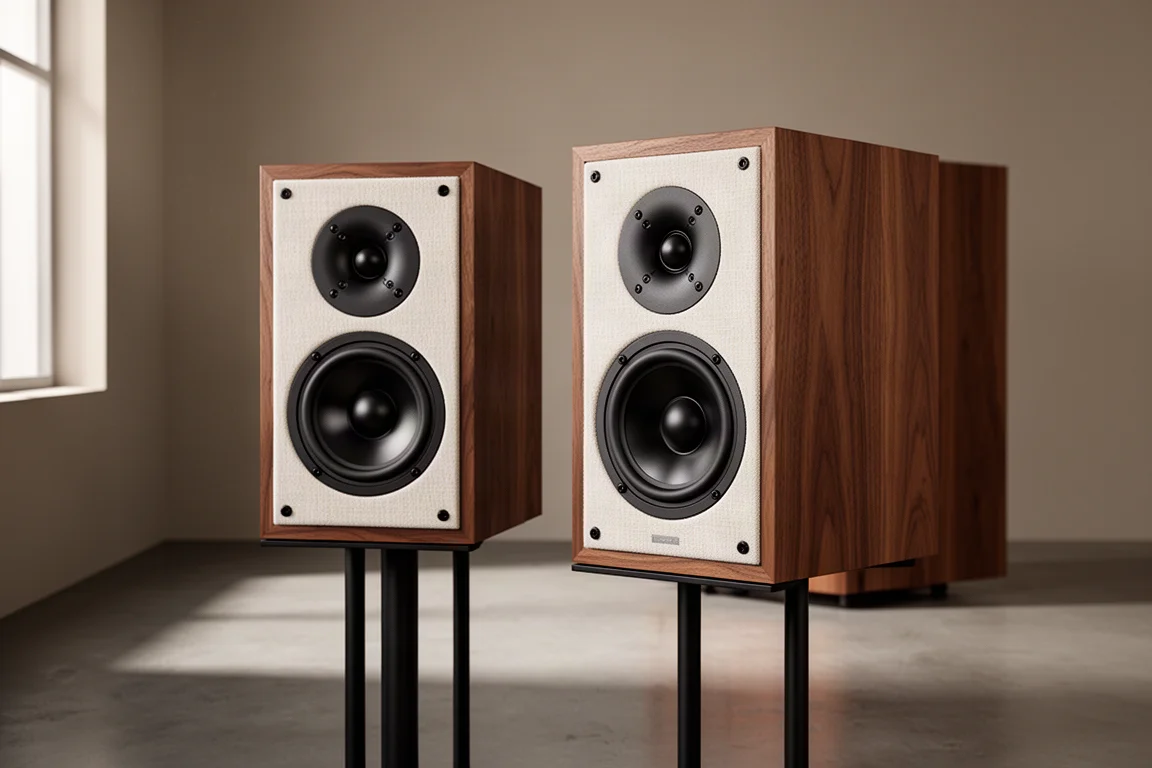
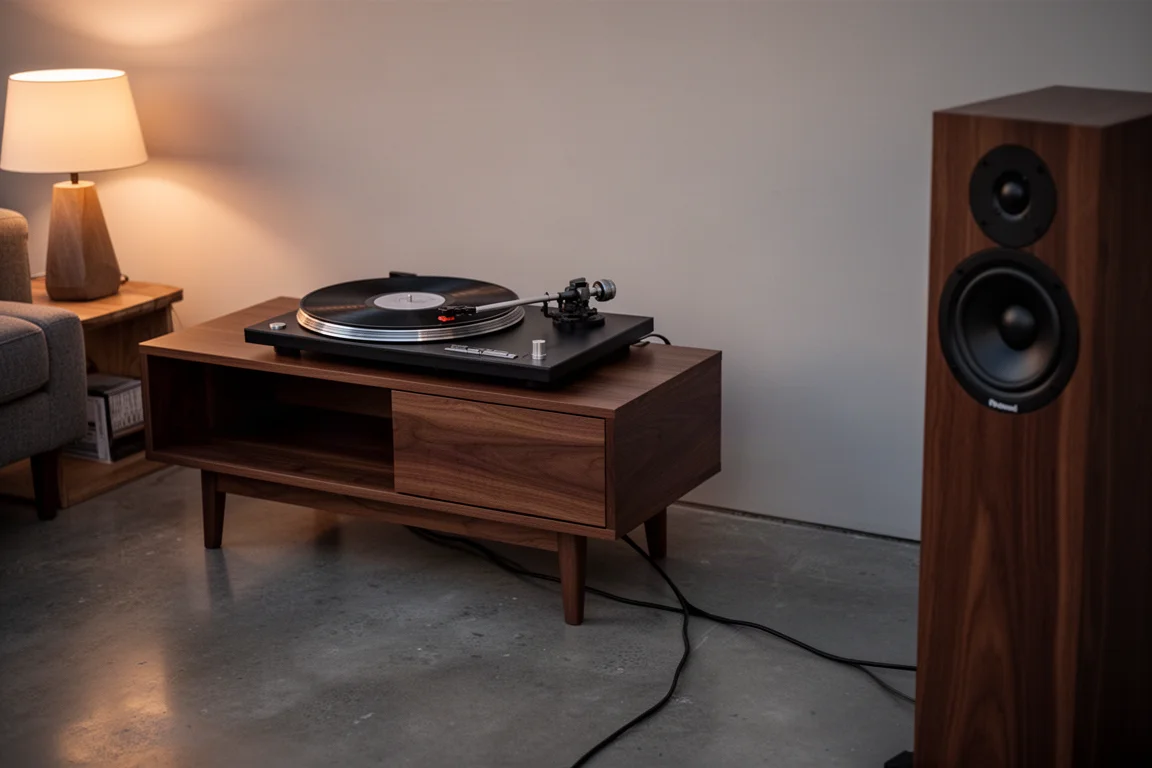
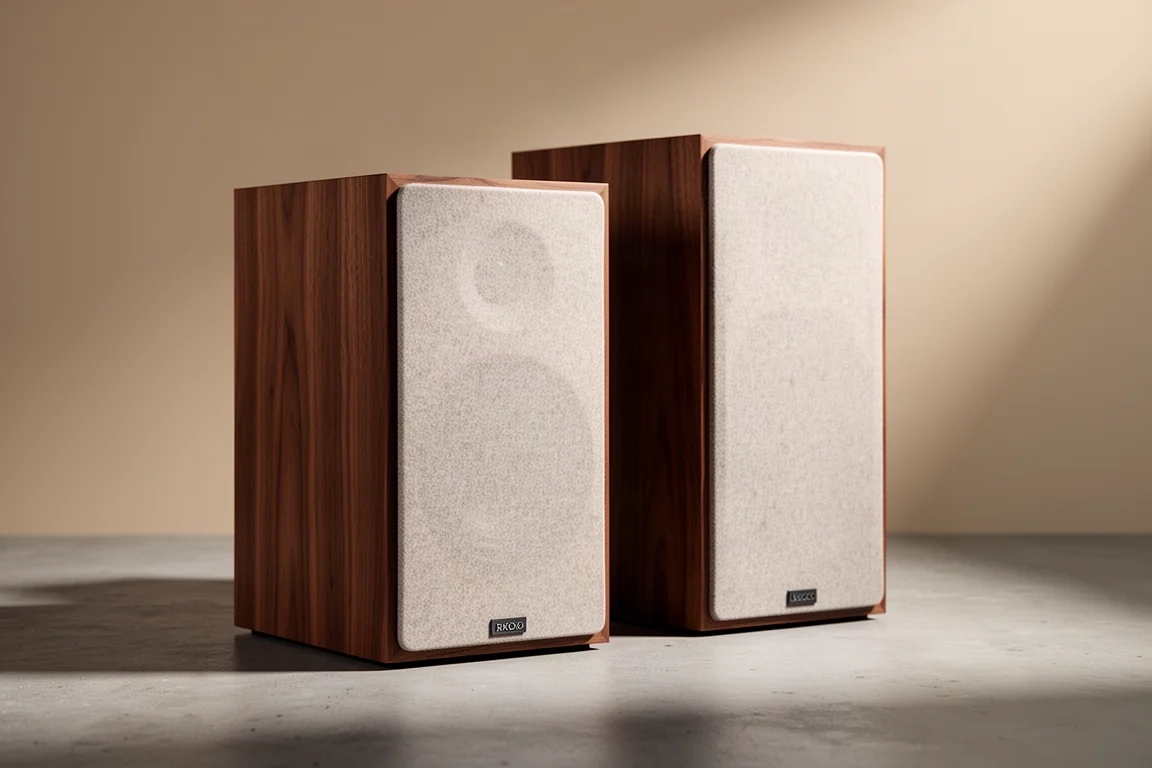
Klipsch has expanded its Heritage-inspired powered speaker family with two new models, The Nines and The Sevens, which join the older The Fives. All three are self-powered, so no external amplifier or receiver is required, and all three share the same family look: black or walnut real wood veneer, ivory grilles on the walnut version, and a pair of roller dials on top of the primary speaker for volume and source selection.
The Nines have taken most of the attention because they are the biggest and the boldest. The Sevens sit in the middle of the range, and in practice that middle position turns out to be the most balanced place to be. This guide covers the Klipsch trio along with the rival powered speakers worth weighing against them, and it explains which model suits which room and which listening habit.
Klipsch The Sevens: The Overall Pick
The Sevens are a two-way powered speaker built around a 6.5-inch woofer mated to a 1-inch vented titanium tweeter mounted inside a Tractrix horn. Klipsch specifies a 200-watt amplifier, with 80 watts feeding the woofers and 20 watts feeding the tweeters, and a rear-facing port helps the cabinet reach a claimed frequency response of 39Hz to 25kHz.
Connections cover HDMI ARC, optical, USB, an analog mini-jack and a switchable line input that toggles between standard stereo line level and a phono preamp for moving magnet turntables. There is also a subwoofer output for extending the low end toward a true 20Hz. Wireless is limited to Bluetooth 5.0 with aptx and aptx HD, which means no Wi-Fi, no AirPlay, no Alexa, no Google Assistant and no Chromecast. Setup is straightforward, though the supplied cabling deserves attention: a four-meter four-conductor speaker cable plus a two-meter extension gives roughly six meters in total, and a six-foot power cable rounds out the package. In a typical room that can restrict how far apart the speakers sit, so stands are worth budgeting for.
In the flat preset the Sevens measure reasonably linear from about 40Hz upward, with a few peaks through the bass and midrange and a dip as the speaker transitions into the highs. Five factory presets plus a custom profile are available in the control app, and each one changes the frequency response noticeably rather than subtly. Flat is the most neutral starting point, and the three-band EQ gives enough adjustment to tune the speaker closely to taste. Adding a properly set up subwoofer produced the most linear and accurate result of the whole group.
Bass from the Sevens carries the weight and punch this family is known for, but it stays taut and nuanced rather than boomy, and it is noticeably cleaner than the larger Nines. The midrange is mostly neutral with a mild lift in energy that gives vocals and midrange-led instruments such as acoustic guitar a front-and-center presence rather than a laid-back one. The highs roll off starting around 1kHz, and that dip stays fairly linear from about 2kHz up to 20kHz. The result is extended, airy and detailed without sounding sharp or fatiguing, although some vocal passages can take a step back rather than project, and EQ can reduce that effect without removing it entirely.
Dynamic bass is best left switched off. It adds low-end boost regardless of listening volume, which spoils the speaker’s otherwise solid intelligibility. Spatially, the Sevens deliver room-filling sound with strong dynamic snap and exceptional center imaging, while separation between instruments across the rest of the stage is above average rather than class-leading. Whether the source is music or a film, they remain engaging and spacious enough to rival many soundbar setups. Build quality and finish also stand above the closest rival, and the HDMI implementation behaves flawlessly in daily use.
Klipsch The Nines: More Output, Less Control
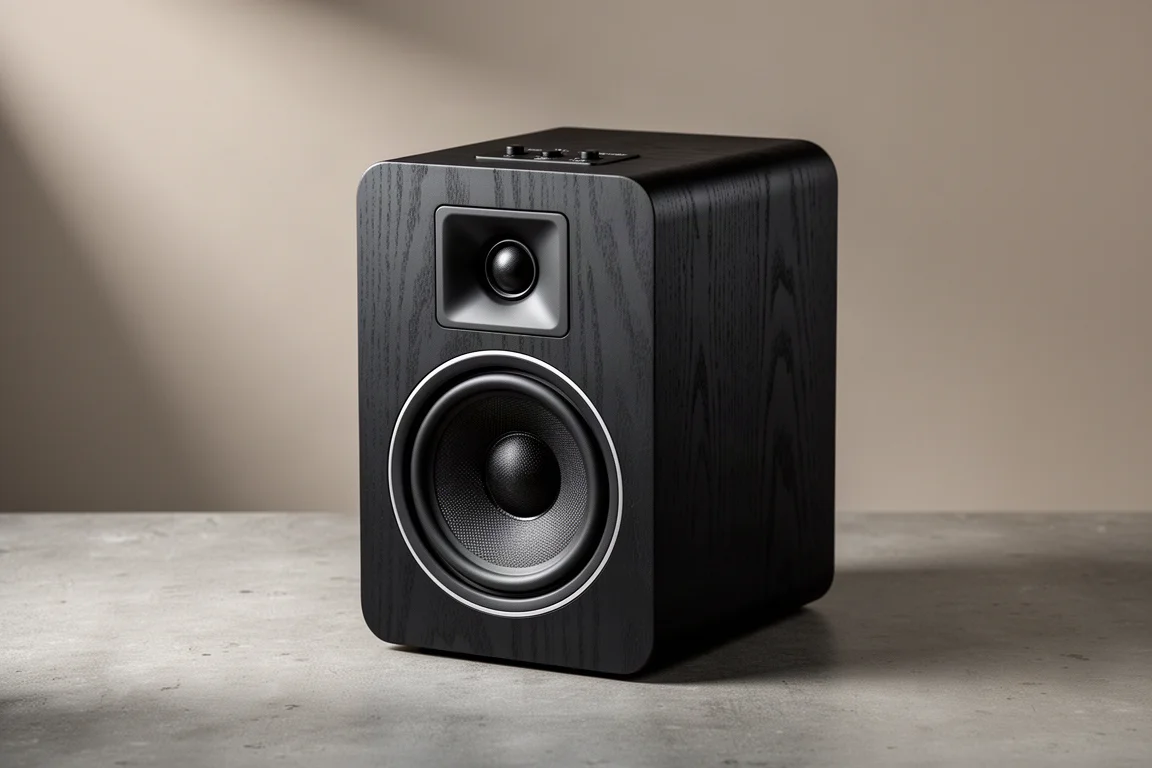
The Nines are the largest of the three, and they can unquestionably play loud and fill a room. The trade-off sits in the bass and lower midrange, which stay peaky and produce a chesty, hollow character. Cabinet coloration is audible, the midrange is less articulate than the Sevens, and dialogue intelligibility suffers as a result. Adding a subwoofer helps, trimming some of the resonance, but the coloration never fully disappears.
Dynamic bass is even less appealing here than on the Sevens, since it thickens the low end further. Listeners who grew up on 1970s rock may genuinely enjoy the old-school character, and in a smaller room the bass will load even more heavily, which is worth factoring in before buying. Finish options, app control and the cable package mirror the rest of the family, and wireless remains Bluetooth 5.0 with aptx and aptx HD.
Klipsch The Fives: Still the Desktop Choice
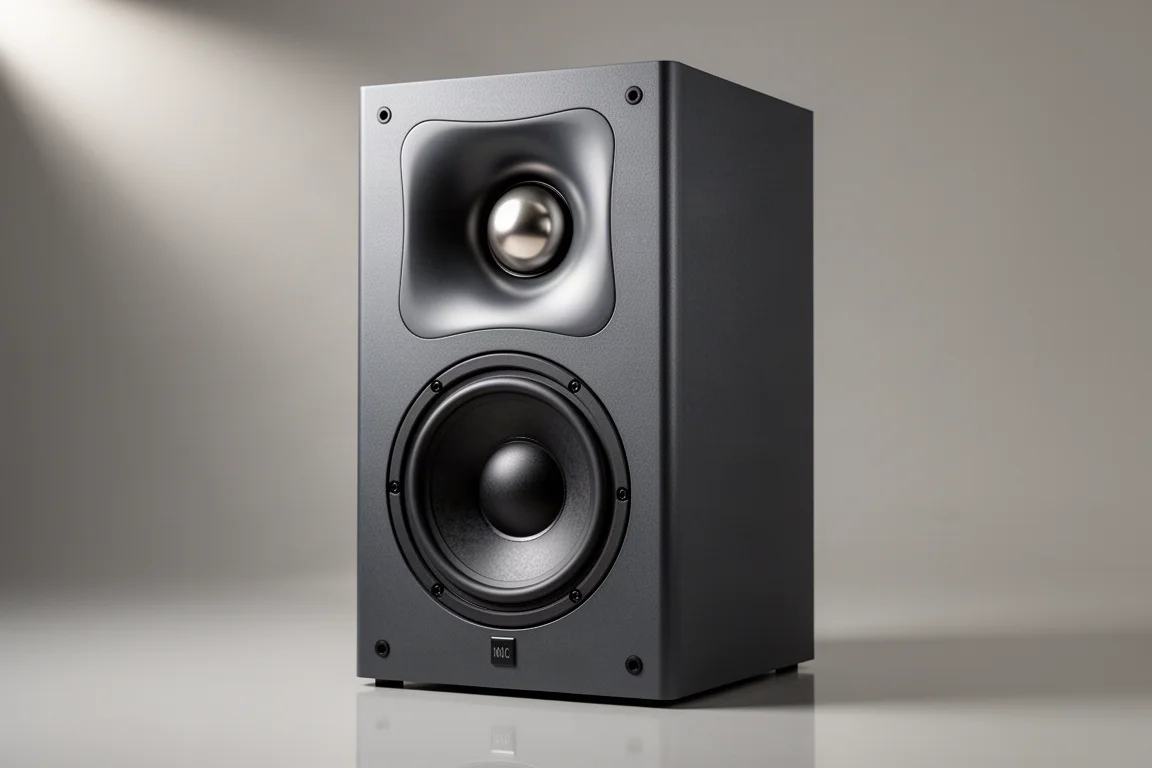
The Fives remain a very good speaker and the better answer of the three for a powered desktop or bedroom system, where their smaller cabinet makes far more sense. Where they fall behind is the treble, which is more peaky than the Sevens or the Nines, and when pushed hard they carry more of the older, brighter Klipsch character that the newer models move away from. A larger horn, a little more power or a wider rear port would all be welcome in a future revision.
The control app has come a long way since the Fives launched, when it offered only limited customization. It now handles volume, input selection, a three-band EQ, dynamic bass control and preset management, and it is available for both Android and iOS devices. Finish options match the rest of the range, with black or walnut real wood veneer, and a cork mat sits underneath the cabinet.
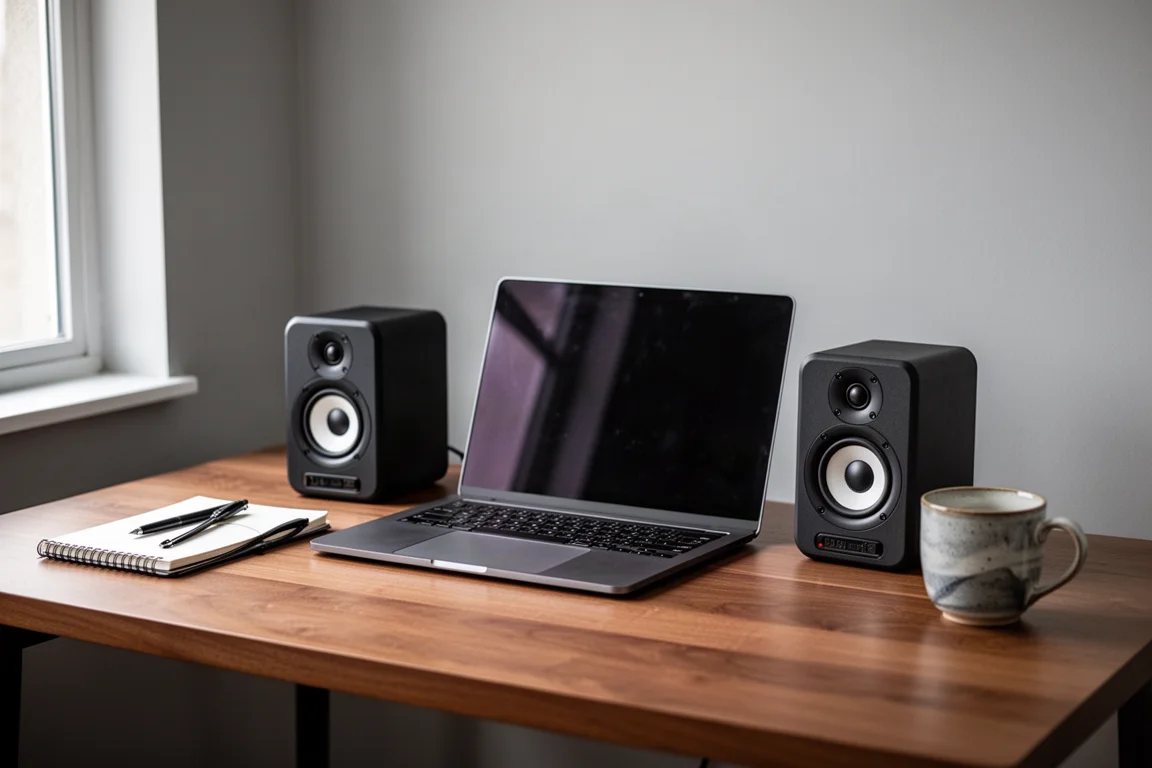
Inputs and wireless behaviour follow the same template as the Sevens and Nines, including the switchable phono input for moving magnet turntables and the Bluetooth-only wireless connection.
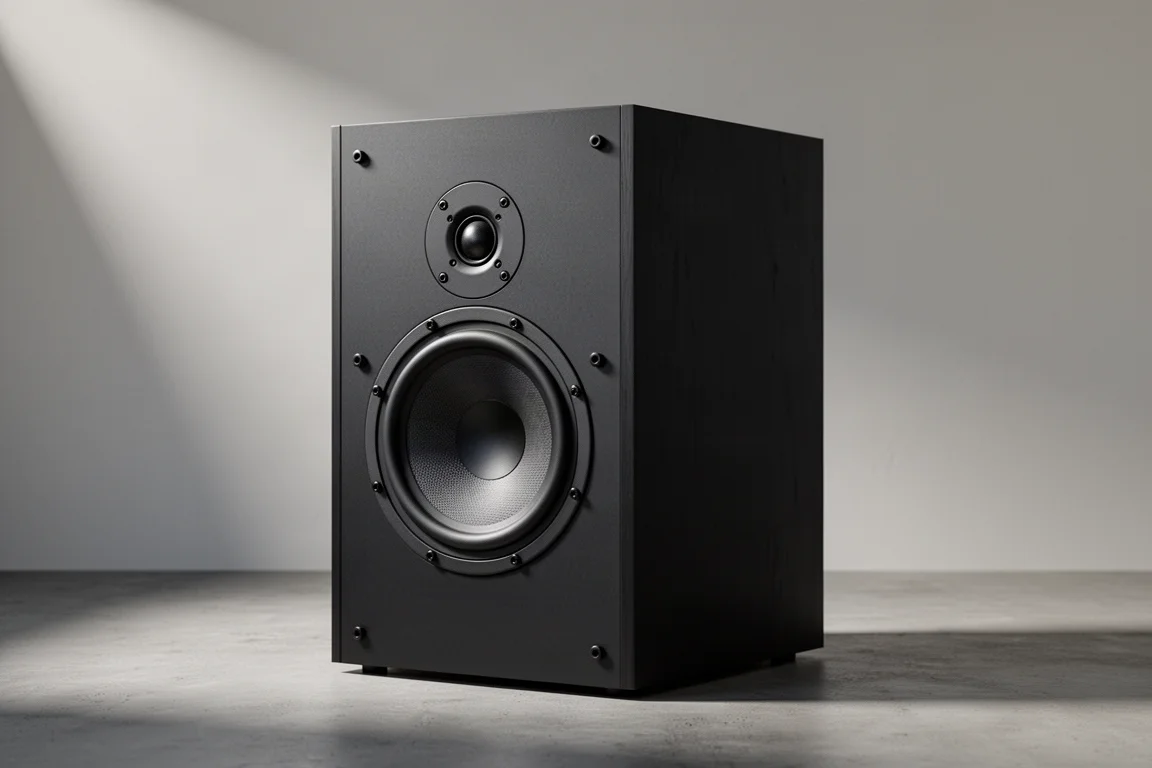
SVS Prime Wireless Pro: The Closest Rival
The Prime Wireless Pro is the model that lines up most directly against the Sevens, and the two share a good deal sonically. Where the Klipsch pair pulls ahead is in the low end, playing lower with less strain, and in dynamics and scale, where the Sevens are the more commanding speaker and therefore the more convincing option for films. Build quality and finish also favor the Klipsch model, and its HDMI behaviour proved flawless in use, while the SVS had more than a few CEC bugs during testing.
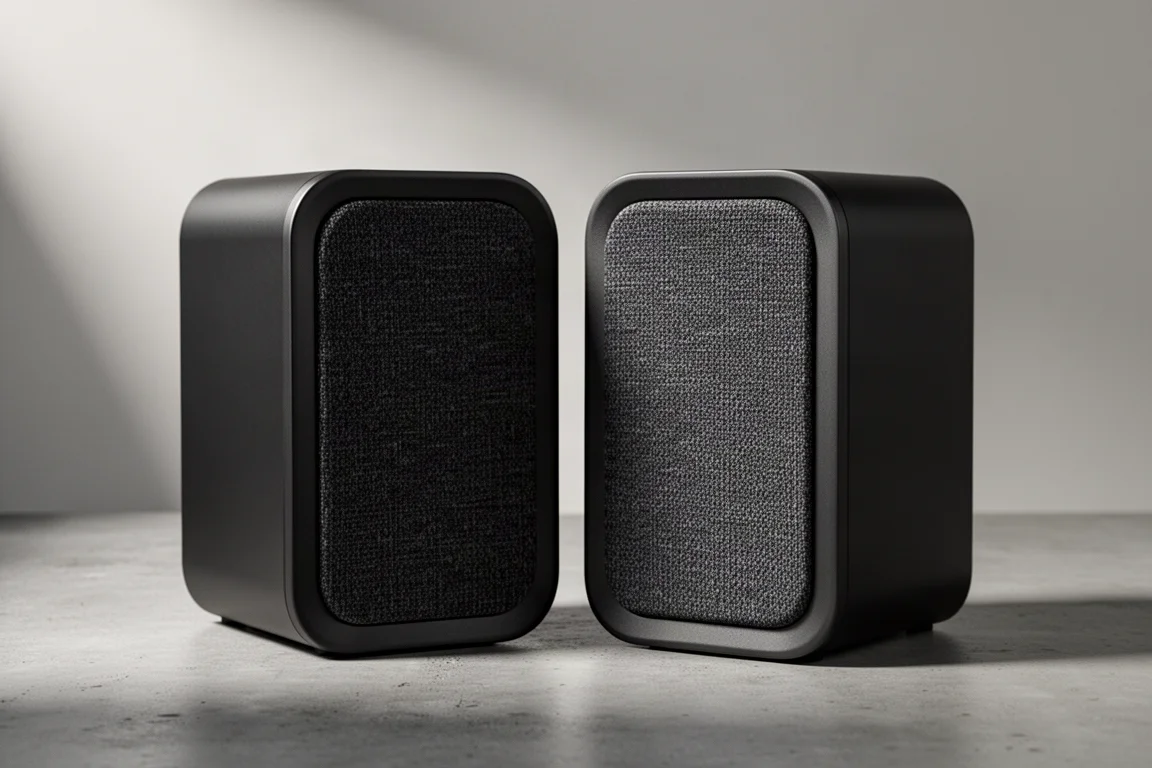
ELAC Debut ConneX: For Smaller Spaces
The Debut ConneX are good speakers in their own right, but they are genuinely suited to smaller spaces or desktop systems. Comparing them directly with the Sevens is not really a fair contest, and buyers with a compact room should treat them as a different category of product rather than a direct alternative.
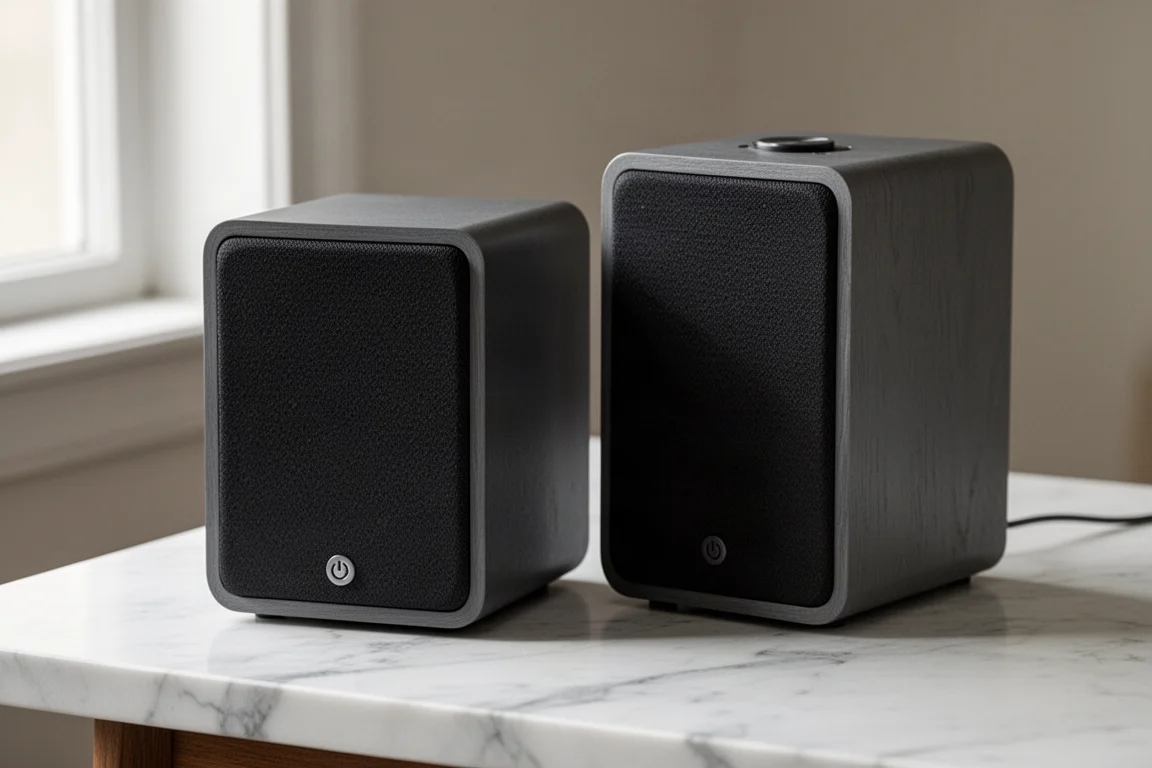
Mission LX Connect: The Neutral Alternative
The LX Connect sell for around $1,700 a pair with 600 watts per speaker, and they are arguably the more neutral and better-behaved speaker of this group. Imaging is slightly stronger, and they never sound harsh. What they lack is the dynamic excitement and the room-filling spaciousness of the Sevens, which is why the Klipsch model still takes the pick here, particularly in the walnut and lambswool grille combination.
Kanto YU6: The Budget All-Rounder
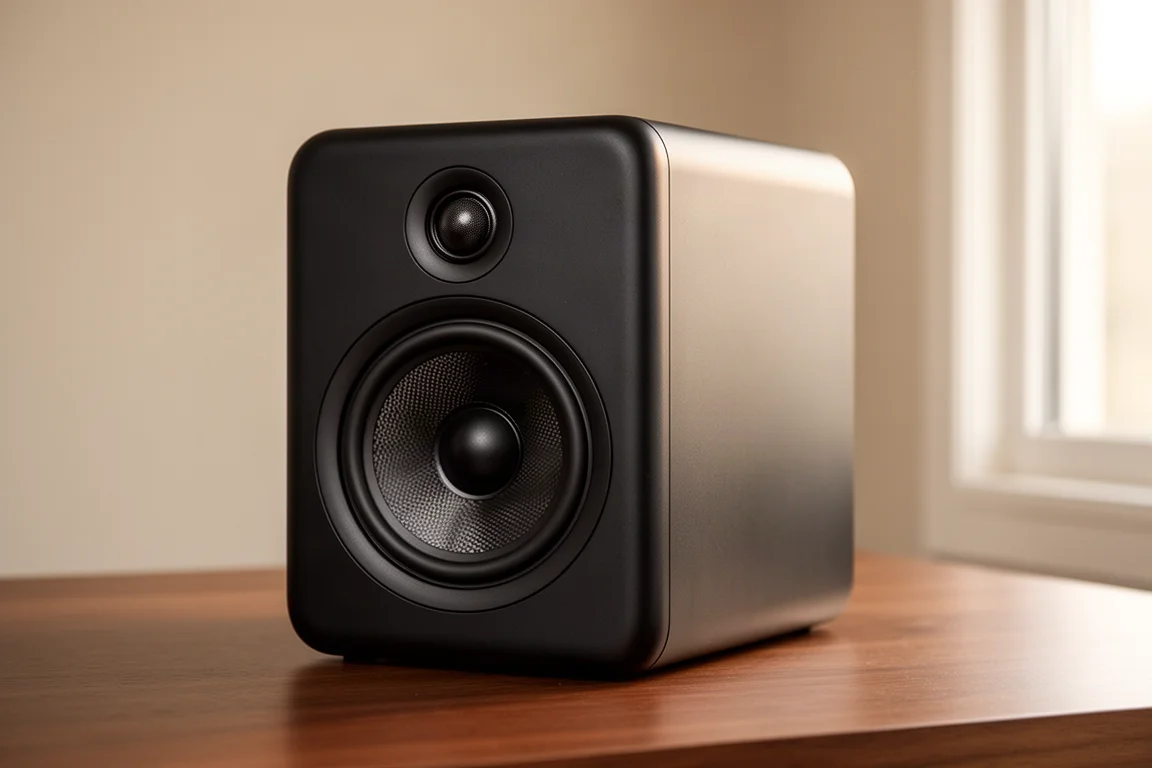
The YU6 are on sale at $479 a pair, and at that price they are hard to argue with. They handle every genre well, and adding a subwoofer such as the Sub 8 fills in the low end they cannot reach alone. Because they do not use a horn waveguide, listeners who are sensitive to high frequencies may actually prefer their softer treble. The Sevens are the better speaker overall, with more connection options and more output with less strain, but reaching that level costs close to an extra thousand dollars.
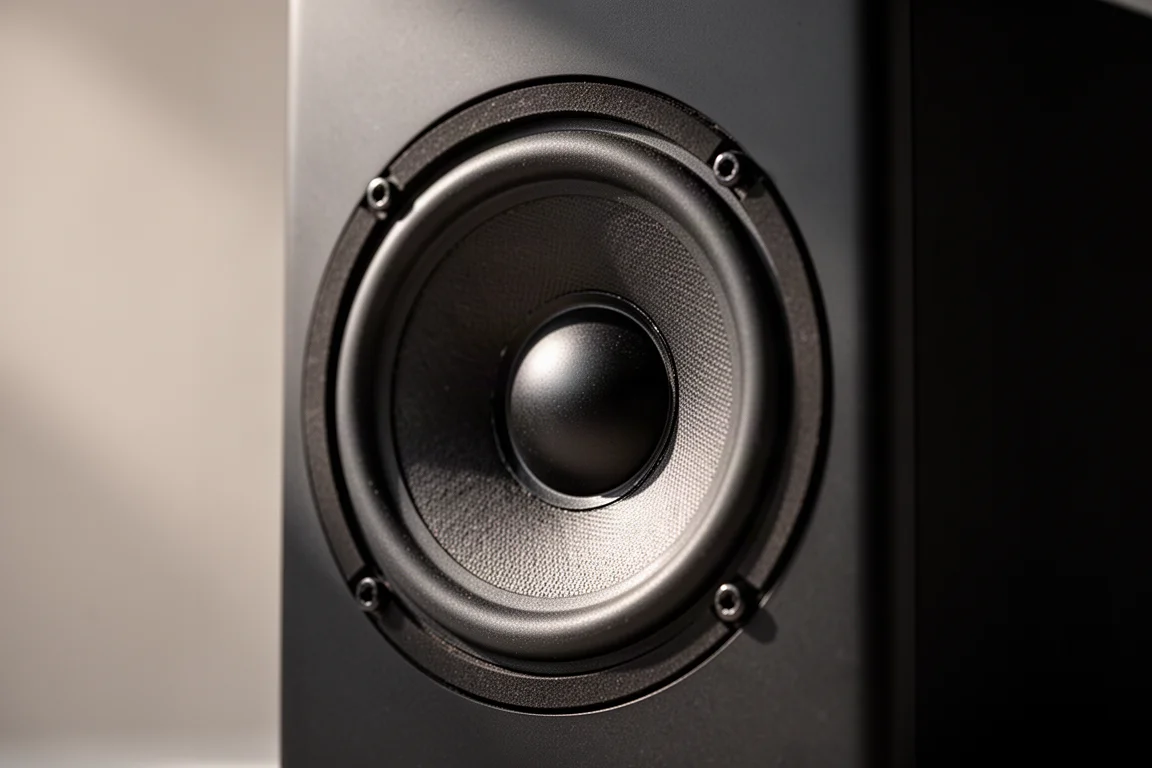
If the budget sits at $500 or below, the YU6 remain close to untouchable in this group.
Samsung Q990B: When Movies Come First
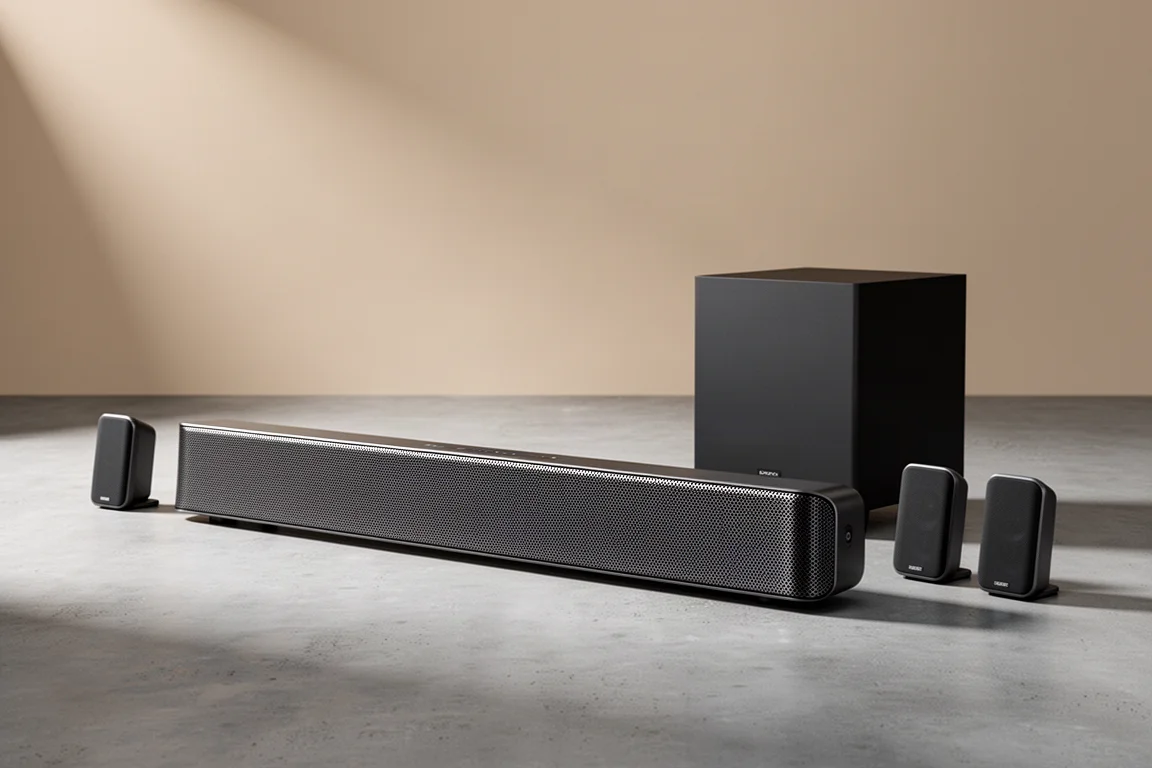
The Q990B is currently on sale at a price below the Klipsch The Sevens, which makes the decision less obvious than it first appears. For listeners who watch films most nights, the soundbar is the better buy, because being surrounded by speakers with upward-firing overhead drivers makes a real difference with Atmos-encoded content, and no stereo pair can replicate that sensation. For listeners who split their time evenly between music and films, or who lean toward music, the Sevens remain the stronger choice.
Buying Advice: Which Speaker Fits Your Setup?
Match the speaker to the room and the habit rather than to the spec sheet. For music-first listening, or an even split between music and films, the Sevens paired with a well-integrated subwoofer deliver the most accurate result of this group. For a desk or a small bedroom, the Fives are the more sensible size, and the ELAC Debut ConneX suit compact spaces as well. If neutrality is the priority, the Mission LX Connect are the more even-tempered option. If the budget is firm at around $500, the Kanto YU6 plus a subwoofer is the value play. If films come first, the Samsung Q990B is the one to choose.
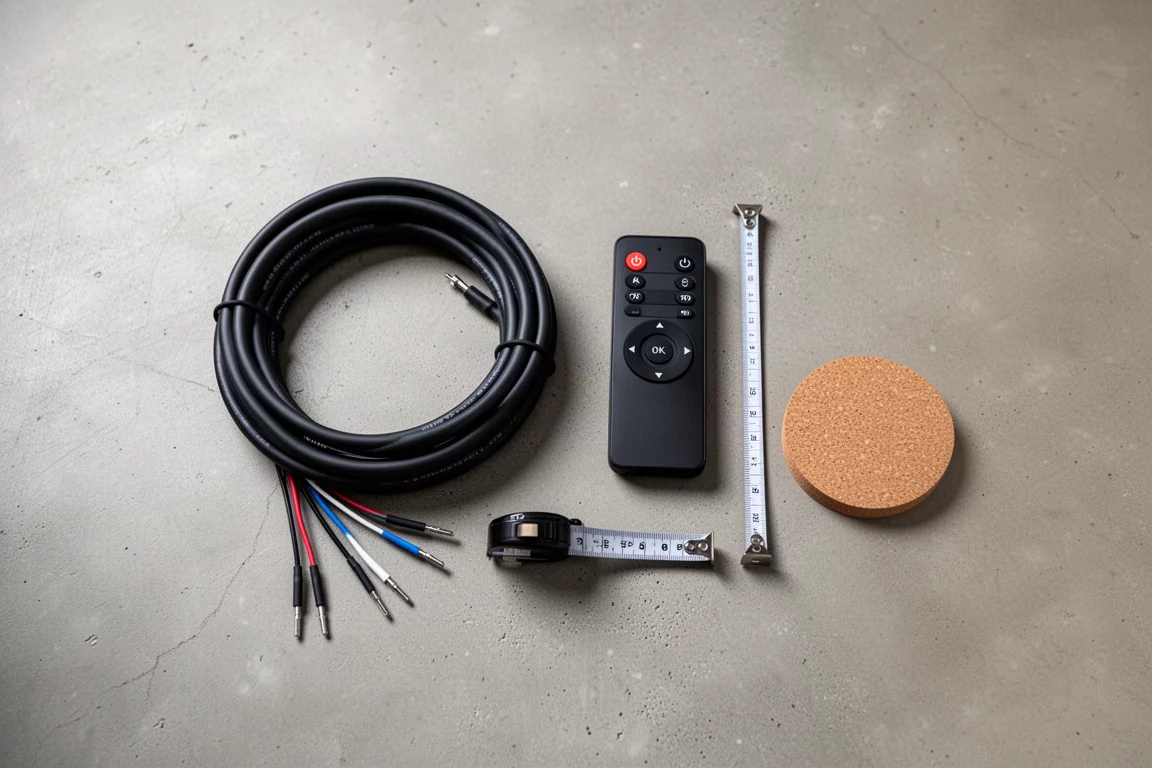
Placement matters as much as the model. Sitting any of these speakers on a hollow table or entertainment unit adds boominess and cabinet coloration, and the included cork mat is not enough decoupling to solve it. Stands are the better answer, and they also free up the spacing these speakers need. Finally, check the connections you actually use. The Klipsch models keep wireless to Bluetooth, so HDMI ARC, optical, USB and analog inputs do the heavy lifting, and the switchable phono input means a moving magnet turntable can connect directly without extra gear.
Conclusion
Of the three Klipsch powered speakers, The Sevens are the sweet spot. They are more accurate than The Nines, more capable than The Fives, and they set a high bar for what a powered stereo pair can do in a normal living room. The Nines still have their audience among listeners who want maximum bass weight and volume, and the Fives remain the smart pick for a desk. Around them, the Mission LX Connect appeal to neutrality seekers, the Kanto YU6 win on value, and the Samsung Q990B takes the movie-night crown. Buy for the way you actually listen, and any of these will serve you well for years.
Further reading
Related Reviews
Powered Speakers
AbramTek X50 Review: Powered Speakers With Real Bass and a Full Feature Set
The AbramTek X50 pairs a phono preamp, HDMI ARC, optical, and Bluetooth with genuinely capable sound. Here is what it does well and what to check before buying.
Powered Speakers
Amazon Basics Powered Speaker Review: Useful Features, Compromised Sound
A practical look at the Amazon Basics Powered Speaker: a handy remote and an optical input, held back by shouty upper mids, minimal bass, and erratic pricing.
Powered Speakers
Aperion Audio Alaire Review: Compact Powered Speakers With Serious Bass
A compact two-way powered speaker with genuine low-end punch, excellent imaging, and a control scheme that depends entirely on its remote.