Hi-Fi Speakers
Klipsch La Scala AL6 Review: Fully Horn-Loaded Sound and Two Alternatives
A detailed look at the fully horn-loaded Klipsch La Scala AL6, with two horn speaker alternatives compared on scale, coherence, and price.
Introduction
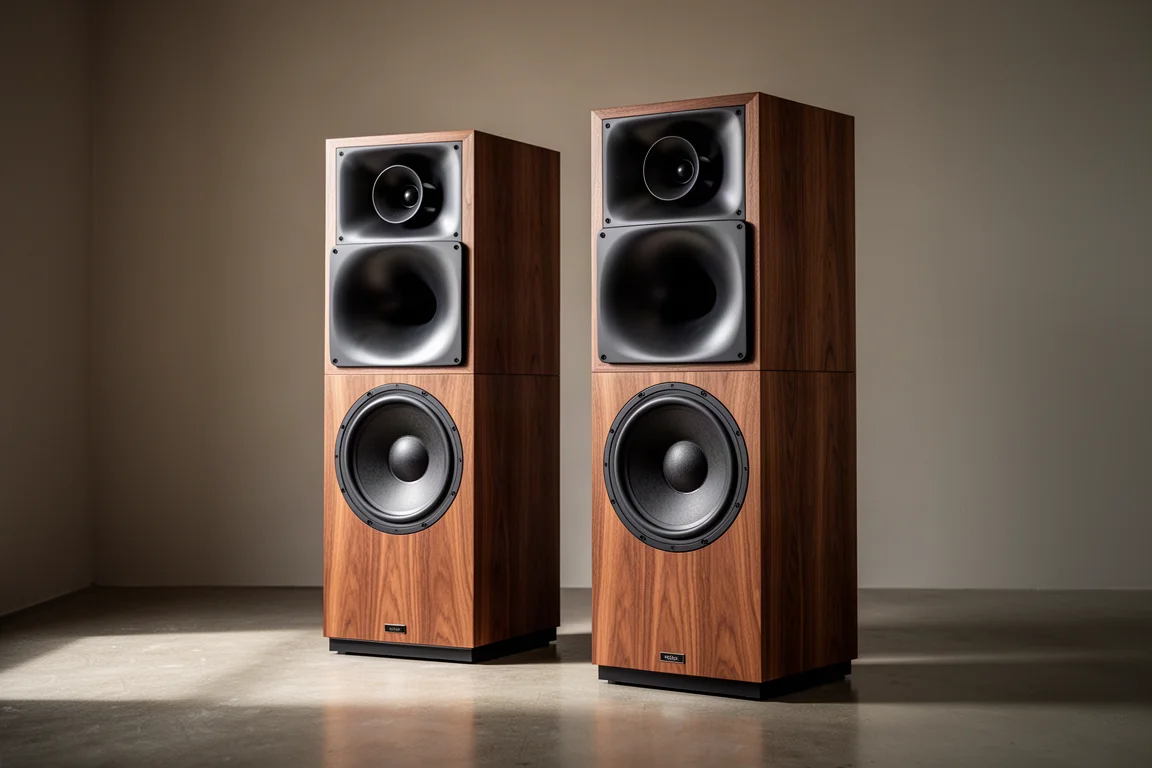
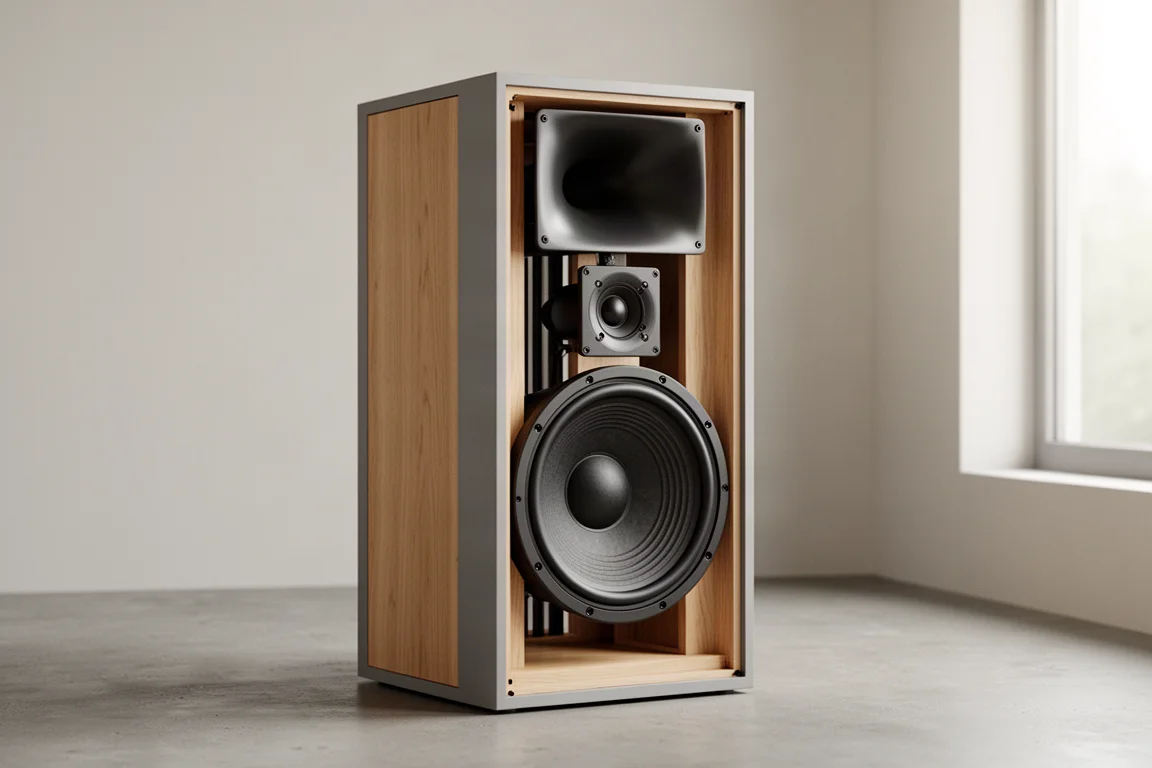
Big speakers are a commitment, and the Klipsch La Scala AL6 is a big speaker in every sense. It stands 39 inches tall, spans 25 inches wide, reaches 26 inches deep, and weighs 205 pounds per cabinet. What makes it interesting is not the size alone but the design behind it: the La Scala AL6 is fully horn-loaded, with a horn for the tweeter, a horn for the midrange, and a horn for the woofer.
Klipsch is an American company founded in 1946 and based in Hope, Arkansas, where the Heritage line that includes the La Scala is designed and built. The AL6 is sold as a matched pair at $15,400, and it can be run fully passive or driven with an optional active DSP three-way crossover listed at $3,500.
This guide covers what the La Scala AL6 does well, what it asks of an owner, and how it compares with two other horn designs worth knowing about: the Pure Audio Project Duet 15 Horn One and the smaller Klipsch Ojas.
Design and Build: A Fully Horn-Loaded Two-Cabinet Speaker
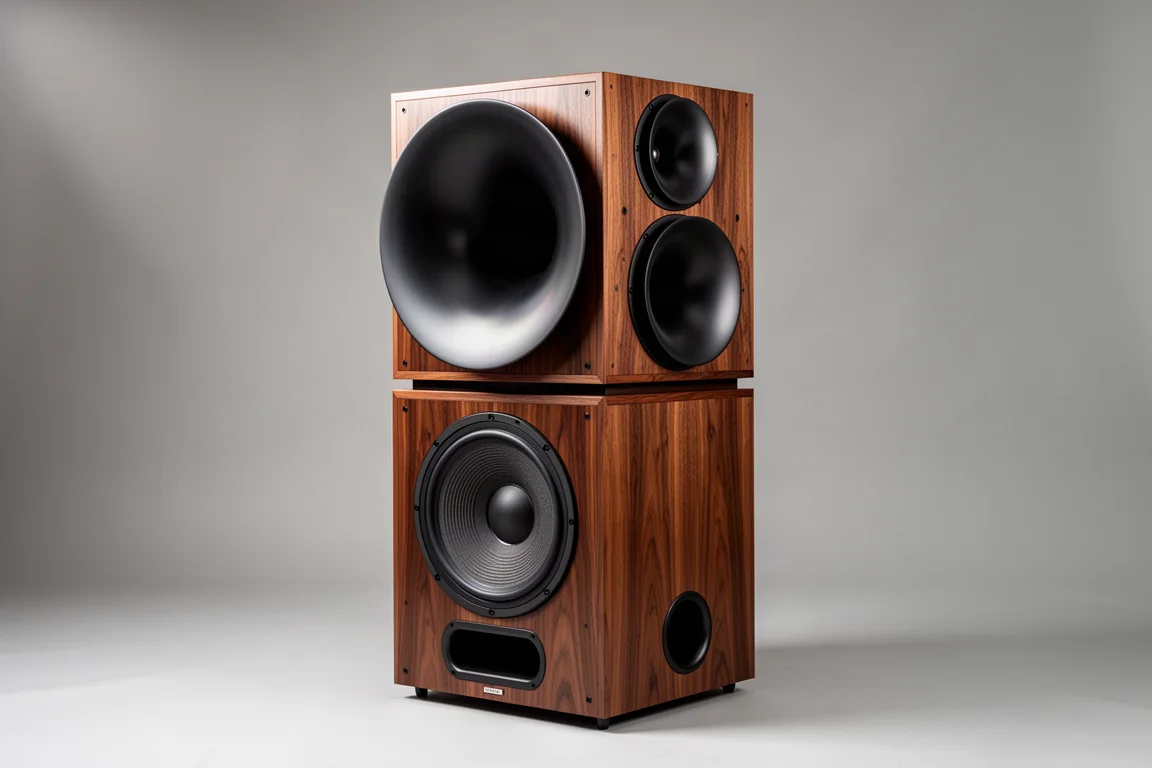
The AL6 arrives as two cabinets per channel. The lower cabinet houses the woofer, and the upper cabinet carries the midrange and tweeter, with a wire joining the two sections. Rubber donuts sit in each corner where the cabinets meet, isolating the top cabinet from the bottom one. Because each speaker weighs 205 pounds and the pair ships as matched units, unboxing and positioning is a two-person job.
The driver complement has changed substantially from the previous generation. The tweeter keeps its tractrix horn and compression driver, now with a revised phase plug. The midrange moves to a 3-inch compression driver, up from 2 inches, paired with a Tractrix horn instead of the exponential horn that traces back to the 1963 La Scala. Klipsch says the new horn offers wider dispersion and clearer sound. The woofer is now a 12-inch horn-loaded unit, down from the 15-inch drivers used in earlier La Scalas, but it uses a 3-inch voice coil and a larger magnet system than the old 15-inch driver, and its horn loading is augmented with bass ports.
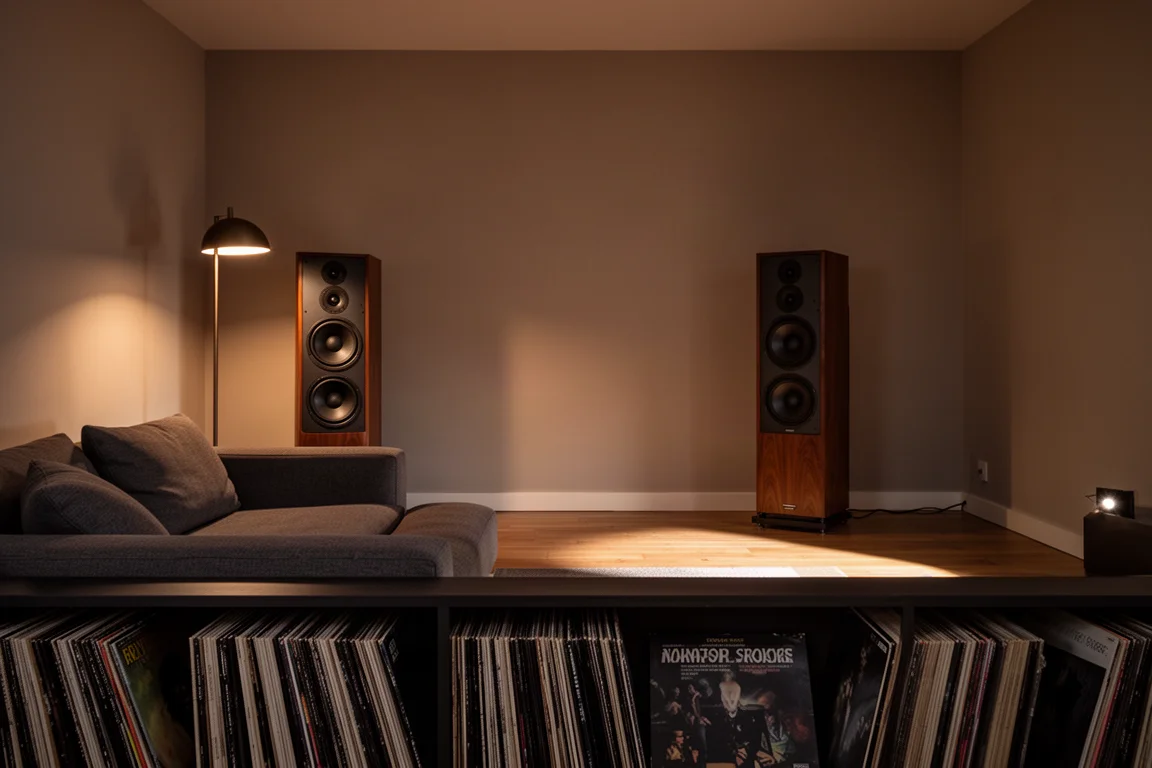
Finish options are walnut, American Auburn, and black ash. The Auburn samples show deep, layered grain. The speaker carries a 10-year warranty, roughly double what most speaker companies offer on their passive models.
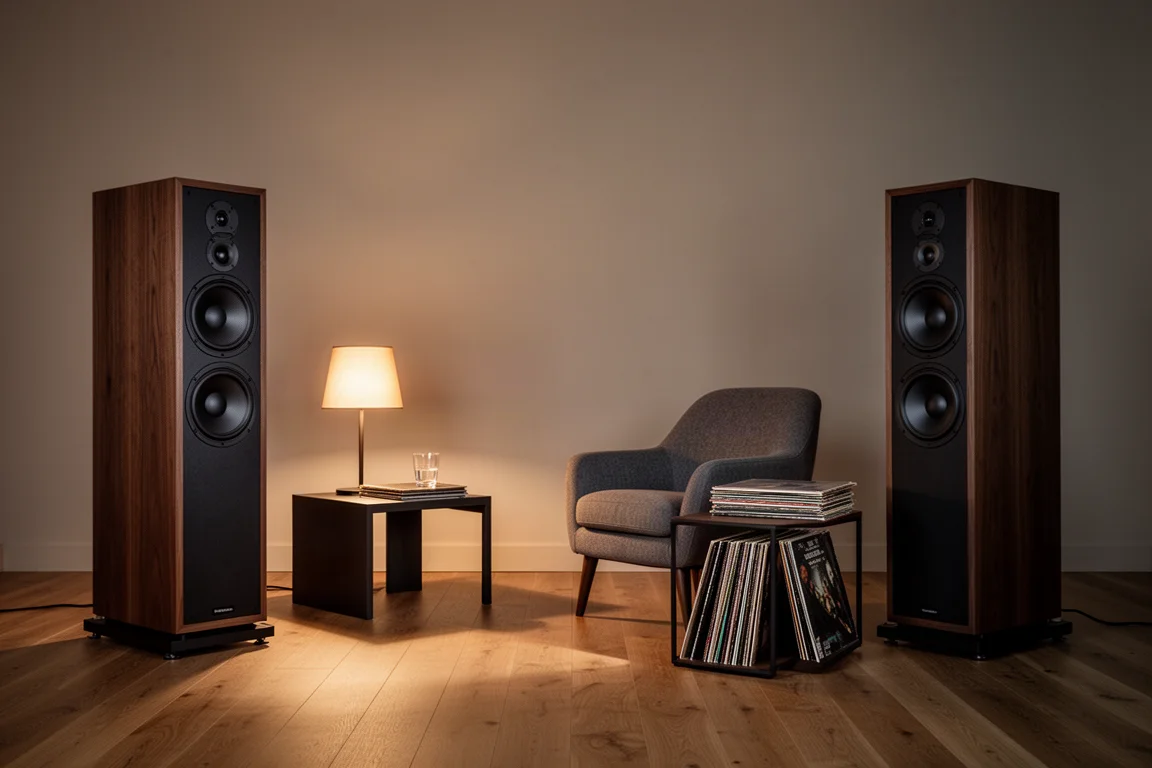
Placement is more forgiving than the footprint suggests. The AL6 does not need to be pulled far out into the room to perform well; it can sit a foot or less from the wall behind it without trouble.
Living With the La Scala AL6: Setup and Amplification
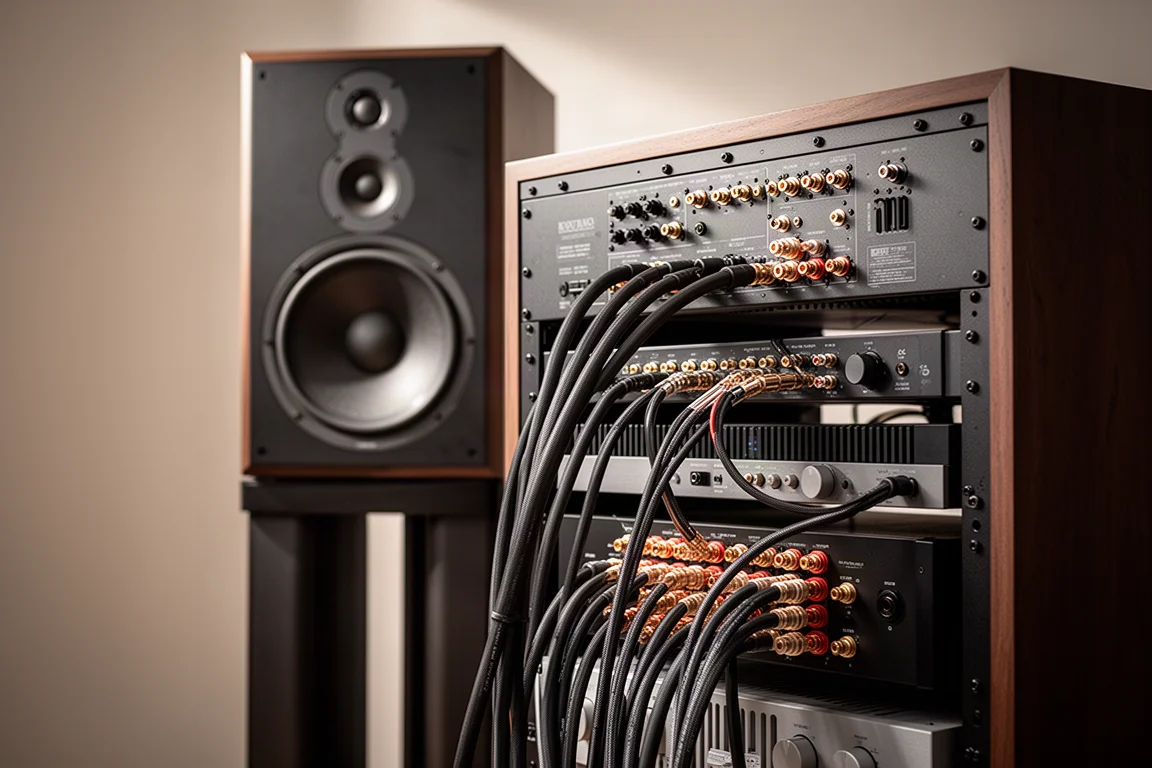
The rear panel carries 18 binding posts. That is a lot of connectors to manage, but they exist for a reason: the speaker can be run completely passively, or configured with the optional active crossover for bi-amping or tri-amping. Owners who stay passive can ignore most of them.
Amplifier matching matters. A Pass Labs XA25, a 25-watt class A design, drove the speakers with no drama. A Decware Zen Trio rated at 2.3 watts per channel reached roughly 90 dB, but the result was not dynamic, so it is not an ideal match. An SIT3 amplifier sounded sweet and luscious, and a restored 1965 Dynaco ST70 delivered a warm, tube-rich character that suited the speaker well.
How the Klipsch La Scala AL6 Sounds
Fully horn-loaded speakers tend to be expressive, and the AL6 is no exception. Subtlety and nuance come through in a way that makes familiar recordings sound newly detailed. The speaker handles large dynamic swings and small ones with equal ease, which means the relationship between loud and quiet instruments inside a single recording stays intact. It also performs at late-night listening levels, when a large speaker is often at its least convincing.
Rhythm is a big part of the story. Bass-heavy recordings reveal detail, nuance, and texture in the low end that is difficult to find elsewhere, and the effect is as much physical as audible. Headphones can show some of the same information, but they do not deliver the same sense of weight in the room.
The midrange deserves particular attention. Vocals sound human and present, and the overall tonality is exceptional. On recordings with orchestral passages layered over a band, the orchestral parts make more sense in relation to the rest of the mix, and the vocals sit forward without sounding forced.
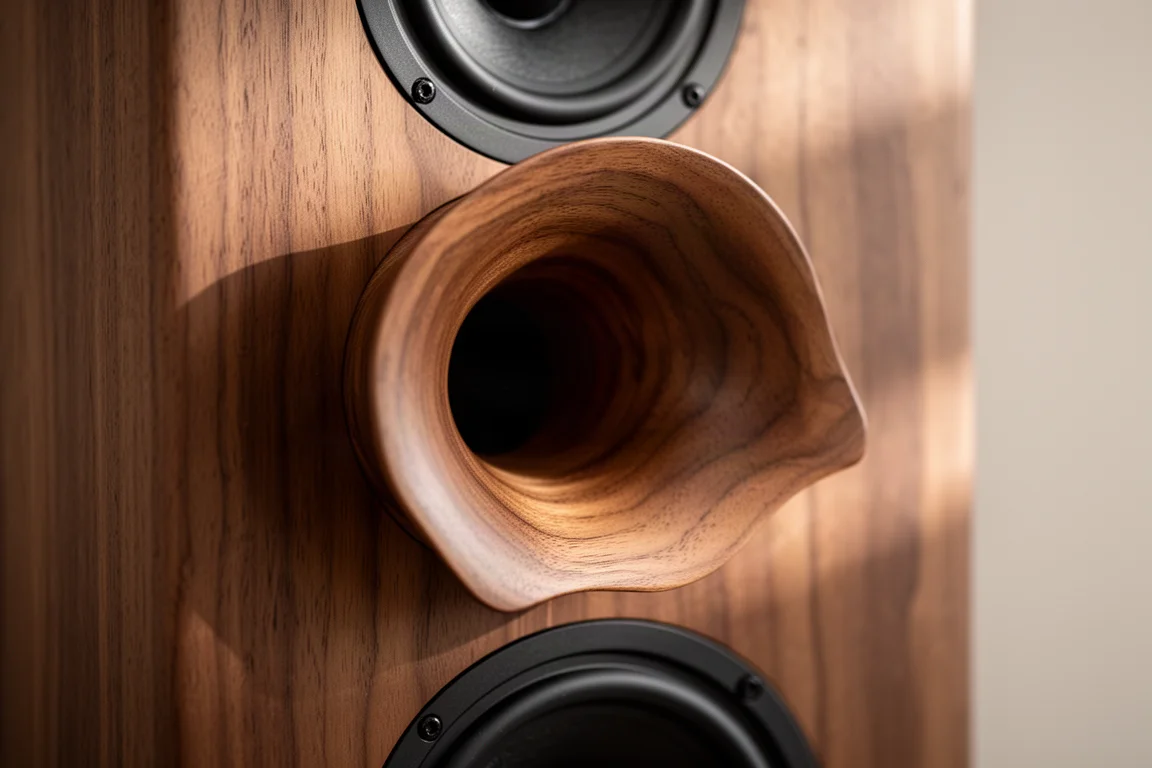
The tweeter is difficult to write about because it never calls attention to itself. Its integration with the midrange is so complete that the treble simply reads as part of the whole. It is clean and clear, though not as high in resolution as a great ribbon tweeter.
Imaging, Dynamics, and Long Listening Sessions
The AL6 throws a wide soundstage with a good sense of height, and images appear above the height of the cabinets. There is depth behind the plane of the speakers as well, so instruments recede rather than only projecting forward. That quality separates this horn design from the forward-sounding horns some listeners remember.
Image focus is the one area that comes up a little short. Instruments are not as tightly delineated as they are on some other speakers, so listeners who want maximum precision in placement may find the presentation slightly soft.
Fatigue is not an issue. The speaker is relaxed most of the time unless it is pushed hard, and it stays easy to listen to for hours. Compared with electrostatic designs, it gives up some resolution but offers more bass weight and dynamic range. Compared with dipole designs, it gives up some spaciousness but again offers more dynamic life and a stronger sense of the energy coming off instruments and voices.
Pure Audio Project Duet 15 Horn One: The Open-Baffle Alternative
The Duet 15 Horn One takes a different route, using an open-baffle 15-inch woofer. The result is a more open, spacious, and relaxed presentation than the La Scala AL6 offers, and it costs roughly half as much.
Scale is where the difference becomes obvious. On percussion-heavy Cuban jazz, the La Scala pair sounded like the bigger, more dynamically alive speaker, and the blend between tweeter, midrange, and woofer was more cohesive. The Duet 15 Horn One is not as coherent, not as transparent, and not as dynamic.
For listeners who value an airy, unhurried sound and want to spend less, the Duet 15 Horn One remains a compelling open-baffle design. For listeners who want the last word in texture, resolution, and dynamic range, the La Scala AL6 has more to give.
Klipsch Ojas: A Smaller Klipsch Reference Point
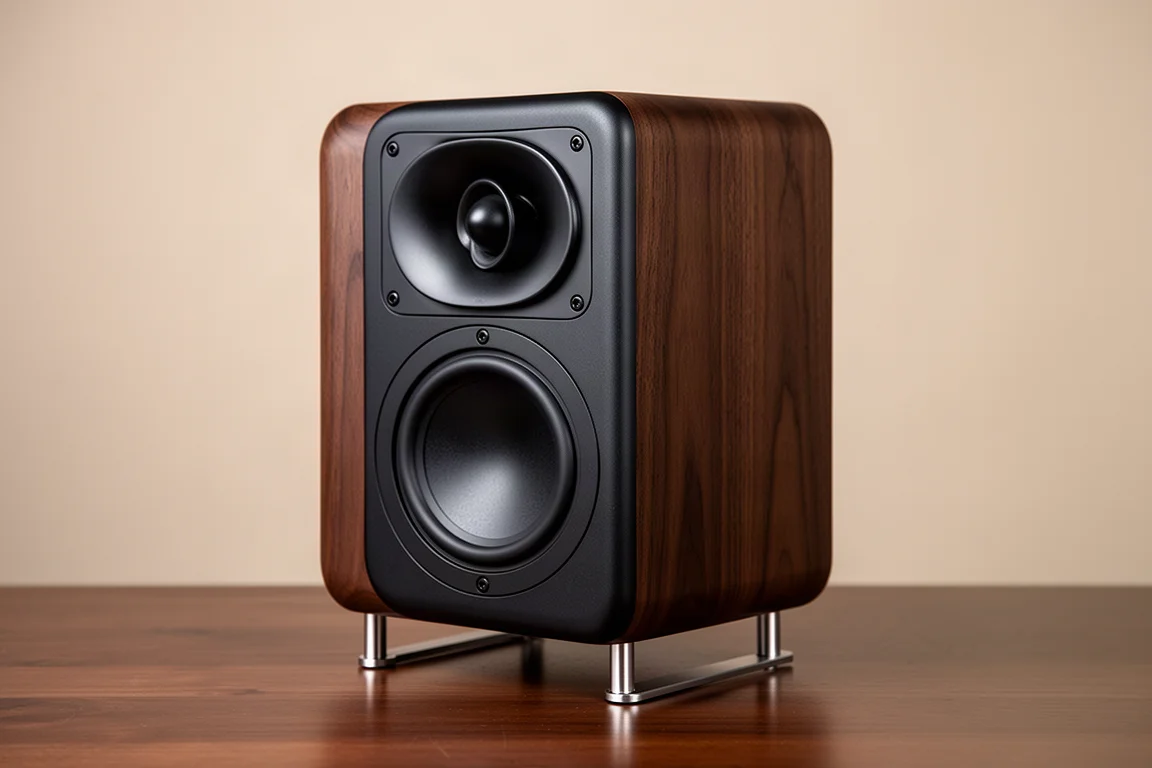
The Klipsch Ojas is a much smaller speaker, essentially a stand-mount design. In a direct comparison it held up well on fullness and sounded as full as its larger sibling, which is a genuine achievement for its size.
Clarity is where it falls behind. The Ojas is nowhere near as immediate, and it does not separate individual instruments the way the La Scala AL6 does. Dynamics tell the same story: the AL6 shows more gradations at every level, so each instrument in a mix is easier to follow. The Ojas simply cannot move the same amount of air, and it sounds smaller for it. It is priced at a bit more than half the cost of the La Scala AL6 pair.
Value, Price, and Buying Advice
The La Scala AL6 sells for $15,400 per pair, with the companion active DSP three-way crossover listed at $3,500. That is a serious sum, but market context matters. Comparable floorstanding speakers from other high-end brands often cost multiples of that figure, and the AL6 brings a fully horn-loaded three-way design, a 10-year warranty, and the ability to sit close to a rear wall without losing composure.
The practical requirements are worth weighing honestly. Each speaker weighs 205 pounds, delivery and setup take two people, and the rear panel’s 18 binding posts demand some patience if you plan to explore active operation. Room size and placement flexibility matter as much as budget.
Conclusion
The Klipsch La Scala AL6 is a large, fully horn-loaded speaker that delivers scale, texture, and dynamic range in a way smaller designs struggle to match, and it stays composed at low volumes as well as high ones. Its midrange tonality and rhythmic drive are the headline strengths, while image focus and a substantial physical footprint are the trade-offs. Buyers with the space and the budget will find a great deal of speaker for the money, and the Pure Audio Project Duet 15 Horn One and the Klipsch Ojas remain worthwhile alternatives at lower prices.
Further reading
Related Reviews
Hi-Fi Speakers
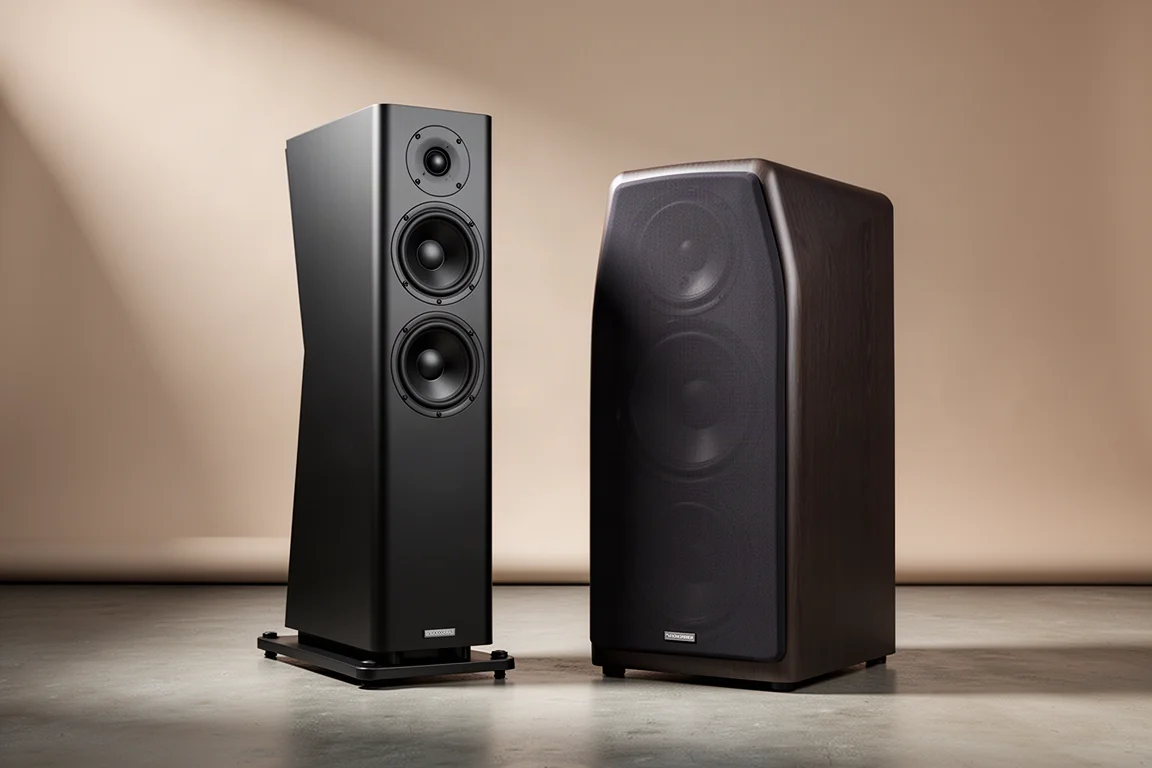
1723 THX Tower vs 1528 Bookshelf: Which Speaker Fits Your Room?
Two speakers at roughly the same price, built very differently. How the 1723 THX tower and the 1528 bookshelf compare on construction, bass, power needs, and sound.
Hi-Fi Speakers
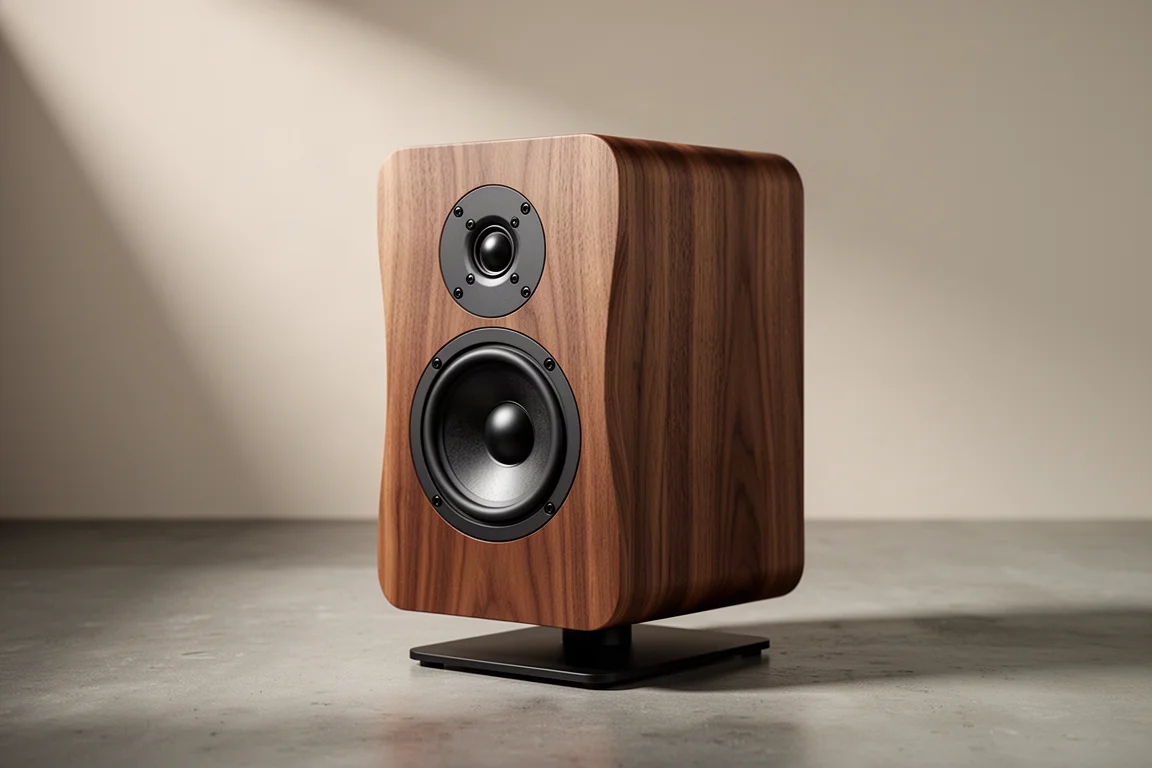
Acoustic Energy AE 300 Review: Deep Bass From a Compact Standmount
A two-way standmount with real wood veneer, surprising low-end weight, and a warm, easygoing character. Here is what to know before buying.
Hi-Fi Speakers
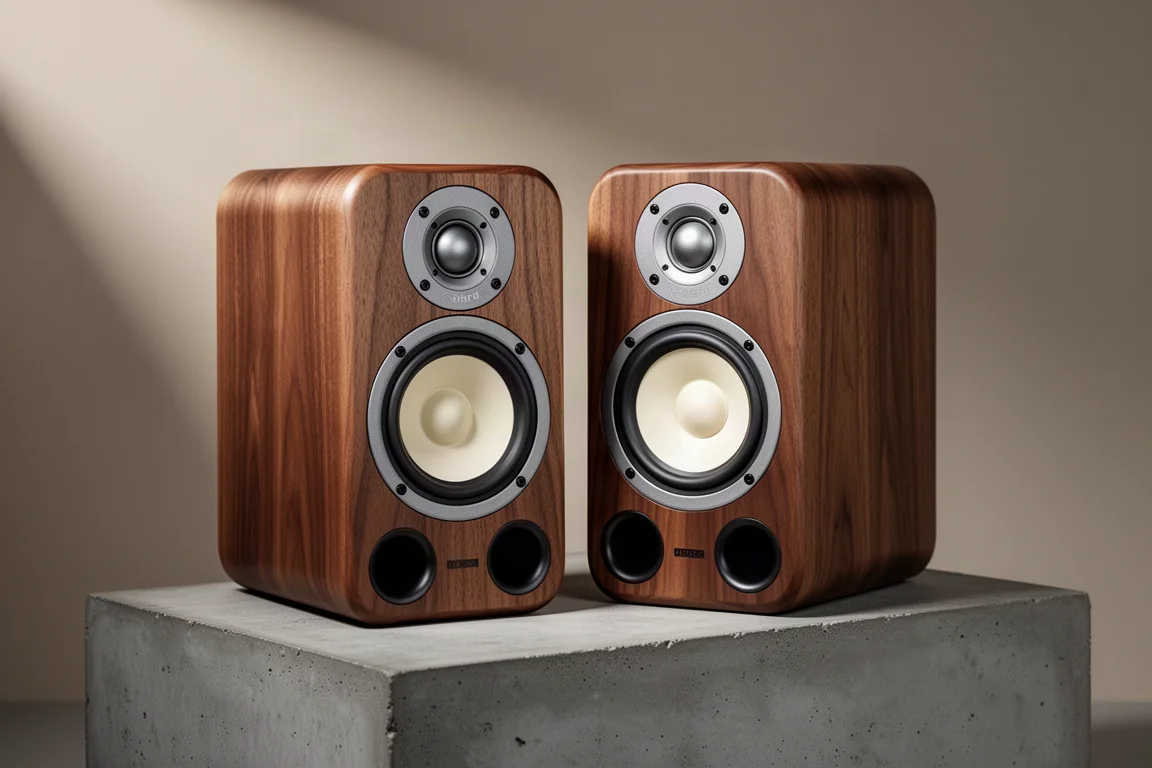
Acoustic Energy AE1 40th Anniversary Review: A Modern Take on a British Classic
A compact standmount that revives a 1980s favorite with all-new parts, a warm mid-centric balance, and a price of £1,499 per pair.