Hi-Fi Speakers
Klipsch La Scala AL6 and Klipschorn AK7: Two Heritage Speakers Compared
A practical look at the updated Klipsch La Scala AL6 and Klipschorn AK7, covering the new Tractrix mid-range horn, the redesigned La Scala bass enclosure, and the choice between passive and active DSP crossovers.
Introduction
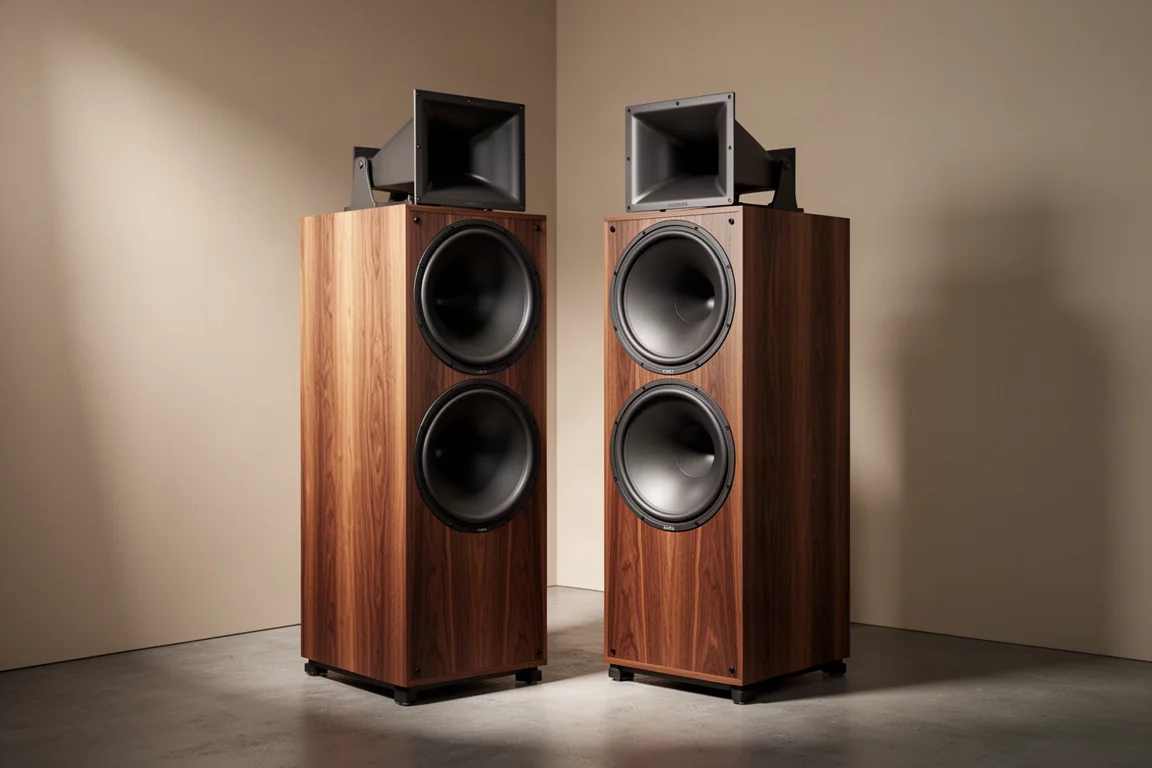
Klipsch has revised two of the most recognizable speakers in its Heritage line. The La Scala AL6 and the Klipschorn AK7 keep the horn-loaded approach and the hand-built cabinet tradition, but both now carry a redesigned mid-range, a wide-dispersion tweeter waveguide, and support for the company’s Heritage Active DSP crossover. For anyone weighing a serious high-efficiency speaker purchase, the interesting question is not whether these are good speakers, but which of the two suits a given room and a given system.
The Klipsch Heritage Legacy
Paul W. Klipsch was born in 1904. In the 1930s he worked on locomotives and pursued amateur radio as a hobby, and that curiosity led him to horn-loaded speakers, where he found far greater efficiency than standard cone drivers could offer. A classmate at Stanford mentioned that speakers sounded better in a corner, and the idea stayed with him. During military service in Hope, Arkansas, he experimented with designs in the corners of his quarters, and visitors were struck by the clarity and dynamics of the result.
That work grew into a company. From a first prototype in 1938 to patents granted in 1945, Paul Klipsch laid the groundwork for a hi-fi approach that is still in production. The original factory in Hope, Arkansas still stands and still builds Heritage Line speakers by hand. Cabinets are made in-house rather than outsourced, and the Heritage line remains 100 percent American-made.
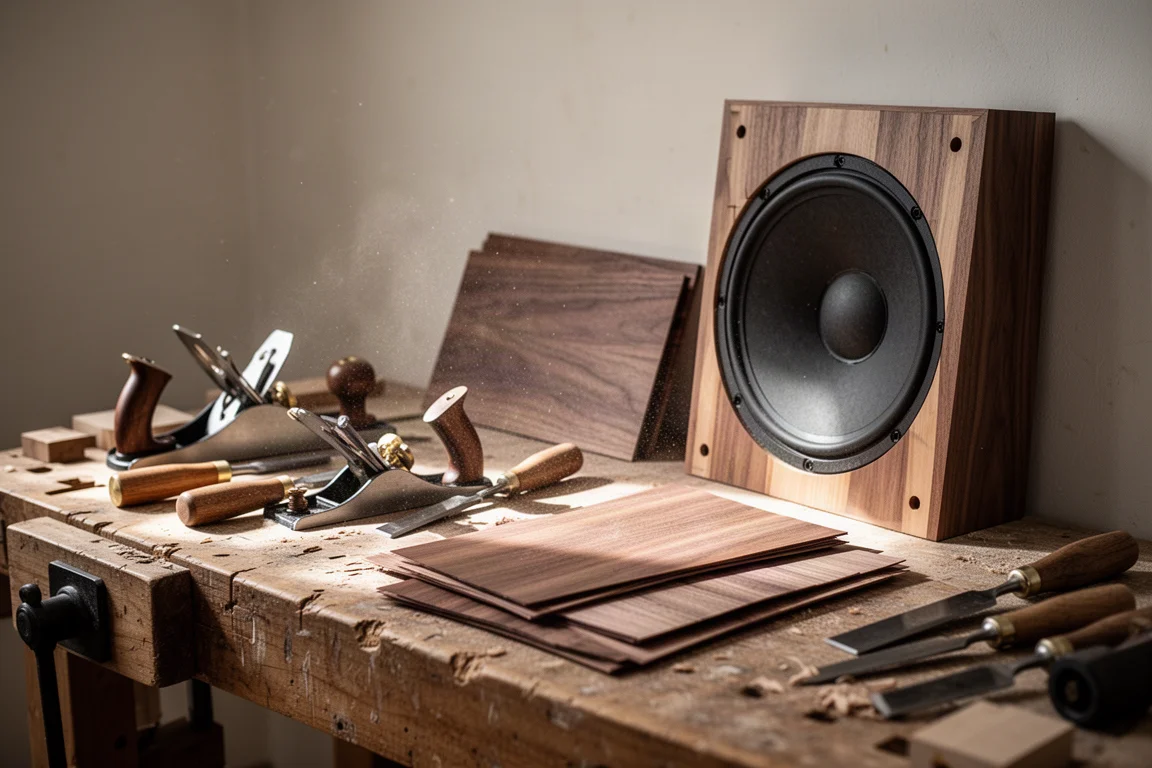
That continuity matters to buyers, because the Heritage line is not a nostalgia exercise with modern parts bolted on. It is a living product family, and the two new models were developed by people who worked alongside the founder.
Klipsch La Scala AL6: Reworked Mid-range and Deeper Bass
The La Scala has always been the more room-friendly of the two designs. It is intended for wall placement rather than corner placement, which means its folded bass horn had to be shortened to roughly four feet. That shorter horn historically limited low-end extension, and closing that gap was one of the main goals for the AL6.
The solution is a horn-loaded vented bass enclosure, the first of its kind in La Scala history. The previous 15-inch K-33-E woofer has been replaced by the more powerful 12-inch K-281 woofer used in the Forte IV, paired with twin bass ports. Klipsch measured a frequency response 10 Hz lower and lower distortion than the original 15-inch sealed design. The radiating area of the 12-inch driver combined with the new ports proved more effective than the older 15-inch arrangement, and the approach draws on the vented horn setup used in the flagship Jubilee.
Paired with a McIntosh MC1502 stereo vacuum tube amplifier, the new bass section was the first thing to stand out. On Marcus Miller’s 2007 album Free, the low end had better texture and more dynamic punch, and it clearly went deeper than earlier versions. The tweeter, using the same driver with a new waveguide, added air and detail with smoother delivery, and dispersion across the room improved. On Julian Lage’s 2024 album Speak to Me, the new mid-range horn gave the guitar a warm, articulate tone without the shouty character that some older horn designs can produce, and the drivers sounded more unified than before.
Klipsch Klipschorn AK7: Corner-Loaded Full-Range Scale
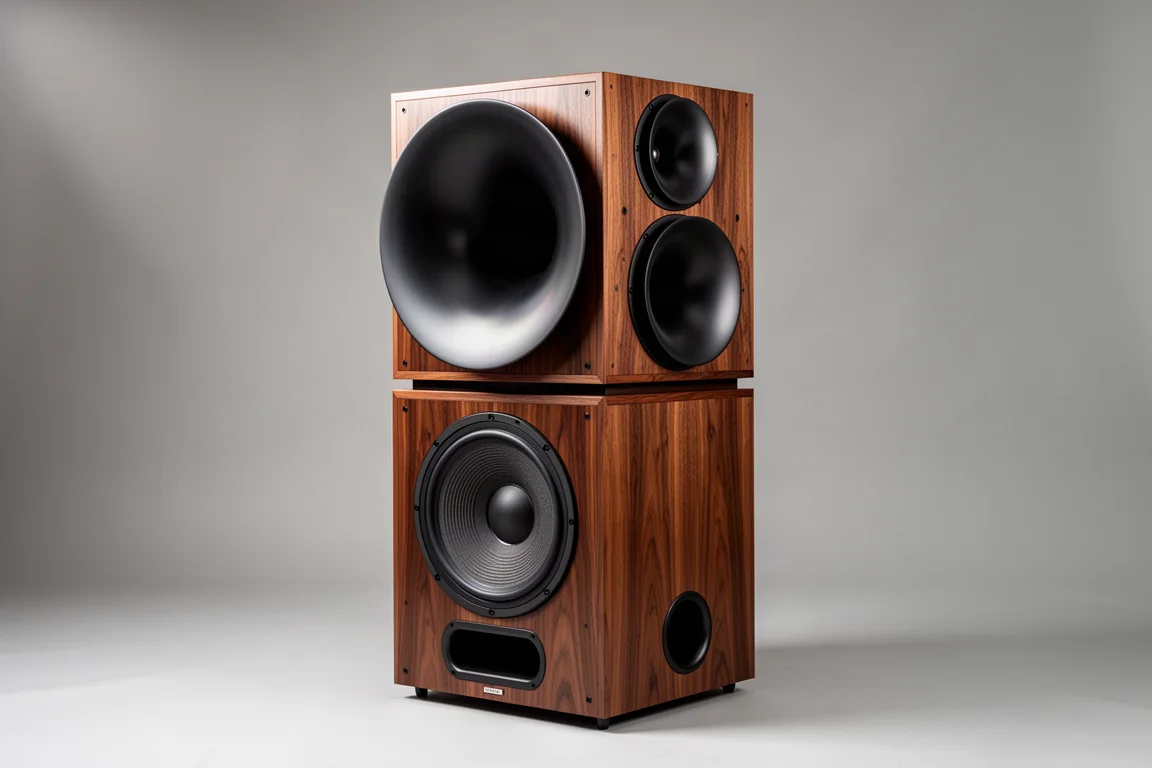
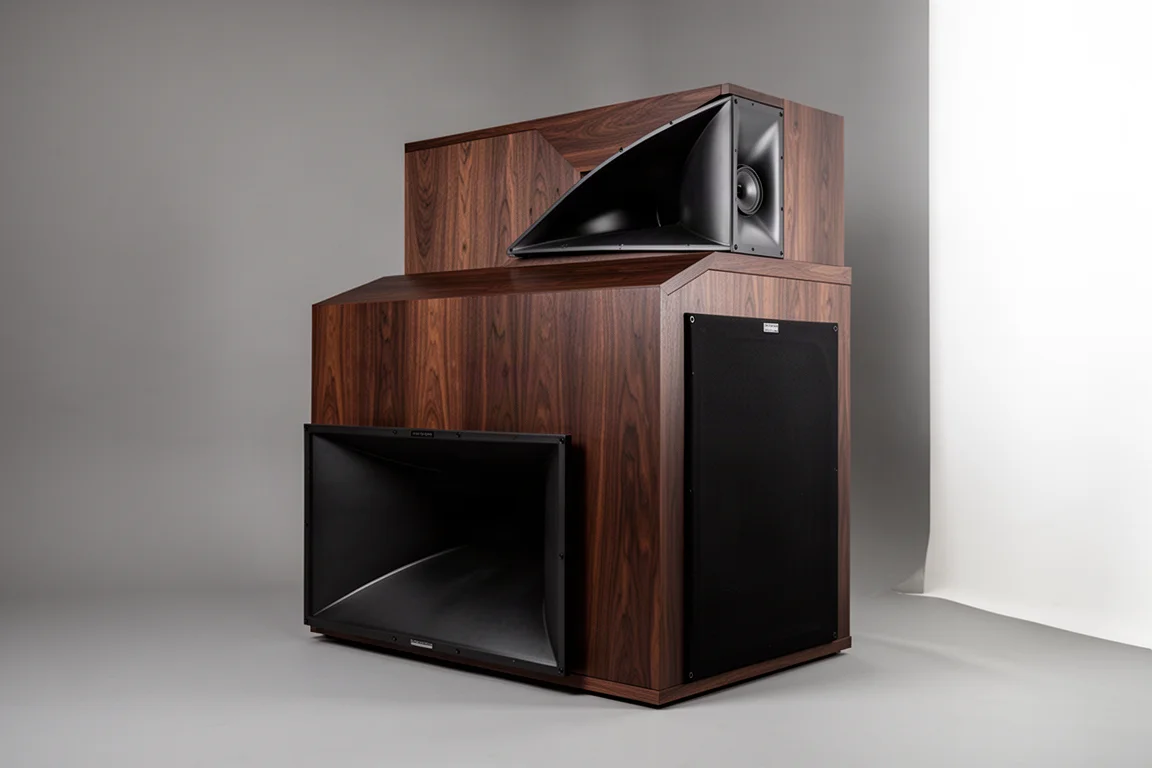
The Klipschorn is designed specifically for corner placement, where its eight-foot-long bass horn uses the boundaries of the room to reinforce and extend low-end performance. That is a very different proposition from the La Scala’s wall placement, and it shapes how each speaker should be bought and installed.
Cabinets on both models remain largely the same as their previous versions, with minor changes to accommodate the upgraded internals. They are handcrafted in Hope, Arkansas using premium woods and finishes, available in book-matched American walnut, black ash, and a new option called American Auburn. These are large speakers, but because they sit in a corner or against a wall, they integrate into more rooms than many high-end designs that need to be pulled well out into the space.
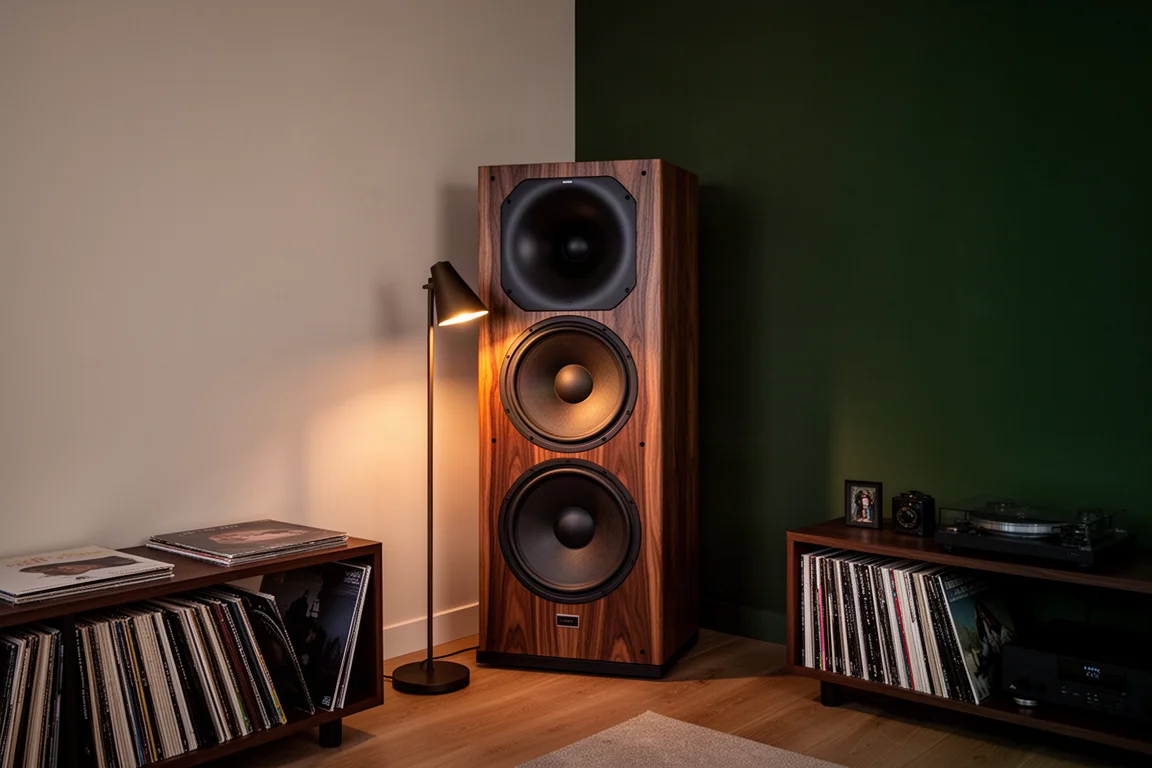
With tracks built around heavy drums, the active Klipschorn AK7 handled the material effortlessly. Microdynamics and macrodynamics were both on full display, and the presentation stayed clear, fast, and effortless throughout.
Shared Upgrades: Horns, Drivers, and Tweeter Waveguide
Both speakers benefit from the same generation of driver technology. The project was led by Roy Delgado, Klipsch’s principal engineer and the figure widely known as the Chief Bone Head, who has been with the company since the days when Paul Klipsch still ran it.
The central change is the K-406 Tractrix horn, which is shorter and more compact than the previous K-41 exponential horn. Tractrix horns are known for improved dispersion and better driver alignment, and the new horn also incorporates Klipsch’s patented Mumps technology, which stands for matched unmodified MS performance. That helps off-axis dispersion, particularly at the lower end of the horn’s frequency output, producing smoother transitions between the woofer and the mid-range horn and a more cohesive overall sound.
The horn is matched with the KT-1133-HP three-inch compression driver taken from Klipsch’s Professional series, an upgrade from the previous K-55-X two-inch driver. The extra inch of surface area and the additional power handling deliver improved clarity and a smoother response across the mid-range. The tweeter uses the same driver as before, but a wide-dispersion phase plug has been added, a feature carried over from other modernized Heritage models. Without it, horn-loaded tweeters can beam sound at higher frequencies; with it, high frequencies spread more evenly across the room, giving better coverage and a more open treble.
Active DSP or Passive Crossover: Choosing Your Setup
The crossover is where the two models take their biggest technical step. Klipsch spent years developing its Heritage Active DSP crossover system, originally for the Jubilee, and has now brought it to the La Scala AL6 and Klipschorn AK7. With DSP, crossover points, EQ curves, and output levels can be adjusted on the fly, which gave the engineering team far more control during development.
Roy Delgado initially wanted the speakers to be active only, but internal discussion led the team to support both active and passive configurations, because Klipsch customers run everything from low-wattage single-ended tube amplifiers to high-powered solid-state systems. The final passive design required three separate circuit boards to hold all the necessary components. It uses 18 dB per octave crossover slopes and multiple filters to flatten frequency response, and it was carefully tuned to match the active version as closely as possible in both frequency response and overall character.
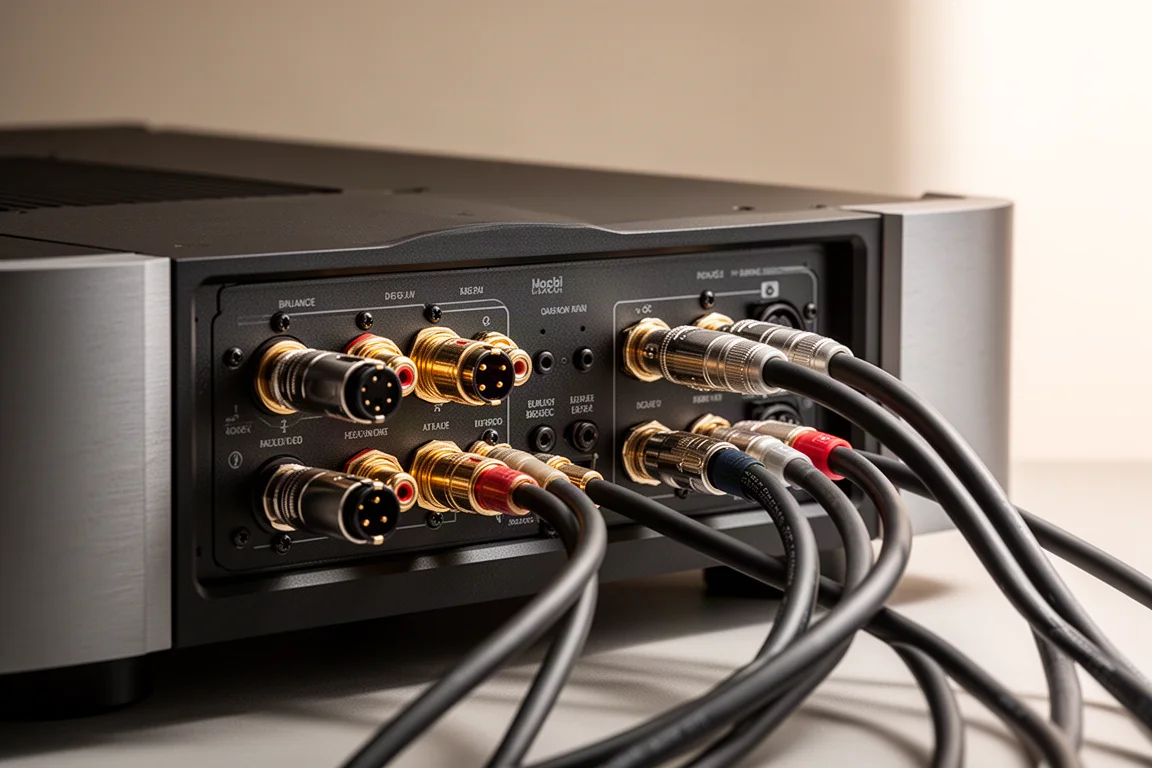
The active version still holds some advantages, particularly in flexibility and fine-tuning, but the passive version is a strong option in its own right. Both speakers are also modular, so buyers who start with the passive version can upgrade to active later. A rear panel lets you bypass the internal crossover and wire directly to the DSP crossover and external amplifiers. Going active requires one more amplifier channel per driver, which means three stereo amplifiers, a six-channel amplifier, or six monoblocks. The Heritage Active DSP Crossover supports both XLR and RCA inputs, making it compatible with a wide range of amplifier setups, though it is worth checking your amplifier specifications to confirm they play well with the DSP system’s output impedance.
Placement, Efficiency, and Amplifier Matching
Both speakers are extremely efficient, with 105 dB sensitivity and the ability to handle up to 400 watts. That means they come alive quickly whether they are driven by low-wattage tube gear or solid-state muscle, and they fill a room with ease. One particularly appealing configuration is a hybrid active setup, with a solid-state amplifier powering the bass section and tube amplifiers handling the mids and highs. That approach puts muscle where it matters most and adds the warmth tube amplification is known for.
Placement is the other practical consideration. The Klipschorn AK7 needs a corner to work as intended, since its eight-foot bass horn relies on room boundaries to extend low frequencies. The La Scala AL6 is built for wall placement, which opens up more rooms and more layouts. Neither speaker needs to be pulled far out into the room, which is a meaningful advantage in real living spaces.
Who Should Consider Each Speaker
These are speakers for listeners who value dynamics, efficiency, and a true-to-life sense of scale, and who are prepared for the size that comes with a horn-loaded Heritage design. If you already appreciate the Klipsch Heritage line, both new models move closer than ever to the reference-level performance of the Jubilee.
Choose the Klipschorn AK7 if you have a suitable corner and want the deepest, most effortless low-end extension the Heritage line offers. Choose the La Scala AL6 if wall placement suits your room better and you want the tighter, punchier bass character the model is known for, now with substantially more depth than before. Either way, the option to begin with a passive crossover and move to active later makes the purchase easier to stage over time.
Conclusion
The Klipsch La Scala AL6 and Klipschorn AK7 are not minor refreshes. A new Tractrix mid-range horn, a three-inch professional-series compression driver, a wide-dispersion tweeter phase plug, and the Heritage Active DSP crossover all push both models forward, while the La Scala’s redesigned vented bass enclosure addresses its longest-standing limitation. The right choice comes down to room geometry and how much low-end authority you want: corner placement and maximum scale with the Klipschorn AK7, or wall placement and tighter bass with the La Scala AL6.
Further reading
Related Reviews
Hi-Fi Speakers
1723 THX Tower vs 1528 Bookshelf: Which Speaker Fits Your Room?
Two speakers at roughly the same price, built very differently. How the 1723 THX tower and the 1528 bookshelf compare on construction, bass, power needs, and sound.
Hi-Fi Speakers
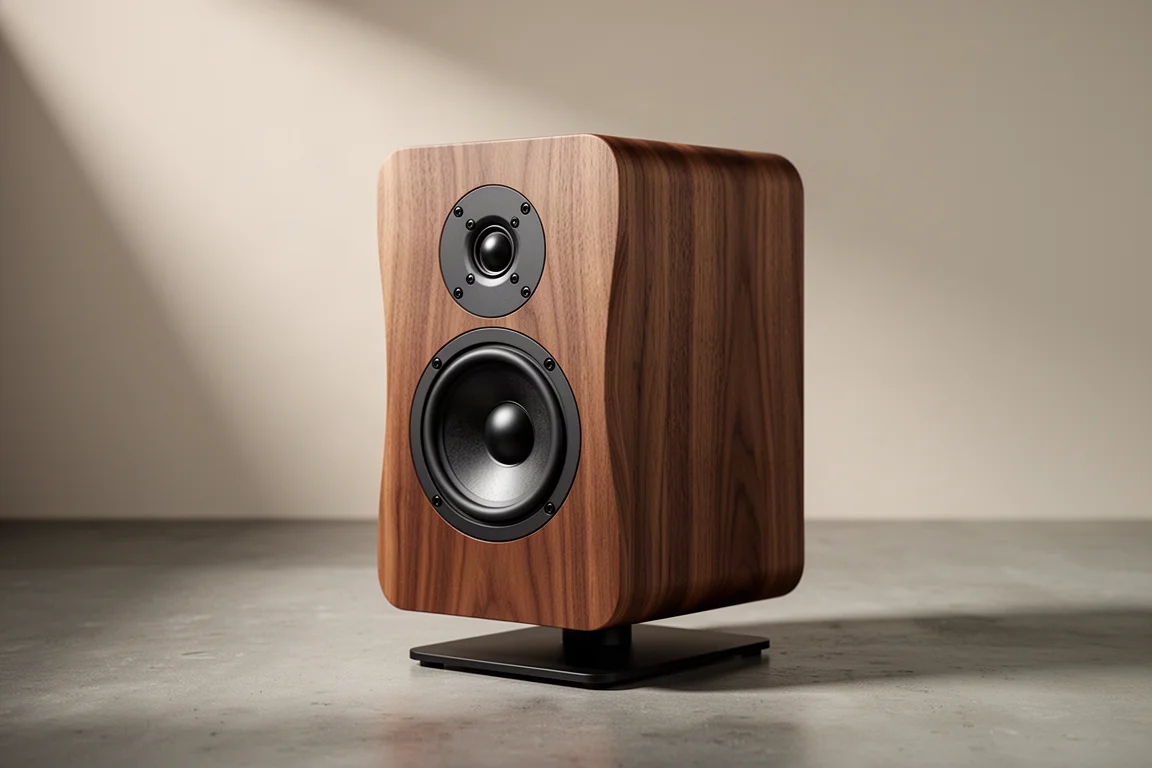
Acoustic Energy AE 300 Review: Deep Bass From a Compact Standmount
A two-way standmount with real wood veneer, surprising low-end weight, and a warm, easygoing character. Here is what to know before buying.
Hi-Fi Speakers
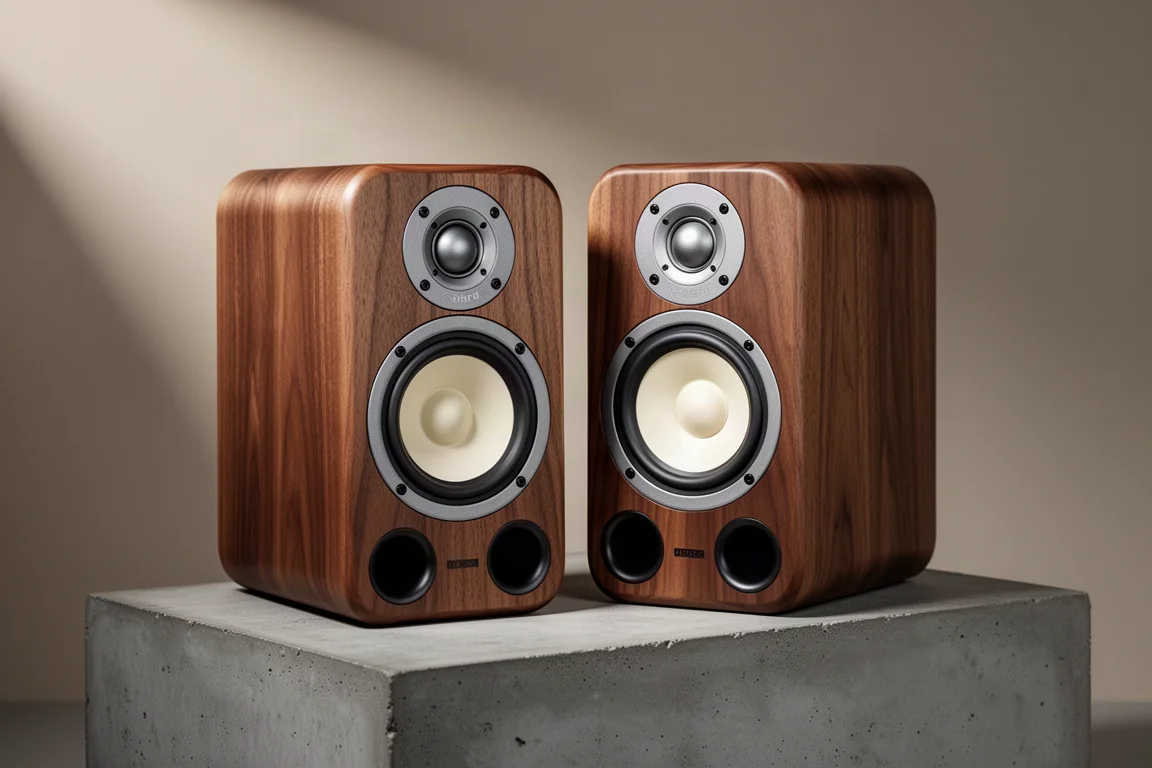
Acoustic Energy AE1 40th Anniversary Review: A Modern Take on a British Classic
A compact standmount that revives a 1980s favorite with all-new parts, a warm mid-centric balance, and a price of £1,499 per pair.