Home Theater
Klipsch Heritage Home Theater Build: The Components Behind the System
A component-by-component look at a Klipsch Heritage home theater, covering the Cornwall IV front stage, the subwoofers and receivers that were tried, and where the build still has room to improve.
Introduction
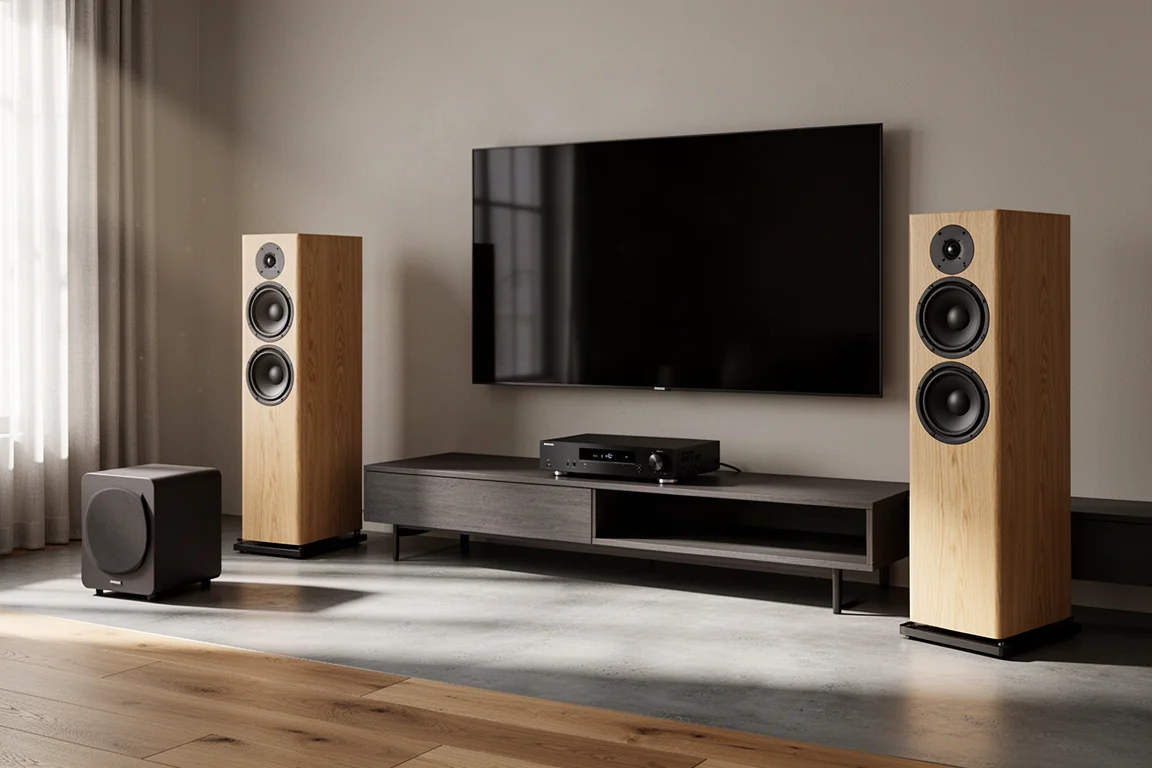
Some home theaters are built to be sealed off from the rest of the house. This one was built the other way around. The room had to work as an everyday living space and as a serious cinema at the same time, which meant every component had to earn its place visually as well as sonically.
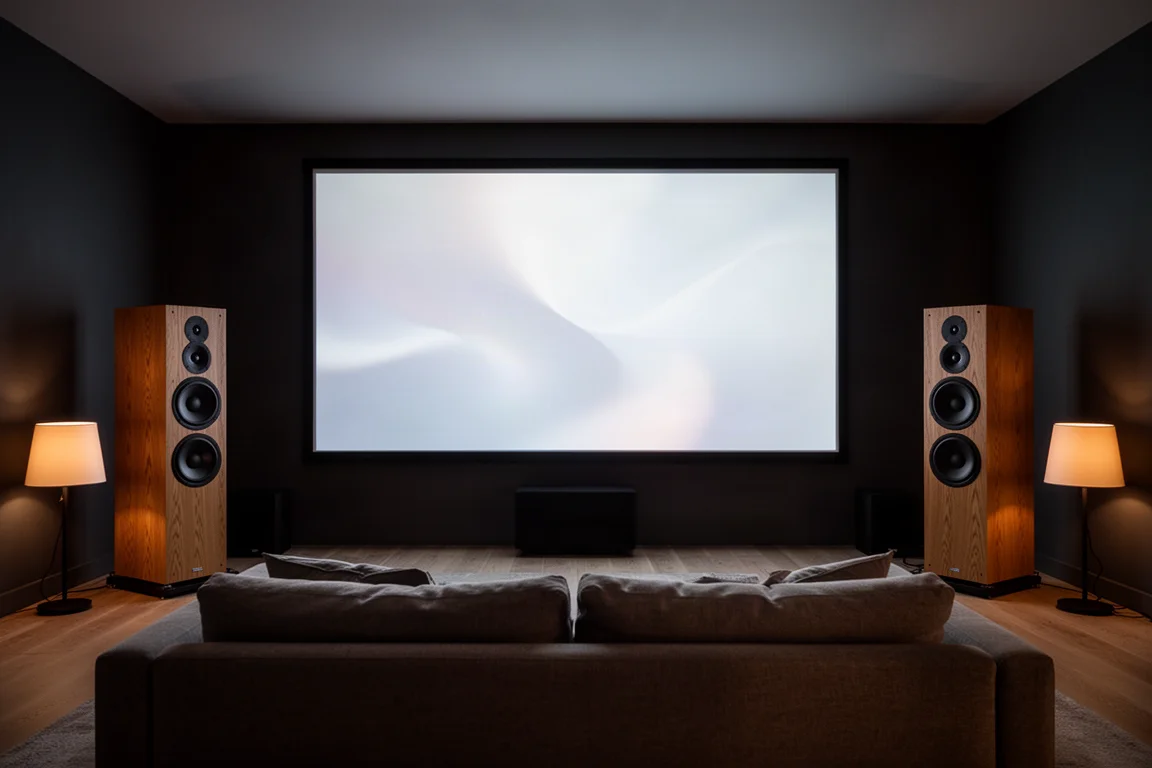
At the center of the build is a pair of Klipsch Cornwall IV loudspeakers in a custom light oak veneer, chosen for the sense of scale that big efficient horn speakers bring to film soundtracks. Everything else, the subwoofer, the surround speakers, and the receiver, was selected around them.
How This System Was Put Together
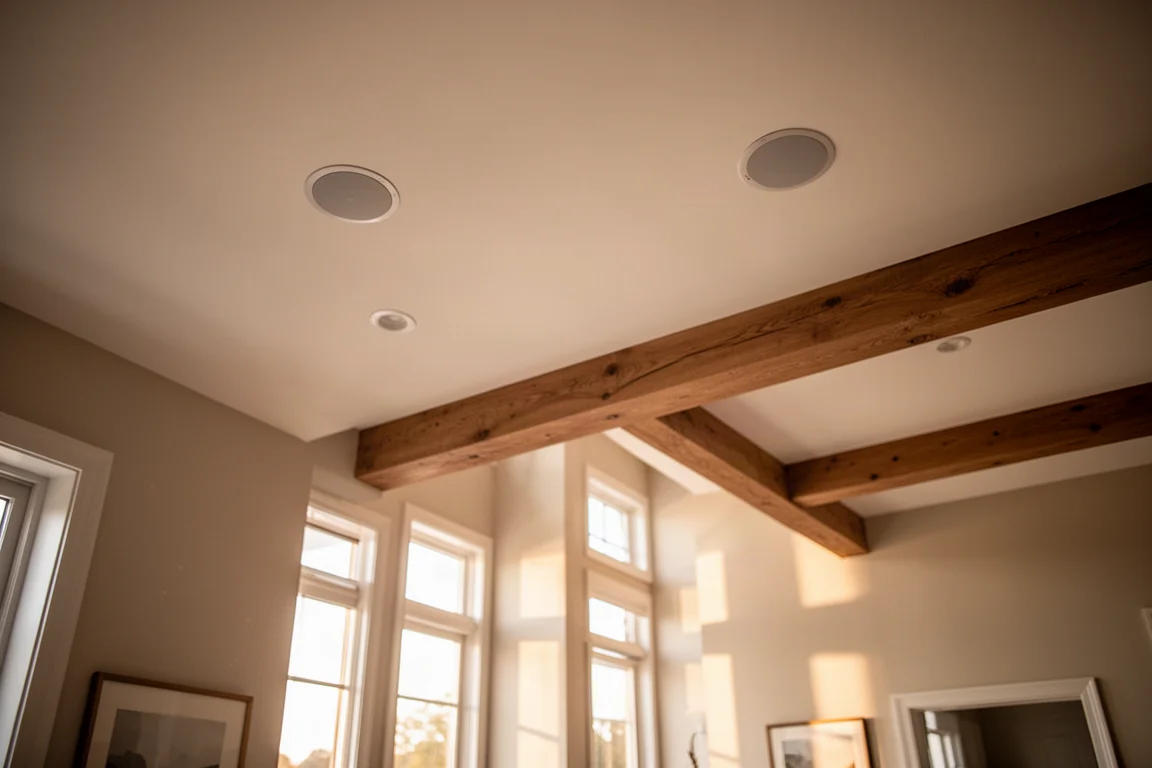
The room’s high ceilings ruled out upward-firing Atmos modules early on, since that approach depends on reflections from a flat, low ceiling. In-wall speakers were also off the table, partly because one side of the main room opens into another part of the home. That left in-ceiling speakers as the practical option for surround, back, and height duties.
Six 6-inch in-ceiling speakers were installed in three pairs. The first pair sits above and slightly in front of the main left and right positions, the second pair sits overhead near the primary listening position, and the third pair sits behind it. That arrangement supports surround configurations up to 7.1.12 and everything in between, which matters because not every film is mixed for the same layout.
What follows is a component-by-component look at how the system came together, including the parts that worked exactly as hoped and the one area that is still looking for a better answer.
Klipsch Cornwall IV: The Anchor of the System
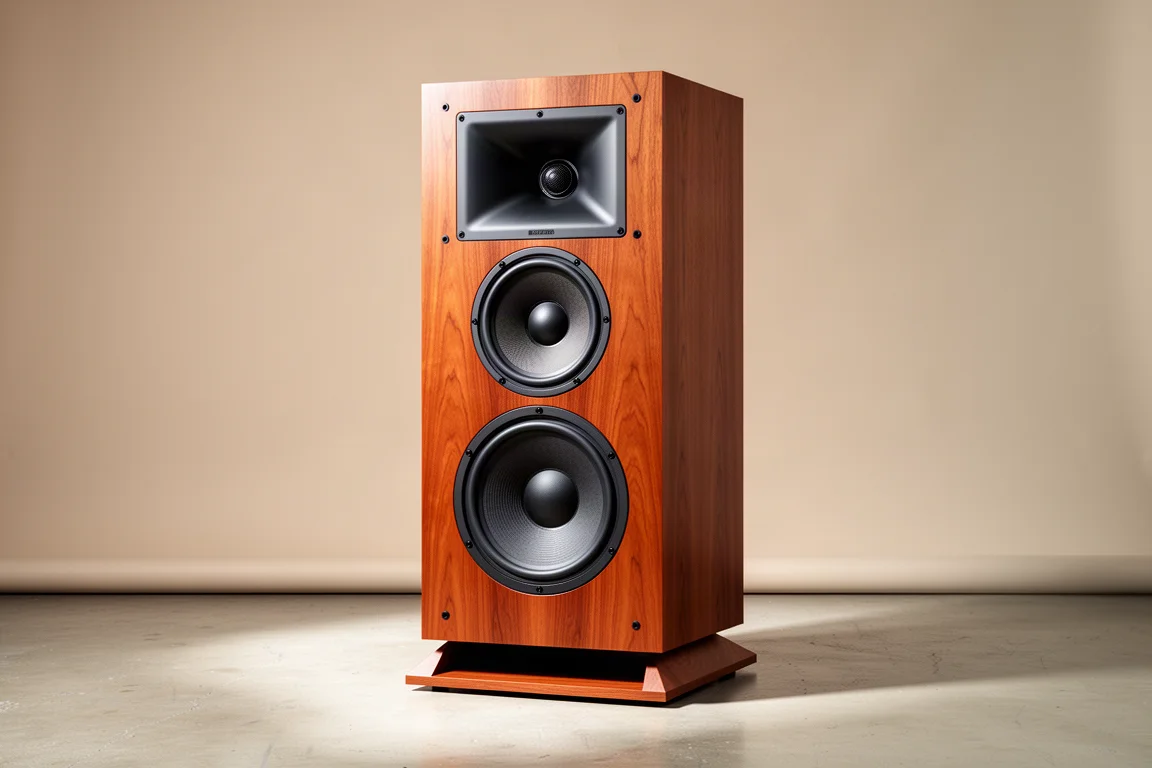
The Cornwall IV pair is the reason this system sounds the way it does. With a large horn-loaded midrange and tweeter in a wide floorstanding cabinet, they present sound with a physical presence that smaller speakers rarely match, and they stay lively and fun in a way that suits big action soundtracks.
They are not perfectly neutral, though. Over a long stretch of listening they proved occasionally peaky at the low and high ends of their range. Manual parametric EQ brought them into better alignment, and the result is more detail coming through with tighter, more nuanced bass. Once corrected, the Cornwalls only need their bass augmented rather than replaced.
One surprise: with the speakers positioned properly, the Cornwall pair produces a center image strong enough that a phantom center is a genuinely viable option, and a tonally better one than the center channel tried here.
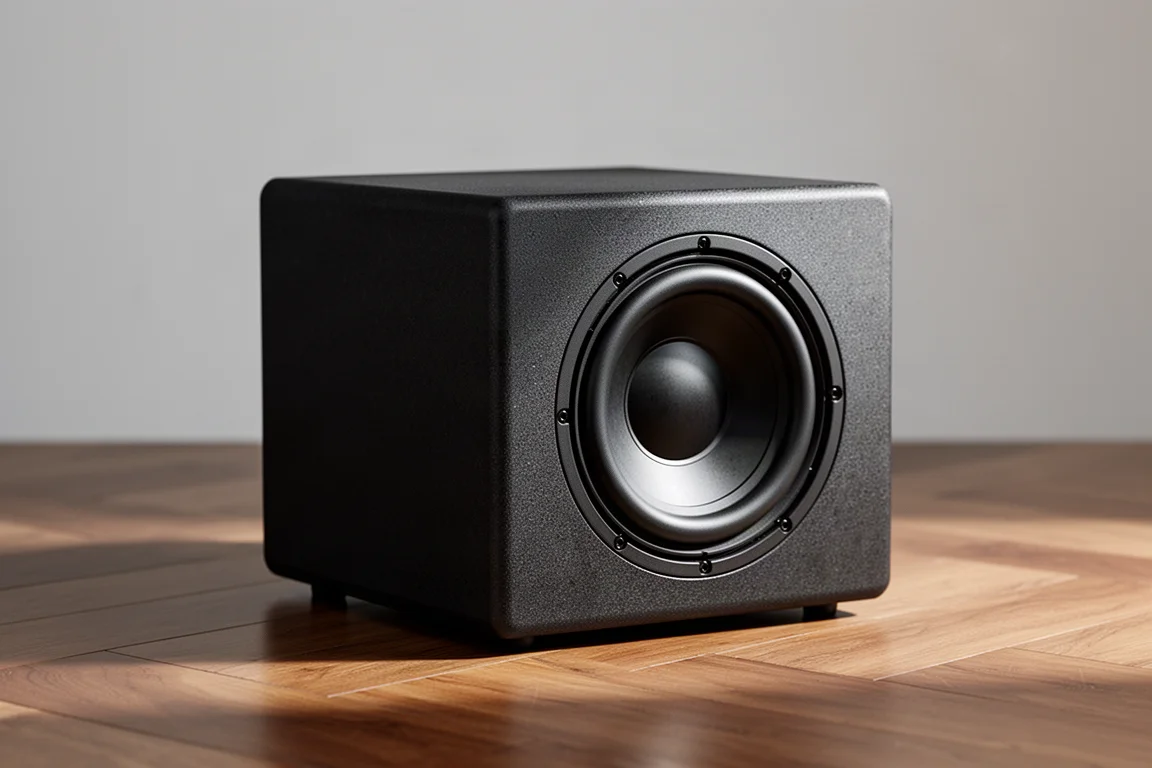
Bowers & Wilkins ASW608: Small Sub, Big Finesse
Paired with speakers this capable, a big subwoofer is not automatically the right answer. A compact design turned out to be the better match. The ASW608 is small, hardly the most powerful subwoofer available, but it blends into the Cornwalls’ frequency response and disappears, both visually and aurally.
It includes speaker level inputs, which makes integration straightforward in a system like this. It will not reach down to 20 Hz with the authority of a 12-inch subwoofer, but it plays low enough, and with enough finesse, that its more agile character is preferable to brute force. For a subwoofer of this size and cost, that combination is unusual.
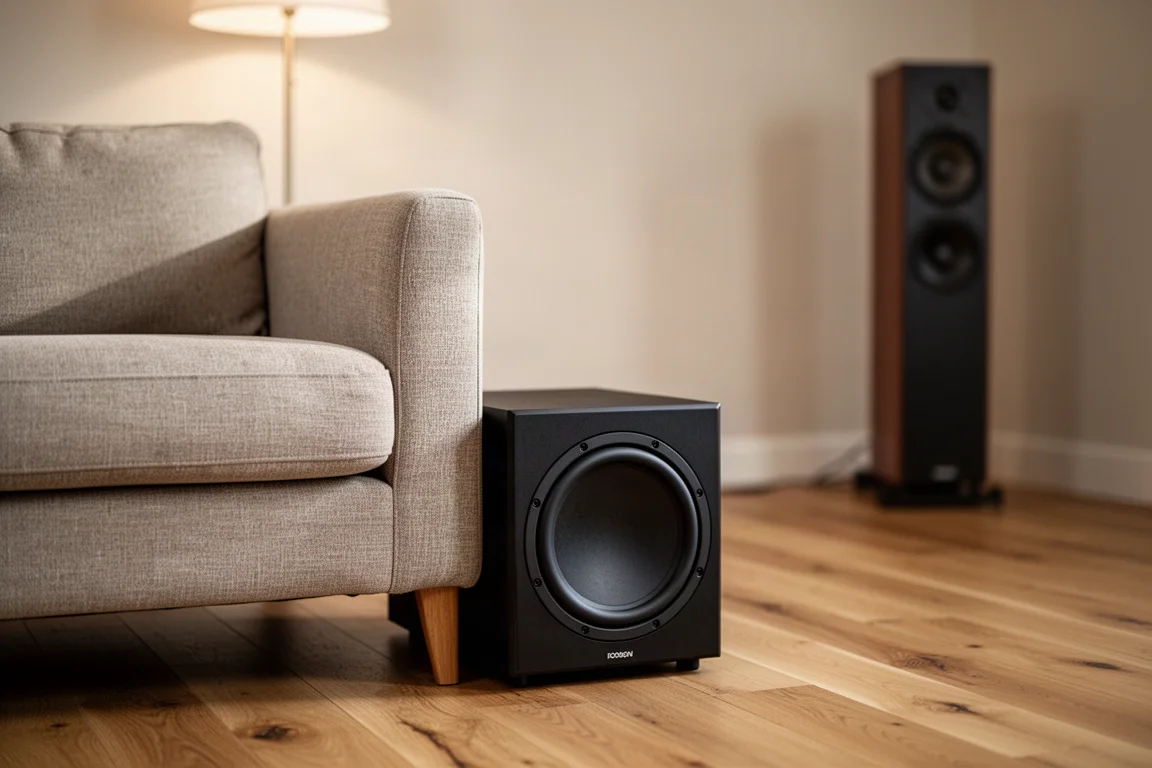
The practical takeaway is that a subwoofer’s job in a system with horn speakers is often augmentation rather than replacement. A smaller, quicker sub can integrate more cleanly than a large one, and the ASW608 is the clearest example of that in this build.
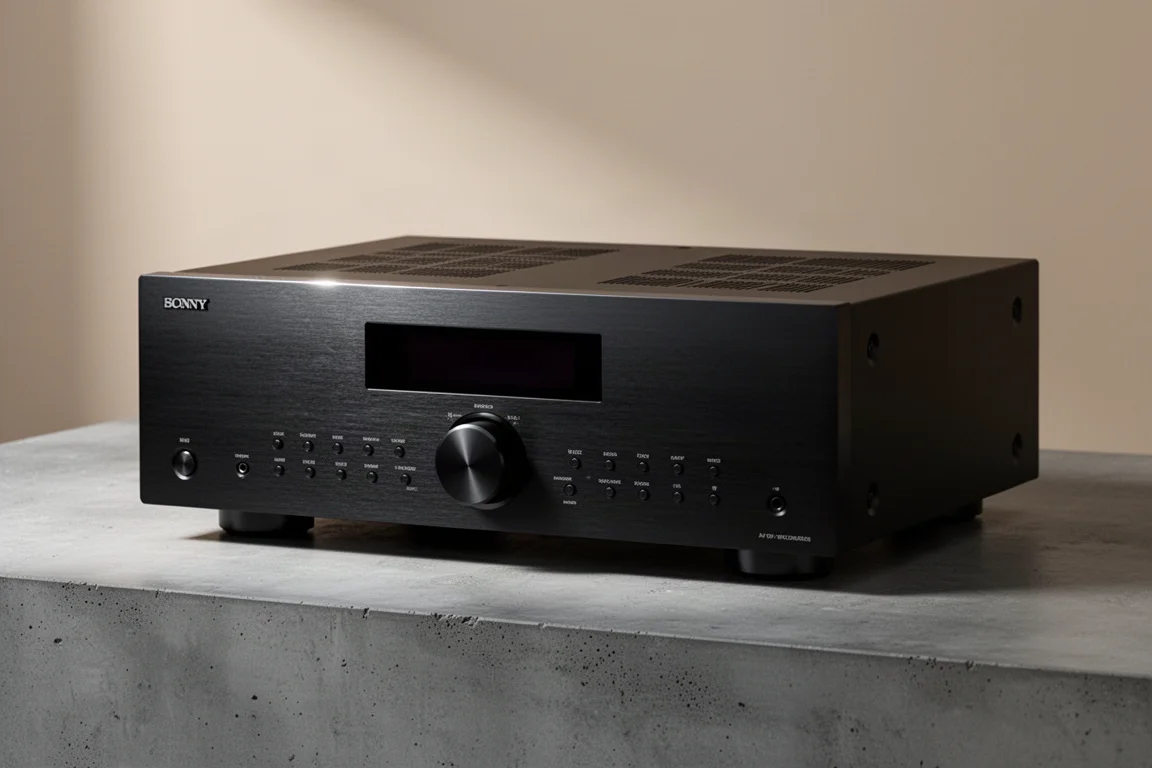
Yamaha Aventage RX-A4A: Manual Tuning Control
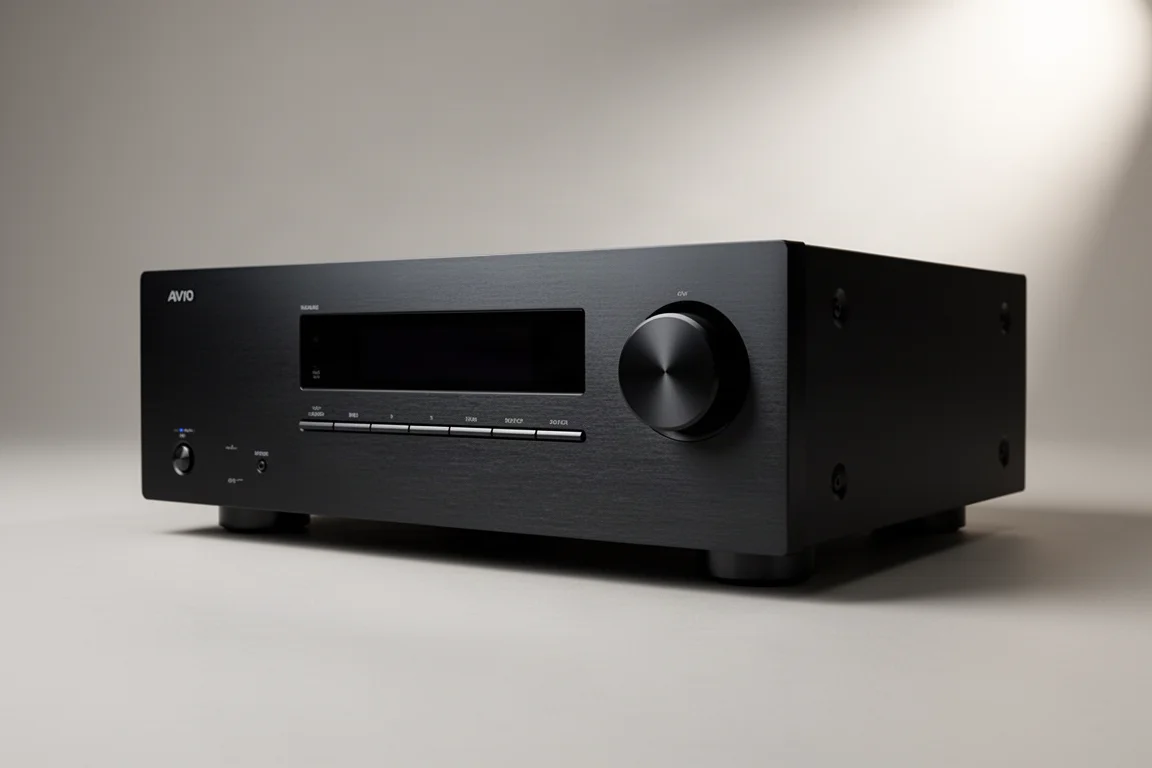
Receivers usually offer automatic room correction or a multi-band graphic EQ. Far fewer let you build your own parametric EQ curves from scratch, and that single capability is why the RX-A4A ended up as the preferred receiver here.
With the Cornwalls, that control matters. Their peaks at the frequency extremes respond well to careful manual correction, and having full control over which problems to address, and by how much, is more useful than a single automated pass. The result is a livelier speaker that stays in better alignment across the range.
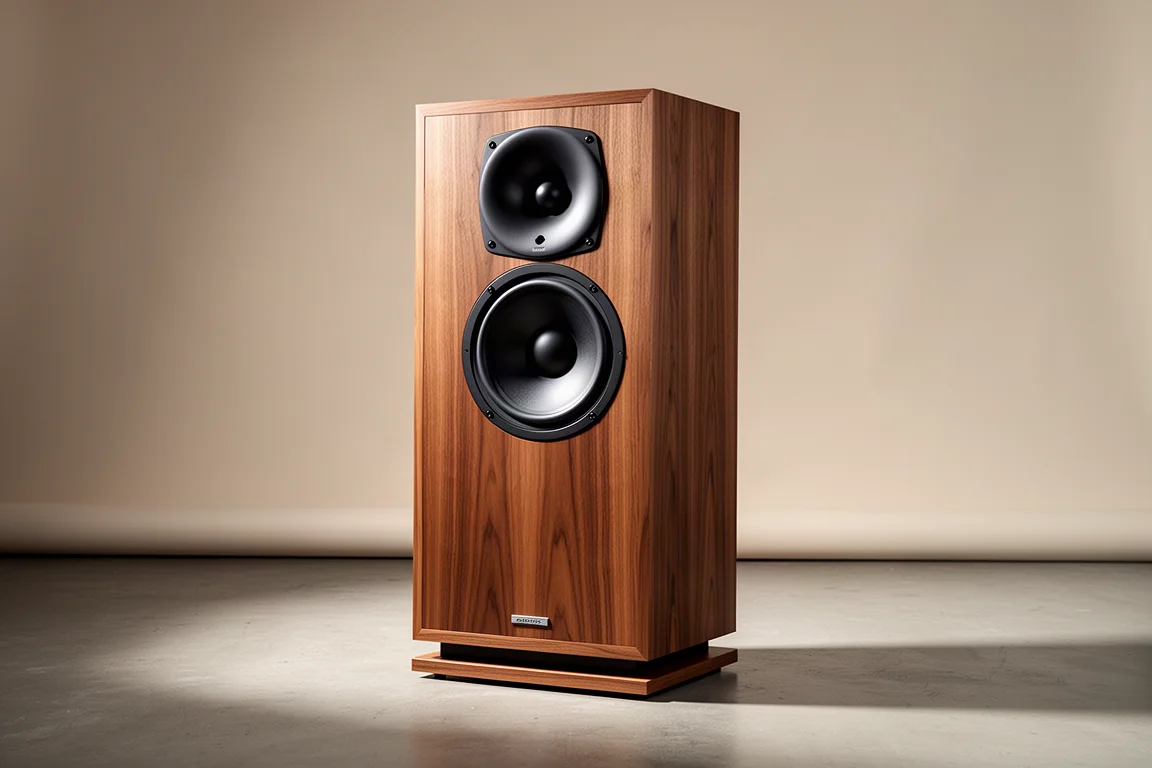
Klipsch Heresy IV: The Center Channel That Almost Worked
The Heresy IV has history on its side. It was originally designed as a center speaker, so placing one beneath the screen was the first plan. Physically, though, it would have required splitting the media bench into two sections, and doing that pushed the Cornwall pair too far apart for the room.
That is the kind of compromise a room forces on a system. The Heresy IV remains a strong speaker, but in this particular space it could not be placed where it needed to be.
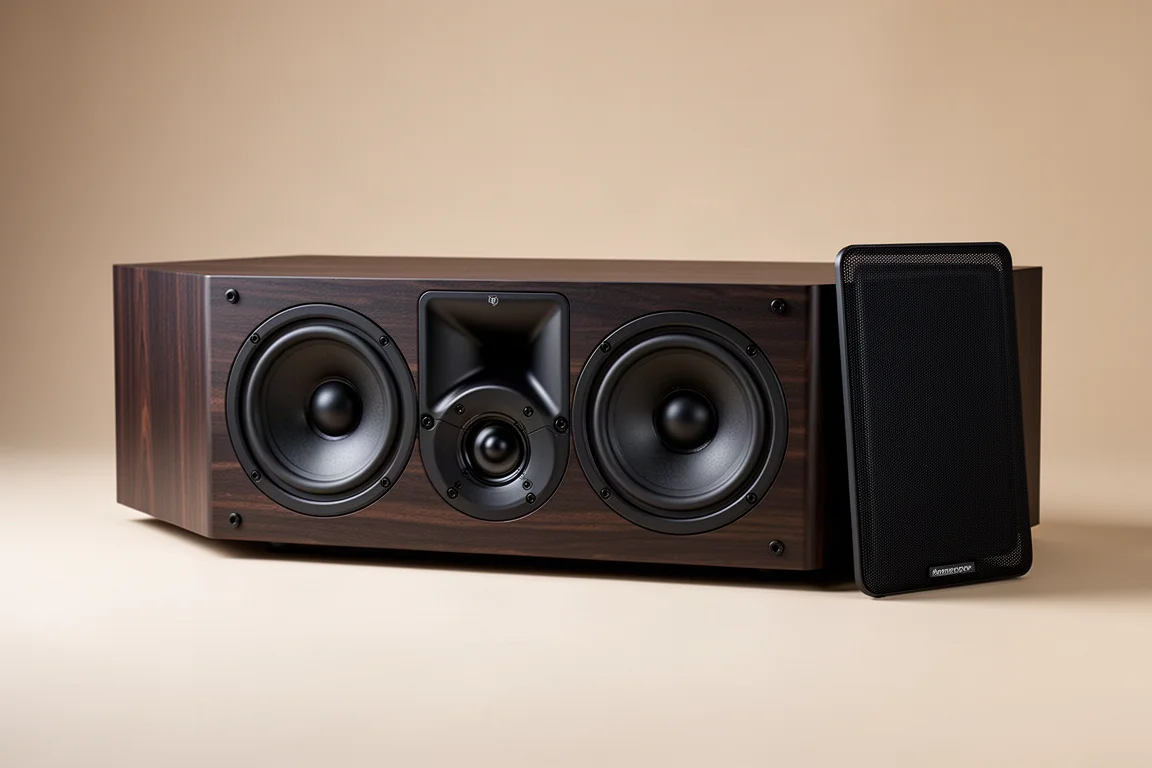
Klipsch RP-500C: A Center That Misses the Mark Here
With the Heresy IV ruled out by layout, a custom-wrapped RP-500C took the center role. In a system built around Klipsch Reference Premiere speakers, this center would likely be an excellent match. Behind a Cornwall-based front stage, it is not.
The RP-500C is less open and transparent through the midrange and treble than the Cornwalls, and it calls attention to itself as the sound moves from wall-like to box-like across the front stage. The tonal gap is audible, and this is the one part of the build that would benefit most from a different answer.
Marantz SR8015: A Strong Alternative
The SR8015 was one of two receivers that stood out with the Cornwalls. It has everything needed to make a system like this perform, and it drives the speakers without strain.
It ultimately came down to tuning philosophy. The SR8015 is a capable, well-rounded choice, and for listeners who prefer a more automated approach to room correction, it is a straightforward recommendation.
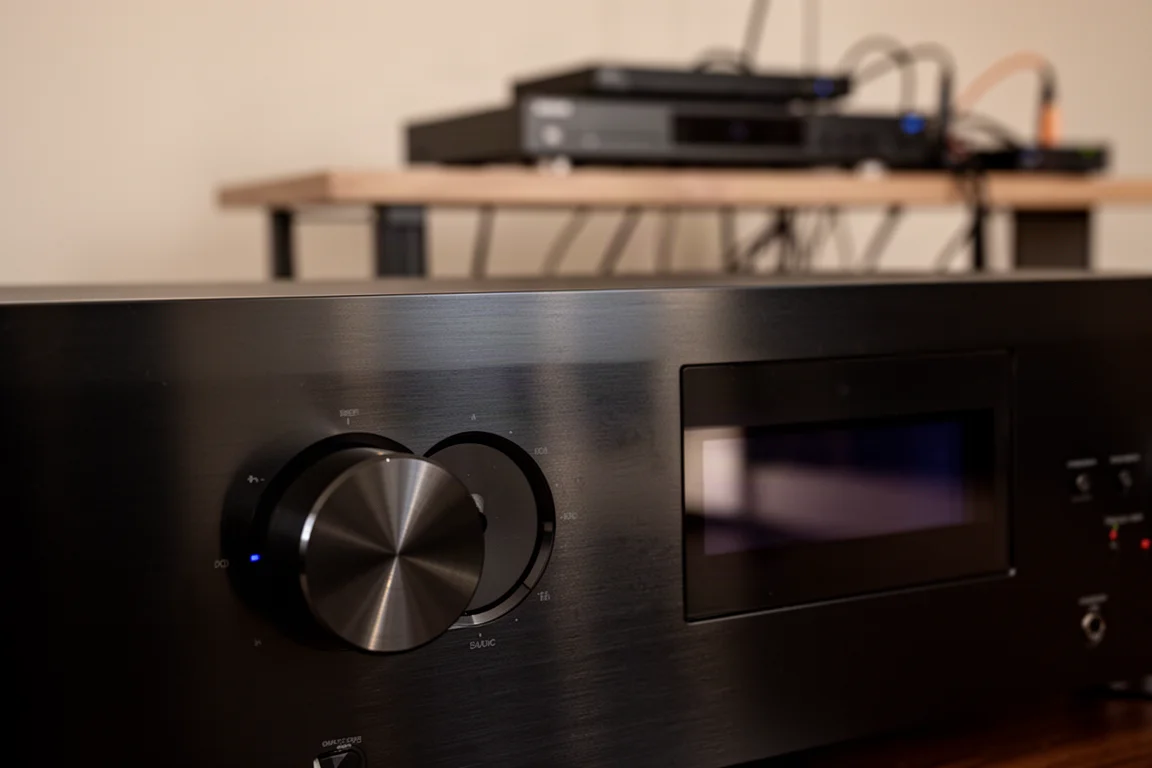
What separates the two receivers in practice is not raw capability but how much control the listener wants over the final result. Both can drive this system well, and the decision depends on how hands-on the tuning process should be.
Onkyo TX-RZ50: Direct and Dynamic
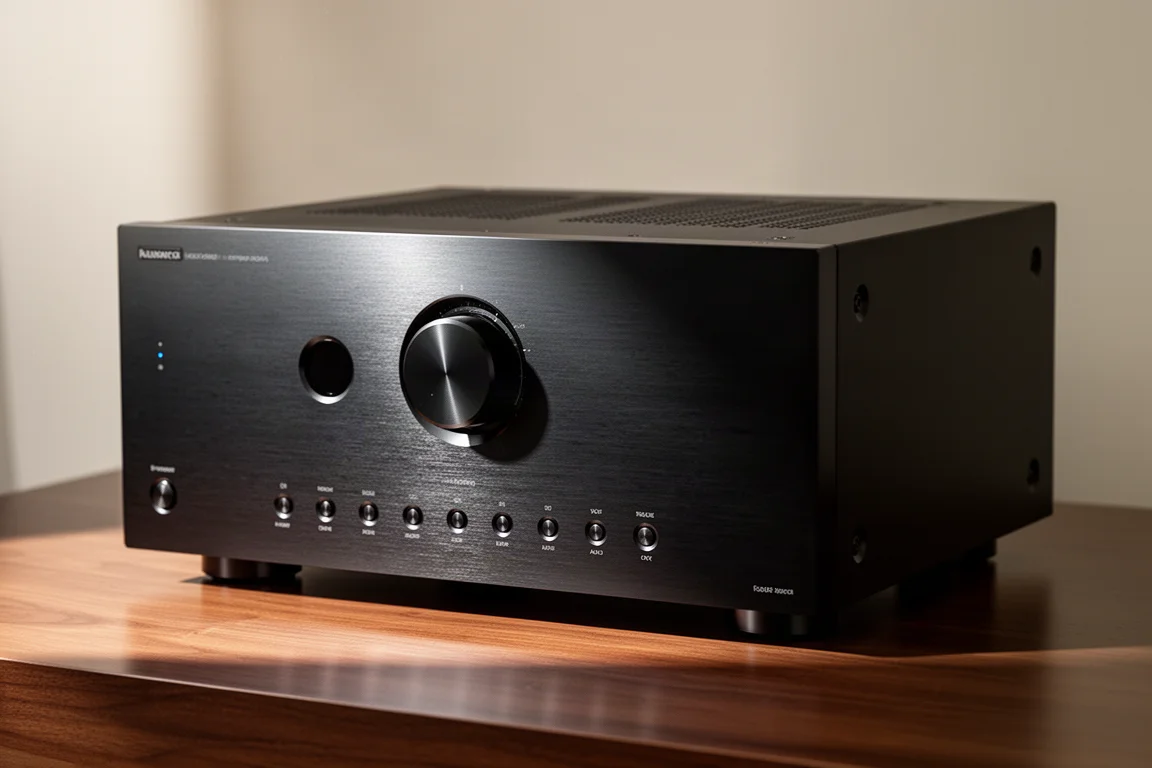
The TX-RZ50 was the other receiver that impressed with the Cornwalls. Its direct capability gave it a slight edge in this room over the SR8015, which is a meaningful result given how revealing the Cornwall IVs are of what sits upstream.
For a listener who wants a lively, direct presentation from a horn-based system, this receiver is a strong pairing. It was not the final choice here, but the gap was narrow.
Klipsch SPL-100: Too Much of a Brute Here
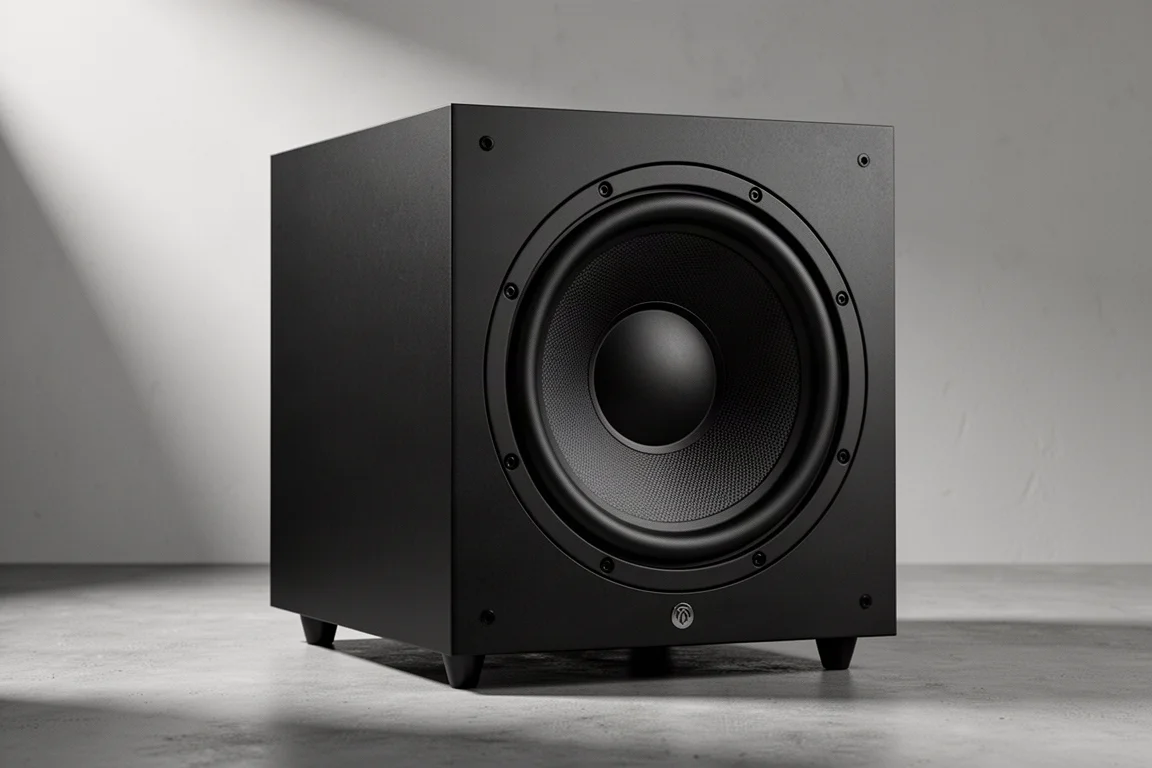
The SPL-100 is a capable subwoofer, and on its own terms it does what a large subwoofer should. In this system it was simply too much. Paired with Cornwalls that already produce substantial low-frequency output, its extra weight worked against the blend rather than for it.
Once the Cornwalls are EQ’d, they need their bass augmented, not replaced. That is a narrow job, and a large subwoofer is not the tool for it.
Overall Buying Advice
The single most important decision in a build like this is the front stage. Everything downstream, the subwoofer, the center speaker, and the receiver settings, is easier to get right when the main speakers are chosen first and the rest of the system is matched to them.
For the subwoofer, size is not the same as suitability. A compact sub with speaker level inputs and a quick, well-controlled character can integrate more convincingly than a larger one, especially when the main speakers already reach low on their own. If a large subwoofer has been tried and the blend never quite settles, that is usually the sign that a smaller design is the better fit.
For the receiver, look at how much manual control it offers. A model with full parametric EQ lets you address the specific peaks of your speakers rather than accepting a single automated result, and with a revealing horn speaker that flexibility is worth having.
Finally, treat the center speaker as the hardest part of the system to match. If the front left and right speakers produce a strong, tonally consistent center image, a phantom center is a legitimate option, and it may sound better than a mismatched center speaker. A center with a horn-loaded midrange, in a form factor more flexible than a large Heritage model, is the piece this build is still waiting for.
Conclusion
A room like this is never finished, and the center speaker is the clearest example of that here. Everything else works: the Cornwall IVs anchor the system with scale and presence, the compact subwoofer blends in without drawing attention, and a receiver with manual parametric EQ keeps the whole front stage in alignment.
The result is a living space that doubles as a cinema, with big horn speakers delivering the drama of a large screen without turning the room into a dedicated theater.
Further reading
Related Reviews
Home Theater
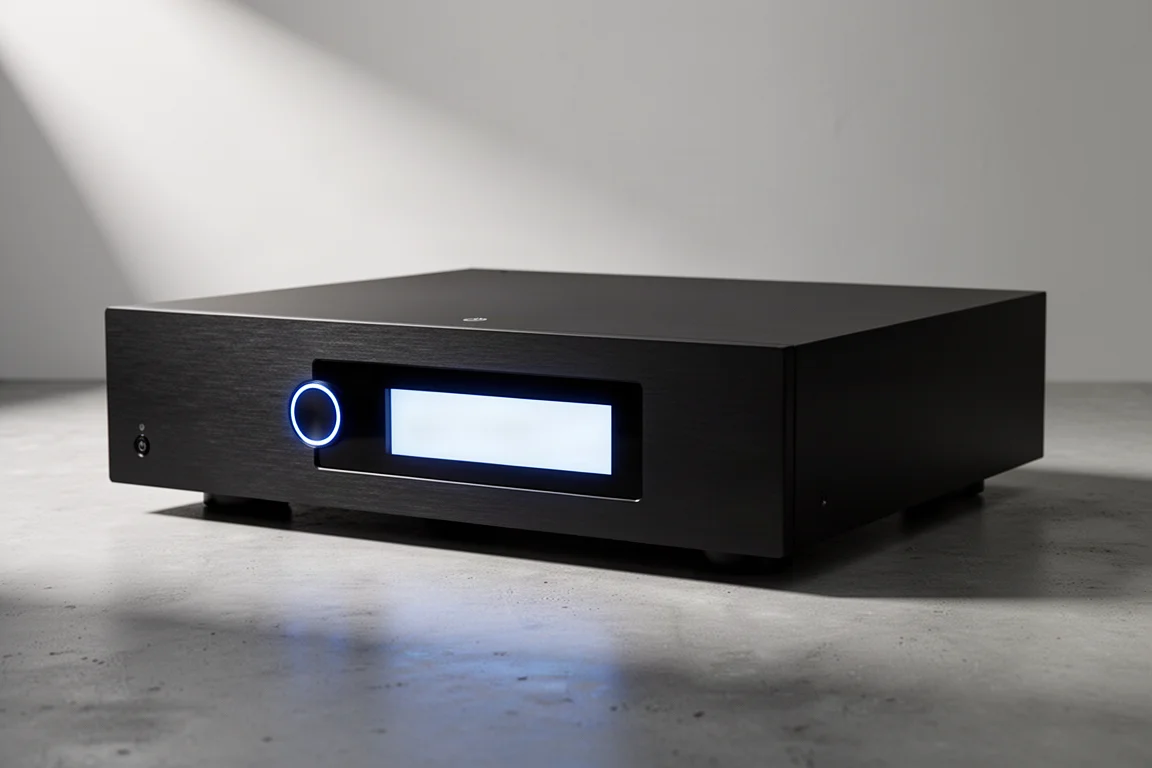
Anthem AVM 90 Review: A 15.4-Channel Flagship Preamp Processor
A close look at Anthem's flagship preamp processor, covering its dual ESS DAC architecture, 15.4-channel layout, ARC Genesis calibration and four independent subwoofer outputs.
Home Theater
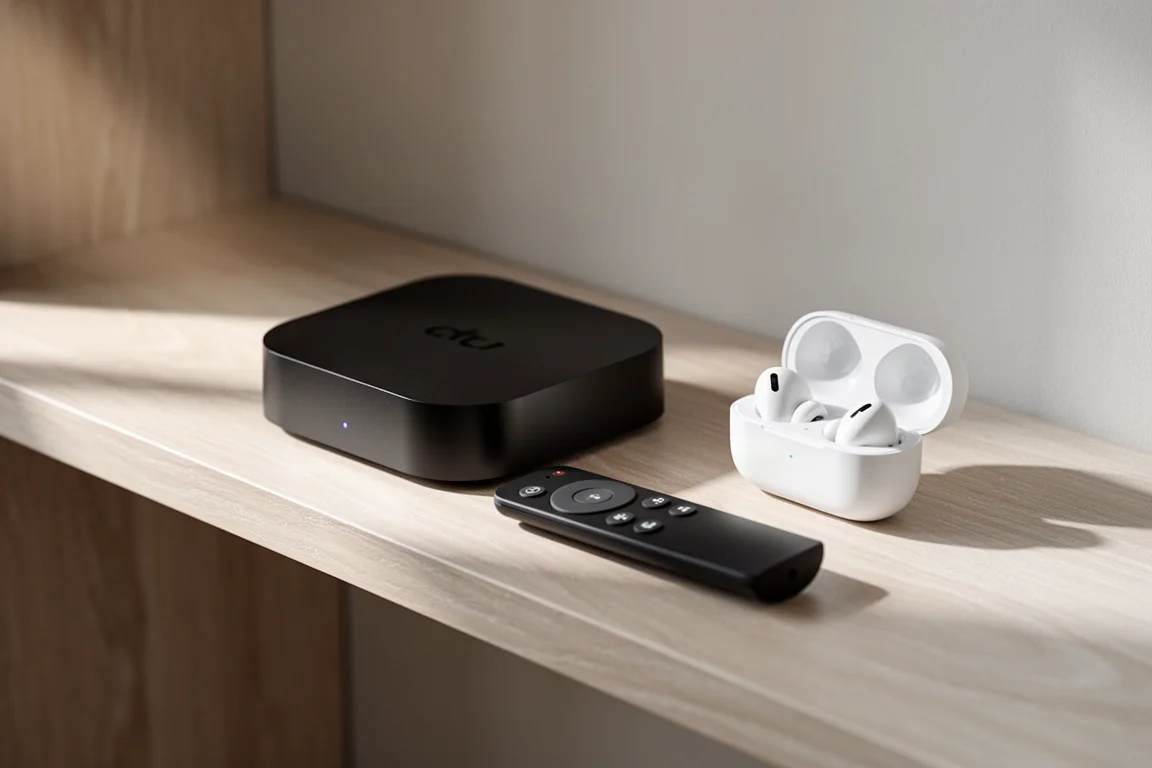
Apple TV 4K With AirPods: A Best-Value Home Theater Setup
An Apple TV 4K paired with AirPods over Bluetooth makes a compact home theater setup for movies, spatial music and late-night viewing, and it can be assembled for as little as $300.
Home Theater
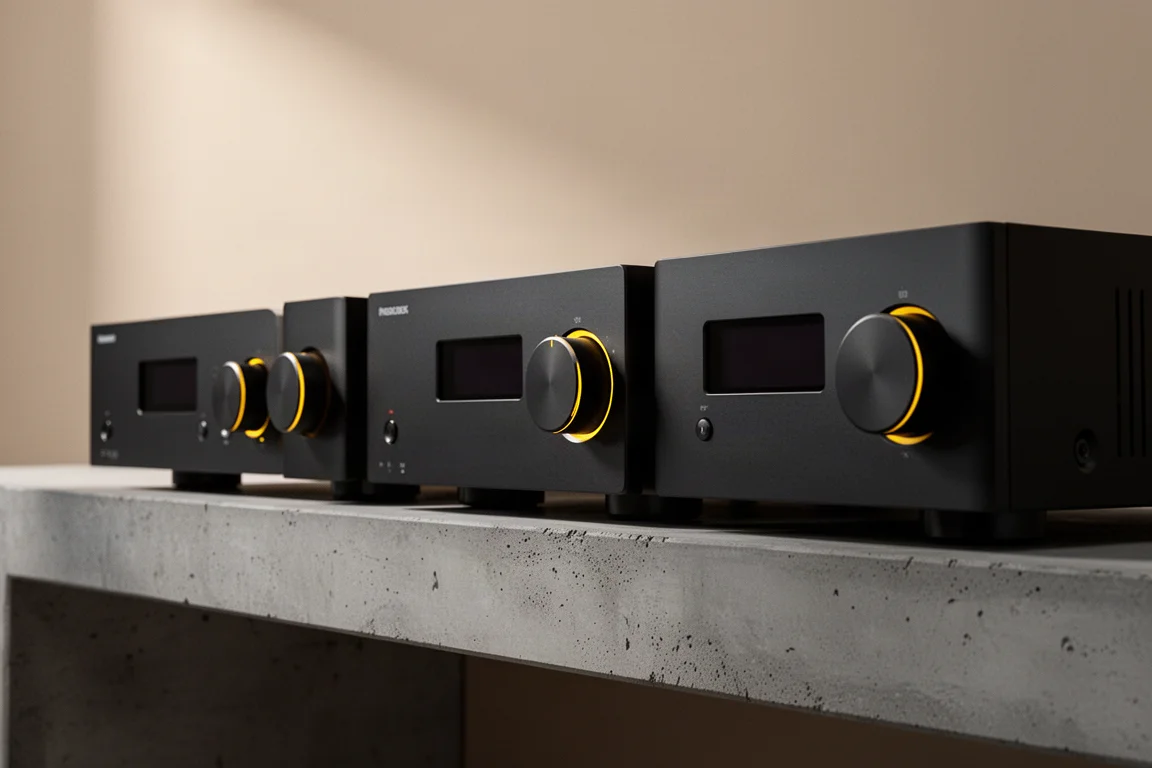
Arcam AVR15, AVR25, AVR35, and AVP45 Compared: Which AV Amplifier Fits Your System?
Four new Arcam home theater components share nine-channel amplification and Dirac Live, but differ in power, processing ceiling, and channel flexibility.