Home Audio
Klipsch and KLH Speaker Roundup: Five Options Worth Auditioning
Three Klipsch powered speakers and two KLH acoustic suspension designs, with the details that actually matter before you buy.
Introduction
Speaker shopping tends to split into two very different paths. One leads to powered speakers that handle amplification internally and ask only for a power outlet and a source. The other leads to passive designs that reward listeners who already own, or plan to buy, an amplifier they like.
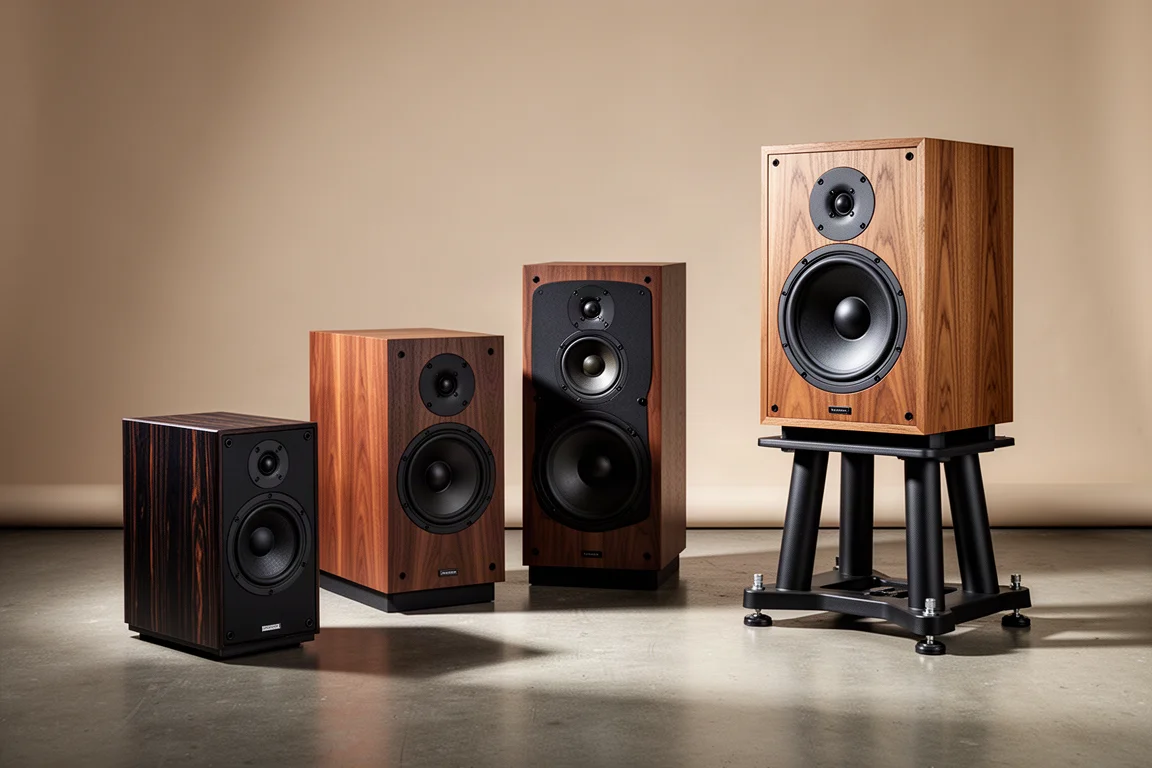
This roundup covers five speakers that sit on both sides of that line: Klipsch The Fives, The Sevens, and The Nines on the powered side, and the KLH Model Five and Model Seven on the passive side. The two KLH designs are the more technically interesting pair here, because the Model Seven is a sealed acoustic suspension speaker with a 13-inch woofer and a stand package included in the box.
What to Consider Before Buying
Powered or passive is the first decision, and it shapes everything after it. Klipsch’s powered trio relies on app-based control, which means setup and adjustments happen on a phone rather than across a rack of separates. That is a real convenience for anyone who wants a simple two-speaker system and has no interest in amplifier matching. The trade-off is that the amplification is fixed inside the cabinet, so you cannot swap it out later.
If you go passive, the amplifier decision becomes yours. Both KLH models need external amplification, and the Model Seven uses an acoustic suspension design, meaning a sealed cabinet rather than a ported one. That is a specific engineering choice rather than a marketing line, and it is worth knowing which side of it you prefer before you start comparing.
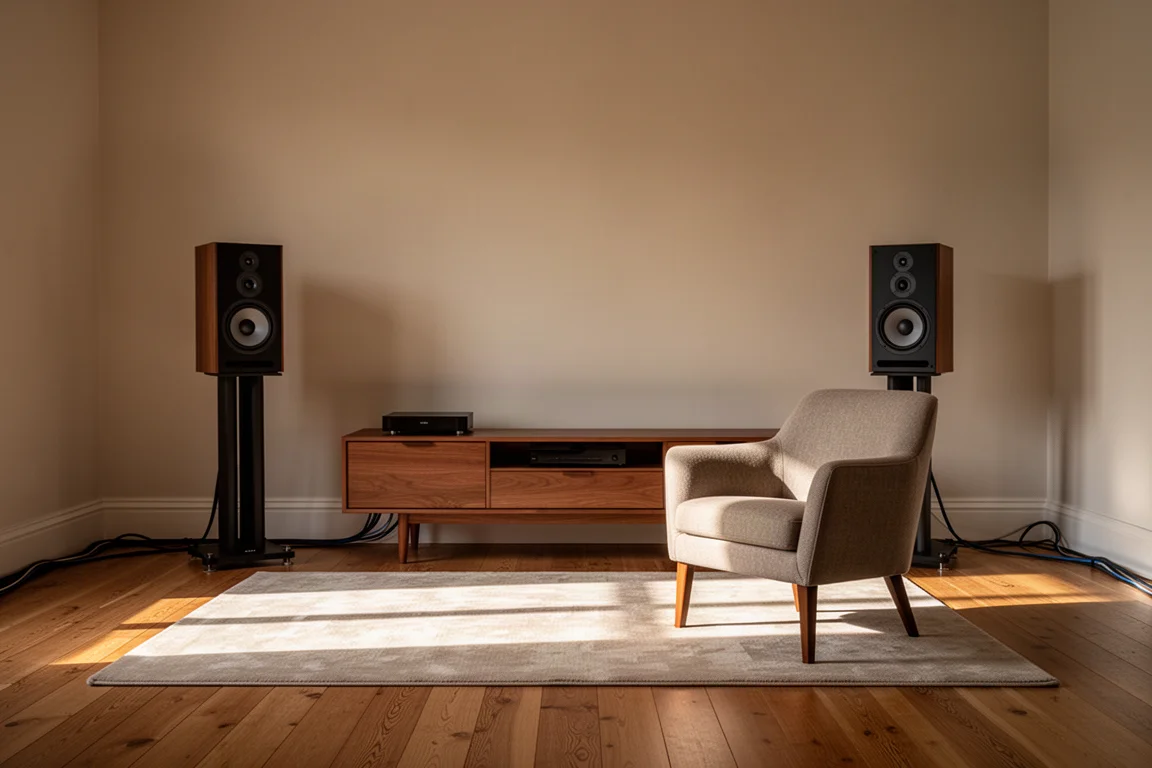
Placement deserves just as much thought as the electronics. The Model Seven ships with a heavy-duty stand set, and its cabinet is built around a one-inch motor board with a structurally reinforced enclosure, so it is not a speaker you tuck onto a shelf. Plan where the stands will live before you order. Finishes are worth checking too: the Model Seven is offered in the same finishes and veneer options as the Model Five, which makes matching a room straightforward.
Klipsch The Fives
The Fives sit at the entry point of the powered lineup covered here. Because it is a powered speaker, it needs no separate amplifier, and its setup and control run through the companion app. For listeners moving up from a soundbar or a desktop setup, that combination removes most of the usual friction: fewer boxes, fewer cables, and one place to make adjustments.
The practical question is whether you want a system that stays simple. If the answer is yes, The Fives is a sensible starting point, and the app has been refined to the point where it is no longer the part of the experience you have to work around. It is the most straightforward way into this group.
Klipsch The Sevens
The Sevens occupy the middle of the Klipsch powered range discussed here, and they keep the same powered, app-controlled formula as the smaller model. Nothing about the ownership experience changes: no amplifier to choose, no separates to wire up, and the same app for setup and everyday control.
That consistency is the appeal. If you like the idea of a powered system but want more speaker in the room than the entry model offers, The Sevens is the natural middle step in this lineup, and it keeps the convenience intact while moving up the range.
For most buyers the decision between The Fives and The Sevens comes down to room size and how much physical presence you want, not to features. Both are powered, both are app-controlled, and both keep the system to two boxes and a pair of cables.
Klipsch The Nines
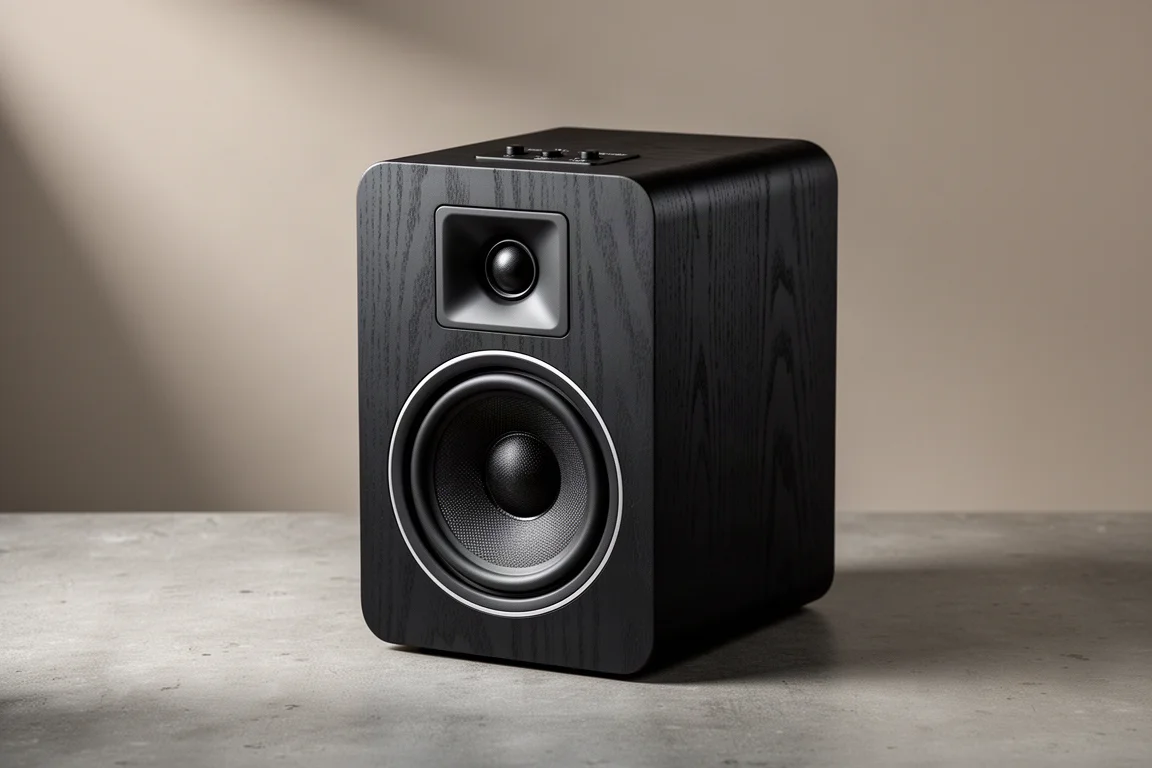
The Nines complete the powered trio, sitting at the top of the sequence. They carry the same powered, app-controlled approach as the rest of the Klipsch group here, which means the choice within this family is mostly about how much speaker you want in the room rather than about which features you gain.
If you have already decided that powered is the right route and you want the largest option in this set, The Nines is the one to look at first. Everything else about ownership stays familiar: internal amplification, app-based control, and no amplifier shopping.
KLH Model Five
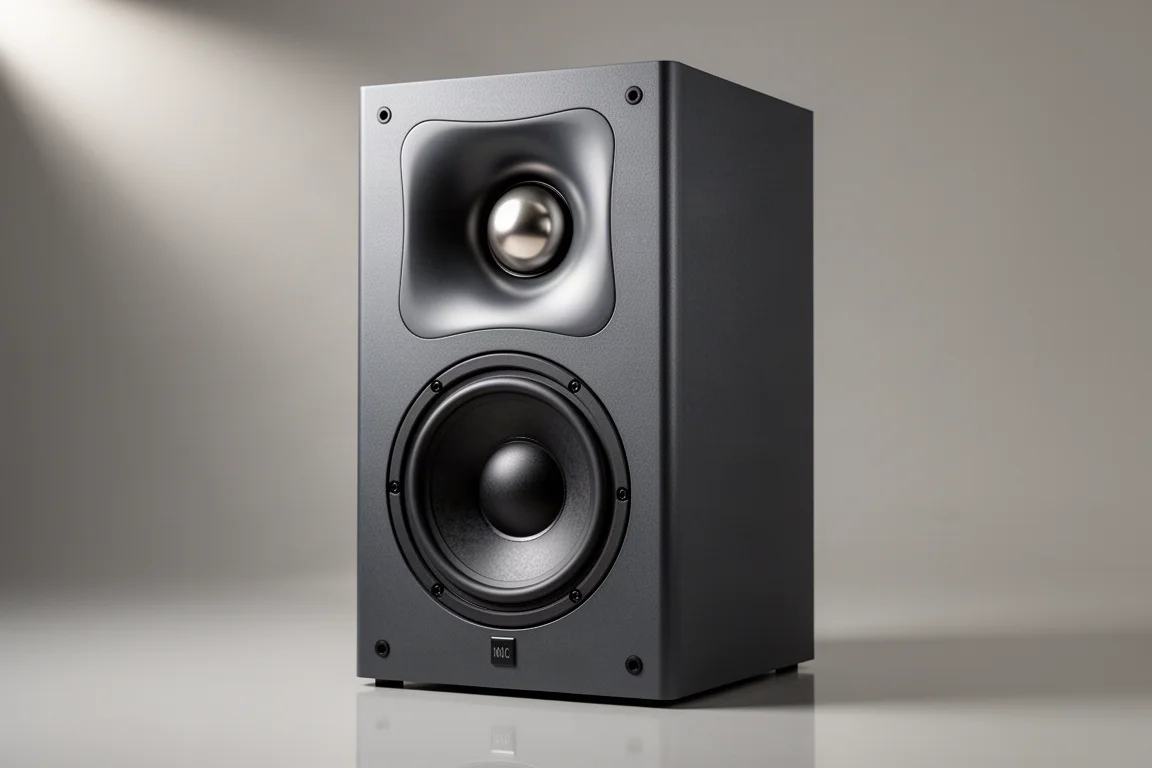
The Model Five is the speaker the Model Seven was developed from, and it is the design that generated the most feedback before KLH moved further up the range. That makes it the natural reference point for anyone weighing the newer model, because the Model Seven adds structural reinforcements and subtle cosmetic refinements on top of what the Model Five established.
For buyers, the Model Five remains a sound choice for listeners who want a passive speaker and are happy to supply their own amplification. You are not buying a compromise here. You are buying the design that the flagship of this pair was built to improve on.
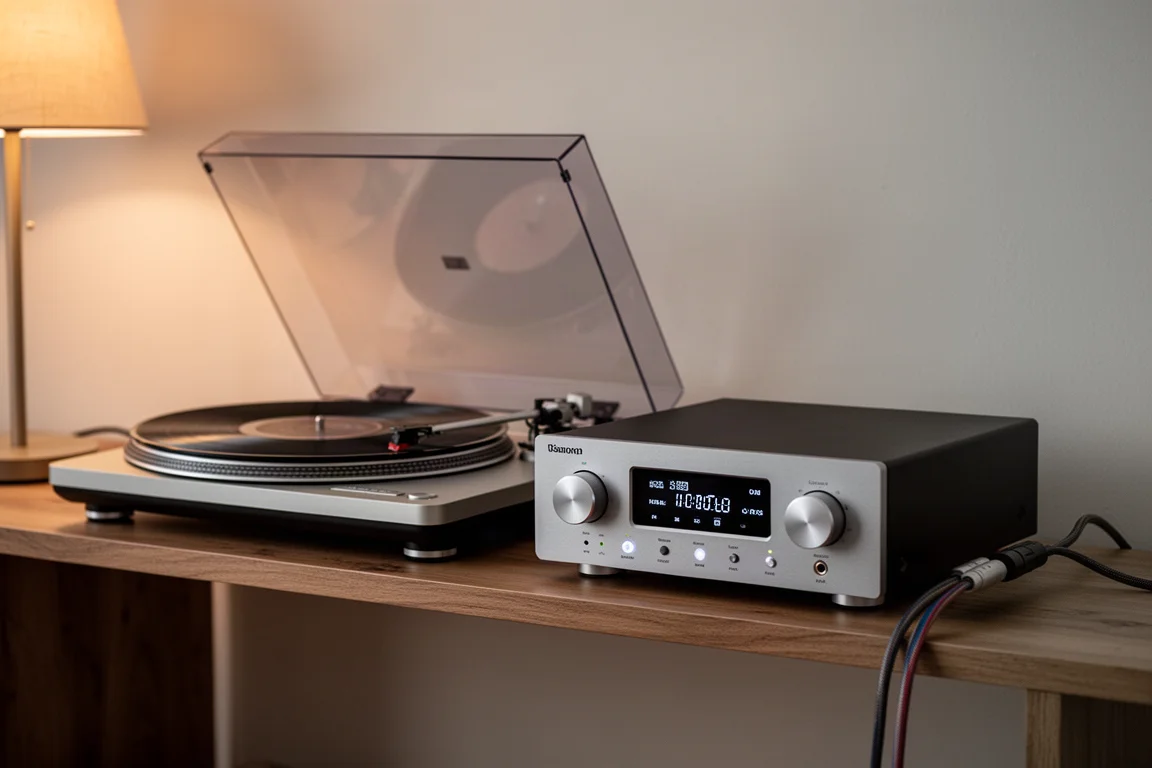
One practical advantage of the shared design language is flexibility. Because the Model Seven uses the same finishes and veneer options as the Model Five, planning a system around the family, or adding to one later, is easier than it would be with two unrelated speakers.
KLH Model Five
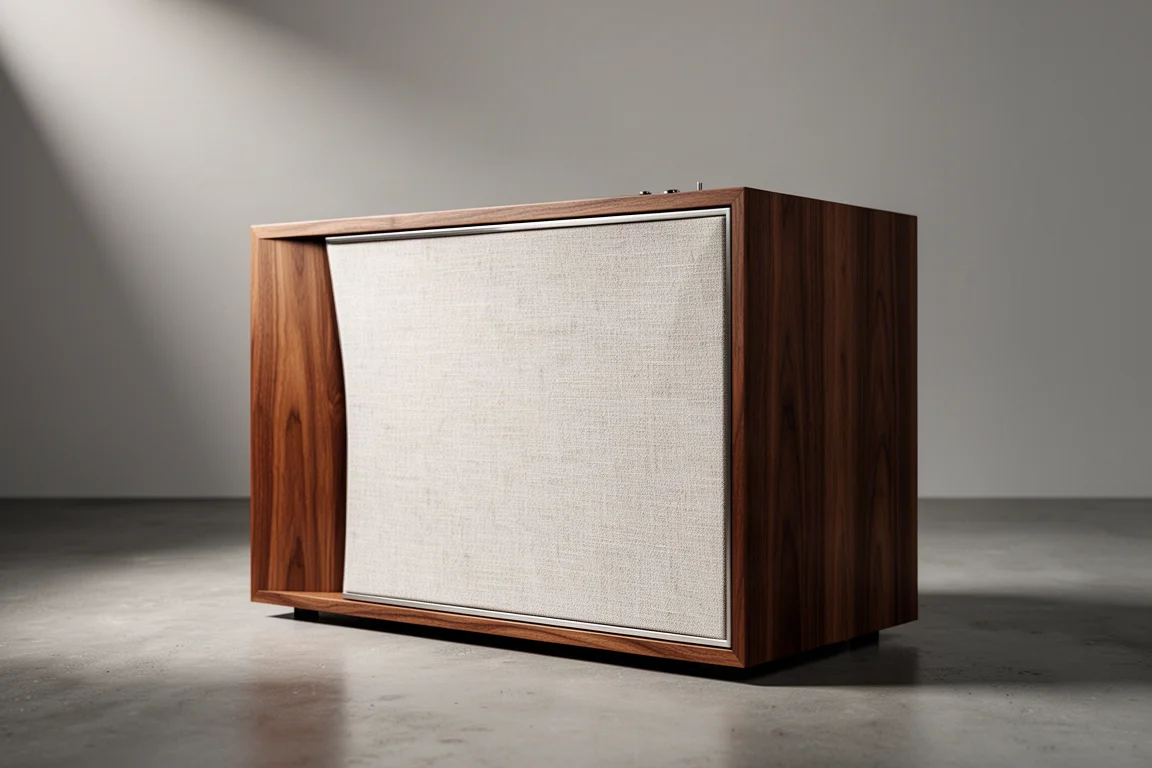
The Model Five is the speaker the Model Seven was developed from, and it is the design that generated the most feedback before KLH moved further up the range. That makes it the natural reference point for anyone weighing the newer model, because the Model Seven adds structural reinforcements and subtle cosmetic refinements on top of what the Model Five established.
For buyers, the Model Five remains a sound choice for listeners who want a passive speaker and are happy to supply their own amplification. You are not buying a compromise here. You are buying the design that the larger model in this pair was built to improve on.
KLH Model Seven
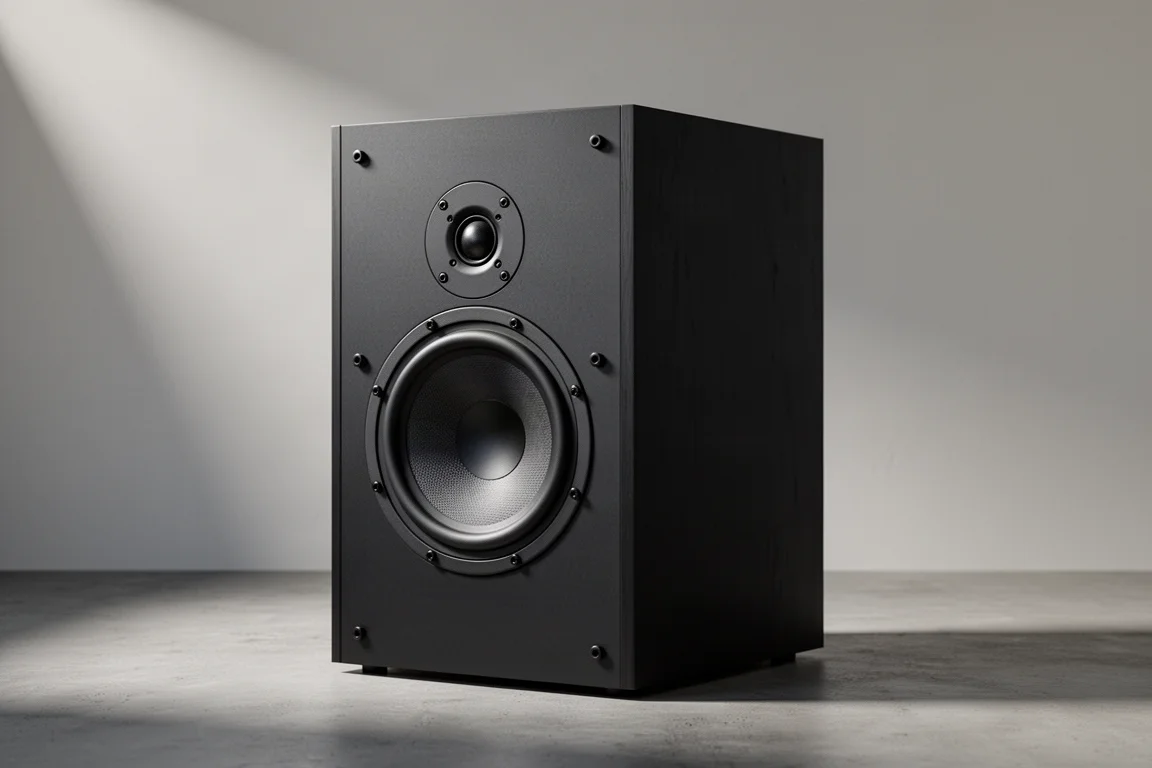
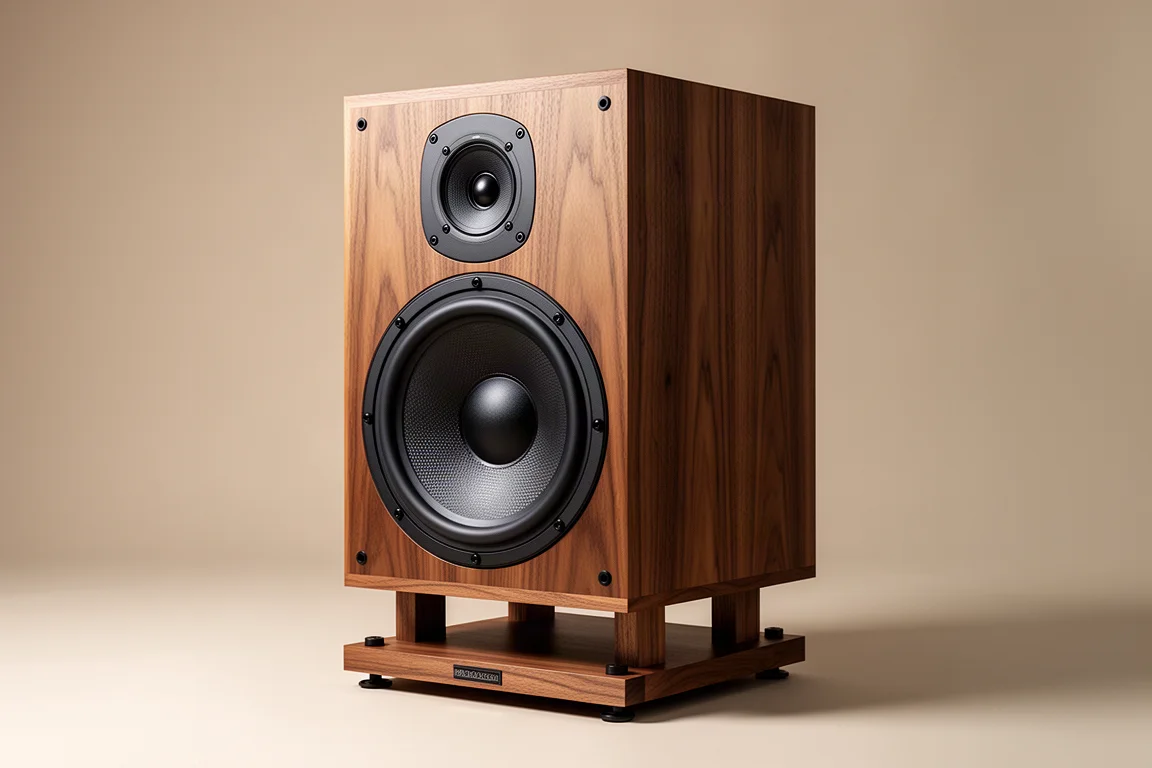
The Model Seven is the most technically detailed speaker in this group. It uses an acoustic suspension design, which means a sealed cabinet rather than a ported one. Inside, KLH specifies a 13-inch woofer, a 5-inch mid-range, and a 1-inch tweeter, with an aluminum tweeter and a paper mid-range cone.
The cabinet is built around a one-inch motor board and a structurally reinforced enclosure, and KLH describes the Model Seven as a step above the Model Five in construction, with additional reinforcements added throughout the design. The two speakers in a pair also carry a left and right designation. A heavy-duty stand set ships with the speaker, which removes one accessory decision from the purchase, and the finish options match the Model Five.
This is a speaker for listeners who specifically want a sealed design and a large woofer, and who have both the floor space and the amplification to support it. If either of those is in short supply, the Model Five or a powered Klipsch model will be the easier fit.
Buying Advice
Decide on powered or passive first, then work out how much cabinet your room can take. If you want the shortest path to music with the fewest components, Klipsch’s powered models are the logical place to start, with the app handling the control side and internal amplification handling everything else. Within that group, the choice comes down to how much speaker you want in the room.
If you already own an amplifier you trust, the KLH pair deserves a serious look. The Model Five is the established design, while the Model Seven adds the sealed acoustic suspension cabinet, the larger woofer, the reinforced construction, and the stands in the box.
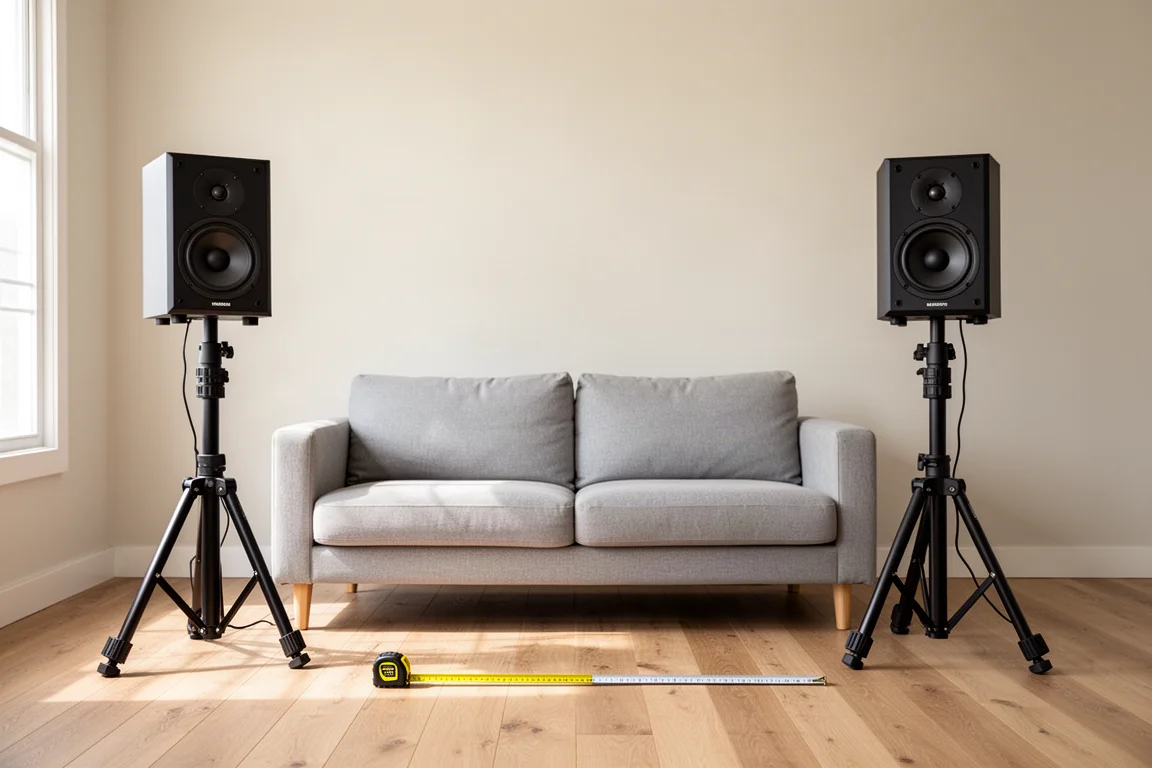
Two final checks before you commit. First, listen to a sealed design and a powered design in the same room if you possibly can, because the Model Seven’s acoustic suspension approach is a genuinely different proposition from the Klipsch models, and the difference is easier to judge in person than on paper. Second, measure your space. A speaker that ships with its own heavy-duty stands is telling you something about the footprint it expects.
Conclusion
Five speakers, two philosophies. The Klipsch Fives, Sevens, and Nines keep things simple with internal amplification and app control, and the differences between them come down to how much speaker you want in the room. The KLH Model Five and Model Seven ask a little more of the buyer, with external amplification, a sealed cabinet in the Model Seven, and stands included in the box. Match the approach to the way you actually listen, and either path leads to a system you will keep for years.
Further reading
Related Reviews
Home Audio
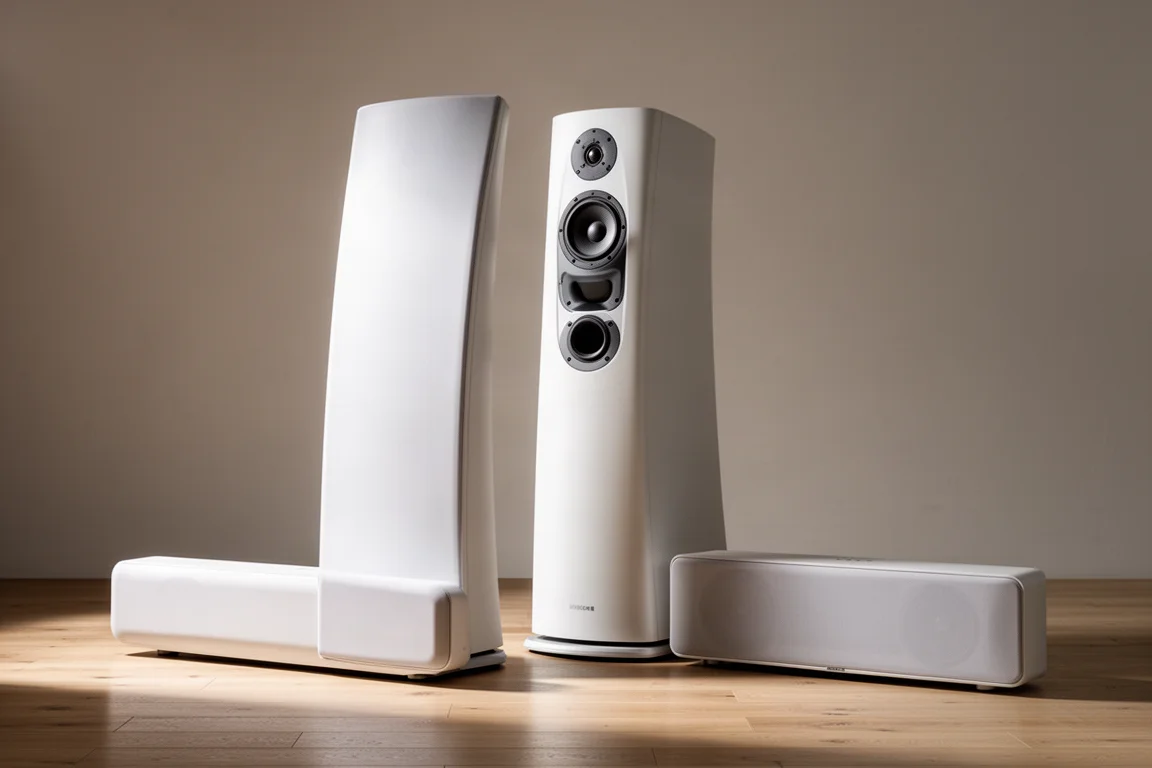
Aperion Novus Tower and Center Review: Punchy Home Theater Sound With Real Refinement
A close look at the Aperion Novus tower and center speakers, from their layered paint finish and punchy bass to the 4-ohm load and what the price actually buys.
Home Audio
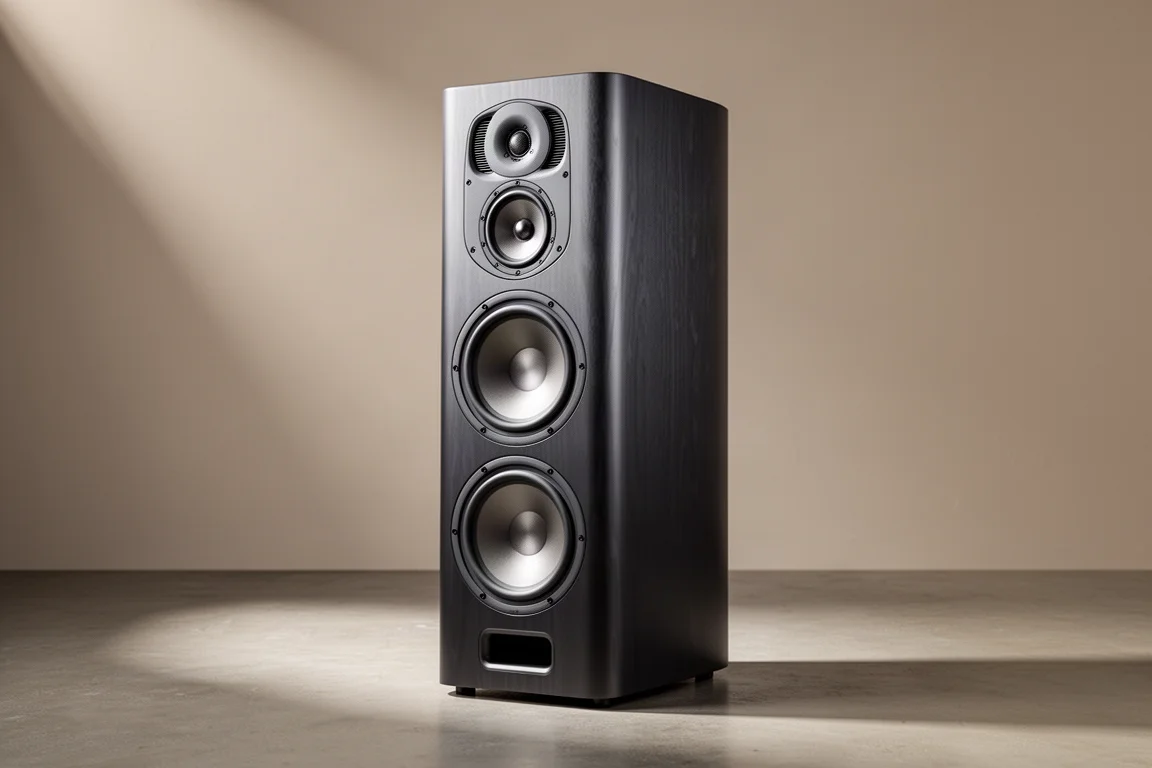
Arendal 1610 Tower Review: Flagship Dynamics in a Room-Friendly Tower
A compact floorstanding tower with three 8-inch aluminium woofers, a 5-inch carbon midrange, and the kind of bass heft usually reserved for much larger speakers.
Home Audio
Arendal 1723 S THX Review: A Reference Speaker Built Like a Tank
A practical look at the Arendal 1723 S THX, a sealed, THX-certified speaker with exceptional build quality, a very flat top end, and a midrange that responds beautifully to EQ.