Integrated Amplifiers
Kinki Studio Dazzle Review: A Purist Integrated Amplifier With Serious Power
A close look at the Kinki Studio Dazzle, a 300 W per channel integrated amplifier with a dual-mono power supply, a line-level only signal path, and a £7,000 price tag.
Introduction
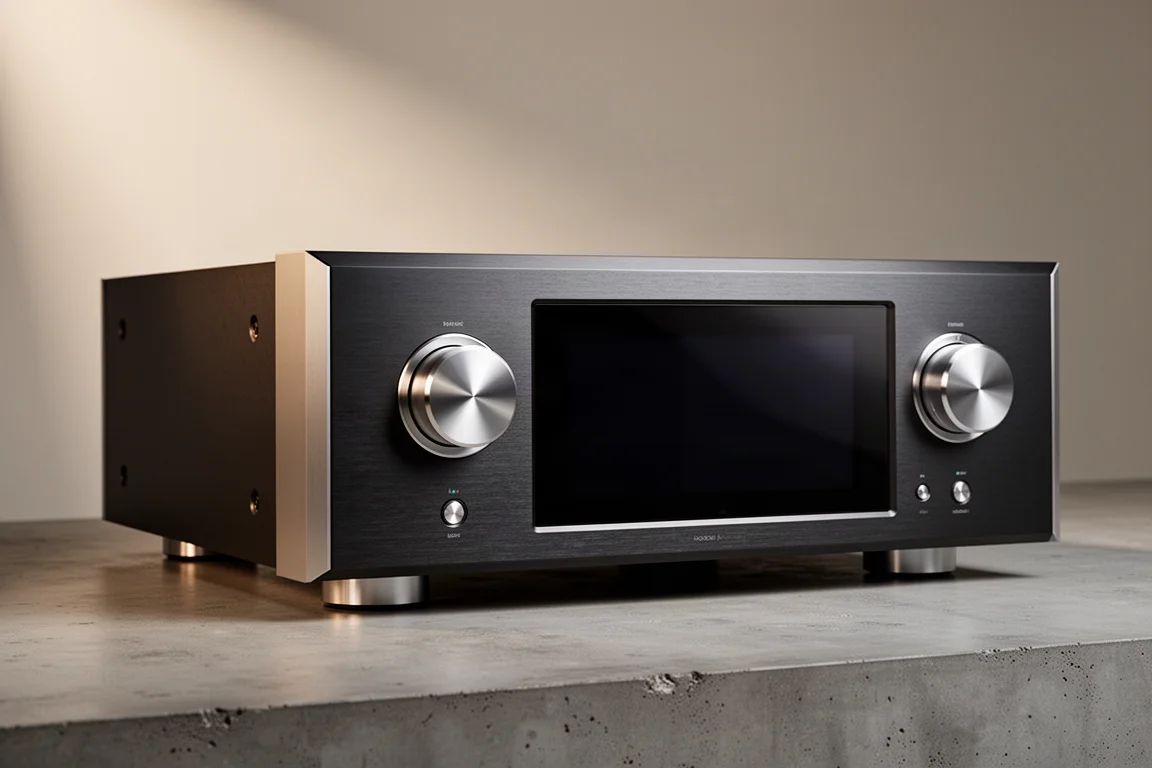
The Kinki Studio Dazzle sits at the top of the brand’s integrated amplifier range, and it arrives with a clear philosophy: remove everything that is not needed for amplification, then spend the money on the parts that carry the signal. There is no phono stage and no DAC here. What you get instead is a 33 kg chassis, two large transformers in their own compartment, and a rated 300 watts per channel into 8 ohms, nearly doubling to 560 watts into 4 ohms.
At £7,000 in the UK and $8,500 in the US, it competes in the upper tier of integrated amplifiers, the territory where flagship models from long-established brands tend to gather. This article looks at what the Dazzle does well, what its design asks of a buyer, and who should shortlist it.
Who This Amplifier Is For
This is a component for listeners who have already settled their sources and speakers and want the amplifier to be the final piece of the puzzle. Because the Dazzle has no digital inputs and no phono stage, a separate DAC is required, and vinyl playback needs a separate phono preamp. In exchange, the signal path stays short and the internal layout can be organised entirely around amplification.
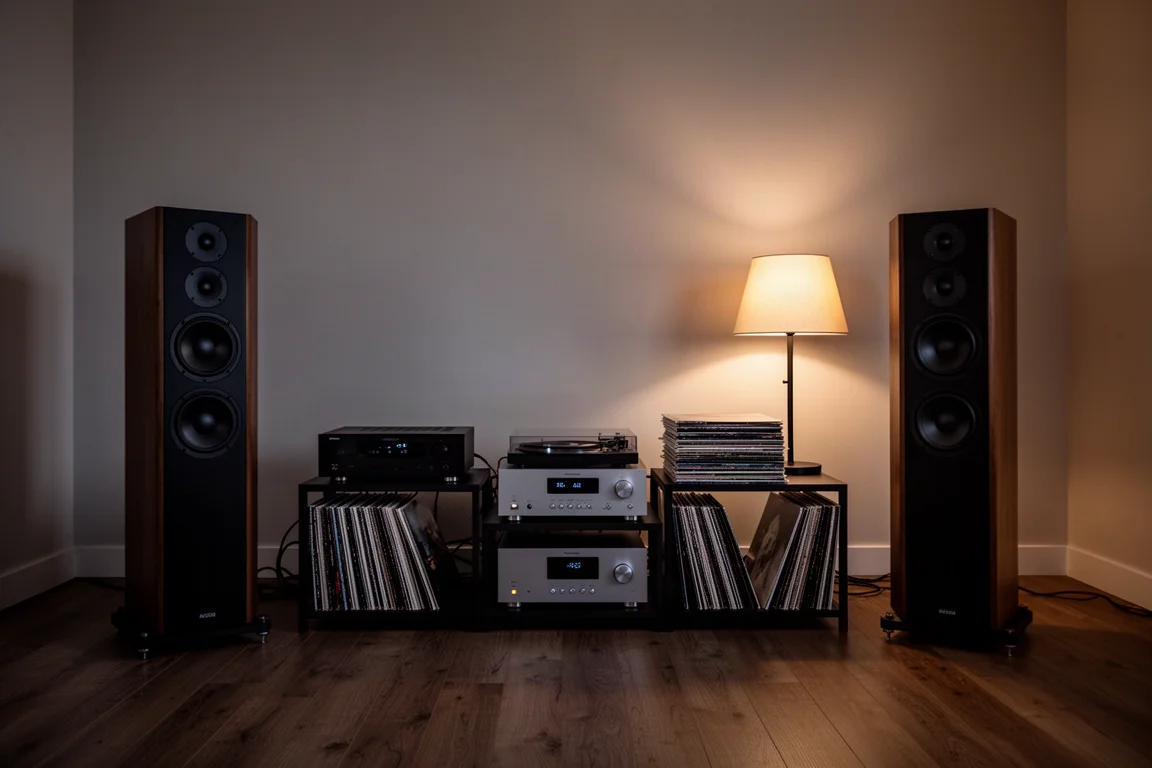
It also suits owners of demanding loudspeakers. High current delivery and low-frequency grip are the two qualities the Dazzle leans on hardest, and speakers that need firm control in the bass are where those qualities show up most clearly. The amplifier also rewards better partnering equipment: as sources and speakers improve, the Dazzle reveals more of what they are capable of.
Main Strengths
Build Quality and Resonance Control
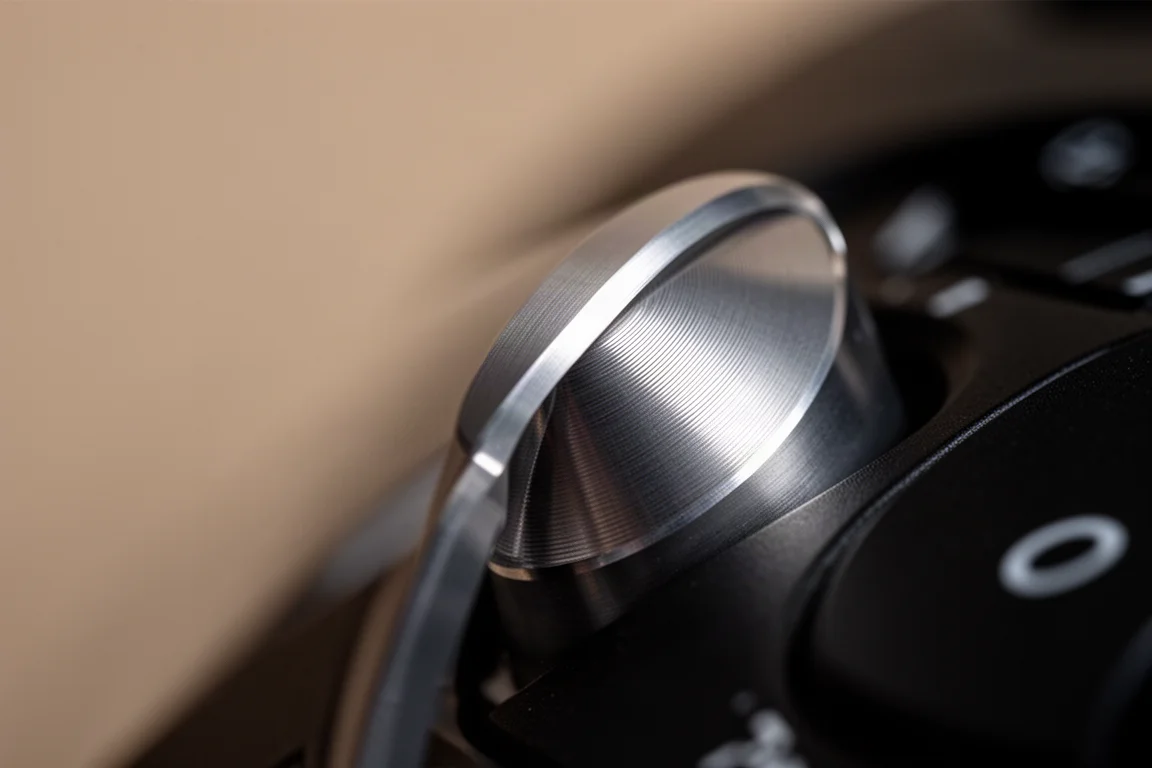
The chassis is built around a floating resonance control structure, with the base isolated from the main body so that vibrations drain through the spiked feet rather than feeding back into the electronics. Fit and finish are of a high standard, and the two CNC machined aluminium dials, one for input selection and one for volume, have a weight and smoothness that make them genuinely pleasant to use. Power, standby, and mute sit on the top panel, keeping the front fascia clean around the large OLED display.
Inside, the layout is unusually deliberate for this price. Two 800 VA transformers, capable of drawing a maximum of 1,600 W of input power, are isolated in their own compartment. Eight branded 6,800 microfarad electrolytic capacitors handle reservoir duties, and each of the larger capacitors is bypassed by a Vishay MKP series 10 microfarad metallized polypropylene film capacitor chosen for low equivalent series resistance and fast discharge. Eight independent power supplies feed the control, display, protection, preamp, and power amp stages separately. The PCB tracks are gold-plated to a 3 micron thickness rather than the roughly 0.2 microns that is standard in the industry, which reduces contact impedance and slows the effects of oxidation.
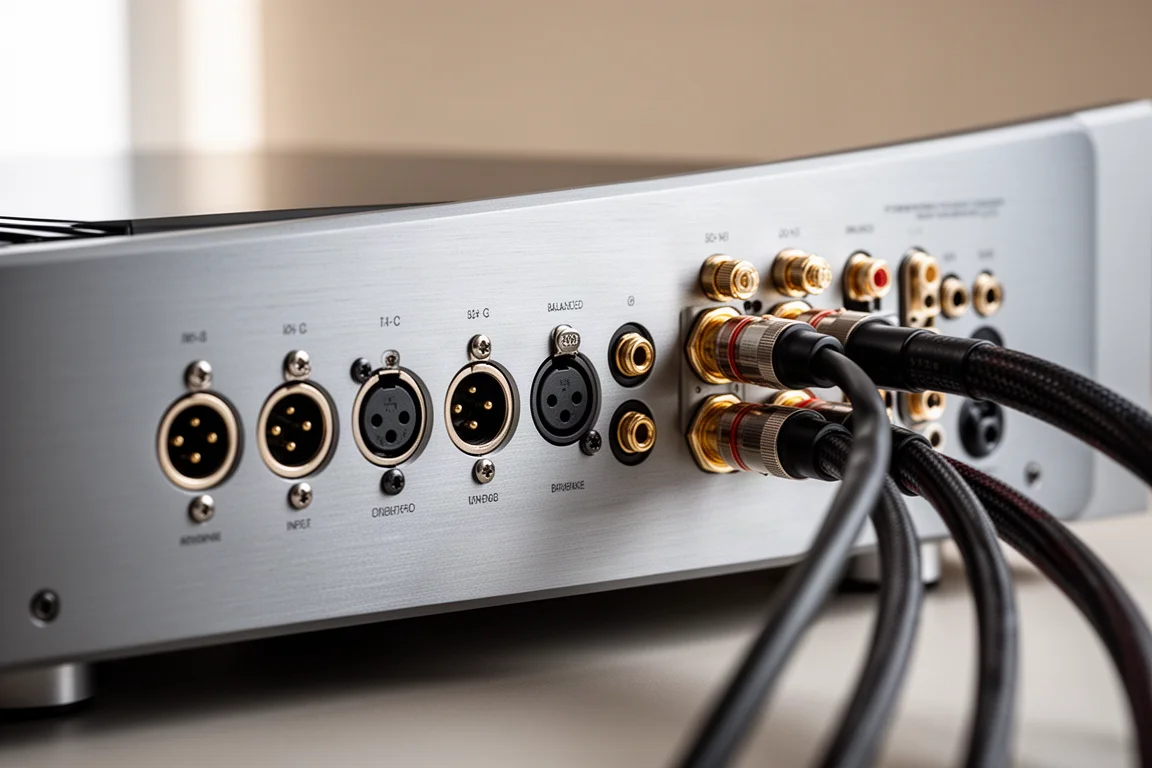
The connector set is equally specific. The IEC inlet, six internal fuses, and speaker binding posts come from Shunzi, are cryogenically treated at minus 196 degrees Celsius for 120 hours, and the terminals use oxygen-free copper rather than brass, finished with a three-stage plating process of silver, then palladium, then gold.
Power and Control
Kinki Studio rates the Dazzle at 300 watts per channel with both channels driven into 8 ohms, rising to 560 watts into 4 ohms. The output stage uses 24 Exicon MOSFETs, with current flowing laterally through the devices to lower gate capacitance and improve speed. The driving stage uses the company’s SSCLD topology, a super symmetry current linear drive design, rather than off-the-shelf op-amps or push-pull drivers, and it provides the voltage swing needed to control the gates of the output transistors.
The published figures are a total harmonic distortion plus noise figure of 0.0054 percent and a signal-to-noise ratio of 115 decibels. In use, the amplifier holds its composure at any volume that would be sensible in a domestic room, showing no sign of compression on material with quick percussive transients. Volume control is handled by a resistor ladder attenuator driven by a Muses 72320 analog IC, which should give better channel matching and linearity across the range than a conventional potentiometer.
Tonal Balance and Sound Stage
Sound is where the design work has to prove itself, and here the Dazzle offers a well-judged tonal balance with a touch of warmth in the midrange that gives notes body without blurring them. Detail retrieval is high, and the amplifier places performers within the sound stage in a tangible way, with precise stereo imaging and a three-dimensional sense of space. Bass control is exemplary, and the amplifier preserves the subtlest timing information.
The preamp section is deliberately minimal, located upright on the back panel close to the input and output terminals, and uses an active servo topology that eliminates DC offset and the need for capacitors in the signal path. That approach is aimed at reducing phase shift and signal loss. Between stages, the internal cabling is Exact Express Flame series.
Things to Consider Before Buying
The Dazzle is a purist amplifier, and that cuts both ways. There is no phono stage and no DAC, so the total system cost has to include the source components you actually need. Three single-ended RCA inputs and two XLR balanced inputs, plus pre-outs, is a modest input count by modern standards.
Some functions are reachable only from the remote control. Display dimming and the bypass mode, which disables the internal volume and preamplifier so the Dazzle can run as a power amplifier, cannot be engaged from the front panel. Buyers who prefer physical controls may find that frustrating.
The amplifier ships with spiked feet but no protective pucks in the accessory box, so if you want to protect a wooden floor or a shelf, you will need to source your own isolation feet or coasters. Availability is also restricted: the Dazzle is sold through selected dealer partners in key markets or directly from the global distributor, Vinshine Audio, so buyers in some regions will need to plan around that.
Buying Advice
At £7,000 in the UK and $8,500 in the US, the Dazzle sits below the flagship integrated amplifiers it is clearly designed to challenge, some of which sell for £11,000 or more. Judged on construction, power supply architecture, output device count, and power capability, it is closer to that upper tier than to its own price point.
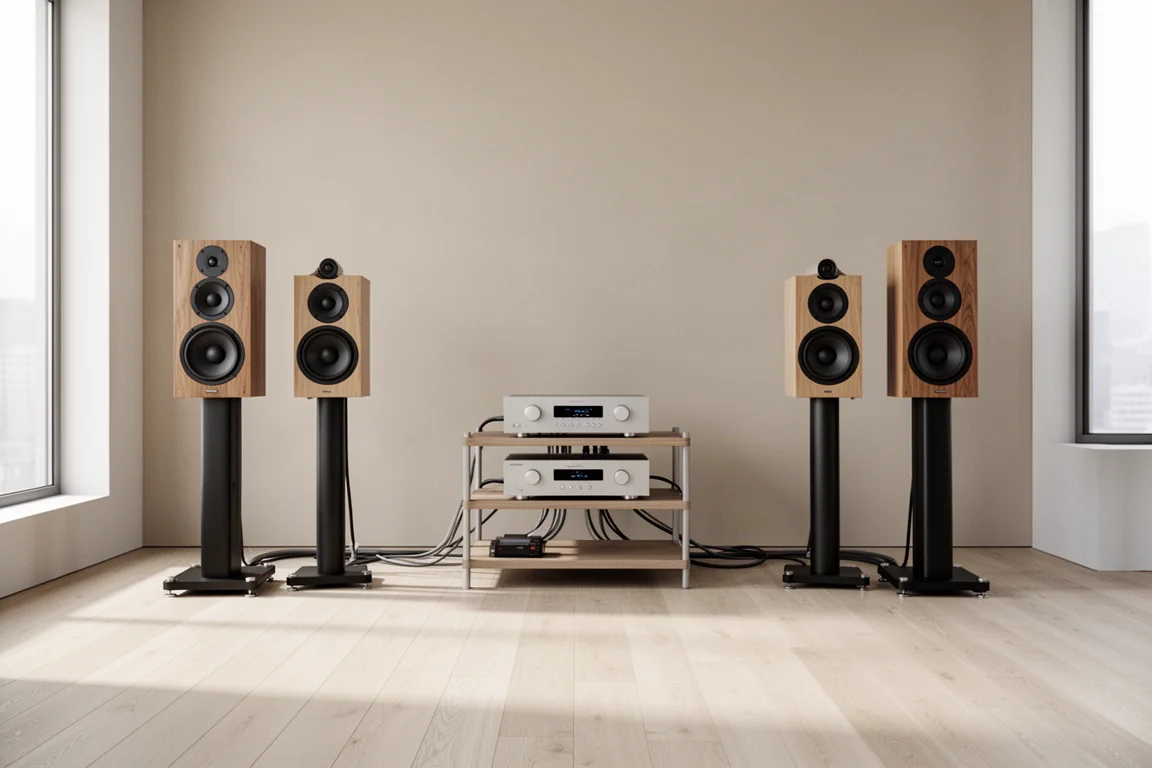
That value only makes sense if the rest of the system is ready for it. Budget for a capable DAC and, if you play records, a phono stage, and be realistic about whether your speakers benefit from high current delivery. If they do, the Dazzle deserves a careful audition. If your system is still being assembled, an amplifier with a built-in DAC may be the more sensible starting point.
Conclusion
The Kinki Studio Dazzle throws everything at the job of being an amplifier. The resonance-controlled chassis, the isolated transformers, the exotic connector materials, and the 24-device output stage add up to a design with real engineering behind it, and the published measurements are strong. What matters more is that the result translates into sound: detailed, natural through the midrange, superbly controlled in the bass, and stable at any reasonable volume. For anyone shopping in the region of £7,000 to £10,000 who can accept a line-level only input set and limited availability, it is well worth putting on the audition list.
Product link
View more details for Kinki Studio Dazzle
This product is mentioned in the review. Check the specifications, options, and compatibility before buying.
View more details for Kinki Studio DazzleFurther reading
Related Reviews
Integrated Amplifiers
Advance Paris A10 Classic Review: Vintage Looks and a Lively, Punchy Sound
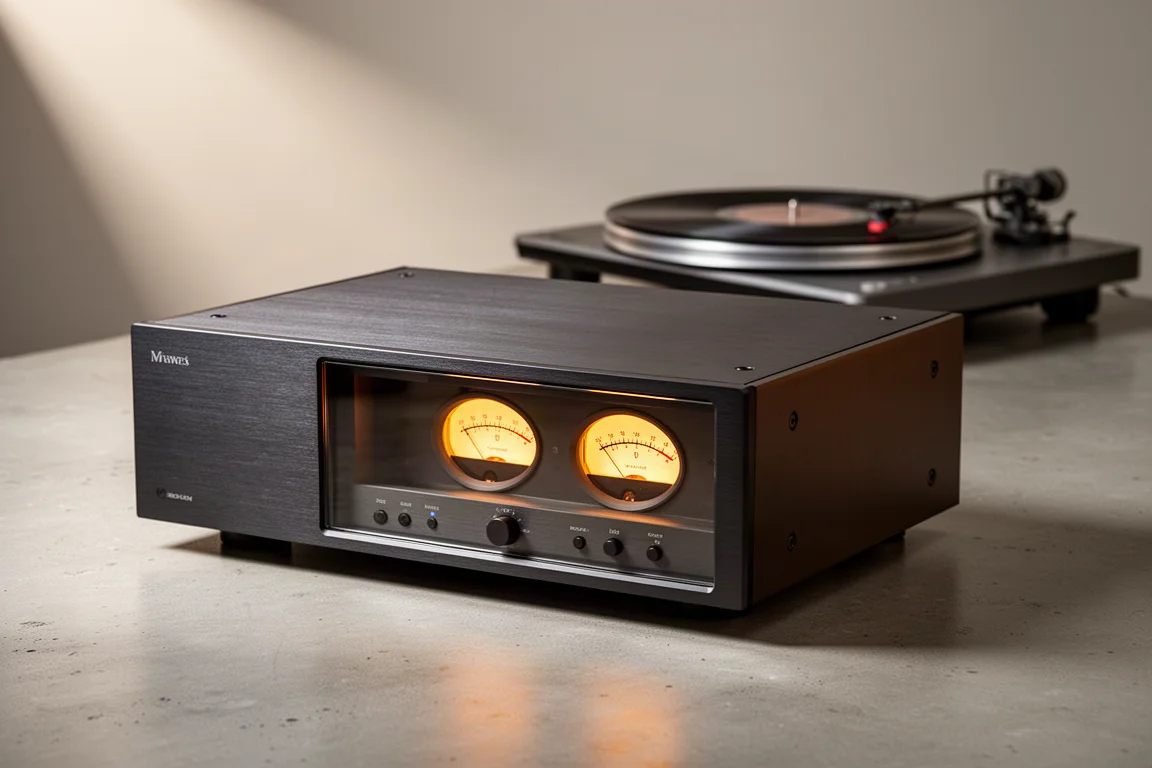
The Advance Paris A10 Classic pairs glowing blue VU meters and a tube stage with one of the widest input sets on any integrated amplifier. Here is what it does well and what to weigh before spending $2,500.
Integrated Amplifiers
Advance Paris A12 Apex Review: A Modern Integrated Amplifier With Vintage Character
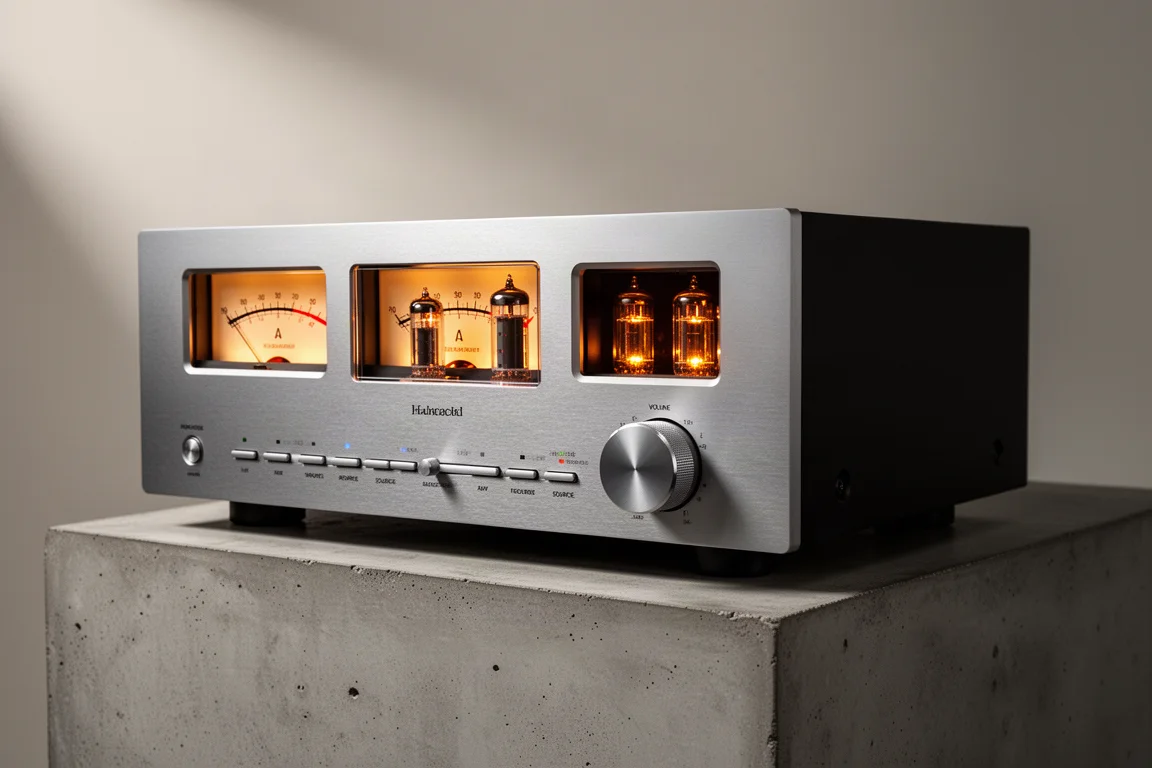
A dual mono integrated amplifier with 180 watts per channel, a tube front end, VU meters, and a connectivity list that covers turntables, televisions, computers, and headphones.
Integrated Amplifiers
Advance Paris Nova Range Review: AI130, AI190 and Modular Upgrades
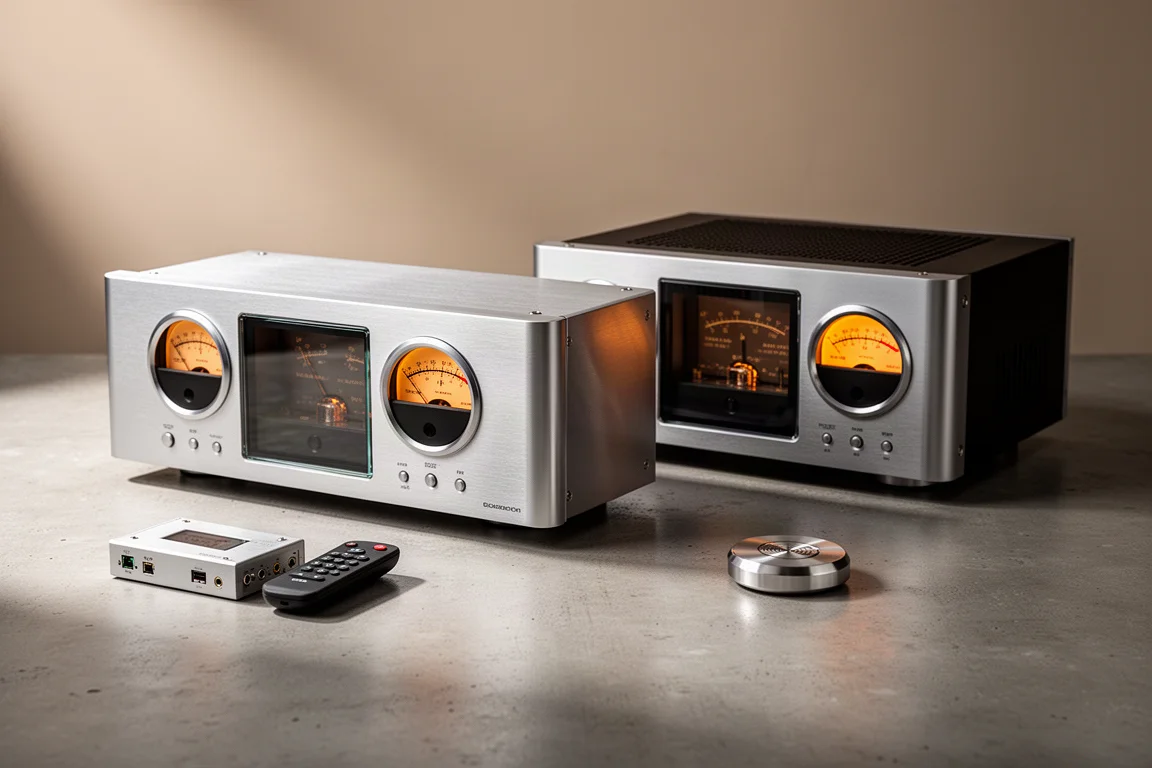
A practical look at the Advance Paris Nova range, including the AI130 and AI190 integrated amplifiers and the modular streaming, Bluetooth and remote accessories that expand them.