Birding & Wildlife
Kingsyard Backyard Bird Feeding Setup: Four Products Tested Together
A wooden hopper feeder, a dual suet feeder, tube finch feeders, and feeding station hook posts put to work in a real backyard bird oasis.
Introduction
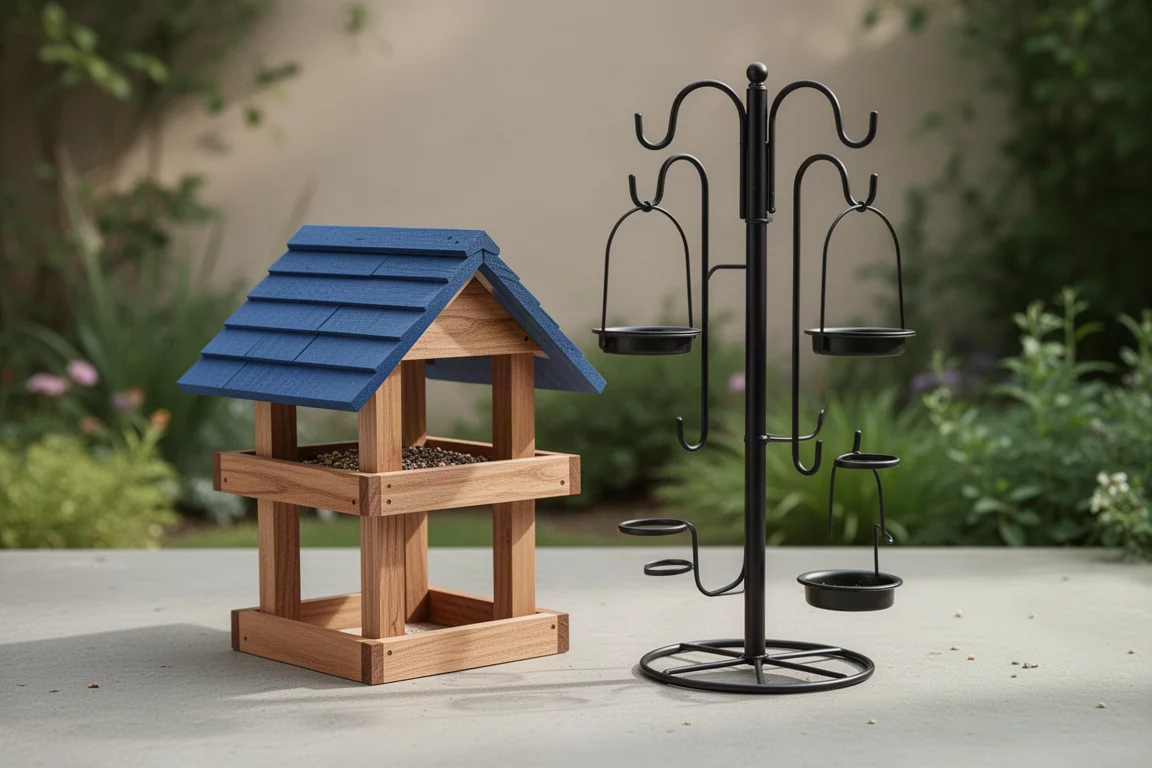
Turning a backyard into a proper bird oasis takes more than one feeder, so a coordinated set of products that work together is genuinely useful. This roundup covers four items that were tested together as a complete feeding station: a wooden hopper feeder, a dual suet feeder, a pair of tube finch feeders, and the metal hook posts that hold everything up. The results were mixed in an interesting way: two items earned a clear recommendation, one was a pleasant surprise, and one got pulled from the setup entirely for safety reasons.
Kingsyard Wooden Hopper Feeder with Blue Roof
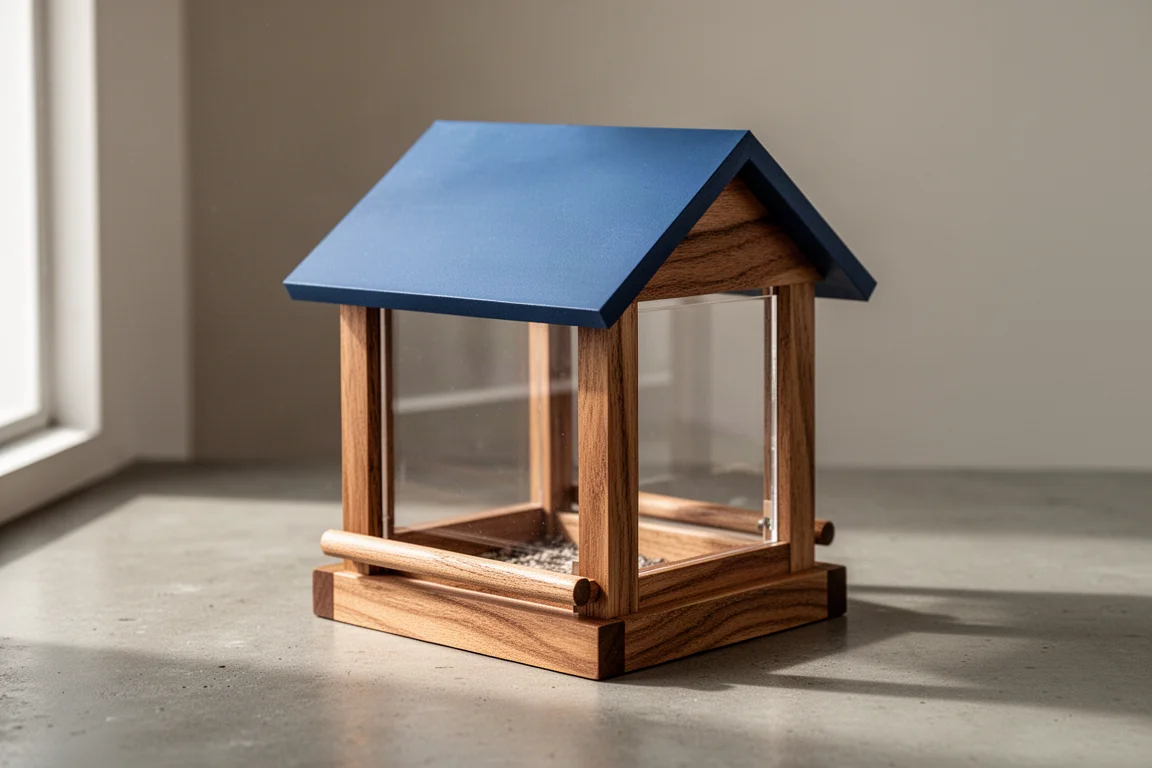
The wooden hopper feeder is the star of the set. It has a cottage-style design with a pitched roof, and the clear side panels lift open to fill it with seed, which makes the whole process feel simple. One panel arrived with a light scratch, but that is cosmetic rather than functional since it is not a viewing surface.
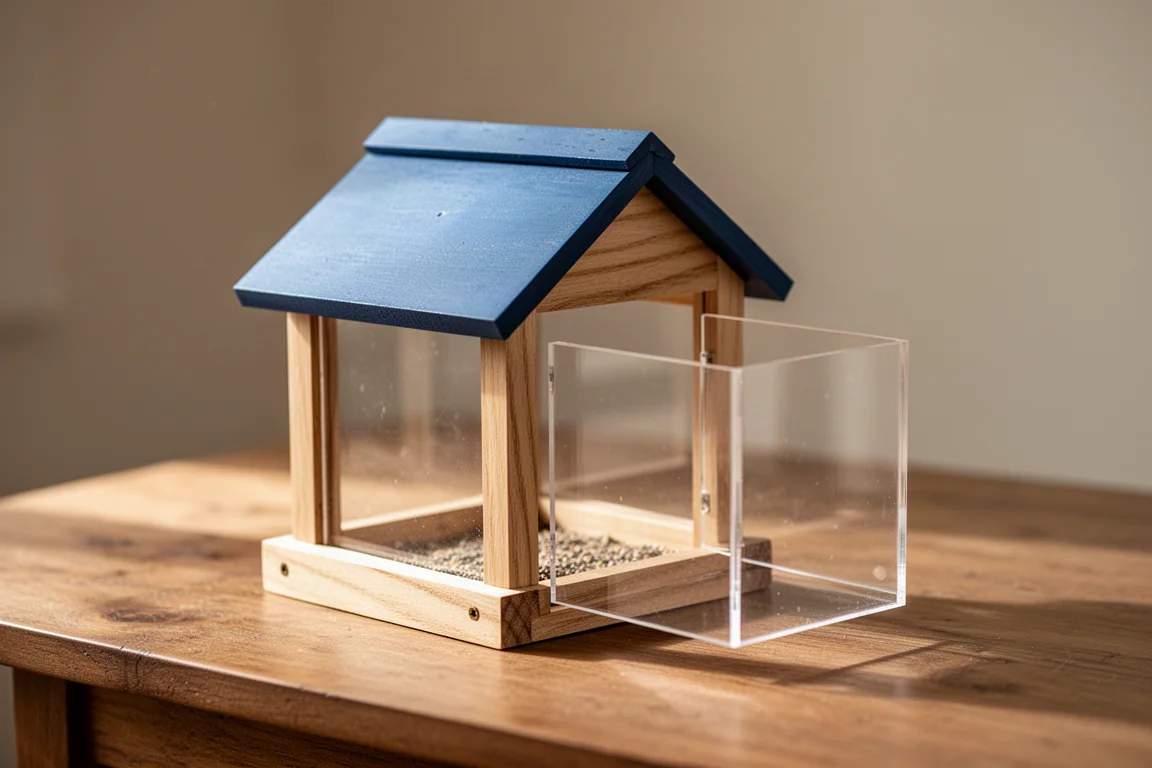
After several days outside and some rain, the feeder attracted cardinals, chickadees, house sparrows, and what looked like house finches. The main drawback: the paint on the roof started to crack after the rain. The overall construction still feels well built, and the feeder looks charming on a feeding station, but the finish durability is worth watching.
Kingsyard Feeding Station Hook Posts
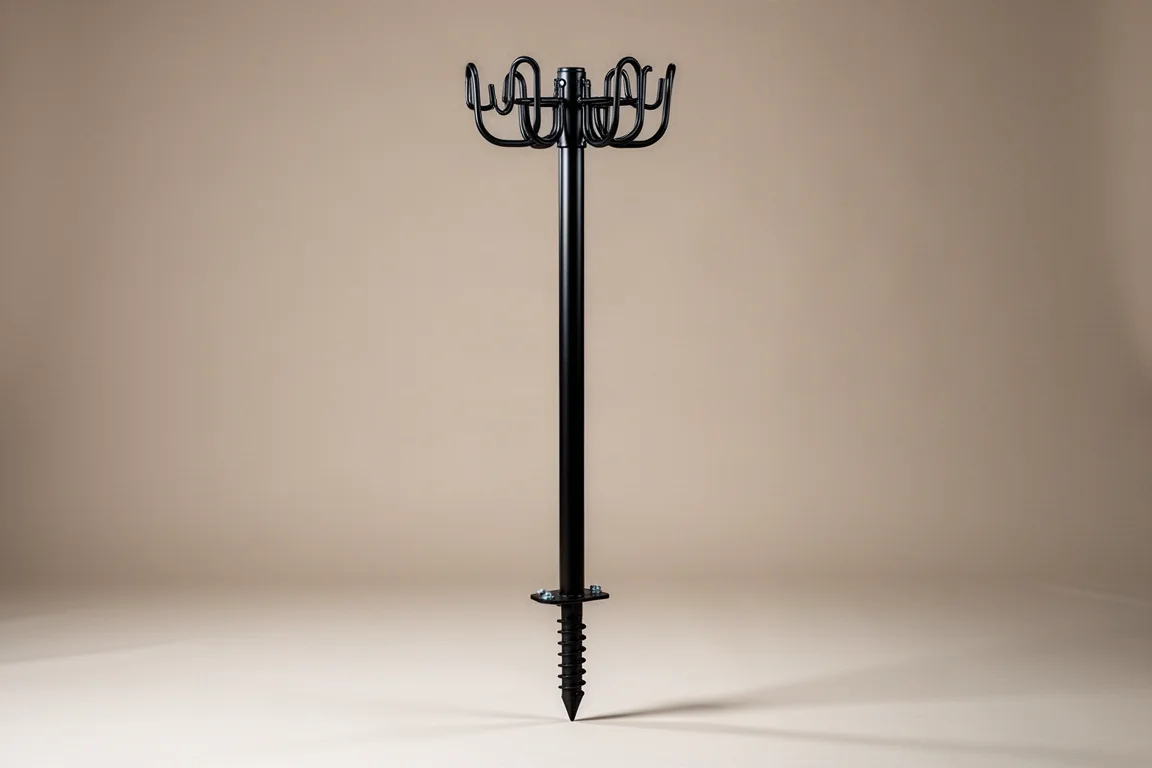
The hook posts come in pieces, which makes sense for shipping, and the assembly is straightforward: parts twist together, and a small collar tightens the joints so nothing spins loose once set up. The metal feels solid, and at a little over five foot nine in reference height, the finished post stands slightly taller, with optional extension sections available if you want extra height.
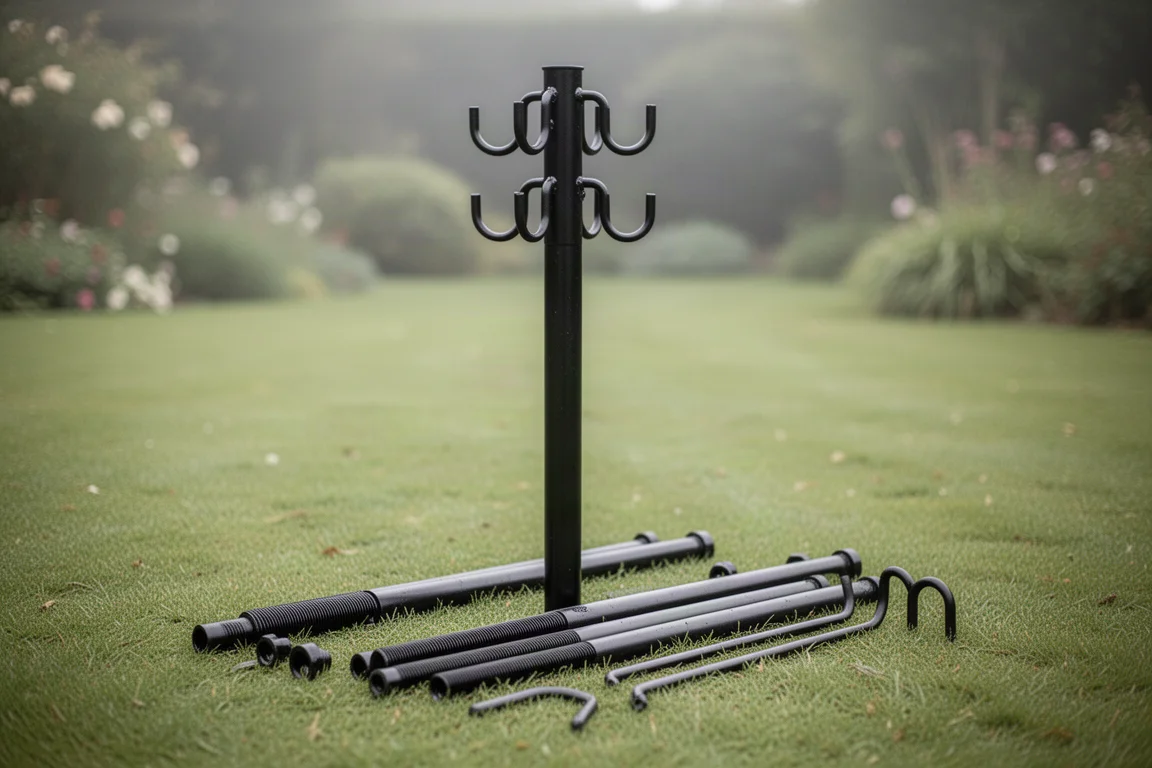
Two posts were installed side by side, one with an extra extension so they sit at slightly different heights. A rubber mallet helped drive the ground stakes in firmly, and the result is a stable setup that held four feeders without any wobble. Of everything in this haul, these posts worked the best.
Kingsyard Tube Finch Feeders
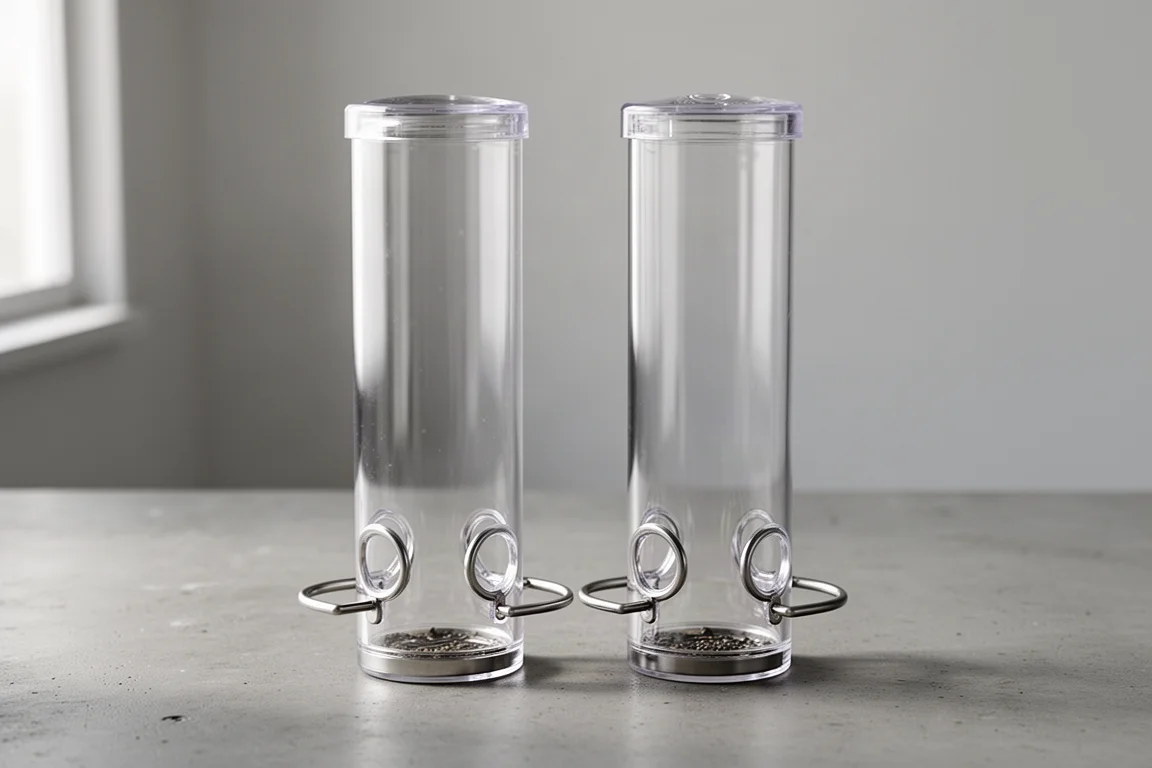
These tube feeders are designed with finches in mind, especially goldfinches, and they are lightweight with a mix of plastic and metal components. On paper, that is exactly what a finch-focused setup calls for.
The problem is what was found on close inspection: the plastic carries a BPA warning, and at the feeding ports, some of the attachment screws are exposed with sharp points sticking into the interior where birds could come into contact with them. Because of both issues, these feeders were left out of the setup entirely and replaced with an existing finch feeder instead. If bird safety is a priority, this is a hard pass.
Kingsyard Dual Suet Feeder
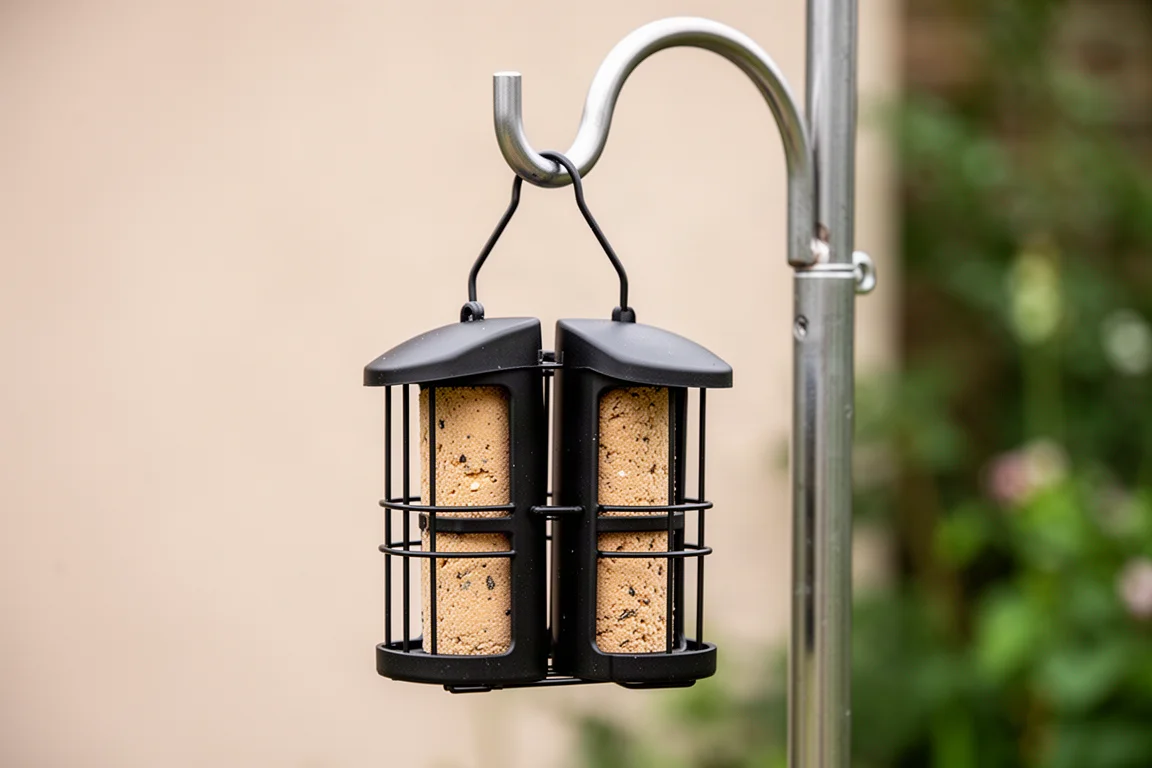
The dual suet feeder was already a favorite before this test, and it earned its place on the new feeding station. It holds two suet cakes at once, doubling the feeding capacity without taking up extra space, and it hangs cleanly from the hook posts.
How the Setup Performed Outdoors
With the hooks installed and the hopper feeder filled, a camera mounted on one of the posts captured steady bird activity. The species list included cardinals, chickadees, house sparrows, and house finches, which is a solid result for a fresh setup.
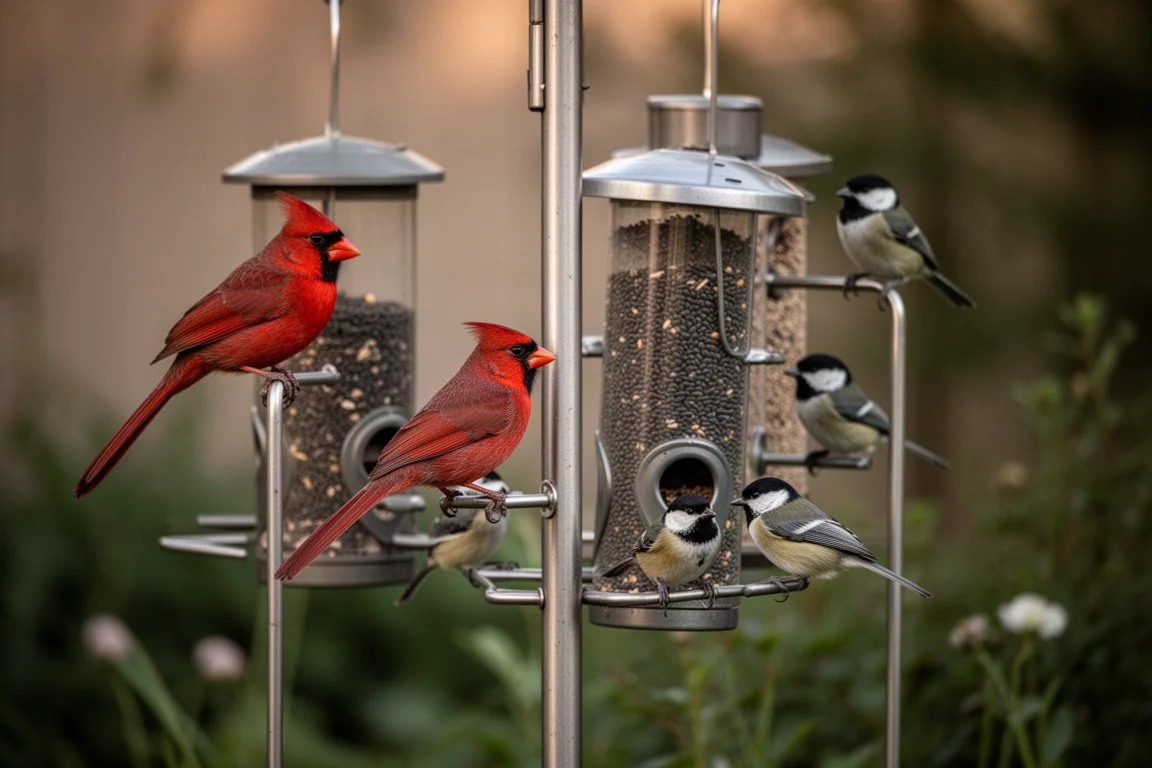
The final arrangement combined the wooden hopper feeder, the dual suet feeder, and a separate finch feeder for a four-feeder station with a nice blue theme running through it. The overall verdict on the set: two out of three product types were genuinely enjoyable, with the hook posts and wooden feeder as the highlights and the tube finch feeders as the disappointment.
Overall Buying Advice
If you are building a feeding station from scratch, the hook posts are the foundation worth buying first, since they hold multiple feeders securely and accept extensions for height. The wooden hopper feeder pairs beautifully with them, just keep an eye on the roof paint after heavy rain. The dual suet feeder is an easy add-on if you want more variety for your visitors. Skip the tube finch feeders if bird safety matters to you, and choose a different finch feeder with fully covered screw points instead.
Conclusion
This Kingsyard haul delivered a mostly successful backyard upgrade. The feeding station hooks are sturdy and easy to assemble, the wooden hopper feeder attracted a healthy variety of birds and looks lovely, and the dual suet feeder remains a reliable performer. The tube finch feeders are the one to avoid because of the BPA-containing plastic and exposed screw points. Choose the pieces that fit your yard, and your bird oasis will be off to a strong start.
Further reading
Related Reviews

Backpacking Gear
Building a 10 lb Base Weight: An Ultralight Backpacking Gear List
A practical walkthrough of the ultralight pieces behind a 10 lb base weight, from a 765 g pack and a roomy one-person tent to a full camp chair and a dependable water filter.

Road Bikes
10 New Road Bikes Worth Watching: Aero, Titanium, Steel and Endurance Standouts
A practical roundup of 10 new road bikes, from aero flagships chasing single-watt gains to titanium, steel and endurance platforms built for real roads.
Bikepacking Gear
11 Bikepacking Essentials for Long-Distance Cycling
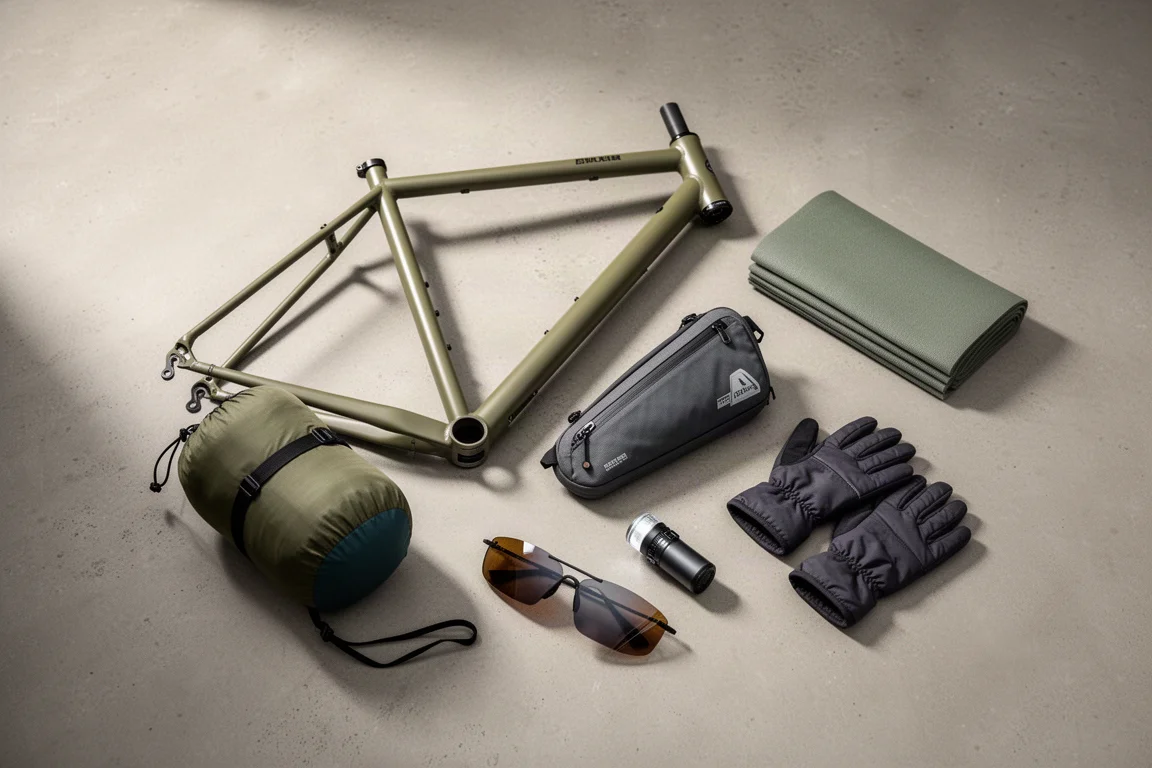
Eleven bikepacking essentials for long-distance cycling, from a steel gravel frame and a two-person tent to helmet lights, packable gloves, and a frame bag that puts weight in the right place.