Sleeping Pads
Kilos Gear AOC Cloud Sleeping Pad Review: A $149 Pad Tested on Snow
A generously sized $149 sleeping pad with a claimed R-value of 5, tested overnight on packed snow in sub-freezing temperatures.
Introduction
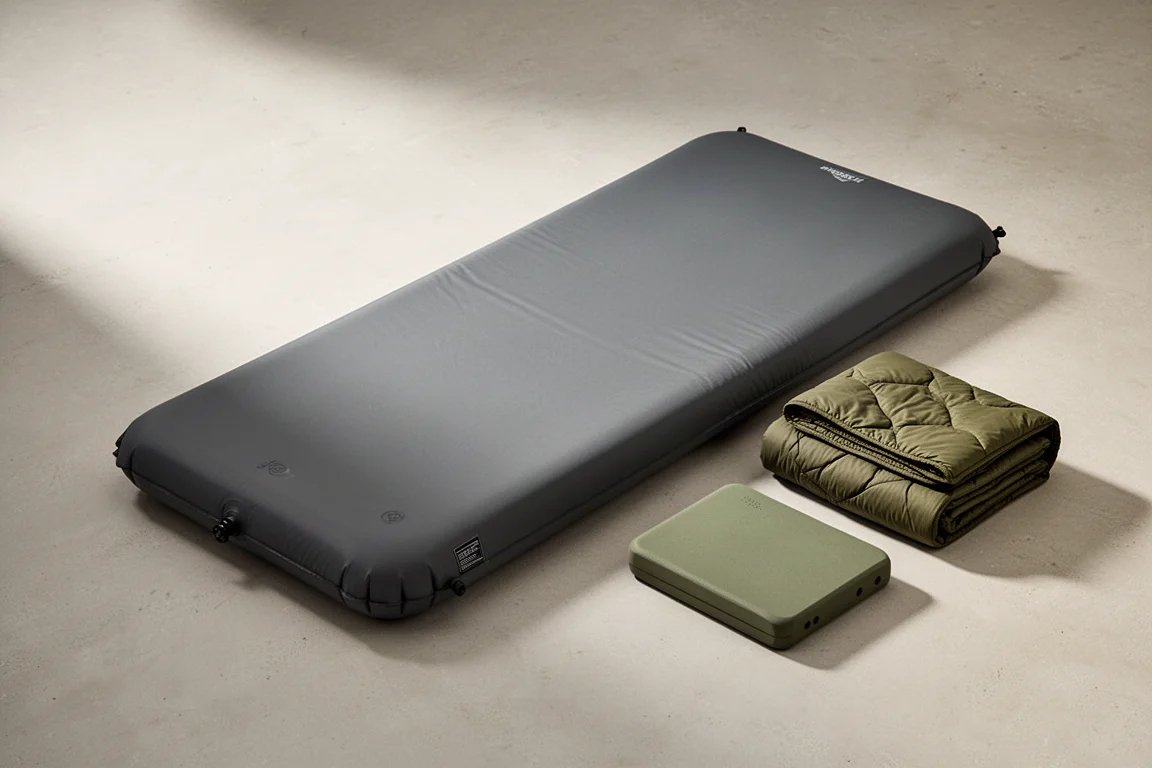
The Kilos Gear AOC Cloud Sleeping Pad arrives at a $149 price point with a claimed R-value of 5, a combination that puts several premium-pad features within reach of a much lower budget. That claim is what makes the pad worth a closer look, because an R-value of 5 usually sits in a bracket where prices climb quickly.
This look at the AOC Cloud focuses on the conditions that test insulation most directly: an overnight winter camping trip with the pad laid straight on packed snow and air temperatures falling into the mid-20s Fahrenheit. The results are encouraging, with a few honest caveats worth knowing before you buy.
Who This Pad Is For
The AOC Cloud measures just shy of 80 inches long and 26 inches wide, which makes it one of the roomier inflatable pads in its class. That length and width suit side sleepers, taller campers, and anyone who dislikes feeling confined by a narrow mat.
The pad makes the most sense for three-season backpacking, car camping, and shoulder-season trips where overnight lows stay around or above freezing. It is also a sensible pick for campers who want a comfortable, generously sized pad without paying flagship prices.
Main Strengths
Comfort is the standout. The pad sleeps well, and the extra surface area gives you room to shift position through the night without sliding off the edge.
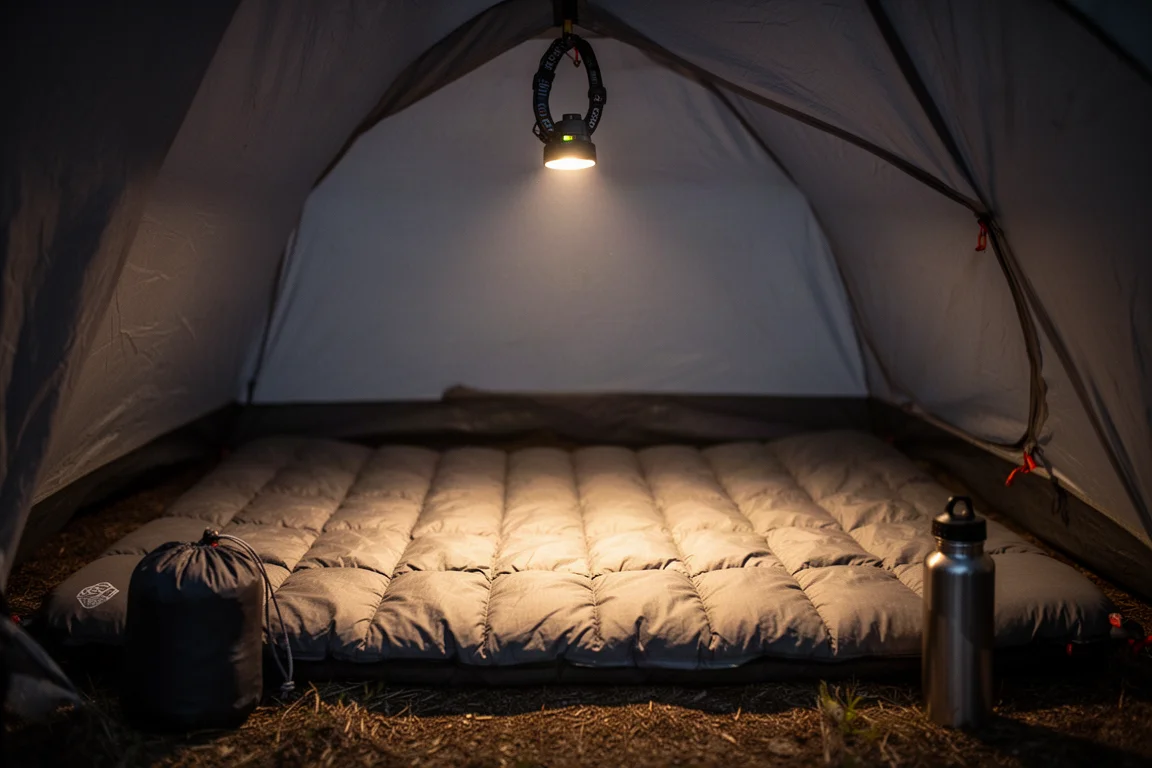
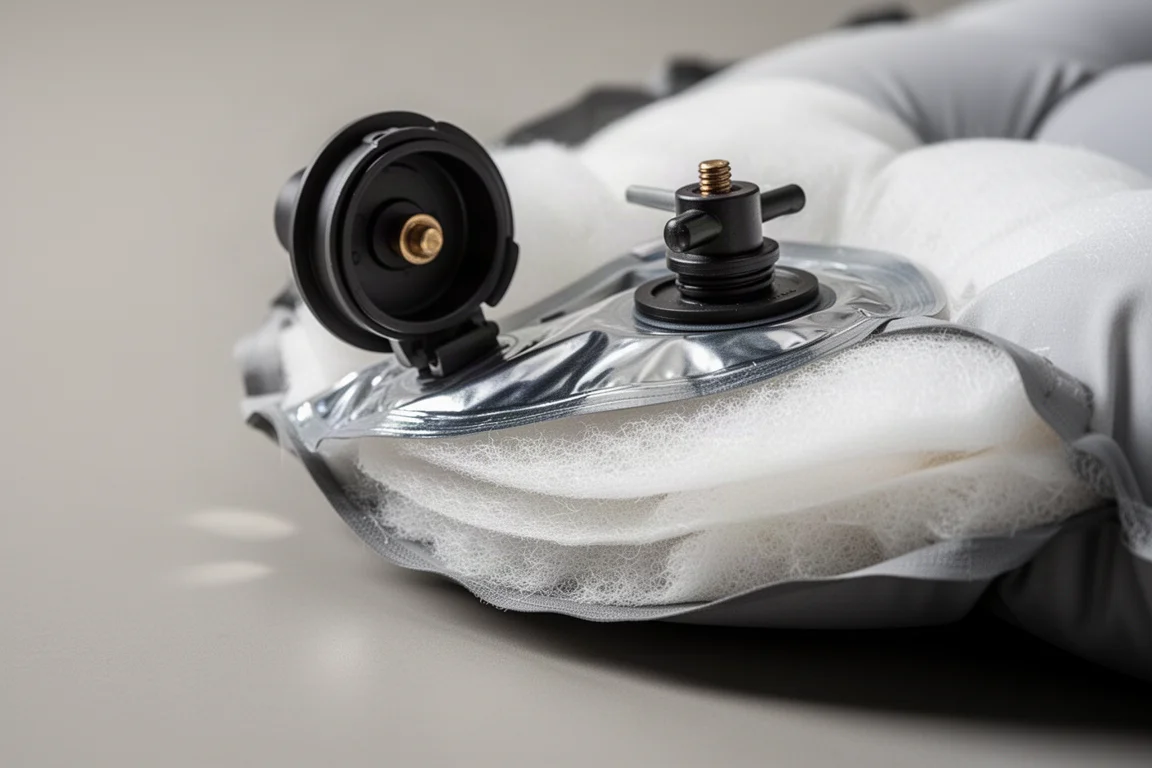
The insulation build is more interesting than the spec sheet suggests. A synthetic insulation layer is bonded to a reflective mylar-type film, so the pad works in two directions: it limits cold transfer from the ground below while also insulating the air above the film from the colder air around you.
Weight is another point in its favour. At roughly 24 ounces, the pad stays reasonably light for its size, which matters if you are carrying it on your back rather than rolling it out of a car.
Then there is the price. At $149 the AOC Cloud offers features that normally appear on considerably more expensive pads, which is the main reason it stands out from the crowd.
Field Notes: A Night Sleeping on Snow
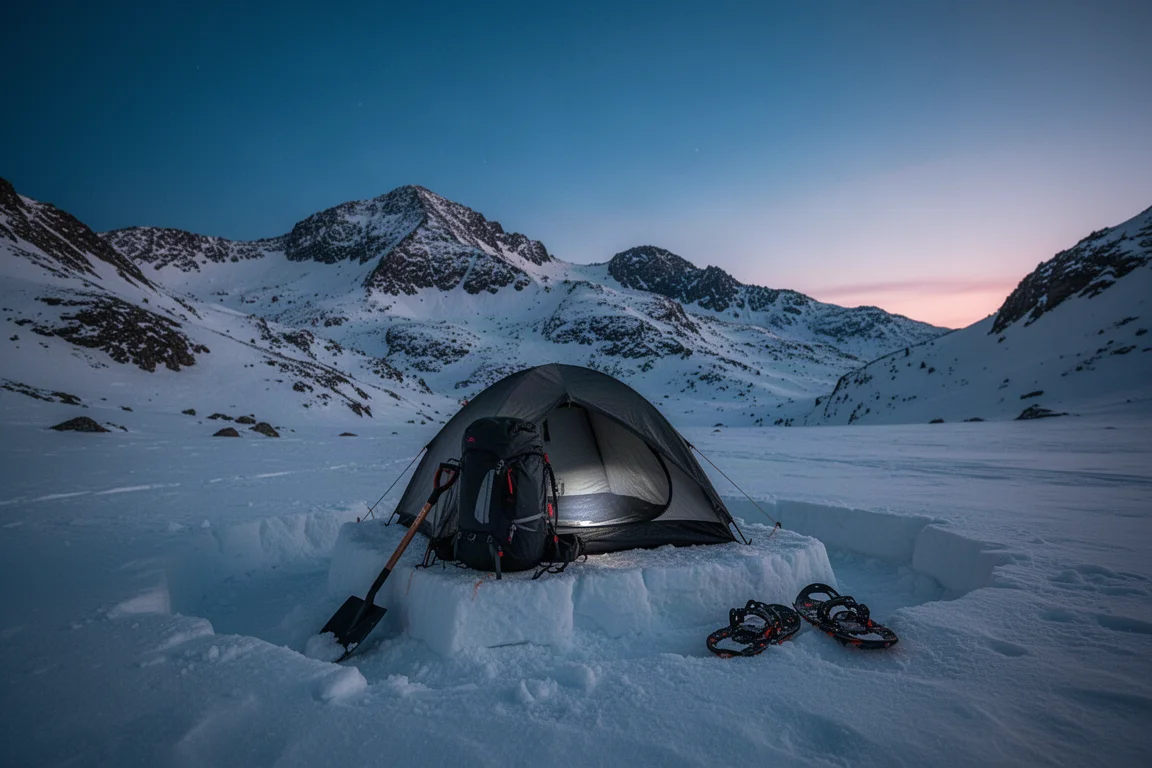
The pad was tested on packed snow with overnight temperatures dropping to around 28 degrees Fahrenheit outside the tent and roughly 33 degrees Fahrenheit inside. That is a genuine test for a pad rated for three-season use, and the outcome was better than expected.
Sleep quality was good. The pad felt comfortable, and there was no sense of the cold ground draining warmth away through the night. One clear exception: a single cold spot developed at the lowest point of contact, roughly at the hips, where the body sat closest to the snow.
Warmth, Size, and Cold Spots
An R-value tells you part of the story, not all of it. A sleeping pad does not bounce heat back at you the way a reflective blanket does. It works by trapping air and letting your body warm that air, and a larger pad simply holds more air to warm.
At 26 inches wide, the AOC Cloud has a lot of surface area exposed to cold air and cold ground. In mild conditions that is not an issue. On snow, with a quilt system that leaves no insulation beneath your back, the extra volume makes the pad work harder than a narrower design would.
Ground conditions matter just as much. Frozen ground and packed snow pull heat away far more aggressively than soil that merely dips to freezing overnight, so the same pad can feel noticeably warmer in a summer meadow than it does in a snowfield.
Things to Consider Before Buying
The fabric has a somewhat plasticky feel. It is not a dealbreaker at this price, but it is a reminder that the AOC Cloud prioritizes value and comfort over the soft-touch textiles used on premium pads.
The cold spot at the lowest contact point is worth planning around. On winter trips, the sensible setup is a closed-cell foam pad beneath the AOC Cloud to create a break between you and the snow. That combination would be far more appropriate than relying on the pad alone in sub-freezing conditions.
Anyone shopping specifically for deep-winter use should also weigh whether a higher R-value pad is the better starting point. The AOC Cloud is capable on snow, but it is not built as a dedicated winter pad.
Weight, Packability, and Everyday Use
At around 24 ounces, the pad carries easily for its size, and the single valve makes inflation and deflation straightforward. Opening that valve also gives you a clear view of the internal construction, with the synthetic insulation bonded to the reflective film inside.
For warmer trips, where the ground is not frozen, this is likely to be a comfortable and low-stress pad to live with. The generous dimensions that work against it on snow become a real advantage on a mild night when you simply want space to stretch out.
Buying Advice
If your camping happens mostly in three-season conditions, or you want a wide, comfortable pad at a price that leaves room in the budget for the rest of your kit, the AOC Cloud is an easy recommendation. The comfort level and the feature set at $149 are the reasons to choose it.
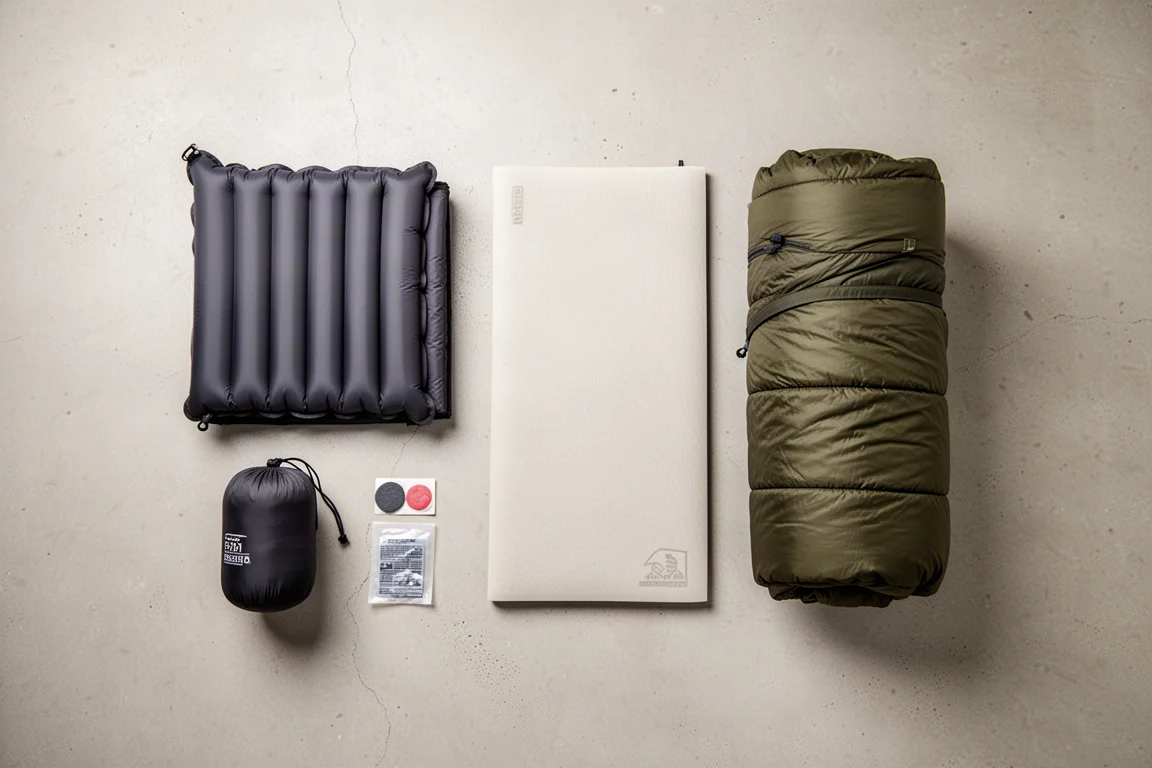
If you camp regularly in winter, treat this as a component rather than a complete solution. Pairing it with a closed-cell foam pad underneath gives you a much more dependable sleep system on cold ground, and it is a simple way to get more out of the pad you already own.
Conclusion
The Kilos Gear AOC Cloud Sleeping Pad delivers where it matters most for most campers: comfort, space, and a competitive price, with insulation that holds up better in cold conditions than the $149 tag would suggest. Its limits show up only in the most demanding setting, sleeping directly on snow in sub-freezing temperatures, where a foam layer underneath and a higher R-value would be the safer choice.
Product link
View more details for Kilos Gear AOC Cloud Sleeping Pad
This product is mentioned in the review. Check the specifications, options, and compatibility before buying.
View more details for Kilos Gear AOC Cloud Sleeping PadFurther reading
Related Reviews
Sleeping Pads
Best Backpacking Sleeping Pads 2026: Nine Pads Rated on Price, Comfort, Warmth, and Weight
Nine backpacking sleeping pads compared on price, comfort, warmth, and weight, from a $65 summer pad to a year-round option rated at R-7.3.
Sleeping Pads
Best Backpacking Sleeping Pads: Comfort, Warmth, and Weight Compared
A practical comparison of the Nemo Quasar 3D, Therm-a-Rest NeoAir XTherm Max, and Big Agnes Rapide SL for backpackers choosing between comfort, warmth, and packed weight.
Sleeping Pads
Best Backpacking Sleeping Pads: Ultralight, Winter, Comfort and Budget Picks
A practical roundup of the sleeping pads that stand out for ultralight weight, winter warmth, pressure relief and value, plus three popular pads that fell short.