Sleeping Pads
Kilos Gear AeroCloud Sleeping Pad Review: An R-Value 5 Pad Tested on Snow
A $149 inflatable sleeping pad with a claimed R-value of 5, tested overnight on packed snow in below-freezing temperatures. Here is how it performed and who it suits.
Introduction
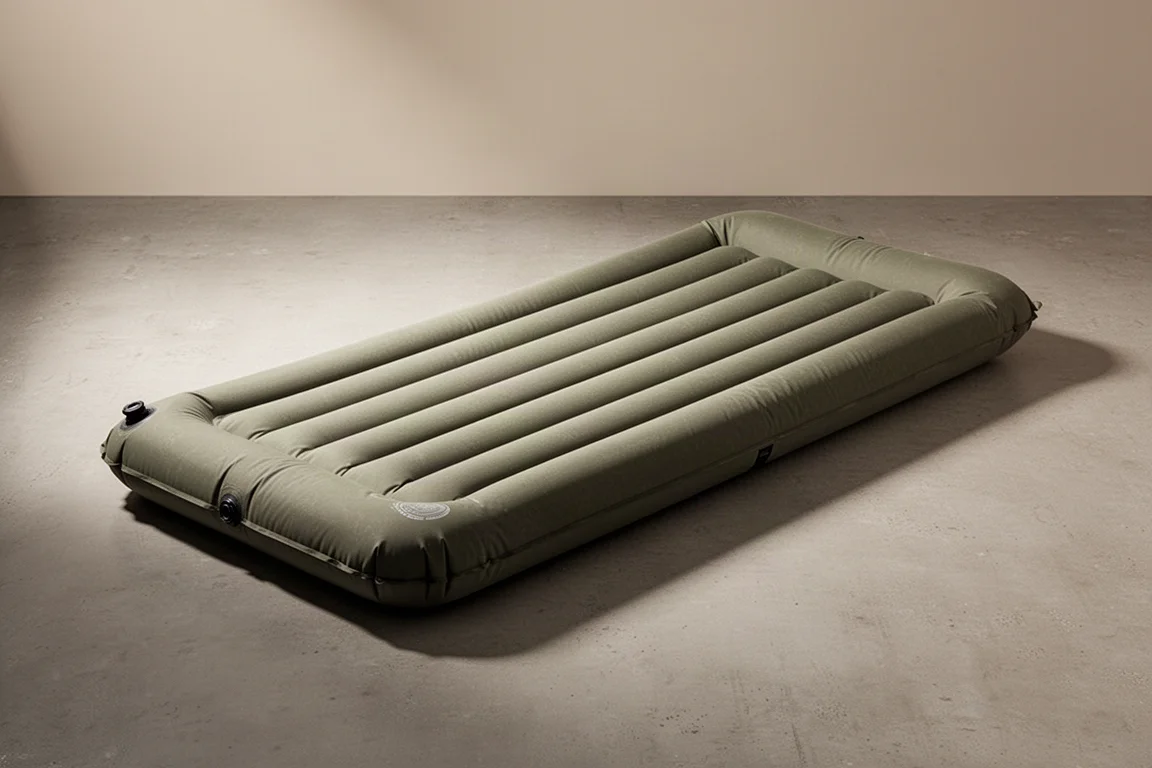
The Kilos Gear AeroCloud Sleeping Pad arrives at a $149 price with a claimed R-value of 5, a specification that is usually attached to pads costing considerably more. That combination is what makes it worth a closer look, and the real question is how it behaves when the ground underneath is snow and the overnight temperature drops into the mid 20s Fahrenheit.
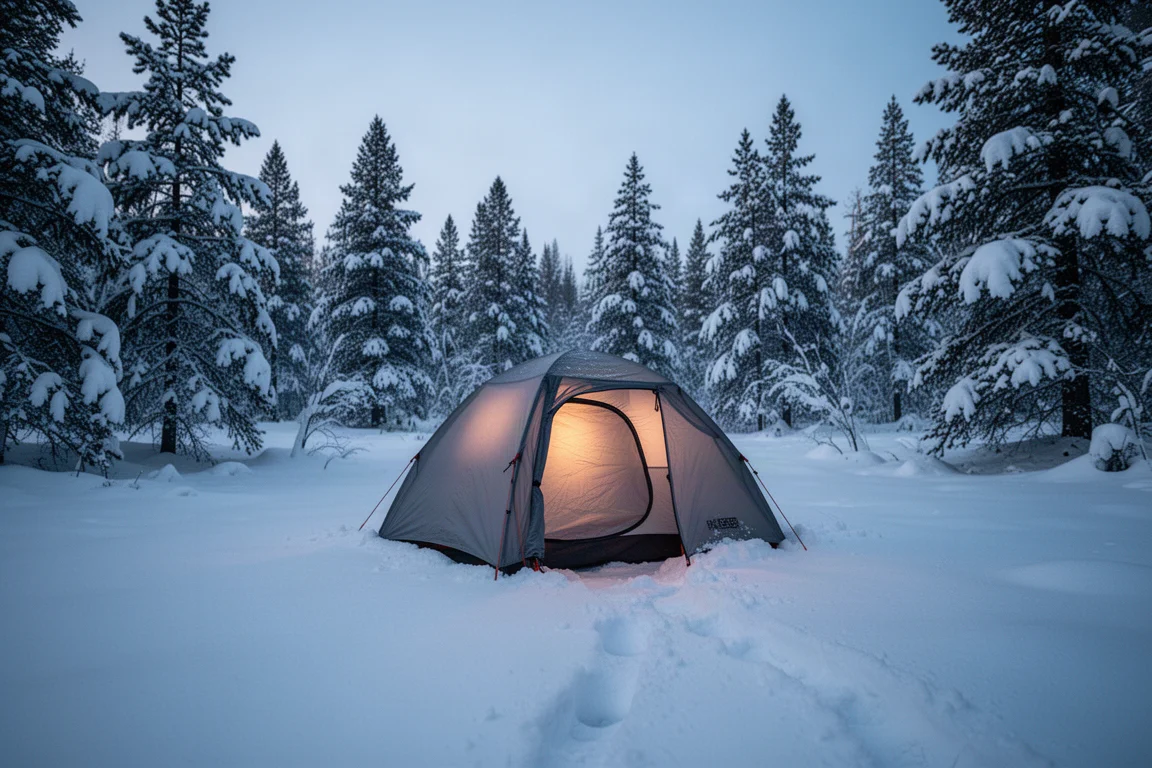
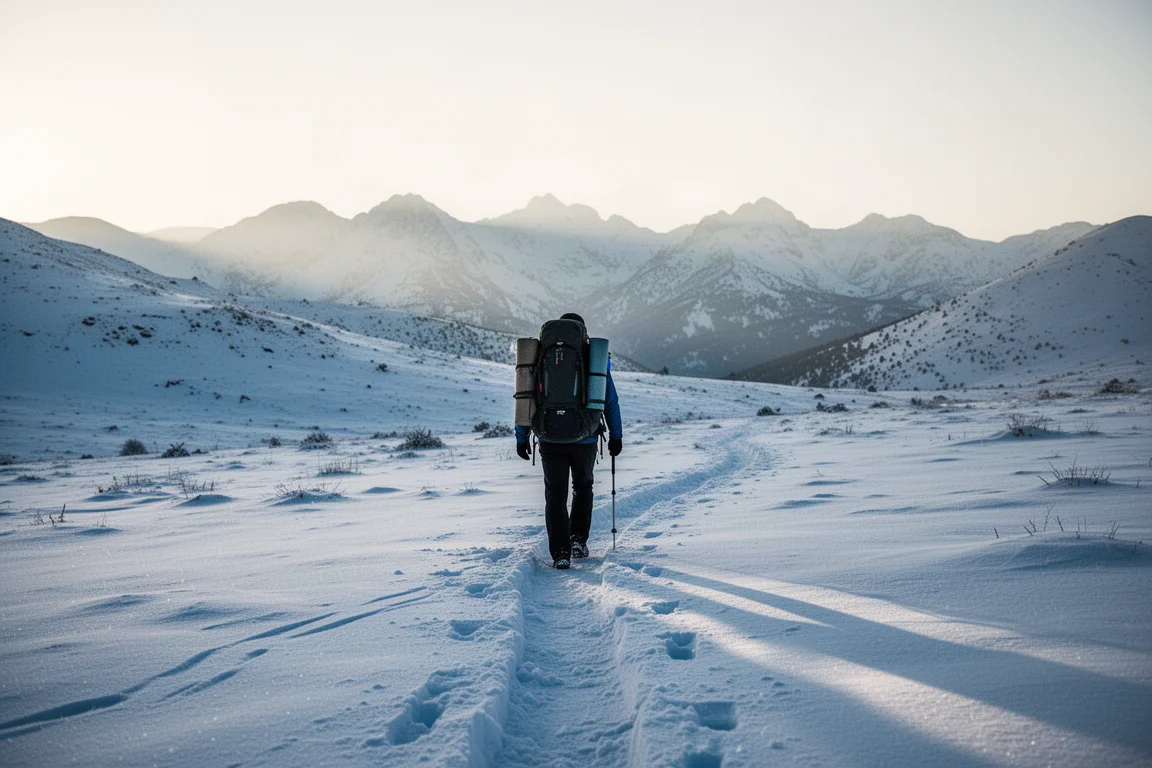
This assessment comes from an overnight winter backpacking trip with the pad used directly on packed snow, paired with a quilt rather than a sleeping bag. That detail matters. A quilt leaves nothing between your back and the pad, so the insulation work has to be done almost entirely by the pad itself.
Who the AeroCloud Sleeping Pad Is For
The AeroCloud is aimed at campers and backpackers who want a roomy, comfortable sleeping surface without moving into premium pricing. At just under 80 inches long and 26 inches wide, it offers more usable space than many pads in its class, which suits side sleepers and anyone who changes position during the night.
It is not a dedicated winter pad. Anyone planning repeated nights on snow or in sustained sub-freezing conditions should treat the claimed R-value of 5 as a starting point rather than a guarantee, and plan on adding ground insulation to the setup.
Main Strengths
Comfort is the clearest strength. The pad supported a full night of sleep on snow, and its dimensions play a large part in that. There is enough width to roll from side to side without feeling the edges, and enough length for taller sleepers to stretch out.
Weight is reasonable for the size. Around 24 oz for a pad this large is a fair trade for the extra space, and it keeps the pad practical for backpacking rather than car camping only.
Price is the other advantage. At $149, the AeroCloud carries insulation features that typically appear on more expensive pads, which makes it an appealing option for three-season use and occasional cold-weather trips.
Warmth and Comfort Under a Quilt
On the test night, the outside temperature sat at roughly 28 degrees Fahrenheit while the interior of the tent held around 33 degrees. Sleeping directly on snow with no insulation behind the back, the pad stayed comfortable and never felt cold to lie on. It was warm enough to sleep well and enjoy the night rather than spend it fighting the cold.
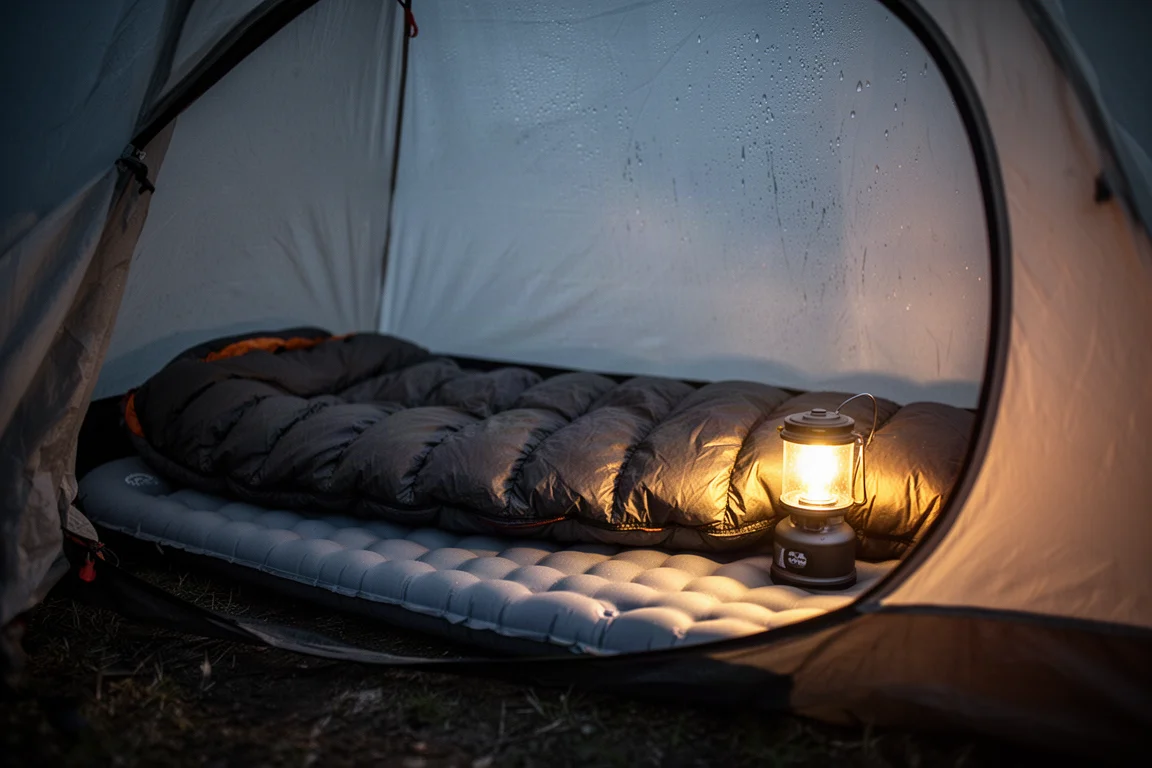
That result is worth noting because a quilt setup gives the pad no help. There is no sleeping bag underneath to add warmth, so the pad was carrying the full insulation load, and it held up better than expected for a pad that is not specifically rated for winter conditions.
Insulation Construction and Pad Size
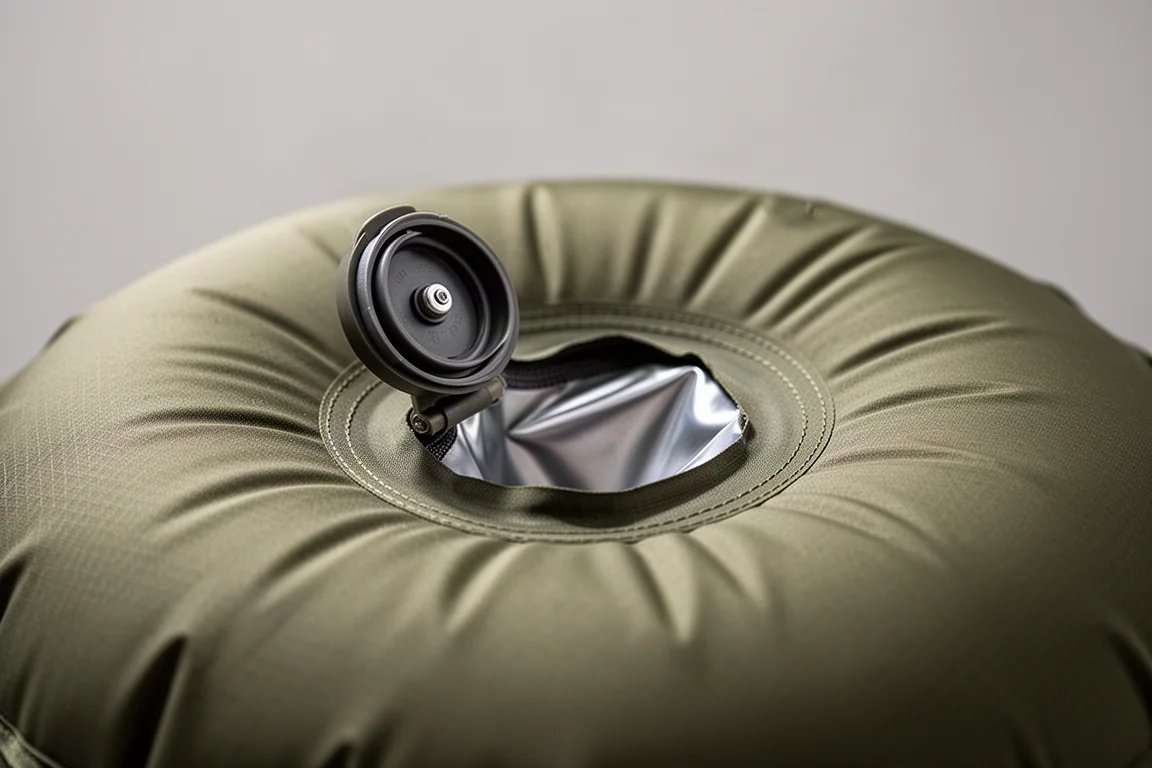
Inside the pad, a synthetic insulation layer is bonded to a Mylar-type film. That combination is designed to block cold from below while helping retain warmth above, and it follows the same broad approach used in many insulated pads.
Size cuts both ways. A 26-inch-wide pad has a lot of surface area in contact with cold ground, so more of the air inside the pad has to be warmed by your body before it can hold heat against you. That is a genuine trade-off on snow, even though the same width is an advantage for comfort.
Things to Consider Before Buying
The fabric has a slightly plasticky feel compared with the soft-touch textiles found on some higher-priced pads. It is not uncomfortable, but it is noticeable once you are lying on it.
The larger footprint also means more exposed material to chill on frozen ground or snow. A smaller pad would warm up more quickly in the same conditions, simply because there is less area working against you.
Winter Limits and Cold Spots
Through the night there was one persistent cold spot at the lowest point of the body, the area pressed closest to the snow. Everything else stayed warm. That is a useful illustration of how pad performance depends on more than an R-value number: ground temperature, pad size, and what you are sleeping in all change the result.
For genuine winter trips, adding a closed-cell foam pad underneath would create a break between the sleeping pad and the snow. The AeroCloud handled a single cold night better than expected, but it would not be the first choice for repeat winter outings without that extra layer.
Buying Advice
At $149, the AeroCloud makes sense for backpackers who want a wide, comfortable pad for three-season camping and the occasional cold night. It is comfortable, reasonably light for its size, and it carries insulation features usually associated with more expensive models.
Buy it expecting a strong three-season pad that can stretch into shoulder-season and mild winter use, particularly with a foam pad underneath. If your trips regularly involve sleeping on snow in below-freezing temperatures, plan for a higher R-value pad as well, or budget for additional ground insulation to pair with this one.
Conclusion
The Kilos Gear AeroCloud Sleeping Pad delivered a comfortable, warm night on snow at a price that undercuts much of the insulated pad market. Its size is both its appeal and its limitation: generous for comfort, but harder to keep warm when the ground is frozen. For three-season backpackers and casual cold-weather campers who want space and comfort without a premium outlay, it is a sensible option worth considering.
Product link
View more details for Kilos Gear AeroCloud Sleeping Pad
This product is mentioned in the review. Check the specifications, options, and compatibility before buying.
View more details for Kilos Gear AeroCloud Sleeping PadFurther reading
Related Reviews
Sleeping Pads
Best Backpacking Sleeping Pads 2026: Nine Pads Rated on Price, Comfort, Warmth, and Weight
Nine backpacking sleeping pads compared on price, comfort, warmth, and weight, from a $65 summer pad to a year-round option rated at R-7.3.
Sleeping Pads
Best Backpacking Sleeping Pads: Comfort, Warmth, and Weight Compared
A practical comparison of the Nemo Quasar 3D, Therm-a-Rest NeoAir XTherm Max, and Big Agnes Rapide SL for backpackers choosing between comfort, warmth, and packed weight.
Sleeping Pads
Best Backpacking Sleeping Pads: Ultralight, Winter, Comfort and Budget Picks
A practical roundup of the sleeping pads that stand out for ultralight weight, winter warmth, pressure relief and value, plus three popular pads that fell short.