Sleeping Pads
Kilos Gear AeroCloud Cloud Elite Sleeping Pad Review: Three-Season Comfort at a Fair Price
A long-term field review of the Kilos Gear AeroCloud Cloud Elite sleeping pad, covering comfort, warmth limits, weight, and who it suits best.
Introduction
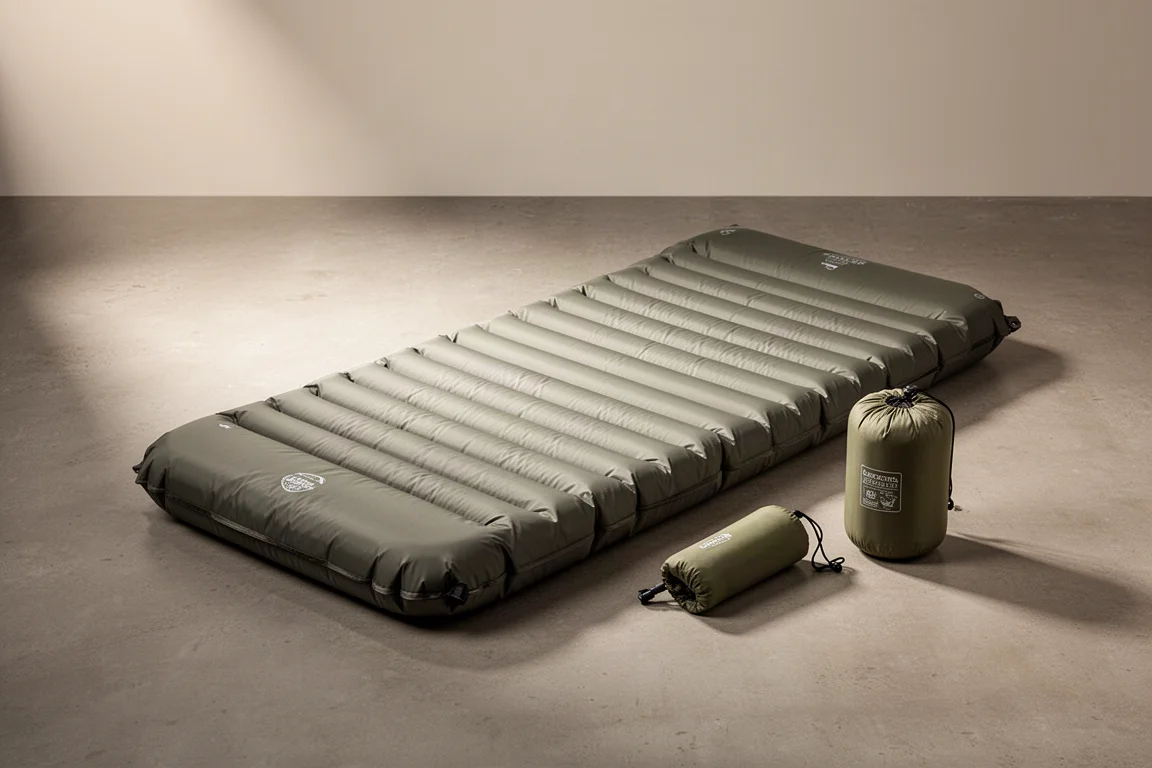
An insulated sleeping pad is one of the few pieces of camping gear that can genuinely make or break a night outdoors. The Kilos Gear AeroCloud Cloud Elite takes a fairly direct approach to that problem: a rectangular, four-inch-thick pad with an ASTM-rated R-value of 5, a quilted baffle pattern, and a price that sits well below plenty of comparable insulated pads.
After roughly seven months of use across winter, spring, and summer, and about a dozen nights of sleep on it, there is enough experience behind this pad to describe it honestly. What follows covers how it is built, how it performs in real conditions, where its limits sit, and which campers are likely to be happy with it.
Who the Kilos Gear AeroCloud Cloud Elite Is For
The AeroCloud Cloud Elite is aimed at three-season backpackers and campers who want a comfortable, insulated, reasonably light pad without stepping into premium pricing. It comes in two sizes: a Regular measuring 25 by 72 inches, and a Large measuring 26 by 79.5 inches. Both are four inches thick, which keeps hips and shoulders well clear of the ground and makes the pad feel generous rather than minimal.
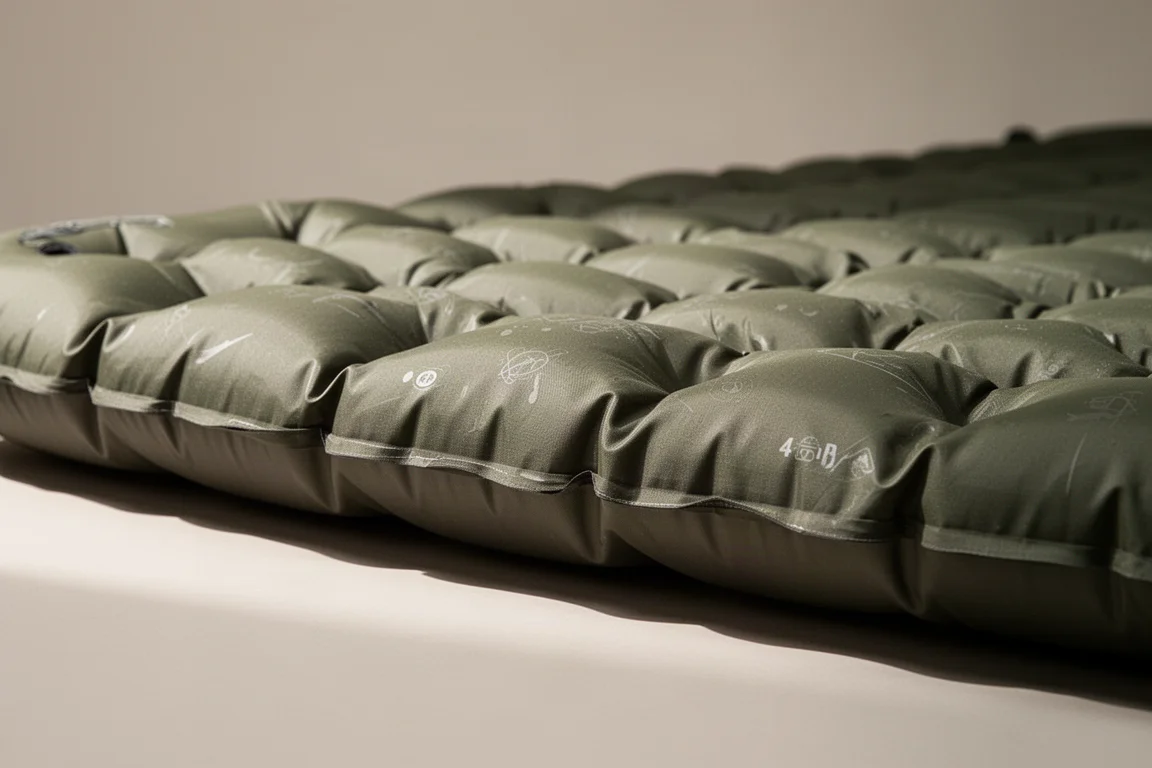
Because the shape is rectangular rather than tapered, it suits sleepers who shift position during the night or who simply want full usable width from head to foot. The quilted baffle layout is a deliberate choice too, since that style of construction tends to distribute pressure more evenly than simple parallel tubes.
That combination of width, thickness, and baffling points to a pad built around comfort first, with weight and packed size treated as secondary but still sensible. Campers who count every gram may want to look at lighter designs, while anyone who has struggled to sleep on a thin, narrow mat will recognise the priorities here immediately.
Design and Specifications
Warmth comes from an ASTM-rated R-value of 5. Inside the pad there is a layer of metallized film paired with a fibrous, batted synthetic material attached to it, and the two together provide the insulation. The shell is a 40-denier polyester pongee, a fabric with a slightly plasticky hand feel that stays soft against skin and offers a useful balance of durability and low weight.
The valve is a lay-flat design positioned on the corner of the pad. It uses a one-way valve for inflation and a second flap to dump air quickly, which makes deflating and rolling the pad a straightforward job rather than a wrestling match. A pump sack, a storage bag, and elastic bands are all included in the package.
Weights are listed at 21.3 ounces for the Regular and 23.15 ounces for the Large, and those figures cover the pad alone rather than the full kit.
Main Strengths
Comfort is the headline here. The four-inch thickness and the quilted baffle pattern combine to give strong pressure relief, and the surface stays supportive whether you sleep on your back, your side, or your stomach. For anyone who has spent a restless night on a thinner mat, the difference is felt straight away.
There is a clear value argument as well. The Regular is priced at $130 and the Large at $140, which is modest for a rectangular, insulated, four-inch pad with this level of finish. The weight is respectable for a 40-denier fabric at this size, so the pad stays practical to carry on multi-day trips rather than being reserved for car camping.
Warmth and Comfort in Real Conditions
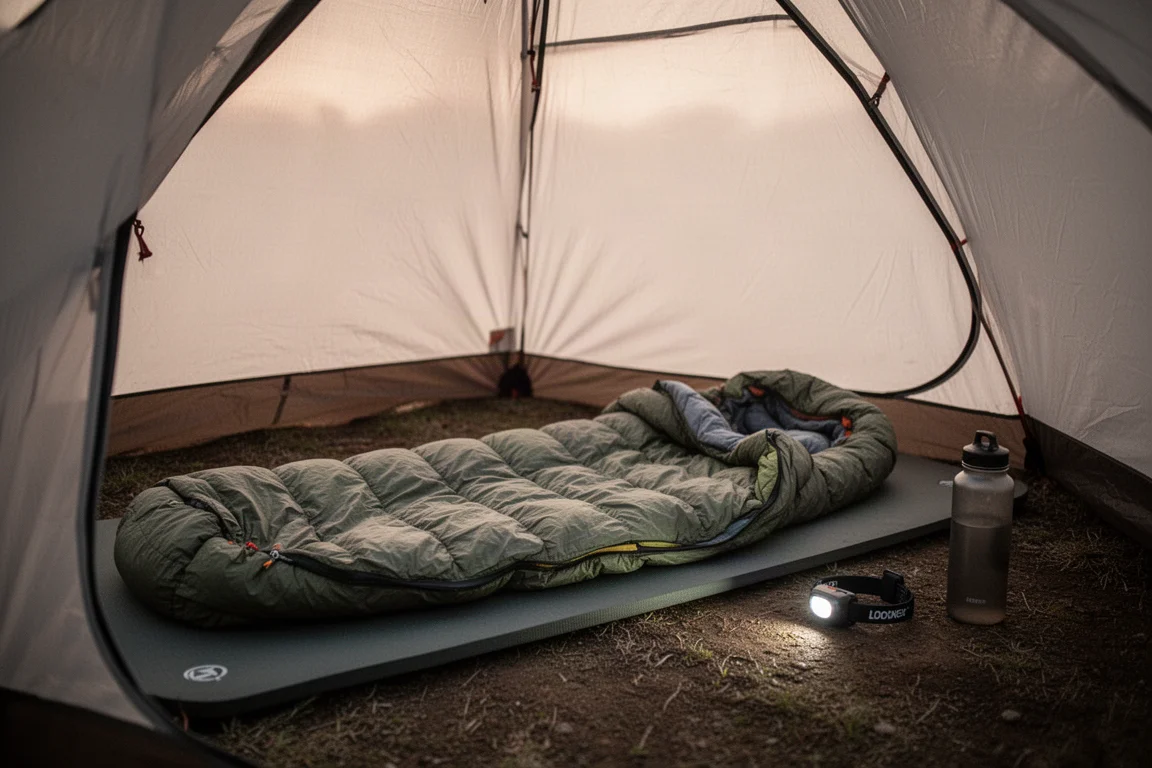
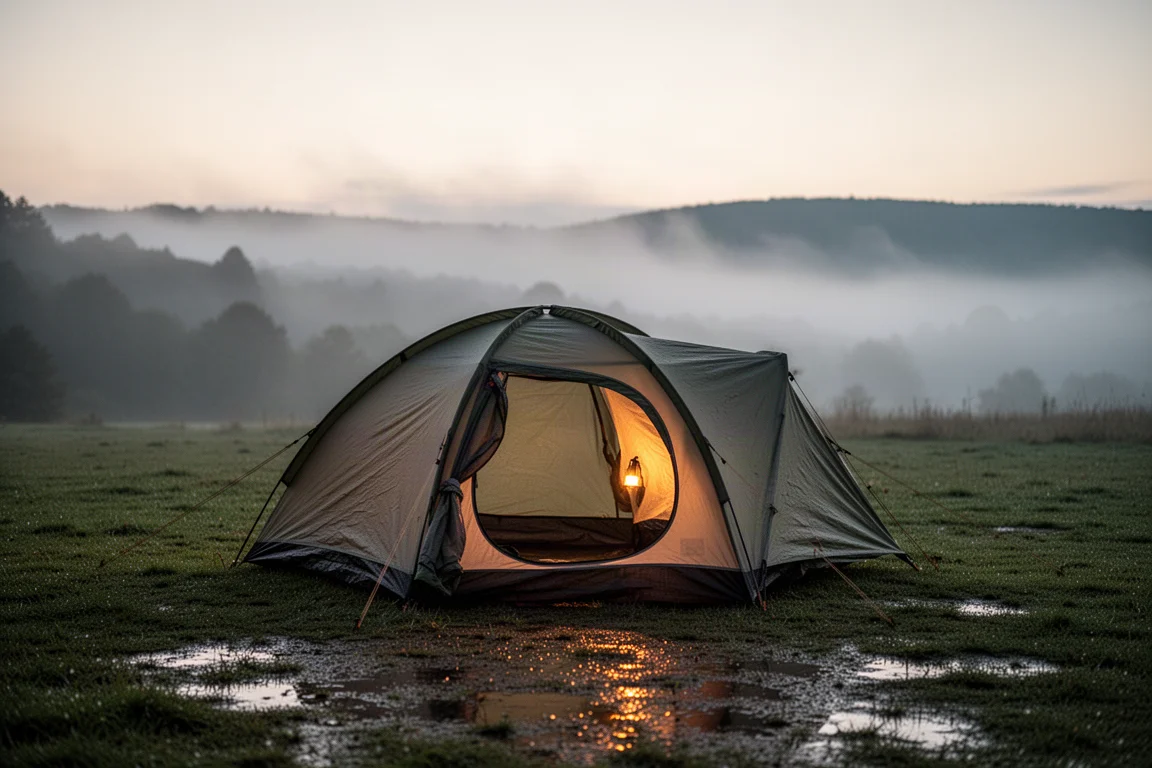
Field use covered about a dozen nights spread across winter, spring, and summer. The coldest outing was on snow with temperatures just below freezing, and in those conditions cold was clearly felt rising through the pad. That is an extreme scenario for any R-value 5 pad, and most campers would want a closed-cell foam layer between the pad and the snow rather than relying on the pad alone.
In more typical three-season conditions the story is much better. Down to around freezing, at roughly 32 degrees Fahrenheit or 0 degrees Celsius, the pad sleeps warm and comfortable. Below about 30 degrees Fahrenheit is where the cold becomes noticeable enough to want supplemental insulation underneath.
One point worth understanding is how pad size affects warmth. On the Large version, a significant amount of surface sits beyond the sleeper’s body and is exposed to cold ground and cold air, which means more interior airspace has to be warmed by body heat. A smaller sleeper is likely to sleep warmer on the Regular size for exactly that reason.
Packing, Weight, and Handling
At 21.3 ounces for the Regular and 23.15 ounces for the Large, the pad sits in a reasonable range for a rectangular, insulated design with a 40-denier shell. Those weights are for the pad alone; the included pump sack, storage bag, and elastic bands add a little more to the total carried weight.
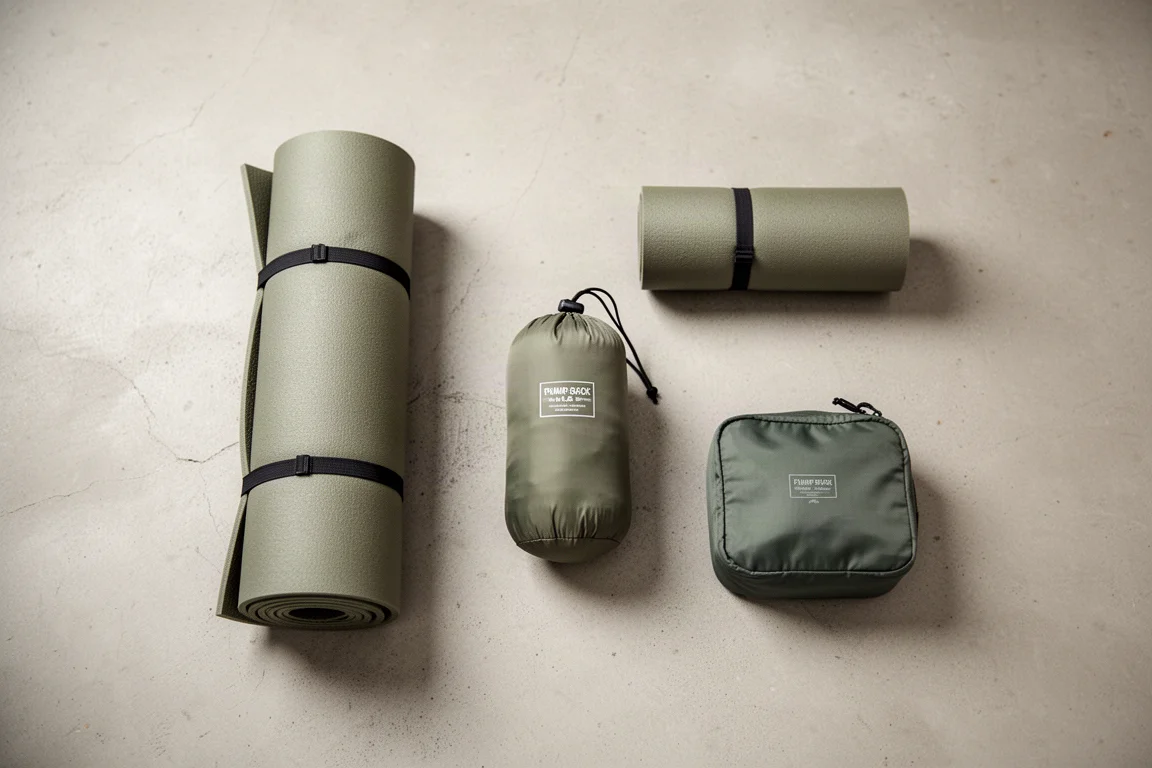
In daily use the corner valve is one of the more thoughtful details. The one-way valve keeps air from escaping while inflating, and the second flap dumps air quickly so the pad rolls down compactly without a fight. Combined with the durability of the fabric, the pad holds up well to being packed and unpacked repeatedly over a long season.
Things to Consider Before Buying
The insulation is a single layer with small cutouts at each baffle weld point, and that construction allows some cold air movement through the pad. It is the main reason the AeroCloud Cloud Elite has a practical floor of about 30 degrees Fahrenheit. Below that, or on very cold ground, plan on adding insulation underneath.
Pads that use two layers of insulation can sleep warmer in colder conditions, though they generally cost more and sometimes trade away some of the comfort this design delivers. The shell fabric also has a slightly plasticky feel, which is a fair trade for its durability but worth knowing before you buy.
Anyone planning regular winter trips, snow camping, or nights well below freezing should treat this pad as a three-season option only. It is at its best when the ground is not frozen solid and the overnight temperature is at or above freezing.
Buying Advice
At $130 for the Regular and $140 for the Large, the AeroCloud Cloud Elite is priced sensibly for what it offers: a thick, wide, insulated rectangular pad that stays comfortable across the warmer half of the year and into shoulder-season trips. Judged purely on comfort per dollar, it is a strong proposition.
Sizing deserves some thought. Smaller and average-sized sleepers will generally be warmer and just as comfortable on the Regular, since less exposed pad surface means less airspace to heat. Taller campers and anyone who wants extra room to sprawl will get more out of the Large. For cold ground, pairing the pad with a closed-cell foam layer underneath is a simple and inexpensive way to extend its usable range.
If your trips stay above freezing and you value a genuinely comfortable night’s sleep over the lightest possible pack, this pad makes a lot of sense.
Conclusion
The Kilos Gear AeroCloud Cloud Elite is a comfortable, well-priced insulated sleeping pad with a clear place in a three-season kit. Its quilted baffle pattern and four-inch thickness deliver the kind of pressure relief that makes a real difference after a long day on the trail, and the weight and packed size remain practical for backpacking.
The trade-off is insulation depth. A single layer with cutouts at the baffle welds limits how much cold the pad can handle, so it is not the right choice for deep winter or frozen ground without extra help underneath. Treat it as a warm-weather and shoulder-season pad, choose your size carefully, and it is an easy recommendation at this price.
Product link
View more details for Kilos Gear AeroCloud Cloud Elite Sleeping Pad
This product is mentioned in the review. Check the specifications, options, and compatibility before buying.
View more details for Kilos Gear AeroCloud Cloud Elite Sleeping PadFurther reading
Related Reviews
Sleeping Pads
Best Backpacking Sleeping Pads 2026: Nine Pads Rated on Price, Comfort, Warmth, and Weight
Nine backpacking sleeping pads compared on price, comfort, warmth, and weight, from a $65 summer pad to a year-round option rated at R-7.3.
Sleeping Pads
Best Backpacking Sleeping Pads: Comfort, Warmth, and Weight Compared
A practical comparison of the Nemo Quasar 3D, Therm-a-Rest NeoAir XTherm Max, and Big Agnes Rapide SL for backpackers choosing between comfort, warmth, and packed weight.
Sleeping Pads
Best Backpacking Sleeping Pads: Ultralight, Winter, Comfort and Budget Picks
A practical roundup of the sleeping pads that stand out for ultralight weight, winter warmth, pressure relief and value, plus three popular pads that fell short.