Camping Tents
Kelty Wireless Tent Review: Waterproofing Under Sustained Heavy Rain
A close look at the Kelty Wireless rainfly, seam taping, and vents, and how the tent held up through an hour of heavy rain.

Introduction
The Kelty Wireless is a camping tent built around a full-coverage rainfly and taped seams, and those two decisions shape almost everything about how it behaves in wet weather. For anyone shopping for a tent that can handle a real downpour, the waterproofing details matter more than the spec sheet headline.
This review walks through the tent’s waterproof construction, what happened during an hour of heavy rain, and where the design leaves room for improvement. It closes with practical guidance on whether this tent fits the kind of camping you actually do.
Waterproof Features of the Kelty Wireless
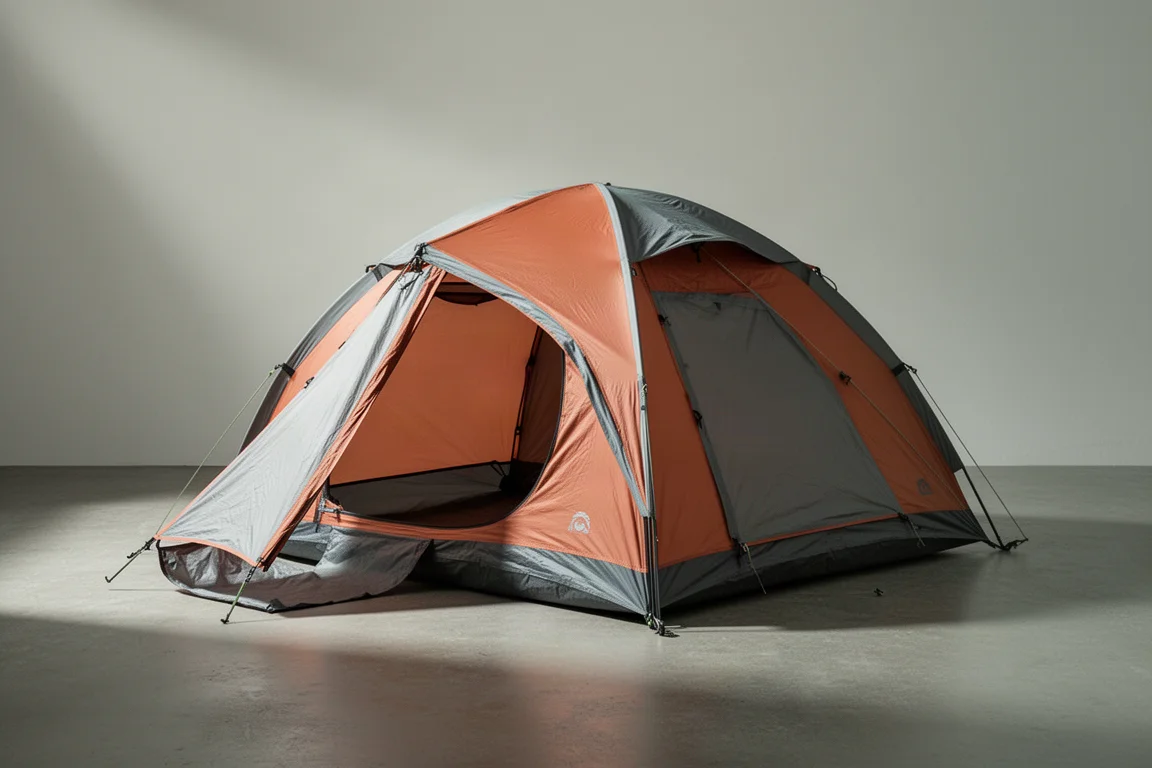
The rainfly is a full-coverage design that extends almost all the way to the ground. Coverage is strongest at the vestibules, where the fly reaches low and protects the entry areas well. Along the widths of the tent, the fly sits noticeably higher off the ground, and there is no extra guy-out point at that position to pull it lower. That single detail is the main limitation of the fly’s geometry.
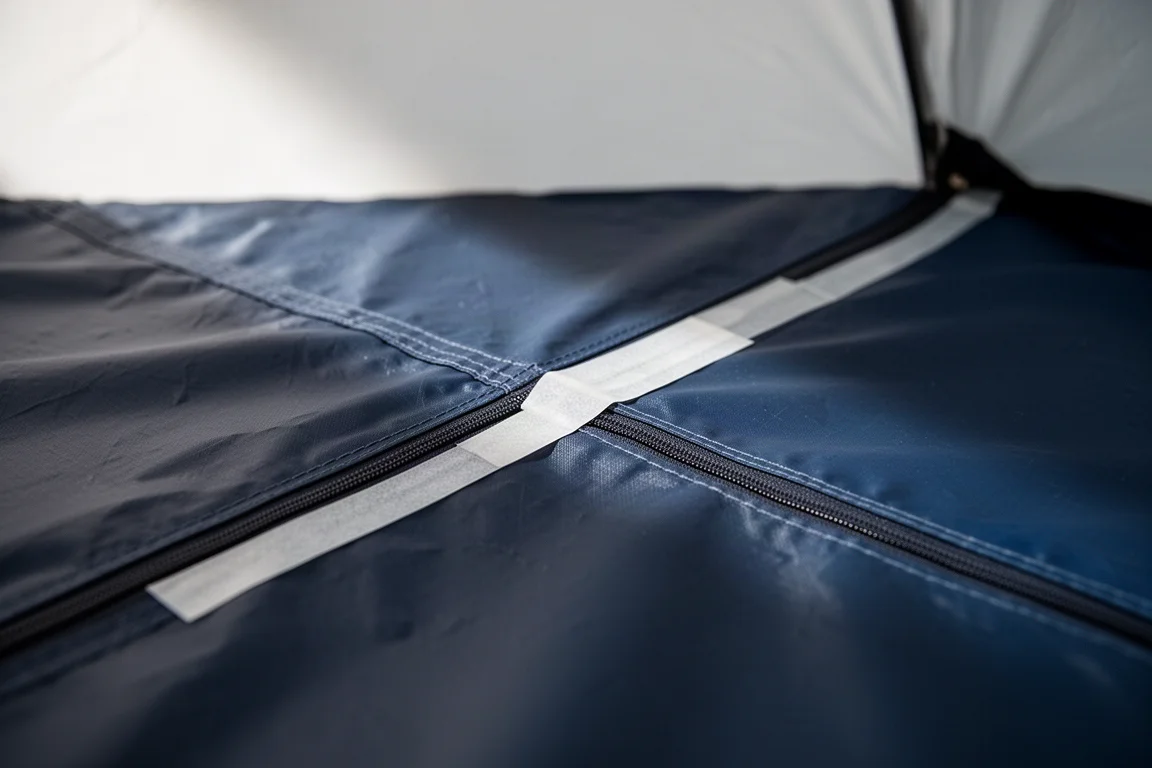
Seam taping is thorough. A seam runs across the entire floor and is fully taped. The floor itself is not a tub design, so it carries a lot of seams: seams run down all the sides of the tent as well as through the corners, and all of them are taped. The taping extends up to the top of the blue floor fabric and stops there. Everything above that line is not taped. On the rainfly, every single seam is taped along its full length, with the outline of the tape clearly visible across the panels. The rainfly also includes vents, which are one of the features most likely to let water in during a serious storm.
Who the Kelty Wireless Is For
This tent suits campers who expect to deal with rain rather than avoid it. If your trips regularly include overnight showers, or if you camp in regions where a wet evening is normal, the combination of a full-coverage fly and fully taped seams is aimed squarely at you.
It is also a reasonable fit for campers who prioritize a dry interior over floor design preferences. Buyers who specifically want a bathtub-style floor should note that the Kelty Wireless does not use one, and that the floor relies on taped seams instead.
Rain Test Results
After an hour of sustained heavy rain, there was not a single drop of leakage inside the tent. The seams at the bottom of the tent were pressed down and stayed dry. The corner seams were completely dry as well. The section of the tent floor that was not covered by the rainfly was also dry. The vent was checked and found completely dry, and the underside of the rainfly was dry too.

The only place water showed up was the rainfly flap on the outside, where darker patches indicated water from the rain. Nothing reached the interior, and there were no major leaks anywhere in the tent. For a single hour of heavy rain, the Kelty Wireless performed very well.
Main Strengths
The strongest argument for this tent is consistency across the details that usually fail. The floor seam, the side seams, the corner seams, and every rainfly seam are taped, so there is no obvious weak point left exposed. The taping on the rainfly in particular is complete rather than partial.
The rain test supports that construction. Bottom seams, corner seams, the exposed floor, the vent, and the underside of the fly all came through an hour of heavy rain dry. The rainfly vents, which are a common leak path, held up. Just as importantly, the tent kept water out without any dramatic failures that would need fixing mid-trip.
Rainfly Coverage in Extended Rain
The rainfly is generous at the vestibules but sits fairly high off the ground along the widths. Because there is no guy-out point at that position, you cannot pull the fly tighter to the tent body there, and a lot of water ends up running over the tent body rather than shedding off the fly.
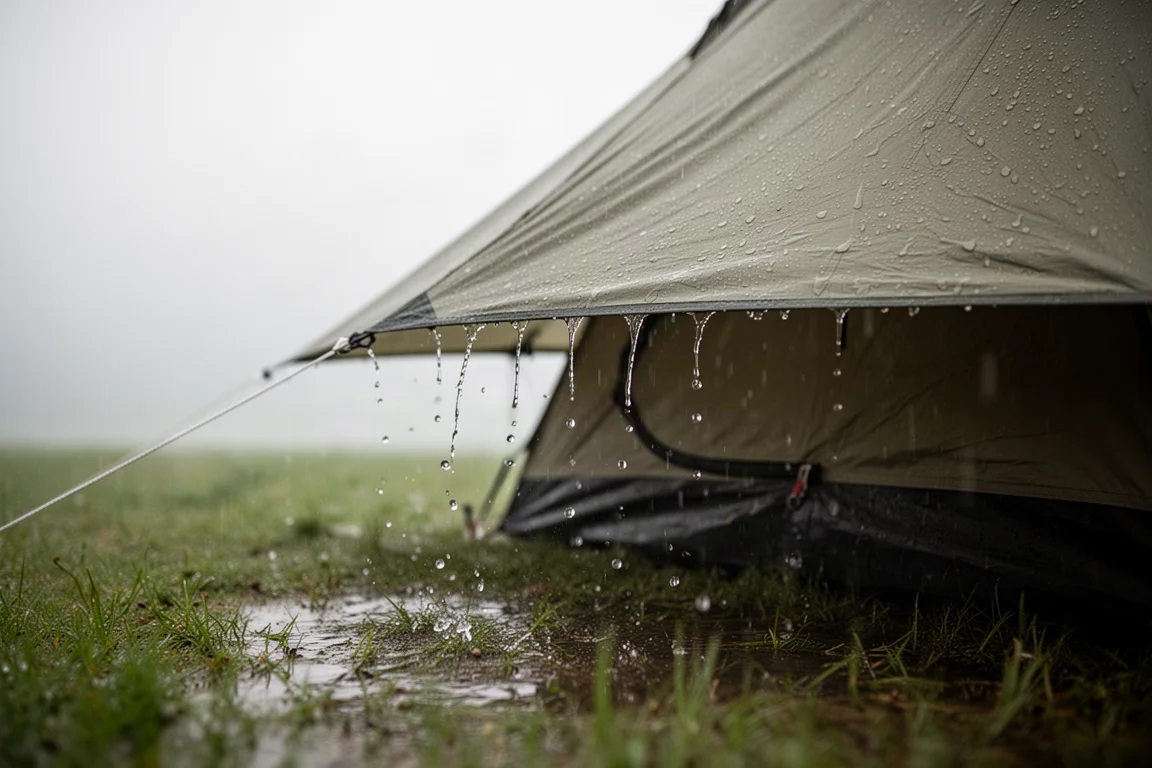
In practice, that makes a few hours of heavy rain the realistic limit for this setup. Adding a guy-out point at the widths would be a sensible improvement, and it is the one change that would meaningfully extend how long the tent can sit out in continuous rain. If you camp in climates where storms last most of a day, plan for that.
Things to Consider Before Buying
The floor has no tub construction, and it carries many seams: across the floor, down the sides, and through the corners. They are all taped, and the taping stops at the top of the blue floor fabric, so the area above that line is not taped.
The rainfly’s height at the widths is the other point to weigh. It is excellent at the vestibules and less protective along the sides, and there is no guy-out point there to correct it. The outer rainfly flap also collected water during the rain test, though nothing reached the inside of the tent.
Buying Advice
The Kelty Wireless makes the most sense for campers who want reliable short-duration rain protection and value taped seams throughout. If your typical trip involves an evening or overnight storm, the construction here is designed for exactly that scenario, and it delivered a completely dry interior through an hour of heavy rain.

If you regularly camp through multi-day continuous rain, or you specifically want a tub floor for ground moisture, weigh those two considerations carefully before committing. Think about the rain you actually camp in, not the worst case you can imagine, and this tent will likely meet your expectations. Where extended storms are the norm, the rainfly coverage at the widths and the seamed floor are the details to think through first.
Conclusion
The Kelty Wireless is a well-sealed tent. Fully taped seams, a full-coverage rainfly, and vents that stayed dry add up to a tent that kept its interior completely dry through an hour of heavy rain, with the only visible water on the outside of the fly. Its limitations are specific and predictable: a rainfly that sits high at the widths without a guy-out point there, and a seamed floor without tub construction. Buyers who camp in wet weather for shorter stretches will find a lot to like here, and buyers facing all-day rain should plan around those two design choices.
Product link
View more details for Kelty Wireless
This product is mentioned in the review. Check the specifications, options, and compatibility before buying.
View more details for Kelty WirelessFurther reading
Related Reviews
Camping Tents
3F UL Gear Taiji Two-Person Tent Review: Field Waterproofing Results and Buying Advice
The Taiji pairs an attached fly with a removable inner, but sustained rain exposed untaped vent seams that need sealing before this shelter can be trusted.
Camping Tents
3FUL Gear Lanshan 2 Pro 4-Season Review: A Sub-$200 Single-Wall Trekking Pole Tent
An early look at the 3FUL Gear Lanshan 2 Pro 4-Season, covering its straightforward pitch, generous interior space, and the condensation and seam-sealing questions that come with any single-wall shelter.
Camping Tents
Alps Mountaineering Lynx 1-Person Tent Review: Big Value in a Small Budget Tent
A close look at the Alps Mountaineering Lynx 1-Person Tent, covering real interior dimensions, materials, setup time, ventilation limits, and who should buy it.