Camping Tents
Kelty Late Start Tent Review: Six Hours of Rain, Zero Leaks
The Kelty Late Start tent stayed dry through more than six hours of sustained rain. Here is what that result means, and the condensation question still worth weighing.
Introduction
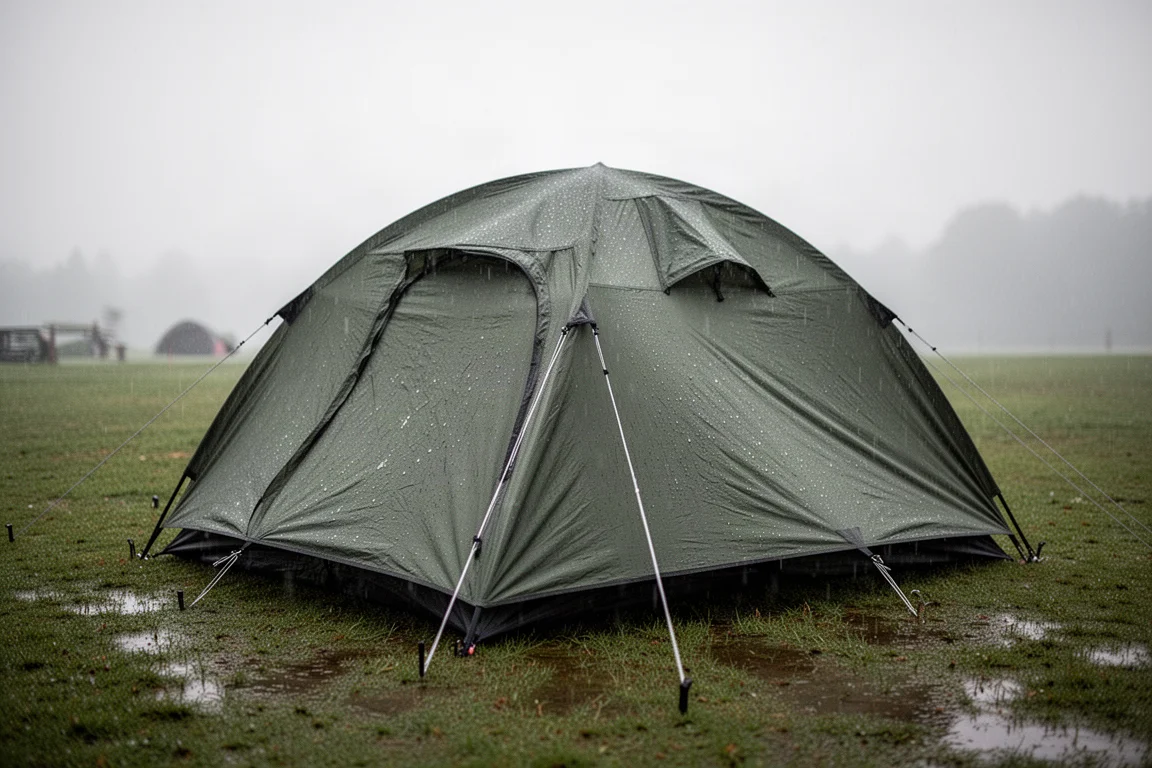
A tent’s real value shows up in bad weather, not on a sunny afternoon. The Kelty Late Start tent was put through exactly that scenario: pitched, fully staked out, and left standing through a storm system that delivered more than six hours of continuous rain, ranging from light drizzle to heavy, pouring rain.
The result was clean. The shelter stayed dry inside, with no water making its way through the fly or the floor.
That single outcome does not answer every question a buyer should ask. Kelty has a long track record of building tents that keep rain out, and the brand’s weak point has historically been condensation rather than waterproofing. This review covers what the rain test showed, where the tent fits, and the moisture question still worth thinking through before you buy.
Who the Kelty Late Start Tent Is For
This tent suits campers who want dependable rain protection from a well-known outdoor brand without stepping into premium pricing territory. If your trips happen in shoulder-season weather, where a forecast can turn from clear to soaking within an afternoon, a shelter that has proven itself in prolonged rain is genuinely valuable.
It is also a reasonable choice for casual and intermediate campers who pitch in established campgrounds, where the ground is relatively level and staking out is straightforward. The design rewards a complete, careful pitch.
Less obvious is whether it is the right tent for humid climates or multi-night trips where the fly stays zipped for long stretches. That is where condensation becomes the deciding factor, and it is covered further down.
Main Strengths of the Kelty Late Start
The headline strength is straightforward: this tent does not leak. Through a rain event that shifted between moderate, heavy, and genuinely pouring, the interior stayed dry.
The test was not a brief shower. It ran for more than six hours, with roughly the first hour at light intensity before conditions escalated and stayed severe. That duration matters, because prolonged rain is what exposes weak seams, tired coatings, and water that eventually finds a path through a poorly tensioned fly. The tent held.
A second strength is predictability. Kelty’s tents have a consistent reputation for keeping water out, and this model behaves in line with that expectation. For a buyer, that consistency is worth something: you are not gambling on an unknown shelter’s first rainy night.
Third, the tent performs when it is pitched properly. Set up fully and staked out as intended, it presents a taut structure that sheds water rather than pooling it.
Waterproofing Performance in Prolonged Rain
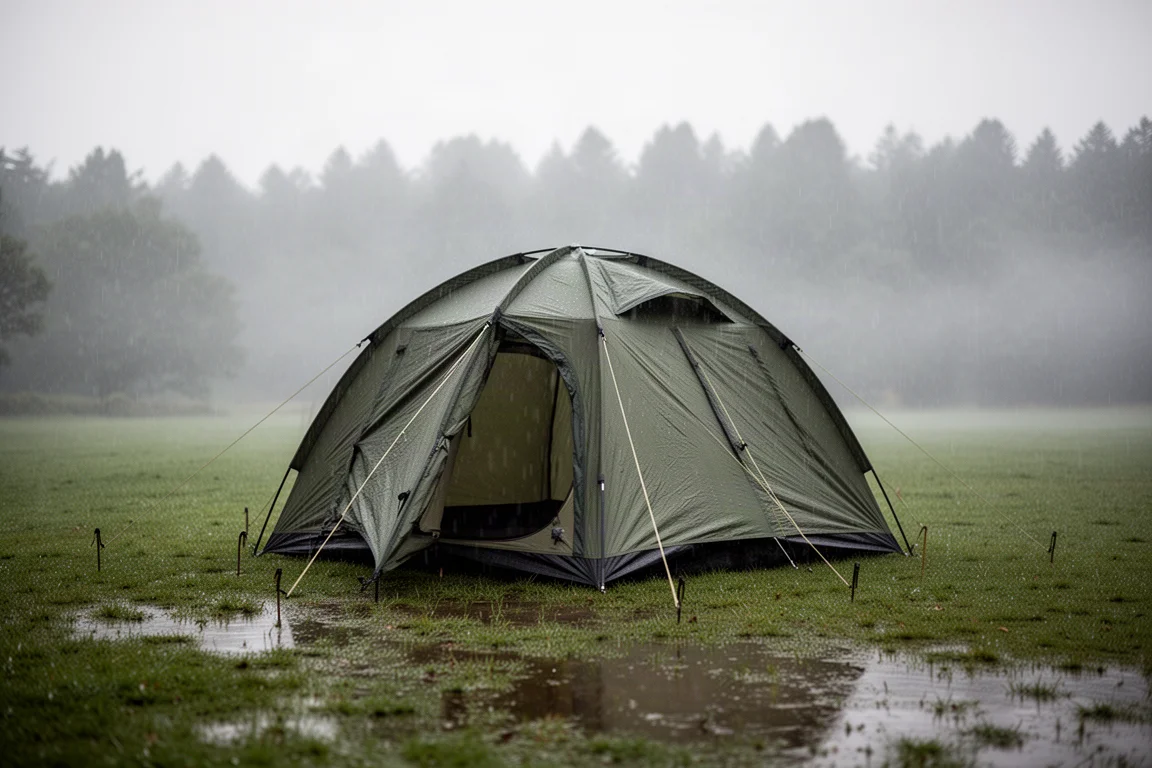
The shelter was set up and fully staked out before the weather arrived, then left in place as the rain built. The early phase was light. From there, conditions turned moderate to heavy and stayed that way for hours, with stretches of outright pouring rain.

After more than six hours of exposure, a final check found no leakage. The interior was dry, and the tent had not taken on water through the fly, the seams, or the floor.
This is the kind of result that should give a buyer confidence about three-season use. Rain of that duration and intensity is a meaningful stress test, and the tent passed it without drama. It does not guarantee performance in every possible storm, and no tent should be judged on a single outing, but it does establish that the Late Start handles sustained wet weather competently.
Things to Consider Before Buying
The first consideration is that waterproofing is only half of the weather story. A tent can keep rain out completely and still leave you uncomfortable if moisture builds up inside overnight. Kelty tents have a well-known tendency toward condensation, and that issue can be more disruptive to a trip than a leak.
The second consideration is that this shelter depends on a proper pitch. It was fully staked out for the rain test, and that is the configuration in which it performs. Campers who routinely pitch on hard or rocky ground, or who skip guy lines in a hurry, may not get the same result.
Third, treat the rain test as one data point. It is a strong one, and it aligns with how Kelty tents generally behave, but the condensation side of the equation is still being evaluated. Buyers who camp in damp, still conditions should keep that in mind.
Condensation and Moisture Management
This is the area where the tent deserves the closest scrutiny. Kelty’s shelters have a reputation for waterproofing that holds up well and for condensation that can be a real problem. Those two things coexist, and a dry rain test does not resolve the second one.
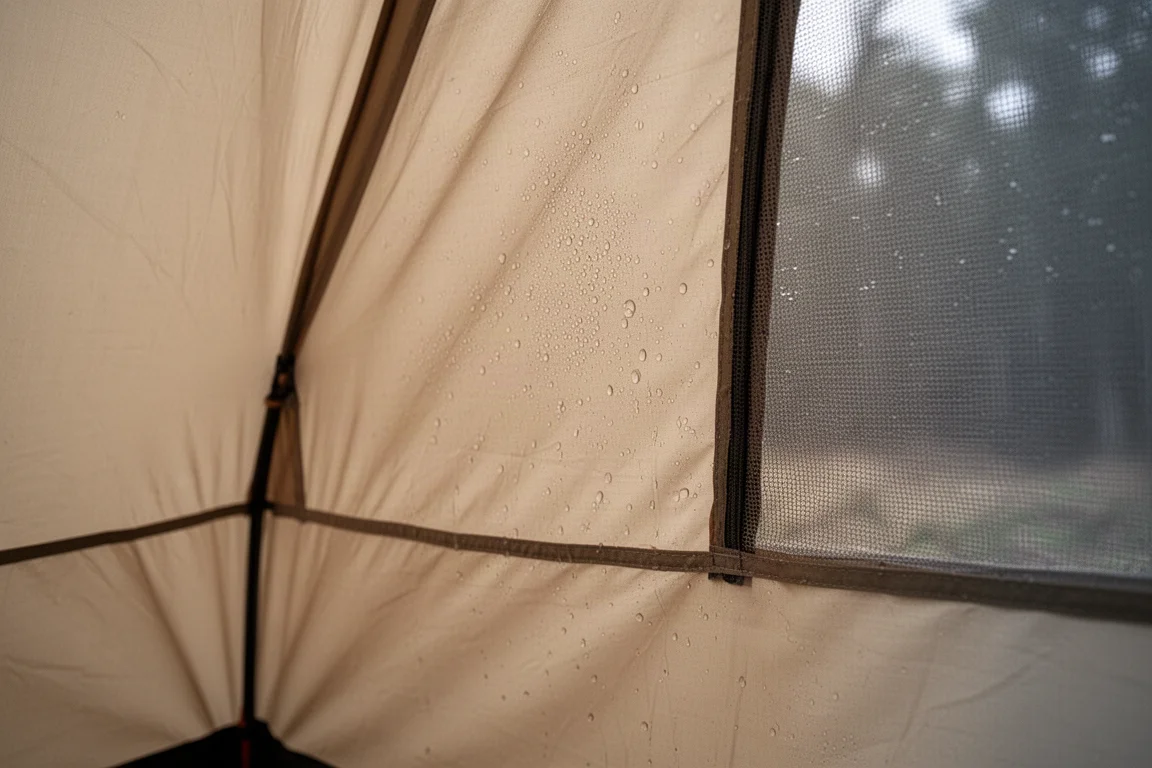
Practically, that means a few habits matter more with a tent like this. Ventilation is the main lever. Leaving mesh panels exposed, avoiding a fully sealed fly when conditions allow, and choosing a pitch site with airflow all help move humid air out before it condenses on cold fabric.
Site selection matters too. Low ground, still air, and a crowded campsite with no breeze all encourage moisture to settle on the inner walls. Campers who regularly wake up to damp sleeping bags should weigh that pattern carefully before committing to any tent, this one included.
Moisture control and condensation behaviour are the next phase of assessment for this model, and they will shape the fuller picture of how it performs over a season rather than a single storm.
Getting the Most From It in Wet Weather
A few practical habits make a measurable difference with any three-season tent. Pitch it fully, with every stake set and guy lines tensioned so the fly sits taut and sheds water rather than sagging into pockets. A taut fly drains; a loose one collects.
Choose ground that drains. Slightly raised, well-drained sites keep standing water away from the floor, and a footprint or groundsheet adds a useful layer of separation between the tent base and saturated soil.
Finally, plan for ventilation before the rain starts, not after. Setting the tent up with airflow in mind is far easier in daylight than adjusting a soaked fly at midnight.
Buying Advice
If your priority is a shelter that keeps rain out through long, heavy weather, the Kelty Late Start tent has earned real confidence on that front. More than six hours of sustained rain produced no leakage, which is exactly the kind of performance a buyer wants from a mainstream camping tent.
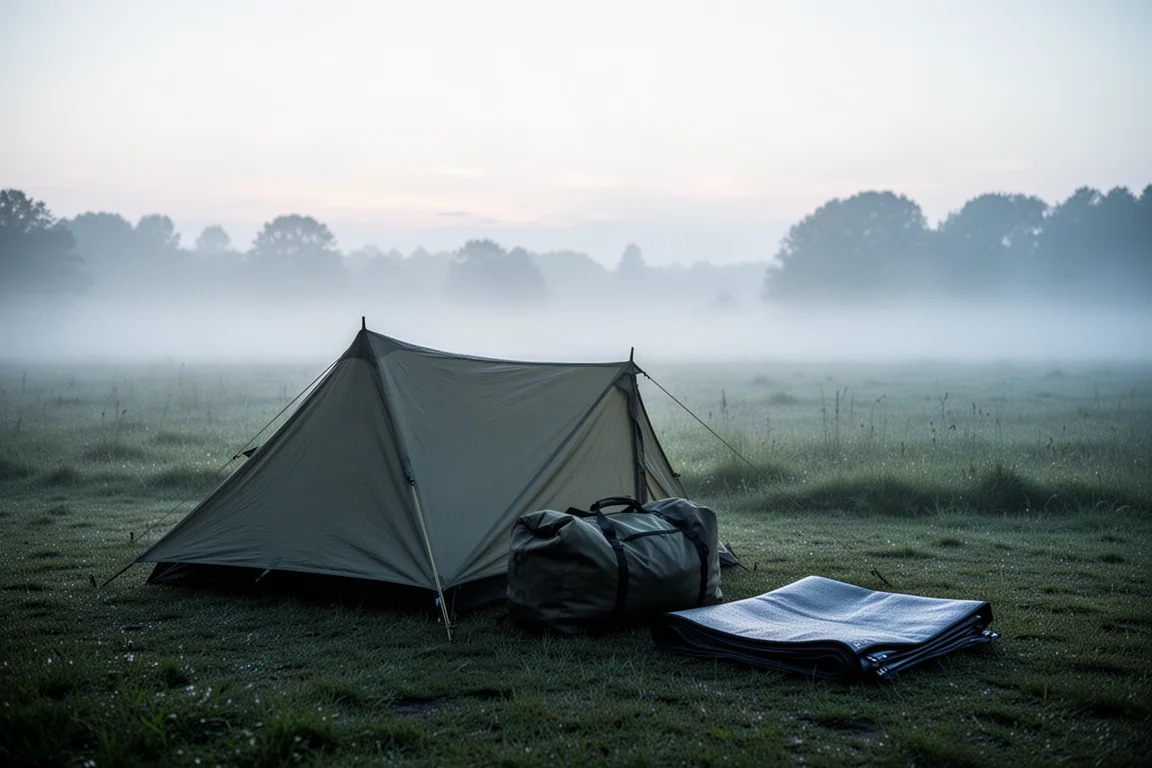
The decision comes down to how you camp. If you pitch in breezy, well-drained sites and expect changeable weather, this tent’s proven waterproofing is a genuine asset. If you camp in humid, still conditions or plan long trips with the fly closed for hours at a time, factor in the condensation question and be prepared to manage ventilation actively.
Either way, this is a tent whose core job, keeping the rain out, is well established.
Conclusion
The Kelty Late Start tent came through a demanding rain test without a single leak, holding dry through more than six hours of rain that ranged from light to pouring. That result lines up with the broader reputation of Kelty tents as reliable wet-weather shelters.
The open question is condensation, which is a known weakness in the brand’s lineup and deserves attention from anyone who camps in damp or still conditions. Buyers who prioritize rain protection and are willing to pitch carefully and ventilate well will find a lot to like here.
Product link
View more details for Kelty Late Start Tent
This product is mentioned in the review. Check the specifications, options, and compatibility before buying.
View more details for Kelty Late Start TentFurther reading
Related Reviews
Camping Tents
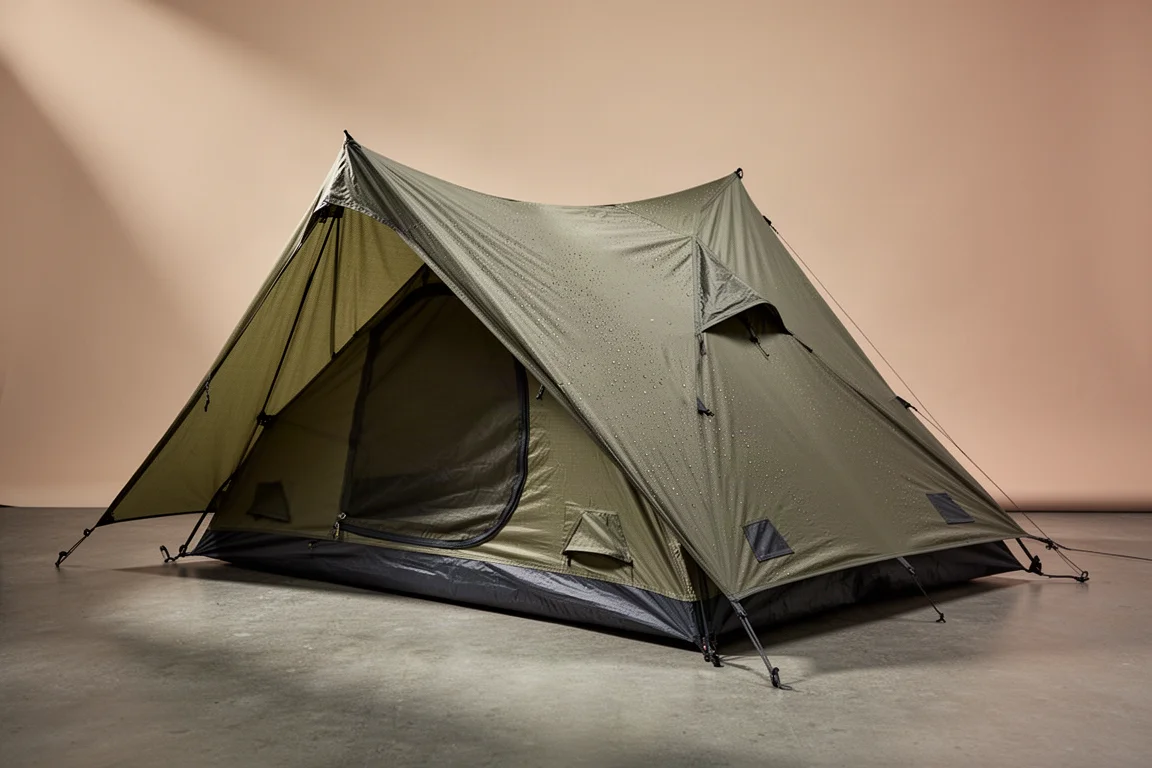
3F UL Gear Taiji Two-Person Tent Review: Field Waterproofing Results and Buying Advice
The Taiji pairs an attached fly with a removable inner, but sustained rain exposed untaped vent seams that need sealing before this shelter can be trusted.
Camping Tents
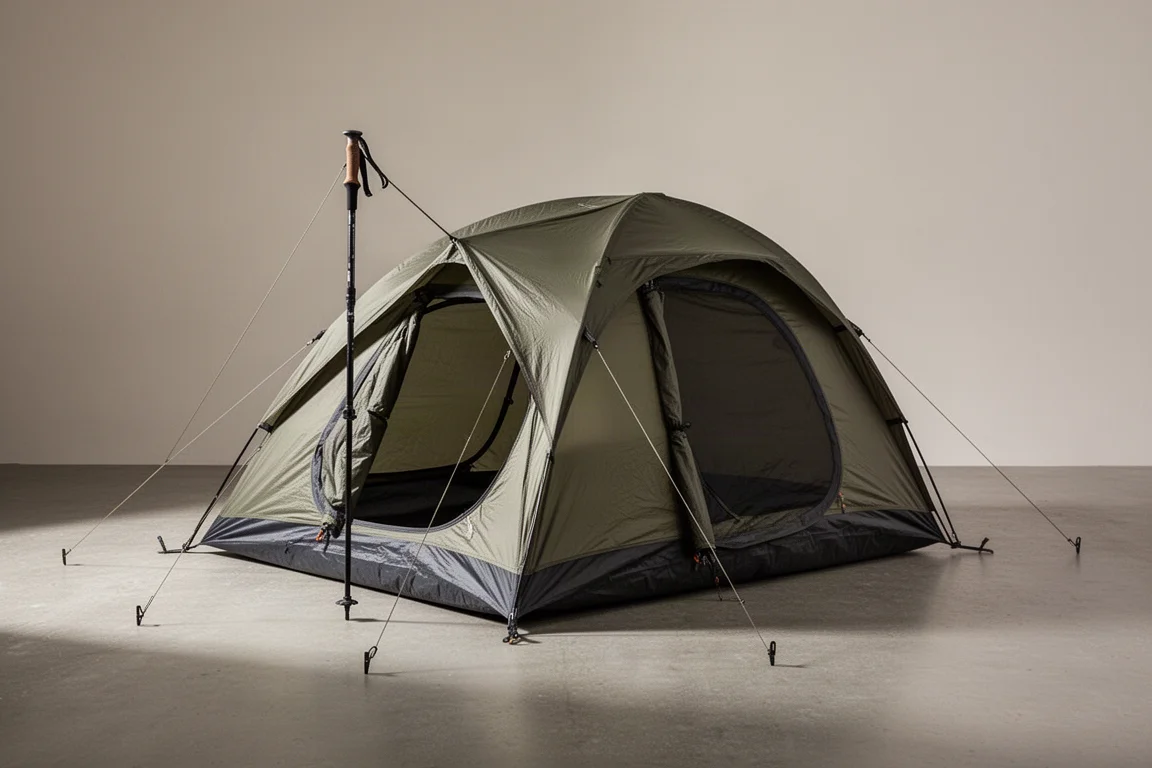
3FUL Gear Lanshan 2 Pro 4-Season Review: A Sub-$200 Single-Wall Trekking Pole Tent
An early look at the 3FUL Gear Lanshan 2 Pro 4-Season, covering its straightforward pitch, generous interior space, and the condensation and seam-sealing questions that come with any single-wall shelter.
Camping Tents
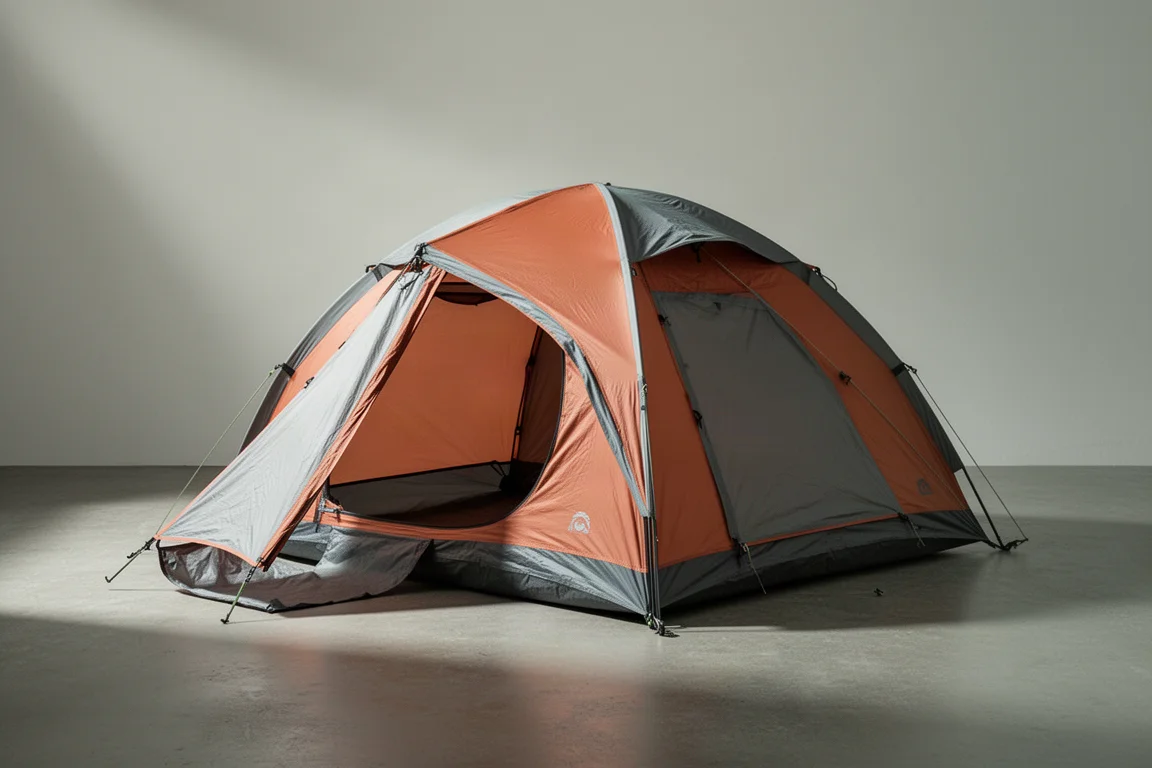
Alps Mountaineering Lynx 1-Person Tent Review: Big Value in a Small Budget Tent
A close look at the Alps Mountaineering Lynx 1-Person Tent, covering real interior dimensions, materials, setup time, ventilation limits, and who should buy it.