Camping Tents
Kelty Late Start Tent Review: How It Held Up Through Six Hours of Rain
An extended rain test of the Kelty Late Start tent, covering how it handled hours of heavy rain and what to weigh before buying.
Introduction
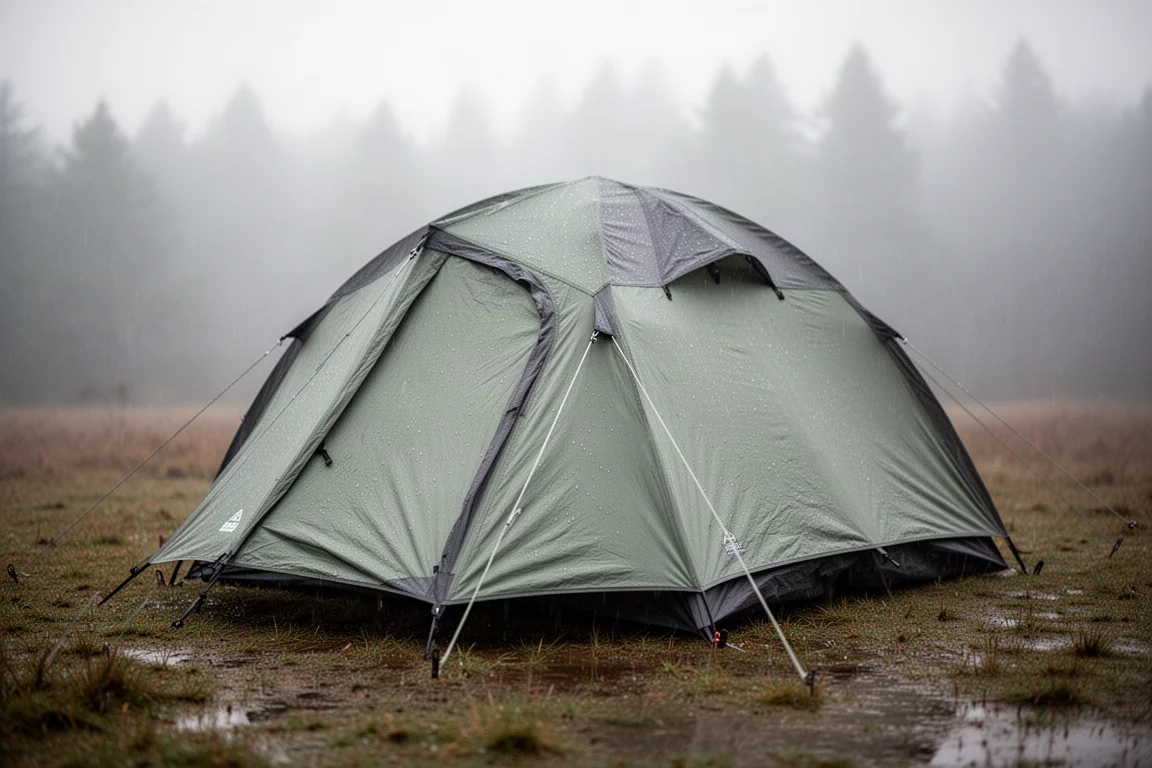
The Kelty Late Start is a camping tent that was put through a deliberately punishing weather test: pitched, fully staked out, and left exposed to more than six hours of rain of varying intensity. The goal was simple. Establish whether the shelter stays dry when the weather does not cooperate.
That kind of prolonged exposure tells you far more than a brief shower ever could. A tent can shrug off twenty minutes of drizzle and still fail in hour four. This test ran long enough, and hard enough, to be genuinely informative.
Who This Tent Is For
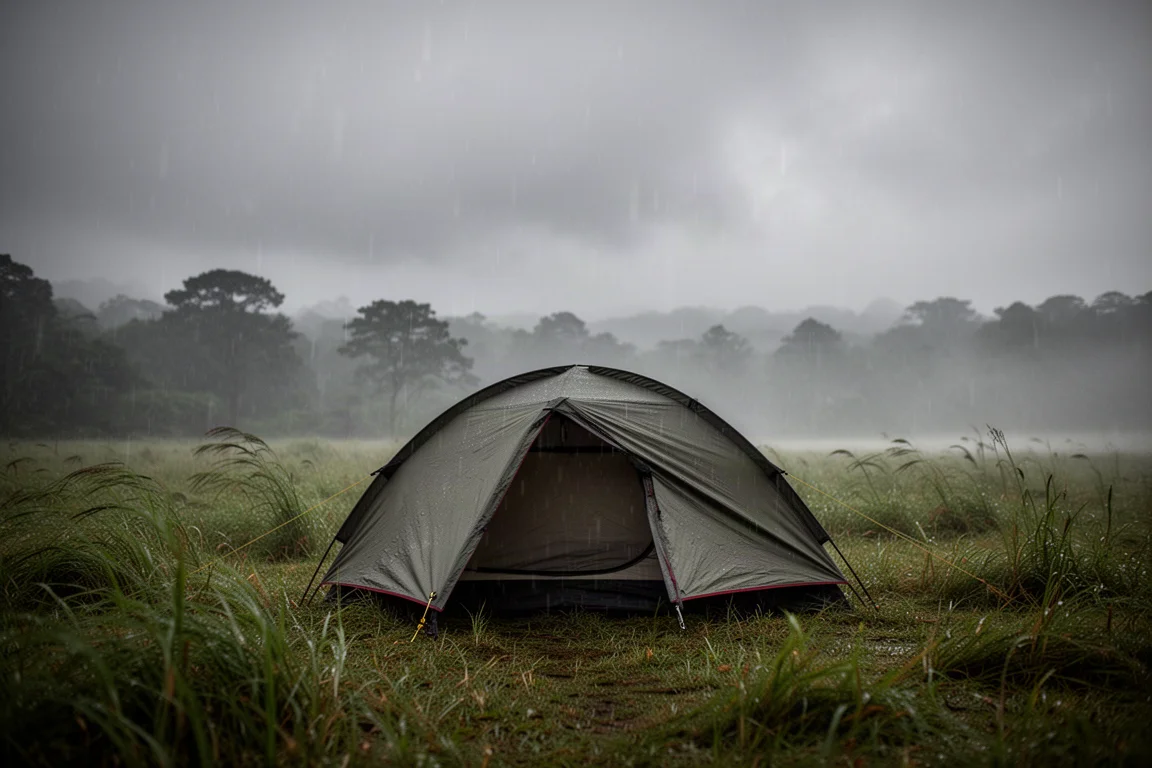
This tent is aimed at campers who treat rain as a realistic possibility rather than an unlucky exception. If you camp in regions where multi-hour storms are part of the season, waterproof performance stops being a nice-to-have and becomes the deciding factor.
It is also relevant for campers who want a shelter that can be left pitched and trusted while they wait out a front, rather than one that needs constant attention or a secondary tarp thrown over the top as insurance. The test conditions here were close to what an exposed campsite in a wet climate actually feels like.
If your trips are mostly fair-weather and short, the waterproofing story matters less. But for anyone who has packed up a damp sleeping bag at dawn, this is the part of a tent worth scrutinising first.
Main Strengths: Reliable Rain Protection
The headline strength is straightforward: Kelty tents have a long-standing reputation for keeping water out, and the Late Start fits that pattern. Across years of experience with this brand’s shelters, leaks have not been the recurring complaint.
That matters because waterproofing is the one tent failure you cannot work around once you are inside it. A pole you can improvise. A missing stake you can replace with a rock. A leaking fly at two in the morning leaves you with no good options.
The Late Start’s weather protection is therefore best understood as dependable rather than exceptional. It does the fundamental job, and it does it without drama.
Performance in Prolonged Rain
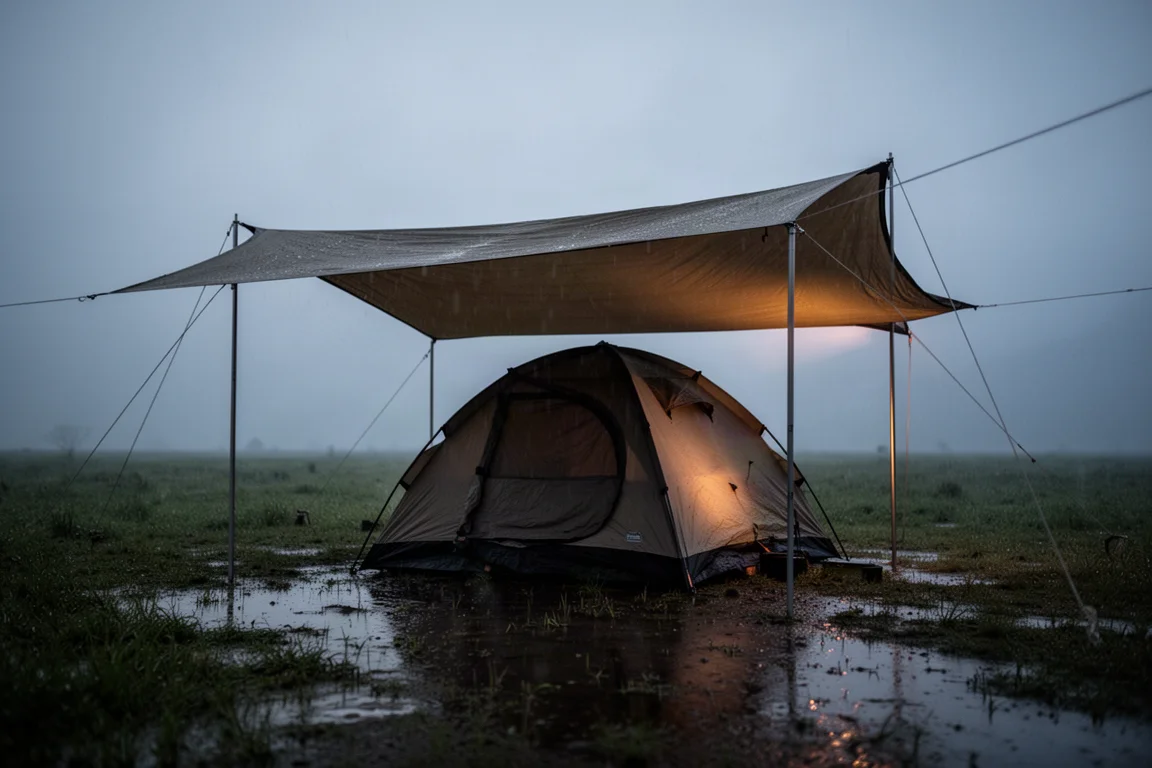
The test unfolded over a full day. Rain began lightly and stayed gentle for roughly the first hour. From that point the intensity climbed steadily, shifting into moderate to heavy rain and then into outright pouring conditions that persisted for hours.
By the three-and-a-half-hour mark the shelter had already been through a meaningful range of rainfall intensities rather than a single sustained drizzle. The tent was left in place for a further stretch, and the final inspection came after more than six hours of continuous exposure, roughly twenty minutes before sundown.
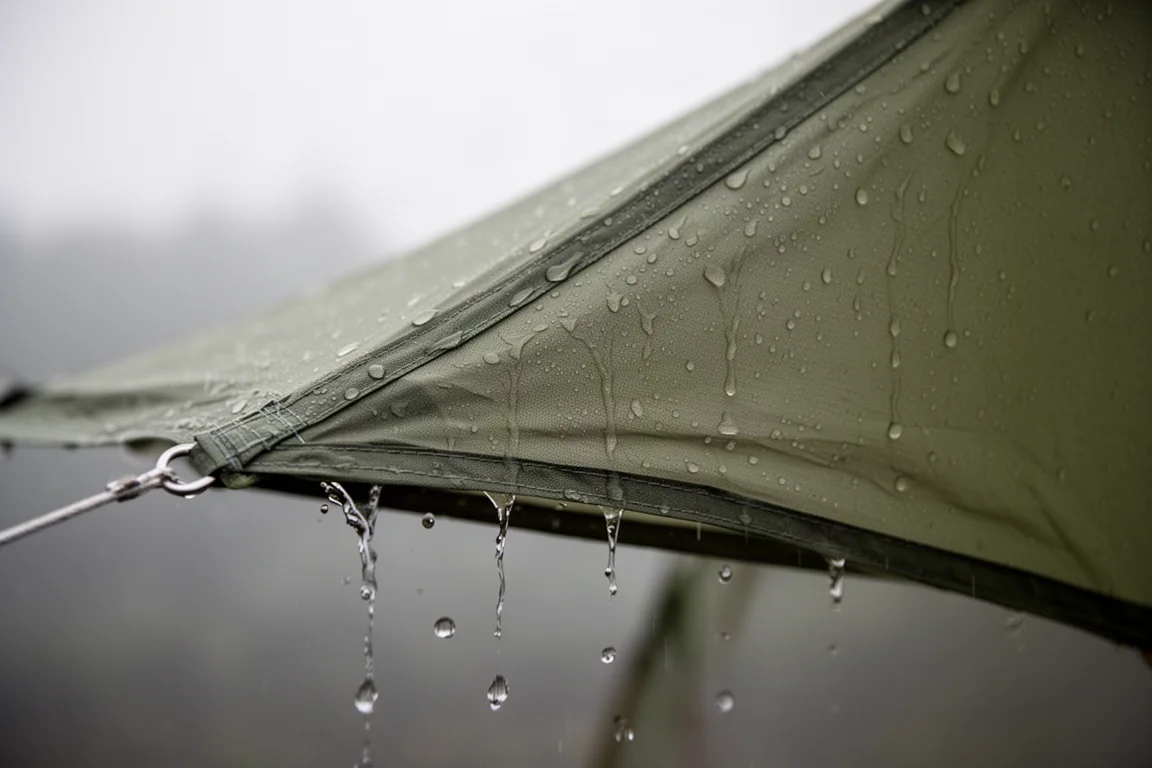
The result was clean. No leaks. Water did not make its way through the fly or the body of the tent despite the long duration and the heavy phases. Given how the brand’s shelters have behaved historically, that outcome was expected rather than surprising, but it is still the outcome you want confirmed under real conditions rather than assumed.
Things to Consider Before Buying
Waterproofing is only one half of a tent’s weather story, and this is where the Kelty Late Start deserves a closer look before you commit.
The brand’s recurring weakness is condensation, and it is not a minor footnote. Kelty tents have consistently shown themselves to be strong at keeping rain out while being notably poor at managing moisture that builds up inside. Those are two different problems with two different causes, and solving the first does not solve the second.
For buyers, that distinction shapes the decision. A tent that stays dry in a storm but leaves the interior clammy by morning has still solved the more dangerous problem, but it has not solved the comfort problem.
Condensation and Moisture Management
Because the rain test came back clean, the natural next step is moisture control inside the shelter. That is the phase that follows, and it is the one that will determine how the tent feels across a full night rather than how it behaves during a downpour.
Condensation is influenced by how you pitch and ventilate a tent, not just by how it is built. Site selection, airflow, and how many people and how much damp gear are inside all shift the outcome. So the useful question is not simply whether this tent condenses, but how much control you have over it in practice.
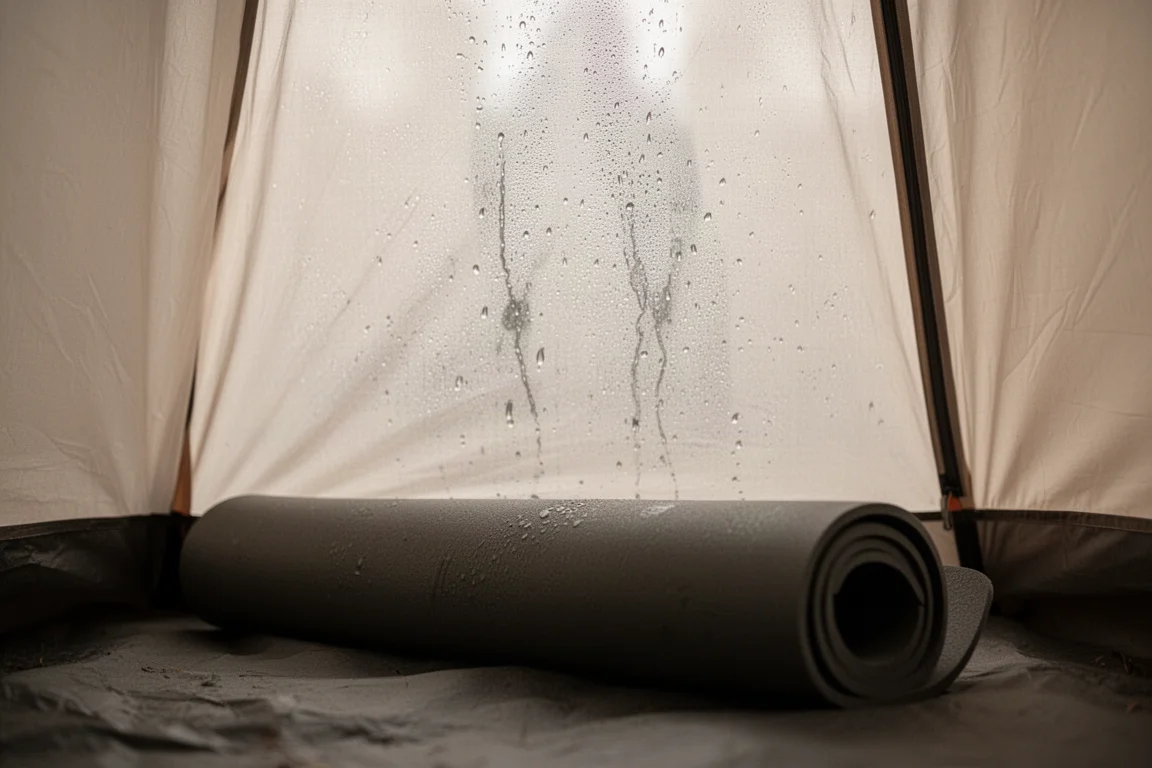
If you camp in humid conditions, in still air, or with more than one sleeper, treat moisture management as the variable to watch. It is the area where this tent is most likely to shape your experience.
How to Get the Best Results from This Tent
Getting dependable weather performance starts with a complete pitch. Before the test began, the tent was fully staked out with every anchor point secured, which lets the fly sit taut and shed water the way it is designed to. A loose fly pools water and invites it in at the seams.
Beyond the pitch, ventilation is the lever you actually control. Leaving airflow paths open, avoiding low-lying ground where moisture collects, and keeping damp gear outside the sleeping area all reduce the load the tent has to handle overnight.
None of that changes the tent’s fundamental character. It simply puts the known weak point, condensation, under your influence rather than leaving it to chance.
Buying Advice
If your priority is a shelter that keeps rain out through long, heavy storms, this tent delivered exactly that under conditions most campers would rather avoid. Six hours of escalating rainfall produced no leaks, and the performance matched what this brand’s tents have consistently shown.
The honest caveat is condensation. Buyers who camp in humid, still, or cool conditions, or who sleep two to a tent, should go in expecting to actively manage interior moisture. That is a manageable problem, but it is a real one, and it is worth weighing against the waterproofing strength rather than glossing over.
The most sensible way to think about it is by matching the tent to your climate. In wet but well-ventilated conditions, the strengths dominate. In damp and enclosed ones, plan for the trade-off.
Conclusion
The Kelty Late Start did the important thing well. Left out in more than six hours of rain that ranged from light to pouring, it stayed dry, and it did so without any intervention.
Its limitation is the familiar one for this brand: condensation, not leakage. Buyers who weigh both sides of that equation, dependable rain protection against interior moisture that needs managing, will have a clear picture of whether this tent fits the way they camp.
Product link
View more details for Kelty Late Start
This product is mentioned in the review. Check the specifications, options, and compatibility before buying.
View more details for Kelty Late StartFurther reading
Related Reviews
Camping Tents
3F UL Gear Taiji Two-Person Tent Review: Field Waterproofing Results and Buying Advice
The Taiji pairs an attached fly with a removable inner, but sustained rain exposed untaped vent seams that need sealing before this shelter can be trusted.
Camping Tents
3FUL Gear Lanshan 2 Pro 4-Season Review: A Sub-$200 Single-Wall Trekking Pole Tent
An early look at the 3FUL Gear Lanshan 2 Pro 4-Season, covering its straightforward pitch, generous interior space, and the condensation and seam-sealing questions that come with any single-wall shelter.
Camping Tents
Alps Mountaineering Lynx 1-Person Tent Review: Big Value in a Small Budget Tent
A close look at the Alps Mountaineering Lynx 1-Person Tent, covering real interior dimensions, materials, setup time, ventilation limits, and who should buy it.