Camping Tents
Kelty Late Start 2 Review: How It Handles Light, Moderate, and Heavy Rain
A close look at how the Kelty Late Start 2 performs through light, moderate, and heavy rain, including seam taping, tub floor coverage, and the limits to know before you buy.
Introduction
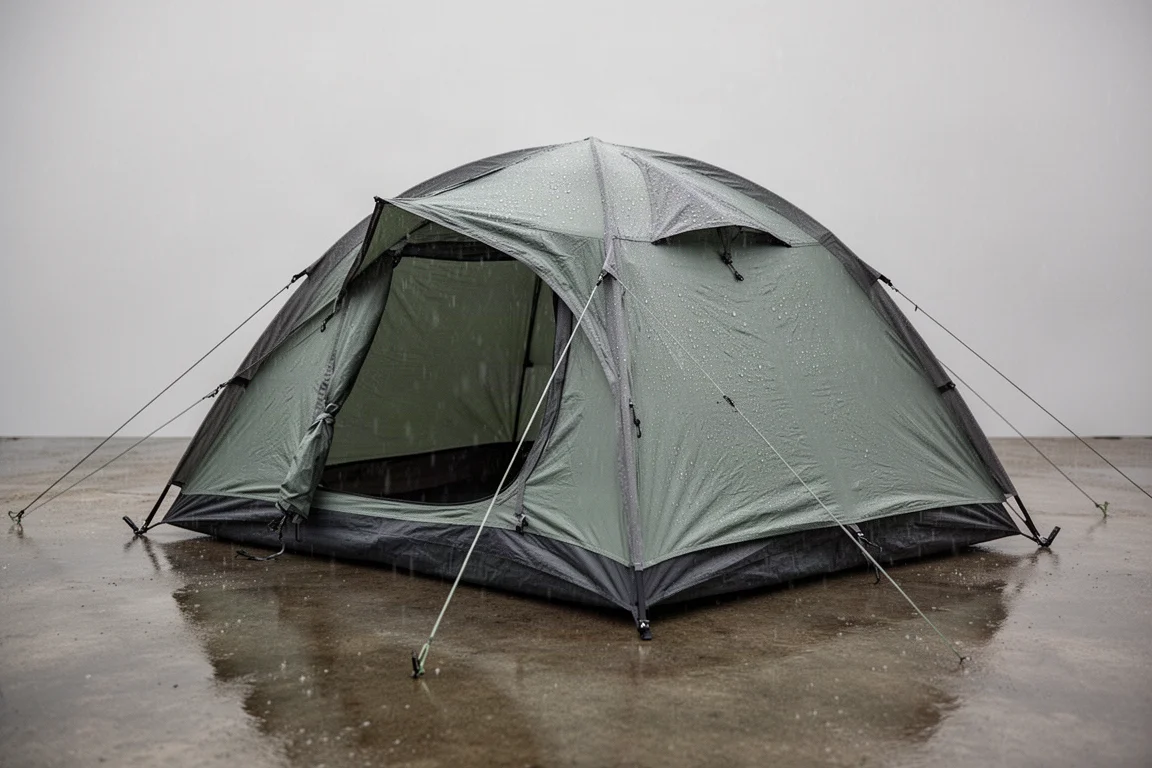
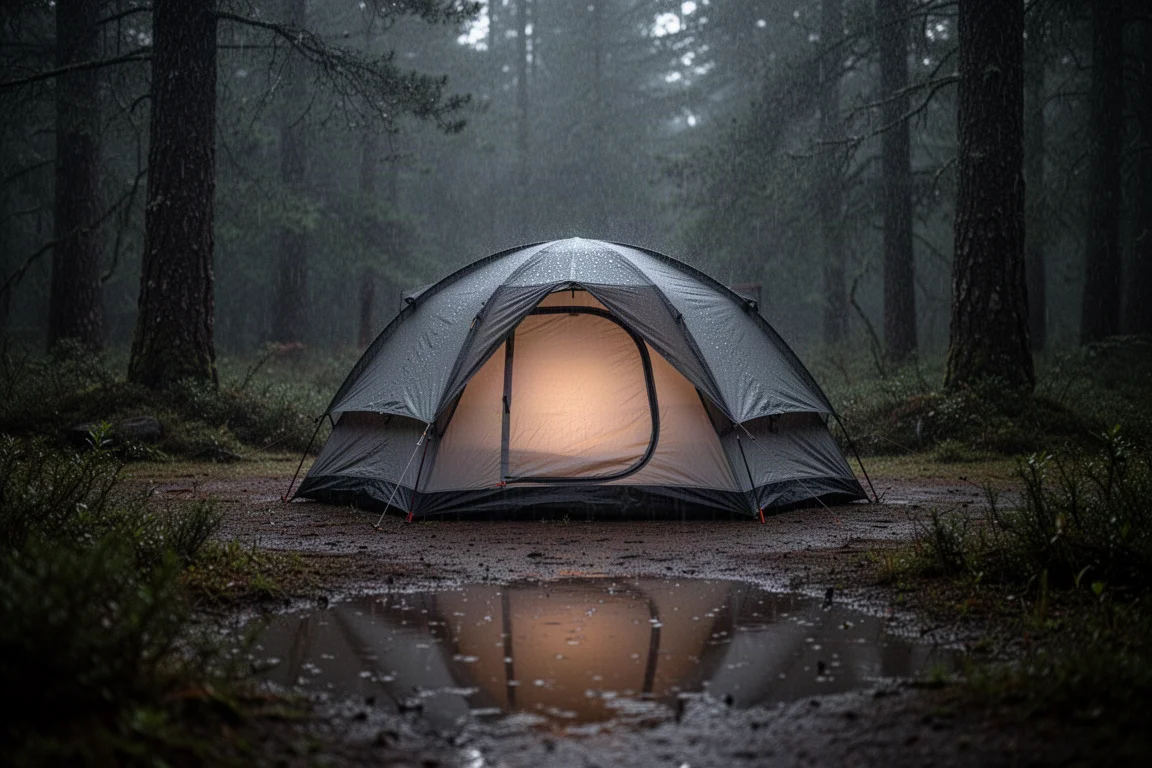
The Kelty Late Start 2 went through three consecutive rain stages: one hour of light rain, one hour of moderate rain, and one hour of heavy rain. After the heavy rain finally stopped, there was not a single drop of water inside the tent.
That is the headline result, but it is not the whole story. The rainfly felt slightly damp to the touch, and the tent’s waterproofing comes with genuine strengths alongside equally genuine limits. This review covers what held up, where the design gives ground, and which campers will get the most from it.
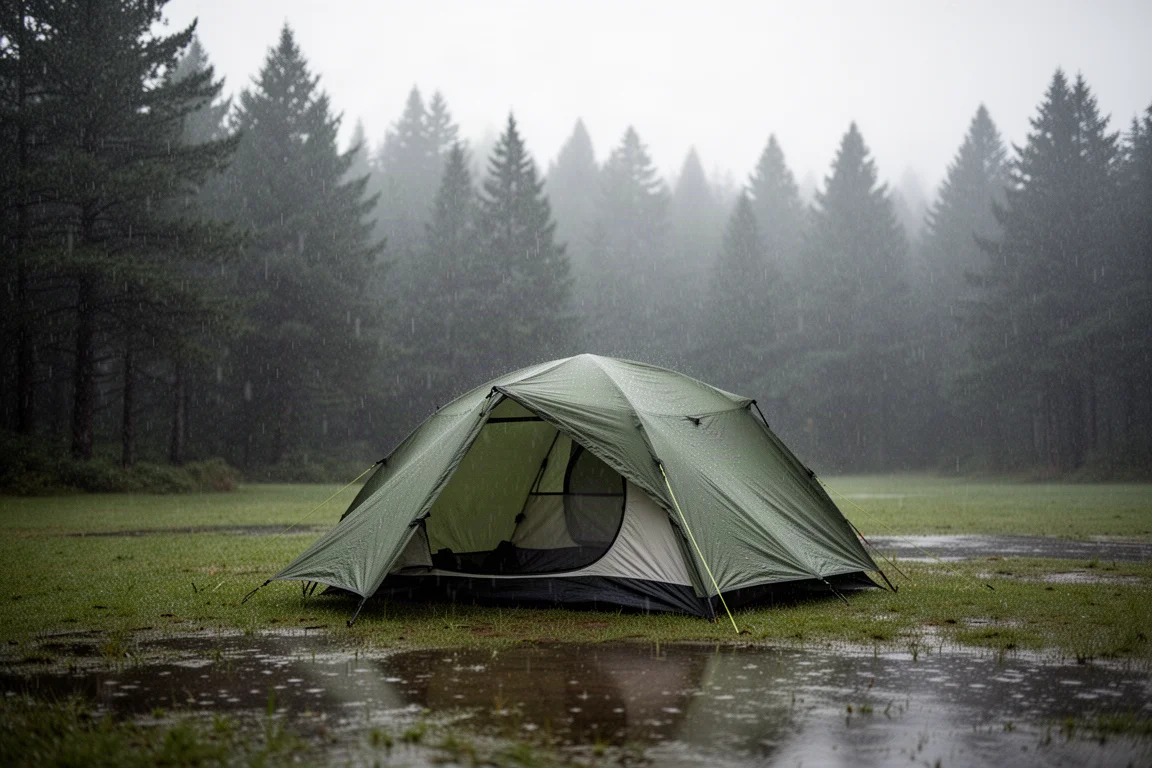
Understanding those limits matters more than a simple pass or fail verdict, because the Late Start 2 behaves very differently depending on how long the rain lasts and which direction it comes from.
Who This Tent Is For
This tent suits campers whose trips mostly involve light to moderate rain. In those conditions the waterproofing held up with no interior moisture at all, and the taped seams and deep tub floor did their job without complaint.
It is also a sensible choice for anyone who values a properly taped rainfly and floor over extra vents or a complex guy-out system, since those are the areas where this design concentrates its effort.
Campers who regularly pitch in many hours of sustained heavy rain should read the limitations below carefully before deciding.
Waterproofing Strengths: Taped Seams and Rain Shedding
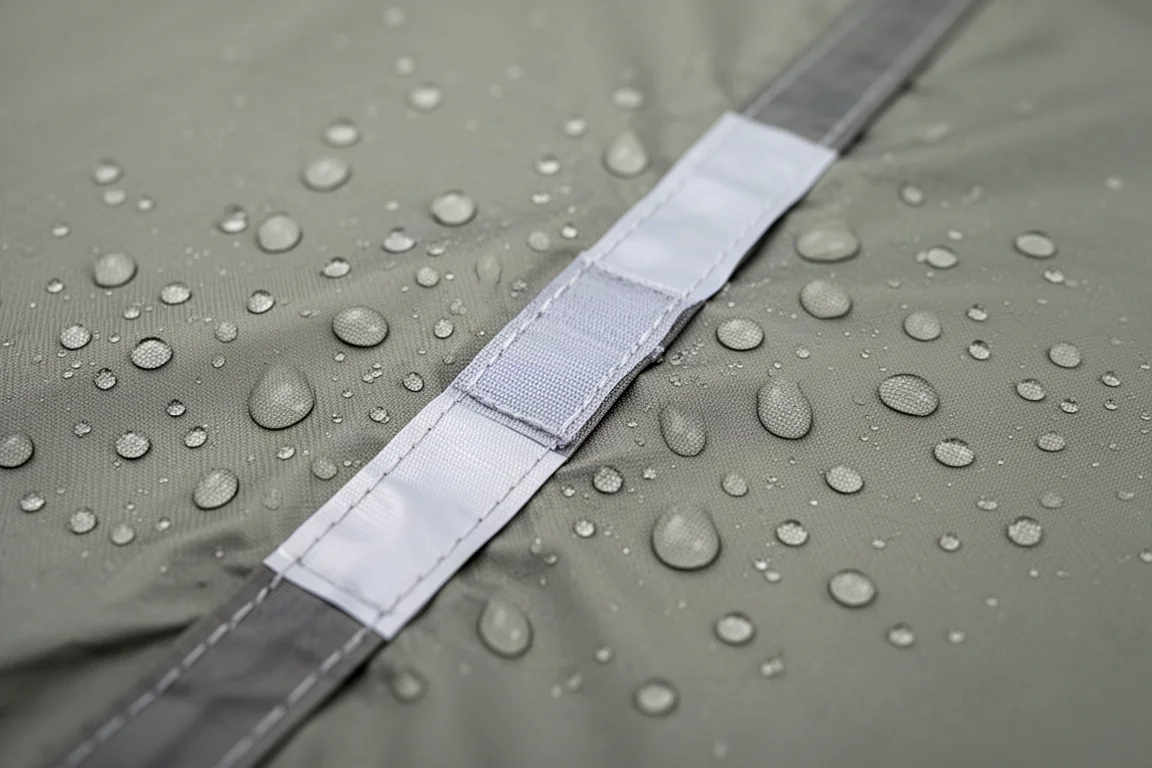
The first strength is the seam taping. Every seam on the rainfly was taped, and inside the tent the flooring seams were taped as well. During the heavy rain stage, the floor seams, including the corners, did not leak at all.
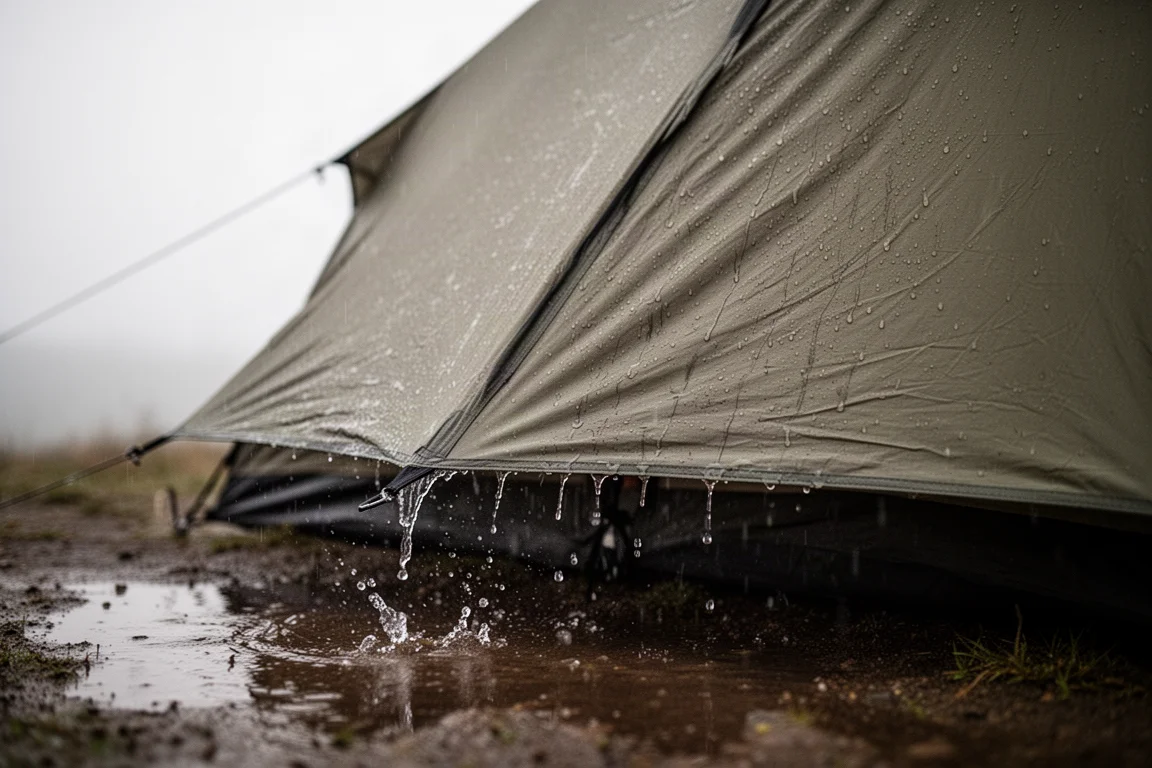
The second strength is how the rain sheds. Water does not pool at the top of the tent. It runs down the rainfly cleanly instead of collecting in a puddle that could eventually work its way through the fabric.
The third strength is the tub floor, which rises to about 10.5 inches at the widths of the tent and about 7 inches along its length. After the heavy rain test, water had not climbed beyond the tub floor, so the coverage proved to be the right depth for those conditions.
Tub Floor Design and Rainfly Coverage
The two different tub floor heights are deliberate rather than inconsistent. At the front vestibule and the back floor vent, the rainfly can be pulled away from the tent body, which adds rain protection on its own. Because that extra layer of separation is doing part of the work, the tub floor along the length does not need to be as tall.
At the widths, that separation is not available, so the tub floor has to carry more of the load. That is why it stands taller there, and why the depth of the tub floor matters most when rain is driven in from the side.
Things to Consider Before Buying
The rainfly cannot be pulled away from the tent body at the widths, because there is no guy-out point there. With the fly sitting closer to the body, less rain is deflected and more of it splashes up against the tent fabric, which is exactly why the tub floor at the widths needs to be higher in the first place.
Ventilation is the other trade-off. There are no extra vents in the rainfly or in the tent body, which limits airflow on rainy days when the tent is fully closed up. Campers who sleep warm or spend long evenings inside during wet weather should plan for that.
Waterproofing Limits in Prolonged Heavy Rain
The waterproof coating is not built to withstand many hours of heavy rain. After roughly one to one and a half hours of heavy rain, the rainfly began to feel damp on the inside, which is a meaningful limitation for anyone who camps in consistently wet climates.
Light rain and moderate rain are a different story, and the tent handled both with no interior moisture at all. The limitation is specific to long, intense downpours rather than ordinary wet weather, so it is worth weighing against the kind of trips you actually take.
Buying Advice
The Late Start 2 makes the most sense for campers whose typical trips involve light to moderate rain, where it stayed completely dry inside. The taped seams, clean rain shedding, and deep tub floor are real advantages in those conditions.
If your plans regularly include many hours of heavy rain, weigh the damp rainfly and the limited ventilation against everything else the tent offers. Knowing where the ceiling sits on sustained downpours lets you pack accordingly, whether that means choosing a more sheltered pitch or simply accepting a little interior dampness.
For everyone else, this is a tent that gets the fundamentals right: it keeps water out when the rain is ordinary, and it is honest about where its limits begin.
Conclusion
Across one hour of light rain, one hour of moderate rain, and one hour of heavy rain, the Kelty Late Start 2 stayed completely dry inside. The seam taping, the rain shedding at the top, and the depth of the tub floor all performed as intended.
The trade-offs are equally clear: no guy-out point at the widths, no extra vents, and a waterproof coating that gives ground after an hour or so of heavy rain. Match those limits to the weather you actually camp in, and this tent is a confident choice.
Product link
View more details for Kelty Late Start 2
This product is mentioned in the review. Check the specifications, options, and compatibility before buying.
View more details for Kelty Late Start 2Further reading
Related Reviews
Camping Tents
3F UL Gear Taiji Two-Person Tent Review: Field Waterproofing Results and Buying Advice
The Taiji pairs an attached fly with a removable inner, but sustained rain exposed untaped vent seams that need sealing before this shelter can be trusted.
Camping Tents
3FUL Gear Lanshan 2 Pro 4-Season Review: A Sub-$200 Single-Wall Trekking Pole Tent
An early look at the 3FUL Gear Lanshan 2 Pro 4-Season, covering its straightforward pitch, generous interior space, and the condensation and seam-sealing questions that come with any single-wall shelter.
Camping Tents
Alps Mountaineering Lynx 1-Person Tent Review: Big Value in a Small Budget Tent
A close look at the Alps Mountaineering Lynx 1-Person Tent, covering real interior dimensions, materials, setup time, ventilation limits, and who should buy it.