Camping Tents
Kelty Late Start 2-Person Tent Review: A Fast, Budget-Friendly Summer Shelter
A practical look at the Kelty Late Start 2-Person Tent, covering its five-minute setup, 29.3 square foot floor, rain performance, and the trade-offs budget buyers should weigh.
Introduction
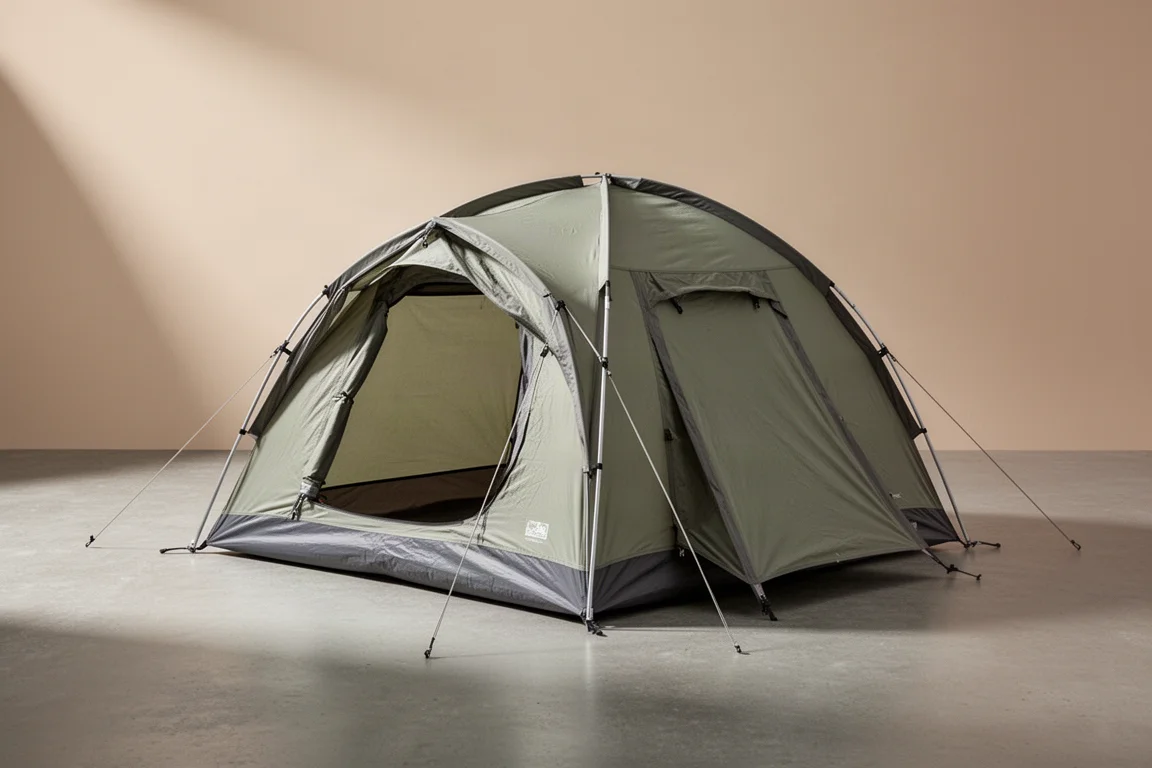
The Kelty Late Start 2-Person Tent is a budget camping tent built around a deliberately short feature list. Two pre-bent aluminum poles cross in an X pattern, nine clips attach the body to the frame, and the rainfly drops on top with one blue-coded buckle to show the correct orientation among otherwise orange hardware. The result is a pitch that takes slightly more than five minutes and a pack-down that takes around six.
The numbers behind that simplicity are modest but useful. The floor measures roughly 87.5 inches long, tapering from 52.5 inches at the head to 44 inches at the foot, with about 48 inches across the middle, giving a total base area near 29.3 square feet. Peak height reaches about 41.5 inches at the center, and the packed tent weighs just under 5 pounds.
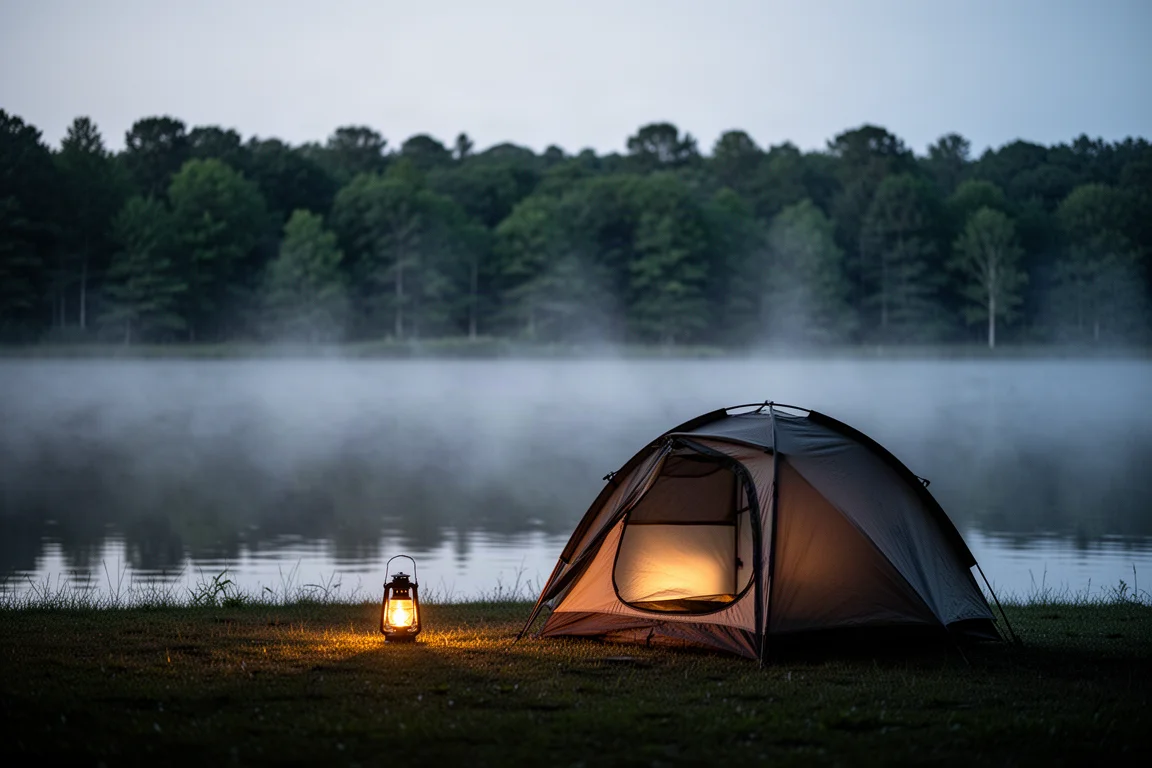
This review walks through what the tent does well, where it holds back, and which campers will get the most out of it. The short version: it is a summer-oriented, no-frills shelter that handles occasional heavy rain, and it is priced to match.
Who This Tent Is For
This is a tent for warm-weather campers who want a shelter that goes up quickly and does not ask much of them. With at least three quarters of the structure given over to mesh, including everything above the tub floor, it functions as a three-season summer tent rather than an all-year shelter. Campers who mostly head out between late spring and early autumn will find the ventilation and the open view upward genuinely pleasant, since the micromesh is close to transparent rather than tinted, which makes stargazing from a sleeping pad an easy habit to fall into.
It also suits buyers working to a strict budget who still want sensible construction details. The Kelty tents and gear line carries a limited lifetime warranty, which is a meaningful difference from the one-year coverage typical of entry-level alternatives. Anyone who wants two doors, a second vestibule, or a roomier interior should look at a different class of tent instead.
Main Strengths and Setup Experience
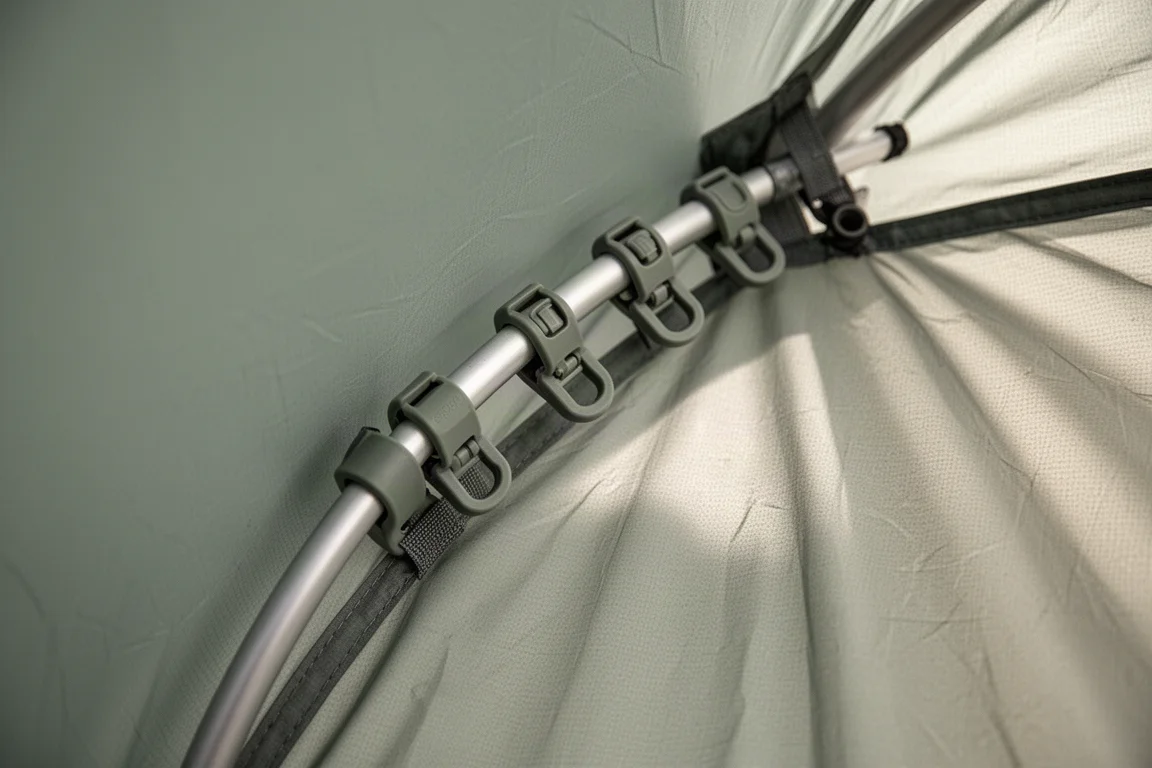
Setup is the headline. The two pre-bent poles cross over each other, then seat into quick corner fabric sleeves rather than metal grommets, and there are no pole sleeves to thread. Nine clips then fasten the body to the frame. The rainfly drapes over the top and secures with easy clip buckles, one of which is blue to mark the correct corner. After that, the tent gets staked out and the pre-attached guylines get tensioned. Total time lands at just over five minutes, faster than most two-person tents in the same category, largely because there are fewer poles and fewer vestibules to manage.
The feature set is small but considered. Four guylines handle wind protection, and small pockets on the rainfly let you stuff those guylines away when you remove the fly, which keeps the pack tidy. Storage inside includes two pockets at one end, each about nine inches across by seven inches deep, plus a larger top pocket around 13 by seven inches. A loop at the peak takes a lantern, and four additional loops around it give you somewhere to hang smaller items.
The door is generous at 41 by 32 inches, which makes getting in and out straightforward, and a toggle holds the fabric aside when it is open. Both the door and the vestibule use two zippers each, and the zipping action stays smooth without snagging. Build quality holds up under inspection as well, with no loose threads and clean seam taping and stitching throughout.
Things to Consider Before Buying
Headroom is concentrated at the center. The 41.5 inch peak sits directly under the highest point, and the walls slope downward across both the length and the width, so usable height falls off quickly toward the edges. The structure is a simple two-pole design without a ridge pole, which is the component that usually lifts a tent body and opens up interior volume. Kelty’s pre-bent poles are intended to claw back some of that livable space, but the practical difference is modest. A camper of average height will sit comfortably under the peak, but the tent is not one to stand up in or move around freely inside.
Sleeping arrangements need checking before you commit. A double-wide pad the size of two regular pads fits well and leaves a reasonable strip of floor for gear. A queen air mattress does not work: the width is too short for it to inflate fully, and it visibly bulges against the front of the tent.
Two further points matter for longer trips. There is only one door and one vestibule, where many two-person tents provide two of each, so both occupants share a single exit. And the rainfly cannot be pulled away from the body along the tent’s width, only along its length, which reduces airflow and leaves the fabric sitting close to the body in wet weather. There are no additional vents on the rainfly or the body either, so ventilation on rainy days is limited. Packed weight also runs a little heavier than the marketed 4 pounds 8 ounces, coming in just under 5 pounds on a scale.
Rain Protection and Weather Performance
Weather protection starts with a full-coverage rainfly that extends almost to the ground, leaving only a small gap at the base for airflow. The tub floor rises to about 10.5 inches along the widths and about 7 inches along the length. Those heights differ on purpose: the front vestibule and the rear floor vent both pull the fly away from the body at those ends, so less tub height is needed there. Because the fly stays close along the widths, the corners carry extra fabric for added protection.
Seam taping is thorough where it counts. The floor seam is fully taped, the corner seams are taped well, the vertical seam running up from each corner is taped to a point, and the rainfly seams are fully taped. The rear ground vent is covered with a layer of mesh.

In a staged rain test covering one hour of light rain, one hour of moderate rain, and one hour of heavy rain, no water reached the inside of the tent. Corners stayed dry, the other seams stayed dry, and the ceiling mesh remained completely dry. The rainfly felt slightly damp to the touch, but it never dripped, and water never travelled past the tub floor.
The waterproof rating sits at 1,200 mm, above the 500 to 1,000 mm range typical of the cheapest budget tents. That translates to roughly two to three hours of heavy rain before leaking becomes a concern, with the rainfly beginning to feel damp after one to one and a half hours. Premium tents can shrug off far longer downpours, so without additional waterproofing this tent is best suited to occasional heavy rain rather than persistent, all-day storms.
Packed Size, Weight, and Portability
Packed dimensions come to about 18 by 8-plus by 7 inches in the supplied carry bag, and the pack length drops to roughly 14 inches if you carry the poles separately from the rest of the tent. A hand grip on the bag makes it easy to haul short distances, and the full pack weighs just under 5 pounds. Four main guylines handle wind, and the small guyline pockets make it simple to stow the cord neatly when the fly comes off. Materials are consistent across the tent: 68D polyester for the floor, the tub that extends up the walls, and the rainfly, aluminum for the poles, and micromesh fine enough to keep out every bug encountered in testing. The guylines use regular shock cord with easy-to-operate tensioners, and the ten included stakes are thin shepherd hook designs, with a pole repair splint and setup instructions in the bag.
Buying Advice
The case for this tent rests on value. It sits clearly above typical Coleman or Core budget models in construction quality and in weather resistance, and it comes with a limited lifetime warranty rather than a single year. It does not reach the endurance of premium brands, which handle around 12 hours of consecutive heavy rain without trouble, and it lacks the interior volume, second door, and second vestibule those tents provide.
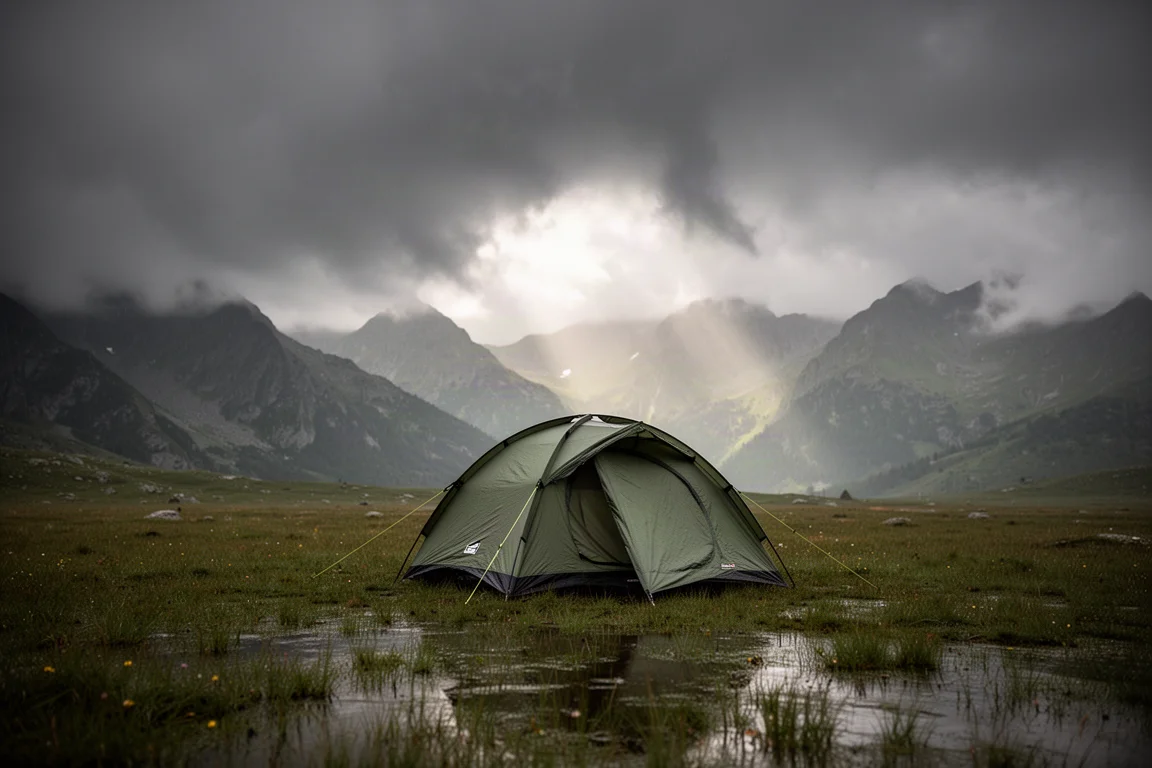
Buy it if you camp mainly in summer, want a shelter that pitches in about five minutes, and would rather spend the difference on other gear. Skip it if you regularly camp in sustained downpours, need two exits for two occupants, or want to sit up and move around comfortably inside. For occasional heavy rain and warm-weather trips, the fundamentals are sound, and the price during major sale events makes the value proposition stronger still.
Conclusion
The Kelty Late Start 2-Person Tent does one thing unusually well and several things adequately. Setup is genuinely quick, the mesh-heavy body is a pleasure in summer heat, and the seam taping, storage pockets, and guyline details show more care than the price suggests. Its limits are equally clear: modest headroom, a single door and vestibule, and waterproofing that sits between budget and premium rather than at the top.
For campers who want an inexpensive, functional tent that handles occasional heavy rain, this is a confident recommendation. For campers chasing all-weather protection or a roomier interior, it is worth stepping up to a different tier.
Product link
View more details for Kelty Late Start 2-Person Tent
This product is mentioned in the review. Check the specifications, options, and compatibility before buying.
View more details for Kelty Late Start 2-Person TentFurther reading
Related Reviews
Camping Tents
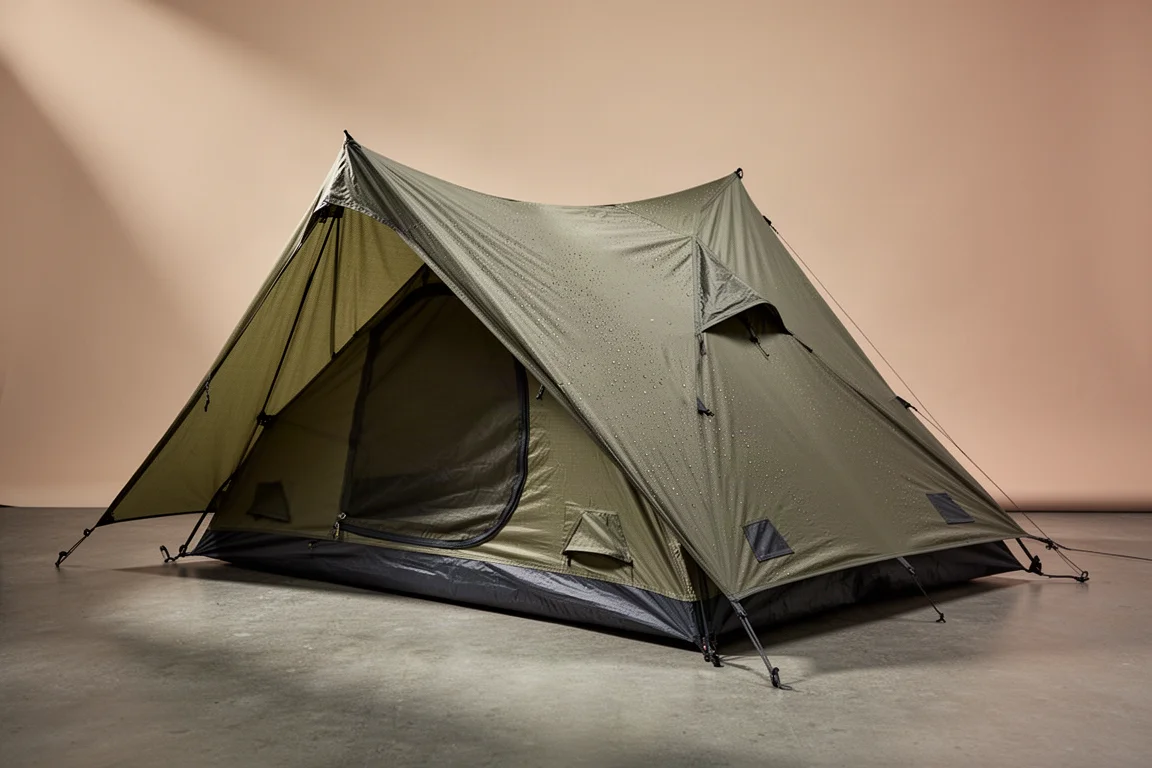
3F UL Gear Taiji Two-Person Tent Review: Field Waterproofing Results and Buying Advice
The Taiji pairs an attached fly with a removable inner, but sustained rain exposed untaped vent seams that need sealing before this shelter can be trusted.
Camping Tents
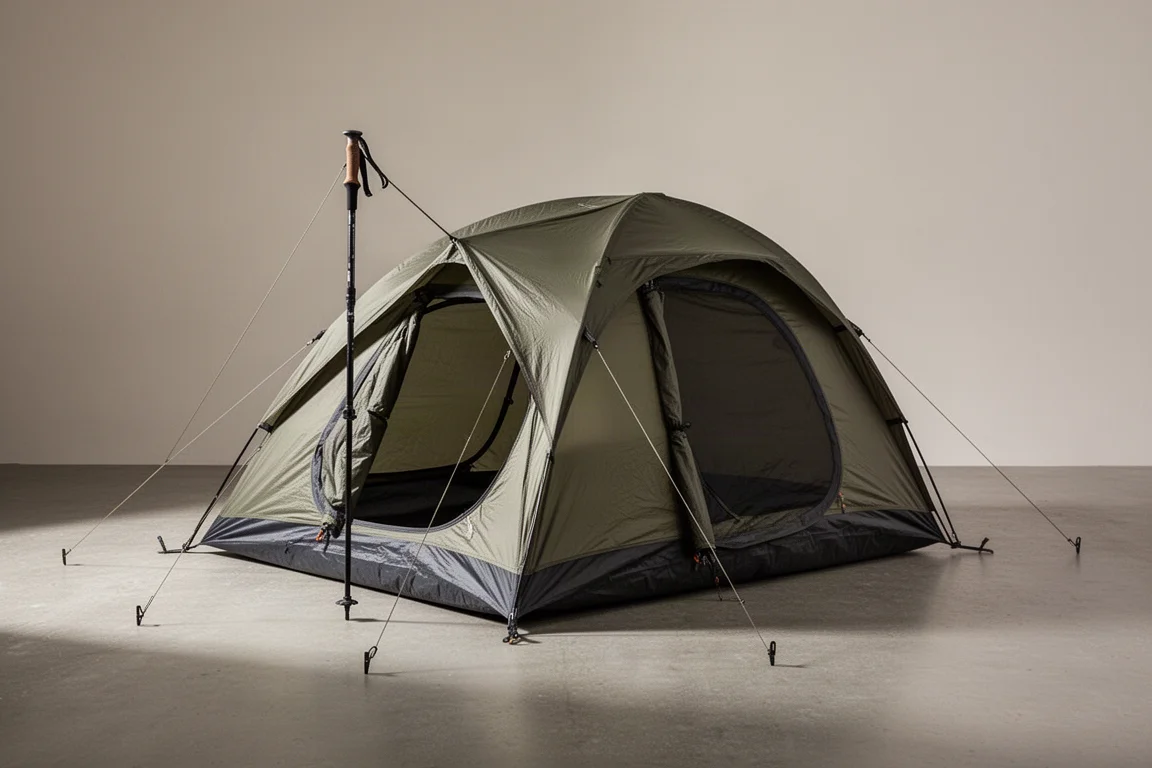
3FUL Gear Lanshan 2 Pro 4-Season Review: A Sub-$200 Single-Wall Trekking Pole Tent
An early look at the 3FUL Gear Lanshan 2 Pro 4-Season, covering its straightforward pitch, generous interior space, and the condensation and seam-sealing questions that come with any single-wall shelter.
Camping Tents
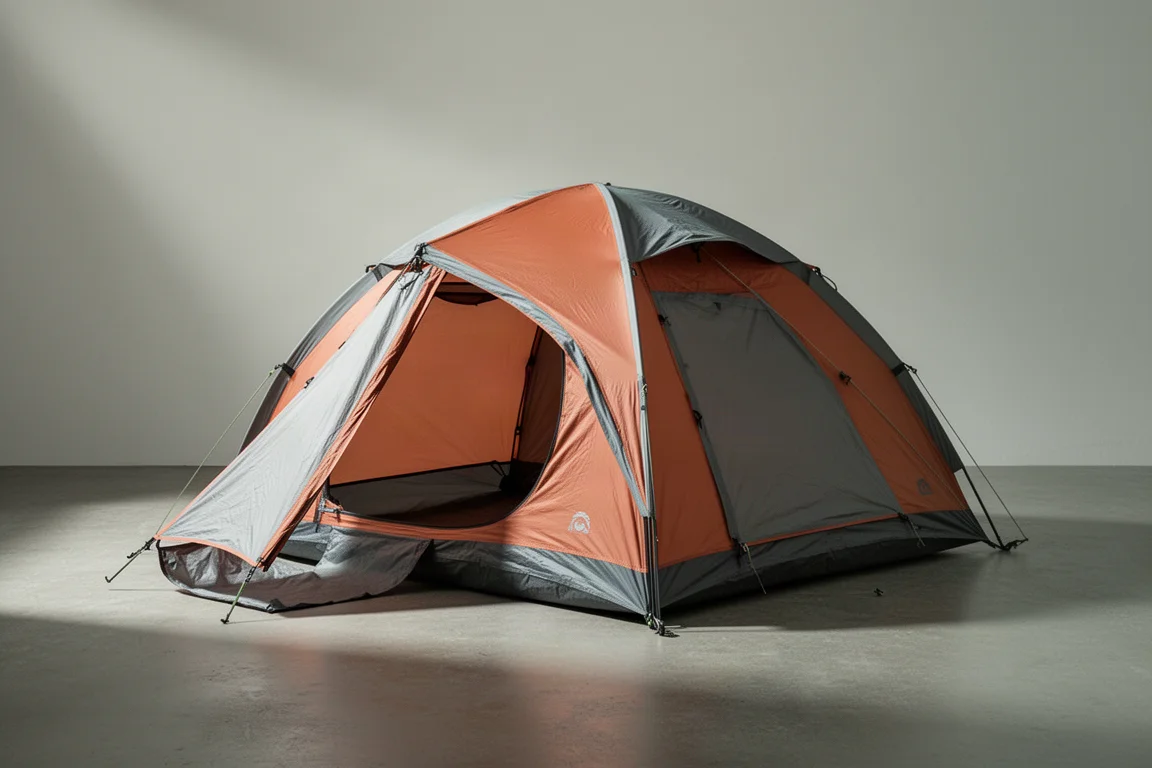
Alps Mountaineering Lynx 1-Person Tent Review: Big Value in a Small Budget Tent
A close look at the Alps Mountaineering Lynx 1-Person Tent, covering real interior dimensions, materials, setup time, ventilation limits, and who should buy it.