Sleeping Bags
Kelty Cosmic Sleeping Bag Review: Down Care, Warmth, and Buying Advice
A practical look at the Kelty Cosmic down sleeping bag, covering insulation care, warmth, storage habits, and what to check before you buy.
Introduction
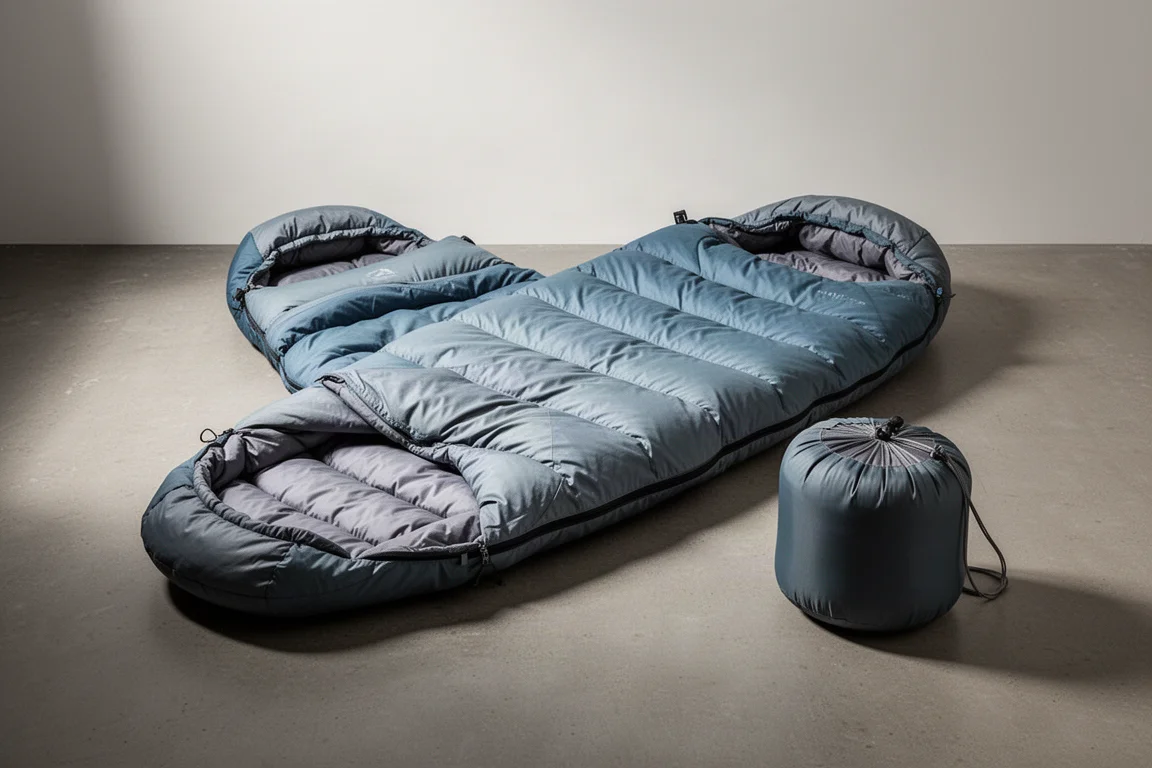
A down sleeping bag is one of the few pieces of backpacking gear where nightly comfort depends as much on how the fill is looked after as on how the bag was built. The Kelty Cosmic is a good example of that. It is a down bag that can do what down is meant to do, hold warmth relative to its bulk and pack down small, but only while the insulation stays in good condition.
The context behind this review makes the point clearly. This bag went out on a 280 mile route that had never been through hiked, planned as a three week solo trip. The hiker lasted two nights and reported freezing in it. When the gear was laid out afterwards, the down inside the bag was visibly clumped and unevenly distributed, and the bag had been stored compressed for years. Those two details explain far more about the cold nights than the bag’s basic design does.
What follows is a practical look at where the Kelty Cosmic works, where it needs attention, and what to check before buying one.
Who This Sleeping Bag Is For
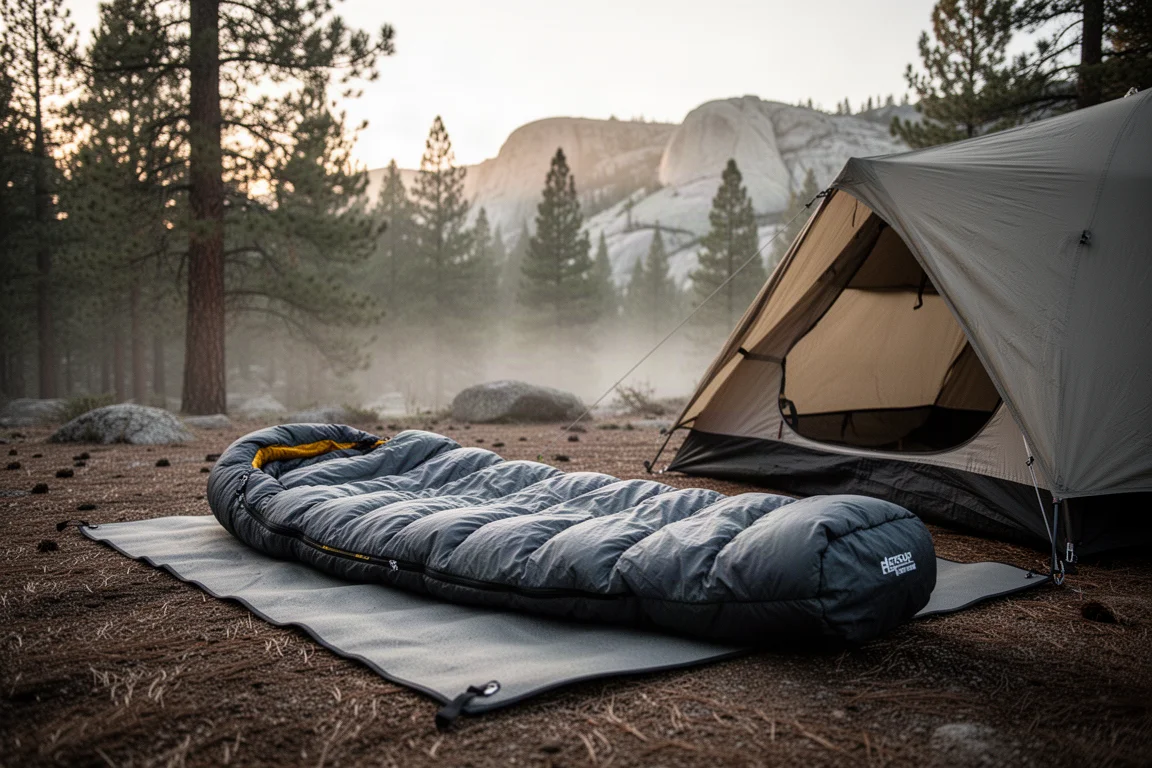
The Kelty Cosmic suits backpackers who treat down as a material that needs maintenance. That means storing it loose at home, washing and re-lofting the fill when it starts to clump, and keeping the bag reasonably clean on the trail so the insulation keeps working at its best.
It is a poor match for anyone who expects to pull a bag out of a stuff sack after a long storage period and sleep warm on the first night. Down that has been compressed for years does not simply spring back, and a bag that looks fine in the sack can still be cold to sleep in.
Main Strengths
The first strength is the insulation itself. Down is a capable fill for backpacking, and this bag uses it. When the fill is evenly distributed and fully lofted, the bag has the warmth and the packed size that down is chosen for in the first place.
The second strength is that the fill can be brought back. Clumped and compressed down in this bag is not necessarily a permanent condition. Washing the bag, cleaning it out, and re-fluffing the fill can restore distribution and loft, which means a bag that has been neglected is not automatically a bag that has to be replaced.

The third strength is how well the bag works with a liner. A liner adds less warmth than many people expect, but it does keep the sleeping bag cleaner, and a clean bag holds its insulation performance better over time. Used that way, a liner is less about temperature and more about protecting the fill you already paid for.
Things to Consider Before Buying
The quality of the down matters. The fill in this bag is not premium down, and it shows: after years of compressed storage the insulation had clumped into uneven patches rather than staying evenly distributed through the baffles.
Warmth is conditional on care. A neglected bag of this type will not keep a sleeper warm, and the experience described here, two cold nights before the trip ended, is what that looks like in practice.
Storage habits decide the outcome. A bag kept compressed for years on end is working against itself, and no amount of good design survives that treatment.
A liner will not fix a cold bag. Liners are useful for cleanliness and for keeping insulation at optimal performance, but they are not a substitute for properly lofted down.
Care and Storage: Getting the Down Back to Loft
The most useful thing to know about this bag is that its condition is recoverable. The fill can be washed, cleaned out, and re-fluffed, which redistributes the down and restores loft. For a bag that has been sitting compressed, that process is the first step, not a reason to buy something new.
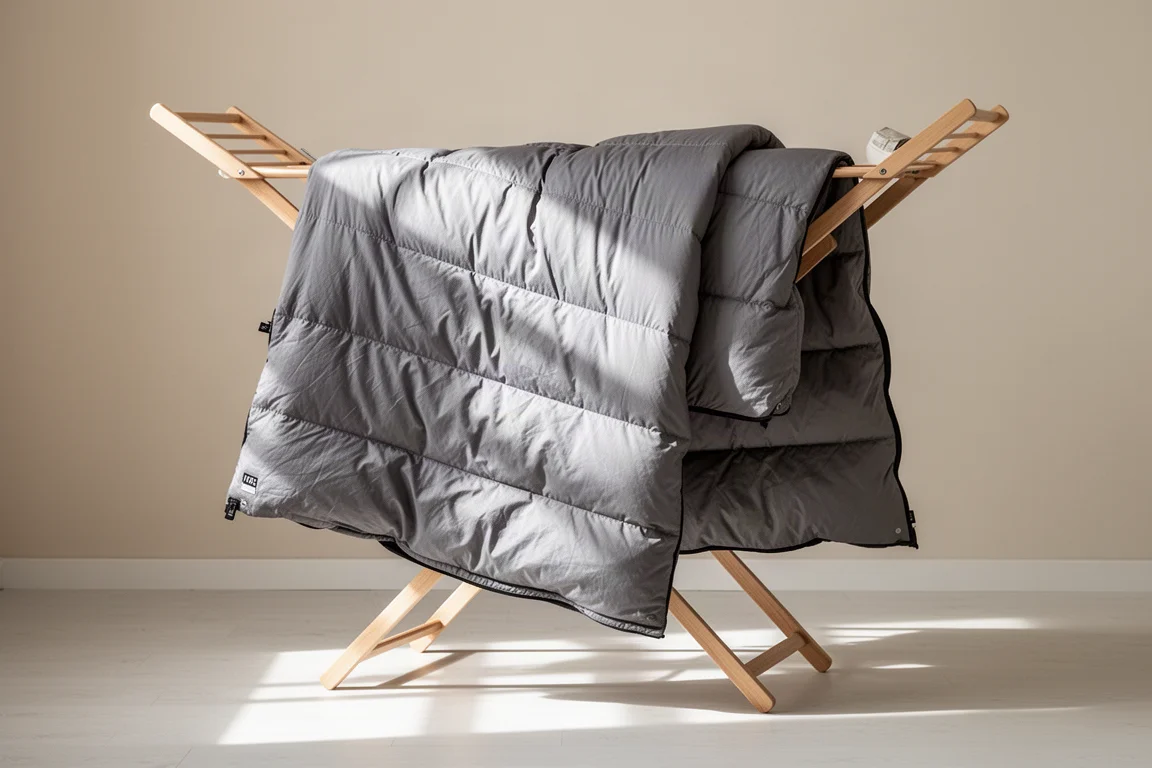
Storage is the other half of it. Sleeping bags should not be stored compressed for years on end. Keeping the bag loose at home lets the down stay expanded, and a bag that lives that way will loft faster and more evenly when it comes time to use it.
On the trail, a liner helps. It keeps the inside of the bag cleaner, and a clean bag maintains its insulation performance better across seasons. That is a small habit with a long payoff.
What the Full Pack Revealed About Preparation
When the gear was packed back up and weighed, the base weight came to 19.7 pounds with no food and no water. Add food and water for a long route and the estimate lands somewhere in the 30 to 40 pound range, which is a heavy load to carry over long days.
The contents explained part of that. There were three flashlights, two whistles, pliers, a full mess kit, a solar panel, a large bottle of bug repellent, and duplicates of small items that had been gathered into a general camping bag and packed without being reviewed. The sleeping bag was another item that had never been tested in the conditions it was bought for.
The takeaway is straightforward. Short shakeout trips before a long route show which items are unnecessary, which are uncomfortable, and which have quietly stopped working. Testing a sleeping bag on a two night trip costs far less than discovering its limits three weeks into a thru hike.
Buying Advice
If the Kelty Cosmic is on your list, buy it with a maintenance routine attached. Plan to store it loose, wash and re-loft the down when it clumps, and use a liner if you want the fill to hold up over multiple seasons.

Check the bag before you depend on it. Lay it out, look at how evenly the down sits through the baffles, and give it time to loft after storage. If the fill looks clumped, washing and re-fluffing is the first thing to try.
Then test it. A two night trip close to home is the cheapest way to find out whether a bag keeps you warm, and it is a much better place to learn that than on a long route far from an exit.
Conclusion
The Kelty Cosmic is a down sleeping bag that rewards care and punishes neglect. Kept loose, washed when the fill clumps, and protected with a liner, it can do the job that down insulation is chosen for. Left compressed for years and packed without being checked, it turns cold and uneven, which is exactly what happened on the trip that prompted this closer look at it.
For backpackers who are willing to maintain their gear, it is a workable choice. For everyone else, the honest advice is to plan the care routine first, then decide.
Product link
View more details for Kelty Cosmic
This product is mentioned in the review. Check the specifications, options, and compatibility before buying.
View more details for Kelty CosmicFurther reading
Related Reviews
Sleeping Bags
Best Down Sleeping Bags Under $300: Four Backpacking Options Worth a Look
Four down sleeping bags that stay under $300, compared on fill power, baffle design, hood comfort, and packed size.
Sleeping Bags
Best Sleeping Bags and Sleep Systems: Five Premium Down Picks Compared
Five premium down sleeping bags and sleep systems compared on warmth, weight, construction, and value.
Sleeping Bags
Big Agnes Lost Ranger UL 3-in-1 Sleeping Bag System Review: One Bag, Three Setups
A practical look at the Big Agnes Lost Ranger UL 3-in-1 Sleeping Bag System, covering how the three configurations work, where it shines, and the details worth weighing before buying.