Hi-Fi Speakers
KEF R3 Meta Review: A Standmount That Does Not Need a Subwoofer
A practical look at the KEF R3 Meta, a standmount loudspeaker with genuine low-end weight, a composed mid-range, and a few things worth checking before you buy.
Introduction
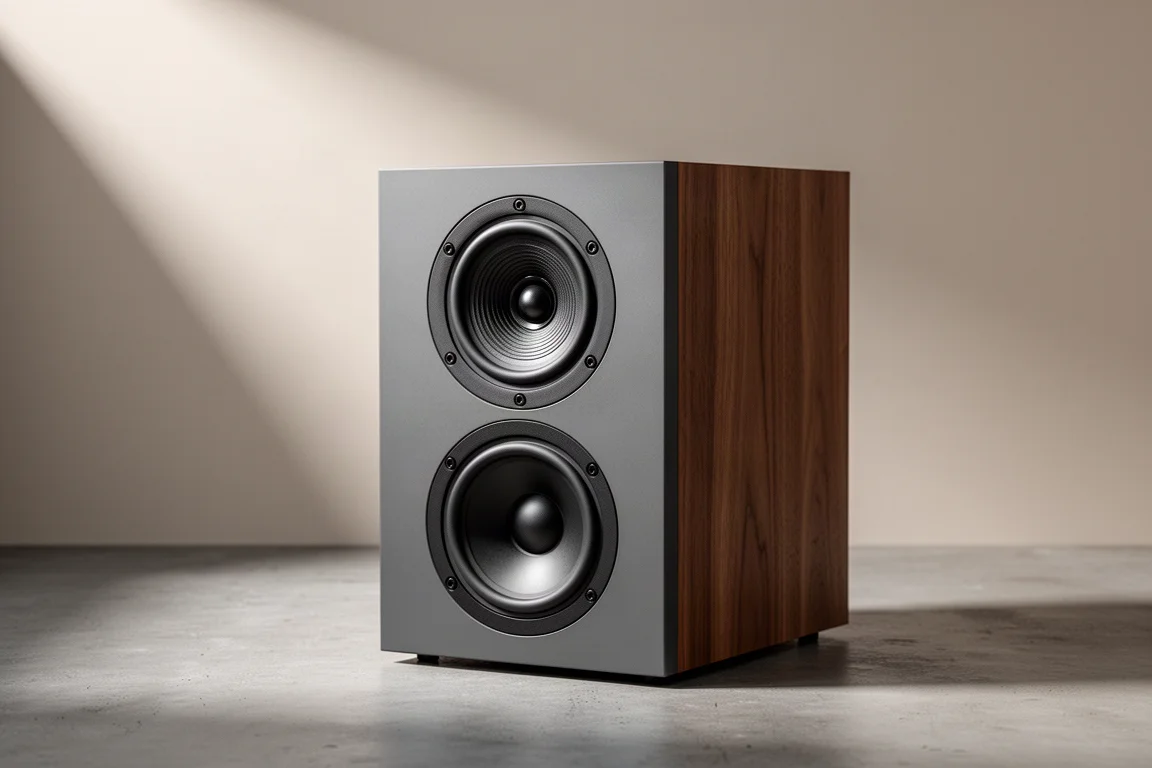
Standmount loudspeakers usually come with a built-in compromise. They image beautifully and they disappear into a room, but they leave the bottom octave to a subwoofer. The KEF R3 Meta is one of the exceptions. Its cabinet is taller and deeper than the LS50 Meta’s, it adds a dedicated bass driver alongside the Uni-Q array, and the result is a compact speaker with enough weight and definition to hold a medium-sized room on its own.
That capability has a price. The R3 Meta sells for around 2,200 EUR per pair, and the matching S3 stands add roughly 700 EUR per pair, which puts a realistic system close to 3,000 EUR. That places it above the LS50 Meta and in the same territory as the Bowers & Wilkins 705 S3, which sells for around 3,000 EUR per pair without stands included.
What follows is a practical look at who the R3 Meta suits, where it genuinely excels, and what is worth checking before you commit.
Who the KEF R3 Meta Is For
The R3 Meta makes the most sense for listeners who want a standmount that behaves like a larger speaker. It suits rooms in the region of six by five metres, where a compact two-way would normally need a subwoofer to sound complete, and it suits anyone who would rather not add another box, another cable and another set of settings to the system.
It is also a good match for listeners who value composure over excitement. The R3 Meta does not draw attention to its treble, and it keeps its head when a mix becomes dense. If your listening leans towards electronic music, layered production and material with a lot of mid-range information, that trait matters more than a bright, forward top end.
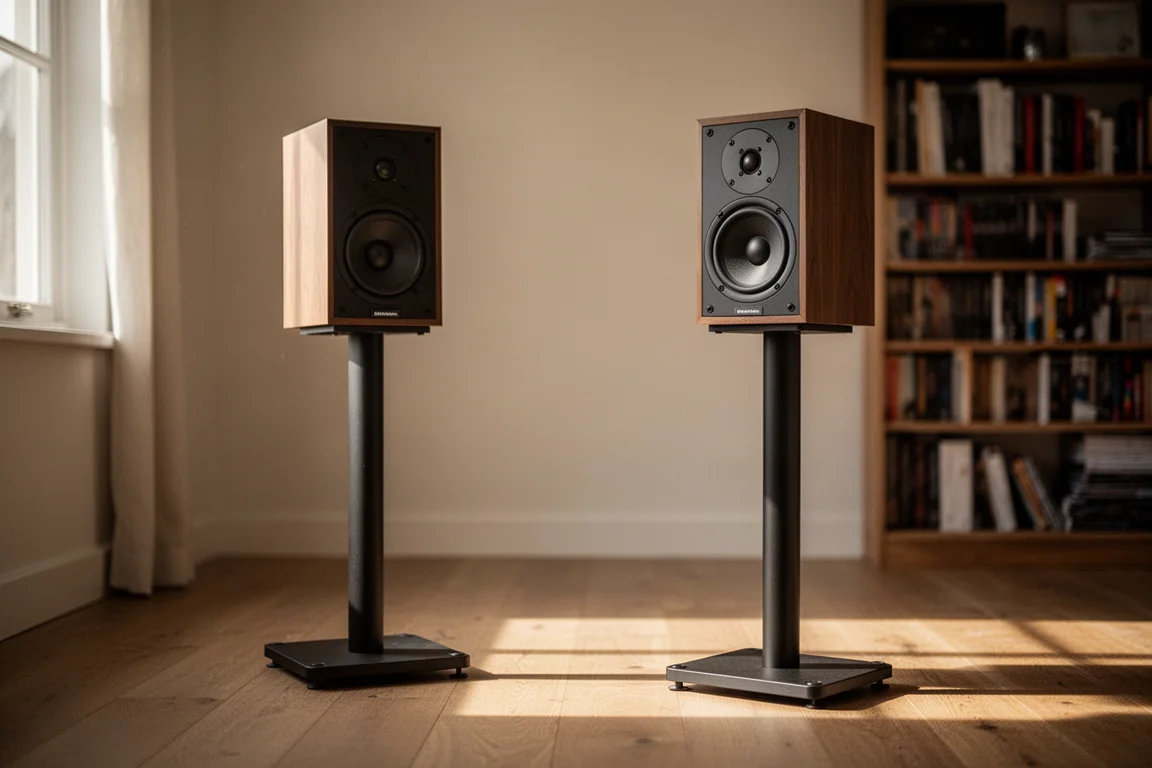
Finally, it suits buyers who are willing to plan the whole purchase rather than just the speaker. The stands are effectively part of the deal, and the speaker’s 4 ohm nominal load rewards an amplifier with a bit of current on tap.
Driver Design and Cabinet Construction
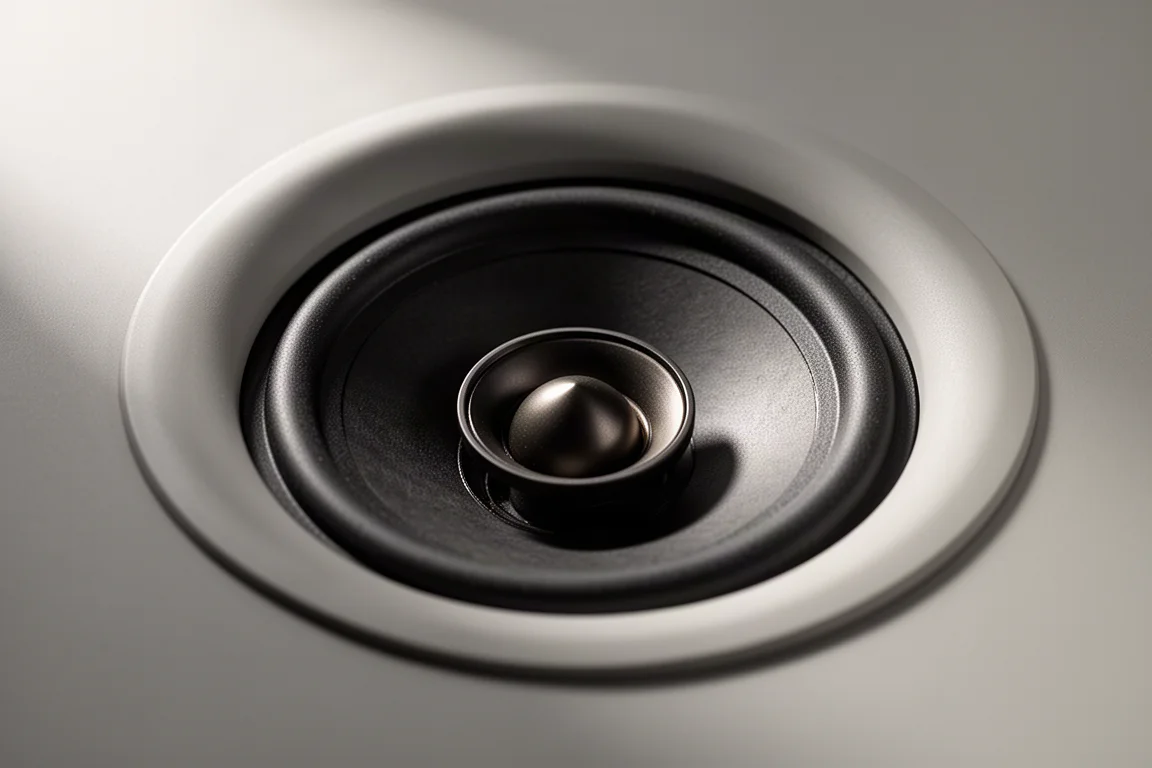
The R3 Meta shares its one-inch aluminium dome tweeter with the LS50 Meta, and it uses the same metamaterial disc behind the tweeter. That disc absorbs most of the tweeter’s rearward energy so it does not fire back out through the dome, which helps keep the top end clean.
The real difference sits below the tweeter. On the LS50 Meta, the driver surrounding the tweeter handles both mid-range and bass. On the R3 Meta, that five-inch driver is freed to work as a dedicated mid-range unit, while a separate six and a half inch aluminium hybrid driver takes care of the bass. In the blue finish that bass driver blends into the baffle rather than standing out, but it is doing a significant share of the work.
The cabinet is taller and slightly deeper than the LS50 Meta’s, which gives the drivers more room to breathe, and the high gloss finish is consistent with the price point. The R3 Meta is a nominally 4 ohm speaker with a sensitivity of 87 dB, so it is not a difficult load in absolute terms, but it does ask slightly more of an amplifier than the typical six or eight ohm standmount.
Sound Quality and Composure
The defining quality of the R3 Meta is how little it seems to struggle. Play something dense, with layers of synthesizers, vocals and percussion competing for space, and the speaker holds its shape. Nothing smears, nothing hardens, and the mid-range stays solid instead of thinning out as the volume rises. On complicated material, the sense of effortlessness is the standout characteristic.
Bass is the other surprise. Kick drums and basslines arrive with definition and texture rather than a soft, rounded thump, and there is enough output that a subwoofer feels optional rather than mandatory. The speaker rolls off gradually, sitting roughly 6 dB down in the mid-30 Hz region, which is enough weight for most music in a normal room.
The mid-range deserves its own note. Voices and instruments have a physical solidity to them, and that substance is what makes the R3 Meta sound bigger than its dimensions suggest. The trade-off is honesty. A flat or murky recording will sound flat or murky, and some albums that seemed acceptable on other speakers can suddenly sound dull and closed in. That is not a fault of the speaker, but it is worth knowing before you audition.
How the R3 Meta Compares With Rival Standmounts
Against the Bowers & Wilkins 705 S3, the R3 Meta keeps the treble on a shorter leash. The 705 S3 has a more forward lower treble, which can add precision and specificity to the soundstage but also becomes tiring on bright recordings, and it does not carry the same weight through the mid-range. The Bowers is the more dramatic speaker in a short demonstration, while the KEF is the one that tends to stay comfortable across long sessions.
The Zu Audio DWX takes a different route again. In its Supreme version it sells for around 2,500 EUR per pair without stands, and it is more microdynamically lively, quicker to snap and startle on transients. The R3 Meta cannot match that agility, but it hits harder below the waist and stays more composed when a track becomes crowded, especially in the upper mid-range where layered productions can turn messy.
Both comparisons point to the same character. The R3 Meta is not the flashiest speaker in its price band, but it is one of the most even-tempered, and that consistency is what tends to hold up over months of listening rather than minutes.
Living With the R3 Meta in a Real Room
In a room of roughly six by five metres, the R3 Meta fills the space without any obvious strain. Its gradual low-frequency roll-off lands just above the point where small rooms tend to develop a bass mode in the low 30 Hz region, which means it avoids the boom that can make larger standmounts sound bloated and slow.
That does not mean a subwoofer is pointless. The R3 Meta will benefit from one, particularly if you want the bottom octave properly represented, and a pair of subwoofers with room correction is a sensible next step for anyone who wants to go further. The point is that the speaker does not demand it. You can run a simple two-box system and feel that nothing is missing.
Placement is straightforward. Give the speakers some space from the side walls, keep them on rigid stands, and they reward a little patience with toe-in and positioning.
Things to Consider Before Buying
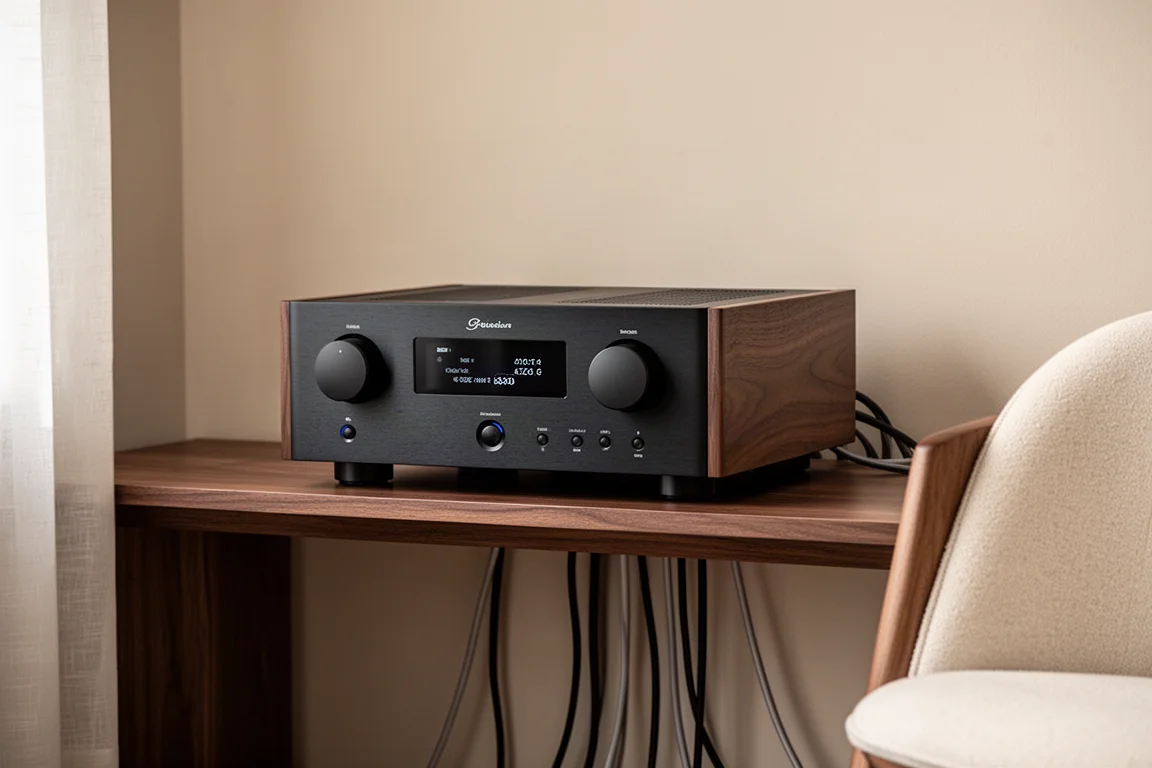
The first consideration is the load. A nominal 4 ohm impedance and 87 dB sensitivity mean the R3 Meta is not an amplifier breaker, but it is not the easiest small speaker to drive either. A capable integrated amplifier will be fine, while a low-powered budget unit may not show what the speaker can really do.
The second is the finish and the stands. The high gloss cabinet looks the part, and it also shows dust and fingerprints, so it needs a little care. The S3 stands are effectively part of the purchase, and their cost belongs in the budget from the very start rather than as an afterthought.
The third is character. The R3 Meta is understated in a showroom, and a short demonstration with bright, simple music may make it seem less exciting than its rivals. It is a speaker that tends to win people over on a longer listen, which is exactly why an extended audition, ideally at home, is worth arranging.
Buying Advice
If you are shopping in this bracket, the R3 Meta is the safer long-term choice for a medium-sized room. Budget for the speaker and the stands together, plan for an amplifier with reasonable current delivery, and expect the system to sound better after a few weeks of familiarisation than it does in the first ten minutes.
It is worth comparing directly against the Bowers & Wilkins 705 S3 if a vivid, precise top end appeals to you, and against the Zu Audio DWX if transient snap matters above everything else. Neither alternative makes the KEF look weak. They simply describe different priorities, and the KEF’s priority is evenness.
For listeners who want one compact pair of speakers that covers most music without a subwoofer, and who would rather have composure than spectacle, the R3 Meta is easy to recommend.
Conclusion
The KEF R3 Meta earns its price by solving the usual standmount problem. A dedicated bass driver, a mid-range unit freed from low-frequency duties and a larger cabinet add up to a speaker with real bottom-end substance and a composed, substantial mid-range.
It is not the most thrilling speaker in a quick demonstration, and it will not flatter poor recordings. What it offers instead is consistency. Dense mixes hold together, long listening sessions stay comfortable, and the low end is convincing enough that a subwoofer becomes a choice rather than an obligation. For a medium-sized room and a realistic budget of around 3,000 EUR including stands, it is one of the most complete standmounts you can build a system around.
Product link
View more details for KEF R3 Meta
This product is mentioned in the review. Check the specifications, options, and compatibility before buying.
View more details for KEF R3 MetaFurther reading
Related Reviews
Hi-Fi Speakers
1723 THX Tower vs 1528 Bookshelf: Which Speaker Fits Your Room?
Two speakers at roughly the same price, built very differently. How the 1723 THX tower and the 1528 bookshelf compare on construction, bass, power needs, and sound.
Hi-Fi Speakers
Acoustic Energy AE 300 Review: Deep Bass From a Compact Standmount
A two-way standmount with real wood veneer, surprising low-end weight, and a warm, easygoing character. Here is what to know before buying.
Hi-Fi Speakers
Acoustic Energy AE1 40th Anniversary Review: A Modern Take on a British Classic
A compact standmount that revives a 1980s favorite with all-new parts, a warm mid-centric balance, and a price of £1,499 per pair.