Home Audio Speakers
KEF R Meta Series: Seven Models and How to Choose Between Them
A model-by-model look at the KEF R Meta speaker range, from the R3 Meta bookshelf to the R11 Meta tower, with room-size guidance for each.
Introduction
The KEF R Meta series is a full refresh of the R Series, arriving five years after the original line. It borrows heavily from the Blade and Reference models, which is why the update reaches into the driver, the crossover and the cabinet rather than stopping at a new badge.
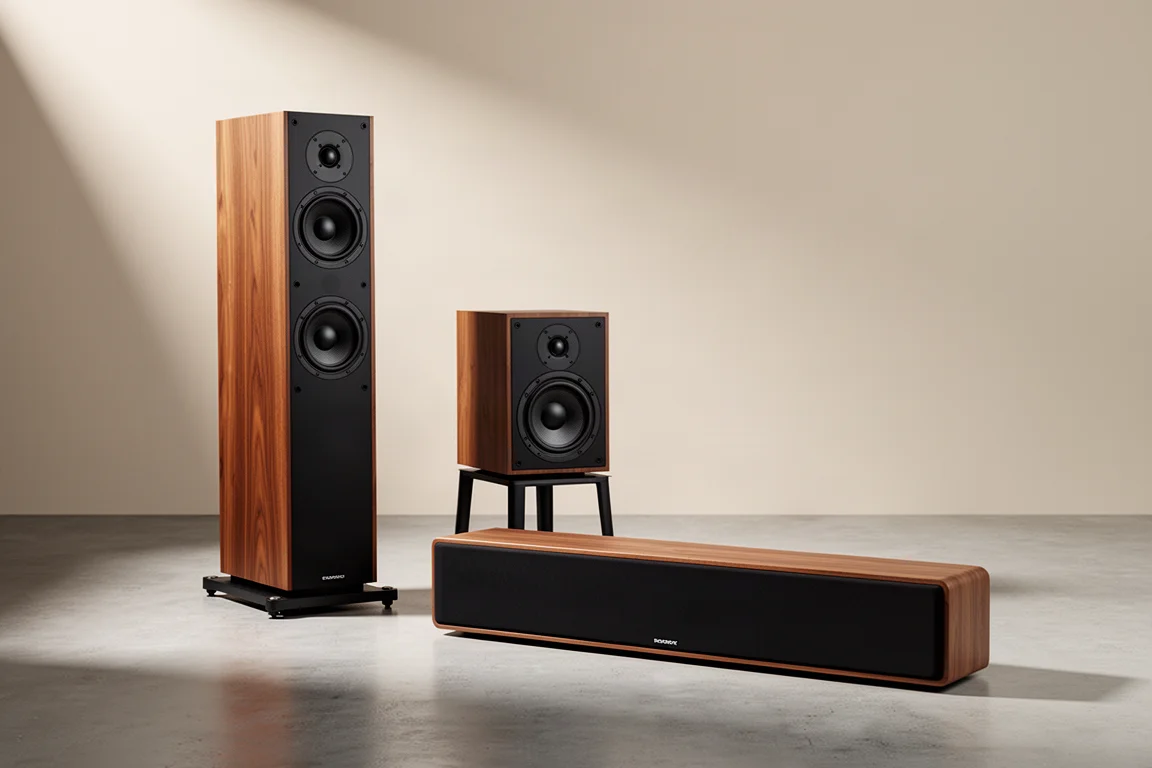
Seven models make up the range. The R3 Meta is the lone bookshelf, the R5 Meta, R7 Meta and R11 Meta are the towers, the R2 Meta and R6 Meta are LCR-capable centre channels, and the R8 Meta is a multi-purpose speaker designed for Dolby Atmos effects. Every one of them is voiced to match the others, so a system assembled from different models still hangs together.
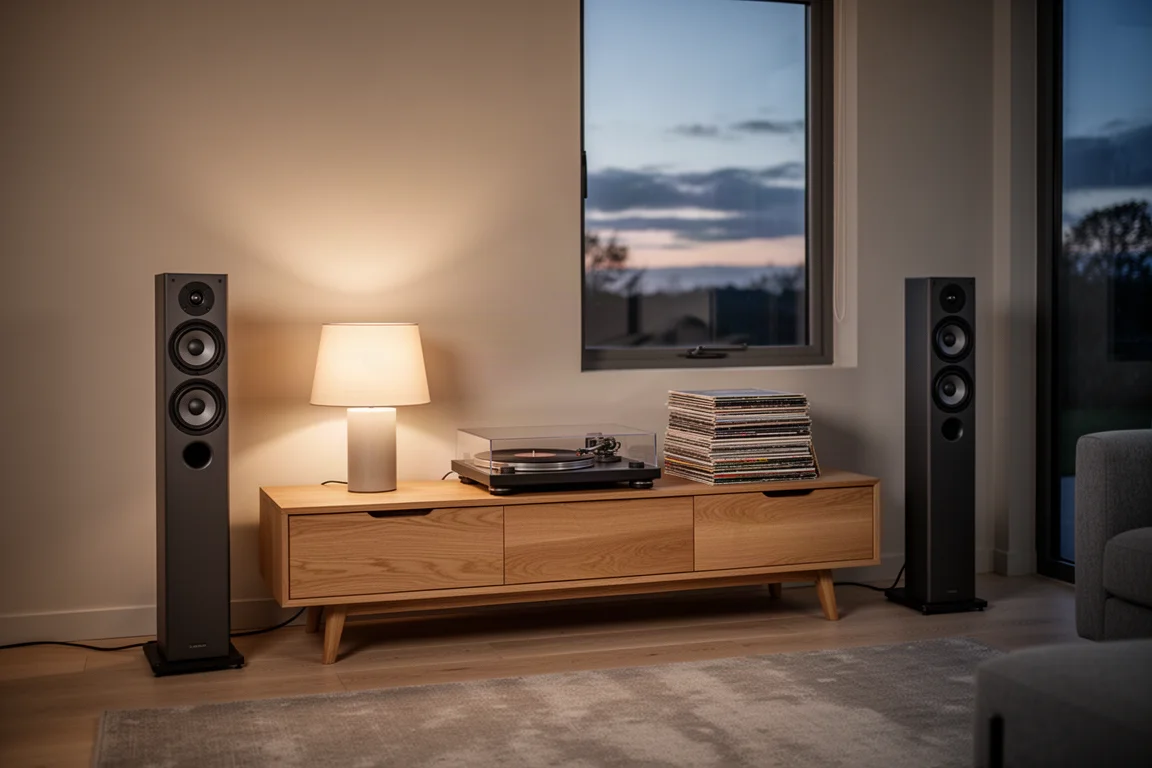
What follows is a walk through the technology shared across the whole line, then a model-by-model look at who each speaker suits, from small rooms to large family spaces.
What Every KEF R Meta Model Shares
The Uni-Q Driver and MAT
KEF introduced the Uni-Q array in 1988, and the design is now in its twelfth revision. The tweeter sits inside the mid-range driver and is time aligned with it, which widens the listening area and produces a flatter frequency response than a conventional arrangement of separate drivers.
Metamaterial Absorption Technology, or MAT, arrived in 2020 with the LS50 before moving to the Blade and Reference models. The maze-like material absorbs 99 percent of the unwanted sound radiating from the rear of the tweeter, and the payoff is a tweeter that measures flatter and sounds more natural. Each R Meta model receives its own version of the material.
Mid-Range and Crossover Refinements
The waveguide behind the tweeter is two and a half times larger than the equivalent part in the previous R Series, which focuses the energy coming off the back of the tweeter into the MAT absorber. The gap between the tweeter and the mid-range driver was reworked as well: it is slightly wider, with foam damping applied in two places, and the result is reduced resonance and a clearer mid-range.
A copper ring in the mid-range motor assembly, carried over from the Reference models, reduces inductance. That lowers total harmonic distortion and improves driver efficiency. The mid-range chassis is decoupled too, with a wave-shaped basket at each of the four mounting bolts that pushes energy into damping material instead of into the cabinet.
The crossover is completely new. Hundreds of hours went into measuring and listening to different component combinations, and the final design uses a Clarity Cap tweeter bypass capacitor.
Cabinets, Ports and Finishes
The bass drivers and cabinets carry over from the original R Series. Woofers use a hybrid aluminium and paper cone, and the design stays free of resonance well above the crossover point. Towers use several smaller woofers rather than one large one, which delivers fast bass with roughly the same surface area.
Cabinet bracing gets unusual attention. Rather than simply stiffening the box, KEF uses constrained layer damping where each brace meets the cabinet, shaping the brace so its resonance is pushed up to a frequency the damping material absorbs. The flexible port does something similar: the material changes shape slightly as internal pressure rises, which removes port resonance at higher volumes.
Finishes are black gloss, white gloss and walnut, with a gloss indigo special edition for the R3 Meta. The matching R3 Meta stand comes in slate grey, mineral white and matte indigo. Because the whole range is sonically matched, and because KEF’s architectural speakers use the same Uni-Q driver, mixing in-wall models into a system stays coherent.
KEF R3 Meta: The Bookshelf Model
The R3 Meta is a large bookshelf speaker rather than a compact one: 17 inches tall, 13 inches wide and almost 8 inches deep, with a rear-firing port. Most buyers will stand-mount it, and KEF offers a dedicated stand with integrated cable management.
It is a three-way design built around the Uni-Q driver and a 6.5-inch hybrid aluminium and paper cone woofer. The cabinet volume is generous enough that KEF quotes an in-room response reaching down to about 30 Hz in an average listening room. Sensitivity is 87 dB, so it rewards an amplifier or receiver that can deliver good current.
Because it works well on stands, the R3 Meta can serve as a main pair in a two-channel system, as surrounds, or as rear channels in a home theatre.
KEF R5 Meta: The Slim Tower
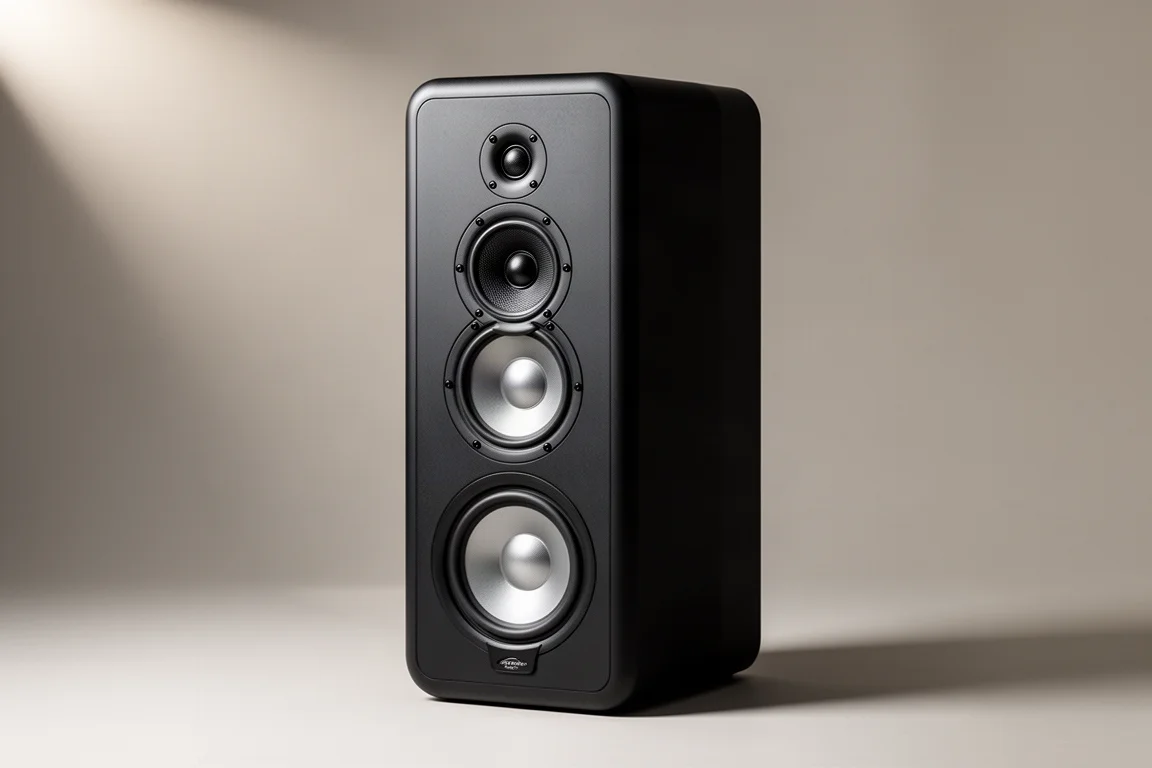
The R5 Meta is the smallest of the three towers and the easiest to live with. It is a three-way design with two 5.25-inch hybrid aluminium cone low-frequency drivers, weighing 54 pounds and standing about 40 inches tall, with a front profile just under 7 inches wide and 13.5 inches deep.
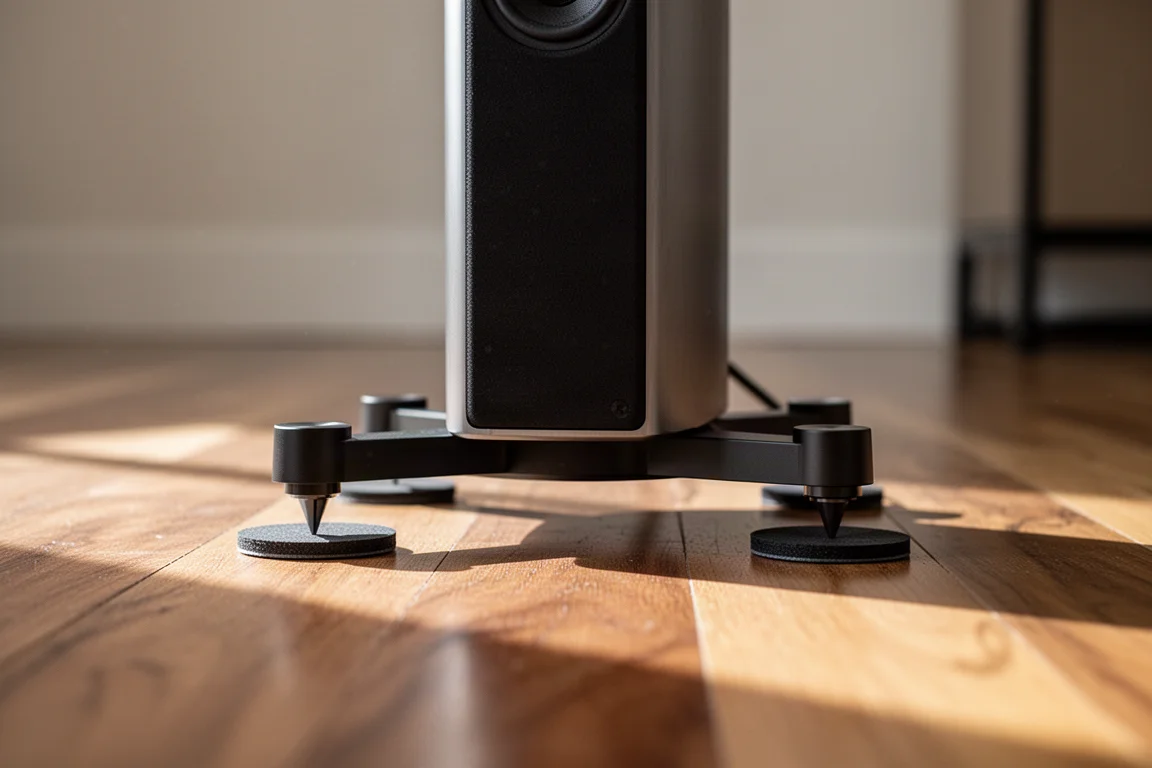
All three towers ship with outrigger feet that add stability. Spikes are supplied for carpeted floors, and flat pads sit under the spikes for hard surfaces.
Its smaller woofers and more limited bottom end mean the R5 Meta interacts less with the walls around it, so it can sit closer to a rear wall than its larger siblings. If the room is much bigger than roughly 12 feet by 15 feet, plan on adding a subwoofer. Mid-range and treble performance stays very close to the bigger towers, so the choice comes down to bass output and room size.
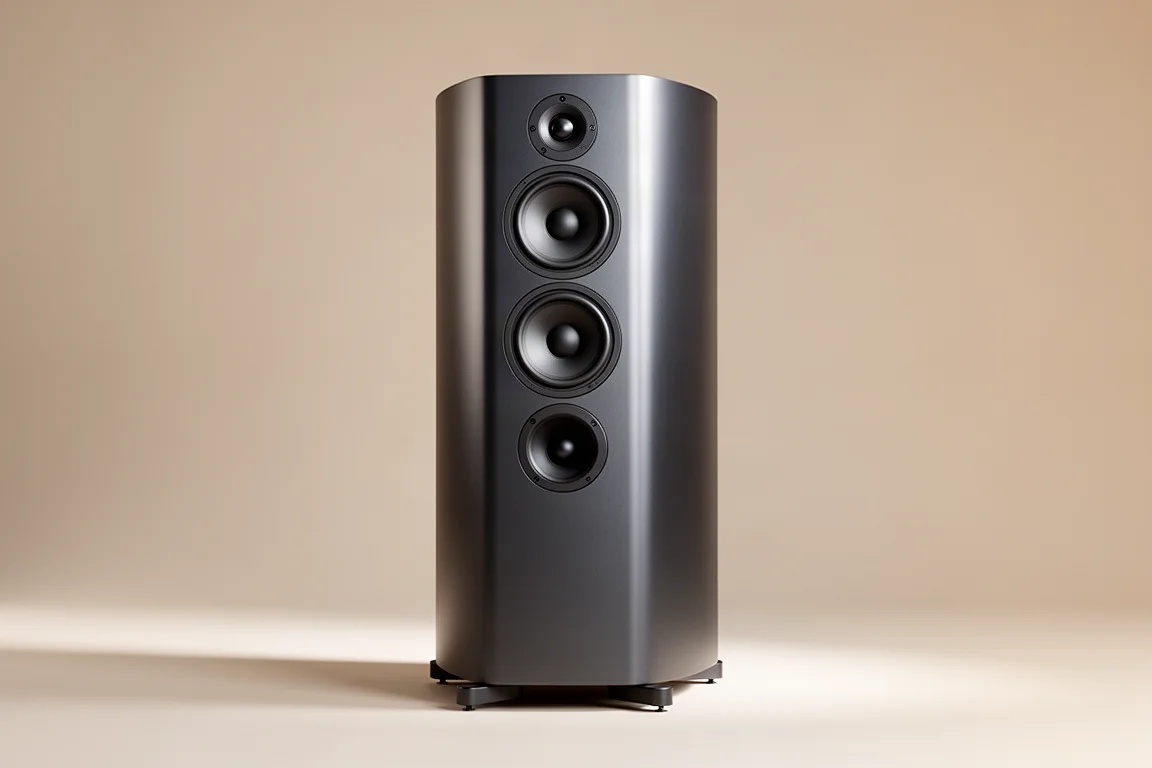
KEF R7 Meta: The Sweet Spot Tower
The R7 Meta steps up to dual 6.5-inch hybrid aluminium cone woofers, which gives it noticeably more authority in the low end. It is the model that sits closest to the middle of the range in terms of both output and the space it needs.
Placement asks for a little more care than the R5 Meta: around 20 inches of clearance from the rear wall or sidewalls is the target. Take the time to dial it in and it works well in family rooms and larger living spaces. As with the rest of the tower line, the mid-range and treble are effectively identical to the other models.
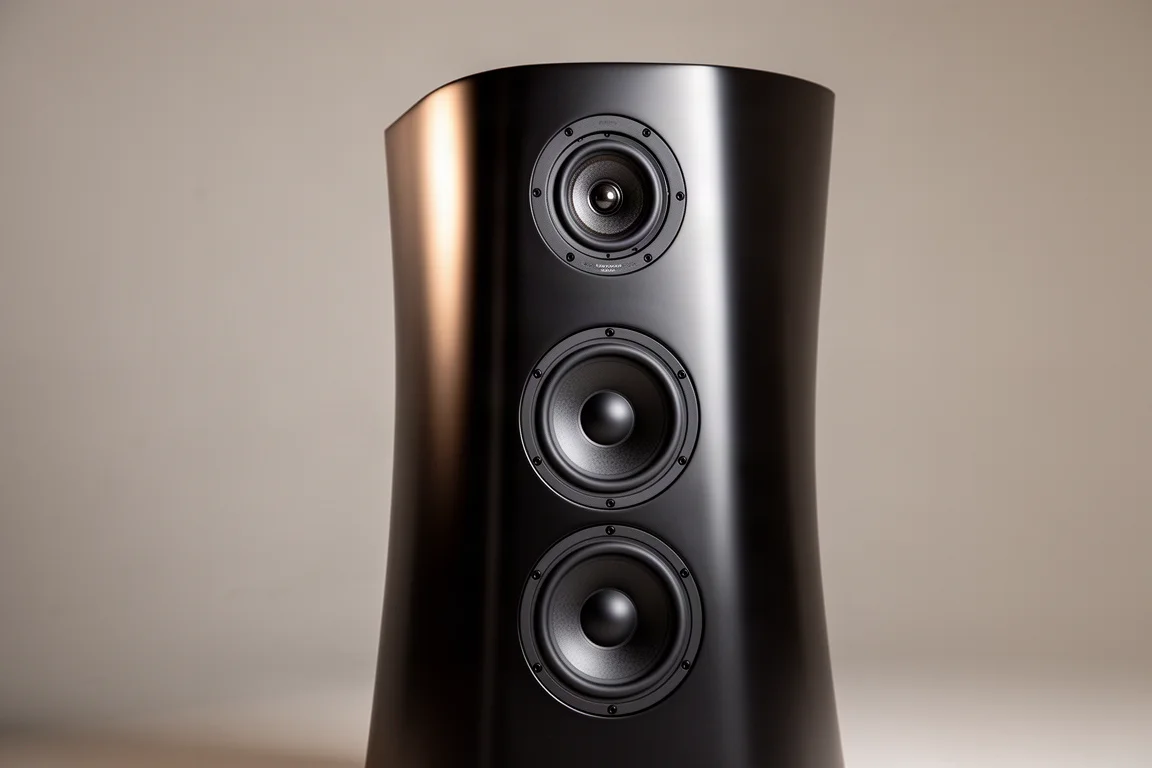
KEF R11 Meta: The Flagship Tower
The R11 Meta is the heavyweight of the line at 80 pounds, with four 6.5-inch hybrid aluminium cone woofers. It delivers the deepest and most substantial bottom end of the three towers, and it is the model that most clearly shows off the range’s soundstage, dynamics and neutral, revealing character.
That output comes with a placement cost. The R11 Meta interacts with the room more than the R7 Meta, so it needs space around it to perform at its best. A large family room or bonus room is the natural home for it. A room of roughly 10 feet by 12 feet will be overwhelmed.
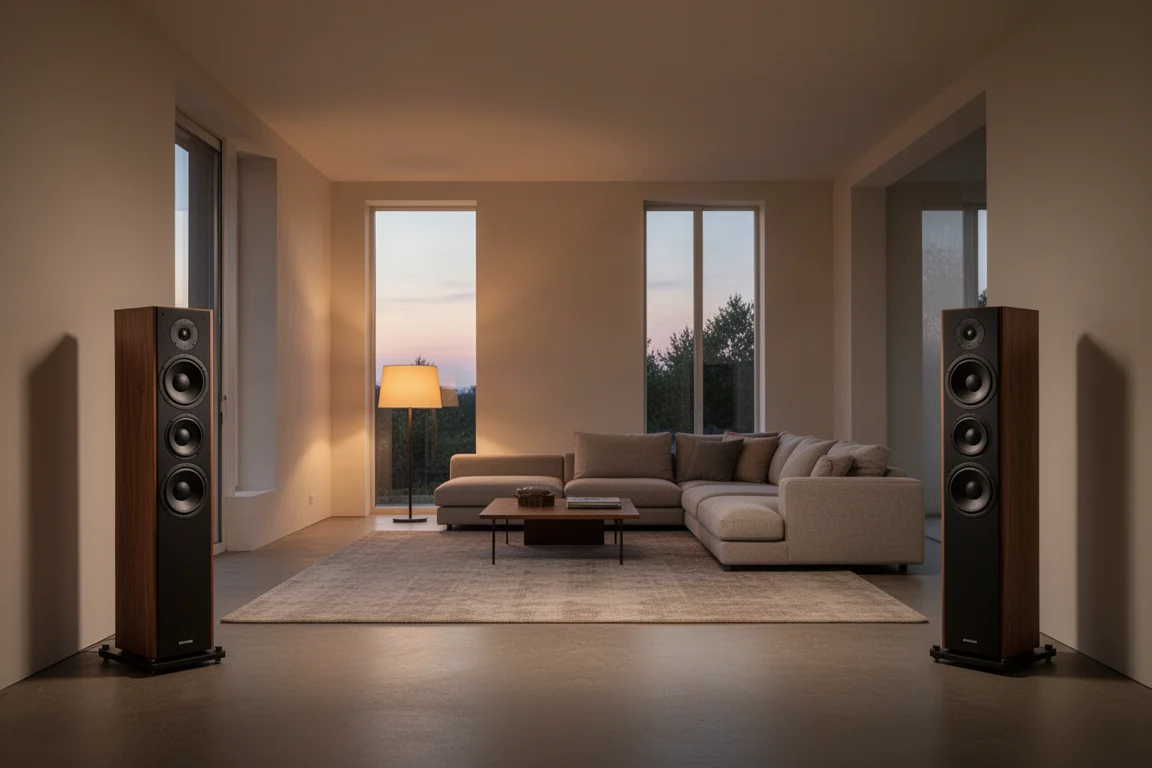
Buyers with a big space and an appetite for scale will get the most from this one. Buyers in a smaller room should look at the R7 Meta or the R5 Meta instead and put the difference toward a subwoofer.
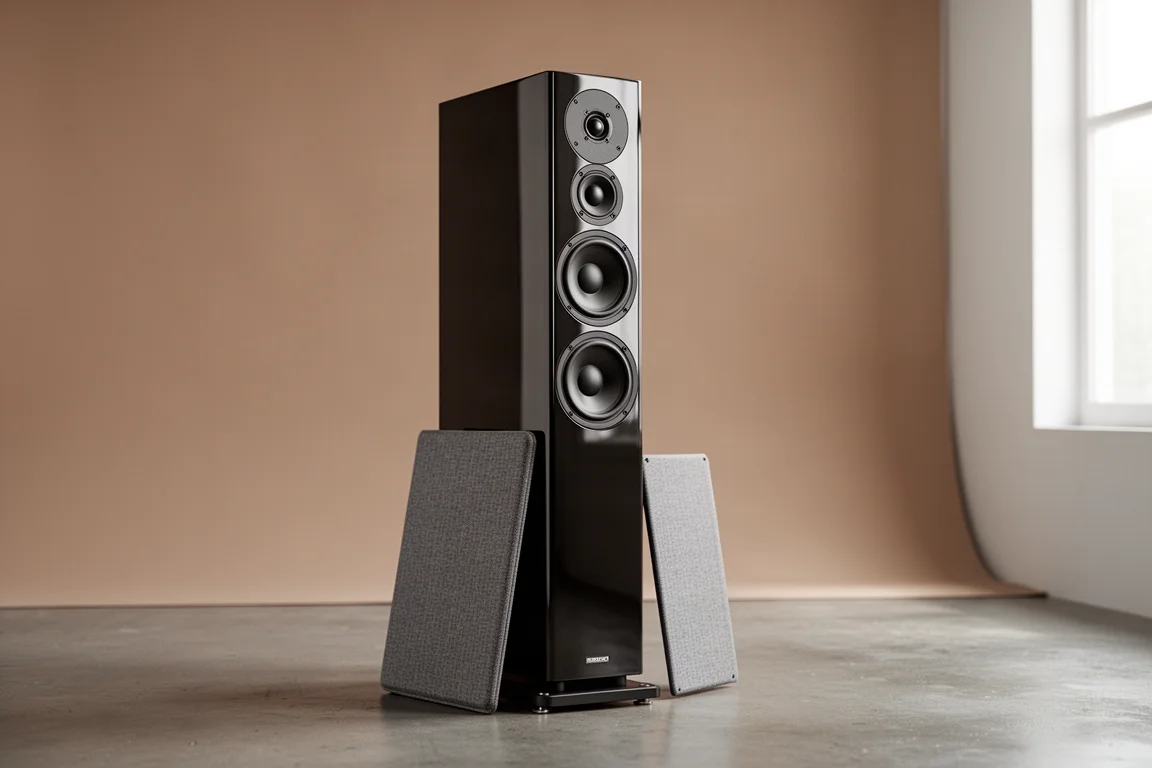
KEF R2 Meta: The Compact LCR Center
The R2 Meta is one of two LCR-capable centre channels in the range. That means it can be used horizontally as a centre, vertically as a left or right channel, or as one of three identical speakers mounted vertically behind an acoustically transparent screen.
A conventional centre with a tweeter between two mid-bass drivers suffers from lobing, because the larger drivers have to cross over higher than the tweeter can reach. A D’Appolito array solves the lobing but limits horizontal dispersion. The Uni-Q layout avoids both problems, which is what makes it such a natural fit for this kind of speaker.
Like the R6 Meta, the R2 Meta uses a sealed cabinet rather than a rear-firing port, so it can sit in a built-in unit or close to a wall without the usual penalty. It pairs the Uni-Q driver with two 5.25-inch hybrid aluminium woofers.
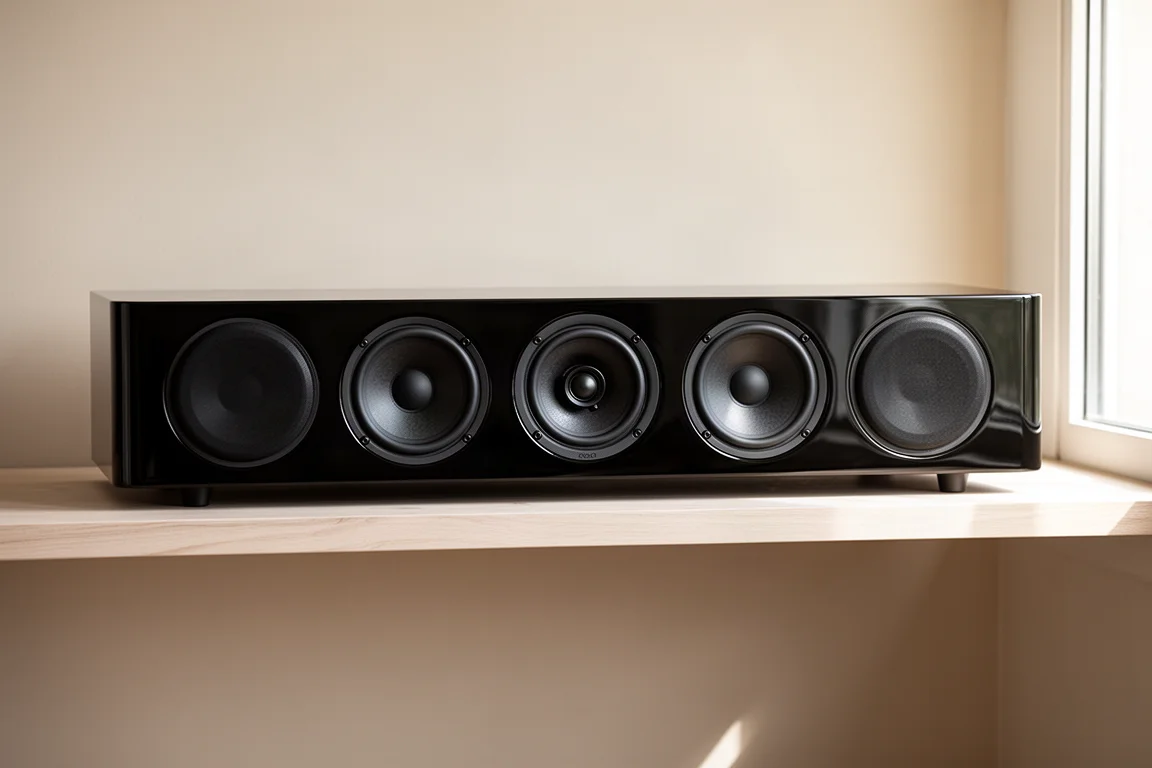
KEF R6 Meta: The Larger LCR Center
The R6 Meta shares the LCR capability and sealed cabinet of the R2 Meta but moves to two 6.5-inch hybrid aluminium woofers. If space and budget allow, it is the model to choose for higher output and deeper low-frequency reach, particularly for action-heavy film soundtracks.
Both centre channels suit a built-in cabinet arrangement with a flat panel television, a pair standing vertically on either side and a third serving as the centre above or below the screen. A dedicated cabinet will always sound better than a built-in, but the anti-resonant construction of these cabinets makes them a strong choice when the room dictates the placement.
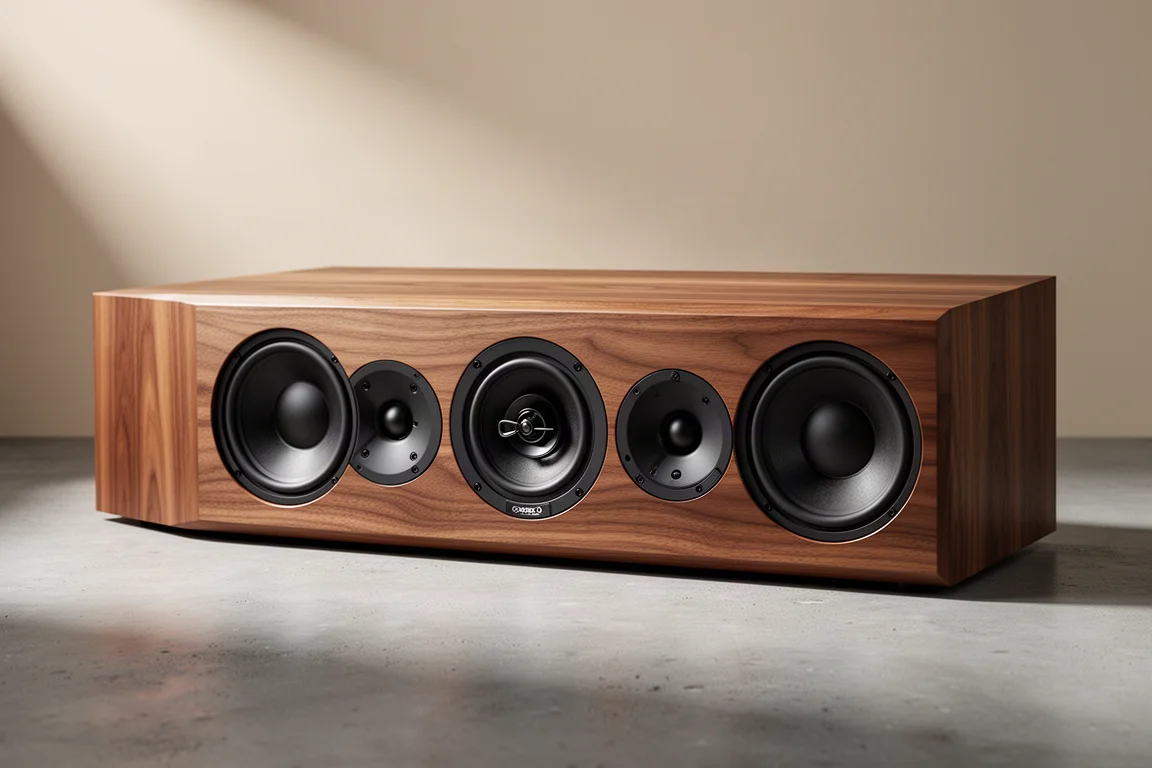
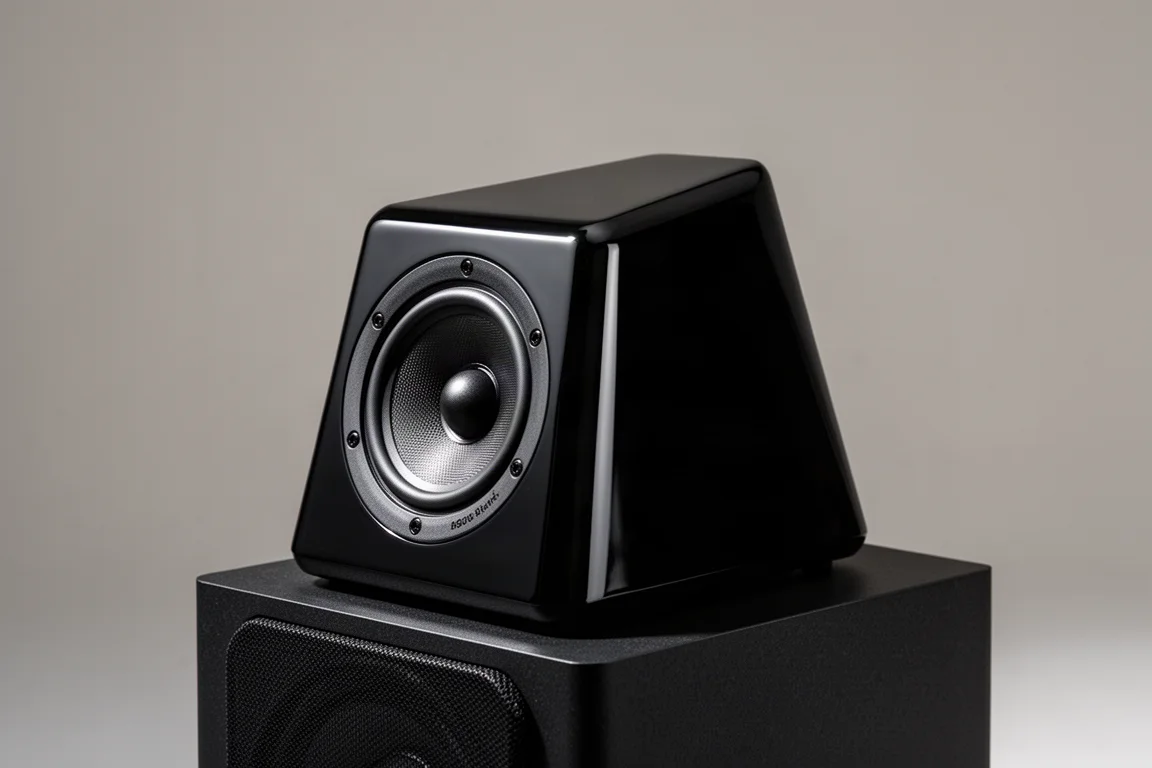
KEF R8 Meta: The Dolby Atmos Module
The R8 Meta is the problem solver of the range. It is designed for Dolby Atmos height effects without cutting holes in the ceiling, and it can be deployed in two ways.
The first is to sit it on top of a front speaker. Its angled cabinet fires height information at the ceiling, and with a flat, reflective ceiling between 8 and 12 feet high, that energy bounces back down to the listening position. The second approach, which tends to give better results, is to wall-mount the modules above the front speakers and any rear speakers, close to ceiling height. The wide dispersion of the Uni-Q driver then covers the whole listening area with height effects.
How to Choose the Right R Meta Model
Room size should drive most of the decision. In a space around 12 feet by 15 feet or smaller, the R5 Meta or the R3 Meta will fill the room comfortably, with a subwoofer recommended for the R5 Meta in anything larger. A family room or a medium to large living space is where the R7 Meta earns its keep. The R11 Meta belongs in a large room where it has space to breathe.
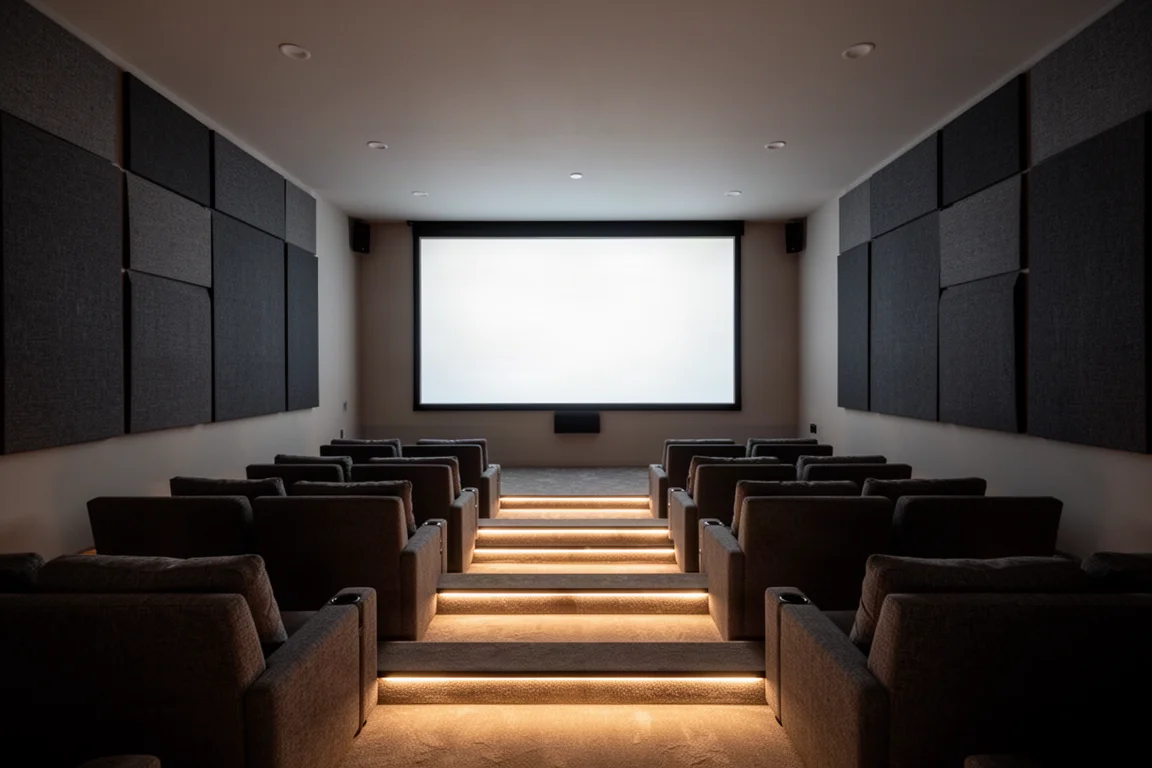
For centre channel duty, the R2 Meta covers typical family room installations, while the R6 Meta is the better pick when the room is larger or the soundtrack leans on low-frequency effects. If ceiling speakers are not an option, the R8 Meta handles height effects either on top of the front speakers or mounted high on the wall.
Two practical notes are worth adding. The R3 Meta is the least sensitive model in the range at 87 dB, so budget for an amplifier with solid current delivery. And because every model in the range is voiced to match, there is no penalty in combining, for example, an R7 Meta pair with an R2 Meta centre and R8 Meta height modules.
Conclusion
The R Meta series brings a long list of Reference and Blade technologies into a seven-model range that covers stereo listening, home theatre and Atmos height effects. The R3 Meta anchors smaller systems, the three towers scale from modest rooms to large ones, the two LCR centres solve awkward installation problems, and the R8 Meta adds height without a ceiling cut.
The sensible approach is to start with the room, choose the tower or bookshelf that fits it, then match the centre and height channels from the same family so the whole system stays coherent. Buyers who plan it that way end up with a system that suits the space they actually have.
Further reading
Related Reviews
Home Audio Speakers
Bose 901 Series VI Review: The Final Direct/Reflecting Flagship
A close look at the last Bose 901, from its open reflected sound and stand-mounted design to the dedicated equalizer and amplifier it needs to perform.
Home Audio Speakers
Focal Aria Evo X Speaker Lineup: A Practical Guide to All Six Models
A model by model look at the Focal Aria Evo X range, from the compact stand-mount No.1 to the flagship No.4, plus the center and surround speakers that complete a full system.
Home Audio Speakers
Infinity Primus 360 Review: What a 20-Year-Old Three-Way Tower Still Gets Right
A discontinued three-way floorstander from around 2005 that still measures within about plus or minus 2 dB on axis. Here is what it does well, where it falls short, and what to check before buying a used pair.