Home Audio Speakers
Focal Aria Evo X Speaker Lineup: A Practical Guide to All Six Models
A model by model look at the Focal Aria Evo X range, from the compact stand-mount No.1 to the flagship No.4, plus the center and surround speakers that complete a full system.
Introduction
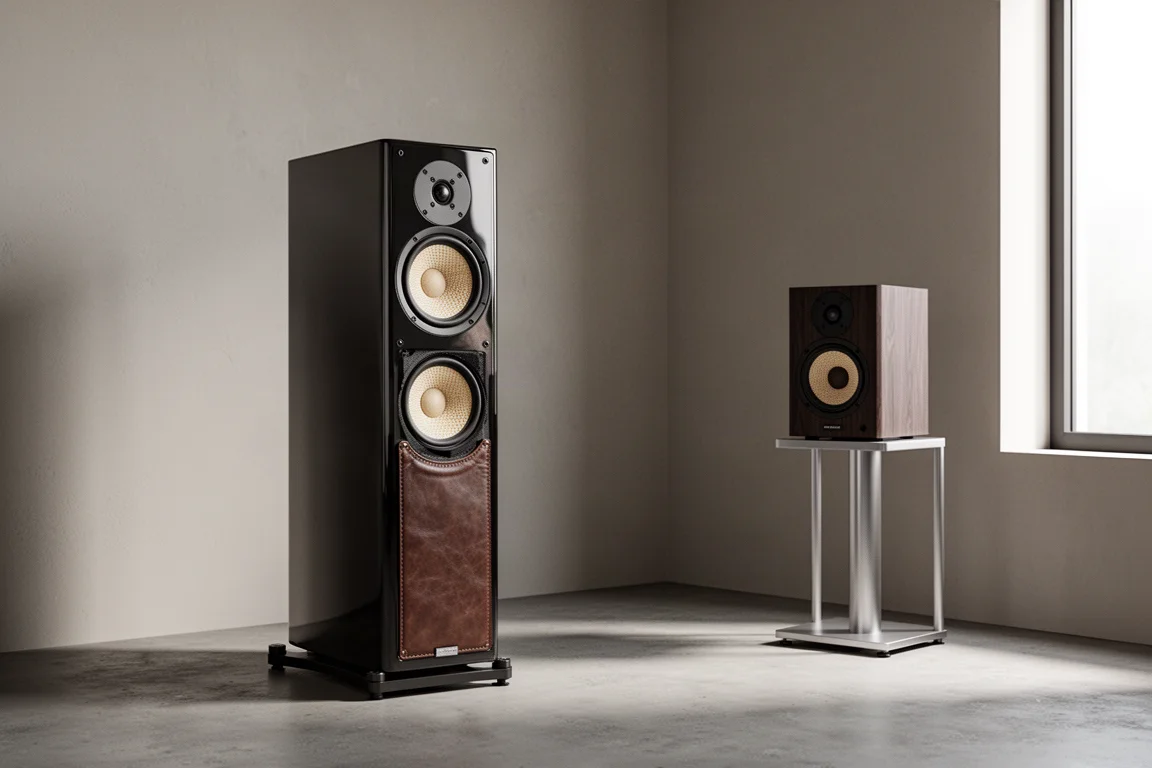
The Focal Aria Evo X series is an update to one of the brand’s most popular speaker families. Since the original Aria arrived in 2013, the line has earned its following on a simple formula: a relatively affordable price paired with genuinely high-tech driver design. The new Aria Evo X keeps that balance while borrowing engineering ideas from Focal’s flagship models, which means buyers get a large percentage of the performance found in the more expensive Sopra and Kanta ranges in a more affordable and more compact package.
This guide covers the technology shared across the lineup, then walks through each of the six speakers, including the center channel and surround model that complete a home theater build. It closes with practical advice on matching a model to your room.
Shared Technology Across the Aria Evo X Line
Every Aria Evo X speaker is built around the same core driver set, and understanding those parts makes the differences between the models much easier to read.
The M-shaped TAM tweeter uses a dome made from both magnesium and aluminum. Aluminum contributes outstanding rigidity, while magnesium brings its damping qualities. The result is detailed treble with a smoothness that supports long listening sessions, giving cymbals a natural tone while keeping transient response high so more detail comes through.
For the midrange and woofer cones, Focal stayed with its flax cone technology, which also appears in the K line. The cones use a naturally occurring fiber, which helps instruments and vocals sound natural, and thin layers of glass fiber add rigidity. Because the cones are a natural material and the drivers are produced in a semi-automated process, Focal can keep performance high while costing less to manufacture than the hand-built W cone drivers in its more expensive lines. That is the main reason the Aria Evo X series serves as an accessible entry into Focal’s upper level speaker systems.
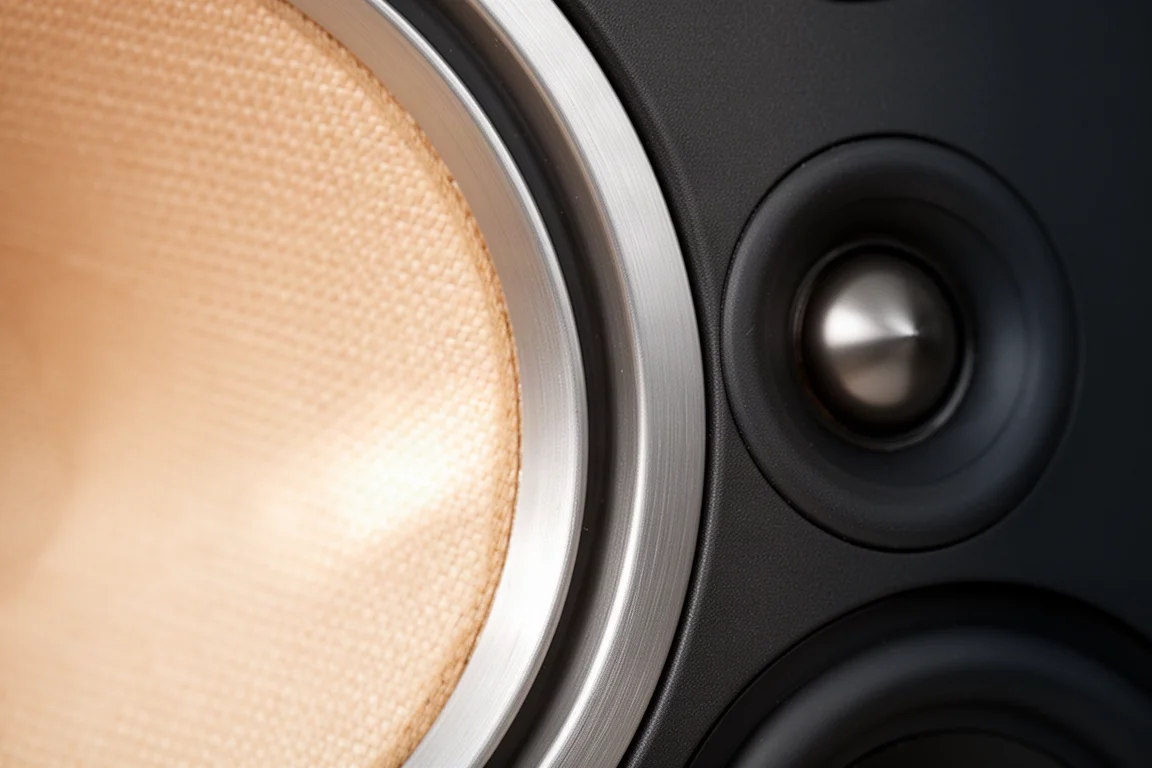
Two further details shape the sound. A urethane tweeter plate with a built-in waveguide improves horizontal directivity and soundstaging, and because the waveguide is made from urethane it also damps the area around the tweeter, reducing diffraction so listeners hear the driver rather than the baffle around it. The Powerflow multi-port system, meanwhile, pairs a front-firing bass port with a bottom-firing port. The front port acts as an impact-driven port that gives bass its dynamics and excitement, while the bottom port extends the speaker’s bottom octave so music gains depth and a stronger sense of the room where it was recorded.
The cabinet is an ultra-rigid braced MDF design with non-parallel side panels, an approach taken from Focal’s flagship models to combat the standing waves that can undermine an otherwise outstanding speaker. Each model sits on an aluminum alloy stand that anchors the speaker and decouples it from the floor, preventing vibration from being transmitted into the room. Spikes mount to the base with a key, so the speaker can be leveled or tilted back in a larger room for time alignment.
Finish options are high gloss black, Prime Walnut, and a high gloss moss green that stands out as the most distinctive of the three and can easily become the centerpiece of a modern system. A leather front panel and magnetic grille complete the package.
Focal Aria Evo X No.1
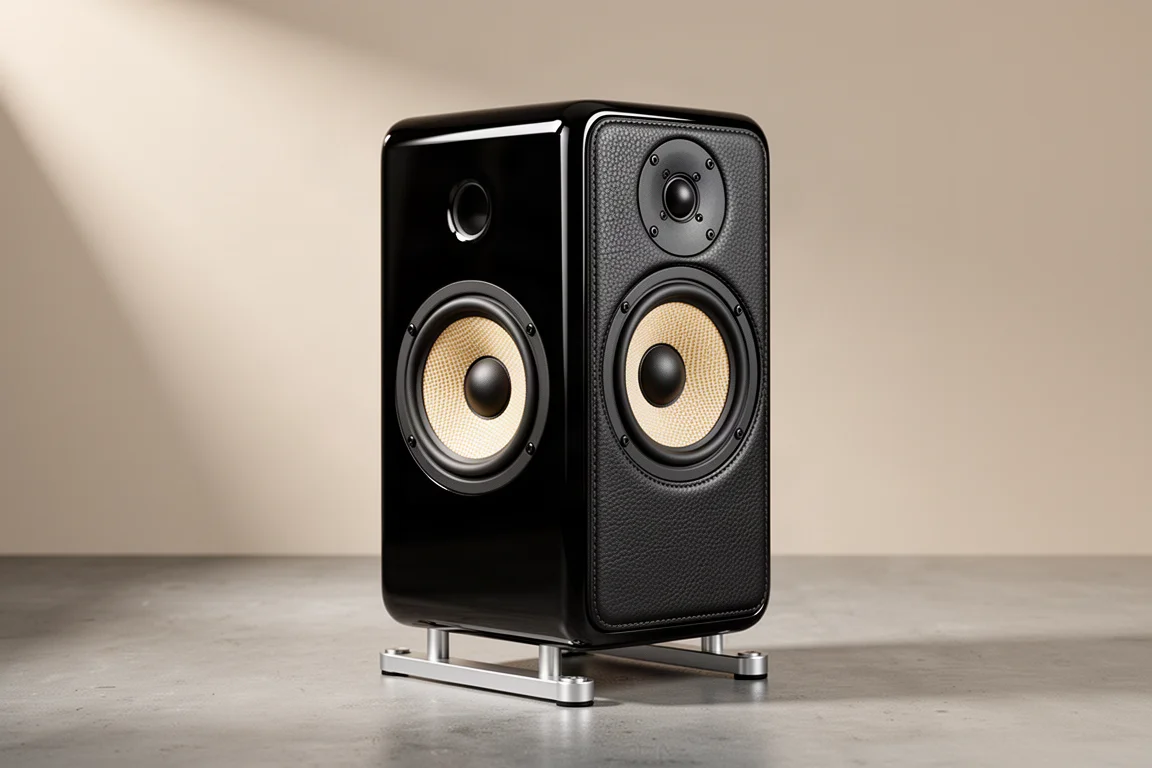
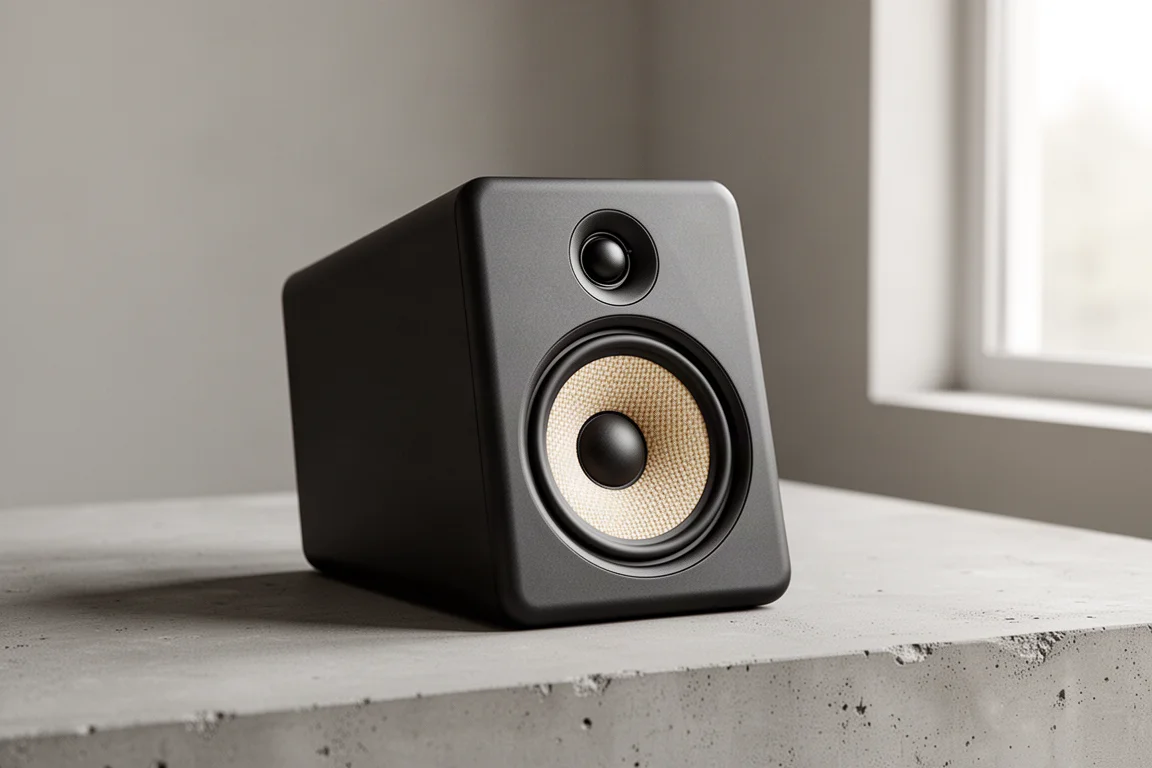
The No.1 is the stand-mount model in the lineup. It pairs a 6.5 inch flax cone mid-bass driver with the TAM tweeter and covers 55 Hz to 30 kHz, which suits small rooms or, in larger rooms, a system paired with a subwoofer. Dedicated stands are available to complete the setup.
This is the only stereo speaker in the Aria Evo X line that does not receive multi-port technology. On stands it images remarkably well, and it also works as a bed-layer surround speaker when used alongside larger front speakers.
Focal Aria Evo X No.2
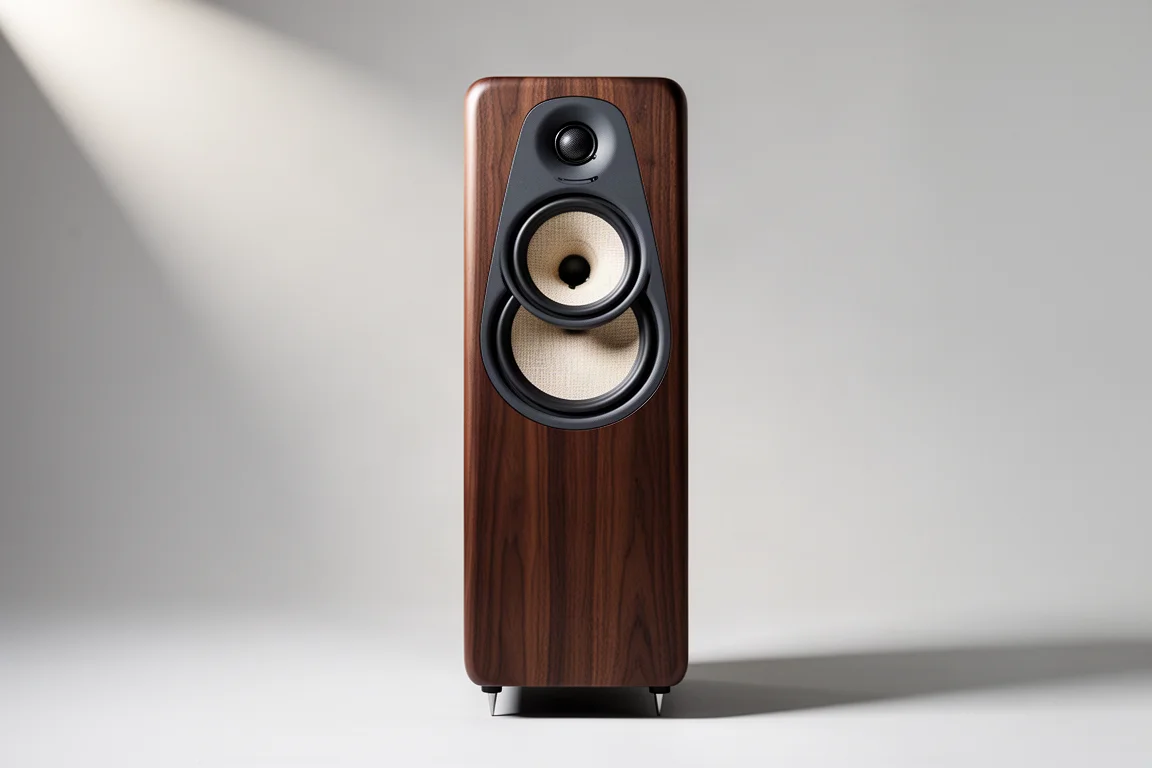
The No.2 is the smallest floorstanding speaker in the line, a slim tower with two 6.5 inch flax bass drivers, a 6.5 inch flax midrange, and the TAM tweeter. Its response runs from 45 Hz to 30 kHz, which makes it a good match for midsize to larger rooms, with a subwoofer recommended in the larger spaces.
For medium rooms this is arguably the pick of the range. The midrange and bass drivers are almost exactly the width of the cabinet, a proportion that helps the speaker paint a beautiful three-dimensional soundstage. It can also serve as a side surround if you use larger models as your main speakers.
Focal Aria Evo X No.3
The No.3 steps up in size and ability with three 6.5 inch flax cone woofers, a 6.5 inch flax cone midrange, and the TAM tweeter, covering 39 Hz to 30 kHz. With three bass drivers and its double front and bottom port arrangement, it may not need a subwoofer at all for most listeners in an adequately sized room.
The extra bass driver and the dual ports give this model noticeably more slam than the No.2. Anyone who enjoys bass impact in a relatively slender package will find this the most interesting speaker in the lineup.
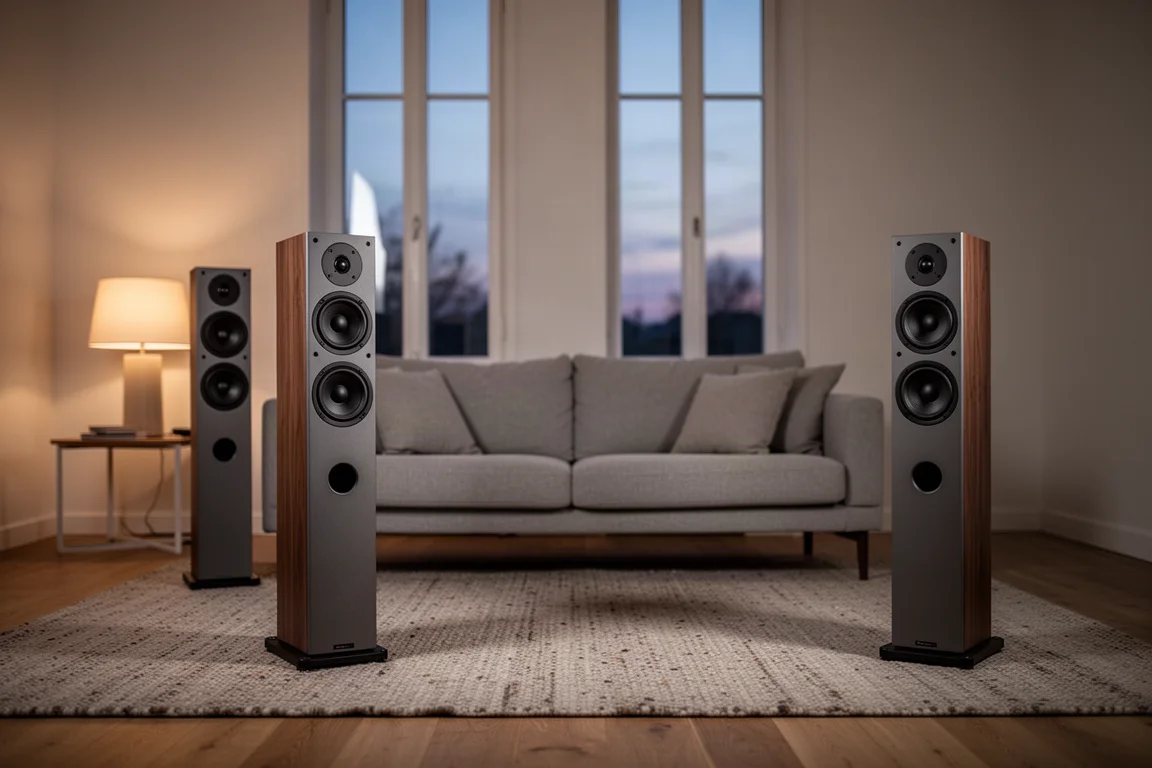
That combination of output and a compact footprint is unusual, and it is the main reason the No.3 stands apart from its smaller sibling rather than simply sitting a step above it.
Focal Aria Evo X No.4
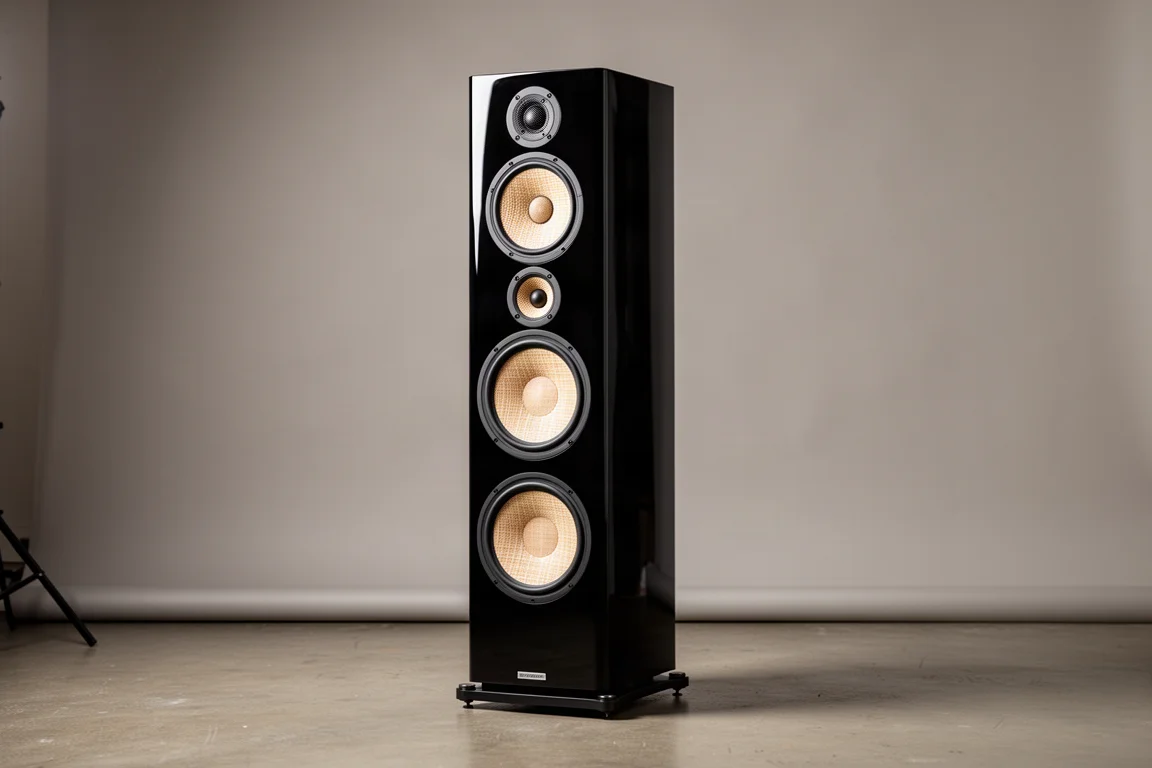
The No.4 is the flagship of the range, intended for larger rooms where extra cone area is needed for bass production. It pairs two 8 inch flax cone bass drivers with multi-port technology, a 6.5 inch flax cone midrange, and the TAM tweeter, for a response of 37 Hz to 30 kHz. That covers most instruments played today, and a subwoofer should only be necessary in the largest rooms or for listeners who favor bass-heavy EDM or hip-hop.
The specifications do not fully capture what this model does, because it reaches remarkably deep in practice. Positioning matters a great deal here, since the No.4 can overload a small room.
Focal Aria Evo X Center
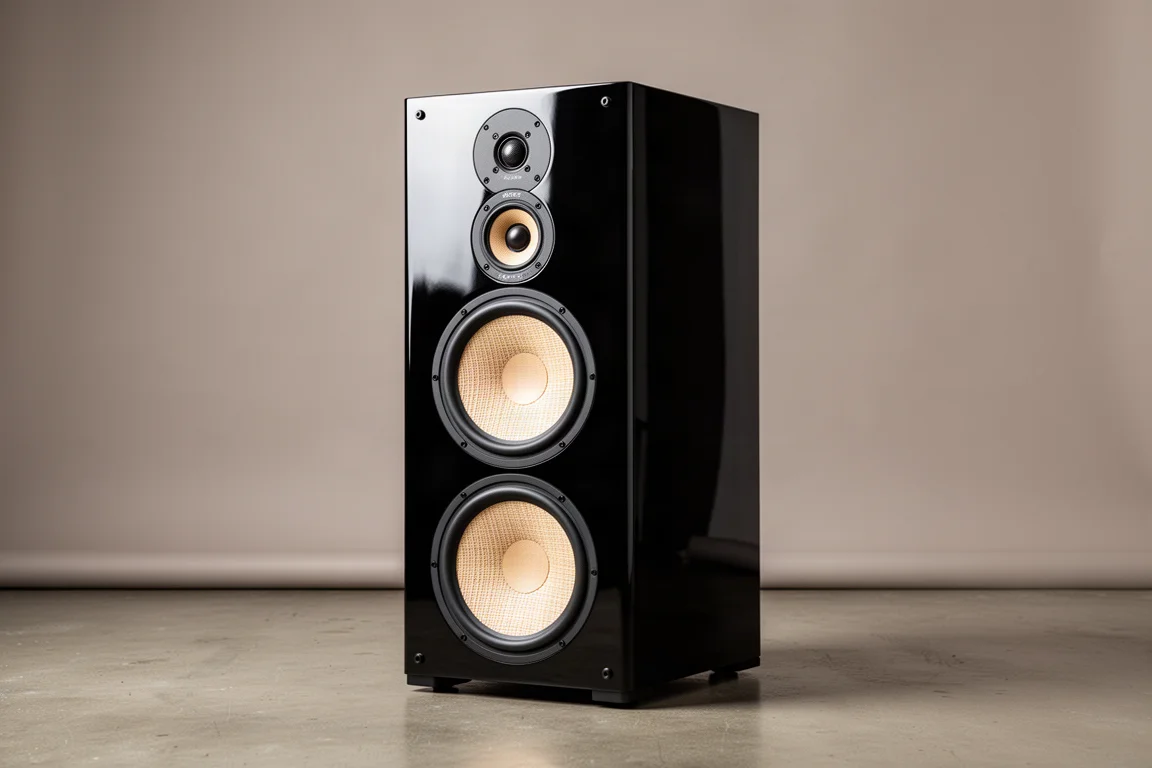
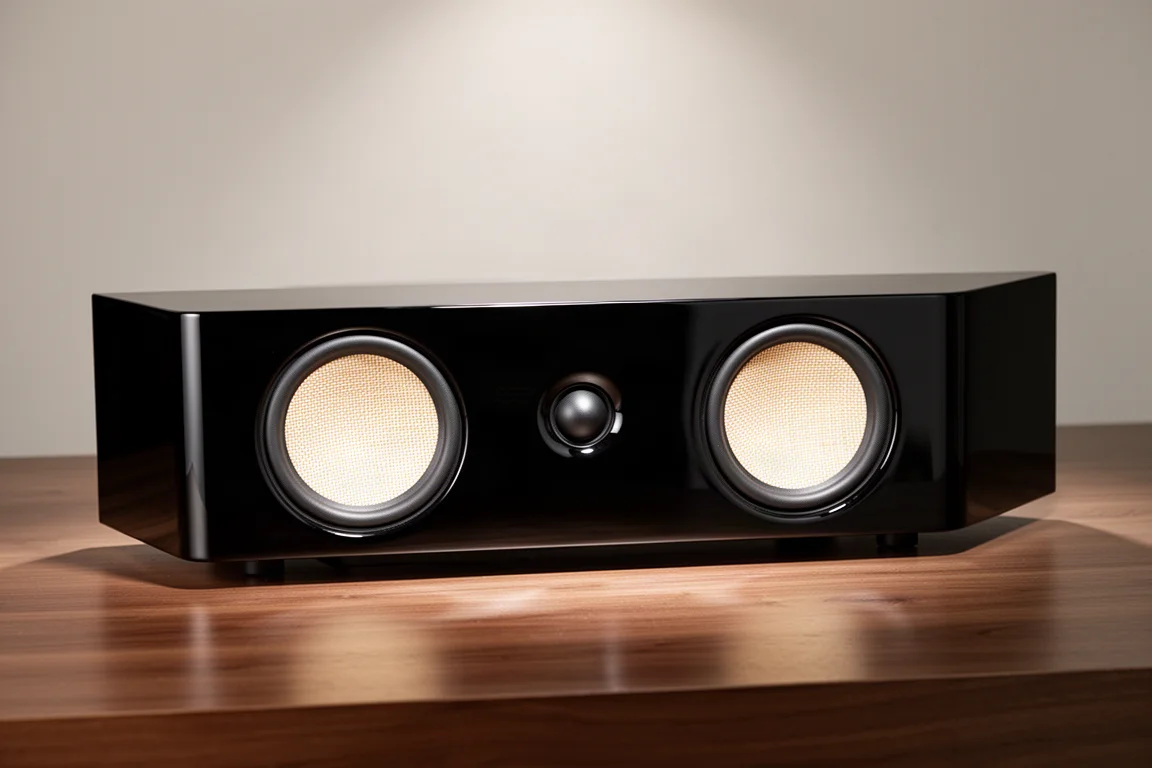
The Center channel uses the same 6.5 inch midwoofers as the Aria Evo X stereo speakers, which keeps tonal matching across a system simple. Its response of 57 Hz to 30 kHz means dialogue and action in movies and games are presented with full clarity.
Using a 6.5 inch driver pair is a deliberate choice that pays off in dynamics. For anyone building an all Aria Evo X theater system, this is the natural anchor for the front stage.
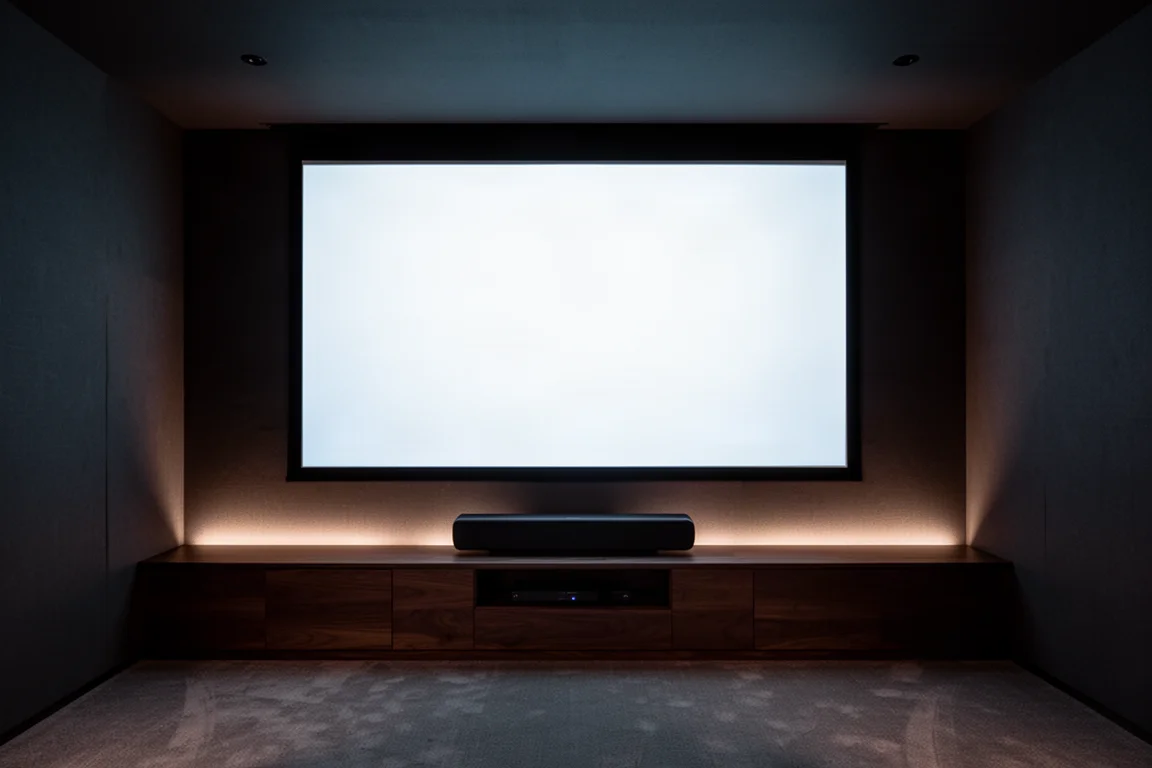
Consistent driver selection across the front three speakers is what makes a system sound like one cohesive whole rather than three separate boxes.
Focal Aria SR900
The SR900 surround speakers use 5 inch flax midwoofers and aluminum-magnesium TNF inverted dome tweeters, which gives a full system the tonal accuracy and timbre matching it needs to stay coherent around the listener.
One practical note is worth keeping in mind. For an immersive object-based surround layout, whether Dolby Atmos or DTS:X, the Aria Evo X No.1 bookshelf is the better choice, because object-based surround works much better with directional speakers. For a basic 5.1 system, the SR900 is a good fit.
Listening Impressions
Several models in the lineup made strong first impressions at CES this year, and more detailed listening followed with the smaller floorstanding No.2 once it was hooked up and positioned properly.
Joni Mitchell’s 1974 album Court and Spark filled the room with a naturalness that was very satisfying. Imaging was precise and the soundstage behaved exactly as it should. The Aria Evo X carries the detail the original Aria was known for, but Focal has done work to make the new line even smoother for longer listening sessions. Vocals had body and detail without sibilance, and the instruments had convincing tone and texture that made it easy to forget these are not Focal’s flagship speakers.
Driver blending matters most on acoustic guitar, which can sound unnatural on speakers that do not integrate their drivers correctly in the crossover. The guitar should sound like one full-bodied instrument with no tonal change between the lower and higher octaves. The Aria Evo X handles this well, presenting a natural and realistic result that comes very close to Focal’s larger, more sophisticated models.
A 2023 album that runs only three songs deep takes the listener from cellos to violins, with every instrument given its own space in the mix so it can breathe. That kind of recording demands precise soundstage and imaging to sound its best, and the presentation was impressive. It is also the type of album that exposes weaknesses in bass speed, clarity, and depth, and it will pick apart a speaker if the crossover or the drivers have any issues. Within their price class, every model in the lineup performed well, and shortcomings only became apparent when compared directly with Focal’s much more expensive siblings.
Which Aria Evo X Model Fits Your Room
Matching the model to the room matters more than any single specification, so it is worth working through the options in order of size.
The No.1 suits small rooms, or larger rooms when paired with a subwoofer, and it doubles as a bed-layer surround speaker. The No.2 is the most versatile choice for medium to large rooms and remains the favorite for medium spaces, with a subwoofer added in larger rooms. The No.3 brings more output and more slam for larger rooms and often removes the need for a subwoofer entirely. The No.4 is built for large rooms where deep bass extension matters, and it rewards careful positioning because it can overwhelm a small space.
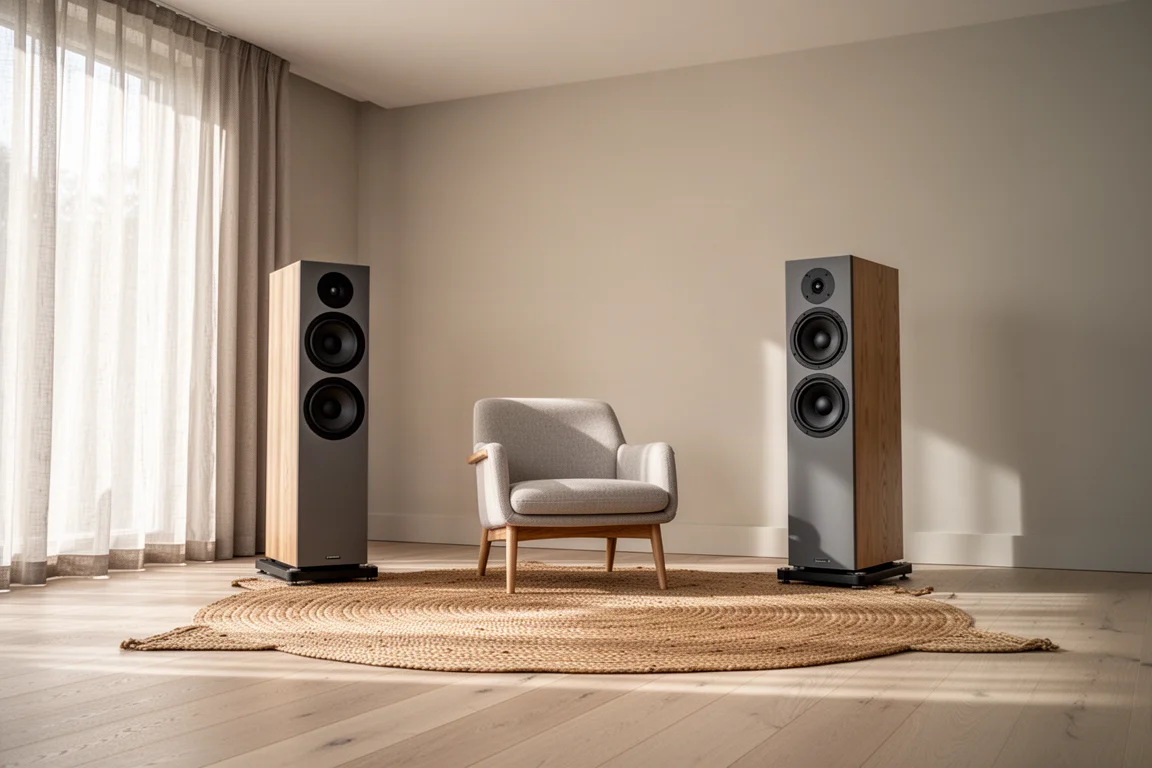
For a home theater or media room, keeping every speaker from the same brand and ideally the same lineup is the simplest route to a coherent result, and the Center and SR900 exist precisely to complete an all Aria Evo X system. Room dimensions, seating position, and screen size all influence placement, so it is worth planning the layout before the speakers arrive rather than after.
Conclusion
The Focal Aria Evo X lineup is a well judged update. The TAM tweeter, flax cone drivers, urethane waveguide, and Powerflow multi-port system give these speakers a blend of technical proficiency and musicality that stands out in their price class, while the finish options and leather front panels mean they look as considered as they sound.
Buyers get the detail and imaging the Aria name is known for, now with a smoother character that holds up over long listening sessions, plus a range wide enough to cover a small stereo setup, a large two-channel room, or a complete surround system. If you know which model matches your room, the decision becomes a straightforward one.
Further reading
Related Reviews
Home Audio Speakers
Bose 901 Series VI Review: The Final Direct/Reflecting Flagship
A close look at the last Bose 901, from its open reflected sound and stand-mounted design to the dedicated equalizer and amplifier it needs to perform.
Home Audio Speakers
Infinity Primus 360 Review: What a 20-Year-Old Three-Way Tower Still Gets Right
A discontinued three-way floorstander from around 2005 that still measures within about plus or minus 2 dB on axis. Here is what it does well, where it falls short, and what to check before buying a used pair.
Home Audio Speakers
KEF Blade One Meta Review: Flagship Sound From a Single Apparent Source
A close look at the KEF Blade One Meta, from its 12th generation Uni-Q driver array and MAT absorption to real listening notes and what to weigh before buying.